Is Varna Worth Visiting? Honest Pros and Cons (2026)

Varna has a museum full of gold that’s more than 6,000 years old, a Roman bath complex with walls that still stand about 22 metres high, and a long seaside garden that runs right down to the beach. I visited one summer and spent three days here. I came for the sea and ended up staying for the history.
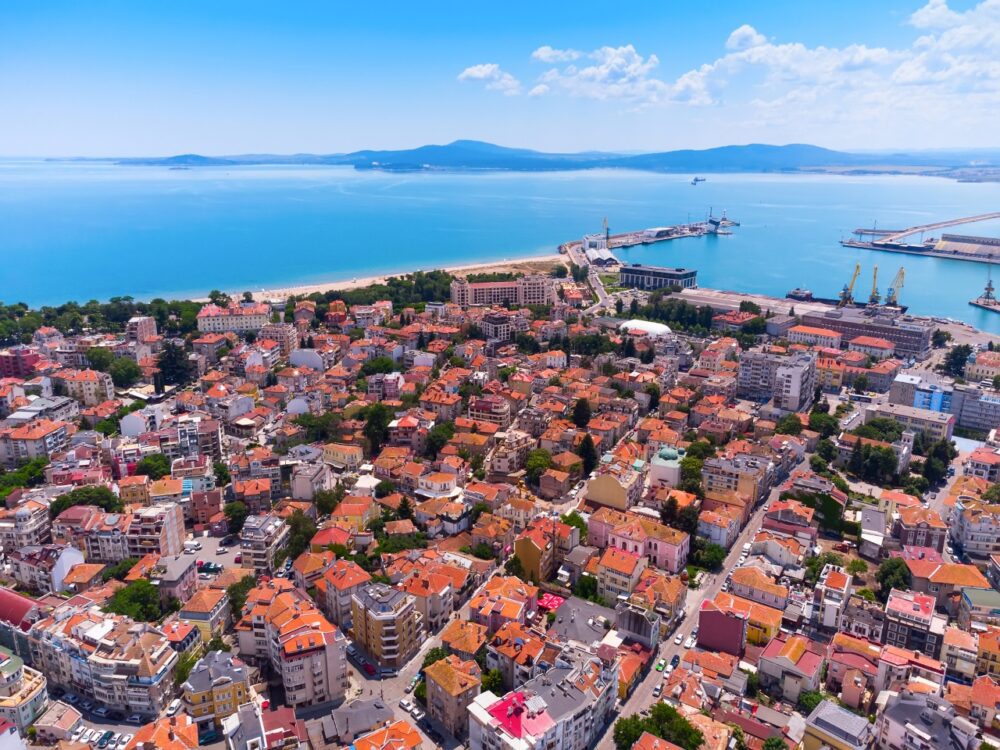
Varna is the third-largest city in Bulgaria and its main port on the Black Sea. Greek settlers from Miletus founded it around 570 BC, and they called it Odessos. Locals often call it Bulgaria’s sea capital, and in summer that name fits. Varna is worth visiting if you want a beach break that comes with real culture, cheap food and a relaxed pace.
That said, it isn’t perfect for everyone. Below, I’ve covered the best parts of the city and the things that put some people off. You’ll also find the best areas to stay, the tours I’d book, the right time of year, how many days to plan and how to get around.
Pros of Visiting Varna

1. Varna Archaeological Museum
The Varna Archaeological Museum is the reason I’d put Varna on any history lover’s list. It holds the Varna Gold Treasure, which dates to the Chalcolithic period and is more than 6,000 years old. People often call it the oldest worked gold in the world. The museum also covers the Thracian, Greek, Roman and medieval eras, so you can follow the city’s story from the very start. The tiny gold ornaments are the highlight, and it’s hard to believe they’re thousands of years older than the Romans.
I spent a bit over two hours inside. It’s open from 10:00 to 17:00 every day between May and September. In winter it closes on Sundays and Mondays. Tickets cost €10 and you can buy them at the door. If you want to book ahead, the museum ticket with e-guide lets you read along on your phone as you walk around.

2. Roman Thermae
The Roman Thermae is the largest public ancient building found in Bulgaria. The baths covered more than 7,000 square metres, and some of the walls still reach about 22 metres. You can walk through the old cold, lukewarm and hot rooms and see the underground heating system. It’s a huge complex for a city that was once called Odessos.
The site is open from 10:00 to 18:00 between June and September, and tickets cost €4. It’s an easy walk from the cathedral, so it fits into a morning. I’d book the one-hour guided tour of the Roman Baths, because the ruins make a lot more sense with a guide. The group is limited to six people, so you can ask plenty of questions. Bring a hat, as there’s very little shade inside. Afterwards, grab a coffee at one of the cafés nearby. The area is calm, and it’s a nice spot to sit and think about how old this city is.

3. Sea Garden
The Sea Garden is my favourite part of Varna. The idea for a city garden by the sea goes back to 1881, and the grand columned entrance was added in 1939. Today it’s a long strip of shady alleys, fountains, playgrounds, cafés and sea views. It’s free to enter, and it’s where half the city seems to end up on a warm evening. Look for the Alley of the National Revival, which honours figures like Hristo Botev and Vasil Levski. Carry a bottle of water in summer.
I walked it from the central entrance towards the Dolphinarium on my first night. Families, joggers and couples were out everywhere. If you want to go further, the Euxinograd residence sits about 8 km north of the city. It has a huge park with greenhouses and a palace winery with a tasting room. It’s a good half-day escape when the beach gets busy.
4. Aquarium and Dolphinarium
The Varna Aquarium sits inside the Sea Garden, and it’s a great rainy-day or midday-heat option. It shows about 140 Black Sea species, plus freshwater and exotic fish. Two extra halls cover fish migration, the marine food chain and how the Black Sea works. It’s open every day from 09:00 to 19:00 between June and September.
The Dolphinarium is a short walk away in the Saltanat area. It opened in 1984, and its glass-cube building is a Varna landmark. From late June to early September there are up to four shows a day, and it closes on Mondays. I only had time for the aquarium. It was cool, quiet and a nice break from the sun. Families with kids will get the most out of both. Grab a coffee at one of the garden cafés between visits, and you can easily fill a relaxed half-day without leaving the park.

5. Black Sea Beaches
Varna has a proper city beach. Central Beach sits just below the Sea Garden, so you can swim and then walk straight back up into the shade. The water was warm in summer, and the beach bars kept things lively into the evening. Sunbeds and umbrellas cost extra, so bring a towel if you’d rather save the money. Golden Sands is a short drive north for a bigger resort beach.
For something quieter, I’d head to the Kamchia River. The Kamchia river kayaking tour paddles through a biosphere reserve and finishes with a rest on a sandy beach by the sea. It takes five hours in total, with about four on the water. Pickup is at 08:30 from the cathedral, and the group is limited to 11 people. Weekdays are far calmer than weekends, and an early swim before 09:00 was my favourite part of each day.
6. Varna Cathedral
The Dormition of the Mother of God Cathedral is the city’s best-known landmark. It stands on St. Cyril and St. Methodius Square in the centre, and it went up after Bulgaria’s Liberation. Inside you’ll find icons, frescoes and a carved iconostasis. It’s free to enter, but cover your shoulders and skip the flash if you take photos.
I walked past it every day, because it was only a few minutes from my hotel. It’s also a handy meeting point, since many tours start right outside. If you want the story behind the symbols, the one-hour Secret Symbols of Varna Cathedral tour explains the architecture, the dome and the iconostasis. The group is capped at 10 people. The square around the cathedral is worth a stop too. Locals gather here on weekend evenings, and there are plenty of cafés and ice cream stands within a minute’s walk. It’s a lovely place to sit after a day of sightseeing.
7. Black Sea Seafood
Eating in Varna is great value, especially if you like seafood. Look for grilled fish, fried sprats, mussels and shopska salad (tomato, cucumber and white cheese). Tarator, a cold cucumber and yoghurt soup, is perfect on a hot day. Most mains cost around €8 to €14, and a beer is about €3. Restaurants along the Sea Garden and the harbour are busy, so book a table at dinner in July and August. Save room for baklava or a sweet banitsa from a local bakery, which usually costs less than €2.
To get a proper overview, I’d join the Varna gourmet tour. It’s a private walk of around four hours with Bulgarian food and local snacks. It finishes in a cellar with a tasting of wines picked by an expert. Hotel pickup and drop-off are included, and the meeting point is at the Tourist Information Centre by the cathedral.
8. Stone Forest
The Stone Forest, or Pobiti Kamani, sits about 18 km west of Varna. It’s a field of limestone pillars, some up to 7 metres tall, and the best guess is that they formed about 50 million years ago. Locals still argue about how, and some say it was once a real forest. It’s a strange, quiet place to wander. Tickets cost €3, and it’s open from 10:00 to 19:30 between May and October, closed on Mondays and Tuesdays.
I’d go close to sunset, when the light turns the stones orange. The Stone Forest sunset tour runs for two hours. It includes the entry ticket and a 30-minute jeep ride each way. You get about an hour among the pillars, and the group is limited to eight people. Bring water and sun cream in summer, as there’s almost no shade among the pillars. The paths are short and easy, so it suits kids and older travellers too.
9. Summer Festivals
Varna is known as a city of festivals. The International Music Festival Varna Summer has run since 1926, and it brings classical concerts, open-air opera and ballet each summer. The city also hosts an international theatre festival in early June and a folklore festival in the first week of August. Jazz fans get their own events too.
I liked how many of these happen outdoors. The Summer Theatre in the Sea Garden stages opera and ballet under the open sky, and the setting is hard to beat. Dates change from year to year, so check the programme before you book your flights. Even without a ticket, you’ll often find free concerts and street performers around the Sea Garden on warm evenings. Tickets for the bigger nights are best booked ahead in July and August. Smaller events are often cheaper, so it’s worth looking at what’s on during your dates.
10. Easy Day Trips
Varna works well as a base for day trips. Aladzha Monastery is a medieval cave monastery carved into a cliff in the Golden Sands Nature Park. Monks lived here in the 13th and 14th centuries. Tickets cost €5. Balchik, with its palace and botanical garden, and Cape Kaliakra are further up the coast. Balchik is worth the trip for its botanical garden and the seaside palace of Queen Marie of Romania. Cape Kaliakra has dramatic cliffs and a ruined fortress. Nessebar, with its old wooden houses, is another popular outing, and it’s about two hours away.
If you don’t want to drive, the Northern Black Sea Coast tour covers Aladzha, Balchik, Cape Kaliakra and a winery tasting in six hours. History fans should look at Madara. The Madara Rider, Pliska and Shumen day trip takes in a UNESCO relief, the ruins of Bulgaria’s first capital and a big hilltop monument.
Cons of Visiting Varna
1. Crowded Summer Beaches
Varna is Bulgaria’s main seaside city, and everyone knows it. In July and August, Central Beach gets packed, sunbeds are close together and the Sea Garden paths are full from late afternoon. Traffic builds up on the roads toward Golden Sands too. On my second afternoon, I gave up on finding a quiet spot by about 14:00.
The fix is easy. Go early, or swim in the evening when the crowds thin out. You can also get on the water. The sunset cruise runs for 90 minutes around Varna Bay, and it includes a glass of wine or a soft drink. It has a pirate theme, so it’s best for families, but the views are lovely. Even on busy days, the sea air and the old streets keep Varna well worth it.
2. Long Way From Sofia
Varna sits on the far side of the country from Sofia. The train and the bus both take around six to seven hours. If you’re combining it with a city break in Sofia, it eats most of a day. Trains can feel slow, and some services run only a few times a day. I’d rather not spend a whole travel day in July heat.
The easiest fix is to fly straight into Varna. Many European cities have direct flights, and the airport is close to town. A private airport transfer takes about 25 minutes. If you take the train, check times on the BDZ site before you travel. It’s a long ride, but the journey is easy once you’ve planned it, and Varna is worth the effort. Book your tickets ahead in summer, because popular services fill up.
3. Rough Around the Edges
Varna isn’t a polished postcard town. Some pavements are uneven, parked cars block narrow lanes and Soviet-era apartment blocks sit beside Roman ruins and Revival houses. A few streets near the centre feel tired. Don’t expect the neat, car-free Old Town that other European cities have. I did a lot of looking down at my feet in the first hours.
The fix is to focus on the best parts and let a guide link them together. The guided walking tour lasts 1.5 hours and starts at the cathedral. It passes the Clock Tower, the Opera and the Roman Baths, and it explains how the city’s styles fit together. Wear comfortable shoes, and you’ll quickly see what makes Varna special. Give the city a few hours, and the rough edges start to feel like character.
4. Reduced Hours Outside Summer
Many sights run shorter hours once autumn starts. From October, the Archaeological Museum and the Roman Thermae close on Sundays and Mondays, and opening times drop to 10:00 to 17:00. The Dolphinarium closes on Mondays all year, and the Stone Forest closes on Mondays and Tuesdays. The beach season is also over by then. Winter days are short, and the sea breeze turns cold.
The fix is to plan your days around the opening hours. Visit the museums on weekdays, and save the Sea Garden for the weekend. An indoor option like The World’s Oldest Gold museum tour is a great way to spend a grey afternoon. It lasts 2.5 hours and the group is limited to 10 people. Off-season Varna is quieter, and it’s still a good choice.
5. Noisy Summer Nights
Summer nights in Varna can be loud. The bars and clubs around the Sea Garden and the beach stay open late, and music carries a long way. Cars and scooters buzz along the boulevard until after midnight. On my first night, I could hear the bass thumping from my room until about 01:00. If you want an early start, that gets old fast.
The fix is to pick your base carefully. The Old Town was much quieter, and I slept well there. Ask for a room at the back of the building, and bring earplugs if you’re a light sleeper. You can also escape the noise for a day. The Aladzha Monastery and winery tour is a calm, 4.5-hour break with a tasting of five wines. Some noise is a fair price for a city this lively.
Where to Stay
Old Town: The Old Town, around the Roman Baths and the cathedral, is where I stayed. Everything is within a short walk, and the streets are full of old houses, cafés and wine bars. It’s also much quieter at night than the beach strip. The downsides are some uneven pavements and a 20-minute walk to the Sea Garden. Greek Quarter Stay is a budget apartment with private parking and air conditioning. Boutique Splendid Hotel is a mid-range 3-star with a fitness centre, a lift and a coffee house. Aslan Gold Hotel is the upscale pick, with a bar, room service and a parking garage.
City Centre: The area around Nezavisimost Square and Musala Street is busy, central and full of shops, restaurants and bus stops. It suits first-timers who want easy transport. The downsides are traffic and more street noise. City Stay in Varna is a budget apartment with a garden, a terrace and a parking garage. Efbet Hotel is a mid-range 4-star on Nezavisimost Square, with a restaurant, soundproof rooms and a lift. Royal Hotel is a 3-star with a spa, a sauna, a hammam and soundproof rooms.
Sea Garden and Beachfront: If you want to be near the beach, the Aquarium and the Dolphinarium, this is the best area. You can walk through the park in the morning and swim in the afternoon. It’s lively and great for families, but it’s also the noisiest part of town in summer. Top Center Apartment and Rooms Varna is a budget option with soundproof rooms and a garden. Family Hotel Classic is a mid-range 3-star near the Dolphinarium, with a garden, a terrace and massage services. mOdus Hotel is the upscale choice, with a restaurant, a sauna, a fitness centre and a spa lounge.
Chaika, Briz and Sveti Nikola: The residential coast north of the Sea Garden is calmer, greener and better for families with a car. Many hotels here have pools and free parking. The downside is distance. You’ll need a bus or a taxi to reach the centre. Amber Hotel Guest House is a budget guest house with a seasonal outdoor pool, a hot tub and free parking. Alekta Hotel is a mid-range 3-star with free parking, a garden and a seasonal outdoor pool. Dallas Residence is a 4-star with a spa, a hammam, a sauna and an outdoor pool.
Best Things to Do
Varna suits a mix of short city tours, food experiences and day trips along the coast. These are the activities I’d book first.
- Guided walking tour: A 1.5-hour walk that starts at the cathedral. It passes the Clock Tower, the Opera and the Roman Baths, with stories from ancient Odessos to the Bulgarian Revival.
- Roman Baths of Odessos tour: A one-hour guided visit with a group limited to six people. You’ll see the heated rooms, the cold pools and the underground heating system, with plenty of context on daily life in Roman Varna.
- World’s Oldest Gold museum tour: A 2.5-hour small-group tour of the Archaeological Museum, limited to 10 people. It focuses on the Varna Gold Treasure and the Thracian, Greek and Roman collections.
- Secret Symbols of Varna Cathedral: A one-hour small-group tour that starts at the cathedral. The guide explains the icons, the frescoes, the dome and the iconostasis.
- Gourmet tour with wine tasting: A private four-hour walk with Bulgarian food and snacks, finishing in a cellar with an expert’s wine selection. Hotel pickup and drop-off are included.
- Sunset cruise: A 90-minute boat trip around Varna Bay with a glass of wine or a soft drink, snacks and music. There’s also a pirate treasure hunt for kids.
- Stone Forest sunset tour: A two-hour trip for up to eight people. It includes the entry ticket and a jeep ride, plus about an hour among the limestone pillars.
- Northern Black Sea Coast tour: A six-hour day trip with hotel pickup. It stops at Aladzha Monastery, Balchik, a winery tasting, Cape Kaliakra and the Shabla Lighthouse.
- Madara Rider, Pliska and Shumen day trip: An eight-hour van trip with pickup. You’ll visit the UNESCO-listed Madara Rider, the ruins of Pliska and the Shumen monument, with a stop for lunch.
- Nessebar audio-guided tour: A 7.5-hour trip in a small van for up to eight people. You get an audio guide on the two-hour drive, then about four hours of free time in Nessebar’s old town.
- Kamchia river kayaking: A five-hour guided paddle through a biosphere reserve, with equipment and a short training session included. You finish with a rest on the beach.
- ATV tour: A one-hour ride on forest trails and dirt roads near Dobrogled, after a 20-minute safety briefing. A helmet, goggles, fuel and a guide are included.
Best Time to Visit
Summer: I visited in summer, and it’s the best time for the beach, the Sea Garden and the festivals. Highs reach the high 20s and low 30s, and the sea is warm enough for a proper swim. The Varna Summer music festival runs through the season, and the folklore festival fills the first week of August. The downsides are crowds, higher hotel prices and loud nights near the beach. Book early for July and August.
Autumn: Autumn is a great second choice. September is still warm, the sea is pleasant and the crowds thin out. The city hosts a number of wine and food festivals around this time. From October, museum hours get shorter, and the Archaeological Museum and the Roman Thermae close on Sundays and Mondays. By November, the beach season is over, but it’s a calm month for sightseeing.
Winter: Winter is cold, grey and windy, with temperatures close to freezing. Many beach bars close, and the Sea Garden is quiet. It’s a good time if you want museums without crowds and cheap rooms. Short days and reduced opening hours limit what you can do. Pack warm layers, and plan indoor activities like the Archaeological Museum and the Aquarium.
Spring: Spring is mild and fresh, with highs in the high teens by May. The Sea Garden is in bloom, and sights are quiet. The sea is still too cold for swimming. The International May Choir Competition takes place in May. It’s a good time for day trips to Aladzha Monastery, the Stone Forest and Balchik. Expect the odd rainy day, so bring a jacket.
How Long to Spend
1-2 Days: Two days is enough for the main highlights. Spend the first morning at the Archaeological Museum and the Roman Thermae. In the afternoon, visit the cathedral and walk down to the Sea Garden. On day two, take a short trip to the Stone Forest or Aladzha Monastery, then end with seafood on the waterfront. It’s a rushed pace, but it works for a short city break. Start early on day one, before the heat builds, and keep the beach for the late afternoon.
3-4 Days: Three days is the sweet spot, and it’s how long I spent. It gives you time for the Aquarium, a swim at Central Beach and a slow evening walk through the Sea Garden. You can add a day trip to Balchik and Cape Kaliakra, or visit the Euxinograd park. A guided walking tour on day one helps you get your bearings. On my last afternoon I just sat at a beach bar with a cold drink, and I’d happily repeat that. Leave a gap in your plan for the same.
5-7 Days: With a week, Varna becomes a proper base. You can add Madara and Pliska, a Nessebar day trip and a kayaking tour on the Kamchia River. There’s also time for the beach, a sunset cruise and a few lazy evenings on the Sea Garden terraces. If you want to keep moving, Burgas and the southern Black Sea coast are within easy reach. A week is more than most visitors need, but it suits slow travellers who like to mix sightseeing with beach days.
Getting Around
On foot: The centre is compact, and walking is the best way to see it. The cathedral, the Roman Thermae and the Archaeological Museum are within about ten minutes of each other. The Sea Garden is about 20 minutes from the Old Town. The streets are flat, though some pavements are uneven.
Buses: Varna has buses and trolleybuses that cover the whole city. A 60-minute paper ticket costs €1, a 90-minute ticket is €1.30 and a day ticket is €2. You can buy them from machines at stops or on board, and you must validate them when you board. The TTickets Varna app is cheaper, at €0.51 for a 60-minute ticket. The #BusVarna app shows routes and stops. Buses get crowded in July and August, so allow extra time and keep small change handy.
Taxis: Taxis are cheap, and short rides in the centre usually cost a few euros. I’d use the Bolt app instead of hailing a cab on the street. You can see the price up front, and you avoid any disputes about the fare. Taxis are handy after dark, when buses become less frequent.
To and from the airport: Varna Airport is close to the city, and bus line 409 runs to the centre in about 20 minutes. It also stops at the bus station, the cathedral and the Dolphinarium. For a door-to-door ride, book a private airport transfer to the city, which takes around 25 minutes. There’s also a Golden Sands transfer that takes about 35 minutes. Line up your journey back the day before, so you aren’t searching for a ride on your last morning.
So, is Varna Worth Visiting?
Varna is a brilliant mix of beach holiday and history. You get a Roman bath complex, a museum with some of the oldest gold in the world and a seaside garden that’s perfect for evening strolls. The food is cheap and fresh, and the day trips along the coast are easy to arrange. I came for a few days by the sea, and I left wanting to see more.
It isn’t flawless. Summer beaches get packed, the city feels a bit rough in places and the nights near the Sea Garden can be loud. Varna is also a long way from Sofia, and many sights have reduced hours outside the summer months. None of that put me off. A good base in the Old Town, an early start and a few well-chosen tours solve most of it.
If you’re deciding, plan for three days and aim for summer or early autumn. Start at the Archaeological Museum, spend an afternoon at the Sea Garden, and finish with a sunset at the Stone Forest. I’d be surprised if you left wishing you’d picked a different Black Sea city.