
Is Ljubljana Worth Visiting? Honest Pros and Cons (2026)

The first thing I noticed in Ljubljana was the quiet. There were no cars in the centre, only bike bells, café chatter and the Ljubljanica river sliding past a row of willow trees. I arrived one autumn for three days, and I was won over before I’d even found my hotel. The city felt like a village that had been handed a castle and a few good bridges.
Ljubljana is the capital of Slovenia, and fewer than 300,000 people live here. It was named European Green Capital in 2016, and you can see why. You get a hilltop castle, bridges designed by the architect Jože Plečnik, riverside terraces and the Alps on the horizon. Ljubljana is worth visiting if you like walkable, relaxed cities with great food, good wine and easy day trips. It isn’t cheap, but it’s a place you’ll want to return to.
This guide covers what I loved and what I’d warn you about. I also cover the best areas to stay, the tours worth booking, when to go, how long to spend and how to get around. By the end, you’ll know if Ljubljana belongs on your route.
Pros of Visiting Ljubljana
1. A Car-Free Old Town
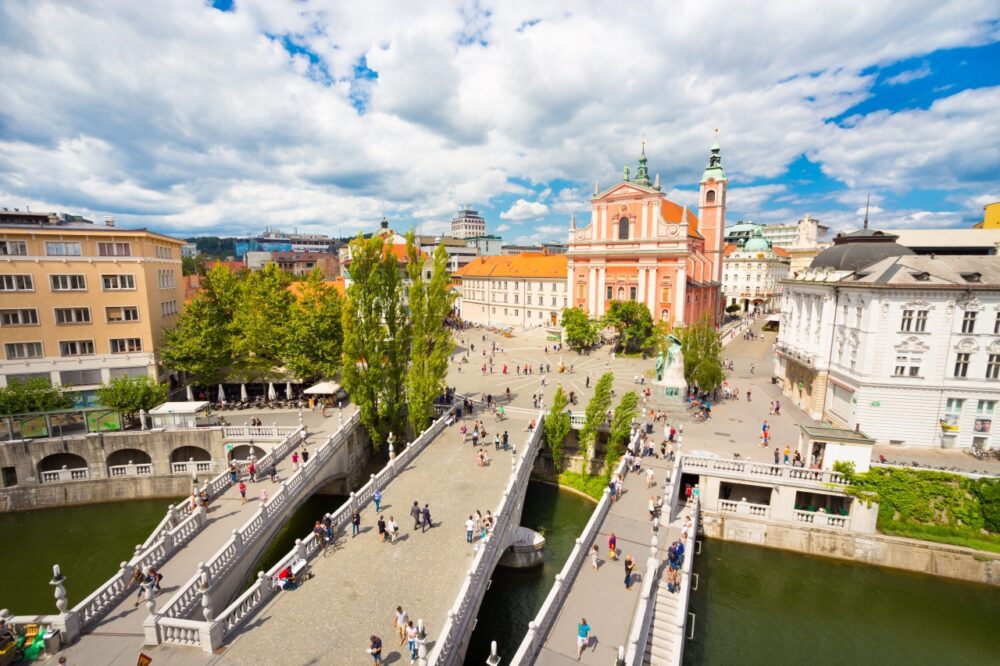
Ljubljana’s Old Town is closed to normal traffic, and you notice it straight away. Cobbled lanes wind between pastel Baroque facades, and nobody seems to be in a hurry. I stayed right in the middle, so I stepped out each morning into empty streets and the smell of fresh coffee. Prešeren Square is the heart of it. It has a statue of the poet France Prešeren and the pink Franciscan Church of the Annunciation, and locals meet here all day.
From there, everything is a short stroll. The cathedral, the market, the river and the castle funicular are all within ten minutes on foot. A guided Old Town walking tour lasts two hours and explains the stories behind the squares. It also covers quieter lanes you might miss. Do it early in your trip, then wander back at your own pace. The guides are friendly and happy to answer questions.
2. Ljubljana Castle
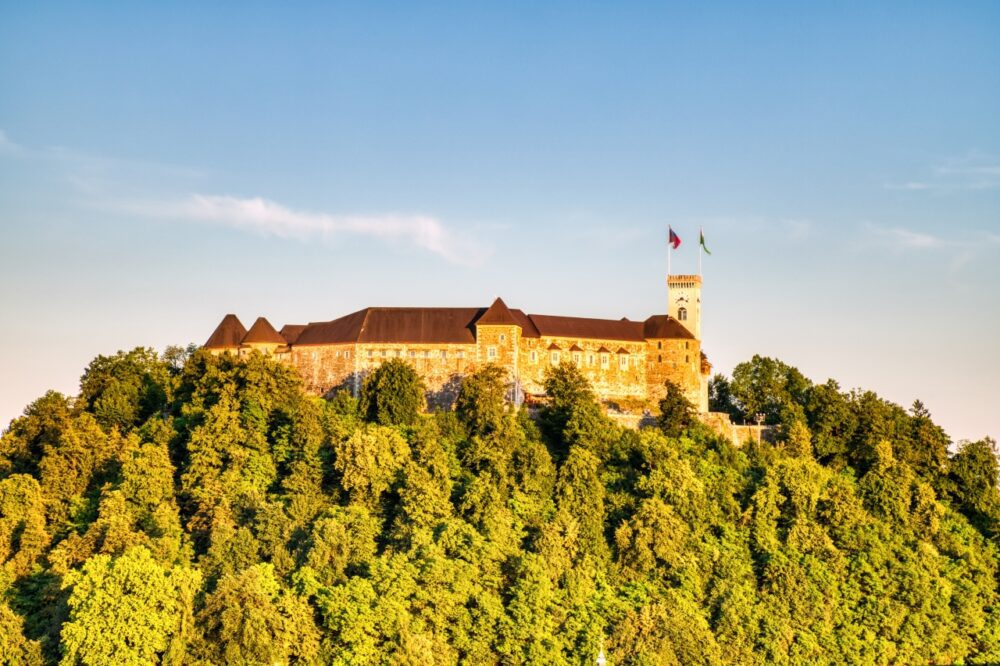
Ljubljana Castle sits on a wooded hill above the Old Town, and it’s the best viewpoint in the city. Most of what you see today was rebuilt over the centuries, but the setting is superb. The courtyard has cafés and a restaurant, and the viewing tower looks over the red roofs towards the Alps. On a clear day, I could see snow on the peaks. The castle is open 365 days a year, with longer hours from May to September.
You can walk up through the woods in about 15 minutes, or ride the funicular, which takes about a minute. A castle ticket with the return funicular costs €19 for adults. You can book the castle ticket with an optional funicular ride in advance. Entry is also free with the Ljubljana Card. Go late in the afternoon for the softest light, and stay for sunset over the rooftops.
3. Riverside Cafés on the Ljubljanica
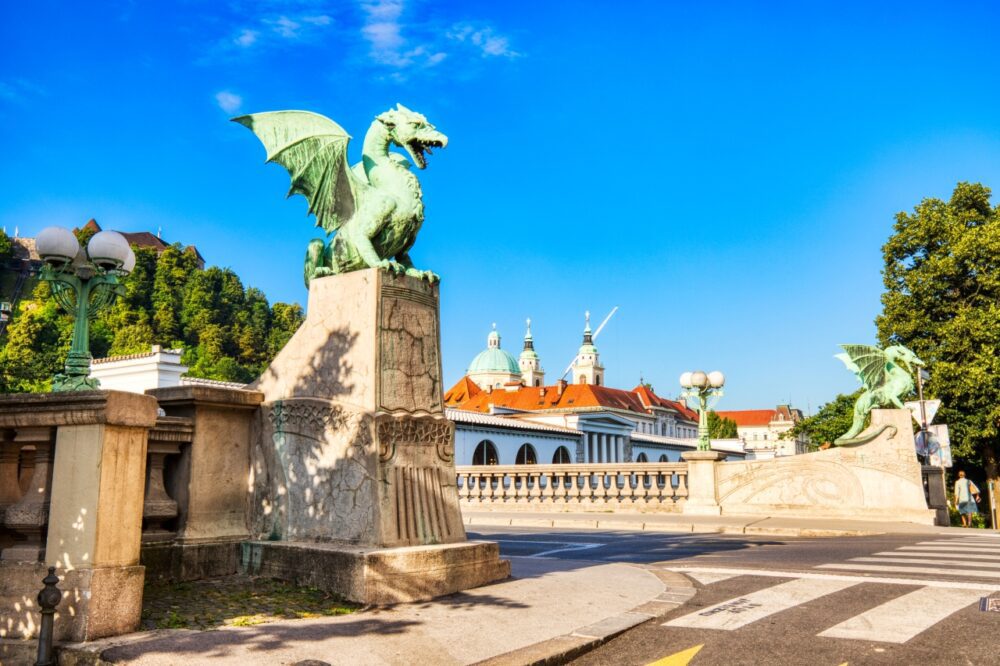
The Ljubljanica runs through the centre, and its banks are lined with willows, cafés and restaurants. Terraces spill onto the embankment, and in the evening the whole strip glows. I spent most evenings here with a drink, watching the boats drift past. Locals do the same, so it never feels like a tourist trap. The Dragon Bridge crosses the river nearby. The dragon is the city’s symbol, and four of them guard the bridge.
For the best view, hop on an electric boat tour. It lasts about 50 minutes and glides under the bridges, past the castle and the market. Prices start around £13, and the captain shares stories along the way. Go in the late afternoon, when the light softens. The ride is quiet, because the boats run on electricity, so you can hear the guide and the water. It’s an easy, cheap way to see the city from a new angle.
4. Plečnik’s Ljubljana
Much of the city’s charm comes from one man. Jože Plečnik, the Slovenian architect, reshaped Ljubljana in the early 20th century. He designed the Triple Bridge, the Central Market colonnades and the National and University Library. His style is calm and classical, with columns, pyramids and soft stone. Once you spot it, you see it everywhere. His house is now a small museum.
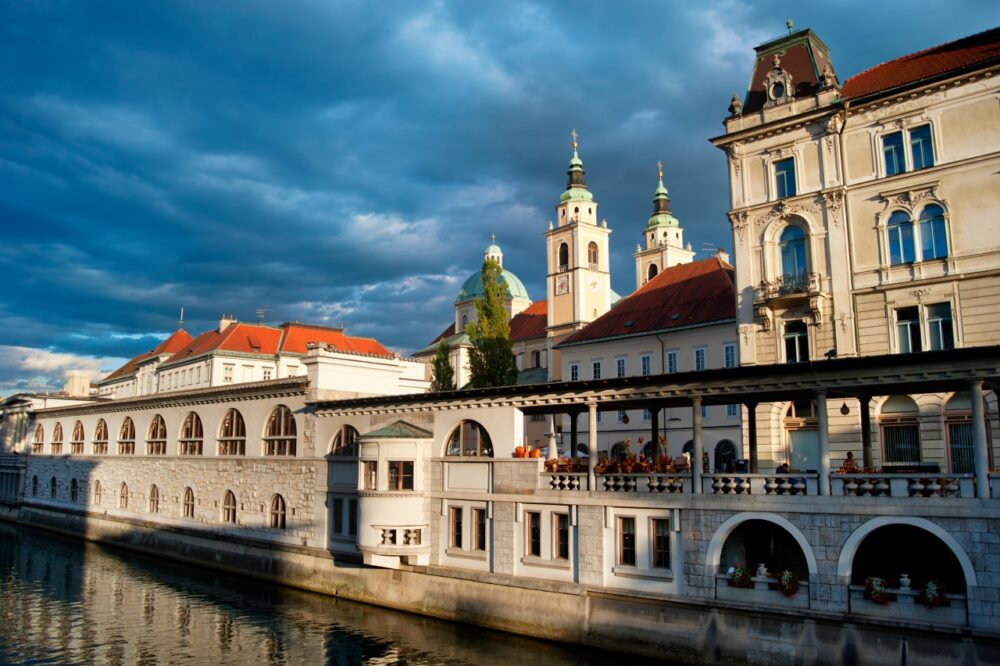
The Triple Bridge is the best place to start. The central stone bridge dates to 1842, and Plečnik added two pedestrian bridges on either side between 1929 and 1932. From here, walk along the river to the Central Market. Plečnik built it between 1940 and 1944, and its arcades follow the curve of the water. The covered market is open Monday to Saturday, so come in the morning for the best choice. Pick up bread, cheese and fruit, then eat by the water. It’s one of my favourite spots in the city.
5. Tivoli Park and Green Spaces
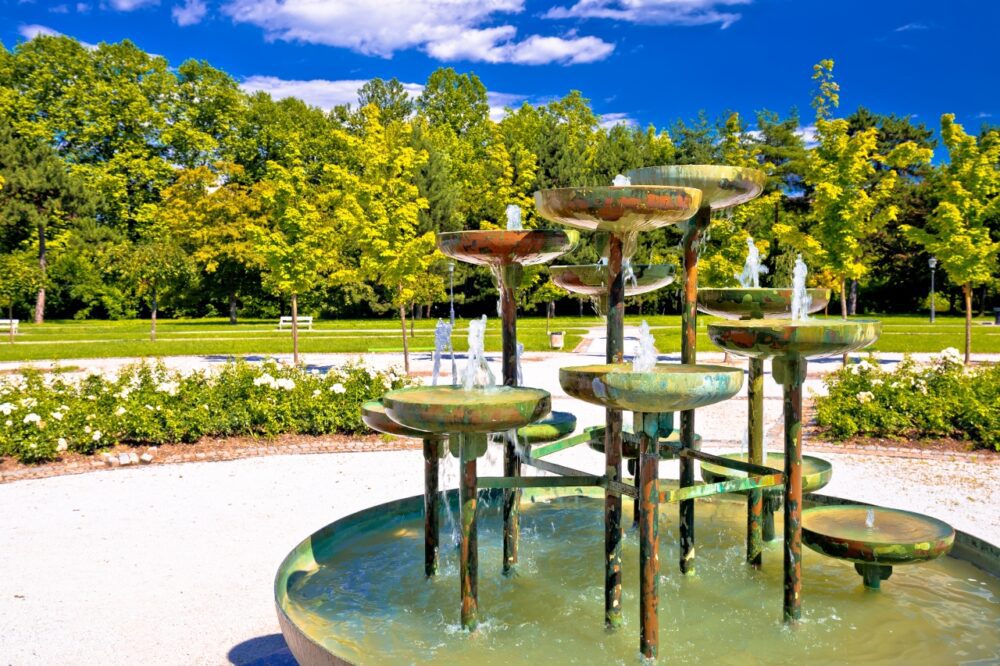
Ljubljana earned its Green Capital title honestly. Tivoli Park, the city’s largest, starts a ten-minute walk from the Old Town. Wide avenues, chestnut trees and ponds make it ideal for a long stroll. The Jakopič Promenade hosts open-air photo exhibitions along its path. I went on a golden afternoon, and the leaves were turning. Joggers, dog walkers and families filled the paths. It felt like the whole city lived outdoors, and I soon wanted to join in.
At the top of the park, Rožnik Hill has forest trails and a small hilltop church. The climb takes about 30 to 45 minutes on foot, and the views are worth it. Tivoli Castle, inside the park, houses a graphic arts centre. Bring a picnic, because there are benches and lawns everywhere. The park is free and open all day, so it works for a quick break or a whole afternoon. Pack layers, since the hill can be cooler than the city.
6. Slovenian Food and the Central Market
Slovenian food is hearty and simple, and it mixes Alpine, Italian and Hungarian influences. Try Carniolan sausage, jota (a bean and sauerkraut stew), štruklji (rolled dumplings) and potica (a nut roll). Buckwheat žganci shows up on many traditional menus. Most restaurants use local ingredients, and it shows. The Central Market is the best place to taste it all. On Fridays from mid-March to the end of October, Open Kitchen fills Pogačarjev Square with chefs and food stalls.
To learn what to order, book a food tour. It lasts three hours and includes ten tastings, plus a secret dish revealed on the day. Prices start around £85. I’d do it early in your trip, then return to your favourite stops. Come hungry, because the portions add up. You’ll leave with a list of places to return to, and the guides are generous with tips and local stories.
7. Slovenian Wine
Slovenia makes excellent wine, but little of it leaves the country. Locals drink most of it themselves. The country has three main wine regions, and you’ll see whites such as Malvazija and Rebula, plus the red Teran. Orange wine is popular too, and the wine bars in the Old Town are happy to explain it. I tried a flight in a candlelit cellar and went back the next evening.
For a setting you’ll remember, try the wine tasting at the castle cellar. It lasts two hours and includes seven top Slovenian wines with appetisers, led by an English-speaking expert. Prices start around £46. Book it for your first evening, so you know what to order afterwards. Wine here is good value, and a glass often costs only a few euros. The staff are patient with beginners, so ask for a recommendation and try something new.
8. Metelkova and Street Art
Metelkova is Ljubljana’s alternative side. It was a Yugoslav army barracks, and artists and activists took it over in the 1990s. Today it’s a colourful maze of sculptures, graffiti, galleries and bars. A former military prison next door is now a hostel. I wandered through in the afternoon, when it’s calm and safe, and found something strange on every wall. At night, the clubs and gig venues come alive.
To see more of the creative scene, join the street art and alternative culture bike tour. It lasts three hours and rolls past murals, hidden courtyards and cultural spots, with a local guide. Prices start around £28. It’s a relaxed pace, and the city is mostly flat. Bring a camera, because the colours are great. Stop for a coffee in the courtyards afterwards, where artists and students hang out and the mood is relaxed and friendly.
9. Safe, Friendly and Easy
Ljubljana is one of the easiest capitals I’ve visited. It’s safe, compact and clean, and I felt comfortable walking home late at night. Almost everyone speaks good English, so ordering food or asking directions is simple. Locals were helpful and relaxed, and nobody tried to rush me. It’s a good pick for first-time visitors to Europe or anyone travelling solo.
Getting around is just as simple. The centre is flat, and the BicikeLJ bike-share makes short trips fast. Cycle lanes link the main sights, and drivers are used to bikes. I used a bike for one afternoon and loved it. The pace of life matches the city. Even the busiest corner feels calm, and you leave less tired than from most capitals. Public toilets, cafés and benches are easy to find too. Families and older travellers will find it just as easy as I did.
10. Day Trips to Bled and the Caves
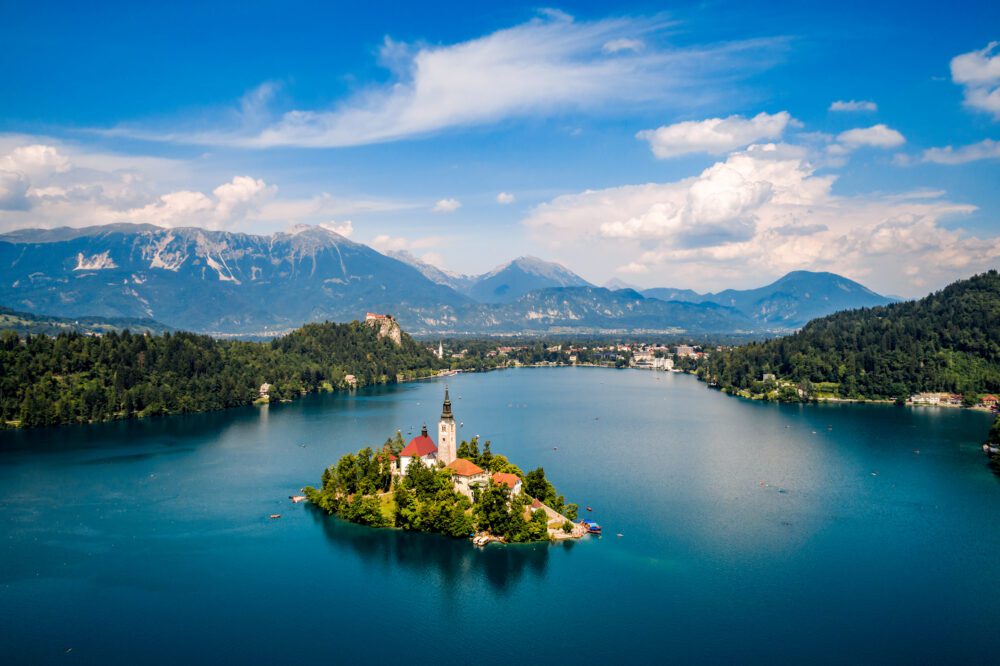
Ljubljana is a great base for day trips. Lake Bled is about an hour away, with its island church and clifftop castle. Postojna Cave is a similar distance, and Predjama Castle is built into a cliff face nearby. A small-group Lake Bled tour lasts 5.5 hours and includes Bled Island and Bled Castle. Prices start around £57.
For caves, the Postojna Cave and Predjama Castle tour also lasts 5.5 hours and starts around £58. If you want something bigger, the Škocjan Caves are a UNESCO World Heritage site with huge underground chambers. That trip lasts 4.5 hours. Book ahead in summer. Lake Bled is the most popular, so go early in the day to enjoy it with fewer people. Each trip returns by mid-afternoon, which leaves time for dinner back in the city. It also means you can stay in one hotel for your whole trip. These tours are the main reason I’d say Ljubljana punches above its size.
Cons of Visiting Ljubljana
1. Higher Prices Than You’d Expect
Ljubljana isn’t a bargain. Slovenia uses the euro, and prices are higher than in many other Central and Eastern European capitals. A coffee costs around €2.50 to €3, a beer around €4 to €5, and a restaurant dinner can easily reach €20 to €30 a head. The riverside terraces charge the most. Hotels in the Old Town are pricey too, especially at weekends and in summer. Tours and entry tickets add up fast.
You can keep costs down with a few habits. Look for daily lunch menus, which are often much cheaper than dinner. Eat at the Central Market, and enjoy the free sights, such as the bridges, Tivoli Park and the riverfront. If you plan to see several paid attractions, the Ljubljana Card can save money. It’s still a great-value capital compared with Vienna.
2. Small and Quick to See
Ljubljana is small, and you can see the main sights in a day or two. The castle, the bridges, the market and the Old Town fit neatly into one long weekend. If you want grand museums and a packed itinerary, you may run out of things to do. Some travellers describe it as sleepy.
I had three days and used them at a slow pace. Day trips filled the gaps nicely. A morning at Lake Bled or Postojna Cave adds a whole new side to the trip. That is the best fix. Treat Ljubljana as a relaxed base rather than a checklist city, and the size becomes an advantage. You won’t spend your trip rushing between sights. It’s still worth the trip for the atmosphere alone.
3. Wet and Foggy Days
The weather can turn. The colder months bring rain, and the Ljubljana basin gets fog on cold mornings. On one day of my trip, the castle view disappeared completely. Outdoor activities such as the boat tour, Tivoli Park and the bike tour are far less fun in a downpour.
Pack a waterproof jacket and a compact umbrella, and check the forecast before you book day trips. Many tours run in light rain, but caves are a safe plan for wet days, because the temperature underground stays steady. The cafés and wine cellars are cosy, too. Even in drizzle, the golden leaves look lovely, so I still enjoyed myself. A rainy day here is still worth it, and the city looks moody and romantic in the mist.
4. Quiet Nights Midweek
Ljubljana is lively on Friday and Saturday, but midweek evenings can be quiet. Many kitchens close by about 10:00 pm, and the Old Town empties quickly after dinner. If you want big clubs and late-night bars, the city may feel tame. Some places also close one day a week, often a Sunday or Monday.
Check opening days before you go, and book a table for popular spots. For a livelier night, head to Metelkova, where the bars and gig venues run later. A river walk after dinner is a pleasure in itself. I found the calm refreshing, and it made for restful nights after busy days. If you want a quiet trip, the lack of late-night noise is a bonus. Either way, the city is still well worth a visit.
5. A Small Airport With Limited Flights
Ljubljana’s airport is small, and it has fewer routes than most capitals. It sits about 25 km north of the city, so you’ll need a transfer. Many travellers fly into Zagreb, Venice or Vienna and continue by road. That can add time and cost to your trip.
Check direct flights first, as the airport is easy and quiet when you do arrive. The airport shuttle bus takes 40 to 45 minutes and starts around £10. If you land in Zagreb, a private transfer to Ljubljana takes about two hours. The journey is simple enough to make the effort worthwhile. Train and bus links from Zagreb, Venice and Vienna are also good, so you can build Ljubljana into a longer trip. Slovenia is small, so the extra travel time never feels long.
Where to Stay
Old Town: The Old Town is where I stayed, and I’d choose it again. The bridges, the river and the castle funicular were all a few minutes away on foot. Mornings were calm, and the evenings were full of terraces. The downsides are higher prices and some noise on weekend nights, but for a first visit the location is hard to beat. Galeria River is a budget-friendly 3-star guest house on Breg, beside the river, with free WiFi, family rooms and a tour desk. The Hotel Ljubljana is a mid-range 4-star on Cankarjevo nabrežje with a restaurant, a bar, a garden and a terrace. Vander Urbani Resort is an upscale 4-star design hotel on Krojaška street with a rooftop pool, a restaurant and a bar.
Around Prešeren Square and Slovenska Cesta: North of the Old Town, the streets around Prešeren Square and Slovenska cesta are busier and more central. You’re a few minutes from the bridges, the trains and the buses, with plenty of cafés, shops and restaurants. The area is less charming than the Old Town, and the main road can be noisy, but it suits visitors who want everything close. Hotel Emonec is a budget-friendly 3-star on Wolfova street with a terrace, a 24-hour front desk and massage services. Best Western Premier Hotel Slon is a mid-range 4-star on Slovenska cesta with a bar, a coffee house and room service. Grand Hotel Union Eurostars is an upscale 4-star on Miklošičeva street with an indoor pool, a spa and a restaurant.
Trnovo and Krakovo: South of the river, Trnovo and Krakovo feel like a village within the city, with quiet lanes, small gardens, local bakeries and the Gradaščica stream. The Old Town is a ten to fifteen minute walk away. There are fewer hotels and fewer late-night options, so it’s ideal for couples and anyone who wants a calm, local base. Dežela Okusov Bed & Breakfast is a budget-friendly option on Eipprova street with a restaurant, a bar, a garden and free parking. Central Ljubljana Apartment is a mid-range apartment on Krakovski nasip with air conditioning and free WiFi, and pets are allowed. Krakovska Apartments is an upscale apartment on Krakovska street with a terrace, air conditioning and family rooms.
Near the Train Station and Metelkova: East of the centre, the area around the train and bus stations is practical and cheaper. It’s a ten to fifteen minute walk to Prešeren Square, and Metelkova is on the doorstep. The streets are plain, and it feels less polished at night, but it suits budget travellers and anyone arriving or leaving by rail or coach. Ljubljana Capsule Hostel is a budget-friendly capsule hostel on Metelkova street with lockers, free WiFi and air conditioning. B&B Hotel Ljubljana Park is a mid-range 3-star on Tabor street with a terrace, a 24-hour front desk and family rooms. City Hotel Ljubljana is an upscale 4-star on Dalmatinova street with a restaurant, a fitness centre and a terrace.
Tivoli Park: North-west of the centre, the Tivoli area is green, leafy and relaxed. You’re next to the park and the hill trails, with a 15 to 20 minute walk to the Old Town. It’s peaceful at night and good for families, but there are fewer restaurants nearby, so you’ll walk or cycle into the centre. It’s a good pick for nature lovers. OH Apartments & Rooms is a budget-friendly guest house on Celovška street with free parking, a terrace and a shared kitchen. JU3 Apartments is a mid-range apartment on Jesenkova street with a garden, a lift and air conditioning. Tivoli Boutique Inn is an upscale 4-star on Žibertova street with a garden, a bar and a terrace.
Best Things to Do
These are the tours and tickets I’d book for a trip to Ljubljana.
- Old Town Walking Tour: A two-hour guided stroll through the Old Town’s squares, streets and fairytale corners.
- Food Tour with 10 Tastings: A three-hour guided walk with ten tastings of traditional and modern Slovenian dishes, plus a secret dish.
- Ljubljana Castle Ticket: Entry to the castle with an optional funicular ride and the Time Machine tour through six historical periods.
- Electric Boat Tour: A 50-minute glide along the Ljubljanica on a silent electric boat, with stories from a local captain.
- Castle Cellar Wine Tasting: A two-hour tasting of seven top Slovenian wines in the castle’s wine cellar, with appetisers.
- Street Art Bike Tour: A three-hour ride through the city’s alternative side, with murals and creative spaces.
- Stand-Up Paddle Tour: A two-hour paddle through the Old Town, under the Triple Bridge and past castle views, with free photos.
- Lake Bled Small Group Tour: A 5.5-hour trip with pickup to Bled Island and Bled Castle, in a group of up to eight.
- Postojna Cave and Predjama Castle: A 5.5-hour tour with transfer and a driver-guide to the huge cave system and the castle built into a cliff.
- Škocjan Caves Half-Day Trip: A 4.5-hour small-group trip to one of the world’s largest underground cave complexes.
Best Time to Visit
Autumn (September to October): I visited in autumn, and it’s a lovely time. Tivoli Park turns gold, the wine season is in full swing and the crowds thin out. Days are mild but can turn wet, so pack a waterproof. The castle switches to winter hours from October, with the funicular running 9:00 to 19:00. Open Kitchen runs until the end of October.
Spring (March to May): Spring is another great season. Open Kitchen restarts in mid-March, the riverside terraces reopen and the trees come into leaf. Temperatures are mild, and the city feels fresh. Showers are common, so keep a jacket handy. Lake Bled looks beautiful this time of year.
Summer (June to August): Summer is warm and lively, with long evenings on the river. The castle stays open until 20:00 and the funicular until 22:00. The Ljubljana Festival fills the Old Town with concerts. It’s busier and pricier, so book hotels and tours early. Bring sun cream for the castle climb.
Winter (December to February): Winter is cold and often foggy, but the festive season is magical. Lights fill the Old Town, and a Christmas boat cruise with mulled wine is a cosy treat. The castle is open every day except for a shorter day on 31 December. Days are short, so plan indoor stops.
How Long to Spend
1-2 Days: With one or two days, you can see the essentials. Walk the Old Town, cross the Triple Bridge, ride the funicular to the castle and have dinner by the river. Add the Central Market if you can. It’s a busy but rewarding weekend.
3-4 Days: This is the ideal length, and it’s what I did, with three days based in the Old Town. You can see the sights at a relaxed pace, visit Tivoli Park and Metelkova and take a boat tour. Add a food tour or a wine tasting, and one half-day trip such as Lake Bled. The Ljubljana Card covers 24, 48 or 72 hours and suits this length.
5-7 Days: With a week, you can add Postojna Cave, Predjama Castle and the Škocjan Caves. Spend a day hiking on Rožnik Hill or cycling by the river. Add a night or two at Lake Bled, or continue to the coast. Keep a slow day for the market and long lunches.
Getting Around
On foot: The Old Town is compact and car-free, so walking is the best way to see it. Prešeren Square to the castle funicular takes about ten minutes, and the train station is around 15. I walked almost everywhere. The cobbles are uneven, and the castle path is steep, so wear comfortable shoes.
Bike hire: Ljubljana is flat and cycle-friendly. The city’s BicikeLJ bike-share lets you take a bike from one docking station and return it to another. You register online first, and a week costs €1. The first hour is free if you return the bike within the hour. Rides after that cost €1 for the second hour, then more. It’s the best option for short trips.
City buses: Ljubljana’s buses are run by LPP. You pay with an Urbana card or the Urbana app. The centre is small, so you may only use a bus to reach Tivoli, the station or the suburbs. The Ljubljana Card includes unlimited bus travel for its duration, and you can book it on GetYourGuide.
Taxis and ride-hailing: Uber works in Ljubljana through licensed taxis, and the fare comes from the taxi meter. Local firms such as Taxi Metro and Wizi are options too. Taxis are rarely needed in the centre. Use one for late nights or luggage. Always check that the meter is running.
To and from the airport: Ljubljana’s airport is about 25 km north of the city. The airport shuttle bus runs to the Central Bus Station in 40 to 45 minutes and starts around £10. If you’re arriving from Zagreb, a private transfer to Ljubljana takes around two hours. For the journey back, book your transfer the day before.
So, is Ljubljana Worth Visiting?
Yes, Ljubljana is worth visiting, especially for a calm, charming city break. It’s a capital where you can cross a Plečnik bridge, sip Slovenian wine in a castle cellar and watch the river glow at dusk, all in one day. The Old Town, the castle and the riverside terraces would justify the trip alone. The city feels safe, friendly and easy.
It isn’t perfect. Prices are higher than you might expect, the city is small and the colder months can bring rain and fog. Midweek nights are quiet, and the airport has limited routes. But with a base in the Old Town and a couple of day trips, those issues barely mattered, and my three days flew by.
If you enjoy walkable cities, good food and a slower pace, Ljubljana is a great option. Pair it with Lake Bled and Postojna Cave for a longer trip. If you want big-city nightlife and blockbuster sights, look elsewhere. For me, it was one of Europe’s most relaxing capitals, and I’d happily go back.

