
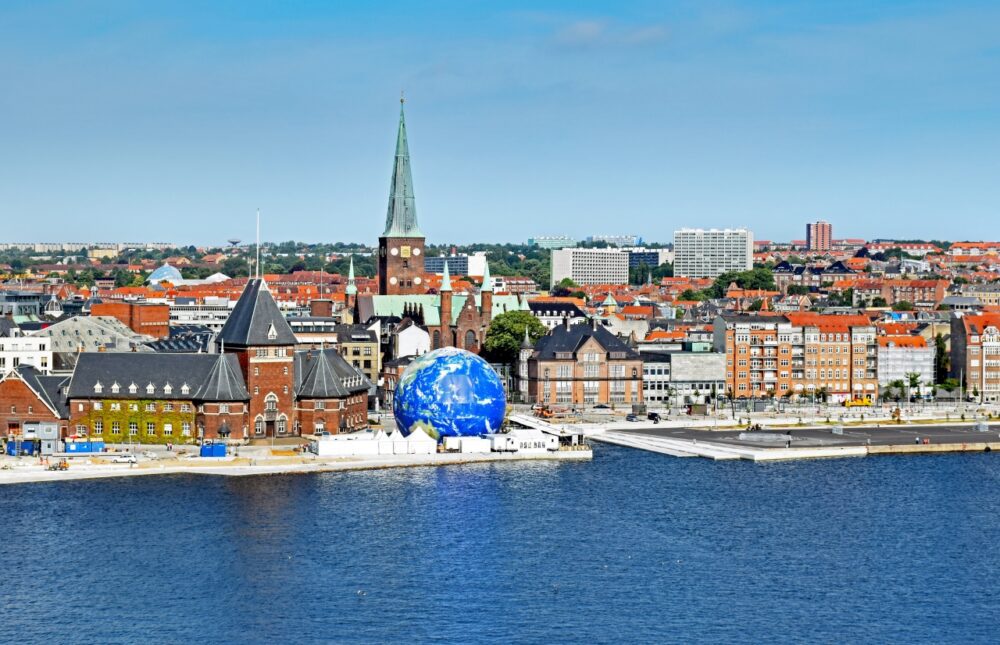
Is Aarhus worth visiting? Yes, it definitely is. Aarhus was one of the biggest surprises from my travels in Denmark. Before visiting, I didn’t know much about it, but I quickly found myself enjoying the relaxed atmosphere, waterfront areas, and mix of old and modern attractions. It felt less busy than Copenhagen but still had plenty to see and do, which made it a great place to explore at a slower pace.
Aarhus is Denmark’s second-largest city and is located on the east coast of the Jutland Peninsula. Known for its vibrant cultural scene, historic landmarks, modern architecture, and excellent food, Aarhus offers a little bit of everything. The city has a youthful energy thanks to its large student population, while its historic streets and museums showcase Denmark’s rich past.
In this guide, I’ll cover the top reasons why Aarhus is worth visiting and share some useful travel tips and advice to help you plan your trip. If you’re looking for a destination in Denmark that combines culture, history, and a laid-back atmosphere, keep reading to discover the many reasons why Aarhus is worth visiting.
Table of Contents
Top Activities in Aarhus
- Aarhus: Harbour Cruise with local guide AROS CRUISES
- Aarhus Walking Tour: From Viking Village to Metropolis
- Aarhus: Hop-On Hop-Off Bus Tour
- Aarhus Craft BeerWalk
- Aarhus City Highlights Private Tour
- Aarhus: Murder Mystery Hunt – Sabotage in Aarhus 1943
- Aarhus Sightseeing Tour with Local Driver-guide
- Unique Christmas Market in the Old City in Aarhus
Top Reasons You Should Visit Aarhus
1. A Perfect Mix of History and Modern Scandinavian Design
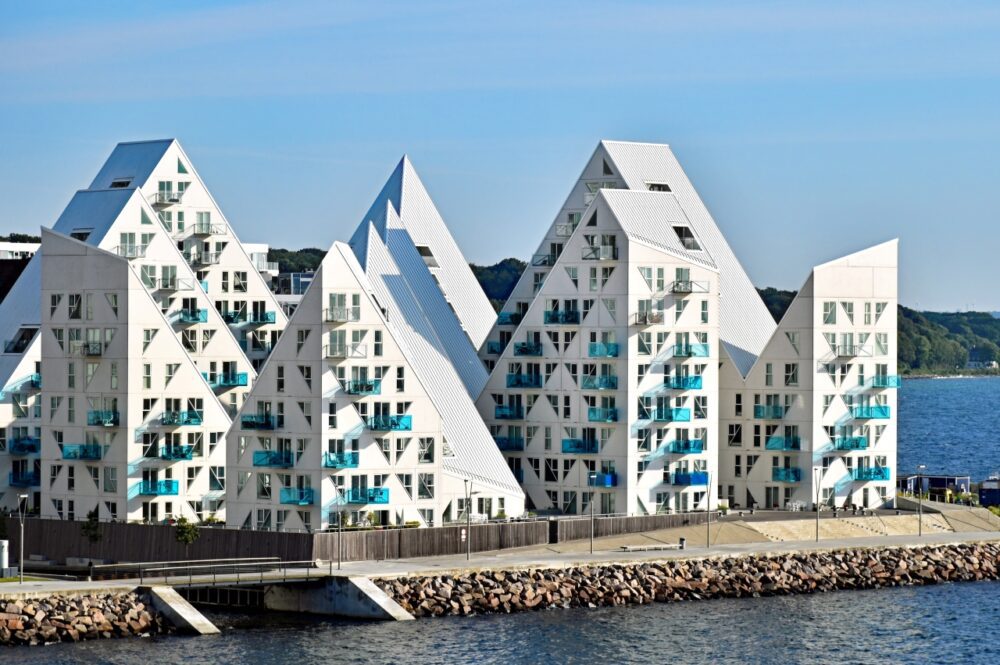
Aarhus may be Denmark’s second-largest city, but it has a much more relaxed feel than Copenhagen. What stood out to me straight away was how effortlessly the city blends old and new. Medieval streets, historic churches, and Viking history sit comfortably alongside striking modern architecture, stylish cafés, and creative public spaces. It feels modern without losing sight of its past.
Walking around the city centre, I noticed how every neighbourhood seemed to have its own character. One minute I was exploring narrow streets lined with centuries-old buildings, and the next I was standing beside contemporary waterfront developments that looked like something from the future. The contrast never felt forced. Instead, it reflected how Aarhus has grown while respecting its history.
I really enjoyed that balance because it meant there was always something different to discover. Aarhus never became predictable, and I found myself constantly moving between old landmarks and modern attractions. It gave the city a fresh energy that stayed with me throughout my visit.
2. A Compact City That Is Easy to Explore
One of the best things about Aarhus is its size. Although it is Denmark’s second-largest city, the centre is surprisingly compact, making it easy to explore almost everything on foot. That meant I spent less time worrying about transport and more time actually enjoying the city.
Most of the major attractions are within comfortable walking distance of each other. I could easily move from the Latin Quarter to the waterfront, then on to museums and shopping streets without ever feeling rushed. The city is also extremely cycle-friendly, so renting a bike is another great option if you want to explore a little further.
I loved being able to wander without a strict plan. Some of my favourite discoveries came from taking side streets, stopping in independent cafés, or finding quiet squares where locals were simply enjoying their day. Aarhus rewards travellers who like exploring at their own pace rather than following a packed itinerary.
3. The Fascinating Open-Air Museum at Den Gamle By
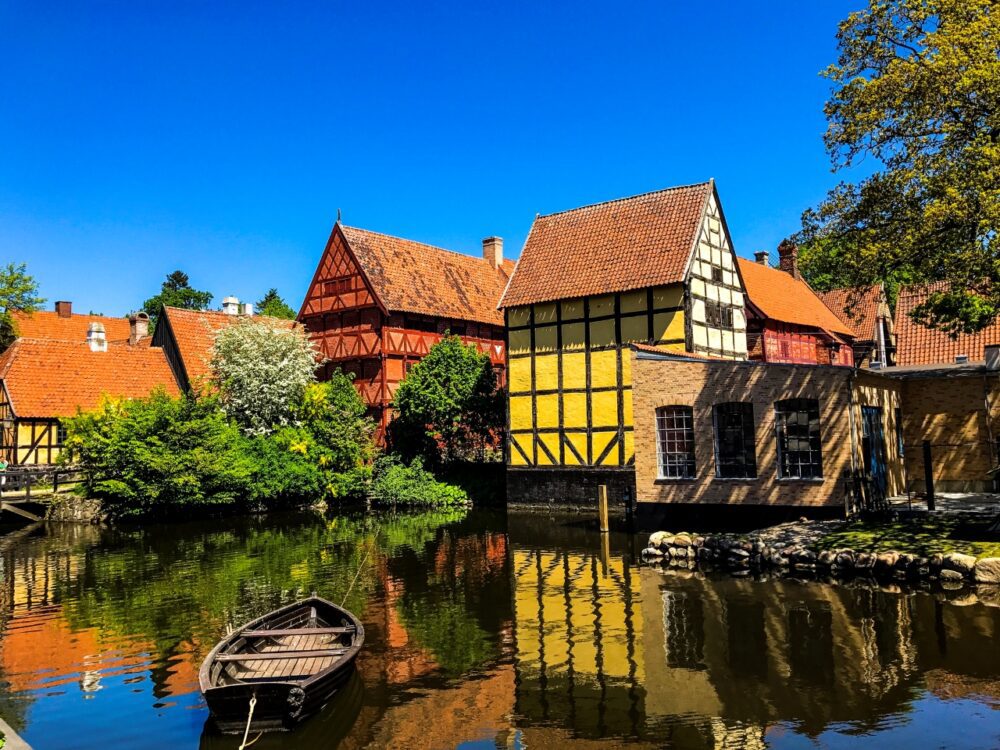
Den Gamle By was easily one of the highlights of my visit. It is one of the world’s first open-air museums and recreates Danish life across several different periods of history. Instead of simply displaying old buildings behind ropes, the museum allows visitors to walk through entire streets filled with houses, shops, workshops, and gardens.
I spent far longer here than I expected because every street seemed to transport me into another time. Costumed staff demonstrated traditional crafts, old-fashioned bakeries filled the air with fresh bread, and historic homes showed how ordinary Danish families lived over the centuries. It felt much more immersive than a traditional museum.
What I liked most was how interactive everything felt. Rather than reading information boards all day, I found myself talking to staff, stepping inside old buildings, and imagining everyday life in Denmark hundreds of years ago. It became one of those attractions that makes history genuinely enjoyable.
4. A Beautiful Waterfront Full of Life
Aarhus has transformed its old industrial harbour into one of the city’s most attractive areas. Today, the waterfront is filled with modern architecture, restaurants, walking paths, cultural attractions, and public spaces where people gather throughout the day.
I enjoyed walking along the harbour because there was always something happening. Families relaxed beside the water, cyclists passed by, students met friends outside cafés, and people swam in the harbour baths during warmer weather. The area felt lively but never overcrowded, making it a pleasant place to spend several hours.
One evening, I sat beside the water watching the sun slowly disappear behind the city skyline. It was one of those simple travel moments that stays with you. The calm water, modern buildings, and relaxed atmosphere perfectly captured what I liked most about Aarhus.
5. A Fantastic Food Scene
Aarhus has quietly become one of Denmark’s best food destinations. From traditional Danish restaurants to modern Nordic cuisine and busy food markets, there is plenty to keep food lovers happy. The city has embraced local ingredients, seasonal cooking, and simple recipes that allow fresh produce to shine.
I quickly discovered that Danish pastries really do taste better in Denmark. Every morning seemed to begin with fresh bread, pastries, and excellent coffee from one of the city’s many independent bakeries. Even the simplest breakfast felt like a treat because everything was freshly made.
I also enjoyed visiting Aarhus Central Food Market, where local vendors serve everything from traditional Danish dishes to international cuisine. It was a great place to sample different foods without committing to a full restaurant meal, and it gave me another glimpse into everyday life in the city.
6. A Rich Viking and Medieval Heritage
Long before Aarhus became a modern university city, it was an important Viking settlement. Founded during the eighth century, it is one of Denmark’s oldest cities, and traces of that history can still be found throughout the centre.
The Viking Museum was much smaller than I expected, but I found it genuinely fascinating. Located beneath a bank, it displays archaeological discoveries from the original Viking settlement and explains how Aarhus developed into an important trading centre. It reminded me just how much history lies beneath the modern streets above.
Walking through the Latin Quarter afterwards, I found myself looking at the city differently. Knowing that Vikings once lived and traded in the same area added another layer to the experience. I always enjoy places where history feels closely connected to the streets you are actually walking through.
7. A Young and Creative Atmosphere
Aarhus is home to one of Denmark’s largest universities, and that gives the city a youthful energy that is noticeable everywhere. Students fill cafés, parks, galleries, and music venues, helping create a lively but relaxed atmosphere throughout the year.
I particularly noticed this around the Latin Quarter, where independent shops, bookstores, cafés, and small galleries line the narrow streets. It felt creative without trying too hard, and there was always somewhere interesting to stop for coffee or browse local products.
I think this youthful atmosphere is one of Aarhus’ greatest strengths. It keeps the city feeling vibrant while still remaining calm and easy to enjoy. Rather than being dominated by tourists, Aarhus feels like a place where people genuinely enjoy living.
8. Excellent Museums and Cultural Attractions
Aarhus has an impressive cultural scene for a city of its size. Museums, galleries, theatres, and concert halls can all be found within a relatively small area, making it easy to include several cultural attractions during your visit.
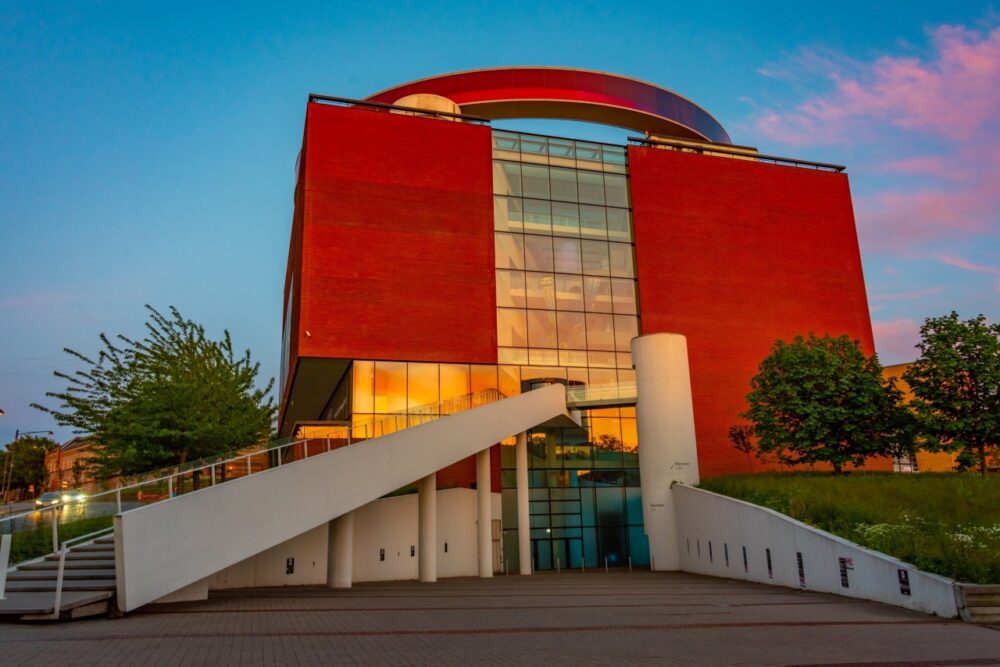
ARoS Aarhus Art Museum was probably my favourite. Its famous rainbow panorama walkway circles the roof, allowing visitors to enjoy colourful views across the city through different shades of glass. Walking through the installation was surprisingly fun, and the views from the top were excellent.
Inside the museum, I found a wide range of modern and contemporary art that kept me interested for several hours. Even if you are not usually someone who spends lots of time in galleries, I think ARoS is well worth visiting because the building itself is such an experience.
9. Easy Access to Beaches and Nature
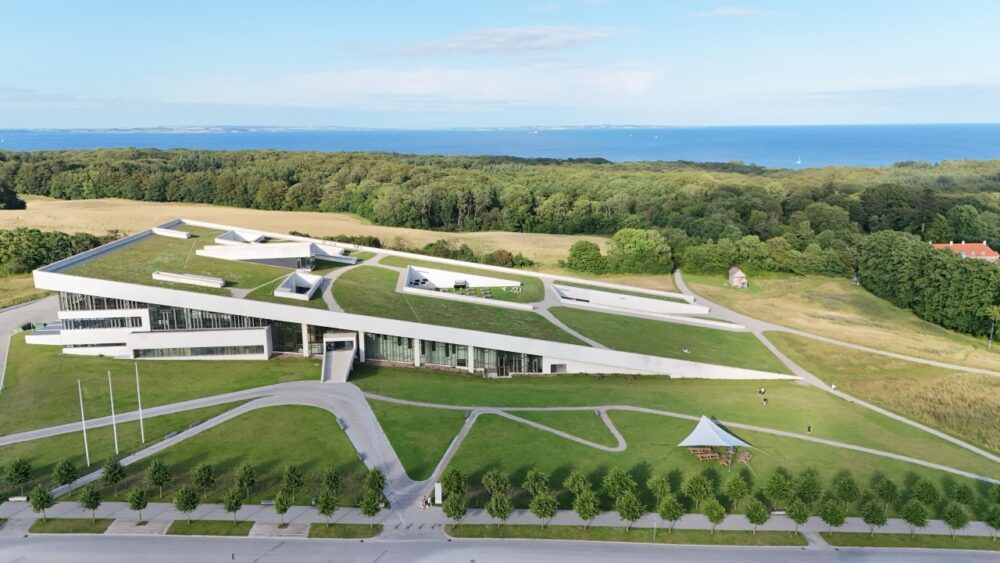
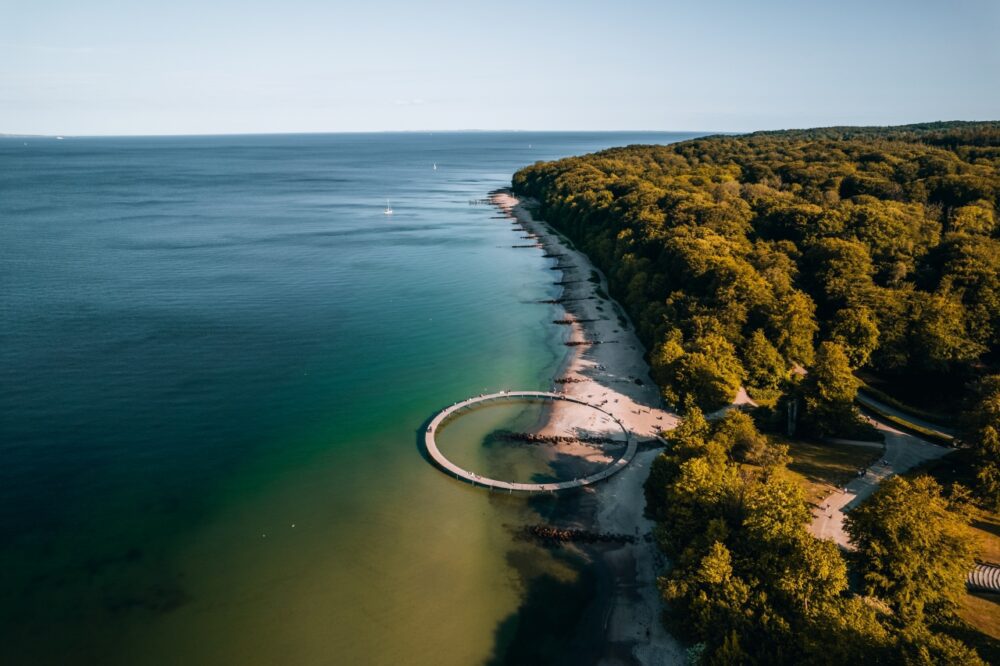
Although Aarhus is a city, nature is never far away. Sandy beaches, forests, and walking trails can all be reached within a short distance of the centre, making it easy to escape into the outdoors whenever you need a break from sightseeing.
I spent one afternoon walking through Marselisborg Forest before continuing down to the nearby beach. Within minutes, the busy streets had disappeared, replaced by quiet woodland paths and sea views. It was hard to believe I was still so close to the city centre.
That balance between urban life and nature is something I really appreciated. Aarhus allows you to spend the morning visiting museums before relaxing beside the sea during the afternoon. Few cities make it so easy to enjoy both experiences in a single day.
10. One of Scandinavia’s Most Underrated City Breaks
What impressed me most about Aarhus was how complete it felt as a destination. It offers history, culture, excellent food, modern architecture, beautiful waterfronts, and easy access to nature without ever feeling crowded or overwhelming. It has everything I look for in a city break, just on a more relaxed scale.
During my stay, mornings were often spent exploring museums or historic streets, afternoons involved walking along the harbour or relaxing in cafés, and evenings ended with great food and peaceful strolls beside the waterfront. Every day felt different without needing to rush from attraction to attraction.
By the time I left, I honestly wondered why Aarhus does not receive more international attention. Copenhagen may attract most visitors to Denmark, but Aarhus offers a wonderful alternative with its own unique personality. If you enjoy discovering places that feel authentic, creative, and easy to explore, I think Aarhus deserves a place on your travel list.
Travel Tips for Visiting Aarhus
When to Visit Aarhus
I think the best times to visit Aarhus are May through September. The weather is usually mild, the parks are green, and the city’s waterfront comes alive during the summer months. June, July, and August offer the longest days, making it easy to fit a lot into your itinerary. Winter can be cold and dark, but the Christmas markets and festive lights create a cosy atmosphere. I visited in June and loved being able to sit outside at cafes well into the evening thanks to the long daylight hours.
How to Get to Aarhus
Most visitors arrive through Aarhus Airport, which is located around 40 kilometres northeast of the city. Airlines such as Scandinavian Airlines, Ryanair, Norwegian, and several regional carriers operate flights here. Airport buses connect directly with the city centre and are timed to match arriving flights. Another popular option is flying into Copenhagen Airport and taking a train across Denmark, which takes around three hours. Aarhus is also well connected by rail to Copenhagen, Aalborg, and other Danish cities. Personally, I think arriving by train is the most convenient option if you’re already travelling within Denmark because the rail network is efficient and comfortable.
Where to Stay in Aarhus
- Hotel Royal – Located in the heart of the city centre, this historic luxury hotel is one of the most iconic places to stay in Aarhus.
- Villa Provence – Situated near the harbour, this boutique hotel offers a charming atmosphere and a fantastic location for exploring the city.
- Radisson Blu Scandinavia Hotel Aarhus – Located close to ARoS and the city centre, this modern hotel is a great choice for sightseeing.
- Comwell Aarhus Dolce by Wyndham – Situated near the train station, this stylish hotel offers comfortable rooms and excellent transport connections.
- Wakeup Aarhus – Located near the waterfront, this affordable hotel offers excellent value and a convenient location.
- Danhostel Aarhus City – One of the best budget-friendly options in the city, this hostel sits right in the centre and is within walking distance of many attractions.
Getting Around Aarhus
Aarhus is a very walkable city, and I found that many of the main attractions were easy to reach on foot. The city also has an efficient network of buses and a light rail system known as Letbanen. Tickets can be purchased through the Midttrafik app, which makes travelling around the city simple. Cycling is also popular, and there are plenty of bike rental options available. Personally, I enjoyed walking and cycling the most because they allowed me to experience the city’s relaxed atmosphere and waterfront areas at my own pace.
How Long to Spend in Aarhus
I think two to three days is the ideal amount of time for Aarhus. Two days gives you enough time to visit the major museums, explore the city centre, and enjoy the waterfront. With three days, you can add a day trip to Mols Bjerge National Park or spend more time discovering the local food scene. If you enjoy museums and slower-paced cities, you could easily stay longer. Personally, I would recommend three days because it gives you enough time to enjoy both the city and the surrounding region without feeling rushed.
Conclusion
So, is Aarhus worth visiting? Absolutely. From its fascinating museums and historic neighbourhoods to its modern waterfront and thriving food scene, there are plenty of reasons to spend time here. Aarhus offers a great mix of culture, history, and local Danish life without the crowds often found in larger capitals. If you’re planning a trip to Denmark and want to explore beyond Copenhagen, Aarhus is well worth adding to your itinerary.