
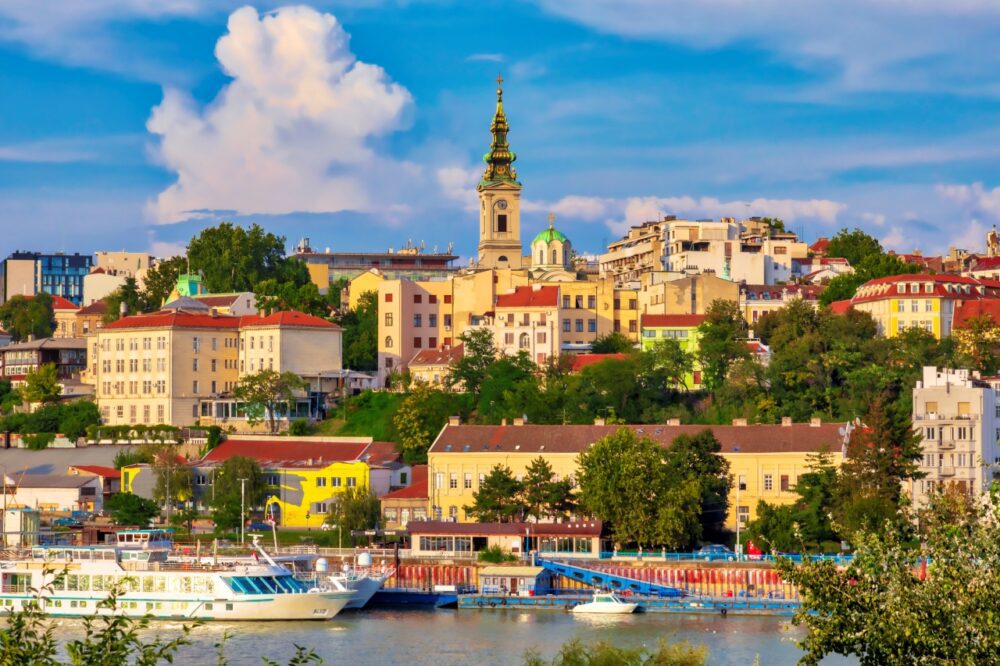
Is Belgrade worth visiting? Yes, absolutely. Belgrade was one of the most unexpected cities I visited in Serbia. Before arriving, I knew little about it, but I quickly found myself enjoying its lively atmosphere, riverside setting, and fascinating history. I spent hours exploring the city centre, walking around Kalemegdan Fortress, and discovering neighbourhoods full of cafés, restaurants, and local life. It felt energetic, welcoming, and full of character.
Belgrade is the capital of Serbia and one of the oldest continuously inhabited cities in Europe. Located where the Danube and Sava rivers meet, the city has been shaped by centuries of history, different cultures, and changing empires. Today, Belgrade is known for its historic landmarks, vibrant nightlife, thriving food scene, and friendly atmosphere.
In this guide, I’ll cover the top reasons why Belgrade is worth visiting and share some useful travel tips and advice to help you plan your trip. Whether you’re interested in history, culture, food, or exploring a less-visited European capital, keep reading to discover the many reasons why Belgrade is worth visiting.
Table of Contents
Top Reasons You Should Visit Belgrade
1. A Vibrant and Dynamic Atmosphere
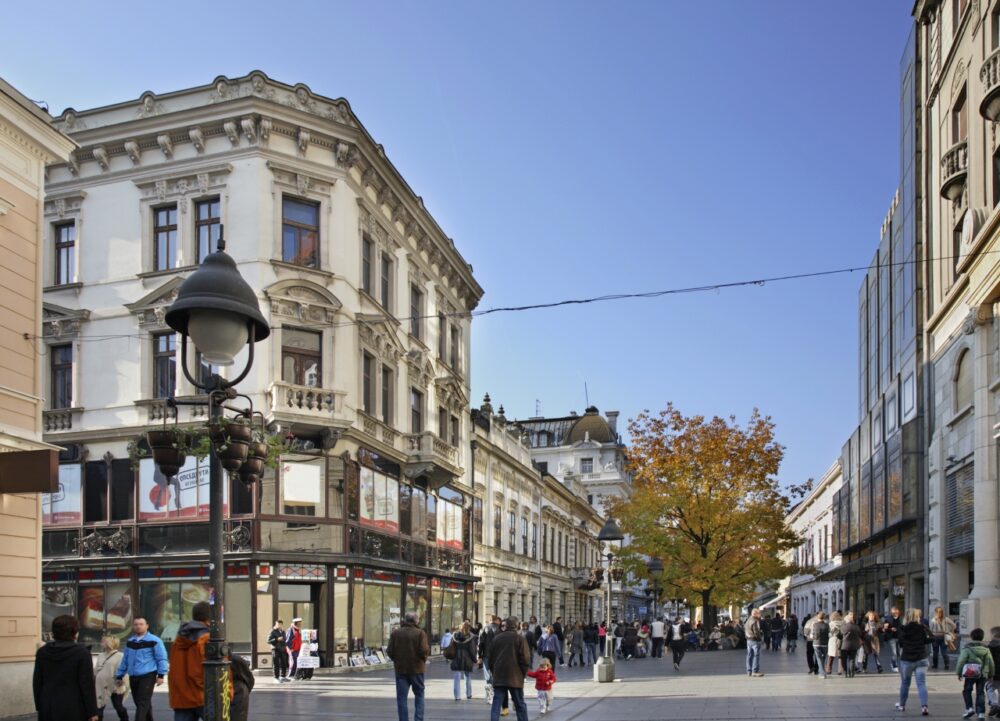
Belgrade is known for its lively energy and dynamic culture. As the capital of Serbia, it blends history, modernity, and a youthful spirit that makes it a captivating destination. The streets are always bustling, whether with café-goers, street performers, or late-night revellers.
Walking through Knez Mihailova Street, I loved the energy of the city’s main pedestrian avenue. Lined with shops, restaurants, and street art, it felt like the heartbeat of Belgrade. The city’s vibrant atmosphere is infectious, making it a place where you can never run out of things to do or see.
2. Historical and Architectural Richness
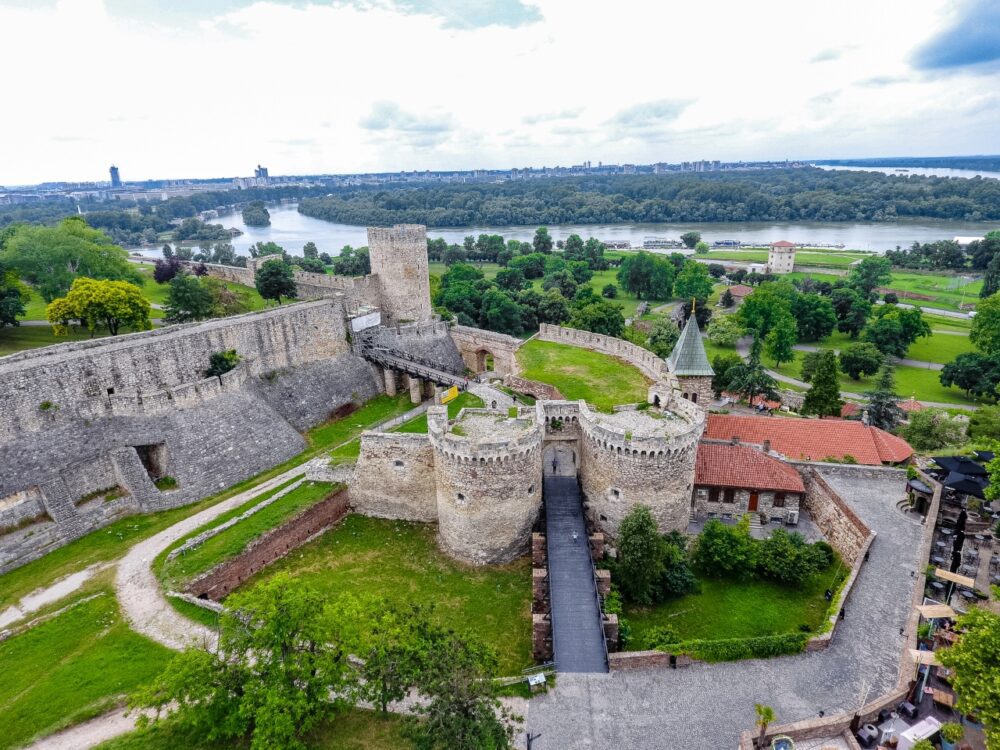
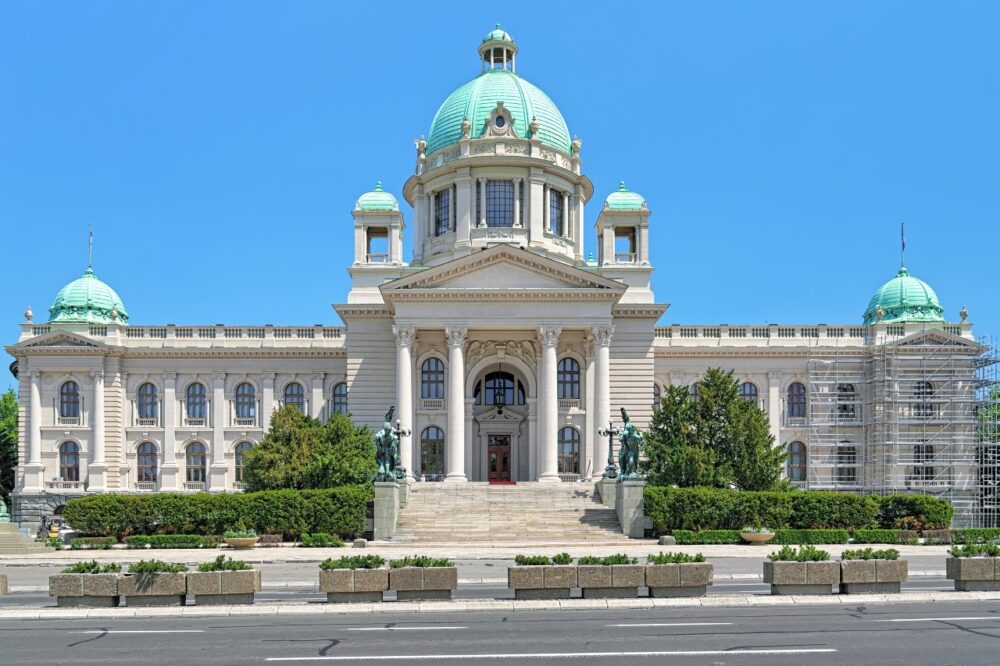
Belgrade’s history spans over two millennia, and its architecture reflects influences from the Ottoman Empire, Austro-Hungarian rule, and Yugoslav modernism. Key landmarks include the Kalemegdan Fortress, the National Assembly, and the striking Church of Saint Sava, one of the largest Orthodox churches in the world.
Exploring Kalemegdan, I was fascinated by its historical layers, from Roman ruins to medieval towers. The panoramic views of the confluence of the Sava and Danube Rivers are breathtaking. For history and architecture enthusiasts, Belgrade offers a mix of the ancient, the ornate, and the avant-garde.
3. Unparalleled Nightlife
Belgrade is often called the party capital of the Balkans, and its nightlife is legendary. From trendy rooftop bars to floating river clubs (known as splavovi), the city has options for every taste and energy level. The nightlife here is vibrant, affordable, and welcoming to locals and tourists alike.
I spent an evening at a splav on the Danube, dancing to live music while enjoying the view of the city lights reflecting on the river. Whether you prefer a casual drink at a hidden speakeasy or an all-night party, Belgrade’s nightlife guarantees unforgettable memories.
4. Kalemegdan Park and Fortress
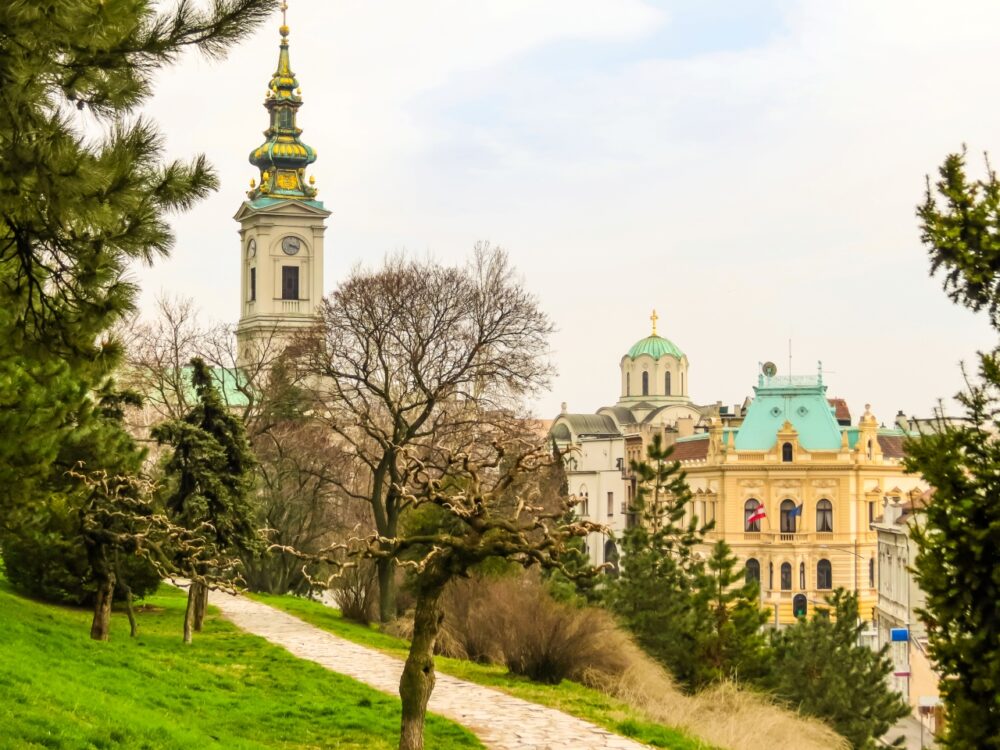
The sprawling Kalemegdan Park and Fortress is one of Belgrade’s most iconic attractions. This historic site offers incredible views of the city, tranquil green spaces, and plenty of cultural landmarks, including military museums and art galleries.
I spent an afternoon wandering through the park, enjoying the mix of history and relaxation. The fortress itself is a treasure trove of historical intrigue, with its ancient walls and fascinating exhibits. Kalemegdan is perfect for both leisurely strolls and deep dives into Belgrade’s past.
5. Affordable and Budget-Friendly
Belgrade is one of Europe’s most affordable capitals, offering excellent value for money. Accommodation, dining, and entertainment are significantly cheaper compared to Western European cities, making it ideal for budget-conscious travellers.
I enjoyed delicious meals at local restaurants for a fraction of the cost I’d expect elsewhere. Entry fees to museums and attractions are reasonable, and public transport is both affordable and efficient. Belgrade proves that you can have a rich travel experience without breaking the bank.
6. Delicious Serbian Cuisine
Belgrade’s food scene is a treat for the senses, with hearty traditional dishes and modern culinary innovations. Must-try dishes include ćevapi (grilled meat rolls), kajmak (creamy dairy spread), and sarma (stuffed cabbage rolls). The city also boasts excellent bakeries and bustling food markets.
Dining at a kafana (traditional Serbian tavern) was one of my trip’s highlights. I savoured a platter of grilled meats paired with homemade rakija (fruit brandy). For foodies, Belgrade’s cuisine offers a rich and satisfying exploration of Serbian flavours.
7. A Thriving Arts and Culture Scene
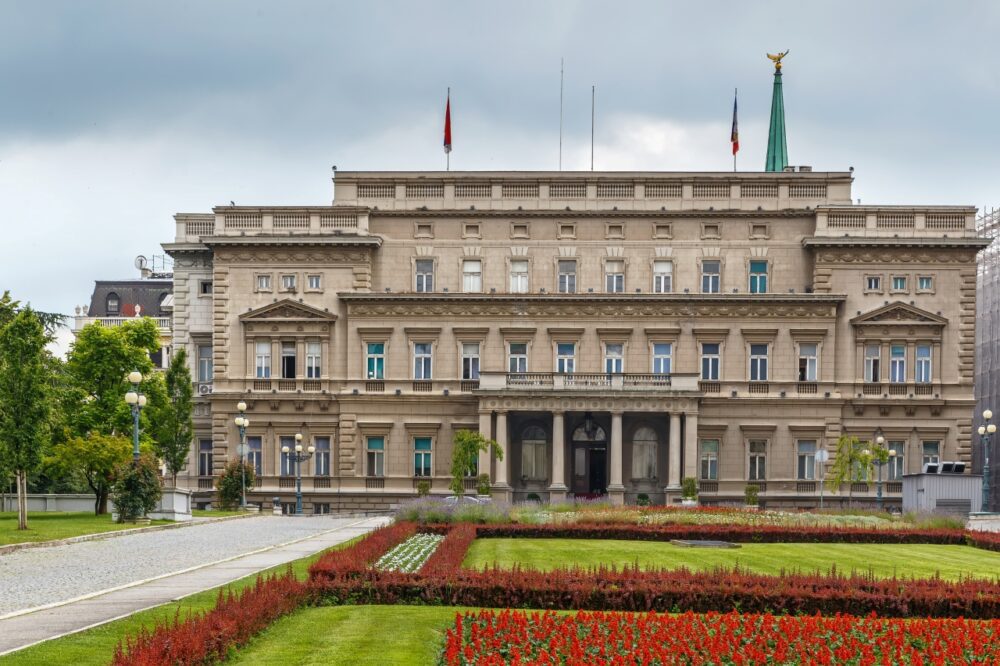
Belgrade’s arts and culture scene is diverse and thriving, with countless galleries, theatres, and festivals. The Museum of Contemporary Art and the National Museum are must-visits for art lovers, while venues like the Belgrade Philharmonic offer world-class performances.
I attended a live jazz performance at a riverside venue and was impressed by the city’s artistic vibrancy. Cultural events, such as the Belgrade Film Festival, add to the creative energy. Whether you’re into traditional arts or modern exhibitions, Belgrade has something to inspire everyone.
8. The Confluence of Two Rivers
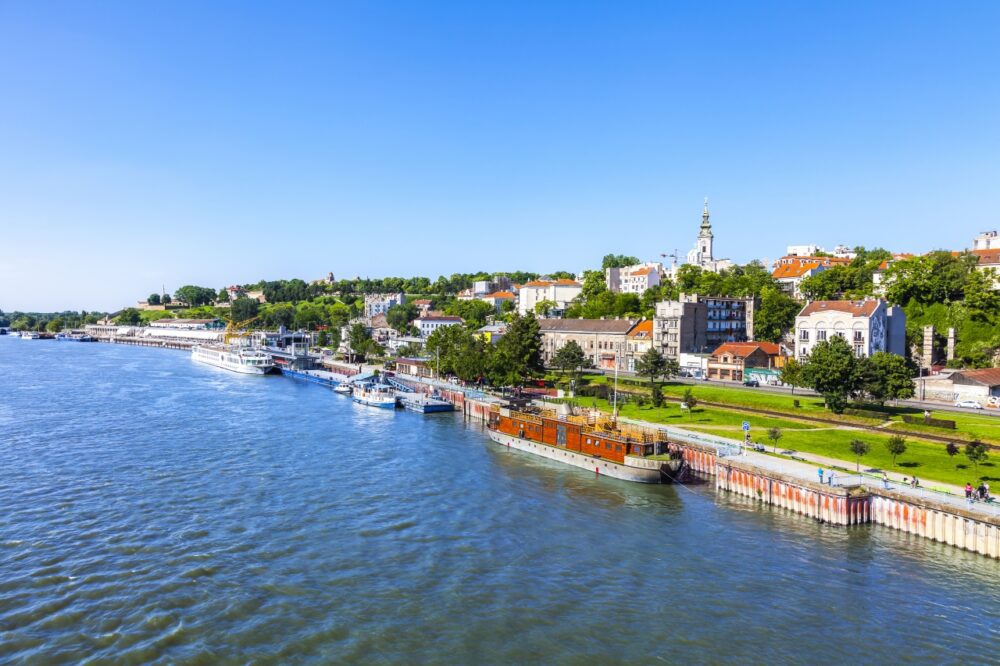
Belgrade is uniquely situated at the confluence of the Sava and Danube Rivers, offering stunning waterfront views and plenty of opportunities for outdoor activities. The rivers are lined with floating restaurants, splavovi, and parks.
I took a boat tour along the rivers, which provided a fresh perspective of the city’s skyline and landmarks. The rivers also offer opportunities for kayaking, cycling, or simply enjoying a sunset walk along the banks. Belgrade’s riverscape is both scenic and integral to its charm.
9. A Mix of Old and New
Belgrade seamlessly blends old-world charm with modern innovation. The Old Town (Stari Grad) features cobblestone streets and historic buildings, while neighbourhoods like Savamala are hubs of contemporary art, design, and nightlife.
Exploring Savamala, I discovered trendy cafés and creative spaces housed in repurposed industrial buildings. The contrast between Belgrade’s past and present creates a dynamic urban environment that feels both historic and forward-looking.
10. Warm and Hospitable Locals
Belgraders are known for their warmth, humour, and hospitality. Whether helping with directions, sharing local recommendations, or engaging in friendly conversation, the people of Belgrade make visitors feel at home.
During my visit, I was struck by how welcoming everyone was. A café owner not only recommended a dish but also shared stories about the city’s history. The locals’ friendliness adds a personal touch to the Belgrade experience, making it even more memorable.
Travel Tips for Visiting Belgrade
What to Do in Belgrade
Belgrade is one of those cities that grows on you quickly. It has a mix of history, nightlife, riverside views, and local culture that makes it feel very different from many other European capitals. I ended up enjoying the city’s energy much more than I expected.
- Take a Belgrade Sightseeing and History Tour – This is my favourite way to get to know the city because Belgrade has a fascinating history that you can easily miss if you’re exploring on your own.
- Visit Novi Sad and Petrovaradin Fortress on a Day Trip – I loved this excursion because Novi Sad is one of the most attractive cities in Serbia and the fortress views are excellent.
- Join a Danube and Sava River Cruise – Seeing Belgrade from the water gives you a completely different perspective of the city, especially around sunset.
- Take a Day Trip to Golubac Fortress and the Iron Gates – This was one of the most memorable experiences I found in Serbia thanks to the dramatic scenery along the Danube.
- Explore Belgrade’s Underground and Fortress Tour – I found the hidden tunnels and stories beneath Kalemegdan Fortress surprisingly interesting and very different from a standard city tour.
- Join a Serbian Food and Rakija Tasting Tour – This is a fun way to try local dishes and learn more about Serbian culture through its food and drink.
When to Visit Belgrade
I think the best time to visit Belgrade is during late spring and early autumn. The weather is warm enough for outdoor cafes, river cruises, and sightseeing without the intense summer heat. Summer brings a lively atmosphere along the rivers, while winter offers Christmas markets and fewer tourists. Personally, I would visit in May or September because the weather is comfortable and the city feels less crowded.
How to Get to Belgrade
Belgrade Nikola Tesla Airport is the main gateway to the city and serves destinations across Europe and beyond. Airlines such as Air Serbia, Lufthansa, Turkish Airlines, and Wizz Air operate regular flights. From the airport, buses, taxis, and rideshare services can get you into the city centre in around 20 to 30 minutes. Belgrade is also connected by international buses and trains from neighbouring countries. In my opinion, flying is by far the easiest and most convenient way to reach the city.
Where to Stay in Belgrade
- Hotel Moskva – One of the city’s most famous hotels, located in the heart of Belgrade with plenty of character and history.
- Saint Ten Hotel – A stylish luxury hotel near the Church of Saint Sava that offers excellent service and modern rooms.
- Hilton Belgrade – A reliable upscale option with a great location and impressive facilities.
- Hotel Envoy – A modern boutique hotel in the city centre that makes exploring on foot very easy.
- Hotel Bohemian Garni – A good mid-range choice in the lively Skadarlija district, surrounded by restaurants and cafes.
- Hotel Rex – A budget-friendly option that offers good value and easy access to the main attractions.
Getting Around Belgrade
Belgrade has an extensive public transport network that includes buses, trams, and trolleybuses. Most visitors spend a lot of time walking around the city centre and Kalemegdan area, while taxis and rideshare apps are useful for longer distances. The CarGo app is popular locally, and public transport tickets can be purchased through mobile apps and kiosks. Personally, I found a combination of walking and taxis to be the easiest way to get around.
How Long to Spend in Belgrade
I think three days is the perfect amount of time for most visitors. That gives you enough time to explore the historic centre, visit Kalemegdan Fortress, enjoy the food scene, and take a river cruise. If you want to add day trips to Novi Sad, Golubac Fortress, or other parts of Serbia, I would stay four or five days. Personally, I would choose four days because Belgrade has enough attractions and atmosphere to keep you busy without feeling rushed.
Conclusion
So, is Belgrade worth visiting? Without a doubt. From its rich history and impressive fortress to its lively streets, riverside attractions, and excellent food scene, there are plenty of reasons to spend time here. Belgrade offers a unique mix of old and new that makes it one of the most interesting destinations in Serbia. If you’re planning a trip to Serbia, Belgrade is a city that deserves a place at the top of your itinerary.