
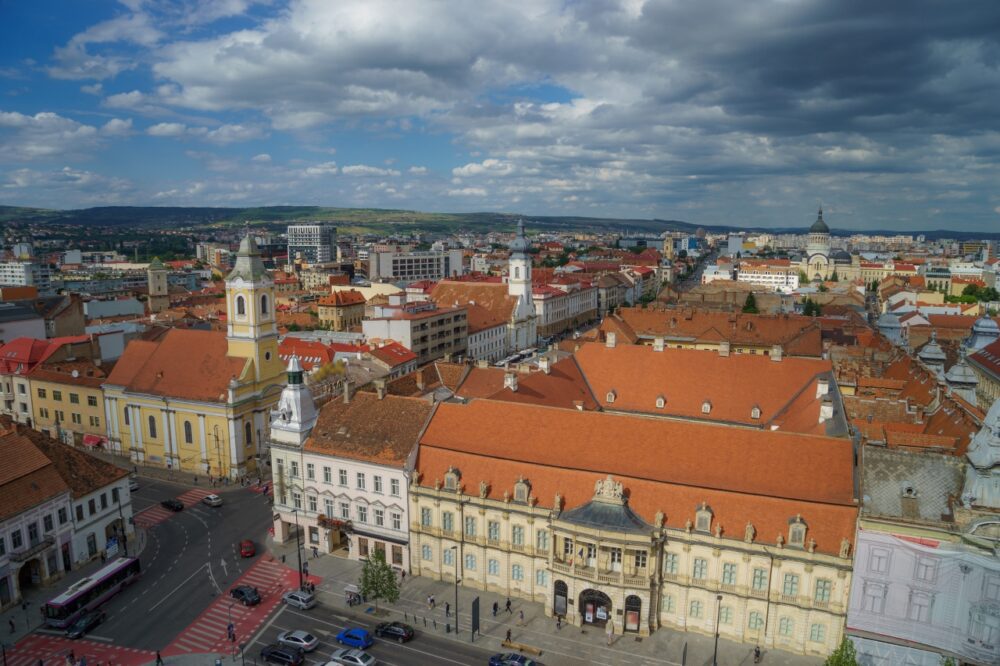
Is Cluj-Napoca worth visiting? Yes, absolutely. Cluj-Napoca was one of the most enjoyable cities I visited in Romania. It had a youthful energy that was different from many of the country’s more historic destinations. I enjoyed exploring the city centre, relaxing in the parks, and discovering a place that felt both modern and deeply connected to its past. It quickly became one of my favourite cities in Transylvania.
Cluj-Napoca is the largest city in the Transylvania region of Romania and is often considered the cultural and academic centre of the country. Home to a large student population, the city is known for its lively atmosphere, historic landmarks, vibrant café scene, and growing reputation as a technology hub. Visitors will find a mix of beautiful architecture, museums, parks, and cultural events throughout the year.
In this guide, I’ll cover the top reasons why Cluj-Napoca is worth visiting and share some useful travel tips and advice to help you plan your trip. Whether you’re interested in history, culture, food, or experiencing modern Romania, keep reading to discover the many reasons why Cluj-Napoca is worth visiting.
Table of Contents
Top Reasons You Should Visit Cluj-Napoca
1. A Thriving Cultural Scene
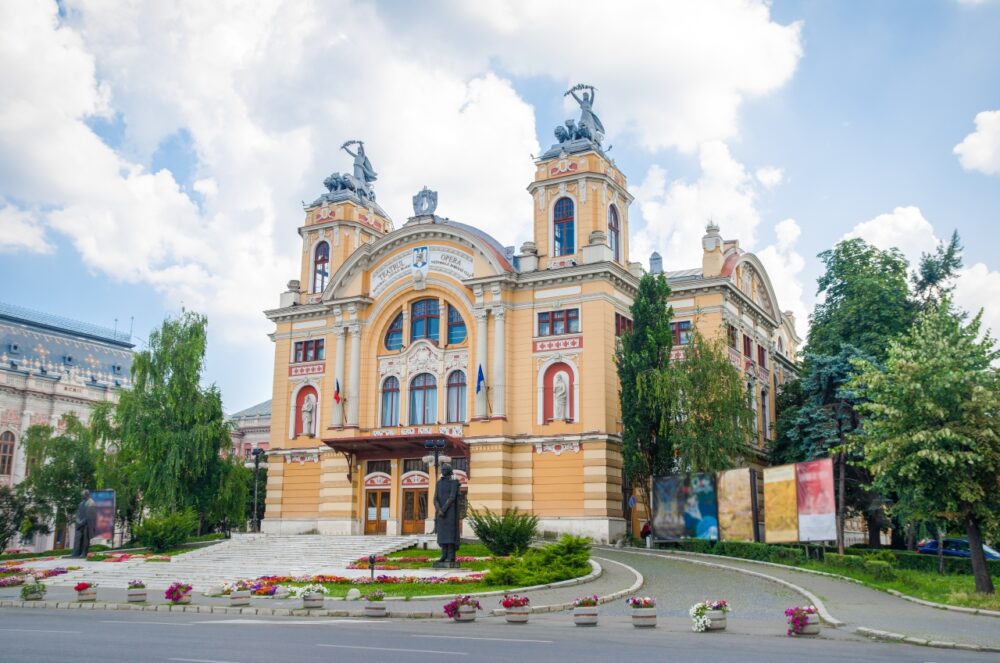
Cluj-Napoca is often referred to as the cultural capital of Transylvania, with a thriving arts and cultural scene that includes theatres, galleries, and music festivals. The Cluj National Theatre and the Art Museum of Cluj-Napoca are standout venues for cultural exploration.
I attended a live performance at the National Theatre and was impressed by the quality of the production and the stunning architecture of the building itself. Events like the Transilvania International Film Festival (TIFF) and Electric Castle Festival add vibrancy to the city’s cultural calendar, ensuring there’s always something exciting happening.
2. A Blend of Historical and Modern Architecture
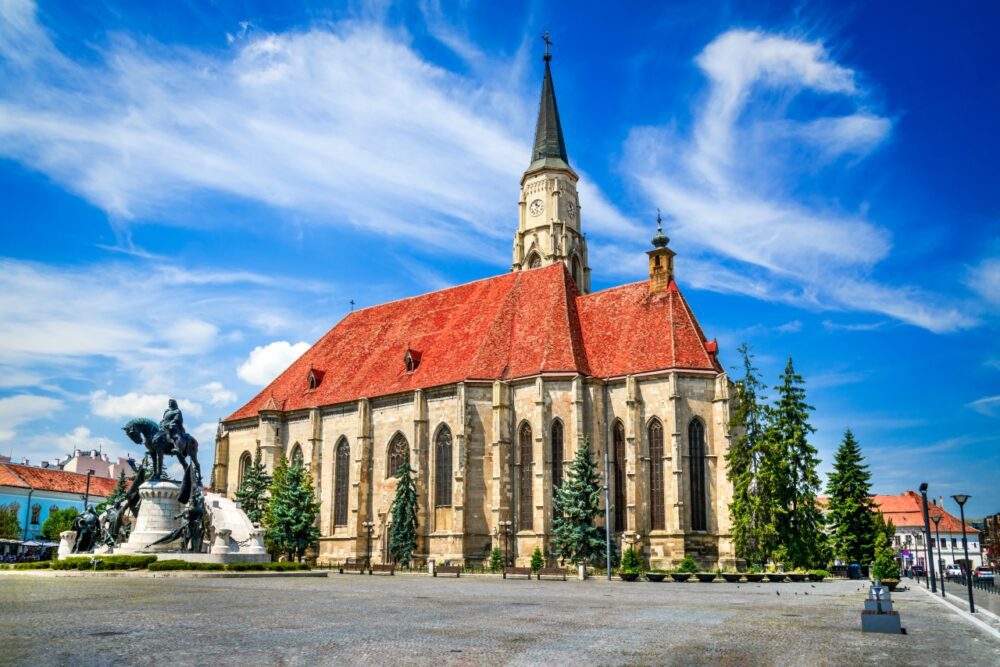
Cluj-Napoca’s streets showcase a mix of Gothic, Baroque, and modern architecture. Iconic landmarks like St. Michael’s Church and Matthias Corvinus Statue sit alongside sleek office buildings and trendy cafes, creating a fascinating visual contrast.
Walking through the Old Town, I admired the harmonious blend of past and present. The Gothic spire of St. Michael’s Church is a standout feature, while modern additions like the Cluj Arena show the city’s forward-thinking spirit. Cluj’s architectural diversity adds depth and character to your visit.
3. Vibrant Nightlife
Cluj-Napoca is known for its lively nightlife, particularly thanks to its large student population. The city offers everything from laid-back pubs to high-energy clubs and rooftop bars. Areas like Piața Unirii and Piața Muzeului are hotspots for evening entertainment.
I spent an evening hopping between a rooftop bar with panoramic city views and a cozy pub in the Old Town. The atmosphere was welcoming and energetic, perfect for both locals and tourists. Whether you’re looking to dance, enjoy live music, or sip cocktails in a relaxed setting, Cluj’s nightlife caters to all tastes.
4. St. Michael’s Church and Matthias Corvinus Statue
The St. Michael’s Church, with its stunning Gothic architecture, and the Matthias Corvinus Statue, a tribute to Hungary’s renowned king, are two of Cluj’s most iconic landmarks. Located in Piața Unirii, they represent the city’s rich historical and cultural heritage.
I climbed the tower of St. Michael’s Church for breathtaking views of the square and surrounding streets. The statue of Matthias Corvinus, an important figure in Transylvanian history, adds a sense of grandeur to the area. These landmarks are must-visit spots for history and architecture enthusiasts.
5. Delicious Transylvanian Cuisine
Cluj-Napoca’s culinary scene is a mix of traditional Transylvanian flavours and contemporary gastronomy. Local dishes like varză à la Cluj (Cluj-style cabbage), ciorbă de fasole (bean soup), and cozonac are a must-try for food lovers.
I dined at a traditional restaurant near the Old Town and enjoyed hearty, flavourful meals paired with local wine. The city also boasts a growing number of international restaurants, vegan options, and artisanal coffee shops, ensuring something for every palate.
6. Proximity to Nature and Day Trips
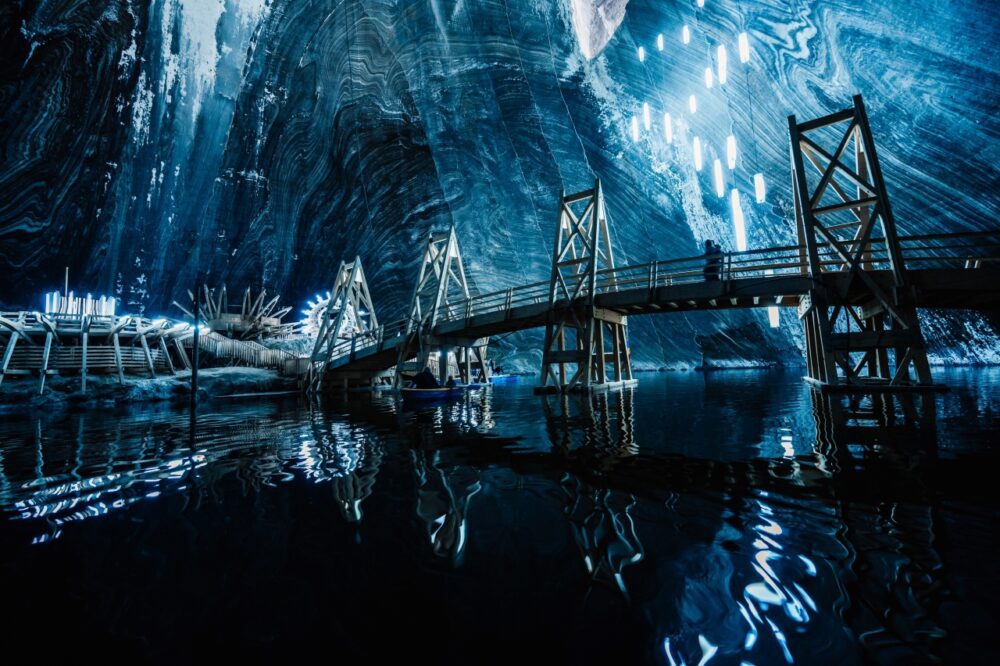
Cluj-Napoca is surrounded by stunning natural attractions, making it an ideal base for outdoor enthusiasts. Nearby destinations like the Turda Salt Mine, Cheile Turzii (Turda Gorge), and the Apuseni Mountains offer hiking, climbing, and breathtaking scenery.
I visited the Turda Salt Mine and was amazed by its underground chambers and interactive exhibits. A short drive to Cheile Turzii rewarded me with dramatic cliffs and peaceful trails. Cluj’s proximity to these natural wonders ensures you can easily combine city exploration with outdoor adventures.
7. A Thriving University Town
As home to Babeș-Bolyai University, one of Romania’s largest and most prestigious institutions, Cluj-Napoca has a youthful energy and intellectual vibe. The city’s student population fuels its dynamic cultural and social scenes.
Walking through the university area, I loved the vibrant atmosphere, with lively cafes, bookshops, and student events happening around every corner. This youthful spirit gives Cluj a creative and forward-looking character that’s hard to resist.
8. Excellent Festivals and Events
Cluj-Napoca is a festival city, hosting world-class events like the Transilvania International Film Festival (TIFF), the Untold Music Festival, and the Electric Castle Festival. These events attract visitors from around the globe and showcase the city’s creative energy.
I attended TIFF and was impressed by the variety of films and the engaging atmosphere. The Untold Festival, held at Cluj Arena, is one of Europe’s premier electronic music festivals, drawing top DJs and massive crowds. No matter when you visit, there’s likely an event to enhance your experience.
9. Affordable Compared to Western Europe
Cluj-Napoca offers excellent value for money, making it an attractive destination for budget-conscious travellers. Accommodation, dining, and entertainment are significantly cheaper than in Western European cities, without compromising quality.
I stayed in a charming boutique hotel for a fraction of what I’d pay in similar destinations, and meals at top-notch restaurants were surprisingly affordable. This affordability allows visitors to enjoy high-quality experiences, from gourmet dining to cultural activities, without overspending.
10. Warm and Friendly Locals
The people of Cluj-Napoca are known for their warmth, hospitality, and pride in their city. Whether offering directions, recommending restaurants, or sharing local stories, locals make visitors feel welcome.
During my stay, a shop owner recommended a hidden wine bar that turned out to be one of my favourite spots. These personal touches and genuine interactions enhance the charm of Cluj and ensure you leave with wonderful memories.
Travel Tips for Visiting Cluj-Napoca
What to Do in Cluj-Napoca
Cluj-Napoca surprised me more than I expected. It has a young energy thanks to its large student population, but it also has plenty of history and easy access to some of Transylvania’s best sights.
- Take a Day Trip to Turda Salt Mine – This was easily my favourite experience near Cluj. The huge underground chambers and lake feel unlike anywhere else I’ve visited.
- Visit Corvin Castle on a Guided Tour – I think this is one of the most impressive castles in Romania, and it’s well worth the trip from Cluj.
- Explore Cluj-Napoca on a Walking Tour – I always enjoy taking a walking tour early in a trip because it helps me understand the city and find places I want to revisit later.
- Join a Transylvania Day Tour to Sighișoara and Biertan – This is a great way to see some of Romania’s most beautiful medieval towns without having to organise transport yourself.
- Visit the Turda Gorge (Cheile Turzii) – I loved the scenery here. The hiking trails are easy to follow, and the views make the effort worthwhile.
- Take a Wine Tasting Experience in Transylvania – Romanian wine is often overlooked, and I found this to be a fun way to try something different while learning about the region.
When to Visit Cluj-Napoca
I think the best time to visit Cluj-Napoca is between May and September. The weather is warm, outdoor cafes are busy, and the city’s parks look their best. Summer also brings festivals and events that make the city feel even more lively. Winter can be cold, but the Christmas markets add some charm. Personally, I would choose late spring or early autumn when the weather is pleasant and there are fewer crowds.
How to Get to Cluj-Napoca
The easiest way to reach Cluj-Napoca is through Cluj International Airport, which has direct flights from many cities across Europe. Airlines such as Wizz Air, Ryanair, and Lufthansa serve the airport. From there, buses, taxis, Bolt, and Uber can get you into the city centre in around 20 minutes. Trains also connect Cluj with Bucharest, Brasov, and other Romanian cities. In my opinion, flying directly into Cluj is the most convenient option, especially if you’re visiting Transylvania.
Where to Stay in Cluj-Napoca
- Radisson Blu Hotel Cluj – A modern luxury hotel near Central Park that offers excellent facilities and a great location.
- Hotel Platinia – One of the city’s top-rated hotels, located close to the old town with large rooms and great views.
- Hampton by Hilton Cluj-Napoca – A reliable mid-range choice within walking distance of many attractions.
- Hotel Beyfin – A stylish hotel overlooking Avram Iancu Square that offers a central location and comfortable rooms.
- My Place Residence – A good-value apartment-style property near the city centre that works well for longer stays.
- Hotel Transilvania – A budget-friendly option in the heart of the old town, making it easy to explore on foot.
Getting Around Cluj-Napoca
I found Cluj-Napoca easy to get around. The city centre is compact enough to explore on foot, and many of the main attractions are close together. Buses and trams cover the rest of the city, while Uber and Bolt are affordable and widely available. The 24pay app is useful for buying public transport tickets without needing cash. Personally, I walked most places and only used rideshare apps when heading farther from the centre.
How Long to Spend in Cluj-Napoca
I think two to three days is enough to see the main sights in Cluj-Napoca and enjoy the city’s food and nightlife. If you want to visit Turda Salt Mine, Turda Gorge, or some of the surrounding Transylvanian towns, I would stay four or five days. Personally, I would spend four days here because the city makes a great base for exploring the wider region.
Conclusion
So, is Cluj-Napoca worth visiting? Without a doubt. From its historic landmarks and lively atmosphere to its parks, restaurants, and cultural attractions, there are plenty of reasons to spend time here. Cluj-Napoca offers a fantastic mix of history, innovation, and local character that makes it one of the most interesting destinations in Romania. If you’re planning a trip to Romania, Cluj-Napoca is a city that deserves a place on your itinerary.