Is Berat Worth Visiting? Honest Pros and Cons (2026)

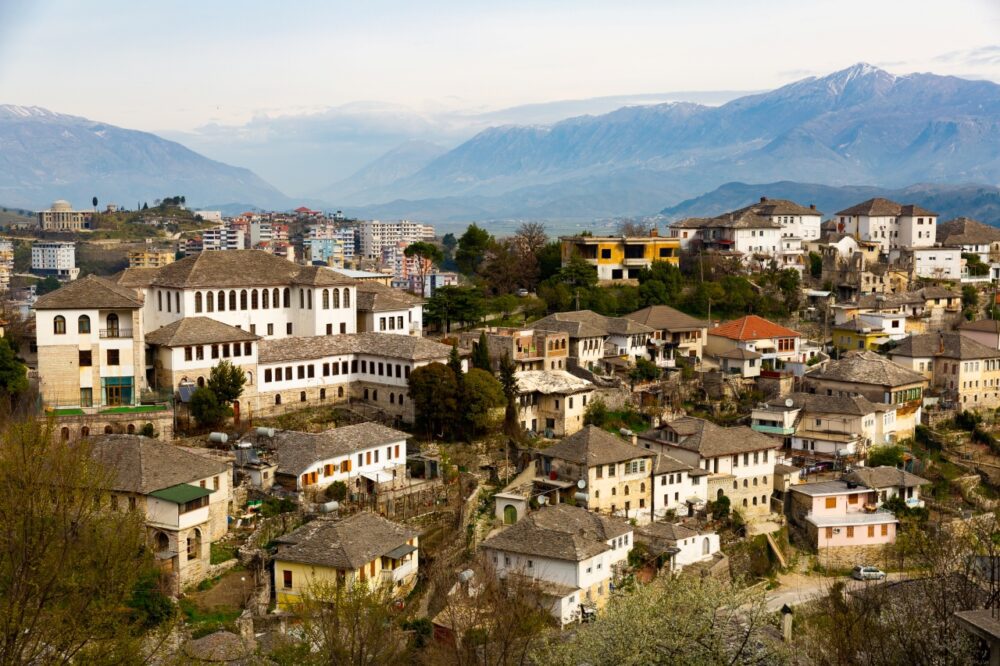
The first time I saw Berat, I stopped halfway across a bridge and just stared. White Ottoman houses climb the hillside in tidy rows, and every one of them seems to be made mostly of windows. I spent two days there one spring, and I left wishing I’d booked a third.
Berat is one of the oldest towns in Albania, with roots going back to the 4th century BC. It’s known as the city of a thousand windows, and UNESCO lists its historic centre alongside Gjirokastër. People still live inside the 13th-century castle, and the old Mangalem and Gorica quarters face each other across the Osum River. Berat is worth visiting if you like history, good food and slow walks, and you don’t mind a few hills. It’s small, cheap and relaxed, but it isn’t for everyone.
To help you decide, I’ll go through what I loved and what slowed me down. I’ll also cover where to stay, which tours are worth booking, the best season and how many days to allow. You’ll find tips on reaching Berat and getting around too, so you can plan the whole trip.
Pros of Visiting Berat

1. Mangalem and Its Thousand Windows
Mangalem is the reason Berat has its nickname. White Ottoman houses stack up the slope below the castle, with stone ground floors and timber upper floors. Their tall windows look straight out over the river. In 1961, Albania’s communist government declared Berat a museum city, and the old quarter still feels carefully looked after. UNESCO later added the historic centre to its World Heritage List, and the quarter is free to wander at any hour.
I walked the lanes slowly on both mornings, before the day-trippers arrived from Tirana. The best views of Mangalem come from the castle and from Gorica across the river. A guide adds a lot here, because the architecture makes more sense once someone explains it. The Berat walking tour lasts two hours and covers Mangalem, Gorica and the castle, so it works well on your first day. Bring a camera, because the light on the white walls is lovely.
2. Berat Castle
Berat Castle sits on a rocky hill above Mangalem, and people still live inside its walls. Most of it dates to the 13th century, although the site goes back to the 4th century BC. You’ll find narrow stone lanes, small guesthouses, cafés and plenty of Byzantine churches, including the Holy Trinity Church. The castle is open around the clock, but the ticket booth at the main gate only works from 9:00 to 18:00.
The walk up from Mangalem takes about 15 minutes, and it’s steep. I went up in the late afternoon, and the southern walls gave me the best view of the Osum River and the rooftops below. Allow two to three hours here, more if you want to see the museum or stop for a coffee. Bring cash for the gate, and wear shoes with good grip, because the old stones get slippery.

3. Onufri Museum and Byzantine Icons
The Onufri Museum sits inside the castle’s Cathedral of the Dormition of St Mary, and it’s the best museum in town. It holds around 200 icons and church objects from the 14th to the 20th century. The star is Onufri, the 16th-century painter the museum is named after, who was famous for his bold red tones. You’ll start spotting that red everywhere once you’ve seen it.
The cathedral’s carved wooden iconostasis dates from 1807, and it’s one of the finest examples of Albanian woodcarving. The museum also tells the story of the Codices of Berat, two ancient manuscripts found beneath the apse floor in 1968. Photography isn’t allowed inside, so just enjoy the rooms. You can buy an Onufri Museum entry ticket in advance, and it stays valid for 30 days. Allow about an hour. Arrive early, because it’s small and gets crowded when tour groups pass through.
4. Gorica Bridge and the Gorica Quarter
Cross the old stone Gorica Bridge to reach the Gorica quarter, the historic Orthodox Christian neighbourhood on the opposite bank. The bridge dates from the 1780s, and it’s the best spot in town for photos of Mangalem. Gorica is quieter than Mangalem, with narrower lanes, fewer visitors and a path that leads up the hill behind it. The Ethnographic Museum is also close to the bridge, in an 18th-century Ottoman house, and it’s closed on Mondays.
I crossed the bridge twice, once in the morning and again at dusk when the lights came on across the river in Mangalem. From Gorica, you can follow the riverside path back toward the modern part of town. If you like active sightseeing, the electric bike tour rides past the bridge before heading out to the villages of Velabisht and Drobonik. It finishes with a traditional lunch. Both banks are only a few minutes apart on foot.

5. Mosques and Churches Side by Side
Berat is one of the few places where mosques and Orthodox churches stand a few minutes apart, and they’ve done so for centuries. UNESCO picked out this coexistence when it listed the town. In Mangalem, look for the 15th-century King Mosque, the Halveti Teqe with its painted ceiling and the small Bachelors’ Mosque from the 1820s. The Lead Mosque, named for its lead-covered dome, dates from 1555.
You can see most of these buildings from the street, and the lanes between them are perfect for a slow wander. Dress modestly if you step inside a mosque, and ask before taking photos. The churches inside the castle add another layer, with Byzantine frescoes and icons in places like the Holy Trinity Church. A guide helps here, because it’s easy to miss who built what and why. The walking tour above covers most of these stops in two hours.
6. Albanian Food and Raki
Food in Berat is hearty, cheap and very good. Start with byrek and dhallë (a salty yoghurt drink) for breakfast. At lunch, try tavë kosi (baked lamb and rice under a yoghurt crust), fërgesë and japrak (stuffed vine leaves). A filling lunch with a drink costs less than 1,000 lek (£9), and a coffee costs about 150 lek (£1.40).
Boulevard Republika is the place to be in the evening, because locals gather there for the xhiro, the traditional evening stroll. I joined in both nights, and it’s the best free entertainment in town. For hands-on food, Mama Nina’s cooking class takes place in a family home inside the castle. You’ll cook dishes like byrek and stuffed eggplants, then eat them together. Finish an evening with a raki and meze tasting, which pairs seven local rakis with small plates. Portions are generous everywhere, so share a few dishes between two.

7. Wine Around Berat
Berat is one of Albania’s main wine regions, and the vineyards start right at the edge of town. The two big local grapes are Shesh i Bardhë, a crisp white, and Shesh i Zi, a medium-bodied red. Family wineries like Çobo, Nurellari, Pupa and Alpeta all welcome visitors for tastings. A glass of local wine in town costs about 300 to 500 lek (£2.80 to £4.60).
Most tastings include a short tour, a few glasses and local snacks like olives and cheese. The easiest option is the winery tour with transfers, which lasts about three hours. You taste three wines and a raki, and the driver handles the country roads. Eat something beforehand, because there’s plenty to sample. Late afternoon works best, since it’s cooler in the vineyards and you’re back in time for dinner on the boulevard. Ask about buying a bottle to take home, because prices at the winery are low.
8. Osum Canyon Adventures
Osumi Canyon is the best natural sight near Berat, and it’s an easy day out. The river cuts through the rock for around 26 kilometres, with cliffs that rise up to 80 metres in places. Locals call it the Grand Canyon of Albania. Rafting runs in spring, when the river is high, and tubing takes over in summer.
The Osumi Canyon rafting and tubing trip takes you past waterfalls and canyon walls, with photo stops along the way. You don’t need any experience, and you can add transport from Berat and a local lunch. Wear shoes that can get wet and bring a change of clothes, because the water is cold. Rafting season runs from March to June, and tubing runs from June to October. Check the river level before you book, since it changes the experience. If you’d like more of a thrill, the canyon also has a guided canyoning day with rappels.
9. Mount Tomorr and Bogova Waterfall
Mount Tomorr rises to 2,416 metres behind Berat, and it’s sacred to Albania’s Bektashi community. Pilgrims climb to the summit every August to visit the tomb at the top. The mountain is a national park, and the road up passes dervish tombs and a teqe at around 1,700 metres.
The Mount Tomorr and Bogova Waterfall trip starts with a jeep ride from Berat. You can hike to the summit or stay lower down, and then you head to Bogova Waterfall. The walk to the falls is short, and the pool is icy even on a hot day. There’s a lunch stop on the way, and you’re back in Berat by late afternoon. Bring a warm layer, because the top of the mountain is much cooler than the town. Start early for the clearest views, and expect rough roads on the way up. A jeep handles the bumps far better than a normal taxi.
10. Day Trips to Apollonia and Belsh Lake
Berat makes a handy base for day trips. About an hour away, the ancient Greek city of Apollonia was founded in 588 BC, and the future Emperor Augustus studied there as a young man. The Apollonia Archaeological Park has a theatre, an odeon and a medieval monastery that now houses a museum.
The Apollonia guided tour lasts four hours, and museum entry is included. Ardenica Monastery, a 13th-century hilltop monastery with frescoes and views over the Myzeqe plain, sits nearby. Belsh Lake makes an easy stop on the road towards Tirana, with cafés by the water. Start early, because the park is open-air and the light is best in the morning. It’s a good way to fill a spare day without changing hotels. The site is spread out, so wear comfortable shoes and bring water. Belsh Lake is a quiet spot for a coffee afterwards.
Cons of Visiting Berat
1. Steep Cobbled Streets
Berat is built on a hill, and the lanes in Mangalem and the castle are steep. The cobbles are uneven, and they can be slippery after rain. The climb from Mangalem to the castle gate takes around 15 minutes, and the lanes inside the walls keep going uphill. Anyone with a pushchair, a wheelchair or a bad knee will find it hard work.
I wore trainers, and I was glad of them. A taxi up to the castle gate saves your legs, and you can walk back down at your own pace. The electric bike tour is another option, because the motors take the sting out of the hills. Carry water, and take your time on the descent. It’s still a very walkable town, and the effort pays off with the views.
2. Hot Summers
Summer in Berat is hot. From June to August, daytime highs sit above 30°C, and the white stone and narrow lanes hold the heat. The castle has very little shade, so midday visits feel exhausting. It’s also the busiest and most expensive time of year, with more tour groups in the main lanes.
Plan your sightseeing for early morning and late afternoon, and leave the middle of the day for a long lunch. Sunset is the best time for the castle anyway. For a cooler break, head to the river. River tubing through Osumi Canyon is a fun way to cool down in summer, and it makes a good half-day plan. Bring a hat and sunscreen. Spring and early autumn avoid the worst of the heat.
3. Slow Transport Links
Berat isn’t on a rail line, and the roads are slower than the map suggests. The drive from Tirana takes about two hours, and the bus takes a similar time. Tirana Airport is the closest, so you need to allow for the same transfer on arrival and departure day. Most buses stop running by late afternoon, which makes late returns tricky.
Sort out your transport before you arrive. The bus from Tirana’s South and North Terminal costs 500 to 700 lek (£4.60 to £6.50) and leaves roughly every 30 minutes, so it’s cheap and easy. For a door-to-door ride after a late flight, a private transfer from Tirana Airport takes about two hours and drops you at your hotel. It’s well worth it with luggage.
4. Quiet Nightlife
Berat is small, and it goes to bed early. The cafés and restaurants on Boulevard Republika stay busy into the evening, then things wind down fast. There are a few bars, but there’s no real nightlife scene. The upper lanes of Mangalem and the castle are very quiet after dark. If you want clubs, Tirana is a better choice.
I didn’t mind, because the evenings have their own pace. The xhiro on the boulevard is lively, and a long dinner is the main event. For something different, the raki and meze tasting is a two-hour evening session in the centre. Sunset from the castle walls is another good plan, and you can walk back down to dinner afterwards. It’s a place to unwind, not to party.
5. Cash Is Still Common
Cards are catching on in Albania, but plenty of places in Berat still take cash only. The castle ticket booth, small museums, buses and many family restaurants all prefer lek in notes. Small notes are especially useful, because change for big ones can be hard to find. Don’t leave withdrawing money until you’re standing at the gate.
Withdraw lek from the ATMs near Boulevard Republika when you arrive, and keep a stash of small notes. Pre-booked tours also help, because they save you paying with cash on the day. A guided walking tour with castle entry includes a guided visit to the castle, so it saves some fumbling at the gate. Carry a few coins for the local bus as well, and expect some guesthouses to ask for cash on arrival. Once you’re set up with cash, everything runs smoothly.
Where to Stay
Mangalem: This is where I stayed, and I’d pick it again. It’s the heart of old Berat, with the King Mosque, the Bachelors’ Mosque and the lanes to the castle all within a few minutes’ walk. Boulevard Republika is about ten minutes downhill for dinner. The downside is the steep climb back up at night. Old Town Guesthouse Guri is a budget-friendly guesthouse on Rruga Kol Myzeqari. It has a garden, a sun terrace and soundproof, air-conditioned rooms, plus a tour desk and luggage storage. Hani i Xheblatit is a mid-range guesthouse on Rruga Antipatrea. It has a restaurant, a bar, a garden and a 24-hour front desk, and it offers walking tours and local culture classes. Hotel Rezidenca Desaret is an upscale 4-star hotel on Rruga Dr. Lluka. It has a restaurant, a bar, a garden, a terrace and soundproof rooms, plus a coffee house, walking tours and bike tours.
Kala (Castle Quarter): Sleeping inside the castle walls is a real treat. You get the lanes to yourself once the day-trippers leave, and the sunset views are some of the best in town. The downsides are the uphill walk with luggage and fewer places to eat. Bujtina Bega is a budget-friendly stay on Panajot Haxhimihali street. It has a restaurant, a bar, a garden, a terrace, free parking and a 24-hour front desk. DD Villa is a mid-range bed and breakfast on Rruga Antipatrea, at the foot of the castle hill. It has a restaurant, a bar, a garden and a terrace, plus soundproof rooms, a coffee house, walking tours and bike tours. Villa Oda Tomori is an upscale 4-star guest house with a restaurant, a garden and a sun terrace. It has soundproof rooms and free parking, and it runs cooking classes and small art exhibitions.
Gorica: This quiet residential quarter sits across the river from Mangalem. You get the best views back across the water and far fewer visitors. The downsides are fewer restaurants and a walk over the bridge to reach the main sights. Hotel Taraca Gorice is a mid-range 4-star hotel on Rruga Nikolla Buhuri, in the UNESCO-listed quarter. It has a terrace, room service, family rooms and private parking, and it offers airport pick-up. Oda e Gurit Boutique Hotel is a mid-range 3-star hotel on Rruga Stiliano Bandilli. It has a garden, a terrace, a coffee house, soundproof rooms and a 24-hour front desk. Ador Boutique Hotel is a step up on Rruga Jani Kosta. It has a garden, a hot tub, free parking and family rooms, and it offers airport pick-up.
Boulevard Republika and the New Town: This is the modern side of Berat, with the most restaurants, shops and ATMs. It’s flat, it’s close to the bus stops and it’s the easiest base if you arrive by bus. The downside is less atmosphere, and it’s a 15 to 20 minute walk to Mangalem. Hotel Orestiada is a budget-friendly 4-star hotel on the boulevard. It has a garden, a terrace, a bar, a snack bar and free parking, and it offers an airport shuttle for an extra charge. Hotel Plaza Berat is a mid-range 4-star hotel on the boulevard. It has a restaurant, a lift, soundproof rooms, free parking, a concierge and a 24-hour front desk. Berat River House Boutique Hotel is an upscale 4-star hotel on the Osum riverfront. It has a restaurant, a bar, a garden, a terrace, a coffee house and free parking.
Best Things to Do
Berat packs history, food and wild scenery into a small area. These are the experiences I’d book first.
- Berat walking tour: A two-hour guided walk through Mangalem and Gorica that finishes with the climb to the castle. Your guide explains the Ottoman houses and how different religious groups lived side by side.
- Onufri Museum ticket: Entry to the icon museum inside the castle, valid for 30 days. You’ll see work by Onufri and a wider collection of Orthodox icons and religious paintings.
- Mama Nina’s cooking class: A three-hour class in a family home inside the castle walls. You cook traditional dishes, such as byrek and stuffed eggplants, and then sit down to eat them. Pickup is available.
- Winery tour with tastings: A three-hour trip to a family-run winery, with transfers from Berat. You tour the vineyard and cellar, then taste three wines, a raki and local snacks.
- Raki and meze tasting: A two-hour evening tasting that starts in Teodor Muzaka Square. You try seven rakis, from grape and walnut to wild cherry, each paired with a small plate of meze. It’s for adults only.
- Osumi Canyon rafting and tubing: A seasonal river trip through the canyon, with rafting in spring and tubing in summer. Photo stops are included, and you can add transport from Berat and a local lunch.
- Mount Tomorr and Bogova Waterfall: A jeep trip up Mount Tomorr with stops at Bektashi shrines. You can hike to the 2,416-metre summit, then cool off at Bogova Waterfall before heading back to Berat.
- Electric bike tour with lunch: A guided ride past Gorica Bridge and out to the villages of Velabisht and Drobonik. Bikes and helmets are included, and the day ends with a traditional lunch.
- Canyoning at Bigazi Waterfall: An eight-hour day with a canyoning guide, with rappels and swims in the canyon’s pools. It starts in Berat at 9:00 and ends with a traditional Albanian lunch.
- Apollonia guided tour: A four-hour guided visit to the ancient Greek city of Apollonia, with museum entry included.
Best Time to Visit
Spring – I visited in spring, and it’s my favourite time for Berat. March is still cool, but highs reach the low 20s in April and the high 20s by May. The valley is green, wildflowers cover the hillsides and the crowds are small. It’s also the best season for rafting in Osumi Canyon. Pack a light jacket for the evenings.
Summer – Summer is a very different trip. June to August is hot, with highs above 30°C and long, sunny days. It’s the busiest and priciest season, and the castle and Mangalem lanes fill up from late morning. Sightsee early, take a long lunch and spend the afternoon by the river or in the canyon. Tubing is at its best now.
Autumn – September and October are my pick if you can’t make spring. Highs fall from around 30°C in September to the low 20s in October, and the crowds thin out. It’s also grape harvest season, so it suits the wineries. November turns wet.
Winter – Winter is cool, damp and very quiet. Highs sit around 11°C to 13°C from December to February, and rain is common. Hotels are cheaper and you’ll have the castle to yourself, but canyon trips are limited. It works if you want a cheap break and a waterproof jacket.
How Long to Spend
1-2 Days – I spent two days in Berat, and it was enough for the main sights. On the first day, climb to the castle in the morning and visit the Onufri Museum. Walk down through Mangalem for lunch, then cross Gorica Bridge at sunset and finish with the xhiro on Boulevard Republika. Use the second day for a winery tour or a cooking class.
3-4 Days – Three or four days lets you slow down and add the outdoors. Spend one day in Osumi Canyon, with rafting in spring or tubing in summer. Spend another on Mount Tomorr and Bogova Waterfall. Add a cooking class or a raki tasting in the evenings, and you’ll have a well-balanced trip.
5-7 Days – With a week, add Apollonia, Ardenica Monastery and Belsh Lake as day trips. You’ll also have time for canyoning, an e-bike ride and long café mornings. Berat works as a base for central Albania, and Gjirokastër, the other UNESCO-listed town, is a few hours south. Vlorë and the coast are another good side trip. If you have the full week, keep heading south to the beaches of Sarandë and Ksamil to finish the trip with some swimming.
Getting Around
On foot: Walking is the main way to see Berat. Mangalem to Gorica takes about ten minutes, and the castle is a steep 15-minute climb from Mangalem. Boulevard Republika along the river is flat, and it links the new town to the old quarters. Wear shoes with good grip.
Buses and the bus station: City buses cost 30 lek (£0.28) and take under ten minutes from the bus station to the centre. The station is on Rruga Antipatrea, about 2 km from the old town. Buses from Tirana’s South and North Terminal take around two hours and cost 500 to 700 lek (£4.60 to £6.50). You can check times and book on Gjirafa Travel. Pay for city buses in cash.
Taxis: Taxis are cheap for short rides, and they’re the easiest way up to the castle gate or back to the bus station with luggage. Ride-hailing apps are no use in a town this small, so agree the fare before you set off.
By bike: There’s no bike-share scheme, but the electric bike tour gives you a guided ride with helmets and motors for the hills.
To and from the airport: Tirana Airport is about two hours from Berat by road, and there’s no direct bus. The easiest option is a private transfer from Tirana Airport, which drops you at your hotel. If you’d rather take the bus, you first need to reach Tirana’s South and North Terminal. Line up your journey back when you book, so you aren’t hunting for a ride on your last morning.
So, is Berat Worth Visiting?
Berat is a great choice if you want a small, beautiful town with real history. You get a living castle, a quiet river quarter, Orthodox icons, Ottoman mosques, great food and good wine, all within a short walk. Add Osumi Canyon, Mount Tomorr and Apollonia, and there’s enough to fill several days without it ever feeling busy.
It isn’t perfect. The streets are steep, summers are hot and transport takes time. The evenings are quiet, and cash is still common. None of that bothered me for long, and most of it has an easy fix: good shoes, an early start, some lek in your pocket and a pre-booked transfer.
If you’re fitting Berat into an Albania trip, give it at least two nights. Climb to the castle in the late afternoon, cross the bridge at dusk and finish with a glass of raki on the boulevard. I left planning my next trip, and I’d happily go back for the canyon and the wine alone.