
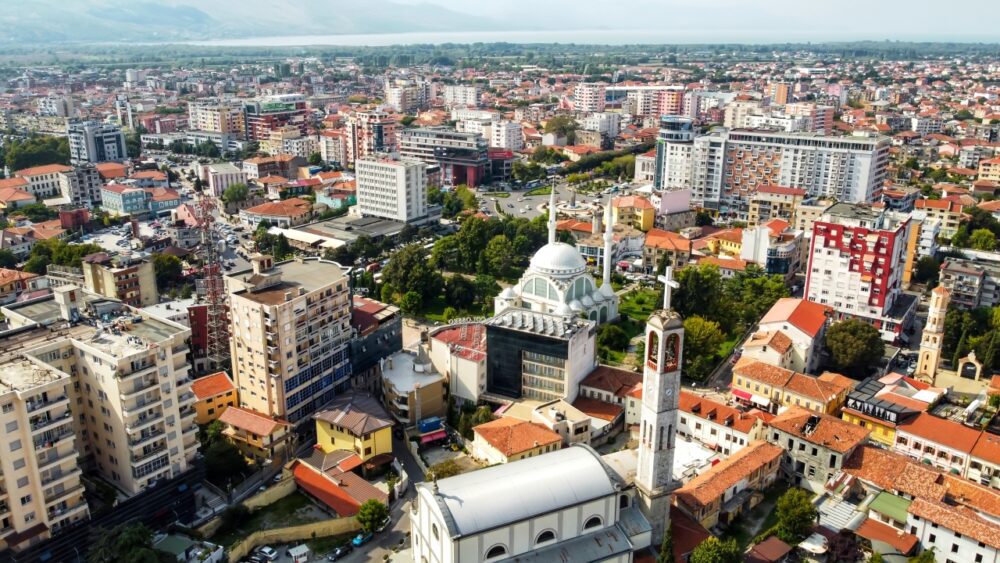
Tirana doesn’t show up on many “best European cities” lists, and that’s part of what makes it interesting. I spent close to two weeks in the Albanian capital, splitting my time between long walks through the city center and day trips out to the mountains and coast. I went in without many expectations. I left with a phone full of photos and a real fondness for a city that most travelers still skip.
If you’ve been wondering whether Tirana deserves a spot on your itinerary, you’re not alone. It’s one of the most common questions I see from people planning a Balkans trip. The short answer is yes, but it depends on what you’re looking for. Tirana isn’t a polished postcard city like Prague or Dubrovnik. It’s rougher around the edges, still figuring itself out after decades of isolation under communist rule, and all the more rewarding because of that.
In this guide, I’ll walk through the real pros and cons of visiting Tirana, based on what I actually experienced on the ground. I’ll also cover the best things to do, where to stay, and how to get around, so you can decide for yourself if Tirana is worth visiting on your next trip.
Table of Contents
Pros – Reasons Tirana is Worth Visiting
1. It’s One of the Most Affordable Capitals in Europe
I tracked my spending closely during my trip, and Tirana came in far cheaper than any Western European capital I’ve visited. A solid meal at a local restaurant cost me between 4 and 7 euros. A coffee, which Albanians take seriously, was under a euro almost everywhere. Even a nice hotel in the center ran less than half of what I’d pay in Rome or Vienna for the same standard. If your budget is tight, Tirana stretches it a long way.
2. The Food Scene is Genuinely Excellent
I didn’t expect to eat this well in Tirana. Albanian cuisine blends Mediterranean, Ottoman, and Balkan influences, and the results are hearty and fresh. I ate grilled qofte, byrek pastries filled with spinach and cheese, and some of the best grilled fish I’ve had, sourced straight from the Adriatic. The produce felt local and seasonal everywhere I went, not shipped in from elsewhere. Block 8 (Blloku) is where you’ll find the trendiest cafes and restaurants, but the best meals I had were in small, family-run spots away from the main squares.

3. It’s Walkable and Compact
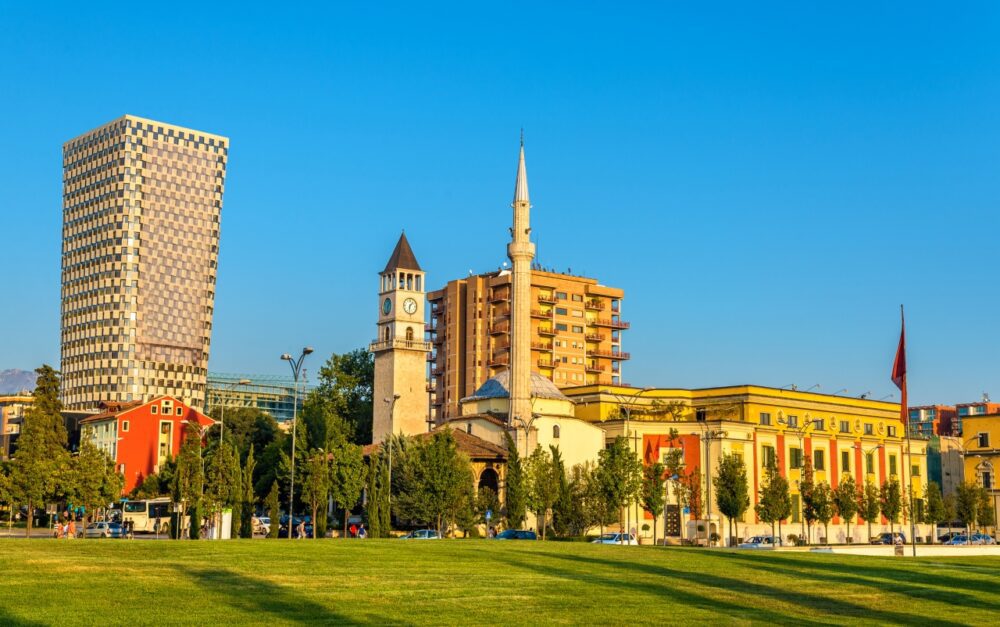
Tirana’s center is small enough to explore almost entirely on foot. I based myself near Skanderbeg Square and could reach most major sights within a 20-minute walk. This makes it easy to build a loose itinerary and just wander, which is honestly the best way to get a feel for the city. You’ll stumble onto street art, small parks, and neighborhood cafes you’d never find by planning too rigidly.
4. The History is Layered and Fascinating
Few cities pack in as much recent history as Tirana. Walking through the city, I saw Ottoman-era mosques, Italian fascist-era architecture from the 1930s, and communist-era bunkers and monuments, all within a few blocks of each other. The Bunk’Art museums, built into former Cold War bunkers, gave me a sobering look at Albania’s decades under isolationist rule. I left with a much deeper understanding of a country that most people know very little about.

5. The Locals are Warm and Curious About Visitors
I had more genuine conversations with strangers in Tirana than in most other cities I’ve traveled to. Shop owners, taxi drivers, and people at cafes were consistently curious about why I’d chosen to visit and eager to recommend their favorite spots. Albania doesn’t get the tourist numbers of its neighbors yet, so there’s still a sense of novelty and hospitality that can fade in more heavily visited destinations.
6. It’s a Great Base for Day Trips
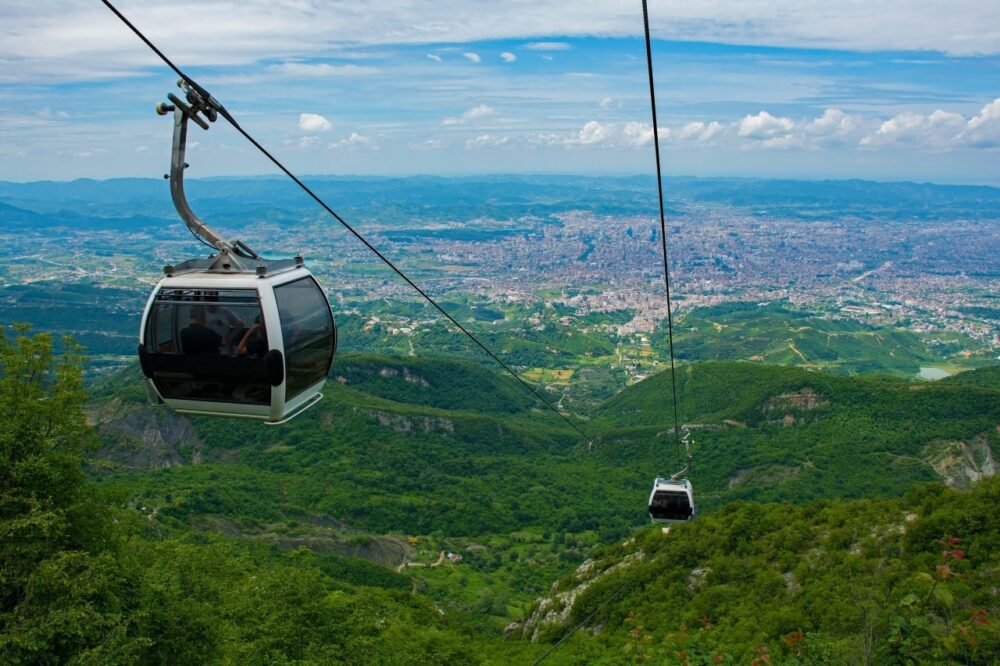
Tirana’s location makes it a smart hub for exploring the rest of Albania. I took a day trip to Kruja, a hillside town with a well-preserved castle and a lively Ottoman-era bazaar, and another to the Dajti Ekspres cable car, which climbs Mount Dajti for sweeping views over the city and coastline. Both trips took half a day or less, which meant I still had time to explore Tirana itself afterward.
7. The Street Art and Creative Energy Stand Out
Tirana’s former mayor, Edi Rama, was a painter before entering politics, and his influence shows. Many of the Soviet-style apartment blocks around the city have been repainted in bold colors and geometric patterns. Combined with a growing number of independent galleries and street murals, the city has a creative, slightly rebellious energy that I didn’t expect going in. It photographs beautifully, and it’s a nice contrast to the more somber communist-era sites nearby.
Cons – Things to Consider Before Visiting Tirana
1. Traffic and Air Quality Can Be Rough
Tirana has a serious traffic problem, and I noticed it within an hour of landing. Cars pack the streets, sidewalks are sometimes narrow or blocked by parked vehicles, and crossing the road can feel chaotic if you’re used to more orderly traffic systems. On busier days, air quality noticeably worsened, especially near the main boulevards. If you’re sensitive to pollution or noise, it’s worth keeping your accommodation off the main roads.
2. It Lacks Polished Tourist Infrastructure
Compared to more established European capitals, Tirana still has some rough edges. Signage in English is inconsistent outside the city center, some sidewalks are in poor condition, and public information for tourists is limited compared to what you’d find in a city like Vienna or Amsterdam. I didn’t find this a dealbreaker, but it does mean you’ll need to be more self-sufficient and comfortable with a bit of trial and error.
3. There Isn’t a Huge List of “Must-See” Landmarks
If you’re after a city packed with iconic sights, Tirana might disappoint you. It doesn’t have a single landmark that defines it the way the Eiffel Tower defines Paris or the Colosseum defines Rome. The appeal here is more about atmosphere, food, history, and affordability than ticking off a checklist of famous monuments. I’d recommend Tirana more for travelers who enjoy soaking in a city’s character than those who want a packed sightseeing itinerary.
Things to Do in Tirana
- Skanderbeg Square – The city’s central square, home to the National History Museum and a good starting point for orienting yourself. I always came back through here at least once a day.
- Bunk’Art 1 and Bunk’Art 2 – Two former Cold War bunkers turned museums, covering Albania’s communist history in vivid, sometimes unsettling detail. Bunk’Art 2 is smaller and closer to the center, so start there if you’re short on time.
- The Pyramid of Tirana – Originally built as a museum honoring dictator Enver Hoxha, this striking structure has been renovated into a creative hub with a rooftop viewpoint. Worth 20 minutes for the photos alone.
- Blloku (Block 8) – The trendiest part of town, filled with cafes, cocktail bars, and boutiques. This used to be off-limits to ordinary citizens under communist rule, which makes its current buzz feel especially symbolic.
- Dajti Ekspres Cable Car – A cable car ride up Mount Dajti gives you panoramic views over Tirana and the surrounding countryside. I went at sunset and it was one of the highlights of my trip.
- Et’hem Bey Mosque – A beautifully preserved 18th-century mosque right in the city center. Modest dress is required, and it’s free to enter.
- National History Museum – Home to the giant mosaic mural on its facade, and worth a visit to understand Albania’s ancient and modern history in one stop.
- New Bazaar (Pazari i Ri) – A lively market area full of produce stalls, local crafts, and casual restaurants. This is a great spot for an affordable, authentic lunch.
- Grand Park of Tirana – A large green space around an artificial lake, popular with locals for jogging, picnics, and evening walks. A nice break from the busier streets.
- Day trip to Kruja – About 45 minutes from Tirana, Kruja has a hilltop castle, a national museum dedicated to Albanian hero Skanderbeg, and an old bazaar selling traditional textiles and antiques.
Where to Stay in Tirana
- City Center (near Skanderbeg Square) – The best option for first-time visitors. Everything is walkable from here, including the main museums and squares. I stayed in this area and rarely needed transport.
- Blloku (Block 8) – Ideal if you want to be near the best restaurants, bars, and nightlife. It’s slightly quieter at night than the main square but still very central.
- Near the Grand Park – A good choice if you prefer a calmer base with green space nearby, while still being a short walk or taxi ride from the center.
- Outskirts near Dajti Mountain – Worth considering if you want easy access to hiking and the cable car, though you’ll rely more on taxis to reach the city center.
Getting Around Tirana
Walking is the easiest way to get around central Tirana, since most major sights sit within a 20-30 minute walk of each other. I did almost all of my sightseeing on foot and only used other transport for longer trips or day excursions.
For anything further out, taxis and ride-hailing apps are cheap and reliable, and I used them regularly without any issues. Public buses cover most of the city and are extremely affordable, though routes and schedules aren’t always clearly posted, so it helps to ask locally or use a maps app. Tirana doesn’t have a metro or tram system, which is worth knowing if you’re used to relying on rail transport in other European cities. Renting a bike is possible and the city has been slowly adding bike lanes, but given the traffic I mentioned earlier, I’d only recommend this for confident cyclists.
Conclusion
So, is Tirana worth visiting? Based on my time there, I’d say yes, especially if you value affordability, food, and a city with real character over a checklist of famous landmarks. The pros stack up well: cheap prices, excellent food, a walkable center, layered history, and warm locals all make for a rewarding trip. The cons are real too, and worth going in prepared for, particularly the traffic and the rougher tourist infrastructure compared to more established capitals.
I’d recommend Tirana most to travelers who enjoy discovering a place before it becomes a major tourist hotspot, and to anyone building a broader Balkans itinerary alongside cities like Skopje or Sarajevo. It’s not a city that will overwhelm you with must-see attractions, but it will give you an honest, memorable look at a country still writing its next chapter. For me, that made it more than worth the trip.
Related Posts
- Is Berat Worth Visiting? Pros, Cons and Travel Tips (2026)
- Is Gjirokaster Worth Visiting? Pros, Cons and Travel Tips (2026)
- Is Ksamil Worth Visiting? Pros, Cons and Travel Tips (2026)
- Is Sarande Worth Visiting? Pros, Cons and Travel Tips (2026)
- Is Tirana Worth Visiting? Pros, Cons and Travel Tips (2026)