Is Sarandë Worth Visiting? Honest Pros and Cons (2026)

Every evening in Sarandë, the whole town seems to walk to the sea. Families, couples and groups of teenagers fill the promenade, and the sun drops behind the Greek island of Corfu, just across the water. It’s a simple scene, but it stuck with me. After three days one summer, I understood why this place gets so busy.
Sarandë is the biggest resort town on the Albanian Riviera. It sits on a wide bay on the Ionian Sea, and its ancient name was Onhezmi. The modern name comes from the Monastery of the Forty Saints on the hill above town. Sarandë is worth visiting if you want warm water, great seafood and easy day trips. Butrint, the Blue Eye and Gjirokastër all sit within about 90 minutes. It’s also a lot cheaper than most Mediterranean beach towns.
Of course, it isn’t perfect. Here’s what I loved, and what you should plan around. After that, I’ll cover where to stay, the best tours and when to go. I’ll finish with how long to spend and how to get around, including the ferry to Corfu.
Pros of Visiting Sarandë

1. The Seafront Promenade
The City Promenade is the heart of Sarandë. It runs along the bay with cafés, ice cream stands and restaurants on one side and the sea on the other. Locals and tourists mix here from late afternoon until well after dark. A coffee costs about 200 lek (£1.85), and it’s the best way to spend an hour before dinner.
I stayed right on the promenade, and I’d do it again. Sunset is the main event. The sky turns orange behind Corfu, and the whole waterfront slows down to watch. You can also swim from the small beaches along the front. If you want better photos of your trip, the professional photoshoot uses the promenade, the beach and sunset spots as locations. Late afternoon gives the softest light, and the walk from one end to the other takes about 20 minutes.
2. The Blue Eye Spring
The Blue Eye is the most famous natural sight near Sarandë, and it’s about 30 minutes away by road. Cold water rises from deep underground and forms a calm pool. The colour shifts from bright turquoise at the edges to deep blue in the middle. Swimming isn’t allowed, but the shady park around the spring is a welcome break from the summer heat.
Getting there is simple. The Blue Eye and Lekursi Castle sunset tour takes about four hours, and the entry fee is included. A little panoramic train carries you to the spring (it only runs in the warmer months), and you get around an hour of free time. Bring a light layer, because the water keeps the air cooler than in town, and carry a little cash for drinks. Pickup is from central Sarandë, so you don’t need to organise a taxi.
3. Lekursi Castle at Sunset
Lekursi Castle sits on a hill above Sarandë, and the views are the best in town. Sultan Suleiman the Magnificent had it built in 1537 to protect the port and control the routes along the coast. Today you can walk the surviving walls and see the whole bay, the town, the Ionian Sea and the outline of Corfu. A restaurant inside the walls serves drinks and dinner.
Sunset is the time to go. The light on the water turns gold, and the bay slowly fills with the lights of the town. The easiest way up is a short drive. The Blue Eye tour above ends here at golden hour, with about 40 minutes at the castle. Bring a light jacket, because the hilltop breeze picks up once the sun goes down. If you’d rather go independently, a taxi up and back is easy to arrange from the promenade.
4. Butrint National Park
Butrint is the best archaeological site in Albania, and it’s only about 20 km from Sarandë. UNESCO added it to its World Heritage List in 1992. The site began as a Greek colony and later became a Roman city, then a Byzantine and Venetian settlement. You can see an ancient theatre, a Roman forum, a Byzantine baptistery and a great basilica. The setting by a lagoon, surrounded by forest, is gorgeous.
Go early, because the stone paths heat up fast. The Butrint guided tour lasts three hours and covers the theatre, the forum, the baptistery and the Great Basilica, plus the museum. The group is limited to eight people, and pickup is included. A guide really helps here, because the ruins are spread over several layers of history. Wear a hat and bring water. Combine it with a swim at Ksamil on the way back.
5. Ksamil Beaches and Islands
Ksamil is a small seaside village about 20 minutes south of Sarandë, and it has the clearest water on this part of the coast. The calm, shallow bays suit families, and the beach clubs rent sunbeds and umbrellas. The Three Islands of Ksamil sit just offshore. They have small sandy beaches, and you can reach them by small boat or canoe.
Weekends fill up fast in July and August, so a weekday is the smart choice. The local bus from Sarandë costs 150 lek (£1.40) and takes about 20 minutes. Pay the driver in cash and have exact change. Arrive before 10:00 to claim a good spot on the sand, and bring water shoes for the pebbly sections. Sunbeds cost extra at the beach clubs, and prices climb in peak season, so check before you sit down. A quiet corner of the public sand is a good backup.

6. Boat Trips to Hidden Beaches
The best beaches near Sarandë can only be reached by boat. Krorëz Beach is a cove ringed by cliffs and green hills, and Kakome Bay is another quiet stop along the same coast. Boat trips also pass sea caves, including the Turtle Cave and the Anchor Cave, which are a highlight for photos.
The speedboat tour to seven stops lasts about 5.5 hours, and the group is limited to 12 people. It includes snorkel gear, a life jacket, water and a free umbrella. You spend roughly two and a half hours at Krorëz, so you have time to swim and relax. The tour meets at Ava Boat Tours near the port. Morning departures usually mean calmer water, and a small group makes the whole day feel relaxed. Bring a towel, sun cream and a dry bag for your phone, because you’ll climb on and off the boat several times.
7. Day Trip to Corfu
Corfu is so close that you can see its mountains from the promenade. The hydrofoil from Sarandë takes about 30 to 45 minutes, and the slower ferry takes closer to an hour. In summer, boats leave from the port throughout the day. Corfu is an hour ahead of Sarandë, so check your return time carefully. Tickets cost around €25 to €40 depending on the boat and the timeslot.
You can book directly with Ionian Seaways or buy tickets from the offices along Rruga Mitat Hoxha. Many ticket offices take cash, so bring some. Take your passport, because you’ll go through border control on both sides. Corfu Old Town is a UNESCO site, and it makes a great day out. Allow a full day, because the alleys, the Liston arcade and the harbour are all within a short walk. Book an early boat so you don’t rush your lunch.
8. Monastery of the 40 Saints and the Old Synagogue
Sarandë’s name comes from the Monastery of the 40 Saints, and its medieval ruins sit on the hill above town. It’s a quiet spot with great views over the bay and the Greek coast. The ruins of the Old Synagogue sit near the centre, and they are one of the few traces of the area’s Jewish community. Both are easy to reach on foot or by a short taxi ride.
The history here is more interesting than you might expect from a beach town. The communist era left its mark too, including a hidden anti-aircraft base on the hill. The communism and monastery tour lasts 3.5 hours and covers the viewpoint, the base, the monastery and a local mosque, with a snack included. Go in the late afternoon, when the heat has eased. Wear shoes you can walk in and carry water.
9. Fresh Seafood and Albanian Food
Seafood is the main reason I’d come back. Restaurants along the promenade and the harbour serve grilled fish, calamari, prawns and mussels, all caught nearby. Try fish soup, a warm and simple dish that suits any time of day. Order grilled fish such as sea bass or mullet, cooked simply to keep the flavour. A seafood dinner for two usually costs around 4,000 to 6,000 lek (£37 to £55).
Away from the waterfront, you’ll find hearty Albanian dishes like byrek with wild herbs and fresh kulaç bread. Prices drop a lot once you walk a block or two from the sea. Ask what the catch of the day is, and check the price per kilo before you order. Most waiters will bring the fish to the table so you can pick one. Finish with a glass of raki, and keep some cash for smaller places.
10. Day Trips to Gjirokastër and Përmet
Sarandë makes a great base for the rest of southern Albania. Gjirokastër, the UNESCO-listed City of Stone, sits about an hour and a half away by road. The Gjirokastër half-day tour lasts six hours and includes the castle ticket, hotel pickup and a guide. It visits the castle, Zekate House and Ismail Kadare’s house, so you see the best of the old town without planning anything.
For something more active, the Vjosa River rafting and Përmet hot springs trip lasts about 8.5 hours from Sarandë. You raft the Vjosa, one of Europe’s last wild rivers, then relax in the thermal baths at Përmet. Both trips are long days, so start early and bring a light layer for the mountains. They also pair well with a rest day on the beach afterwards. If you only have time for one, the Gjirokastër trip is the easier option and gives you the stronger sense of southern Albania’s history.
Cons of Visiting Sarandë
1. Crowds in Peak Summer
Sarandë gets very busy from July to August. Day-trippers from Corfu arrive by ferry, and tour buses pour in from Tirana. The promenade, the beaches and the main restaurants can feel packed. The road to Ksamil also jams, and a short drive can take much longer than it should. Prices rise too, especially on the seafront.
Beat the crowds by starting early and finishing late. Visit Butrint and the Blue Eye in the morning, and save the beach for the afternoon. A weekday is far calmer than a weekend. The hidden beaches boat tour is a smart way to escape, because the coves are quieter and the group is limited to 12. Book rooms early, and consider June or September, when the weather is still warm and the queues are shorter. It’s still worth it.
2. A Built-Up Waterfront
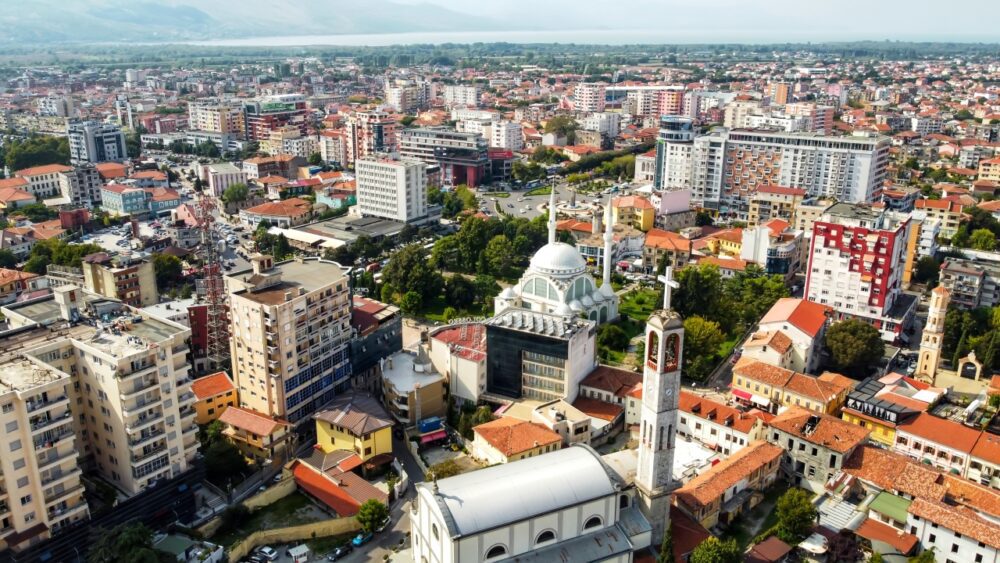
Sarandë is not a pretty fishing village. Rapid development has filled the hillside with tall apartment blocks, many of them unfinished or empty off-season. From the bay, the skyline looks more like a concrete amphitheatre than a charming old town. Some visitors find that disappointing after seeing the photos of Ksamil and the Blue Eye.
The best fix is to focus on the water and the views. The promenade, the sunsets and the nearby coast are the real attractions here. Climb the hill for a different perspective, and the town looks far better from above. The communism tour includes a panoramic viewpoint over the bay. Spend most of your time on the water or out of town, and the skyline soon fades into the background. The setting still wins.
3. Pebbly City Beaches
The beaches in Sarandë itself are small, pebbly and busy. They’re fine for a quick dip, but they aren’t the sandy stretches you see in the photos. The best swimming is further out, at Ksamil, Krorëz and Kakome. Hot pebbles and crowded sunbeds can spoil a relaxed afternoon, especially in the middle of the day.
Pack water shoes, because the stones are sharp underfoot. For the best swimming, take the 150 lek (£1.40) bus to Ksamil or join a boat trip. The horse riding and farm tour is another way to spend a hot afternoon away from the sand. It lasts three hours and finishes with a traditional lunch. The meeting point is the farm, so plan your transport. You can still enjoy a sunset swim in town.
4. A Long Journey From Tirana
Sarandë is far from Tirana. The bus takes around five hours, and the road winds through the mountains. Tickets cost about €17 on Gjirafa Travel, and buses leave from Tirana’s South and North Terminal. The last departures head out in the evening, so a late flight can leave you stuck. There’s no airport or train in Sarandë itself, which makes the trip feel even longer.
Plan the journey carefully, and leave plenty of time. If you fly into Tirana, consider a private Tirana to Sarandë transfer. It takes four to five hours, and the driver meets you at the airport. Alternatively, fly into Corfu and take the ferry across. The journey is long, but the coast is worth it. Whichever option you choose, build in a buffer for traffic and winding roads, and avoid booking an early flight home on the same day you travel back.
5. Late-Night Noise
If you stay on the promenade, expect noise. Bars and clubs play music until late, scooters buzz past and people walk the seafront until after midnight. In July and August, the party can last well into the early hours. Light sleepers will struggle in a front-facing room, especially with the windows open in the heat.
Ask for a room at the back or on a higher floor, and bring earplugs. Staying in the town centre or on the southern edge gives you the same sea access for a quieter night. If you like nightlife, lean into it. The night boat party is a one-hour evening cruise with a DJ and a free drink. It boards at 10:30 pm. It’s lively, but it’s easy to avoid too.
Where to Stay
Sarandë Promenade: This is where I stayed, and it’s the best base for a first visit. The beach, the restaurants and the ferry port are all within a few minutes’ walk. Sunsets from your balcony are hard to beat. The downside is noise and higher prices in summer, and it’s busy every evening. Hotel Mano is a budget-friendly 3-star hotel on Rruga Mitat Hoxha. It’s beachfront, with a bar, a garden and a terrace, plus a 24-hour front desk and free parking. Vila Era Beach is a mid-range 3-star hotel on the seafront. It has a restaurant, a bar, a fitness centre and a spa, plus sun loungers on the beach. Alyacht Premium Hotel is an upscale 4-star hotel on the waterfront. It has a private beach area, soundproof rooms and a lift, plus massage treatments.
Town Centre: The streets just behind the promenade are quieter and cheaper. You get supermarkets, bakeries, local restaurants and the bus stops within easy reach. It’s a good pick if you want a calmer night but still want to walk to the sea. The trade-off is that you won’t have the seafront views. Center Hotel is a budget-friendly 4-star hotel on Rruga Onhezmi. It has a lift and free parking, plus a 24-hour front desk. Victoria Boutique Hotel is a mid-range 3-star hotel on Rruga e Flamurit. It has a restaurant, a bar, a coffee house and soundproof rooms, plus a lift and airport pick-up. Hotel Mediterrane is an upscale 4-star hotel on Rruga Skënderbeu. It has an outdoor pool and a restaurant, plus a tennis court and a water slide.
Southern Sarandë and the Butrint Road: The southern end of the bay is calmer and greener. You get more space, easier parking and quick access to Ksamil and Butrint. It’s a great option if you like a quiet base. The downside is the walk or taxi ride to the main promenade. Hotel Teuta is a mid-range 4-star hotel in southern Sarandë. It has a bar and room service, plus free parking. Apartments Romario is a mid-range guest house with an outdoor saltwater pool and a pool bar. It also has BBQ facilities and an airport shuttle. Buzë Boutique Hotel is an upscale 4-star hotel right on the beach. It has a private beach area and an outdoor pool.
Ksamil: Ksamil is a separate seaside village about 20 minutes south, and it has the clearest water. It suits beach holidays, and you can reach Butrint in minutes. The downside is that it has fewer restaurants and less nightlife than Sarandë, and the roads are crowded in summer. Vila Shpetimi is a guesthouse-style stay with a rooftop pool and an indoor pool, which is rare in a village this size. Hotel New Crystal with Private Beach is a beach-focused stay with its own private beach, so you can step straight from your room to the water. EMAR Beachfront Hotel Ksamil sits on the seafront in Ksamil, so the beach is on your doorstep.
Best Things to Do
Sarandë is a great base for sea, history and countryside. These are the experiences I’d book first.
- Speedboat tour to seven stops: A 5.5-hour trip along the coast with stops at Kakome Bay, Krorëz Beach and sea caves. Snorkel gear, a life jacket, water and a free umbrella are included.
- Blue Eye and Lekursi Castle sunset tour: A four-hour trip with pickup from central Sarandë. You ride a small panoramic train to the Blue Eye, spend about an hour there, then watch sunset from Lekursi Castle.
- Butrint guided tour: A three-hour small-group tour with a guide and pickup. You see the ancient theatre, the Roman forum, the baptistery, the Great Basilica and the museum.
- Gjirokastër half-day tour: A six-hour guided trip to the UNESCO-listed City of Stone. The castle ticket and hotel pickup are included.
- Communism and monastery tour: A 3.5-hour tour with a panoramic viewpoint, an anti-aircraft base, the Monastery of the Forty Saints and a local mosque. A snack is included.
- ATV adventure: A three-hour off-road ride past the Castle River Dam, through a traditional village and up to a viewpoint. Cold drinks are included, and you meet near the main entrance road.
- Horse riding and farm tour: A three-hour visit to a farm near Ksamil. You ride, tour the farm and finish with a traditional lunch.
- Vjosa River rafting and Përmet hot springs: An 8.5-hour day trip from Sarandë. You raft the Vjosa, then relax at Përmet’s thermal baths.
- Professional photoshoot: A 1- to 1.5-hour session at sunset, beach and promenade locations. You get professionally edited photos afterwards.
- Night boat party: A one-hour evening cruise with a DJ and a free soft drink or beer. It boards at 10:30 pm.
Best Time to Visit
Summer – I visited in summer, and Sarandë felt alive. The sea is warm, the evenings are long and everything is open. Highs often reach the mid-30s, and July and August are packed. Ferries to Corfu run all day, and the beaches, boat trips and nightlife are at their peak. Book hotels well ahead, and swim early or late to avoid the midday heat.
Spring – Spring is peaceful and green. April and May are warm enough for sightseeing, and the crowds are small. It’s a great time for Butrint, Gjirokastër and the Blue Eye. The sea is still cool for swimming. Bring a light jacket for the evenings.
Autumn – September is the sweet spot. The sea stays warm, the heat eases and the summer crowds thin out. Boat trips still run, and prices drop. October is quieter, and the weather turns less reliable. It’s a great time for hiking and day trips.
Winter – Winter is very quiet. Many hotels, restaurants and beach bars close, and ferries run less often. The Blue Eye train stops running outside the warm months, so you walk to the spring instead. Rain is common, and the seafront feels empty. It suits a cheap, low-key trip to explore ruins and eat well.
How Long to Spend
1-2 Days – Two days covers the basics. Spend the first day on the promenade, the beach and a sunset at Lekursi Castle. On the second, take a boat trip to the hidden beaches or visit the Blue Eye and Butrint. You’ll leave wanting more.
3-4 Days – I had three days in Sarandë, and it felt about right. That’s enough for the promenade and a swim, a boat day, and one big day trip to Butrint and Ksamil. A fourth day lets you add Gjirokastër or a day trip to Corfu.
5-7 Days – A week lets you slow down and see the rest of the region. Add Gjirokastër, the Vjosa River and Përmet’s thermal baths, then spend a day in Corfu. You can also head north along the Riviera to Himarë and Dhërmi. Ksamil, just south of town, is great for a few quiet beach days. Heading north, Berat is a good stop on the way back to Tirana. A week is plenty to see most of southern Albania.
Getting Around
On foot: The centre of Sarandë is compact, and the promenade is flat. You can walk from one end of the seafront to the other in about 20 minutes. Streets away from the water get steeper, so wear comfortable shoes.
Buses: Local minibuses run along the coast, roughly hourly in summer from about 07:30 to 18:30. A ride within Sarandë costs 100 lek (£0.92), and the trip to Ksamil costs 150 lek (£1.40). Buses to Butrint leave from near the ferry terminal on Rruga Jonianet. Flag them down and pay the driver in cash. For Tirana, buses take about five hours, and you can book on Gjirafa Travel.
Taxis: Taxis don’t use meters, so agree the fare before you get in. Short rides often start at 1,000 lek (£9.25).
By ferry: Ferries to Corfu leave from the port, and Ionian Seaways lists the timetable. The hydrofoil takes 30 to 45 minutes.
To and from the airport: Tirana Airport is the closest, and it’s about four to five hours away. The easiest option is a private transfer from Tirana, with a driver who meets you at arrivals. For a scenic ride back, the Sarandë to Tirana Airport transfer via the Riviera takes about six hours and stops at Borsh, Himarë and the Llogara Pass. Line up your journey back to the airport when you book, so you aren’t hunting for a ride on your last morning.
So, is Sarandë Worth Visiting?
Sarandë is a lively, affordable base on one of Europe’s most beautiful stretches of coast. The sunsets, the seafood and the warm water are all superb. Add Butrint, the Blue Eye and Gjirokastër on your doorstep, and there’s plenty to fill a week. Three days gave me a great taste.
It isn’t perfect. The waterfront is built up, the city beaches are pebbly and summer crowds can be heavy. The journey from Tirana is long, and the promenade is noisy at night. Most of that is easy to handle with an early start, a back room and a trip to Ksamil.
If you want sea, history and good food in one trip, Sarandë is a great choice. Give it at least three days, and visit in June or September if you can. I’d go back for the boat trips and the seafood alone.