
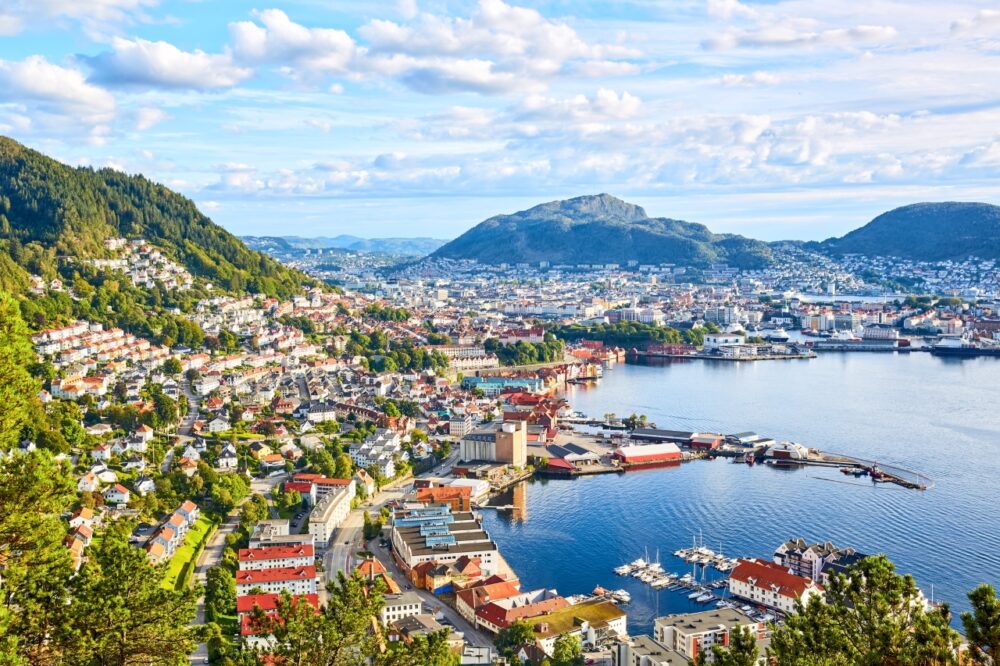
I’ve been to Bergen twice now, once in early autumn and once in the middle of summer, and both trips left me with a soft spot for this city that I didn’t fully expect. Bergen sits on Norway’s west coast, wrapped around a harbor and boxed in by seven mountains, and it wears its weather and its history in equal measure. It rains a lot here. Locals joke about it constantly, and after two visits I can confirm the jokes are earned.
What struck me most on my first trip was how compact and walkable the historic core is, especially compared to Oslo. You can cover the main sights in a single day if you’re rushed, but I found that Bergen rewards you for slowing down. My second trip, I gave myself four full days and barely felt like I’d exhausted what was worth doing between the fjord cruises, the fish market, and the hikes straight up from the city center.
This post pulls together what I actually learned across both visits, not a rehashed list from a tourist brochure. If you’re wondering whether Bergen deserves a spot on your Norway itinerary, here’s my honest breakdown of the pros, the cons, and the practical details that made my trips work.
Table of Contents
Pros – Reasons Bergen is Worth Visiting
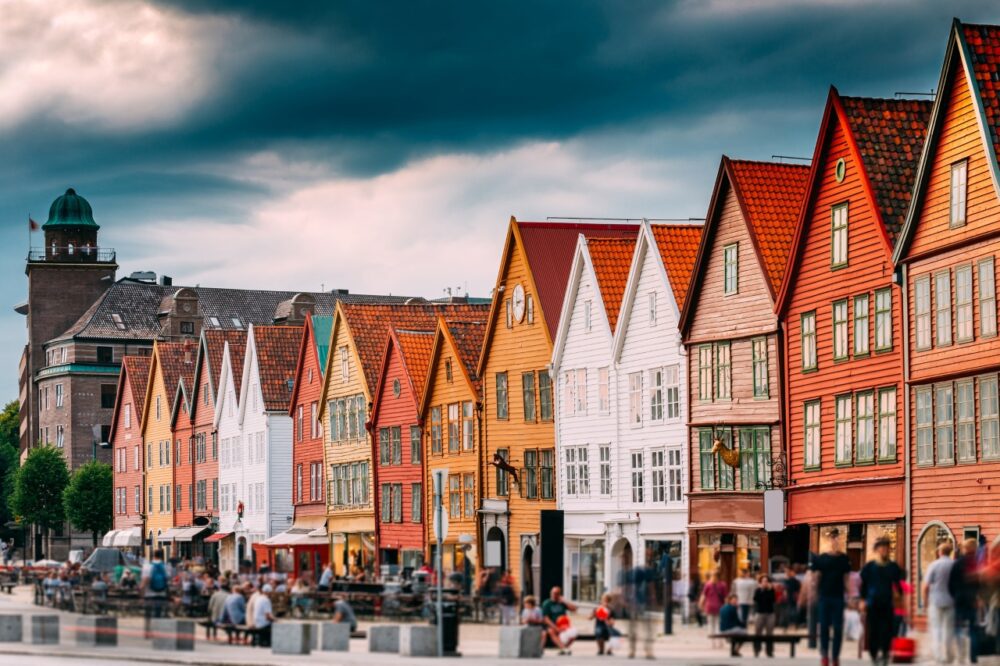
1. Bryggen Is One of the Best-Preserved Old Towns I’ve Walked Through
The old Hanseatic wharf at Bryggen is a UNESCO World Heritage Site, and walking its narrow wooden alleyways on my first morning in Bergen is still one of my clearest travel memories. The buildings lean at odd angles from centuries of settling, and the wood creaks underfoot in a way that feels genuinely old, not restored-for-tourists old. I came back a second time just to photograph it in different light, and it held up completely.
2. You Can Hike a Mountain and Be Back for Dinner
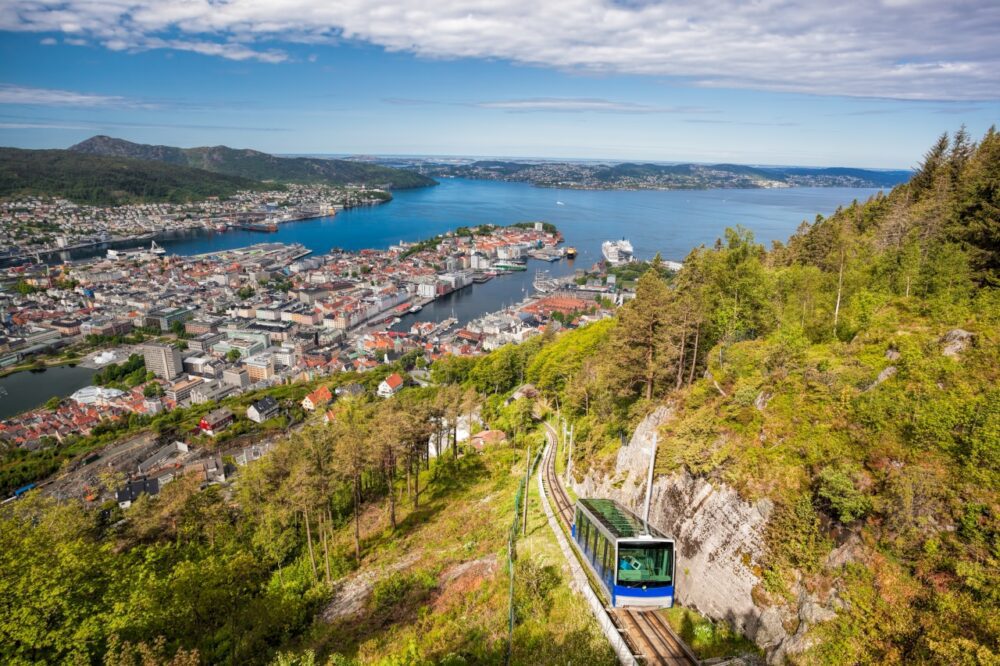
This is the detail that sold me on Bergen more than anything else. I took the Fløibanen funicular up Mount Fløyen on both trips, and each time I was standing above the entire harbor within about six minutes. From the top, marked trails let you keep climbing toward Mount Ulriken if you want a full day out, or you can just wander the summit paths for an hour and head back down. No other city I’ve visited puts genuine mountain hiking this close to the center.
3. The Fish Market and Food Scene Are Worth Building a Day Around
Mathallen fish market sits right on the harbor, and on my second trip I made a point of eating there twice, once for a fish soup that set the standard for every bowl I’ve had since. Bergen also has a serious modern food scene beyond the market. I had one of the best tasting menus of my life at a small restaurant tucked behind Bryggen, using ingredients pulled straight from the fjords that morning.
4. The Fjords Are Genuinely Within Reach
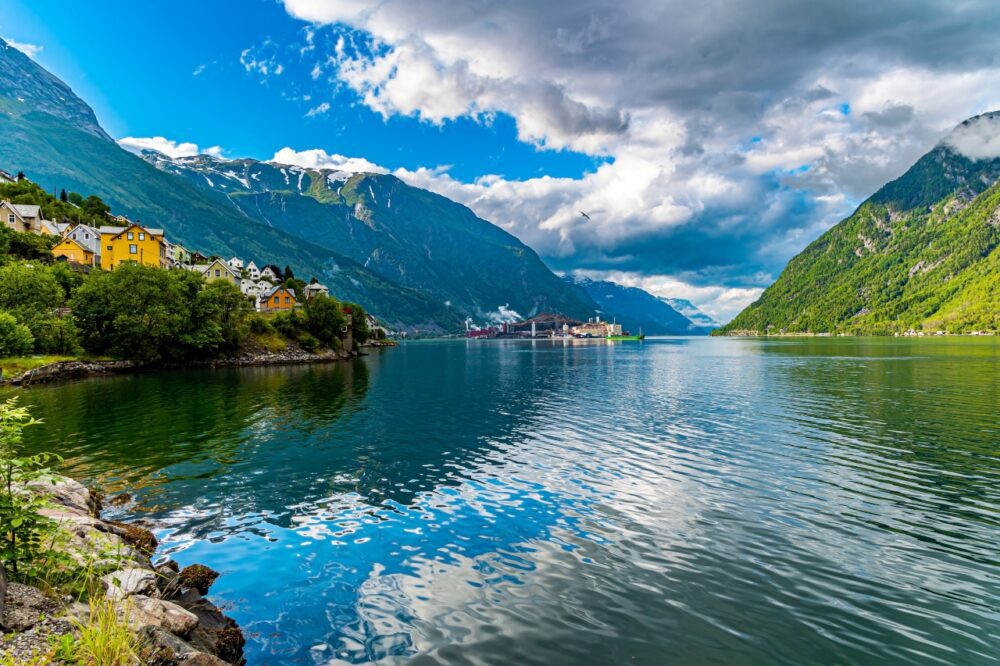
Bergen calls itself the gateway to the fjords, and having done a day trip to the Mostraumen fjord on my first visit, I understand why. You don’t need to travel far or plan a multi-day expedition. I was on a boat cutting through narrow fjord walls within an hour of leaving the harbor, and back in the city center for dinner. For travelers short on time, this accessibility is hard to overstate.
5. Its Compact Size Makes It Easy to Actually See Everything
Bergen’s city center is small enough to walk end to end in under 30 minutes, and I found that made a huge difference in how relaxed my trips felt. I never once needed a taxi or worried about missing a bus connection between sights. Compare that to sprawling capitals where a single day’s itinerary eats hours in transit, and Bergen starts to look like one of the most efficient city breaks in Scandinavia.
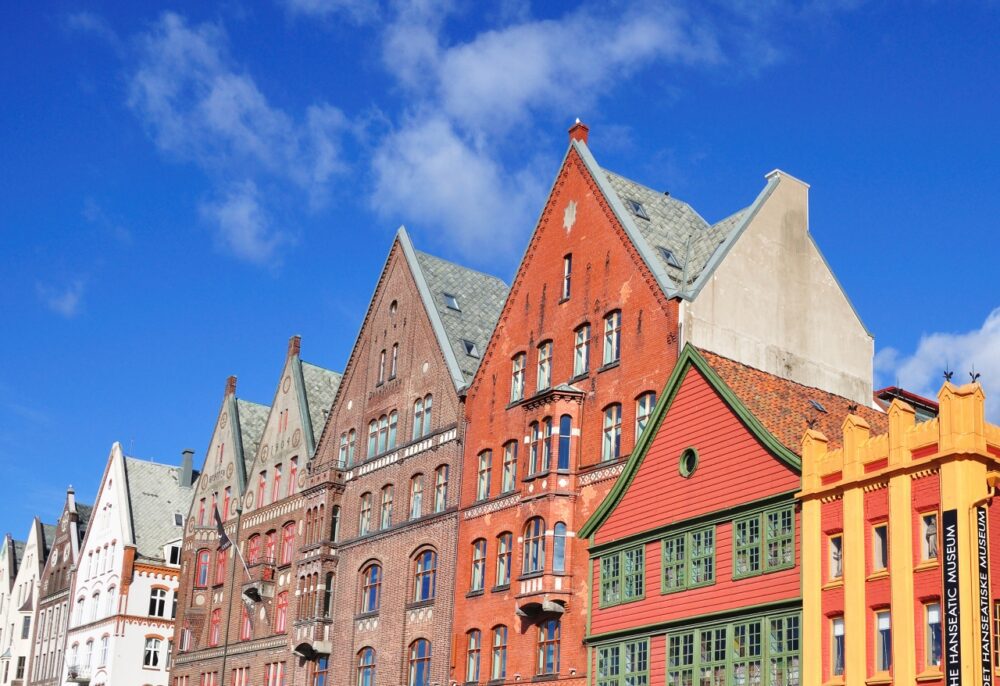
6. The Colored Houses Give the City a Distinct Character
Between the red, yellow, and white wooden houses climbing the hillsides and the iconic Bryggen facades along the wharf, Bergen has a visual identity that’s genuinely its own. I’ve taken more photos in Bergen than in most cities twice its size, simply because there’s a striking angle around nearly every corner. It photographs beautifully even under the gray skies the city is famous for.
7. It’s a Manageable, Low-Stress Introduction to Norway
On both trips, I found Bergen easier to navigate than Oslo in terms of pace. English is spoken fluently almost everywhere, the tourist infrastructure is well established without feeling overrun, and the city never felt overwhelming even during the peak of summer cruise ship season. If Norway is intimidating you as a first-time visitor, Bergen is a gentle place to start.
Cons – Things to Consider Before Visiting Bergen
1. The Weather Can Genuinely Disrupt Your Plans
Bergen is one of the wettest cities in Europe, and I got rained on during both of my visits, including one afternoon where a planned Ulriken hike got cancelled entirely because of low cloud cover. If your trip depends on clear mountain views or an outdoor fjord cruise, build in flexibility. I now always pack for rain in Bergen regardless of the season, and I’d recommend the same.
2. It’s Expensive, Even Relative to the Rest of Norway
I found Bergen’s restaurant and activity prices to sit right alongside Oslo’s, with fjord cruises and guided tours pushing well past 1000 NOK per person on my second trip. A basic meal easily runs 250-300 NOK. Budget travelers can offset this by eating at the fish market or grocery stores, which is what I did on my second visit to keep costs down without giving up good food.
3. Peak Season Brings Serious Cruise Ship Crowds
On my second trip, a single cruise ship day flooded Bryggen with more people than I’d seen the entire rest of my visit combined. If you’re visiting between June and August, check cruise schedules in advance and try to hit the main sights early in the morning. I found the difference between a 9 AM visit to Bryggen and a 1 PM visit to be night and day.
Things to Do in Bergen
- Walk through Bryggen – The UNESCO wharf is free to explore and photographs beautifully any time of day; I’d still recommend an early morning visit to beat the crowds.
- Ride the Fløibanen funicular – Fast, affordable, and gives you sweeping harbor views within minutes of leaving the base station.
- Hike Mount Ulriken or the trails from Fløyen – Bergen’s best free activity, and one I did on both trips without needing any special gear.
- Visit Mathallen fish market – The most reliable place in the city for fresh seafood; go for the fish soup if nothing else.
- Take a fjord cruise to Mostraumen or Osterfjord – A half-day trip that delivers genuine fjord scenery without the multi-day commitment.
- Explore the Hanseatic Museum – Set inside an original Bryggen building, it gave me more context on the wharf’s history than any plaque or guided walk did.
- Wander KODE art museums – Four museums around Lille Lungegårdsvannet lake, with a strong Munch collection that I found far less crowded than Oslo’s.
- Browse the Bergen Fish Market stalls in the evening – Quieter than the daytime crowds, with a different, more local atmosphere.
- Walk or cycle around Nordnes peninsula – A quieter residential area with harbor views and a small aquarium, good for an unhurried afternoon.
- Catch a concert or event at Grieghallen – Bergen has a strong classical music heritage tied to composer Edvard Grieg, and a performance here rounded out my second trip nicely.
Where to Stay in Bergen
- Bryggen/City Center – The most convenient base for first-time visitors, putting the wharf, fish market, and funicular all within a short walk. I stayed here on my first trip and never needed transport.
- Nordnes – A quieter peninsula neighborhood with a more local feel, good if you want some distance from the tourist core while staying walkable to the center.
- Sandviken – North of the center, with charming wooden houses and a slower pace; I explored it on my second trip and liked it for a longer stay.
- Møhlenpris – A more residential, budget-friendly area popular with students, a short walk or bus ride from downtown.
Getting Around Bergen
Bergen’s city center is small enough that I did almost everything on foot across both trips, and I’d recommend the same approach for most visitors. Walking lets you catch the small alleyways and viewpoints that buses and trams simply pass by. For anything beyond the core, Bergen’s light rail (Bybanen) is clean, frequent, and connects the city center to the airport and outer neighborhoods, which I used on my second trip to reach accommodation slightly outside the center.
Buses fill in the routes the light rail doesn’t cover, and I found them reliable, though I rarely needed them given how central most attractions are. Bergen also has a bike-share system, though the city’s hills make cycling more demanding than in flatter Norwegian cities, so I’d only recommend it if you’re reasonably fit or planning specific flatter routes along the harbor. For fjord access, ferries and organized boat tours depart directly from the harbor, and I found booking a day or two ahead was enough during both visits, even in summer.
Conclusion
So, is Bergen worth visiting? After two trips in different seasons, my answer is a clear yes, particularly if you want a taste of Norway’s coastal character without committing to a sprawling itinerary. Bergen’s combination of a walkable historic core, mountain hikes minutes from the harbor, and genuine fjord access packed into a compact city is hard to match anywhere else I’ve traveled in the country.
The weather and the price tag are real considerations, and I won’t pretend either one is minor. But between the two, I found the weather easier to plan around than the cost, since a rainy day in Bergen still means wandering Bryggen’s covered alleyways or ducking into a museum. If you go in with realistic expectations about rain and a firm budget for food and tours, Bergen earns its reputation as one of Norway’s most rewarding city breaks. I’ve already got a third trip in mind.