Is Tromso Worth Visiting? Honest Pros and Cons (2026)
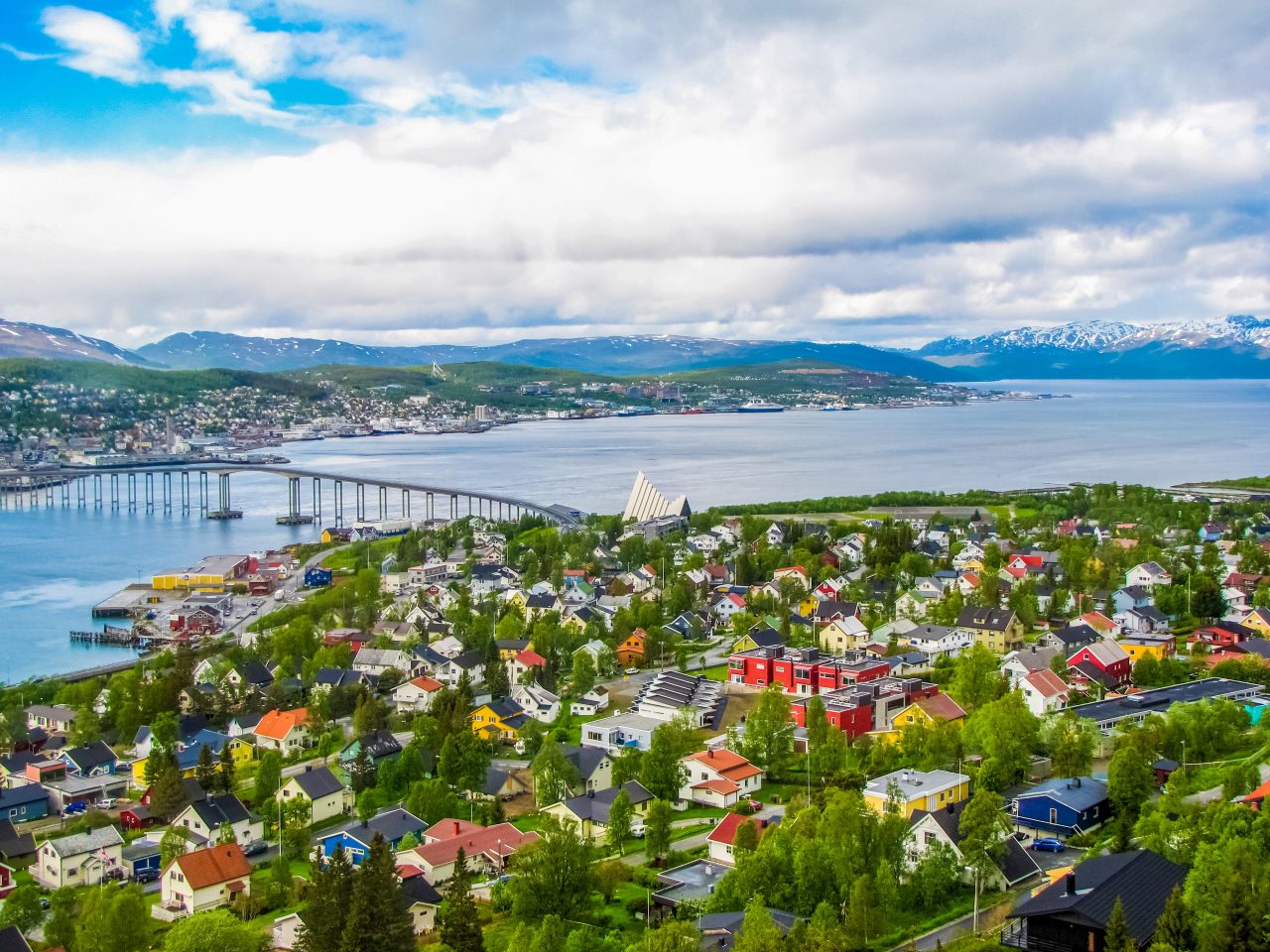
Tromso sits about 340 kilometres inside the Arctic Circle, and it still has a cinema, a craft brewery and a cable car. That mix surprised me. I visited once, in autumn, for two days. I expected a remote outpost. Instead I found a lively little city with a big sky and a very long list of things to do.
Tromso is built on an island called Tromsøya. It connects to the mainland by a bridge and a tunnel, and mountains rise on every side. Locals sometimes call it the Paris of the North, which feels like a stretch. But the wooden houses, the cosy bars and the harbour make it easy to like. It is also the main base in Norway for northern lights tours, whale safaris and husky rides.
This guide covers the pros and cons of Tromso, where to stay, and what to book. You’ll also find tips on when to go, how long you need, and getting around, so you can decide whether it suits your kind of trip.
In a Rush? Here Are Our Favourite Hotels in Tromso Norway
⭐️⭐️⭐️ First Hotel City Tromsø – Click here for rates & availability
⭐️⭐️ First Hotel Skansen – Click here for rates & availability
⭐️ Radisson Blu Hotel Tromsø – Click here for rates & availability
Pros of Visiting Tromso
1. The Northern Lights Season Starts Early
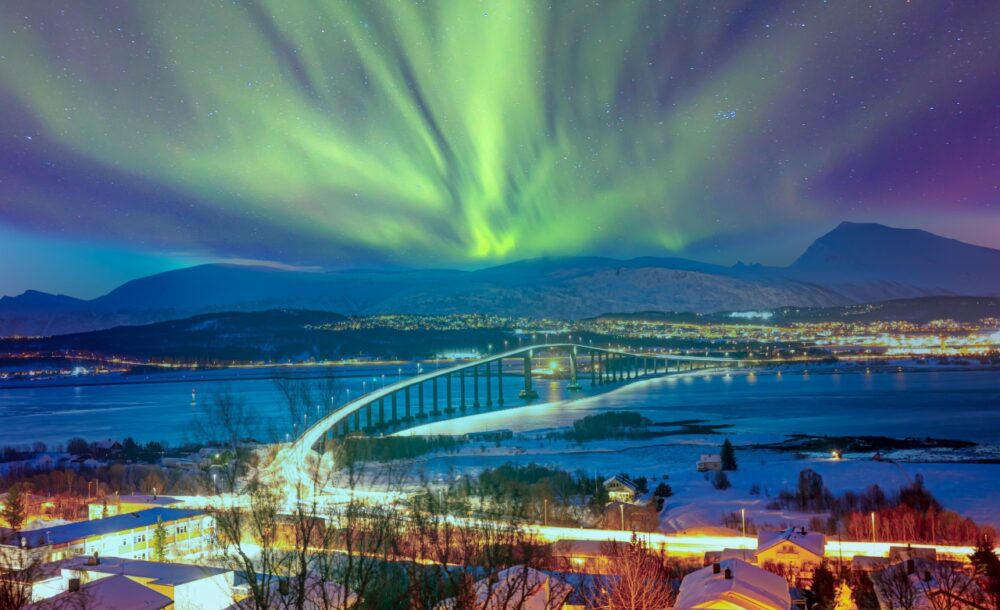
Tromso is one of the best places in Europe to look for the northern lights. The city sits right under the auroral zone. According to the official Visit Tromsø site, the season runs from late August to early April. You need clear skies and darkness, so the weather matters as much as the date.
I came in autumn, and that suited me. The nights were already dark enough for aurora hunting, but the temperature was far milder than in midwinter. You do not need a huge Arctic wardrobe in September or October. A northern lights safari with expert guides and photos takes you out of the city, away from the light pollution. The guides watch the cloud forecasts and drive to wherever the sky is clearest. Dress warmly even in autumn, and bring a flask if your tour does not provide hot drinks. Waiting under the stars is much nicer with something warm in your hands!
2. The Fjellheisen Cable Car Views
The Fjellheisen cable car is the best way to see Tromso from above. It climbs to Storsteinen, a viewpoint about 421 metres above sea level. The ride takes only a few minutes. At the top you look down over the whole island, the bridge, the fjord and the peaks beyond.
According to the Fjellheisen website, a return ticket costs NOK 645 (about £46) for adults. The cable car runs daily from 09:00 to midnight, so you can pick your moment. I went up in the late afternoon and stayed until the light turned pink. There is a café at the top, and the summit is also a popular spot for the northern lights and, in summer, the midnight sun. Wear a warm jacket, because it is always windier up there. It is not cheap, but I thought the view was worth it. Check the weather first, because low cloud can hide everything.
3. The Arctic Cathedral and Tromsø Bridge
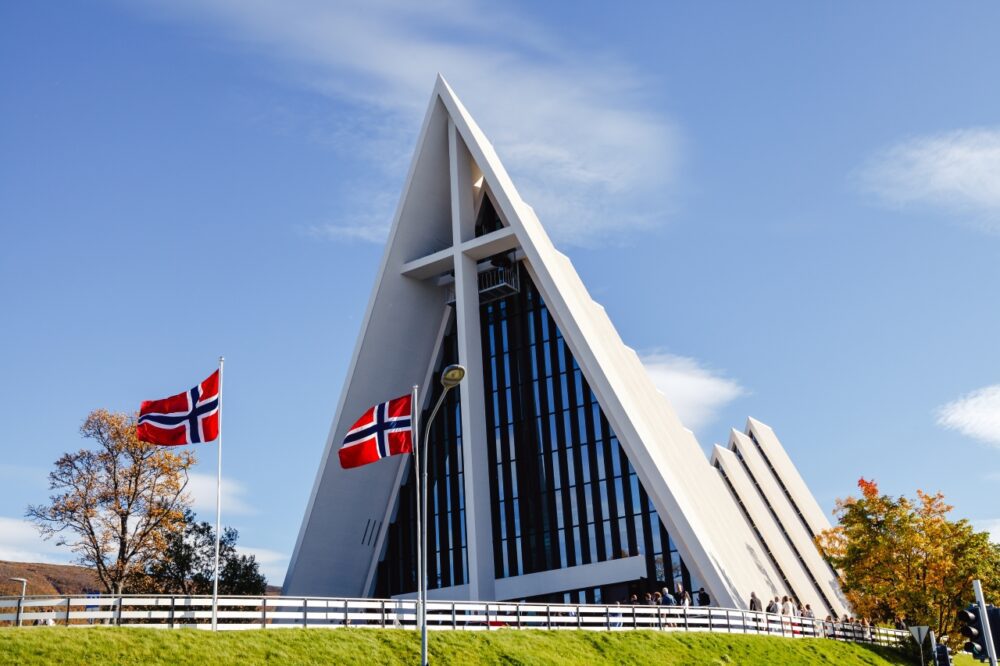
The Arctic Cathedral is Tromso’s most famous building. It sits on the far side of the water in Tromsdalen, and its sharp white triangles look a bit like a row of glaciers. You can see it from the city, but I recommend walking across the Tromsø Bridge to get a proper look. The Arctic Cathedral is a working church, so check the opening hours before you go.
The walk across the bridge is the highlight for me. It is long, windy and a little exposed. But the views back toward the city are superb, especially on a clear evening. The cathedral is about a 15-minute walk from the lower cable car station. Many people combine the two on the same afternoon. Drones are not allowed at the cathedral, and the site warns of fines. Early evening light made the glass front glow, and I was glad I had waited.
4. Polaria Brings the Arctic Indoors
Polaria is an Arctic experience centre on the waterfront, and it works well on a wet day. Polaria has exhibitions, Arctic aquariums and a seal pool. The stars are Bella and Mai San, two bearded seals. They are fed and trained daily at 10:30 and 12:30, and that is when the place gets busy.
I enjoyed it more than I expected. The displays explain how life in the Arctic works, and the climate exhibit is thoughtful rather than preachy. According to the Visit Tromsø site, tickets start from NOK 395 (about £28). The centre opens from 10:00 to 17:00. You can book a Polaria entrance ticket in advance. Plan on an hour or two, longer if you want a seal session. It is also a handy stop if you have children, as the seals hold their attention. Arrive a little early for the feeding, so you can find a good spot at the pool!
5. Fjords and Mountains Right Outside Town
You do not need to travel far to find dramatic scenery. Tromso’s island is surrounded by fjords, and the nearby islands of Kvaløya and Sommarøy have some of the prettiest coastline in the north. Think white sandy beaches, jagged peaks and tiny fishing villages. In autumn the hillsides turn gold and red, which made the whole trip feel even more special.
The easiest way to see it all is on a guided road trip. A Kvaløya and Sommarøy Arctic fjords tour takes around five hours and includes photo stops. Wildlife is a real possibility too. Guides often point out sea eagles, reindeer and sometimes otters. If you prefer to be on the water, an Arctic fjord cruise with fishing and lunch is a calm option. Take a camera with a charged battery. The light changes constantly, and you will want to stop at every bend in the road.
6. Reindeer and Sami Culture
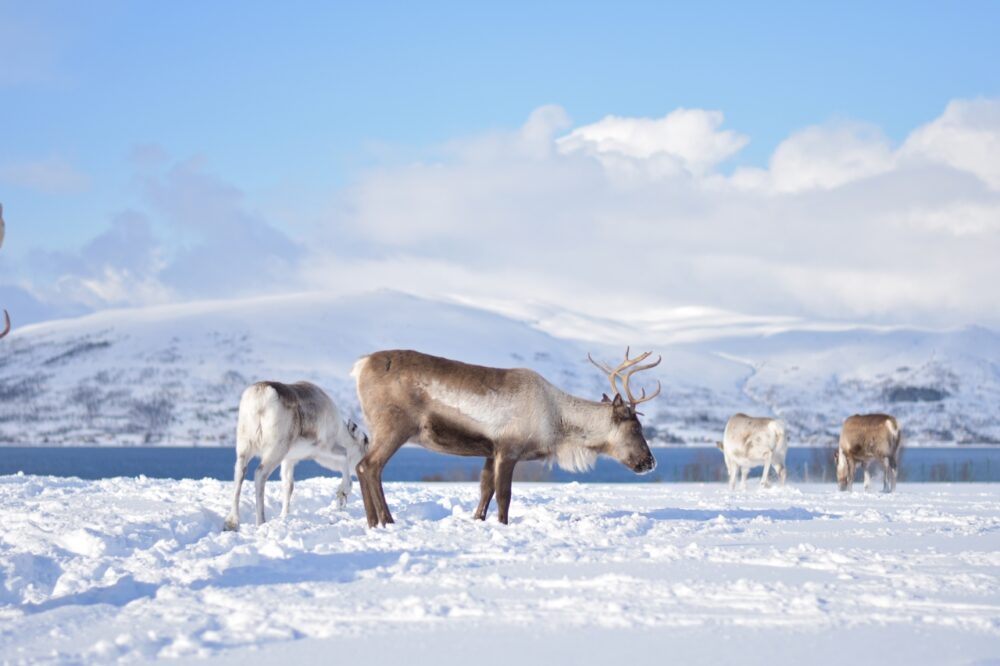
Northern Norway is the homeland of the Sami people, and Tromso is a good place to learn about their culture. Reindeer herding is a big part of it. Several camps near the city welcome people. You can feed the animals by hand, sit inside a traditional tent called a lavvo and hear stories about life in the Arctic. Some guides also perform a joik, the traditional Sami song.
I found it a gentle, memorable contrast to the adrenaline of the other tours. A reindeer sledding and Sami culture experience lasts about three and a half hours, and you can choose between sledding or feeding. It is a good fit for families. Ask lots of questions. The guides are usually happy to talk about herding, language and how the seasons shape their work. Dress warmly and wear sturdy boots, as the ground can be muddy or icy. I left feeling I had learned something real about the north.
7. Midnight Sun and Polar Night
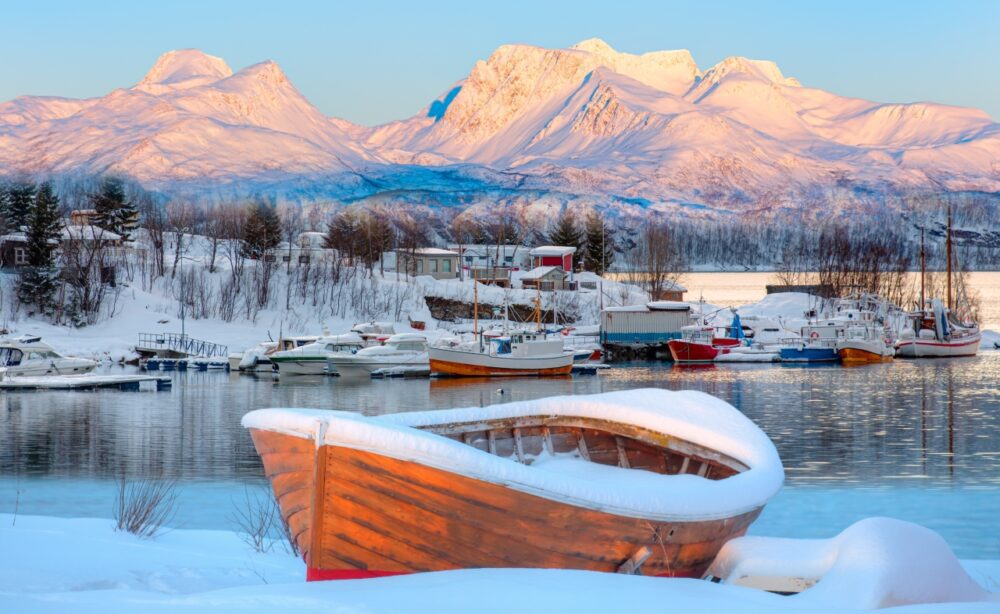
Tromso has two very different faces. In summer the midnight sun means the sun does not set for weeks. According to Visit Tromsø, it runs from late May to late July. In winter the polar night takes over, with a blue twilight instead of full daylight. Both feel magical, and both change how you plan your days.
I visited in autumn, which sits between the two. The days were noticeably shorter than I expected, but I still had enough light to explore. You can watch the daylight vanish week by week. If you want a taste of the midnight sun, ride the cable car late on a summer evening. In winter, lean into the cosy side. Cafés, saunas and warm restaurants feel even better when it is dark by lunchtime. Whichever season you choose, pack accordingly. Blackout curtains help in summer, and a head torch is handy in winter!
8. A Compact, Walkable City Centre
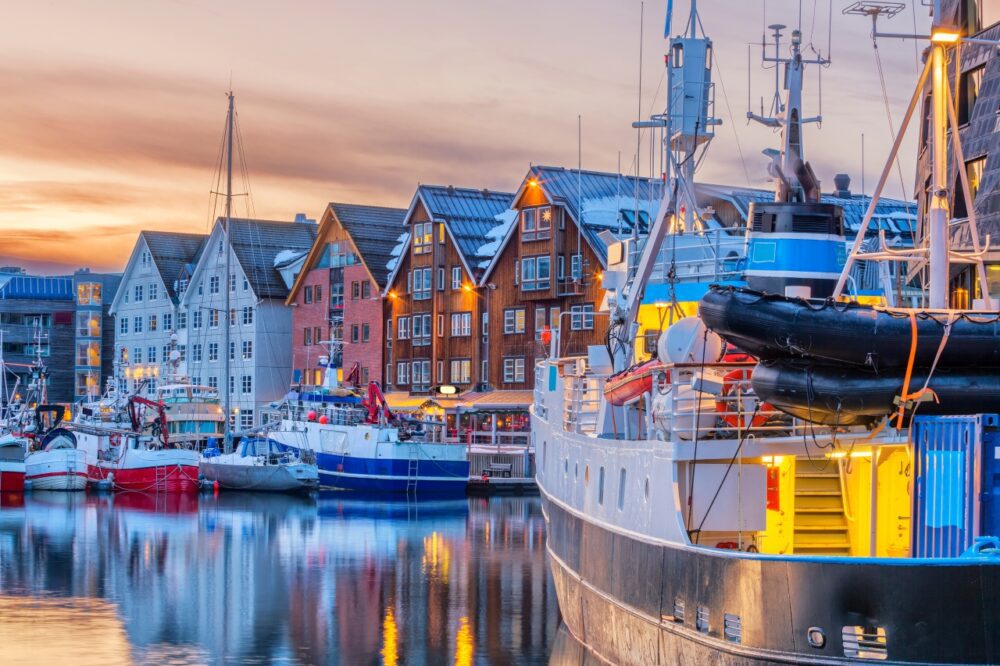
Tromso’s centre is small, and I loved that. Almost everything sits on the island, within a short walk of Storgata, the main street. You will find wooden houses, shops, bars and the Arctic Hunter monument at Stortorget, the main square. The harbour is only a couple of minutes away, and the cable car and cathedral are a short bus ride or a longer walk.
I stayed in the city centre and walked almost everywhere. That saved money and time, and I could pop back to my hotel to warm up whenever I wanted. Storgata has a cheerful, lived-in feel. Students, fishermen and tourists all mix together. The Visit Tromsø visitor centre at Storgata 83 can help with tourist information and tour bookings. It is a great place to start. It is also a safe, friendly city, and I felt comfortable walking around in the evening. Most places are close enough that you rarely need a bus.
9. Whale Watching in the Fjords
Whale watching is one of Tromso’s headline attractions. In the colder months, orcas and humpback whales gather in the fjords to feed on herring. Boats head out from the city and cruise through the fjords in search of them. Even if the whales stay hidden, the Arctic scenery is spectacular.
I did not time my trip for the main whale season, but I met travellers who had. They raved about it. A hybrid-electric whale-watching tour is a quiet option, because the boat glides on its electric engine. The day is long, around eight to nine hours, so bring layers, and snacks. If you want to get closer to the water, there are also small RIB boat tours from nearby Skjervøy. Seasickness tablets are worth packing if you are not a confident sailor. Most boats have heated lounges, so you can warm up between sightings.
10. Great Food, Beer and Coffee
For a small city, Tromso eats and drinks well. Seafood is the star. You will find cod, king crab, salmon and stockfish on menus, plus reindeer if you want to try the local meat. A traditional bacalao stew, made with cod, tomato, and onion, is a classic. Many restaurants use local ingredients and serve them with real pride.
Beer is another highlight. The Mack Brewery is famous as one of the northernmost breweries in the world, and its pub, Ølhallen, is a cosy place for a pint. I also enjoyed the coffee shops, which are a lifesaver on cold days. Prices are high, so look for lunch specials or a bakery. Many hotels serve a big breakfast. That can save you money later in the day. Ask your hotel for tips, because locals know the best small places. I came home thinking about the food almost as much as the scenery!
Cons of Visiting Tromso
1. It Is Expensive
Norway is not cheap, and Tromso is no exception. Hotels, meals and tours all cost far more than in the UK. A simple dinner can cost over NOK 300 (about £22), and a beer is usually not far behind. The big Arctic tours can cost £70 to £250 per person, and they add up fast.
You can cut costs. Book a hotel with breakfast included, and eat your main meal at lunch. Self-catering helps if your room has a kitchen. Many of the best things in Tromso are free, like the bridge walk, Storgata and the harbour. I also set a daily budget before I left, which stopped me from overspending. Plan for higher costs, and you will enjoy it more. Tipping is modest in Norway, which helps a little.
2. The Weather Is Unpredictable
Arctic weather changes quickly. I had sun, clouds and wind in the same afternoon. Rain is common, and wind chills can make it feel colder than the forecast. In winter, snow and ice make footpaths slippery and roads tricky.
This matters for the activities. Cloud blocks the northern lights, and rough seas can cancel boat tours. Pack layers, a waterproof jacket, a hat, and gloves, even in autumn. Good shoes with grip are essential. Keep your plans flexible. I left my first evening free, so I could swap things around if the forecast changed. Most tour operators will rebook you if they cancel for safety reasons, but check the policy before you buy. Checking the forecast each morning became a habit.
3. The Northern Lights Are Never Guaranteed
The northern lights are the main reason most people visit, and no one can promise them. They depend on solar activity, clear skies, and darkness. You might have a perfect night or a cloudy week. Some operators claim very high success rates, but it is still nature.
My advice is to stay at least three nights if the aurora is your top priority. That gives you more than one chance. Look for tours that go far and follow the clear skies, even across the border into Finland. Some operators, like the northern lights chase tours, offer a second try or a discount. Treat anything you see as a bonus, not a certainty. Patience is part of the experience, and a good guide makes the waiting fun!
4. Daylight Hours Change Dramatically
The huge swings in daylight can catch you off guard. In summer the sun barely sets, so it is hard to sleep unless you have blackout curtains. In winter the days are very short, and that limits the time you have for sightseeing. Even in autumn, the days shrink quickly.
I noticed the difference even in two days. The light faded earlier than I expected, so I packed my sightseeing into the middle of the day. Check the sunrise and sunset times before you book. If you are sensitive to light, bring an eye mask. If you dislike the dark, avoid the depths of winter. Either way, plan outdoor activities around the daylight. Hotels with thick curtains make a big difference.
5. Getting Out of Town Needs a Tour or a Car
The best sights are outside the centre. Fjords, reindeer camps, husky farms and aurora spots are usually far from the main streets. Public transport helps with a few places, but it will not take you to most of them. Without a car, you will need to book tours.
I found that tours are the simplest solution, though they cost more. Driving in the Arctic can be tough, especially on icy roads in winter, so I would not rent a car unless you are experienced. If you do rent one, check the road conditions on the Visit Tromsø site. A guided trip also lets you relax and enjoy the view. Book ahead in busy periods, because the best tours often sell out. Tours also take the stress out of cold-weather driving.
Where to Stay
Tromso is small, so most people stay on the island. Here are the main areas I would look at.
City Centre (Storgata and Grønnegata): This is where I stayed, and I would do it again. I spent two nights in the heart of town. I could walk to the harbour, the shops and the bus terminal in minutes. There were plenty of restaurants nearby, so I never needed a taxi. The main downside is noise on weekend nights. Comfort Hotel Xpress Tromsø is a good budget option with a bar and a snack bar. Smarthotel Tromsø has a minimarket and board games. First Hotel City Tromsø is a step up, with family rooms and a lift!
Harbourfront (Sjøgata and Kaigata): Staying by the water gives you views and easy access to the tour pick-ups. Many boats and buses leave from this area. It can be busy during the day, but it is lively in the evening. Radisson Blu Hotel Tromsø has a restaurant, a sauna and a fitness centre. Clarion Hotel The Edge is a modern waterfront hotel with a bar. First Hotel Amalie has a terrace and a concierge.
Skansen and Bispegata: This is the northern part of the centre. It is slightly quieter, and still a short walk to Storgata. It suits couples and travellers who want a calmer base. The streets here are lined with wooden houses. The Dock 69 39 by Scandic has a spa, a restaurant and a fitness centre. First Hotel Skansen is a comfortable four-star option. Bispegata 5 Studio Apartment Hotel has studio apartments with a family-friendly layout.
Quieter Side Streets and South Tromsøya: If you want peace and a bit more space, look at the southern part of the island. It is a short bus ride or a long walk to the centre. This area suits travellers who want to relax after a day of touring. St Elisabeth Hotel & Spa has an indoor pool, a sauna and a spa. First Hotel Backpack is a great-value pick with a terrace and a shared kitchen. First Hotel Viking has a bar and a concierge.
Best Things to Do
- Northern Lights Safari: A six-hour minibus chase with expert guides and free photos. This is the classic Tromso experience, and it is the one I would book first.
- Northern Lights Cruise: A catamaran trip through the fjords with panoramic windows and viewing decks. It lasts about two and a half hours, and it is a warm choice if the weather is cold.
- Whale-Watching Tour: A long day on a quiet hybrid-electric boat in search of orcas and humpbacks. Best in the colder months.
- Reindeer Sledding and Sami Culture: Feed the reindeer, sit in a lavvo and hear Sami stories. It is gentle, and it works well for families.
- Self-Drive Husky Sledding: Drive your own team of huskies across the Arctic landscape. It is a splurge, but it is a real thrill.
- Kvaløya and Sommarøy Fjords Tour: A scenic road trip to beaches, peaks and fishing villages. It is one of the best-value tours in the city.
- Arctic Fjord Cruise and Fishing: A relaxed boat trip with lunch and a chance to fish. It is wheelchair-accessible, and suits people who like a slower pace.
- Polaria: An Arctic aquarium and exhibition centre with daily bearded seal feeding. A good plan for a rainy afternoon.
- Fjellheisen Cable Car: The best views of Tromso from the top of Storsteinen. Go in the late afternoon for the best light.
- Arctic Cathedral: Walk across the Tromsø Bridge to see the city’s most famous church. It is a great free activity.
- Storgata and the Old Centre: Wander the main street, the harbour and Stortorget, and look out for the wooden houses. It costs nothing, and it gives you a feel for local life.
Best Time to Visit
Autumn (September to October): This is when I visited, and I think it is a sweet spot. The northern lights season has started, but the weather is milder than in winter. The hillsides turn gold and red, and prices are slightly lower than in peak winter. The days are getting shorter, and the weather can be wet. Some winter activities, like dog sledding on snow, may not run yet, so check before you book.
Winter (November to March): This is peak season for the northern lights, whales and snow activities. It is cold and dark, but it feels truly Arctic. Dog sledding, reindeer sledding and snowshoe walks are all possible. Book early, because tours sell out and prices climb. Pack serious winter clothing, including thermal layers, boots, and gloves!
Spring (April to May): Spring brings longer days and softer weather. The lights season ends in early April, but there is still snow for skiing and sledding. Crowds are smaller, and prices ease. It is a good compromise if you want snow and more daylight.
Summer (June to August): Summer means the midnight sun. According to Visit Tromsø, it runs from late May to late July. The weather is mild, and it is perfect for hiking, boat trips, and sightseeing. You will not see the northern lights, though. Hotels get busy, so book early.
How Long to Spend
1-2 Days: Two days is enough to see the city. I spent two days in the centre. I rode the cable car, walked across the Tromsø Bridge to the Arctic Cathedral, and visited Polaria. In the evening I joined a northern lights tour. It was a full schedule, but it worked. You will feel a little rushed, though. I would not squeeze in a day trip as well. Pick one or two highlights and enjoy them properly.
3-4 Days: This is the sweet spot. You have time for the city sights and two or three activities. Add a fjord tour to Kvaløya and Sommarøy, a reindeer experience and a second northern lights night. The extra evenings improve your chances of seeing the aurora. You can also take a slower pace and enjoy the cafés.
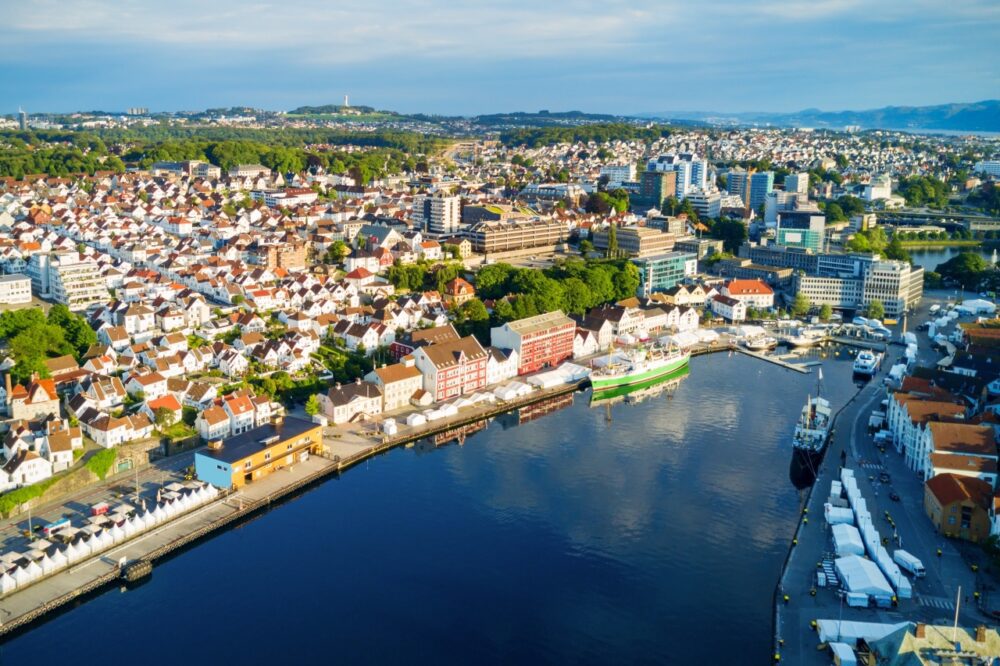
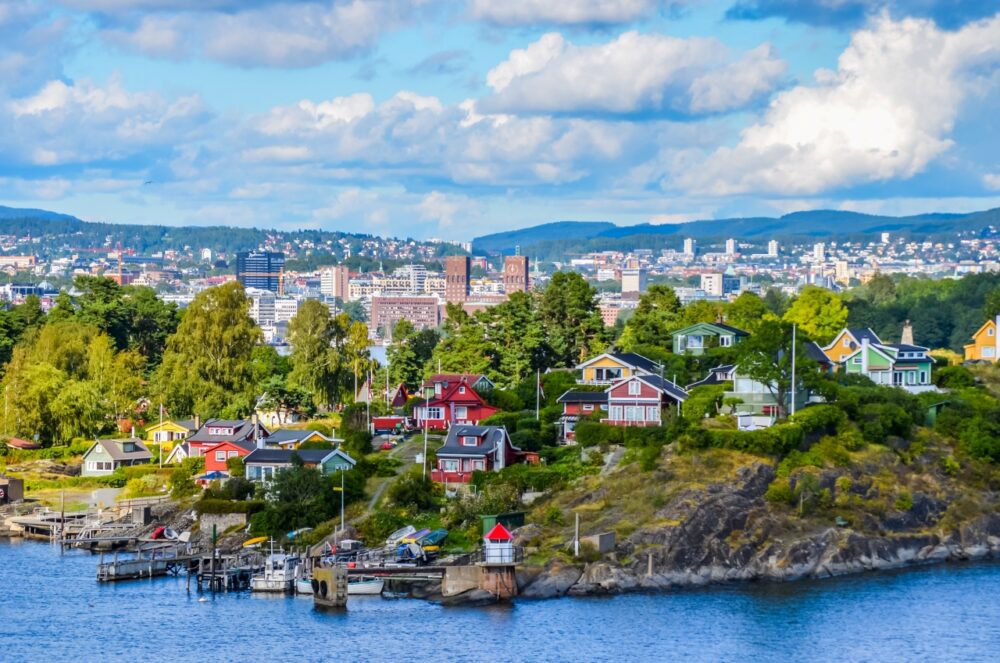
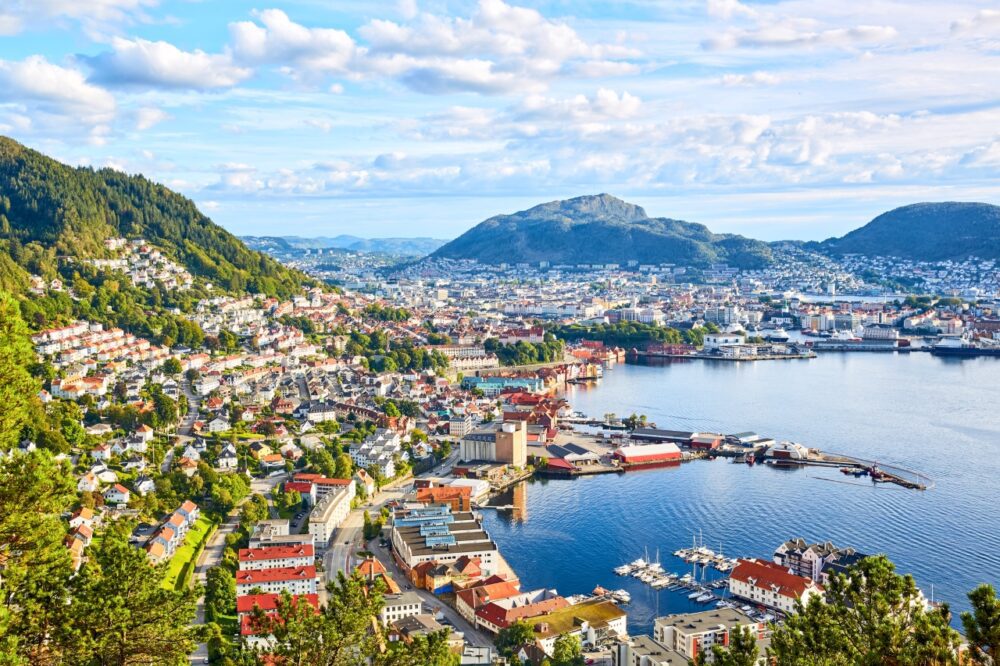
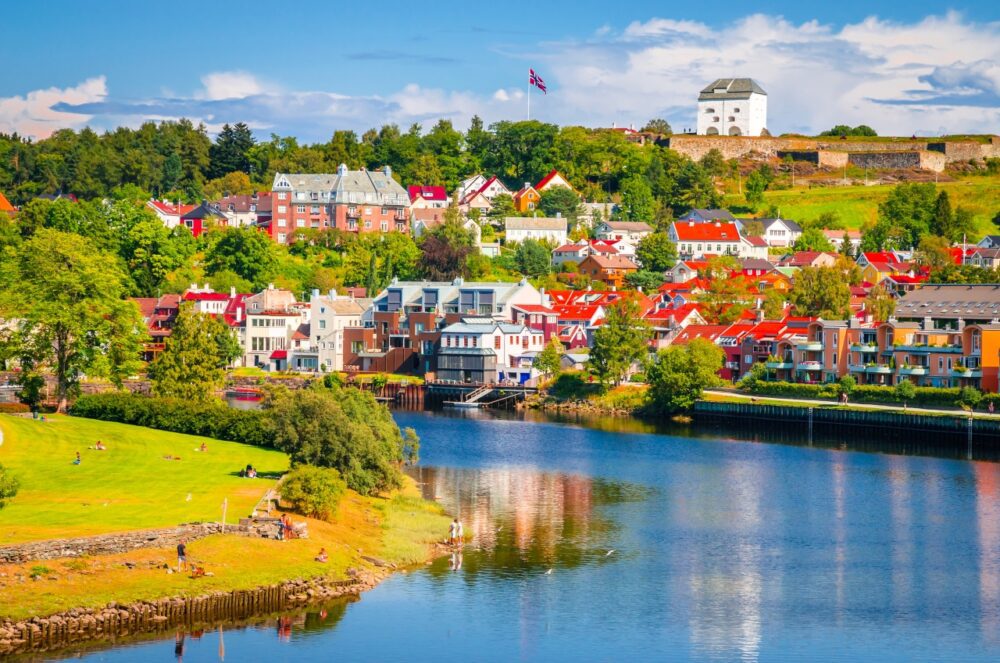
5-7 Days: With a week, you can add a whale-watching trip, a husky sledding day and a longer excursion. You will also have a buffer for bad weather. This suits anyone who wants to see the northern lights and enjoy the Arctic properly. It is also an expensive stay, so budget carefully. A slower pace gives you time to chase the lights on more than one night. If you’re combining the north with more of Norway, leave separate stays for Bergen, Oslo, Stavanger or Trondheim rather than trying to see them from here.
Getting Around
Airport Transfers: Tromsø Airport is only about ten minutes from the centre by car. A private airport transfer is easy and works well for small groups. For a cheaper option, the airport express bus and the city buses are listed on the Avinor airport page. Check the schedule and fares before you travel!
On Foot: The city centre is compact, and walking is the best way to see it. Most hotels, restaurants and shops are within a few minutes of each other. I walked almost everywhere. Wear good shoes with grip, because the pavements can be slippery. It is the cheapest option, and it is a beautiful way to take in the harbour. The cathedral is about a 15-minute walk from the cable car’s lower station.
Public Transport: City buses run daily around Tromso. The Svipper app is the easiest way to plan and buy tickets, and you can also use a ticket machine. Cards are accepted on board, but cash is not. You can read more on the Visit Tromsø getting around page. Regional buses leave from Prostneset in the centre.
Taxi and Tours: Taxis are available at the airport and around the city, but they are expensive. I saved them for late nights and bad weather. Prices are shown on the meter, and most drivers accept cards. For aurora chases, fjord trips and husky farms, a guided tour with pick-up is the simplest choice, and most operators collect you from your hotel.
Final Thoughts: Is Tromso Worth Visiting?
Yes, I think Tromso is worth visiting. It offers northern lights, fjords, reindeer, huskies and whales in a small city that is easy to explore. The cable car views and the Arctic Cathedral are unforgettable. Autumn felt like a smart time to go, with milder weather and the start of the aurora season. Two days gave me a good first taste.
It is not perfect. Tromso is expensive, and the weather can ruin your plans. The northern lights are never guaranteed. Getting out of town usually means booking tours, which adds to the cost. But these problems are easier to manage if you plan ahead, pack well and stay flexible.
If you love nature and want a true Arctic adventure, Tromso is a great option. It also works well for couples, families and solo travellers who want something different. If you want a cheap city break, you may prefer somewhere else. For everyone else, I would happily recommend it. It left me wanting to go back in winter!