
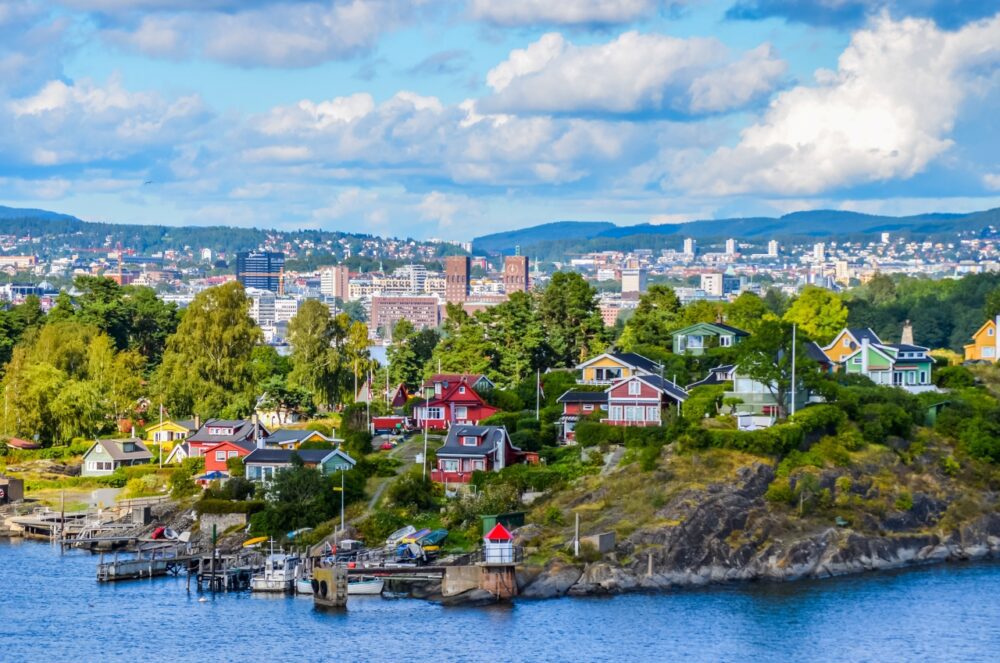
I’ve now visited Oslo three times, and each trip gave me a different answer to the question I get asked most: is Oslo worth visiting? My first trip was a quick two-day layover on my way to the fjords. I almost skipped the city entirely. My second trip was a full week in summer, when I finally understood why locals disappear to their cabins the moment the sun comes out. My third trip was in the dead of winter, and it completely changed how I saw the place.
Oslo doesn’t sell itself the way Paris or Rome does. There’s no single postcard image that sums it up. It’s a working capital first and a tourist destination second, and that’s exactly what makes it interesting. You get world-class museums, a harbor you can swim in during summer, and forest trails that start at the end of a metro line, all packed into a city with fewer people than most mid-sized towns.
This guide is based on what I actually did across three separate visits, not a weekend skim of the highlights. I’ll walk through the real pros and cons, what to do, where to stay, and how to get around, so you can decide for yourself if Oslo deserves a spot on your itinerary.
Table of Contents
Pros – Reasons Oslo is Worth Visiting
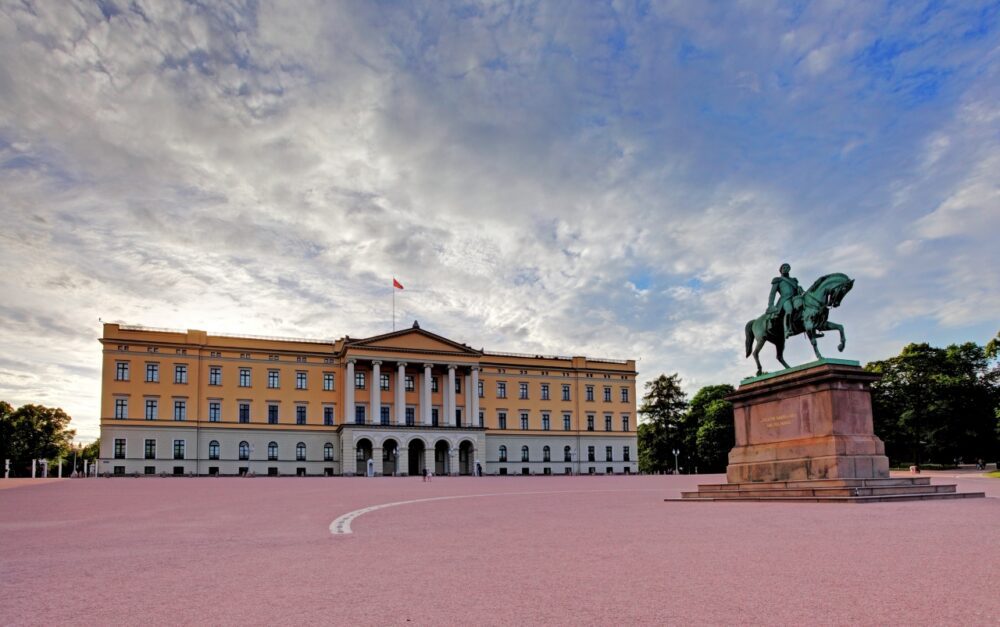
1. The Museums Punch Way Above Their Weight
I’ve been to a lot of European capitals, and Oslo’s museum scene still surprised me. The Fram Museum, built around the actual polar ship used in Amundsen’s expeditions, puts you inside the vessel itself. You climb through the cabins and galley exactly as the crew left them. Next door, the Kon-Tiki Museum houses the original balsa wood raft from Thor Heyerdahl’s 1947 Pacific crossing. I spent nearly three hours between the two and could have stayed longer.
Then there’s the National Museum, which reopened a few years back as the largest art museum in the Nordics. Munch’s “The Scream” is here, and unlike the crowds you’d fight at the Louvre for the Mona Lisa, I walked right up to it on a Tuesday morning with maybe five other people in the room.
2. Nature Starts at the Metro Station
This is the thing that hooked me on my second trip. Take the T-bane (metro) to Frognerseteren, about 30 minutes from the city center, and you step off into proper forest. I hiked for four hours through Nordmarka without seeing another building, then rode the metro straight back to my hotel in time for dinner. No other capital city I’ve visited makes wilderness this accessible without a car or a planned excursion.
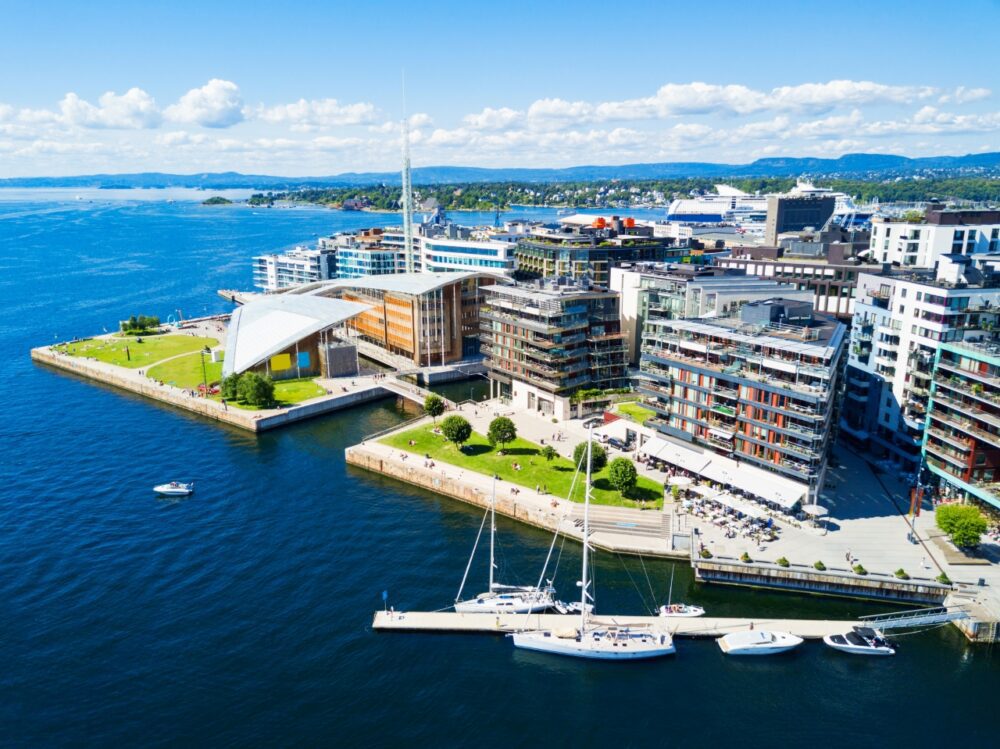
3. The Harbor and Fjord Are Part of Daily Life
On my summer trip, I watched locals dive straight off the harbor promenade near the Oslo Opera House on their lunch break. The Oslofjord isn’t scenery you look at from a distance here; it’s something Oslo residents actually use. I took a ferry out to the islands of Hovedøya and Gressholmen for the cost of a regular transit ticket, packed a picnic, and swam in water clean enough that I didn’t think twice about it.
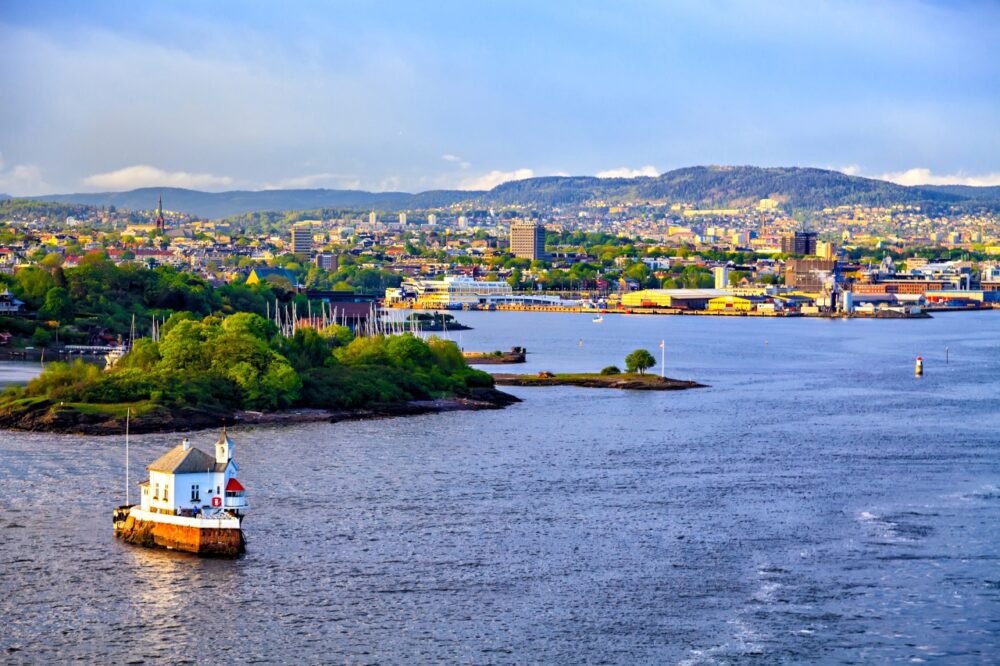
4. Architecture That Actually Takes Risks
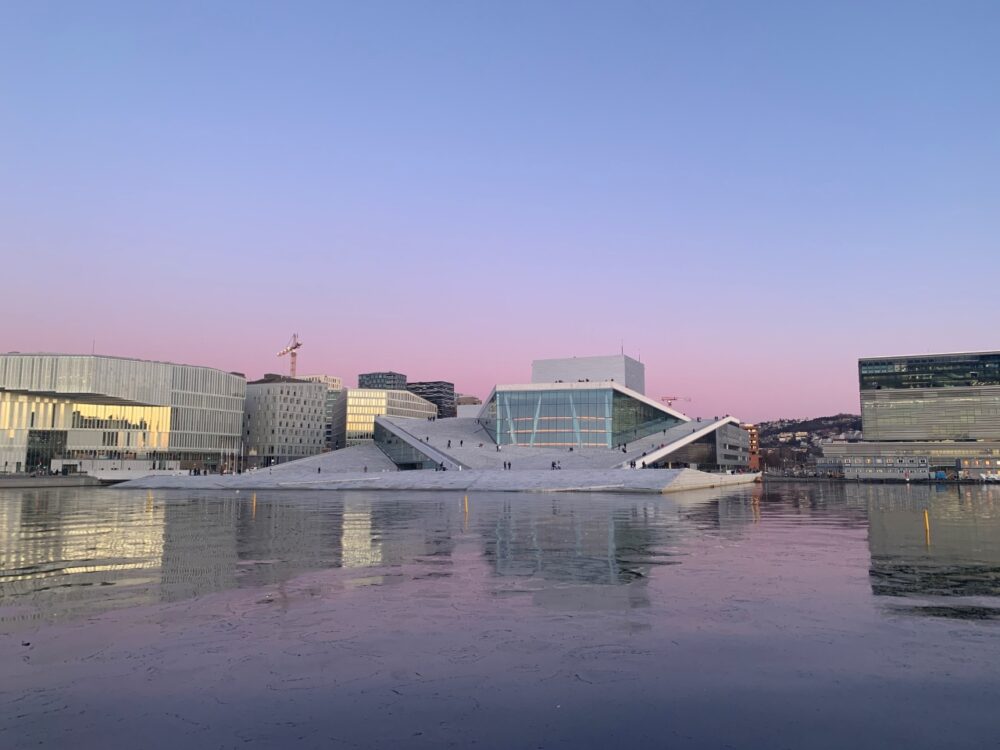
The Oslo Opera House lets you walk on its sloped marble roof right up to the waterline, and I still think about how strange and good that felt the first time I did it. The newer Munch Museum next to it, and the mix of glass towers in the Barcode district, show a city willing to build boldly instead of playing it safe. Compare that to how protective some European capitals are of their skylines, and Oslo starts to feel refreshingly modern.
5. It’s Genuinely Safe and Easy to Navigate
Across three visits, at all hours, alone and with company, I never once felt unsafe in Oslo. Signage is in English almost everywhere, most locals speak fluent English, and the public transport app just works. For a first-time visitor to Scandinavia, or anyone who wants a low-stress city trip, this matters more than people give it credit for.
6. Food Culture Has Grown Up Fast
On my first visit, my food memories were mostly of expensive, forgettable meals. By my third trip, that had changed. The Vippa and Mathallen food halls gave me a cheap way to try Norwegian classics like reindeer and brown cheese alongside global street food, all under one roof. I also had one of the best seafood meals of my life at a small spot near Aker Brygge, using fish that had been caught that morning.
7. Every Season Offers Something Different
Because I’ve visited in different seasons, I can say this with confidence: Oslo doesn’t have an off-season, it has different versions of itself. Summer means 18-hour daylight, harbor swimming, and outdoor concerts. Winter means snow-covered forest trails ten minutes from downtown, cross-country skiing at Holmenkollen, and cozy candlelit cafes. Most cities have one good season to visit. Oslo genuinely has at least two.
Cons – Things to Consider Before Visiting Oslo
1. It’s Expensive, Even by Scandinavian Standards
I need to be direct about this because it surprises people. A basic sit-down meal easily runs 250-350 NOK per person, and a pint of beer can cost 100-120 NOK. On my second trip, my daily food budget alone was higher than my entire daily budget in cities like Lisbon or Krakow. If cost is your main concern, budget carefully or lean on the food halls and grocery stores, which I found saved me significantly.
2. Winter Daylight Is Genuinely Limited
My winter trip was rewarding, but I won’t pretend the short days aren’t a real adjustment. In December, the sun rises around 9:15 AM and sets before 3:30 PM. That gives you a narrow window for outdoor sightseeing, and I had to plan my days around it carefully, front-loading anything outside and saving museums for the dark hours. If you’re sensitive to low light, this is worth factoring in before you book a winter visit.
3. The City Center Can Feel Quiet at Night
Compared to Copenhagen or Stockholm, Oslo’s nightlife and after-dark street energy are noticeably calmer. On a Sunday evening during my first visit, large parts of the central shopping streets were nearly empty by 8 PM. If you’re hoping for a city that buzzes late into the night, Oslo isn’t built for that. It’s a city that rewards early starts, not late ones.
Things to Do in Oslo
- Visit the Fram and Kon-Tiki Museums – Two of the most immersive maritime history museums I’ve been to anywhere, both on Bygdøy peninsula and easy to pair in one afternoon.
- Walk the Opera House roof – Free, fast, and gives you one of the best views of the fjord and city skyline together.
- Explore Vigeland Sculpture Park – Over 200 bronze and granite sculptures spread across a public park; I’ve walked through it on all three trips and still notice new details.
- Hike in Nordmarka forest – Take the metro to Frognerseteren or Sognsvann and pick any of the marked trails; I never needed a guide or map app to find my way.
- Browse the National Museum – Give yourself at least two hours; the Munch and Nordic art collections alone are worth the ticket price.
- Eat at Mathallen or Vippa food halls – The most affordable way to sample real Norwegian food without committing to a full restaurant meal.
- Take an island ferry on the Oslofjord – Covered by a standard transit ticket; Hovedøya has ruins and beaches worth the short ride.
- Visit Akershus Fortress – A working medieval fortress right in the city center, with harbor views that make the free entry feel like a mistake on the city’s part.
- Ski or sled at Holmenkollen – Even if you’re not skiing, the ski jump tower observation deck gives you a view over the entire city and fjord.
- Wander the Barcode and Aker Brygge waterfront – Good for an evening stroll, with modern architecture on one side and boats and restaurants on the other.
Where to Stay in Oslo
- Grünerløkka – My favorite base on two of three trips. A former working-class district turned into Oslo’s hippest neighborhood, full of independent cafes, vintage shops, and a genuinely local feel, all a short tram ride from downtown.
- Sentrum (City Center) – The most convenient option if it’s your first visit. Everything from the Royal Palace to the harbor is within walking distance, though prices run higher here.
- Frogner – A quieter, more upscale area near Vigeland Park. I stayed here on my winter trip and liked having the park practically outside my door.
- Grønland – Oslo’s most multicultural neighborhood, known for cheap, excellent food and a grittier, more authentic feel than the postcard center.
- Aker Brygge/Tjuvholmen – Best if you want waterfront views and don’t mind paying for them; close to the ferry docks and modern art museums.
Getting Around Oslo
Oslo’s public transport system is one of the easiest I’ve used in any European capital, and I relied on it almost entirely across all three visits. The T-bane (metro) covers the whole city and stretches right out to the forest trailheads, which is the detail most first-time visitors don’t expect. Trams are slower but cover the central neighborhoods well and give you a better view along the way, so I used them whenever I wasn’t in a hurry. Buses fill in the gaps where the metro and trams don’t reach, particularly useful for some of the outer residential areas.
For short distances, I found walking or cycling faster than waiting for transit. Oslo’s bike-share system, Oslo Bysykkel, is cheap and well-distributed with stations across the center, and the city’s flat core makes cycling easy even without much experience. In summer, I used a bike almost every day. In winter, I switched entirely to the metro and trams, since icy streets make cycling less appealing. A single Ruter travel app covers tickets for all transport types, including the island ferries, which made planning genuinely simple compared to cities with fragmented ticketing systems.
Conclusion
So, is Oslo worth visiting? Based on three trips across different seasons, my answer is yes, with a clear caveat. Oslo isn’t a city that overwhelms you with must-see landmarks packed into a few blocks. It rewards a slower, more deliberate visit, one where you’re willing to hop on a metro to reach a forest trail, pay a premium for a quality meal, and adjust your plans around the season you’re visiting in.
If you’re chasing nonstop nightlife or bargain prices, Oslo will probably disappoint you. But if you want a capital city where wilderness, world-class museums, and harbor life sit comfortably next to each other, and where I’ve personally never once felt unsafe or lost, Oslo earns its place on the itinerary. I’ve been back three times now, and I’m already planning a fourth.