
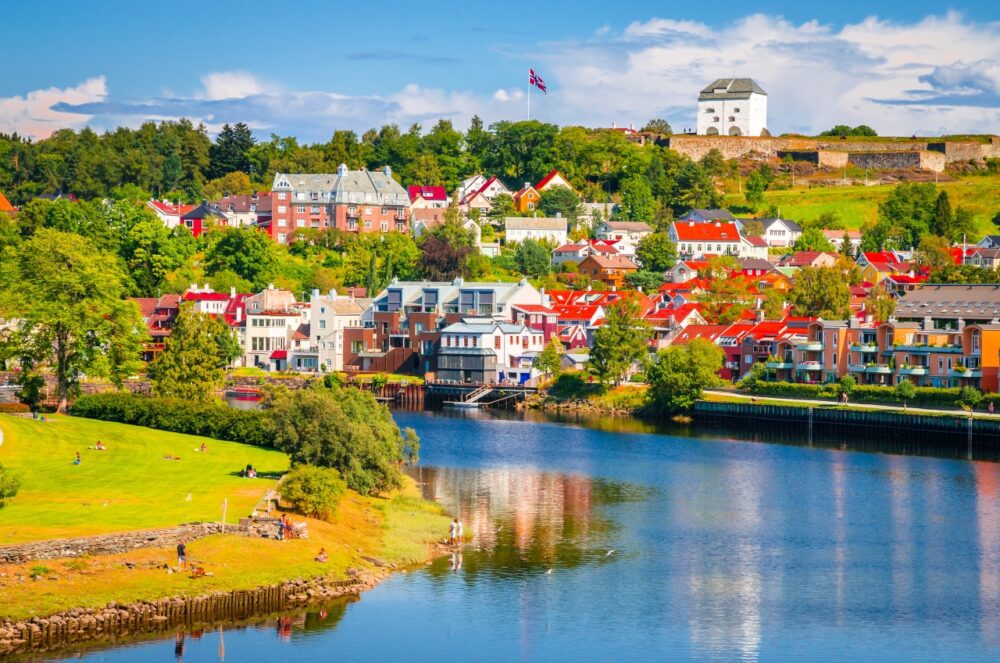
I visited Trondheim once, for five days in late summer, and it’s still one of the trips I recommend most often when friends ask about lesser-known parts of Norway. Trondheim sits on a river bend along the Trondheimsfjord, roughly halfway up the country, and it’s Norway’s third-largest city, though it feels far smaller and calmer than that ranking suggests. It’s also one of the oldest cities in the country, founded over a thousand years ago as the capital of Viking Norway, and that history is still visible everywhere you look.
What surprised me most, arriving without huge expectations, was how much the city center rewarded slow wandering. I’d planned three days and stretched it to five once I realized how much was within easy reach on foot or by bike. Trondheim doesn’t get the tourist volume that Oslo or Bergen pull in, and that absence of crowds changed how I experienced everything, from the cathedral to the riverside neighborhoods.
This post is built entirely around that one trip, the places I actually went, the things that impressed me, and the parts that would have been useful to know beforehand. If you’re trying to decide whether Trondheim is worth visiting on your Norway itinerary, here’s my honest take.
Table of Contents
Pros – Reasons Trondheim is Worth Visiting
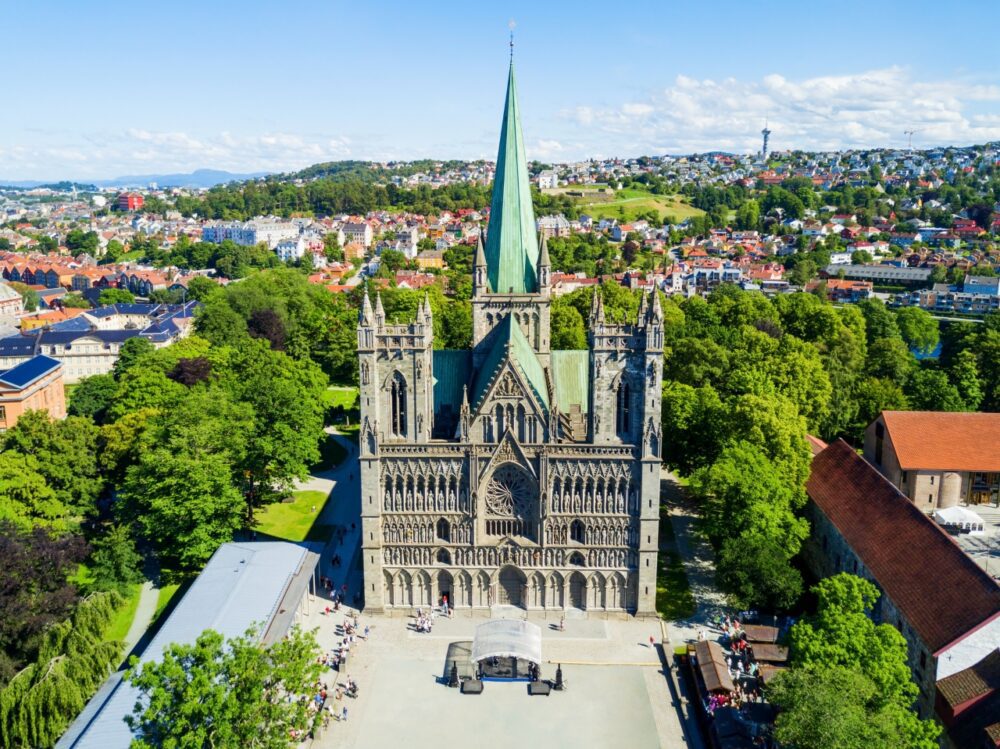
1. Nidaros Cathedral Is Genuinely Worth the Trip Alone
Nidaros Cathedral is the largest medieval building in Scandinavia, and standing in front of its carved west facade on my first morning in the city stopped me in my tracks. I paid the small fee to climb the tower, and the view over the old town and river from the top was worth it on its own. Inside, the cathedral still functions as the coronation church for Norwegian royalty, and that living history gives it a weight that a lot of European cathedrals, preserved purely as museums, don’t have.
2. The Bakklandet District Is One of the Prettiest Neighborhoods I’ve Walked Through
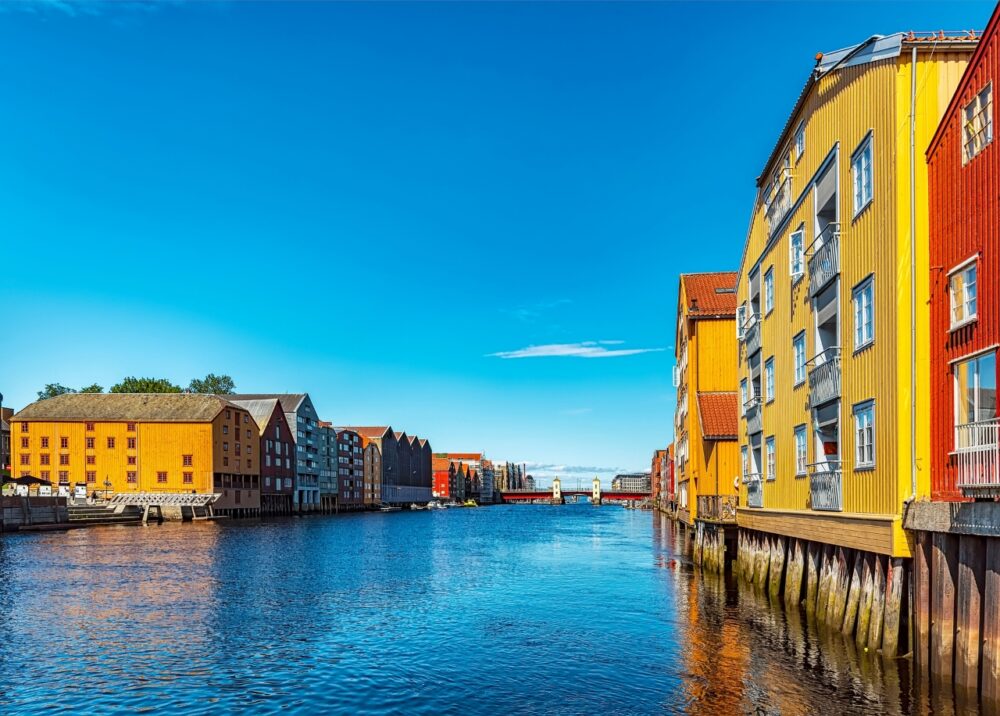
Crossing the Old Town Bridge into Bakklandet, with its rows of colorful wooden warehouses along the Nidelva river, was a genuine highlight of my trip. I spent an entire afternoon just wandering its narrow streets, ducking into small cafes and independent shops. It has the charm of Bergen’s Bryggen but without any of the crowds, and I had entire stretches of riverside to myself on a weekday afternoon.
3. It’s One of the Most Bike-Friendly Cities in Norway
Trondheim has invested seriously in cycling infrastructure, including a bicycle lift called the Trampe that helps riders up one of the city’s steeper hills, which I tried myself out of curiosity and found genuinely useful. I rented a bike for two of my five days and covered more ground than I would have on foot, all while barely dealing with traffic. For a mid-sized city, the bike lane network felt more complete than most capitals I’ve visited.
4. The Student Population Gives It Real Energy
Trondheim is home to NTNU, one of Norway’s largest universities, and the student population gives the city a livelier, younger feel than I expected from a place this far north. Cafes and bars around the city center stayed busy well into the evening, and I found the atmosphere noticeably more relaxed and social than Bergen’s more tourist-driven center.
5. It’s a Genuinely Affordable Base by Norwegian Standards
Compared to what I’d budgeted for Bergen and Oslo based on other travelers’ reports, Trondheim’s prices were a relief. My meals and accommodation both ran noticeably cheaper than what I’d budgeted based on typical Norway costs. It’s still not a cheap destination by global standards, but relative to Norway’s bigger cities, I found my money went further here.

6. The Fjord and Surrounding Nature Are Easy to Reach
Trondheimsfjord opens up right at the edge of the city, and I took a short ferry out to Munkholmen island, a former monastery and fortress, for an easy half-day trip. Beyond the fjord, the surrounding hills and forest trails start within a short bus ride of downtown, giving the same kind of quick nature access that impressed me in Bergen and Oslo, but with far fewer other visitors sharing the trail.
7. The City Feels Authentic, Not Built for Tourists
Because Trondheim doesn’t rely heavily on tourism the way Bergen does, most of what I experienced felt aimed at locals first. The markets, the cafes, the riverside bars, all had a lived-in feel rather than a curated one. I ended up eating at places recommended by locals I met rather than anything from a guidebook, and every one of them delivered.
Cons – Things to Consider Before Visiting Trondheim
1. It Requires More Effort to Reach
Trondheim isn’t as directly connected as Oslo or Bergen for international travelers. I flew into Oslo first and took a connecting flight north, adding time and cost to the trip. If you’re short on time or building a tight Norway itinerary, factor in that Trondheim usually means an extra leg of travel rather than a direct international arrival.
2. There’s Less to Fill a Long Stay
I stretched my visit to five days and enjoyed all of them, but by day four I was reaching further out for activities than I did in Bergen or Oslo. If you’re not planning day trips into the surrounding fjords or countryside, three to four days is likely enough to see the city center thoroughly without feeling like you’re padding the itinerary.
3. The Weather Turns Quickly, Even in Summer
I visited in late summer and still had two days where the weather shifted from sunshine to cold wind and rain within a few hours. Trondheim sits far enough north that the weather is genuinely unpredictable, more so than I experienced in Bergen despite Bergen’s reputation for rain. I’d recommend packing layers regardless of the season you’re visiting in.
Things to Do in Trondheim
- Visit Nidaros Cathedral and climb the tower – The single best view in the city and a direct link to a thousand years of Norwegian history.
- Wander Bakklandet – The prettiest neighborhood in Trondheim, best explored slowly with no fixed plan.
- Try the Trampe bicycle lift – A quirky piece of city infrastructure and a fun way to reach the hills above town without the climb.
- Take the ferry to Munkholmen island – A relaxing half-day trip with fortress ruins and a small beach for swimming in summer.
- Explore the Rockheim popular music museum – An interactive museum covering Norwegian pop and rock history that I hadn’t expected to enjoy as much as I did.
- Browse the NTNU University Museum – Strong natural history and archaeology collections, and a good rainy-day option.
- Walk or cycle along the Nidelva river – Some of the best photography spots in the city, especially near the Old Town Bridge at sunset.
- Visit the Trondheim market square (Torvet) – A good spot for fresh produce and local snacks, particularly on weekend mornings.
- Climb Tyholttårnet tower – A revolving restaurant tower giving a full panoramic view over the city and fjord.
- Hike into the Bymarka forest – Reachable by bus from downtown, with trails that felt genuinely untouched compared to busier fjordside hikes further south.
Where to Stay in Trondheim
- Midtbyen (City Center) – The most convenient base, putting the cathedral, market square, and main shopping streets all within walking distance. I stayed here and never needed transport for daily sightseeing.
- Bakklandet – My top pick for atmosphere, with easy access to cafes, the riverside, and a short walk to the city center over the Old Town Bridge.
- Ila – A quieter, more residential neighborhood just west of downtown, good for a slower-paced stay with local character.
- Møllenberg – A charming, low-key area with wooden houses, popular with students and a short walk to Bakklandet.
Getting Around Trondheim
Trondheim’s compact center makes walking the easiest way to see most of the main sights, and I covered the cathedral, market square, and Bakklandet entirely on foot during my first two days. Once I wanted to range further, the city’s bike infrastructure made cycling the clear next choice. Renting a bike for a day let me reach Munkholmen’s ferry dock, the university area, and the edges of Bymarka forest without needing public transport, and the Trampe bicycle lift made the hillier sections manageable even without much cycling fitness.
For anything beyond biking range, Trondheim’s bus network covers the city thoroughly, and I used it a couple of times to reach the forest trailheads on the outskirts. Unlike Oslo, there’s no metro system here, so buses are the main form of public transport, and I found them reliable and easy to navigate with the AtB travel app. Given the compact size of the city, I never felt like I needed a car, and I’d recommend skipping one unless you’re planning trips well outside the city itself.
Conclusion
So, is Trondheim worth visiting? Based on my one trip, I’d say yes, particularly for travelers who’ve already covered Oslo and Bergen and want something quieter and less touristy. The combination of Nidaros Cathedral, the Bakklandet district, and the ease of getting around by bike gave me a genuinely memorable five days, without the crowds or costs I’d braced for based on the rest of Norway.
It’s not a city that demands a long stay, and getting there takes a bit more planning than flying straight into Oslo or Bergen. But for the effort, I found Trondheim delivered a version of Norway that felt more lived-in and less packaged for visitors. If your itinerary has room for a city that rewards slower, quieter exploration, Trondheim earns its place on the list.