Is Bern Worth Visiting? Honest Pros and Cons (2026)
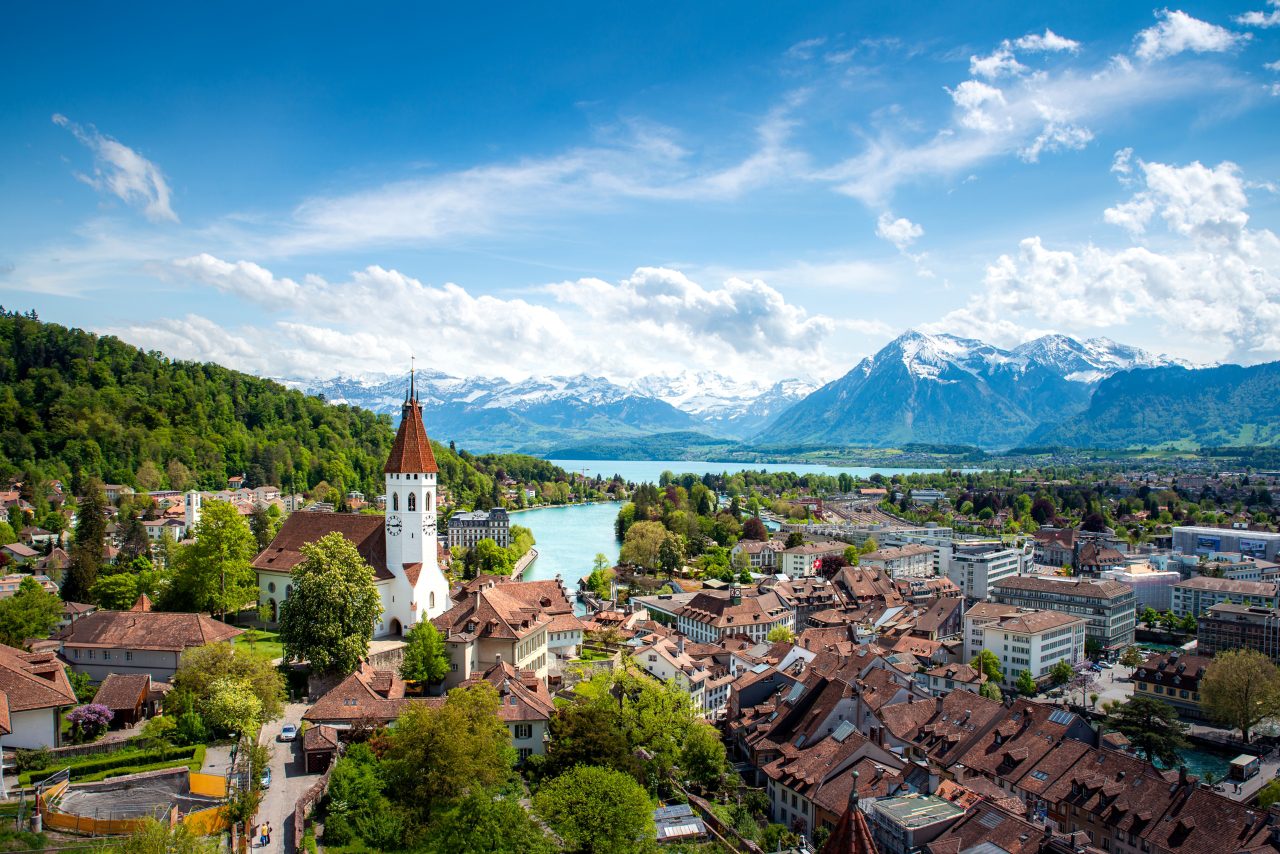
Bern is the Swiss capital, but nobody seems to talk about it. Zurich gets the banks, Geneva gets the diplomats and Lucerne gets the postcards. Bern just sits quietly in a loop of the Aare River, with sandstone arcades, a medieval clock tower and a parliament building with a dome. I went for three days one summer, and I left wondering why it isn’t on more bucket lists.
I wandered the UNESCO-listed Old Town, floated down the river with the locals and ate more rösti than I’d like to admit. I also paid for a very small coffee, which I’ll get to. The city is small, calm and easy, and it works well as a short break or a base for the Alps.
In my opinion, Bern is a great option if you like walkable cities, history and a slower pace. It isn’t cheap, and it isn’t a party town. Below, I’ll cover the pros and cons, the best areas to stay, the top things to do, the best time to go, and how to get around.
Pros of Visiting Bern
1. UNESCO Old Town
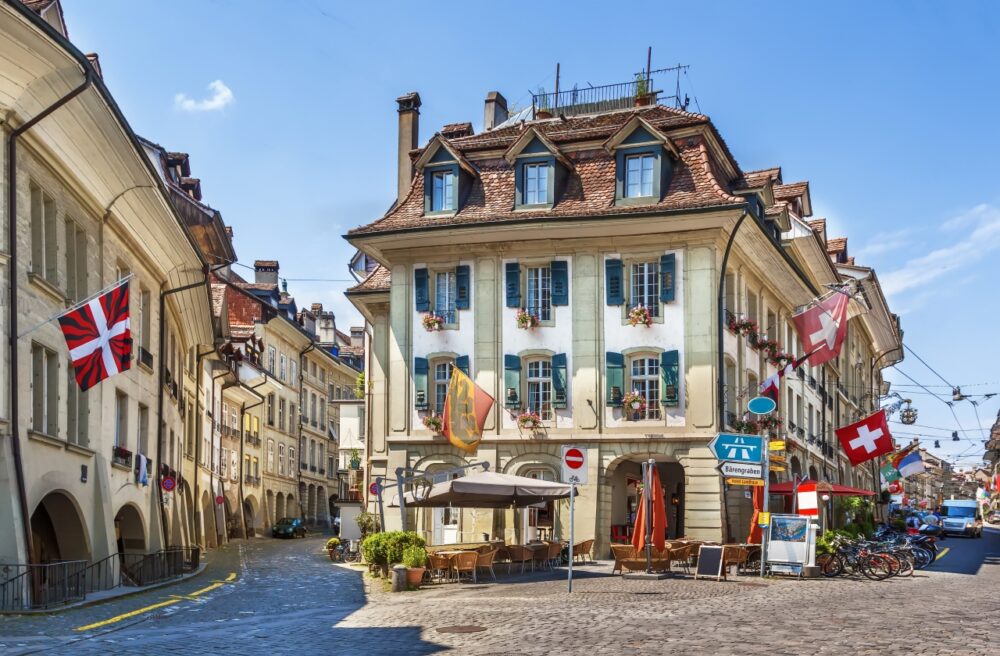
Bern’s Old Town is the main reason to visit, and it’s one of the best-preserved medieval centres in Europe. It’s on the UNESCO World Heritage list, and you can see why. The streets are lined with sandstone buildings and covered arcades (about six kilometres of them), so you can shop or wander in the rain without getting wet. Kramgasse and Gerechtigkeitsgasse are the main streets.
Look out for the colourful fountains too. There are around 100 in the city, and many have painted figures on top. My favourite is the Kindlifresserbrunnen, the Ogre Fountain, which shows a giant eating children. If you like stories, book this Bern Old Town walking tour. The guide explains the legends, the fires and the odd Swiss details that you’d walk right past. A great fire destroyed much of the medieval city in 1405, which is why most of what you see today is built from stone. The tour covers about two hours, so wear comfy shoes.
2. The Zytglogge Clock Tower
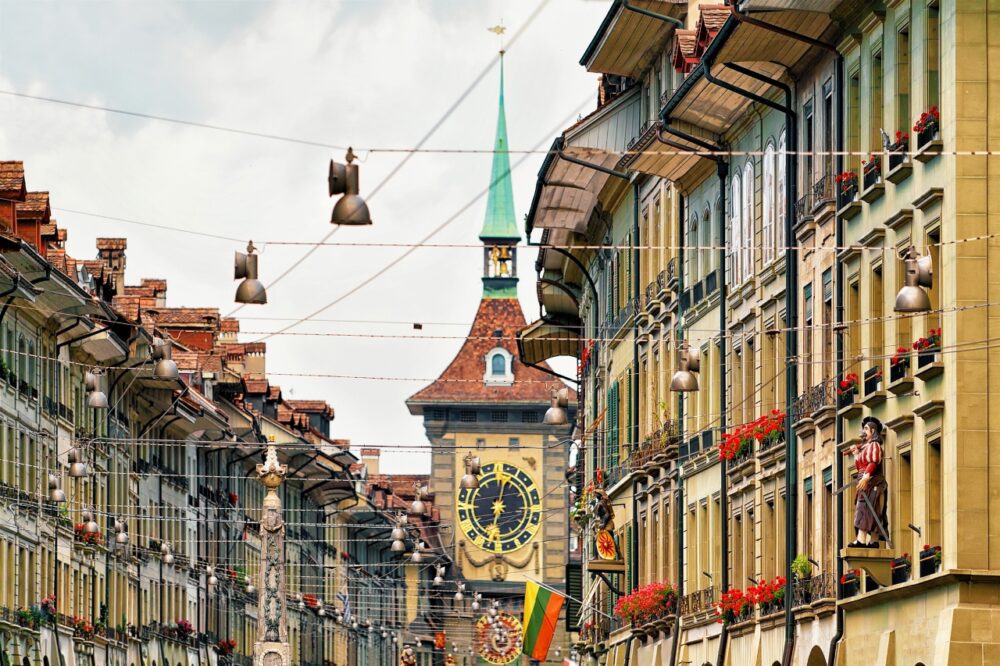
The Zytglogge is Bern’s most famous landmark, and it’s well worth building your day around. It’s a medieval clock tower that started life as a city gate in the 1200s. The astronomical clock was added in the 1500s, and it still shows the time, the date and the zodiac. Each hour, a little show of dancing bears, a jester and a golden figure plays out on the face.
Get there about four minutes before the hour to see it properly. Crowds gather quickly, so arrive early for a decent spot. You can also go inside, and this Zytglogge clock tower tour takes you up to see the clockwork in action. It lasts about an hour, and it’s the only way to see the gears up close. The mechanism is brilliant, and the guide explains how it has been kept running for centuries. Afterwards, walk to the nearby Einstein house on Kramgasse for another quick stop.
3. Swimming in the Aare
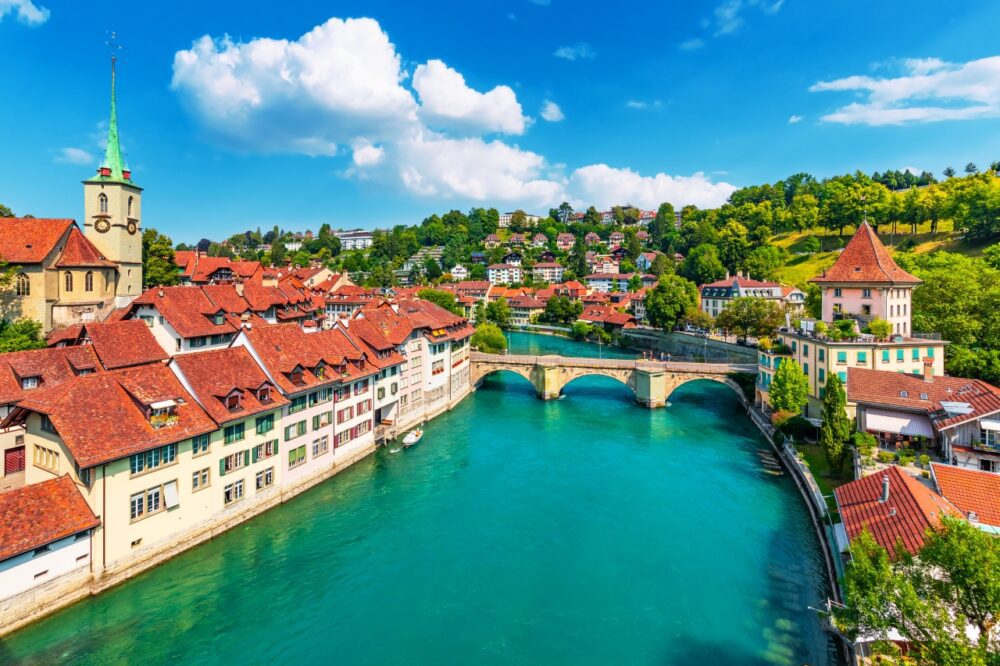
Swimming in the river is one of the things that makes Bern feel completely different. On hot days, locals walk upstream, jump into the Aare and float back down with the current. The water is clear, cold and fast. I tried it on my second afternoon, and I loved every minute.
Marzili is the easiest place to start. It’s a free riverside swimming area with grassy banks, a pool and a snack bar. Most people exit at the Marzili steps, but you can also float further out. Take a waterproof bag for your clothes, and don’t try it after heavy rain, because the current can be strong. Locals bring a dry bag, which keeps their phone and wallet safe, and you’ll see them swimming at lunchtime on hot days. Even if you don’t swim, sit on the bank and watch. If you want a proper day out, this Aare river float from Thun to Bern comes with gear and transfers.
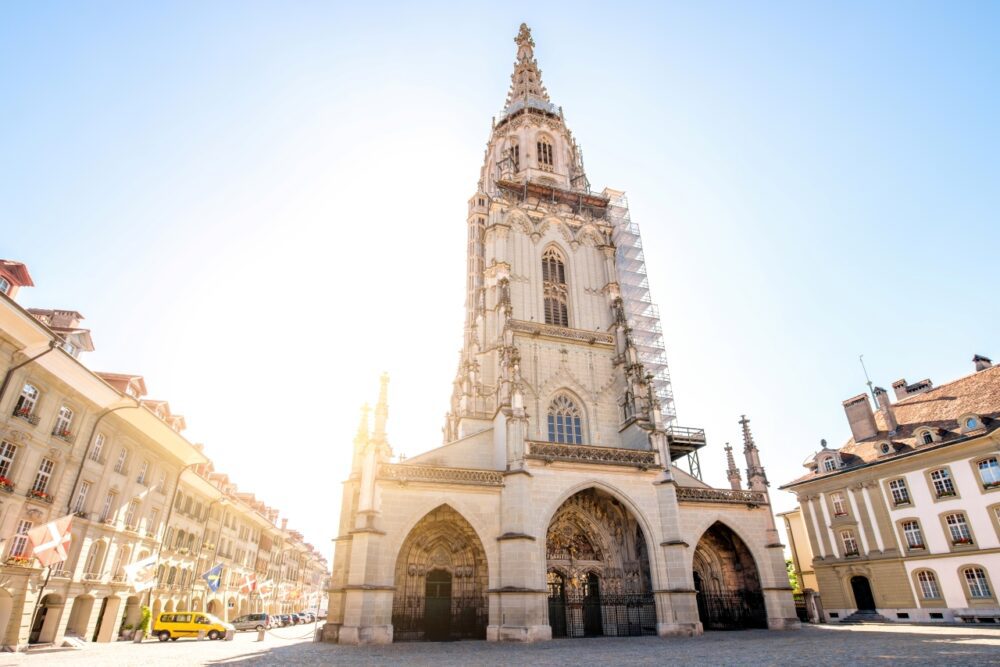
4. Bundesplatz and the Swiss Parliament
The Bundeshaus, or Federal Palace, is the home of the Swiss government, and it sits right on the edge of the Old Town. The building is grand and the dome is lovely, and the square in front, Bundesplatz, is one of the best places to relax in the city. In summer, the ground fountains shoot up from the paving, and kids (and adults) run through them.
You can visit the building on a guided parliament tour, and it’s a rare chance to see a working national parliament up close. Check the tour dates before you go. On Tuesday and Saturday mornings, there’s also a lively market on the square. The terrace behind the building has great views over the Aare and the hills beyond. Entry to the square is free, and it’s a lovely place to people-watch while you eat a sandwich. Early mornings are the quietest time for photos of the dome.
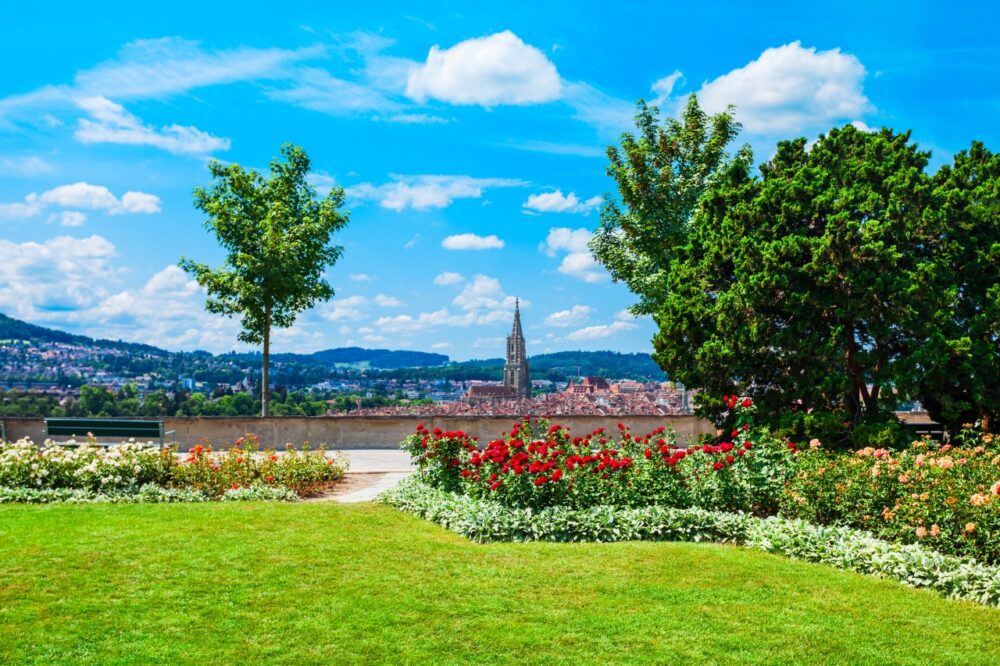
5. Rose Garden and BearPark
The Rosengarten is where I’d send anyone with a camera. It’s a hillside park above the Old Town, and it has the classic Bern view: red roofs, the cathedral spire and the Aare curving around the peninsula. The garden is full of roses in summer, and there’s a café with outdoor seating. Come in the late afternoon for the best light.
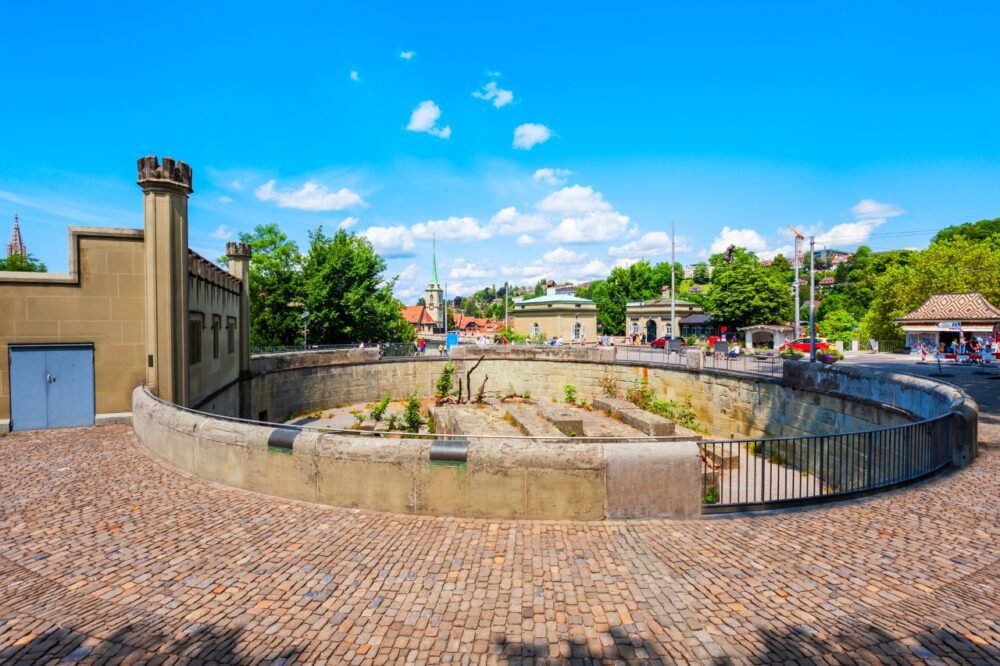
Just below it, the BearPark sits on the riverbank. Bears are the symbol of Bern (the name is said to come from the German word for bear), and they live in a spacious enclosure that replaced the old pits. It’s free and it’s a fun stop. This summer walk with the BearPark and a panoramic picnic ties everything together, and includes a Swiss picnic at the Rose Garden. Bring a camera, because the view from the garden terrace is the postcard shot of Bern. Allow an hour here at least, as it’s hard to leave.
6. Zentrum Paul Klee and Museums
Bern has a surprisingly strong museum scene for such a small city. The best is the Zentrum Paul Klee, a wavy, hill-shaped building on the eastern edge of town. It holds a huge collection of work by Klee, the Swiss-German painter, plus changing exhibitions. It’s open Tuesday to Sunday from 10:00 to 17:00, and it’s closed on Mondays.
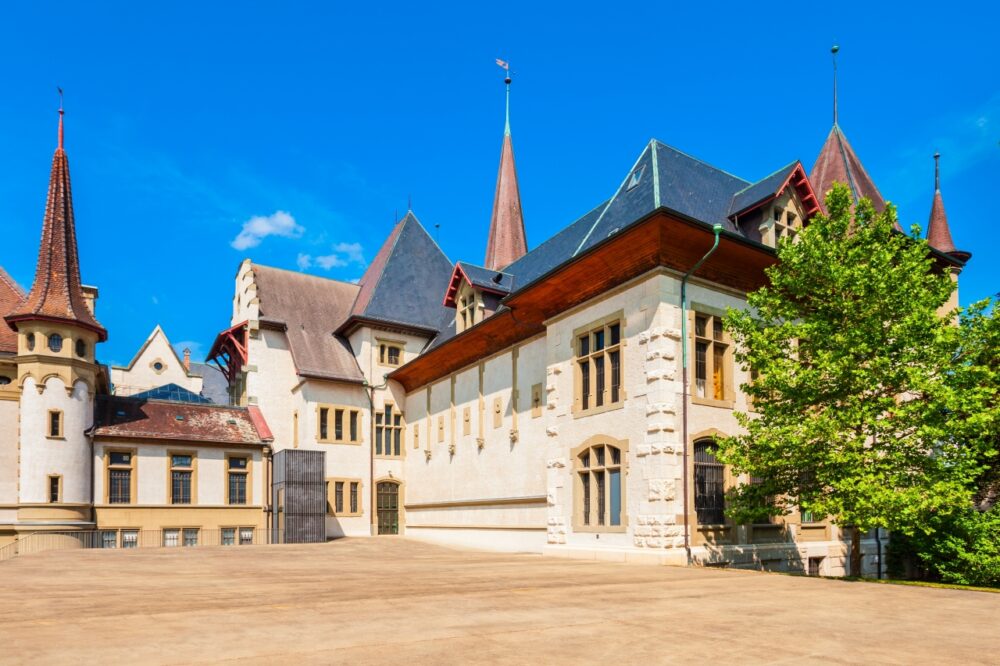
Einstein fans should look for the Einstein Museum in the Bernese Historical Museum, which tells the story of his years in the city. He worked on the theory of relativity while working at the patent office here, and you can still see his old apartment on Kramgasse. The Kunstmuseum Bern, the Swiss Alpine Museum and the Museum of Communication are also worth a look. Grab a coffee between them and enjoy. Most of the museums are small enough to see in an hour or two, which keeps things easy. On a rainy day, they’re a perfect plan B.
7. Gurten Mountain
Gurten is Bern’s local mountain, and it’s the easiest way to get a break from the city. A funicular takes you from the suburb of Wabern up to the top in a few minutes. From there, you get views across Bern and, on a clear day, all the way to the Alps. There are walking paths, picnic spots, a mini railway and a playground for kids.
The Gurten has a summit tower too, and a restaurant with a terrace that’s perfect at sunset. It’s also home to the Gurtenfestival, one of Switzerland’s biggest music festivals. I went up on my last afternoon and sat on the grass with a drink for an hour. Pack a jacket, because it can be breezy at the top. A short walk from the summit leads to a viewing platform, and paths wind back down if you prefer to hike. It’s also a good spot to watch the sunset.
8. Swiss Food and Chocolate
Switzerland has a lot of great food, and Bern does it well. Rösti is the national dish, a golden potato cake that’s crispy outside and soft inside, and I ate it with a fried egg more than once. Cheese fondue, raclette and Berner Platte (a huge plate of sausages, pork and sauerkraut) are other classics. Expect a main course to cost about 30 to 45 CHF (£26 to £39).
For something sweet, try the local chocolates. Bern has a long chocolate history, including the famous Toblerone, which was created here. This Bern chocolate tasting tour is a great way to sample the best shops. If you’d rather graze, the Bern food market tour takes you around the market stalls for a taste of local produce. Look out for Gruyère and Emmental, which are both made nearby. A Swiss bakery stop is a must, so save some space.
9. Calm, Compact and Safe
Bern is small enough to explore on foot, and I never felt rushed. The Old Town is only about a kilometre long, so you can walk from the train station to the Rose Garden in less than half an hour. It’s one of the calmest capitals I’ve visited, with very little traffic noise and a relaxed pace.
It’s also very safe, and everything runs on time. Trams and buses are punctual, and the train station is a short walk from the Old Town. If you stay overnight in a hotel, you’ll usually get a Bern Ticket, which gives you free travel on local trams, buses and trains for the length of your stay. It also covers the Gurten funicular, which makes it a real money-saver. The city is also very clean, and the locals are polite and helpful. Solo travellers will feel completely at ease, even late at night.
10. Easy Day Trips
Bern is a brilliant base for day trips, and that’s a big reason to stay a bit longer. The Swiss rail network is fast and frequent, so you can reach the Alps, lakes and other cities in under an hour or two. Thun, Interlaken, Lucerne and Fribourg are all easy options. Lauterbrunnen and Grindelwald are about 90 minutes away.
If you don’t want to organise it yourself, this Swiss Alps tour from Bern visits Lake Lungern, the St. Beatus Caves, Grindelwald and Lauterbrunnen in one day. It’s a long one, but the scenery is hard to beat. For a lot of train travel, the Swiss Travel Pass covers trains, buses and boats across the country. Fribourg and Thun are both quick, easy options if you only have half a day. You’ll be back in Bern in time for a relaxed dinner by the river, with the mountains still fresh in your mind.
Cons of Visiting Bern
1. Very High Prices
Switzerland is one of the priciest countries in Europe, and Bern is no exception. A coffee costs about 5 CHF (£4), a beer is around 7 CHF (£6), and a simple lunch is 20 to 25 CHF (£17 to £22). Hotels cost even more, especially in summer. If you’re on a tight budget, you’ll notice it quickly.
There are ways to keep costs down. Migros and Coop supermarkets sell good ready-made food, and a picnic by the Aare costs a fraction of a restaurant meal. Lots of cafés offer a daily lunch menu that’s cheaper than dinner. Use the free Bern Ticket for transport if your hotel offers it, and swim in the river for free. Bern is still worth it, as long as you plan your spending. Tap water is excellent, so refill a bottle for free.
2. Quiet Nightlife
Bern isn’t the place for a big night out. Most restaurants close fairly early, and the Old Town goes quiet after about 10 pm. On weekends, there are some lively bars and clubs, mainly around the Matte and the Lorraine district, but it’s nothing like Zurich or Berlin.
I leaned into it instead. I ate an early dinner, wandered the lit-up arcades and had a drink by the river. Summer evenings are the best, because locals gather on the Aare banks with drinks and snacks until dark. Check opening hours before you head out, and book restaurants ahead on busy nights. A few bars stay open later on Friday and Saturday nights, mainly around the river. If you want a lively city break, there are better choices. If you want to unwind, Bern is perfect.
3. Shops Closed on Sundays
Most shops in Bern close on Sundays, and that catches plenty of visitors out. Supermarkets, department stores and many cafés shut their doors for the day. I had to plan ahead for snacks, because I couldn’t pop into a shop for a quick bite.
The main exceptions are the shops at the train station, which stay open daily with longer hours. Petrol stations and some bakeries also open. Sundays are good days for outdoor activities instead, like a walk up Gurten, a swim in the Aare or a visit to a museum. Buy your groceries on Saturday, and you’ll be fine. Many restaurants stay open, so you won’t go hungry. Check opening hours for the attractions you want to visit on a Sunday. It’s a small inconvenience, and the quiet streets are actually pleasant for sightseeing.
4. Fewer Headline Sights
Bern doesn’t have the big-name attractions of cities like Paris or Rome. There’s no giant museum or world-famous landmark that everyone has to see. Most visitors can cover the Old Town, the Zytglogge, the Rose Garden and the parliament in a day or two. If you want a long list of must-sees, it can feel light.
For me, that’s part of the charm, because the city is about atmosphere rather than ticking boxes. If you want more to do, head out on a day trip. This Swiss Alps tour from Bern covers caves, waterfalls and mountain villages in one go. Bern works best as a relaxed city break combined with some of Switzerland’s famous scenery. Don’t let the lack of a blockbuster sight put you off. You’ll still fill three days easily.
5. Steep Climbs and Cobbles
Bern sits on a peninsula, with the Old Town high above the river. That means lots of stairs, slopes and cobbled streets. The walk from the Matte neighbourhood up to the Münster, for instance, is steep. If you have a pushchair or limited mobility, some routes are hard work.
There are some handy shortcuts. The Mattelift is a public lift that takes you between the Münster terrace and the riverside, and it’s included in the Bern Ticket. Wear comfy shoes with a good grip, especially when the cobbles are wet. The covered arcades make the Old Town easy to walk in any weather. I’d allow extra time for the hills, and take it slowly. Handrails help on the steeper stairs. The views from the top make the climb worthwhile.
Where to Stay
Old Town (Altstadt): I stayed in the Old Town, and I’d do it again. You step out of your door into arcaded streets, and the Zytglogge, the cathedral and the Rose Garden are all within a short walk. In the early morning and late evening, when the day-trippers have gone, the lanes feel like your own. The downside is the price, as hotels here are among the most expensive in the city, and some streets are noisy on weekend nights. Goldener Schlüssel is a budget-friendly 3-star on Rathausgasse with a restaurant, a terrace and a coffee house. Hotel Bären am Bundesplatz is a mid-range 4-star by the parliament square with a bar, a fitness centre and a snack bar. Hotel Bellevue Palace is an upscale 5-star next to the Federal Palace with a restaurant, a sauna, a hammam and a steam room.
Station Area: The area around the train station is the most convenient base. You can arrive by train, drop your bags and be in the Old Town within five minutes, and all the day-trip trains leave from here. It’s busier and less charming than the Old Town, and the streets can feel a bit commercial, but for short stays it’s very practical. Hotel City am Bahnhof is a budget-friendly 3-star on Bubenbergplatz with soundproof rooms and a 24-hour front desk. Best Western Plus Hotel Bern is a mid-range 4-star on Zeughausgasse with air conditioning, a restaurant, a bar and a fitness centre. Hotel Schweizerhof Bern & Spa is an upscale 5-star facing the station with a spa, a sauna, a hot tub and a restaurant.
Lorraine and Breitenrain: Across the Aare to the north, Lorraine and Breitenrain are the city’s trendy, local neighbourhoods, with independent cafés, small bars, street art and a more laid-back feel. It’s a 10 to 15-minute walk to the Old Town via the Kornhausbrücke. This area is cheaper and quieter, but you’re away from the main sights and will rely on trams a bit more. Hotel Marthahaus is the cheapest option here, with a garden, a terrace, a shared kitchen and a lounge. Swissôtel Kursaal Bern is a mid-range 4-star near the Kornhausbrücke with a restaurant, a fitness centre and a garden. Unique Hotel Innere Enge is an upscale 4-star boutique hotel with a garden, a terrace, a restaurant and live music nights.
Länggasse: Länggasse is the university district to the north-west of the station. It’s leafy, student-friendly and full of cheap eats, with good bakeries and bars and the Aare close for a walk. It’s about 15 minutes to the Old Town on foot. There’s less to see here, but hotels are better value, and it feels like a real neighbourhood. Am Pavillon Bed & Kitchen is a budget-friendly 3-star bed and breakfast with a garden and a sun terrace. Sorell Hotel Arabelle is a mid-range 3-star on Mittelstrasse with simple, comfortable rooms and outdoor seating. Sorell Business Hotel Ador is a more upscale 3-star on Laupenstrasse with soundproof rooms, a bar and a terrace, close to the station.
Best Things to Do
These are the tours and tickets I’d book for a trip to Bern.
- Zytglogge Clock Tower Tour: A one-hour tour of Bern’s medieval gate and clockwork, followed by a puppet show that explains how it all works.
- Must-See Old Town Walking Tour: A 2-hour guided walk through the UNESCO-listed Old Town, with a local guide, medieval streets, legends and viewpoints.
- Chocolate Tasting Tour: A two-hour tour of the Old Town’s chocolate shops, with tastings along the way.
- Bern Food Market Tour: A small-group two-hour tour of the market stalls, where you try local cheeses, bread and other regional food.
- Summer Walk with BearPark and Picnic: A three-hour small-group walk past the Zytglogge and the BearPark, finishing with a Swiss picnic at the Rose Garden.
- Self-Guided Audio City Tour: A flexible audio walk of 2 to 3 hours, covering the main sights and fountains at your own pace.
- Aare River Float from Thun to Bern: A seven-hour private river day with gear and transfers included, ending in the city.
- Swiss Alps, Lauterbrunnen and Beatus Caves Tour: A nine to ten-hour small-group day trip from Bern, with stops at Lake Lungern, the caves, Grindelwald and Giessbach Falls.
- Interlaken Jetboat Ride on Lake Brienz: A fast, scenic ride past the 500-metre Giessbach Falls, easy to add to an Interlaken day.
- Lütschine River Whitewater Rafting: A four-hour rafting adventure from Interlaken, with grade 3 or 4 rapids and a lesson on steering.
- Jungfraujoch Top of Europe Tour: A seven-hour guided trip from Interlaken to Europe’s highest train station, with tunnels carved inside the Ice Palace.
- Lauterbrunnen and Mürren Small-Group Tour: A seven-hour trip from Interlaken to the waterfall valley and the car-free village of Mürren, with views of the Eiger, Mönch and Jungfrau.
Best Time to Visit
Summer (June to August): I visited in summer, and I’d say it’s the best time for Bern. The days are long and warm, the Aare is perfect for swimming, and the Rose Garden and Gurten are at their best. Locals live outdoors, with riverside drinks and picnics every evening. Hotels cost more, but it’s worth it. A few August days can get hot, so pack sunscreen.
Spring (March to May): Spring is mild and pretty, with blossoms and fresh green hillsides. Crowds are small, and prices are lower than in summer. The weather can be changeable, so bring a light jacket. The Rose Garden starts to bloom in late spring, and the Alps still have snow, which makes for lovely views.
Autumn (September to November): Autumn is a quiet, golden time to visit. The leaves turn along the Aare, the days are crisp, and the summer crowds are gone. Late November brings the Zibelemärit, the onion market, which is a quirky local festival with onion braids and confetti. It’s a good time for museums and long lunches.
Winter (December to February): Winter is cold and atmospheric, with Christmas markets in the Old Town and snow on the rooftops. The arcades keep you dry, and cosy restaurants serve fondue and raclette. Days are short, and it’s quiet. It’s also an easy base for skiing day trips in the Bernese Oberland.
How Long to Spend
1-2 Days: Two days is enough for the highlights if you’re short on time. Spend one day in the Old Town, with the Zytglogge, the cathedral, the parliament and the Rose Garden. Use the second for the Paul Klee Centre, Gurten or a swim in the Aare.
3-4 Days: Three days was perfect for me. It gave me time to see the Old Town at a relaxed pace, swim in the river, go up Gurten and eat well. It also allowed a slower morning, and a late dinner by the water. You could add a half-day trip to Thun or Fribourg with a fourth day.
5-7 Days: A week is a lot for Bern itself, but it works if you use the city as a base. You could do day trips to Interlaken, Lauterbrunnen, Lucerne and Lake Thun, and still have days for museums and walks. With a rail pass, the whole region opens up.
Getting Around
On foot: Bern’s Old Town is compact and mostly flat along the main streets, so walking is the best way to see it. I walked almost everywhere on my trip. The arcades are a bonus, because they keep you dry if it rains.
By bike: Cycling is popular, and the riverside paths are lovely. The PubliBike scheme offers rental bikes and e-bikes through an app, which is handy for longer rides along the Aare. Bear in mind that the hills can be tiring.
Trams, buses and trains: BERNMOBIL runs the city’s trams and buses, and tickets are sold through the Libero network. Most hotel guests get a Bern Ticket, which gives free local transport for the length of the stay, so check with your hotel before buying anything. For longer trips, SBB runs the national trains, and the Swiss Travel Pass covers trains, buses and boats across Switzerland.
Taxi and Uber: Taxis are available, but they’re very expensive, and I only used one for a late arrival. Ride-hailing apps are also pricey. Between the trams and your feet, you won’t need them much.
To and from the airport: Most visitors fly into Zurich or Geneva, then take a direct train to Bern, which takes around an hour from Zurich Airport. Bern’s own airport is small and has a limited number of routes. The Bern Ticket covers the route to Bern Airport on arrival and departure days. Line up your journey back before you travel, and leave a little extra time for the train.
So, Is Bern Worth Visiting?
Yes, Bern is worth visiting. It’s one of the loveliest and calmest capitals I’ve been to. The UNESCO Old Town, the Zytglogge, the Rose Garden and the Aare make it feel like a small city with a big heart. Swimming in the river on a summer afternoon is something I’ll never forget.
The cons are real. It’s expensive, the nightlife is quiet, and Sundays are slow. But once you plan for them, with picnics, a Bern Ticket and a day trip or two, they don’t spoil anything. Bern isn’t for ticking off sights, it’s for slowing down.
If you like history, relaxed city breaks and easy access to the Alps, Bern is a great choice. Three days is the ideal length, and the Old Town is the best place to base yourself. Use the hotel and tour links above to plan your trip, and enjoy it.