
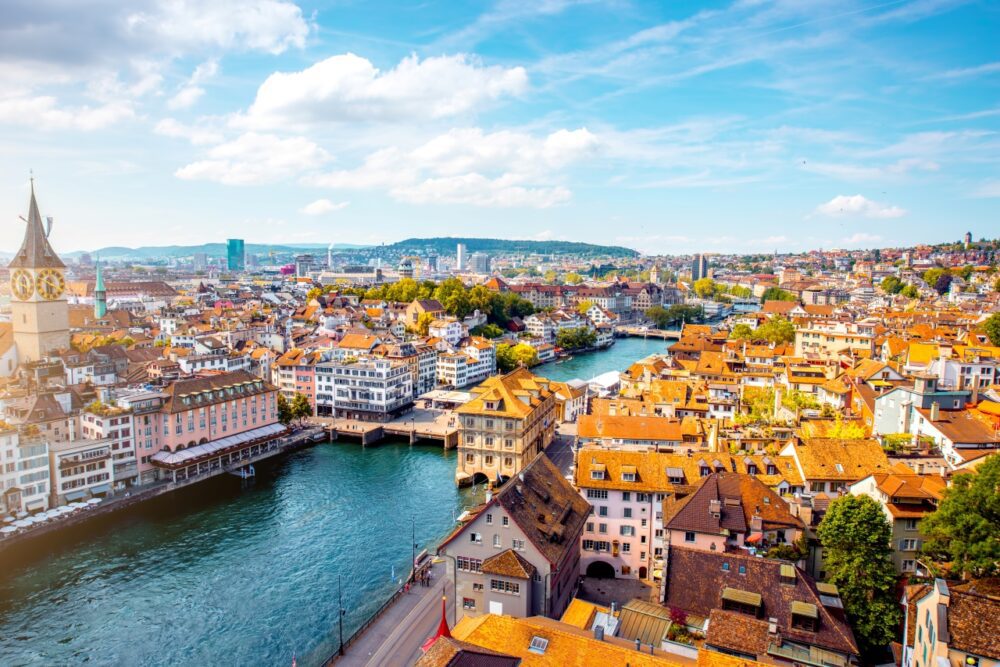
I still remember stepping off the train at Zurich HB on a warm June afternoon and being struck by how clean everything was. No litter, no graffiti, trams gliding past silently on time to the minute. I’d come for a few nights on my way through Switzerland, half expecting a slightly boring banking city. What I found instead was a lively, good-looking place with a lake you can actually swim in, hills you can hike up in an afternoon, and some of the best chocolate I’ve ever eaten.
Zurich is well worth a visit, and it more than earns its reputation as one of the world’s most liveable cities. It’s Switzerland’s largest city, not the capital (that’s Bern), but it’s the country’s financial and cultural heart, and the first stop for most visitors flying in. It isn’t a city full of huge must-see monuments. Instead, it rewards you with a beautiful old town, a lake framed by mountains, and an easy pace of life that’s hard not to enjoy.
In this guide, I’ll cover the best and worst parts of visiting Zurich, the best time to go, the top things to do and where to stay. I’ll also explain how to get around and how many days you’ll need, based on my own trip.
Table of Contents
Pros – Reasons Zurich is Worth Visiting
1. A Genuinely Beautiful Old Town
Zurich’s Altstadt sits on both banks of the Limmat river, and it’s full of narrow cobbled lanes, guild houses and small squares. Niederdorf, on the east bank, is the livelier side, packed with cafés, bars and independent shops. Across the river, the streets around the Lindenhof hill are quieter and feel more like stepping back a few centuries.
I spent my first morning just wandering with no plan, and it was one of the best ways to get my bearings. Climb up to the Lindenhof itself for a free view over the rooftops and the river, then follow the river down past the guild houses on Limmatquai. A guided Old Town walking tour is a good way to get some context on your first day, since a lot of the history isn’t obvious just from looking at the buildings.
2. Two Landmark Churches on the River
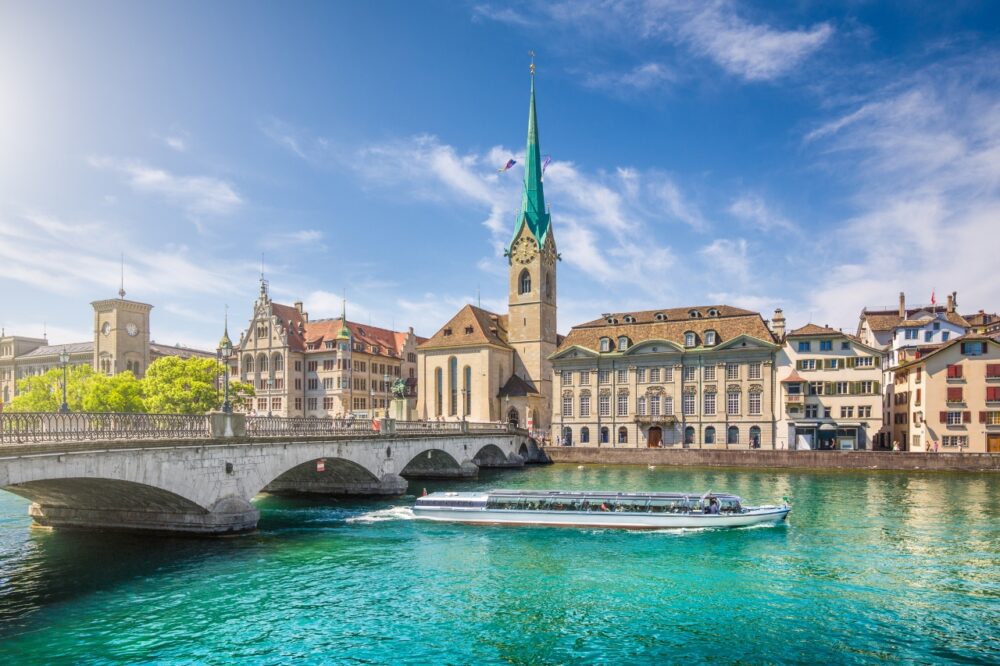
Zurich’s skyline is defined by two churches facing each other across the Limmat. The Grossmünster, with its twin towers, is the more famous of the two. Martin Luther’s contemporary Huldrych Zwingli preached the Swiss Reformation here in the 1500s, and you can still see his influence in the plain, unornamented interior. Climb the 187 steps of the Karlsturm tower for one of the best views in the city.
Across the river, the Fraumünster is smaller but arguably more striking inside, thanks to five stained-glass windows designed by Marc Chagall in the 1970s. I went into both on the same afternoon, and the contrast between Zwingli’s austere Reformation church and Chagall’s colourful glasswork stuck with me more than almost anything else in the city. The Grossmünster is open daily, and the Karlsturm tower can usually be climbed from around 10am to 5pm. The Fraumünster keeps similar hours from Monday to Saturday, opening a little later on Sundays after the morning service. Entry to both is free or discounted with a Zürich Card.
3. Lake Zurich Right on the City’s Doorstep
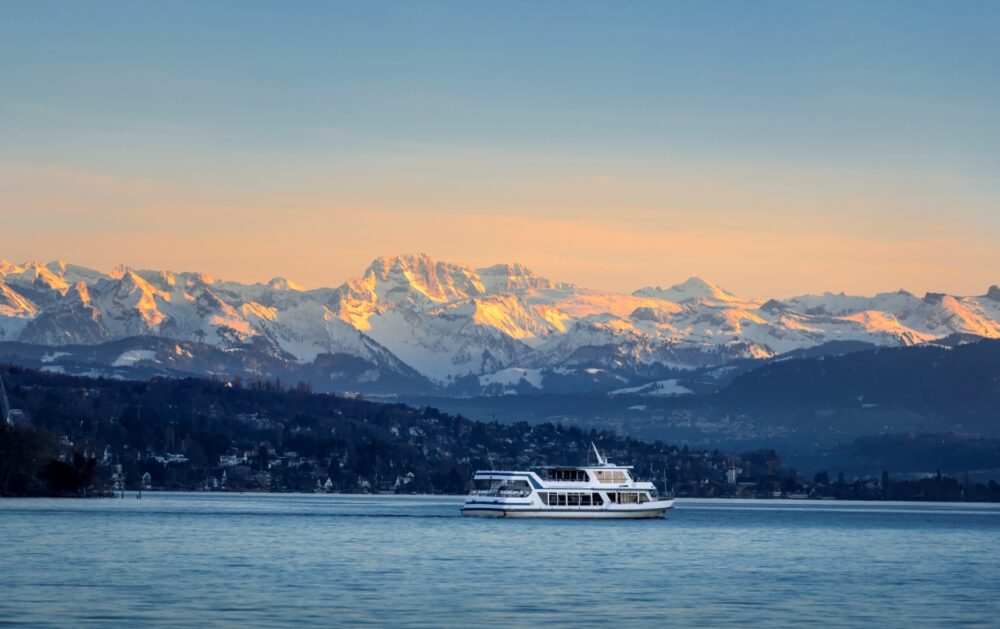
Most cities keep their waterfront for photos, but in Zurich the lake is where locals actually spend their afternoons. In summer, the lidos (public lake baths) along both shores fill up with people swimming, sunbathing and diving off wooden platforms. I swam at the Seebad Utoquai lido on a hot afternoon and it remains one of my favourite things I did on the whole trip. It’s open daily from April to October, roughly 9am to 7pm, with longer hours through the height of summer.
If you’d rather stay dry, the lake is also part of the public transport network, and a boat cruise is an easy way to see the city and the mountains behind it from the water. The city bus tour with an audio guide and a Lake Zurich cruise combines a sightseeing loop with a relaxed hour out on the water, and it’s a nice way to cover a lot of ground without much walking.
4. Chocolate, and Not Just as a Souvenir
Switzerland’s chocolate reputation is well earned, and Zurich is a great base for exploring it. Sprüngli’s flagship shop on Paradeplatz is a Zurich institution, and its Luxemburgerli (small, delicate macarons) are worth queuing for; the café opens at 8.30am on weekdays and 9am at weekends, closing at 6.30pm most days but 5pm on Sundays. Further out in Kilchberg, right on the lakeshore, the Lindt Home of Chocolate has a nine-metre chocolate fountain and unlimited tastings in its tasting room, and it’s open daily from 10am to 6pm.
I took the S-Bahn out to Kilchberg one afternoon, and it’s an easy 20-minute trip from the main station. The self-guided museum is good, but I’d recommend the guided tour of the Lindt Home of Chocolate, since your guide takes you through tasting stations along the way and explains a lot more about how the chocolate is actually made than you’d pick up wandering round on your own.
5. A Pilgrimage Site for Football Fans
FIFA is headquartered in Zurich, and the FIFA World Football Museum near the lake is one of the city’s most popular attractions, football fan or not. It covers the full history of the World Cup, with genuine trophies, shirts and memorabilia across three floors, plus an interactive skills zone where you can test your own game.
I’m only a casual football fan, but I still spent close to two hours in there. The display of every World Cup winner’s shirt in one room was a genuine highlight. Entry costs around CHF 26 (£24) at the door, though it’s often a bit cheaper if you book your FIFA Museum ticket online in advance.
6. Easy Access to the Mountains
One of the best things about Zurich is how quickly you can swap city streets for genuine Alpine scenery. Mount Titlis, with its glacier and revolving cable car, is around two hours away, and Lucerne, with its wooden Chapel Bridge and lakefront old town, sits roughly halfway there. Interlaken, Grindelwald and the Jungfrau region are a bit further but still doable as a long day trip.
I did the trip out to Lucerne and Titlis on my one full day away from the city, and it completely changed my impression of what a short Zurich stay could include. Standing on snow in June, having left a warm city morning behind a couple of hours earlier, was genuinely surreal. The Mount Titlis and Lucerne day trip covers both in one day, including the cable car up the glacier.
7. Excellent, If Pricey, Food and Drink
Zurich’s food scene goes well beyond fondue and rösti, although both are worth trying at least once. Zeughauskeller, a former arsenal turned beer hall, does a good traditional version of both in huge portions. For something more modern, the Kreis 4 and Kreis 5 neighbourhoods, once industrial and a bit rough, are now full of good independent restaurants and bars.
A beer in a normal bar costs around CHF 7 (£6.50), and a simple lunch will run you CHF 20 to 25 (£18 to £23). Dinner in a proper restaurant is usually CHF 35 to 50 (£32 to £46) for a main course. It isn’t cheap, but the quality is consistently high, and Swiss portions are generous enough that you rarely leave hungry. I found the best value at the lunchtime “Tagesmenü” set menus that most restaurants offer on weekdays.
8. Safe, Clean and Refreshingly Easy to Navigate
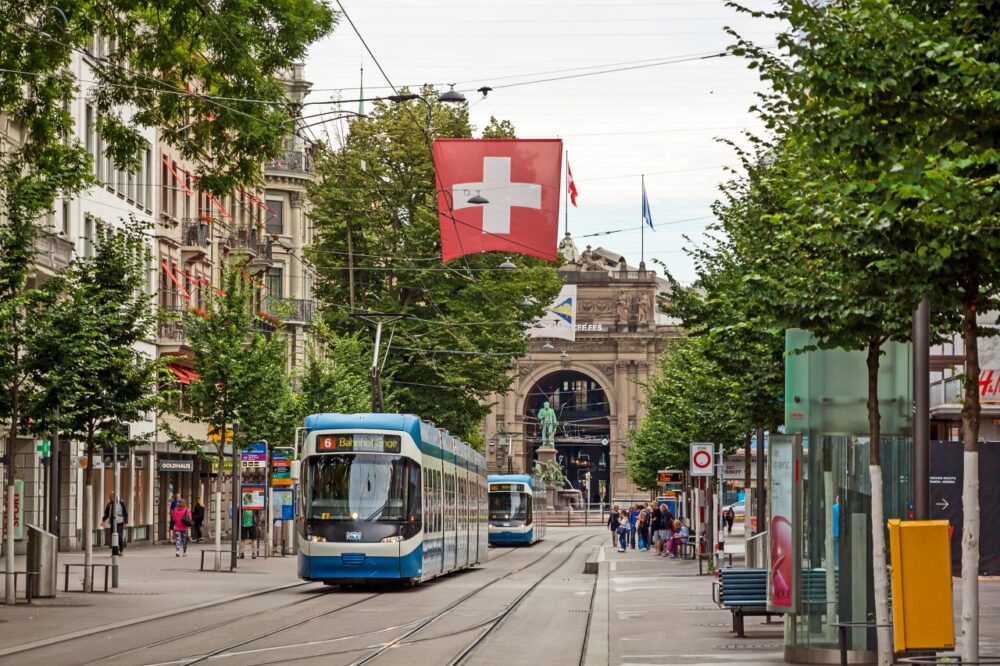
Zurich is one of the safest and best-run cities I’ve been to. The trams and trains run so precisely on time that locals genuinely plan their lives around the timetable, and the streets are spotless even late at night. I walked back to my hotel alone after dark more than once without a second thought, which isn’t something I’d say about every European city.
That efficiency extends to everyday practicalities too. Everything from buying a tram ticket to finding a public toilet is straightforward, and most people speak excellent English on top of Swiss German. If you’re new to independent travel or just want a stress-free city break, Zurich is about as low-friction as it gets.
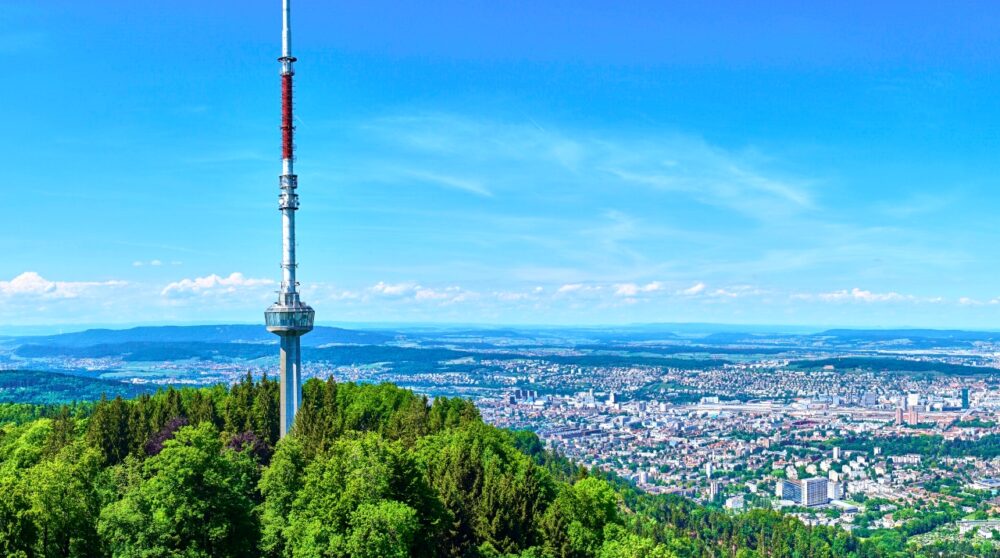
9. Uetliberg and the Views Above the City
Above the western edge of Zurich sits Uetliberg, a forested ridge often called the city’s own mountain. The SZU train runs from the main station every 10 to 15 minutes and gets you to the top in about 20 to 25 minutes, and from there you can walk along the ridge to Felsenegg, where a cable car brings you back down into the valley.
I did the whole walk on a clear afternoon, and the views back over the city, the lake and the Alps on the horizon were some of the best of the whole trip, all without leaving the city’s public transport network. It’s a genuinely easy half-day hike, well signposted and mostly flat once you’re up on the ridge. Bring decent shoes, but you don’t need to be particularly fit to enjoy it.
10. World-Class Art at the Kunsthaus
The Kunsthaus Zürich is one of Switzerland’s best art museums, and it’s often overlooked by visitors who assume Zurich is all about banking and chocolate. Its collection runs from Old Masters through to a genuinely excellent group of Impressionist and modern works, including one of the largest Munch collections outside Norway and a strong run of Giacometti sculpture, given his Swiss roots.
I hadn’t planned to spend long there, but ended up staying most of an afternoon. The building itself was expanded a few years ago with a striking new wing, so even the architecture is worth the visit. The Kunsthaus Zürich is open Tuesday, Wednesday and Friday to Sunday from 10am to 6pm, Thursday from 10am to 8pm, and closed on Mondays. Entry to the permanent collection is free if you’re holding a Zürich Card.
Cons – Things to Consider Before Visiting Zurich
1. It’s a Genuinely Expensive City
There’s no getting around it: Zurich is one of the most expensive cities in Europe, consistently ranked among the priciest in the world. A basic sandwich from a bakery can cost CHF 10 (£9), and a simple hotel room easily runs to CHF 200 (£185) or more a night. Coming from London, I still found myself doing a double take at some of the prices.
The good news is there are ways to soften the blow. Supermarkets like Migros and Coop have good, cheap ready meals if you’re happy to eat away from restaurants occasionally, and many restaurants offer a much cheaper set lunch menu than their evening prices. If you’re planning to see several museums and use public transport a lot, a Zürich Card can take the sting out of both at once, since it bundles unlimited travel with free or discounted entry to more than 40 museums. It’s really the restaurants and hotels where the cost adds up fastest.
2. Sundays Are Extremely Quiet
Switzerland takes Sunday closing seriously, and Zurich is no exception. Almost all shops, including the big department stores on Bahnhofstrasse, are shut, and even some restaurants close for the day. If you’re used to cities where every day feels the same, this can catch you out.
I landed on a Sunday and spent my first afternoon wondering where everyone was. The fix is simple: treat Sunday as a day for the outdoors, museums (most stay open) or just a long lunch and a walk by the lake, and save any shopping for another day. Once I adjusted my plans around it, I actually found the quiet quite pleasant.
3. The Weather Can Turn Fast in Summer
I visited in June, and while most days were warm and sunny, Zurich sits in a basin that can build up sudden, sharp thunderstorms in the warmer months. One afternoon went from clear blue sky to a proper downpour in under twenty minutes, and I got thoroughly soaked walking back from the lake.
It’s worth keeping half an eye on the sky and carrying a light rain jacket even on a sunny-looking day in summer. The storms tend to pass quickly, so it’s rarely worth cancelling plans over, just ducking into a café for twenty minutes usually does the trick. I’d still call the trade-off worth it for the long, warm evenings that come with summer in Zurich.
4. Nightlife Winds Down Earlier Than You Might Expect
Compared with cities like Berlin or Barcelona, Zurich’s nightlife is fairly restrained. Many bars close around 1am, and while there is a proper club scene, especially in Kreis 5, it’s smaller and less central than you’d find in a bigger capital. Public transport also has more limited night service than during the day.
If a big night out is the main draw for your trip, Zurich probably isn’t the best base for it. That said, the city more than makes up for it with its café culture, and there are enough good cocktail bars around Niederdorf and Kreis 4 to fill a few relaxed evenings. Just don’t expect it to compare to a proper party capital.
5. It Can Feel a Bit Reserved
Zurich has a reputation for being a little formal, and I found some truth in it. Service can feel brisk rather than warm, and small talk with strangers isn’t really part of the culture the way it is in some other countries. It took me a day or two to stop reading this as unfriendliness.
Once I adjusted my expectations, I found people were genuinely helpful when I actually needed something, just not inclined to chat for the sake of it. Learning a couple of basic phrases in Swiss German goes a long way, and locals seem to appreciate the effort even if the accent isn’t remotely right. It’s a city that rewards a bit of patience rather than instant warmth.
Best Time to Visit Zurich
I visited Zurich in June, and it’s one of the best times to go. The days were long and warm, usually in the low to mid-20s Celsius, and the lidos and lakeside promenades were properly busy with locals making the most of it. Evenings stayed light until well past 9pm, which made it easy to fit in a relaxed dinner and a walk by the water after a full day of sightseeing. The only downside was the occasional sharp thunderstorm, but they never lasted long.
I haven’t been in spring, autumn or winter yet, but I think each would suit the city in a different way. Spring should bring milder crowds and pleasant walking weather, without quite the lake-swimming appeal of summer. Autumn looks like it would be lovely too, with the hills around Uetliberg turning colour and clearer air for mountain views. Winter is cold and can be grey, but Zurich’s Christmas markets, especially the one inside the main station, are supposed to be a proper spectacle, and it should be a good season for a cosy city break. If I were planning another trip, I’d choose May to September for the lake, or December for the markets.
Best Things to Do in Zurich
Here are my top recommendations for things to do in and around Zurich. Booking ahead is worth it for the day trips especially, as the popular routes can sell out in summer.
- Zurich Old Town walking tour – This two-hour guided walk is a great way to start your trip, covering the guild houses, the Lindenhof and both riverside churches with a local guide who fills in the history you’d otherwise miss. Book the Old Town walking tour here.
- Lindt Home of Chocolate guided tour – This is the best way to see the chocolate museum in Kilchberg, with a guide taking you through tasting stations and explaining the production process rather than just wandering round on your own. See the Lindt chocolate tour here.
- FIFA World Football Museum – Even if you’re only a casual fan, this is a genuinely well-put-together museum, with the actual World Cup trophy and shirts from every winning team across the tournament’s history. Book your FIFA Museum ticket here.
- City bus tour with a Lake Zurich cruise – This three-and-a-half-hour combo covers the city’s main sights by bus with an audio guide, then finishes with a relaxed hour-long cruise out on the lake. See the bus tour and lake cruise here.
- Rhine Falls and Stein am Rhein half-day tour – Europe’s largest waterfall is an easy half-day trip from Zurich, and this tour combines it with a stop in the beautifully preserved medieval town of Stein am Rhein. Book the Rhine Falls tour here.
- Mount Titlis and Lucerne day trip – This full-day tour takes you to Lucerne’s old town and wooden Chapel Bridge before heading up the revolving cable car to Mount Titlis, where there’s snow on the glacier even in summer. See the Mount Titlis and Lucerne day trip here.
- Interlaken, Grindelwald and Lauterbrunnen day trip – This is a long day, but it takes you into the heart of the Bernese Oberland, with its dramatic waterfalls, mountain villages and views of the Eiger, Mönch and Jungfrau peaks. Book the Bernese Oberland day trip here.
- Uetliberg to Felsenegg ridge walk – Take the train up to Uetliberg for sweeping views over the city and lake, then follow the well-marked ridge trail to Felsenegg, where a cable car brings you back down. It’s covered by a standard public transport ticket.
- Climb the Grossmünster’s Karlsturm tower – The 187-step climb up one of the city’s twin towers is a quick, cheap way to get a proper view over the Old Town, the river and the lake beyond.
- Kunsthaus Zürich – One of Switzerland’s best art museums, with an excellent collection of Impressionist and modern works, including major Munch and Giacometti holdings, in a recently expanded, striking building. Entry to the permanent collection is free if you’re holding a Zürich Card.
- Swim at a lakeside lido – In summer, join the locals at one of the public lake baths along the shore, like Seebad Utoquai, for a proper swim in genuinely clean water with a view of the mountains.
- Walk Bahnhofstrasse and stop at Sprüngli – One of the world’s most expensive shopping streets is still worth a wander for the window displays alone, and it’s free to duck into Sprüngli’s flagship store on Paradeplatz for a box of Luxemburgerli.
Where to Stay in Zurich
Altstadt (Old Town) – This is the most atmospheric area to base yourself, with the Grossmünster, Fraumünster and Niederdorf’s bars and restaurants all within walking distance. It’s touristy in the busiest parts, and prices reflect the location. I stayed here and loved being able to walk everywhere, from the lake to the main station. Hotel California is a solid mid-range choice right by the river. Hotel Alexander Zurich Old Town sits deep in Niederdorf, close to the nightlife. For something special, Sorell Boutique-Hotel St Peter Zürich is a four-star hotel just off the Lindenhof.
Near the main station (Zurich HB) – This is the most convenient area for connections, since you’re right by the airport train and every tram line in the city. It’s a bit less charming than the Old Town, and can feel busy with commuters during the day. City Pop 2Night Zürich City is a good budget option a short walk from the station. 25hours Hotel Langstrasse is a stylish mid-range hotel in the lively Kreis 4 district nearby. For more comfort, Numa Zurich Craft offers well-equipped apartment-style rooms close to the centre.
Zurich West – This former industrial area has become one of the city’s trendiest neighbourhoods, full of converted factories, bars and restaurants. It’s a bit further from the Old Town and lake, but well connected by tram. ibis budget Zurich City West is one of the cheapest options in the whole city. Novotel Zurich City West is a comfortable mid-range hotel with an indoor pool. For luxury, 25hours Hotel Zürich West has striking design and a well-regarded restaurant.
Seefeld – This upmarket, residential area sits right on the eastern lakeshore, close to some of the best lidos and a short tram ride from the centre. It’s quieter than the Old Town, with a more local feel, though you’re a bit further from the main sights. Seefeld Residenz is a comfortable apartment-style option near the lake. Alma Hotel is a boutique choice with a rooftop and wellness area. For more space, COSMOPOLITAN APARTMENTS Zürich Seefeld offers serviced apartments close to the water.
Getting Around Zurich
Zurich’s public transport is excellent, and I barely needed anything else during my stay. Trams and buses run through the ZVV network, with the city itself covered by fare zone 110. A single ticket for the city zone costs around CHF 4.60 (£4.25) and is valid for an hour, while a day pass costs roughly double that at around CHF 9.20 (£8.50) and lets you travel as much as you like for 24 hours. Buy tickets from the machines at every stop, or use the ZVV app, which works out your fare automatically based on where you’re travelling. If you’re planning to visit several museums as well, it’s worth weighing that up against a Zürich Card, which bundles unlimited transport with free or discounted entry to more than 40 of the city’s museums.
The airport train into the main station takes about 10 minutes and is covered by a short extension on top of the city zone fare. Zurich is also very walkable, and the Old Town in particular is best explored on foot. For something different, the little electric boats that cruise the Limmat river through the centre are also covered by a standard public transport ticket. I didn’t take a single taxi during my stay, and honestly never felt I needed one.
How Long to Spend in Zurich
For a first visit, I’d say two to three days in the city itself is enough, plus at least one extra day for a trip into the mountains. I stayed four nights in total, which gave me time to properly explore the Old Town, spend an afternoon at the lake, visit the chocolate museum and still fit in a full day trip to Lucerne and Mount Titlis without feeling rushed.
If you only have one day, focus on the Old Town, both churches and a walk along the lake. With two days, add the FIFA Museum or Kunsthaus and a swim at a lido if the weather allows. With three days, fit in the Uetliberg to Felsenegg walk and the Lindt Home of Chocolate. With a week, you can comfortably add day trips to Lucerne and Mount Titlis, the Rhine Falls, and even the Bernese Oberland, using Zurich as a base for exploring a big chunk of Switzerland.
So, is Zurich Worth Visiting?
For me, Zurich is a firm yes. It doesn’t have the single headline monument that some cities build a trip around, but the combination of a genuinely beautiful old town, a swimmable lake, easy mountain access and a food scene that goes well beyond fondue makes it a rewarding place to spend a few days.
It has its downsides. It’s expensive, Sundays are very quiet, and the nightlife and general atmosphere are more restrained than in some other European cities. But none of that spoiled my trip, and each is easy enough to plan around once you know what to expect.
My advice is to give Zurich three or four days, swim at a lido if you visit in summer, and set aside at least one day for a trip into the mountains. Do that, and I think you’ll come away, like I did, wondering why Zurich doesn’t get talked about more as a genuine city-break destination in its own right.