Is Lucerne Worth Visiting? Honest Pros and Cons (2026)

Lucerne looks like it was designed for the camera. A wooden bridge, a stone tower, a bright blue lake and a mountain behind it all, packed into one view. I half expected it to feel staged. It doesn’t, and that was the first thing that won me over.
I spent three days in Lucerne one summer. I walked the Old Town at sunrise, climbed the medieval city wall, rode the boat-and-train loop up Mount Rigi and took the Golden Round Trip on Mount Pilatus. Lucerne is the largest city in Central Switzerland, but it only has about 80,000 people, and you can cross the centre on foot in 20 minutes. That makes it easy to explore, and the mountains are a short boat or train ride away.
This guide covers the pros and cons of Lucerne, where to stay, and what to book. You’ll also find tips on when to go, how long you need, and getting around, so you can decide whether it suits your kind of trip.
In a Rush? Here Are Our Favourite Hotels in Lucerne Switzerland
⭐️⭐️⭐️ Hotel des Alpes – Click here for rates & availability
⭐️⭐️ Radisson Blu Hotel, Lucerne – Click here for rates & availability
Pros of Visiting Lucerne
1. Chapel Bridge and Old Town

The Chapel Bridge is the symbol of Lucerne, and it’s about 650 years old. This covered wooden footbridge zigzags across the Reuss river, and a stone Water Tower sits in the middle of it. A fire destroyed most of the bridge in August 1993, but it was rebuilt in about eight months. Painted panels under the roof tell stories from the city’s past. A few minutes downstream, the quieter Spreuer Bridge has its own set of Dance of Death paintings.
The Old Town around the bridges is made for wandering. Painted facades line Weinmarkt and Kornmarkt, and small lanes lead down to the river. I walked it at sunrise, when the bridge was almost empty, and it was my favourite hour of the trip. This guided walking tour runs about 1.5 hours and starts at the tourist information shop. It covers the Chapel Bridge, the Water Tower and the old squares!
2. Lake Lucerne Cruises

Lake Lucerne is the real star here. It has an odd, branching shape with steep green hills falling straight into the water. The Lake Lucerne Navigation Company runs the boats, including a one-hour city cruise and longer scheduled routes. Boats to Vitznau for Rigi leave from Pier 1, and boats to Alpnachstad for Pilatus leave from Pier 2. I used the scheduled boats as a cheap way to see the lake while I got to the mountains. The views change around every bend, and the water is a deep green-blue.
If you want something special, try the first-class lunch cruise. It leaves from the Bahnhofquai, lasts about two hours and includes a three-course lunch with a vegetarian option, plus water and a coffee or tea. Sit on the open deck for your coffee. The lake views alone are worth the money, and it works well as a relaxed first-day plan.
3. Lion Monument and City Walls

The Lion Monument is a dying lion carved into a rock face above a small pond. It’s ten metres long and six metres high, and it was inaugurated in 1821. It honours the Swiss Guards who died defending Louis XVI in Paris in 1792. Mark Twain called it the saddest and most moving piece of stone in the world. It’s free, and it’s very easy to reach from the Old Town on foot.
For views, climb the Musegg Wall. This 800-metre medieval wall has nine towers, and four of them are open to people from 8:00 am to 7:00 pm between 1 April and 1 November. I climbed up in the morning and looked over the red roofs, the lake and Pilatus. The Zyt tower has a clock from the 1500s that chimes a minute before every other clock in town. It’s free to climb, so it’s a great budget activity.
4. Mount Pilatus

Pilatus is the dramatic mountain that looms over Lucerne. Its summit, Pilatus Kulm, sits at 2,132 metres, and the cogwheel railway up the side is the steepest in the world. I did the Golden Round Trip, which is a loop by boat, train and cable car. This Pilatus Golden Round Trip takes about 4.5 hours. It includes bus 1 to Kriens, a panoramic gondola, the Dragon Ride cable car to the top and the cogwheel train down to Alpnachstad. Then a one-hour boat ride takes you back to Lucerne.
At the top, short paths lead to viewpoints over the lake and the Alps. Dress warmly, because it’s much colder than the city. If you only want the cable car, the Pilatus gondola and cableway ticket goes from Kriens to the summit and back. Check the operating dates first, because the cable cars close for maintenance in late autumn!
5. Mount Rigi

Rigi is known as the Queen of the Mountains, and it’s a gentler and greener day out than Pilatus. Rigi has Europe’s first mountain railway, and the views from Rigi Kulm stretch across several lakes and the Alps. I did it on my second day, and it was a highlight. Wide meadows, grazing cows and cowbells make it feel like a perfect photo from another century.
The easiest way is the Classic Rigi Round Trip. You take a boat from Lucerne to Vitznau, ride the rack railway up to Rigi Kulm, then go down to Rigi Kaltbad and finish with a cable car to Weggis. A boat takes you back to Lucerne. You pick your own departure times, so you can wait for a clear window. The whole loop takes most of a day, so start early. Bring a jacket, because it gets windy and cool at the top.
6. Swiss Museum of Transport
The Swiss Museum of Transport is the best rainy-day plan in Lucerne, and it’s a hit with kids and adults alike. It sits by the lake on Haldenstrasse, about 30 minutes on foot from the Old Town. Inside, you’ll find trains, planes, cars, boats and space exhibits, plus a planetarium and a huge cinema screen. Entry to the museum costs CHF 37 (£32), and the planetarium, the film theatre and the Swiss Chocolate Adventure ride cost CHF 18 (£16) each.
The full-day pass bundles the museum, the Swiss Chocolate Adventure, Media World, the daily film screenings and the planetarium shows. It’s open from 10:00 am to 6:00 pm in summer. Plan for most of a day, because there’s a lot to see. The chocolate ride ends with a sweet treat, which is a nice reward after a long day of walking.
7. Swiss Food and Chocolate
Lucerne has a proper local food scene. The classic dish is Luzerner Chügelipastete, a puff pastry case filled with veal and mushrooms in a creamy sauce. You’ll also find cheese fondue, rösti and lake fish on many menus. For a local drink, order a Kafi Luz, a coffee with a shot of schnapps. I had my first Chügelipastete in a guild house near the river, and it was rich and filling. Expect to pay CHF 35 to 45 (£30 to £39) for a main.
Chocolate is a big part of the story too, and shops around the Old Town sell handmade pralines. If you want a guide, this culinary tour with cheese, chocolate and a drink takes about three hours. It includes tastings of cheese and Swiss chocolate, local specialities, and drinks, and it meets at Schwanenplatz. Go hungry, and skip lunch beforehand. Many cafés also serve a slice of Lucerne’s famous pear bread on the side!
8. Swimming and Lakeside Walks
Lucerne is a great place to swim on a hot summer afternoon. The lakes and outdoor pools around the city include lakeside spots like Lido and Seebad. I jumped in at the end of a long day of walking, and the cool, clear water was perfect. The lakefront promenade runs past the Culture and Congress Centre and the grand hotels, with benches, ice cream stands and views of Pilatus.
For something more active, the Lake Lucerne Peninsula e-bike tour covers about 16 kilometres in two hours. It follows an old railway track past public beaches and lake clubs and ends at the train station. Groups are limited to four people, and a guide shares local stories. It meets at the Torbogen arch outside the station. It’s a good pick if you want a break from the crowds. Pack a towel if you plan to stop for a swim along the way.
9. Culture and Festivals
Lucerne punches above its weight for culture. The KKL Luzern is a striking concert hall designed by Jean Nouvel, and it’s right next to the train station. It’s world-famous for its acoustics, and the Museum of Art Lucerne is inside the building. The Lucerne Festival fills the hall with classical music from mid-August to mid-September, and it draws top orchestras from around the world. Even if you skip the concerts, the building is worth a look from outside, with its huge flat roof stretching over the water. Tickets for big concerts sell out, so book early.
Fasnacht is the other big event. This carnival takes over the Old Town in the days before Lent, with masked parades, loud brass bands, and costumes. It starts on the Thursday before Ash Wednesday. If you can’t make those dates, check the city’s event calendar for concerts, markets and smaller festivals, like the Lucerne Blues Festival in November. Something is usually going on.
10. Easy Day Trips
Lucerne is a brilliant base for day trips, because the mountains are close. Mount Titlis is the most famous (with its rotating Rotair cable car) the Ice Flyer chairlift and the Cliff Walk suspension bridge. This Titlis half-day tour takes about 5.5 hours and leaves from near the train station. The Jungfraujoch day trip is a long 10-hour day, but the Top of Europe views are unforgettable.
For something different, the Bern day trip visits the Swiss capital, a biscuit factory and an Emmental show dairy. Interlaken and Grindelwald are easy day trips too, and most guided tours leave from near the train station, so you don’t need to plan any train connections yourself. Pick a clear day if you can. These trips run daily in summer, and the mountain views are the whole point. If you plan several excursions, the Swiss Travel Pass gives you unlimited travel on trains, buses, and boats, plus discounts on many mountain trips!
Cons of Visiting Lucerne
1. Very High Prices
Lucerne is expensive, even by Swiss standards. A coffee costs about CHF 6 (£5), a beer is around CHF 8 (£7) and a simple lunch is CHF 25 (£22). Dinner mains cost CHF 35 to 45 (£30 to £39). Summer hotel rooms are the biggest hit, and a mid-range double often costs CHF 250 (£217) a night. I felt the cost from the first coffee, and it never really eased.
There are good ways to save. Supermarkets like Coop and Migros sell fresh sandwiches and ready meals, and a picnic by the lake is one of the best lunches in the city. The tap water is excellent, so carry a bottle. Overnight hotel guests also get free buses and trains within the city zone with the Lucerne Visitor Card. Lucerne is still worth it if you plan your spending.
2. Summer Crowds
Lucerne is one of the most popular day-trip spots in Switzerland, and in summer it feels like it. Coach groups pour onto the Chapel Bridge and the Lion Monument between about 10:00 am and 4:00 pm. The Old Town lanes get packed, and the bridge turns into a slow shuffle. I noticed the difference as soon as I left the sunrise hours, and the Old Town felt completely different by midday.
The answer is to go early or late. The bridge and the Old Town are beautiful before 8:00 am and again in the evening. Pick your own times on the lake and mountain trips, because flexible tickets like the Classic Rigi Round Trip let you avoid the busiest departures. Crowds are part of the deal, but they don’t ruin the city.
3. Weather-Dependent Mountain Views
The mountain trips depend on the weather, and Lucerne’s weather can be unpredictable. Clouds and haze can hide the summit views from Pilatus, Rigi and Titlis, and you only learn that after you’ve paid. I was lucky with a clear day on Rigi, but the cloud moved in fast on Pilatus. A wet day can also make the lake feel grey.
Plan around the forecast. Check the live webcams on the mountain websites before you leave, and keep a day free to swap trips around. Choose tickets that let you pick your own time, and book the Pilatus loop for the best weather window. On grey days, the Swiss Museum of Transport and the KKL art museum are good plans. A cloudy day still has plenty to offer, and the clouds often clear by the afternoon!
4. Quiet Nightlife
Lucerne is a small city, and it goes to bed early. Most Old Town bars and restaurants wind down by around 11:00 pm, and big clubs are rare. If you’re after wild nightlife, you’ll be disappointed. I had a few quiet drinks along the river and walked home along the lake. It was pleasant, but it wasn’t a big night out. Most people are in bed early for their mountain trips anyway.
Treat the evenings as part of the charm. A lakeside dinner, a walk across the lit-up Chapel Bridge and a drink on a river terrace are the best nights here. For something a bit more social, this wine tasting visits two traditional cellars and includes seven Swiss wines with cheese and charcuterie. If you want clubs, Zurich is under an hour away by train.
5. Costly Mountain Trips
Mountain excursions are the big spend in Lucerne. A trip up Titlis or Jungfraujoch can easily top CHF 100 (£87) per person, and the long day tours cost more. Some lifts also close for maintenance or construction at certain times of year. The Pilatus cable cars shut for annual maintenance in late autumn, and work at Titlis can limit time at the top. I’d check each timetable before buying anything.
You can cut the cost. The Swiss Travel Pass includes Rigi and Stanserhorn, and it gives up to 50% off many other mountain trips. The Lucerne Visitor Card also gives discounts on excursions. Rigi and the Pilatus gondola are the best-value options. Even with the costs, one good mountain day is worth the money. Pick the one that suits you, and skip the rest.
Where to Stay
Old Town: I stayed here, and I’d do it again. You can walk to the Chapel Bridge, the lake and the restaurants in minutes, and sunrise strolls are easy. The downside is the price and the summer crowds, and some streets get noisy at night. Hotel Pickwick and Pub is a budget-friendly pick on Rathausquai with a bar, live music and free WiFi. KoBi Boutique Studios Hirschenplatz is a mid-range apartment-style option with contactless check-in and a safety deposit box. Hotel des Alpes is an upscale 3-star on Furrengasse with a restaurant, a terrace and a bar.
Lakefront: The lakefront near Schweizerhofquai and the Hofkirche is a calm, elegant spot a few minutes’ walk from the Old Town. It’s ideal if you want lake views and quiet evenings. Prices run higher, and you’re a bit further from the station. Ambassador Self Check-in Hotel is a budget-friendly 3-star on Zürichstrasse with a garden, a terrace and air conditioning. Hotel Rebstock is a mid-range pick near the Hofkirche with a restaurant, a bar and a garden. Hotel Hofgarten is an upscale 4-star with a restaurant, a terrace and room service!
Station Area: The area around the train station is the most practical base for day trips. Boats, trains and buses all leave from here, and the KKL is next door. It’s busier and less charming than the Old Town, and the streets feel commercial. ibis budget Hotel Luzern City is a budget-friendly pick on Kellerstrasse with a 24-hour front desk and soundproof rooms. Hotel Central Luzern is a mid-range 3-star on Morgartenstrasse with a sun terrace and a tour desk. Radisson Blu Hotel, Lucerne is an upscale 4-star on the lake with a restaurant, a sauna and a fitness centre.
Kriens: Kriens sits at the foot of Pilatus, about 15 minutes from the centre by bus. It’s quieter and cheaper, and it’s a smart base if Pilatus is your main goal. You’re away from the sights and the nightlife. Bellpark Hostel is a budget-friendly choice with a shared kitchen, lockers and a garden. Holiday Inn Express Luzern-Kriens is a mid-range 3-star with a restaurant, a bar and family rooms. Chlösterli is an upscale adults-only bed and breakfast with a garden, a terrace and free parking.
Best Things to Do
These are the tours and tickets I’d book for a trip to Lucerne.
- Guided Walking Tour: A 1.5-hour walk through the Old Town with an official guide. It covers the Chapel Bridge, its water tower and the historic squares, and it meets at the tourist information shop.
- Culinary Tour with Cheese and Chocolate: A three-hour food tour with cheese and Swiss chocolate tastings, local specialities and drinks. It meets at Schwanenplatz.
- First-Class Lunch Cruise: A two-hour lake cruise with a three-course lunch, mineral water and a coffee or tea. It leaves from the Bahnhofquai.
- Peninsula E-Bike Tour: A two-hour, 16-kilometre guided ride along an old railway track past beaches and lake clubs. It includes the e-bike, a helmet and a glass of apple juice.
- Pilatus Golden Round Trip: A 4.5-hour loop by bus, gondola, Dragon Ride cable car, cogwheel train and lake boat from the summit at 2,132 metres.
- Classic Rigi Round Trip: A flexible full-day loop by boat, rack railway and cable car, with time at Rigi Kulm. You choose your own departure times.
- Mount Titlis Half-Day Tour: A 5.5-hour coach tour from Lucerne with a rotating cable car, the Glacier Cave, the Ice Flyer chairlift and the Cliff Walk suspension bridge.
- Jungfraujoch Day Trip: A 10-hour guided trip by coach, cable car and cogwheel train to the Sphinx Observation Terrace and Ice Palace tunnels, with at least two hours at the top.
- Bern Capital and Countryside Day Trip: A small-group trip of up to 10.5 hours with a guided Old Town walk, a Kambly biscuit tasting and an Emmental show dairy visit.
- Lake Lucerne Wine Tasting: A two-to-three-hour tasting of seven Swiss wines at two traditional cellars, with cheese, charcuterie and fresh bread. It meets outside the train station.
- Swiss Museum of Transport Day Pass: A full-day pass with the museum, the Swiss Chocolate Adventure, Media World, the film theatre and the planetarium.
- Tandem Paragliding Flight: A 2.5-hour experience with a qualified pilot and all equipment. The flight launches from the Niederbauen area above Emmetten, with views over Lake Lucerne and the Alps.
Best Time to Visit
Summer: I visited in summer, and it’s the best season for lake days. The days are long and warm, the water is great for swimming, and every mountain lift is open. It’s also the busiest and priciest time, especially around the Lucerne Festival from mid-August. Book hotels early, and start your sightseeing at sunrise to beat the crowds. Afternoon storms can roll in, so keep a rain jacket handy.
Spring: Spring is fresh and green, with blossoms along the lake and fewer tour groups. Snow still covers the high peaks, and the weather swings from sunny to wet in a day. Some mountain lifts run reduced schedules or close for maintenance, so check timetables. It’s a good time for the Old Town and the lakefront walks, and hotel prices are lower!
Autumn: Autumn is calm and golden, and the air is crisp. Clear days can be spectacular, and Rigi often rises above a sea of clouds. The Lucerne Blues Festival fills the city in November. Boats run fewer services, and some cable cars close for maintenance in late autumn. Pack warm layers, because evenings get cold.
Winter: Winter is quiet and atmospheric. Fasnacht lights up the Old Town just before Lent, with masks, parades and brass bands. Christmas markets and light displays add to the mood, and Titlis is a good option for snow. Days are short, and low cloud can hide the mountains for days. Pack a proper coat.
How Long to Spend
1-2 Days: Two days is enough for the highlights. Spend one day in the Old Town with the Chapel Bridge, the Lion Monument and the Musegg Wall. Use the second for a lake cruise and Mount Rigi or Pilatus.
3-4 Days: Three days was a perfect length for me. I had time for a slow Old Town morning, the city wall, Rigi, the Pilatus loop and a swim in the lake. A fourth day is ideal for the Swiss Museum of Transport or a trip to Titlis.
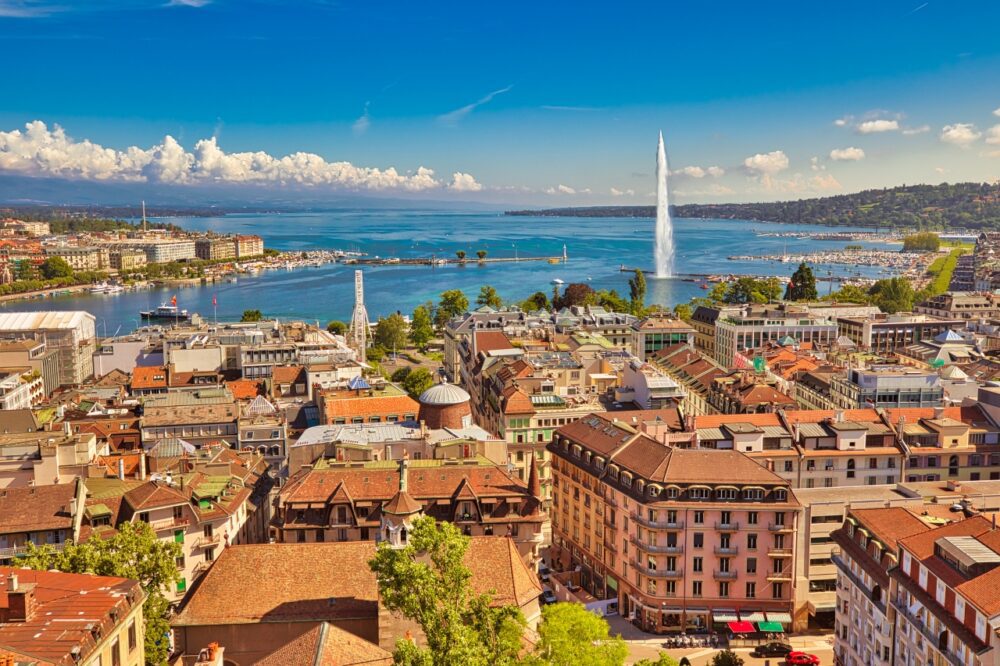
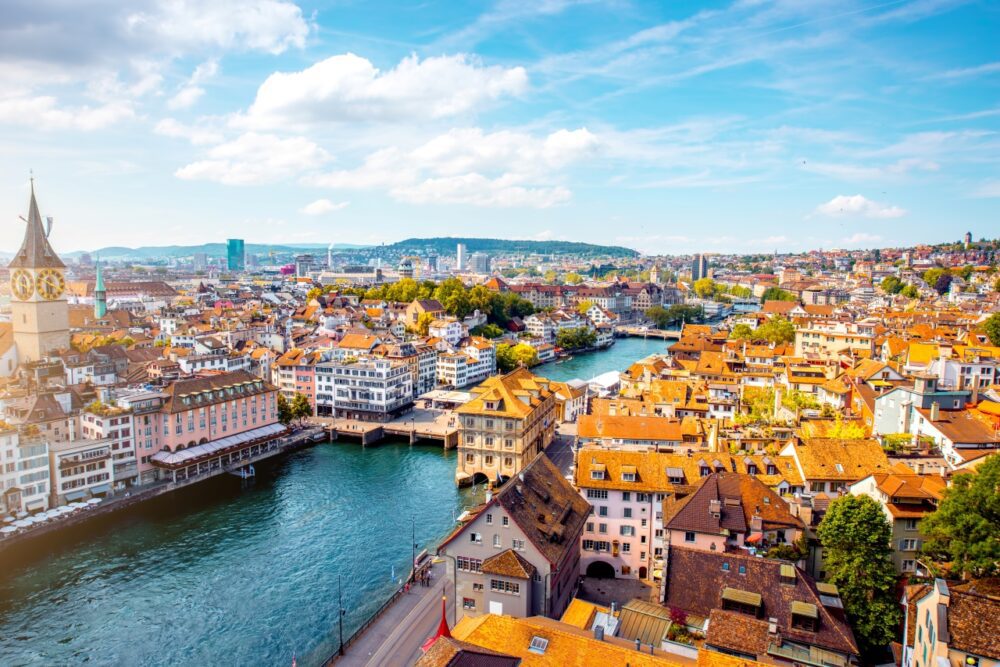
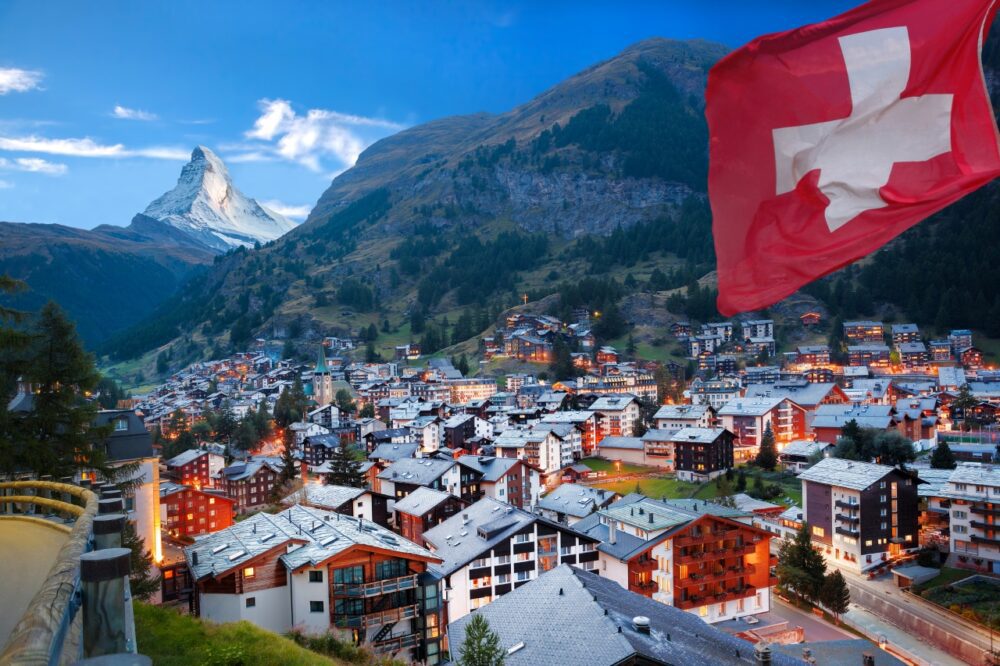
5-7 Days: A week works if you want Lucerne as a base for day trips. You could add Titlis, Jungfraujoch, Bern, Interlaken and Grindelwald, and still have time to relax by the lake. A Swiss Travel Pass makes this much easier. On a wider Switzerland trip, consider a separate city stay in Geneva or give Zermatt its own time in the mountains.
Getting Around
On foot: Lucerne’s centre is compact, and walking is the best way to see it. I walked almost everywhere on my trip, from the Old Town to the lakefront and up to the Lion Monument. The only real climb is up to the Musegg Wall, and it’s short!
Buses and trains: Buses and trains cover the rest of the city, and they’re clean, and punctual. Overnight guests in city hotels get free buses and trains within the city zone with the Lucerne Visitor Card, which also gives discounts on excursions. You can buy other tickets through the SBB app or the Lucerne ticket shop. The Swiss Travel Pass covers trains, buses and boats across Switzerland.
By bike: Cycling is popular, and the lakefront paths are flat and scenic. Nextbike runs the bike-share scheme through an app. Standard bikes cost CHF 2 (£2) per 30 minutes, with a daily cap of CHF 20 (£17), and e-bikes cost CHF 4 (£3) per 30 minutes, with a daily cap of CHF 40 (£35). You can also look at bike rental shops for a full day.
By boat: The Lake Lucerne boats double as public transport, with routes to Vitznau, Weggis and Alpnachstad. They’re the most scenic way to reach the mountains, and I used them more than once.
Taxis: Taxis are available, but they’re very expensive. I never needed one, because the centre is small and the buses are frequent.
To and from the airport: Lucerne has no airport, so most people arrive at Zurich Airport. The train takes about an hour and a quarter, usually with one change at Zürich HB, and trains run every few minutes. The Swiss Travel Pass covers this trip if you plan to travel a lot. Line up your journey back before you leave, and allow extra time for the airport.
Final Thoughts: Is Lucerne Worth Visiting?
Yes, Lucerne is worth visiting. It looks like a perfect photo, but the best part is how easy it is. I could watch the sunrise on the Chapel Bridge, swim in the lake and ride a cogwheel train up a mountain, all within three days. Few cities pack so much into such a small space!
The cons are real. It’s expensive, summer brings crowds and the mountain views depend on the weather. But once you plan for them, with early starts, flexible tickets and a Swiss Travel Pass or Visitor Card, they don’t spoil the trip. Even on cloudy days, the lake and the Old Town are beautiful.
If you like pretty old towns, lake life and mountains on your doorstep, Lucerne is a great option. Three days is the sweet spot, and the Old Town is the best place to base yourself. Use the hotel and tour links above to plan your trip, and enjoy it.