
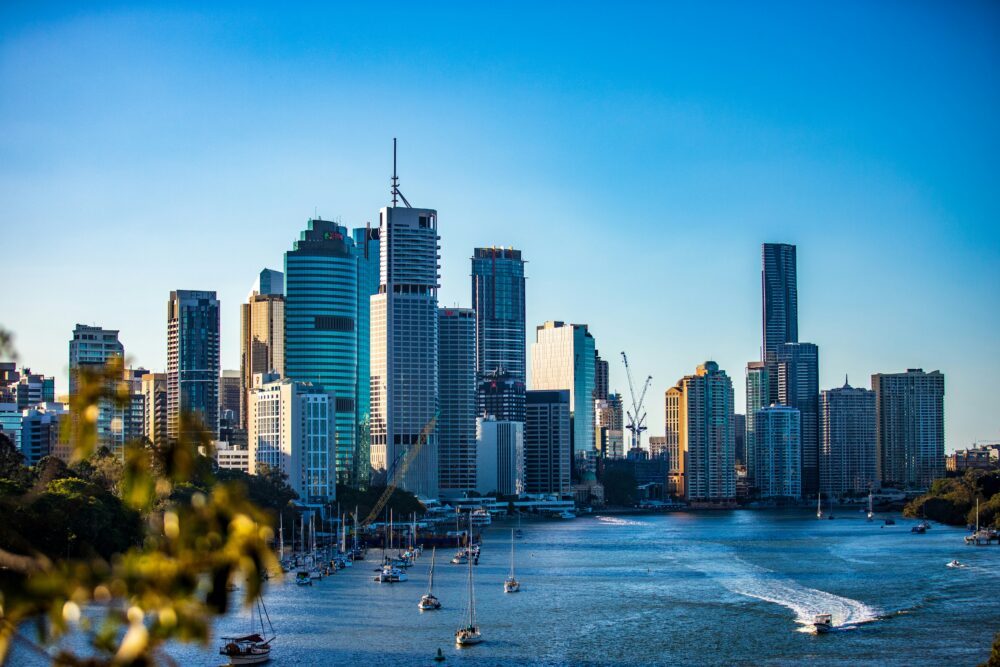
I grew up in Brisbane, so I’ve had the strange experience of watching a city I know like the back of my hand slowly turn into a proper tourist destination. I’ve also come back to visit plenty of times since moving away, which gives me a decent read on how it feels as both a local and a visitor. So when people ask me “is Brisbane worth visiting,” I don’t answer with a quick yes or no. I answer with what I actually grew up doing there, what still annoys me about the place, and what I’d tell a mate before they booked a flight.
Brisbane sits on a river of the same name, about an hour and a half’s flight north of Sydney and three hours flight east of Perth. It’s the capital of Queensland, and it gets skipped by a lot of travellers who fly straight past it to the Gold Coast or Cairns. That’s a mistake, but it’s an understandable one. Brisbane doesn’t sell itself the way Sydney’s harbour does. You have to spend a few days in it to get why locals love it.
This guide is based on real time on the ground, not a quick pass through: years of walking the river paths at 6am before the heat kicked in, catching the CityCat ferries as a matter of routine rather than novelty, sweating through more Januaries than I can count, and knowing which suburbs are worth a stay and which ones aren’t. Here’s my honest take, pros and cons included.
Table of Contents
Pros – Reasons Brisbane is Worth Visiting
1. The River Is the Real Main Street
Most cities have a main street. Brisbane has a river, and it runs right through the guts of the city. The Brisbane River loops around the CBD in a wide curve, and almost everything worth doing sits near it. Growing up, I used it as a mental map without even thinking about it. If I got turned around, I just walked back to the water and reoriented. Few cities make navigation this easy for a first-time visitor.
2. South Bank Parklands Beats Most City Beaches
South Bank has an artificial white-sand lagoon called Streets Beach, right across the river from the CBD skyline. As a kid I’d get taken there most weekends, and even now, whenever I’m back, I still go for a swim and it never gets old watching the city wake up from the water. It’s free, it’s patrolled, and it’s surrounded by cafes, art galleries and shaded parkland. For a landlocked-feeling swim spot in the middle of a major city, I haven’t seen many that compare.
3. The CityCat Ferries Double as a Sightseeing Tour
The public ferry system, known locally as the CityCat, runs up and down the river and costs the same as a normal bus or train fare. I used it constantly, partly for transport and partly because it’s genuinely one of the better ways to see the city. You get skyline views, glimpses into riverside suburbs, and a breeze that makes the humidity bearable. Most tourist river cruises charge good money for a worse version of this.
4. The Weather Works in Your Favour Most of the Year
Brisbane has a subtropical climate, which means mild winters and warm-to-hot summers. I grew up wearing a t-shirt most days through July, and I’ve lived through enough Januaries to know what three-showers-a-day humidity feels like. Winter (June to August) is genuinely the best time to visit if you want blue skies without the sweat. Even outside those months, the weather rarely stops you from doing what you planned.
5. Its Food Scene Punches Above Its Reputation
I’ll be honest, the Brisbane food scene of my childhood was pretty unremarkable, decent coffee at best. Coming back as an adult, I’ve watched it turn into something I genuinely rave to friends about. The city has leaned hard into modern Australian, Vietnamese, and Middle Eastern cuisine over the last decade, and prices are noticeably lower than Sydney or Melbourne for a similar quality meal. West End in particular has turned into the kind of neighbourhood you could eat your way through for a week.
6. Day Trips Open Up Some of Queensland’s Best Coastline
Brisbane’s location is one of its biggest advantages, and I don’t think it gets talked about enough. The Gold Coast is about an hour south by train. The Sunshine Coast and Noosa are roughly ninety minutes north. Moreton Bay and its islands, including North Stradbroke Island, sit right off the coast and are reachable by ferry in under an hour. Growing up, weekend day trips to these spots were just a normal part of life, and I still lean on Brisbane as a base whenever I’m back and want to squeeze one in.
7. It’s Genuinely Affordable Compared to Sydney and Melbourne
Accommodation, meals, and public transport in Brisbane cost noticeably less than in Australia’s bigger two cities. I’ve lived in and visited both Sydney and Melbourne enough to compare prices directly, and Brisbane consistently comes in around 20 to 30 percent cheaper for a comparable standard of hotel and dining. For anyone weighing up Australia on a budget, that difference adds up fast over a week or two.
Cons – Things to Consider Before Visiting Brisbane
1. The Humidity Can Be Brutal in Summer
Between December and February, Brisbane gets hot and sticky in a way that catches a lot of visitors off guard. I remember one January afternoon where I gave up on sightseeing by 2pm and just sat in an air-conditioned gallery for two hours. If you’re heat-sensitive, plan around early mornings and evenings, or visit in the cooler months instead.
2. Nightlife and Energy Feel Quieter Than Other Major Cities
Compared to Sydney or Melbourne, Brisbane can feel a bit sleepy after dark, especially outside of Fortitude Valley. Lockout laws introduced years ago changed the late-night scene, and while things have loosened since, the city still doesn’t have the same after-midnight buzz. If a big nightlife scene is a priority for your trip, temper your expectations here.
3. Some Attractions Are Spread Out and Need Planning
While the inner city is walkable, a few of Brisbane’s best attractions, like Lone Pine Koala Sanctuary or the Mount Coot-tha lookout, sit outside the main CBD loop. I’ve seen plenty of visiting friends make the mistake of assuming they could squeeze everything into one day without checking transport times first. Budget extra time, or a car, if you want to see the full spread of what the city offers.
Things to Do in Brisbane
- Swim at Streets Beach, South Bank – A free, patrolled lagoon beach with a skyline view. I still rate this as one of the most underrated free activities in any Australian city.
- Walk or cycle the Brisbane River loop – Paved paths run for kilometres along both banks. I did this most mornings and it’s the best way to feel the shape of the city.
- Visit GOMA (Gallery of Modern Art) – Free entry, strong rotating exhibitions, and it sits right on the river at South Bank. Worth a couple of hours even if you’re not usually a gallery person.
- Climb the Story Bridge – A guided climb up Brisbane’s most recognisable bridge. I found the sunset climb worth the extra cost for the light alone.
- Explore Kangaroo Point Cliffs – Free public climbing walls and a walking path with one of the best skyline views in the city. Go around golden hour.
- Ride the CityCat to New Farm – New Farm Park and the surrounding streets have a genuinely local feel, with good cafes and less foot traffic than the CBD.
- Wander West End’s food strip along Boundary Street – Hands down where I’ve had the best meals in Brisbane over the years, trip or no trip. Diverse, affordable, and full of independent restaurants.
- Take the ferry to North Stradbroke Island – A proper beach day trip with whale watching in season (roughly June to November). One of my favourite single-day excursions in Queensland.
- Visit Lone Pine Koala Sanctuary – The oldest koala sanctuary in the world. It’s a bit touristy, but the animal encounters felt well-run and ethically handled compared to some other wildlife parks I’ve visited.
- Watch the sunset from Mount Coot-tha Lookout – A short drive or bus ride from the CBD, with the best panoramic view of the whole city and the ranges beyond it.
Where to Stay in Brisbane
- CBD – Best if it’s your first visit. Everything is walkable, and you’re close to the ferry terminals and train lines for day trips. It’s where I usually put visiting friends and family, and the convenience always wins them over.
- South Bank – My personal favourite base. You’re a short walk from the lagoon, galleries, and river paths, with a slightly calmer feel than the CBD at night.
- Fortitude Valley – The pick if nightlife and live music matter to you. It’s noisier, but it puts you at the centre of Brisbane’s after-dark scene.
- West End – Best for food-focused trips. It’s a short ferry or bus ride from the CBD, with a more local, laid-back vibe and excellent restaurants within walking distance.
- New Farm – Quieter and leafier, good for longer stays or anyone travelling with family. The riverside park is a real drawcard here.
Getting Around Brisbane
Brisbane’s public transport runs on a single card system called Go Card, which covers buses, trains, and the CityCat ferries. I’ve carried one since I was a teenager, and I’d tell any visitor to grab one on day one rather than buying single tickets, since it works out cheaper the moment you’re taking more than a couple of rides.
The CityCat ferries are my top pick for getting around, both for practicality and because they double as sightseeing. The train network (Queensland Rail) is the fastest option for day trips out to the Gold Coast or Sunshine Coast. Buses, including the express Glider services, fill in the gaps where ferries and trains don’t reach, and they’re reliable even if they’re a bit slower during peak hours. For short hops within the CBD, e-scooters are widely available through ride-share apps and are a fast way to cover a few blocks without waiting on a bus. I used a mix of all four depending on the day, and honestly never felt like I needed a hire car within the city itself.
Conclusion
So, is Brisbane worth visiting? Based on a lifetime of knowing this city, from growing up here to coming back as a visitor myself, my answer is yes, especially if you’re after a slower-paced, river-focused city with easy access to some of Queensland’s best coastline. The swimmable lagoon, the ferry network, the affordability, and the day-trip potential all make a strong case on their own.
That said, it’s not the right fit for everyone. If you want a buzzing nightlife scene or a city where everything sits within a five-minute walk, Brisbane might leave you wanting more, and the summer humidity is genuinely something to plan around rather than ignore. For me, the pros outweighed the cons by a wide margin, and Brisbane earned a permanent spot on my list of cities I’d happily return to. Weigh up what matters most for your own trip, and I think you’ll find Brisbane worth the time.