Is Sydney Worth Visiting? Honest Pros and Cons (2026)
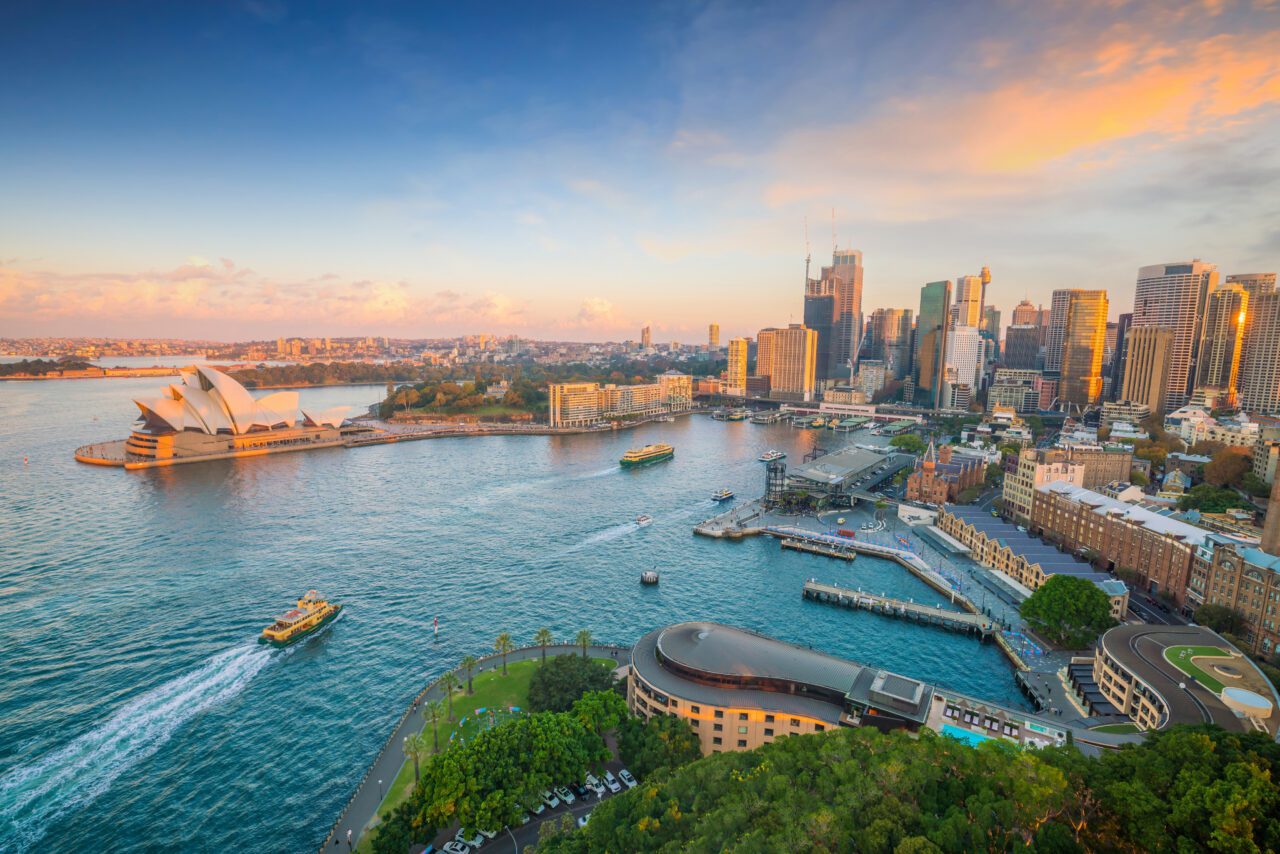
Sydney has a skyline you recognise before you’ve even landed. The Opera House sails and the Harbour Bridge arch turn up on every postcard, and I made plenty of short trips over the years to see them for myself. Each visit gave me a slightly different city, from ferry rides at sunrise to long beach days and late dinners in the inner suburbs.
Sydney is the largest city in Australia, with more than 5 million people spread around one of the world’s great natural harbours. If you’re wondering whether Sydney is worth visiting, my answer is yes. It has famous landmarks, brilliant beaches and some of the best free things to do in the country. It’s also a great base for day trips to the Blue Mountains and the Hunter Valley.
It isn’t a cheap or quiet city, though. Hotels cost a lot, summers get hot and the flight from Europe is very long. Even so, I think the highs far outweigh the lows.
This guide covers the pros and cons of Sydney, where to stay, and what to book. You’ll also find tips on when to go, how long you need, and getting around, so you can decide whether it suits your kind of trip.
Pros of Visiting Sydney
1. Sydney Opera House
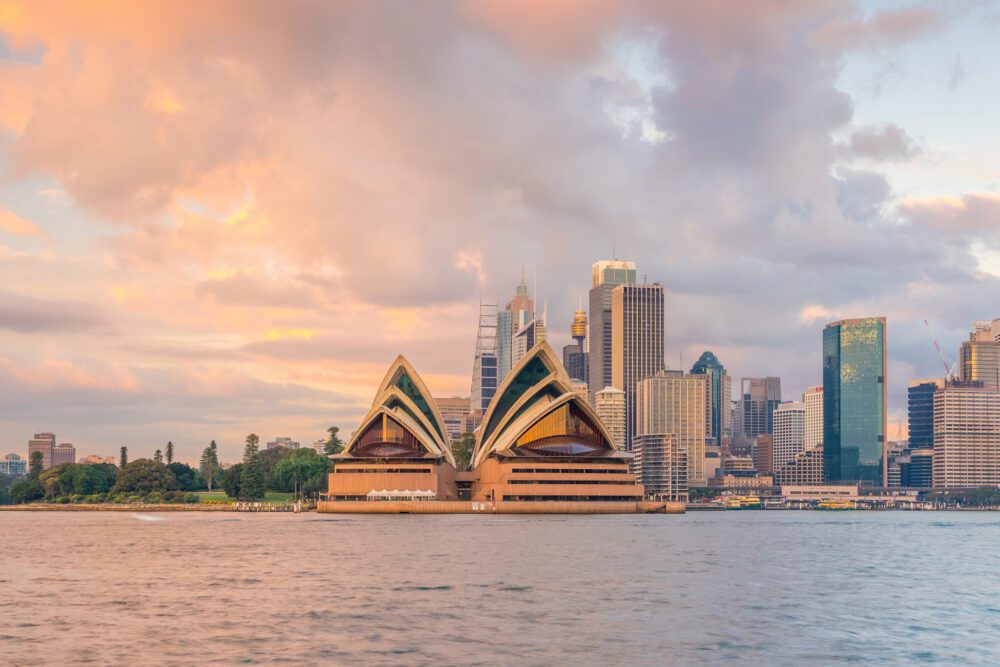
The Sydney Opera House is just as striking in person as it is in photos. Jørn Utzon’s design opened in 1973, and the white sails look different at every time of day. I like walking out to Bennelong Point early, when the forecourt is quiet and the harbour is flat. The Opera Bar sits right at the water’s edge, so it’s a great spot for a cold beer with the bridge behind you. It’s one of my favourite spots in the city.
Go inside if you can. The one-hour Opera House guided tour takes you through the theatres and foyers, and it costs from around A$50. The tour includes about 300 stairs, so wear comfy shoes. You need to check in at the Welcome Centre 15 minutes early, because late arrivals can’t join. If you’d rather see a show, the building hosts more than 1,800 performances a year.
2. Sydney Harbour
The harbour is the real star of Sydney. It’s a huge, wonky stretch of water with hidden coves, sandstone headlands and ferries crossing all day long. I always end up back at Circular Quay, where the ferries, buskers and views of the Opera House and bridge all meet. For a quieter sunset, walk west to Barangaroo Reserve, a headland park with sandstone walls and grassy lawns. The water changes colour all day, so I never get tired of looking at it.
To get out on the water, take a 90-minute harbour cruise with live commentary and tea and coffee on board. It costs from around A$59. For something more active, the Harbour Bridge kayak tour is a three-hour paddle under the bridge, followed by breakfast at a local café. A regular ferry ride is cheaper and just as scenic. Ferries run from early morning until late evening, so you can fit one into any day.
3. Harbour Bridge Views
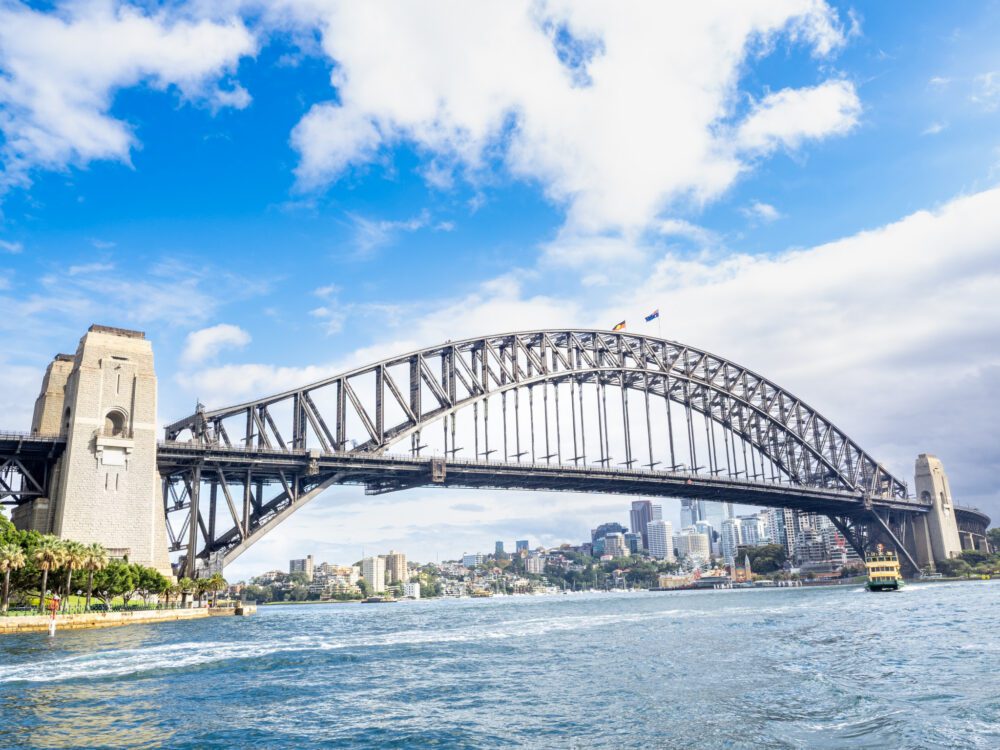
The Sydney Harbour Bridge is the city’s other icon, and you can enjoy it at any budget. BridgeClimb takes you up 1,332 steps to a summit 134 metres above the water. The three-hour Summit Climb starts from around A$375 for adults, so it’s a splurge. The 360-degree views of the harbour and the Opera House are hard to beat. You wear a safety harness the whole way, so it feels safer than it sounds.
If you’d rather save your money, walk across the bridge for free. The footpath runs from The Rocks to Milsons Point in 20 to 30 minutes, and you can catch a train or ferry back. Another option is the Sydney Tower Eye, where a lift reaches the observation deck in about 40 seconds. The Sydney Attractions Pass bundles the tower with other city attractions. The tower is a good wet-weather option too, since the views are fully indoors.
4. The Rocks
The Rocks is where Sydney began. The first European settlement was here, and the area still has sandstone cottages, cobbled lanes and old pubs. I spent a lot of time wandering these streets on my stays near Circular Quay. Walk up through the Argyle Cut, peek at Cadman’s Cottage and follow the lanes between the old terrace houses. It’s busy but charming, and it’s free to explore.
A guided walking tour is a great way to learn the stories. The 90-minute walk covers about 2 km in groups of no more than 20, and it costs around A$50. Time your visit for The Rocks Markets, which run on Fridays from 10 am to 3 pm and on Saturdays and Sundays from 10 am to 5 pm. Stalls sell art, crafts and street food. Finish with a drink in one of the historic pubs. The Lord Nelson and the Hero of Waterloo are both well worth a visit.
5. Bondi Beach
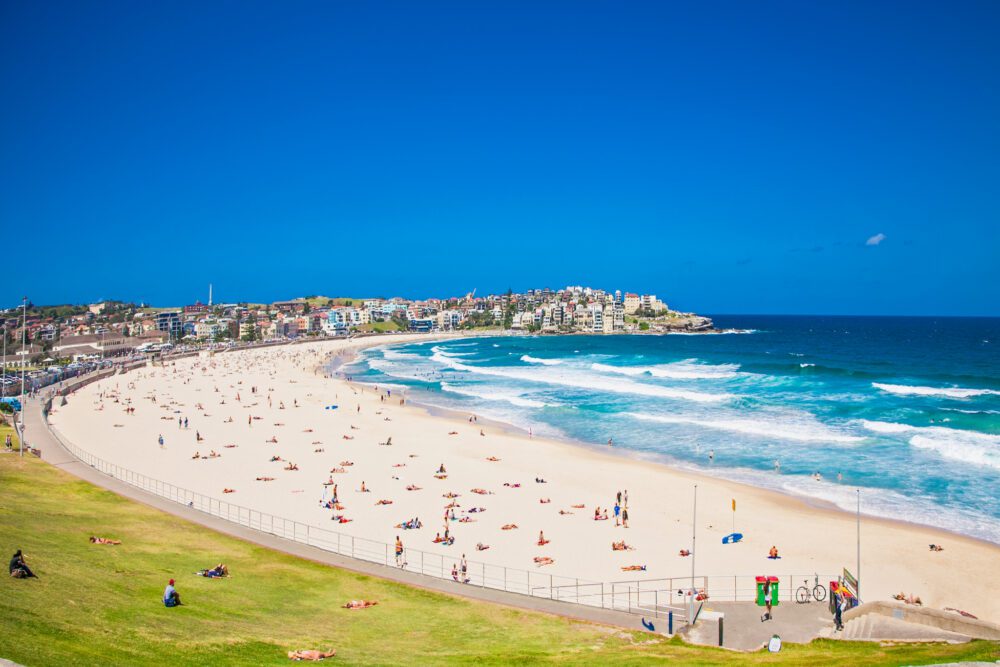
No list of Sydney’s best bits is complete without Bondi Beach. It’s a long curve of golden sand with a busy promenade, good surf and a relaxed crowd. I’ve stayed here and loved waking up to the sound of the waves. Swim between the red and yellow flags, then grab a flat white (about A$5) from one of the cafés on Campbell Parade. The sunrise swim is a Bondi tradition.
The Bondi Icebergs ocean pool at the southern end is a must. Adult entry is A$10, and it includes the sauna. You can also learn to surf with a two-hour group lesson, which includes a board, wetsuit and rash vest, from around A$145. Lessons are open to ages 12 and over. On Sundays, the Bondi Markets sell fashion and vintage finds in the village. Arrive early on weekends to find a good patch of sand.
6. Coastal Walks
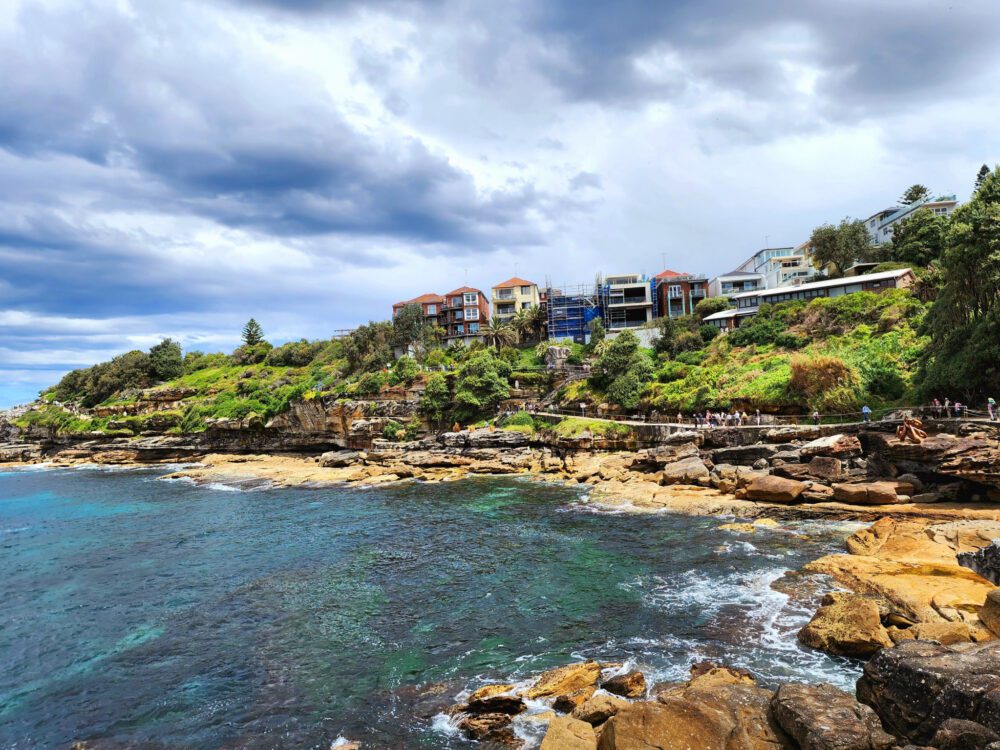
Sydney has some of the best coastal walks in the world, and the Bondi to Coogee walk is my favourite. It covers about 6 km and takes two to three hours at a relaxed pace. You pass Tamarama, Bronte and Clovelly, with ocean pools and cliff views all the way. Take water, a hat and your swimmers, because the rock pools along the route are very tempting.
Each October and November, Sculpture by the Sea fills the Bondi to Tamarama section with around 100 free artworks. It gets very crowded, so start before 9 am or go in the late afternoon. For a different view, catch the ferry from Circular Quay to Manly. The classic ferry takes about 30 minutes and costs under A$10, and the Manly Fast Ferry does it in around 20 minutes. Manly has a great beachfront for fish and chips.
7. Gardens and Galleries
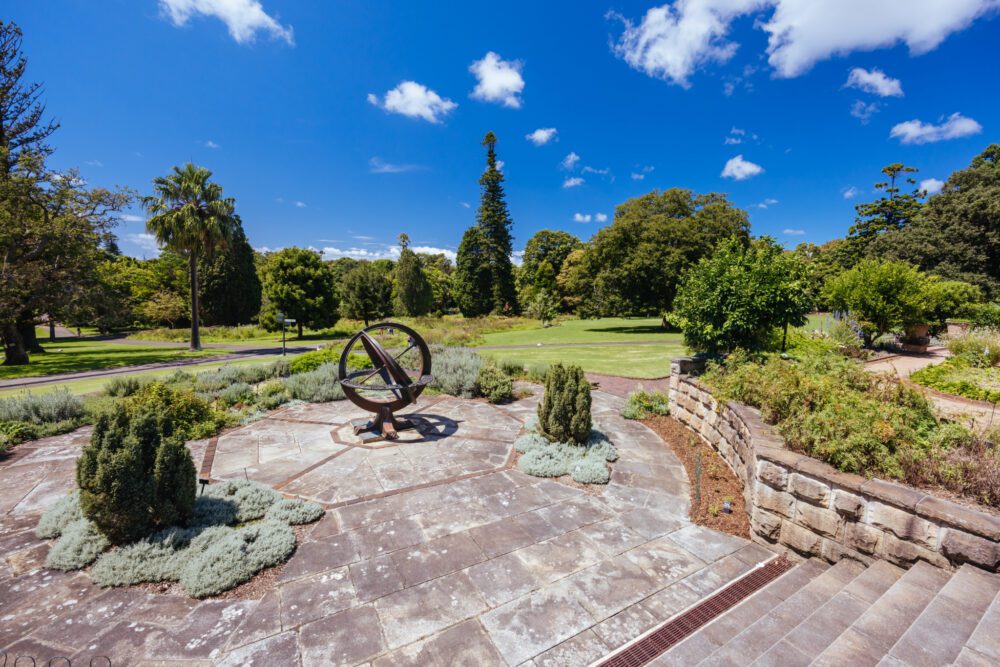
Some of Sydney’s best attractions cost nothing. The Royal Botanic Garden wraps around Farm Cove next to the Opera House and opens every day at 7 am. Walk out to Mrs Macquarie’s Chair for the classic view of the Opera House and Harbour Bridge together. Bring a picnic and grab a spot on the lawn near the water. It’s perfect around sunset, but check the closing time, because it changes with the seasons.
Nearby, the Art Gallery of NSW has free general entry and opens from 10 am to 5 pm every day, with late hours until 10 pm on Wednesdays. The two buildings, Naala Nura and Naala Badu, are linked by a garden, and the First Nations collection is excellent. Only the big special exhibitions need a ticket. Hyde Park and the Anzac Memorial are an easy walk from the CBD too. Both are free and make a good break between shopping and sightseeing.
8. Food and Markets
Sydney’s food scene is multicultural and very good. The new Sydney Fish Market opened in January 2026 at Blackwattle Bay, and it’s free to enter. It’s open from 7 am every day, so go early for oysters, grilled prawns or sashimi. Eat on the waterfront steps with a view over the bay. The light rail stops at Wentworth Park, a short walk away. It’s a lively spot on weekends, so expect queues at the popular counters.
For cheap eats, head to Chinatown and Haymarket for dumplings and noodles. Paddy’s Markets in Haymarket is open Wednesday to Sunday and is good for bargains. Surry Hills has some of the best cafés, bakeries and small restaurants in the city. Many meals cost A$20 to A$30. Try a meat pie, a lamington or a plate of Sydney rock oysters. Many places in the city centre also serve great Asian food at fair prices.
9. Taronga Zoo and Wildlife
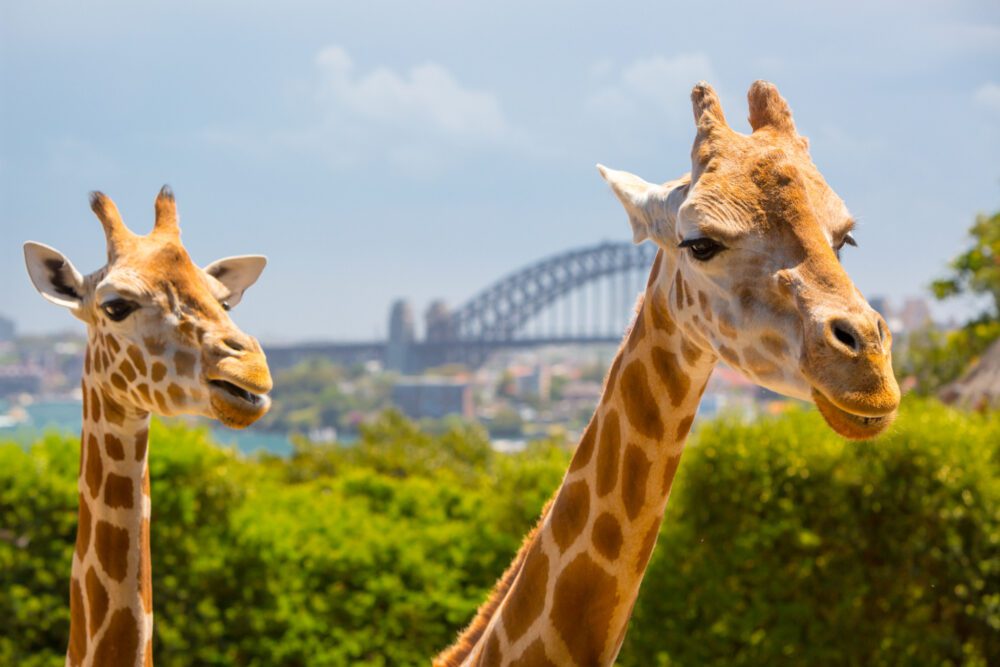
Taronga Zoo has one of the best settings of any zoo I’ve visited. It sits on a hillside across the harbour, so you see giraffes with the city skyline behind them. The ferry from Circular Quay is half the fun. The zoo’s Australian animals include koalas and kangaroos. This zoo ticket with a return ferry costs from around A$80. The zoo opens at 9:30 am, so take an early ferry. It’s a long, hilly site, so allow at least four hours.
If you’re short on time, there are wildlife options in the city centre too. SEA LIFE Sydney Aquarium, WILD LIFE Sydney Zoo and Madame Tussauds sit side by side at Darling Harbour. The Sydney Attractions Pass lets you pick two to four attractions, including those three. It’s valid for 60 days from first use, so you don’t need to see everything on the same day. Check which attractions the pass covers before you buy.
10. Easy Day Trips

Sydney is a great base for day trips. The Blue Mountains are around 90 minutes to two hours west, with eucalyptus forests, waterfalls and the Three Sisters rock formation. This small-group Blue Mountains tour includes Scenic World rides, a one-course lunch and a choice of Featherdale Wildlife Park or Sydney Zoo. It ends with a ferry ride back to Circular Quay. It’s a long day of about 10 hours, from around A$260.
Wine lovers should look at the Hunter Valley, Australia’s oldest wine region, about two to three hours north. This premium Hunter Valley tour visits three boutique cellar doors and includes a two-course lunch. You also stop for gin and chocolate tastings, and you might spot wild kangaroos among the vines. Port Stephens, Wollongong and the Royal National Park are also within easy reach. Book these tours ahead in peak season. Both trips leave early, so pack snacks and a jacket.
Cons of Visiting Sydney
1. High Costs
Sydney is one of the most expensive cities in Australia. Central hotels often cost A$300 to A$500 a night, and prices jump during summer, Vivid and New Year’s Eve. A pub meal is around A$30 and a pint costs A$11 to A$13. Add the Opera House tour, BridgeClimb and a few day trips, and the bill grows quickly.
Luckily, many of the best things don’t cost anything. The harbour foreshore, the Royal Botanic Garden, the Art Gallery of NSW, the Bondi to Coogee walk and the bridge footpath are all free. Opal’s daily caps keep transport cheap too. If you plan several paid attractions, the Sydney Attractions Pass is an easy way to save. It’s still worth it, because the free sights alone can fill several days.
2. Hot Summers
Summer in Sydney, from December to February, is hot, bright and often humid. Temperatures regularly reach the low 30s, and heatwaves can push them higher. The UV is strong, so you can burn fast, even on cloudy days. Walking between sights in the middle of the day gets tiring, and afternoon thunderstorms can roll in quickly.
Start early and plan around the heat. Do your walking in the morning, then head to a beach, a pool or an air-conditioned gallery after lunch. Wear sunscreen, a hat and sunglasses, and carry plenty of water. A harbour cruise is a good midday escape, because the sea breeze keeps you cool. If you hate the heat, visit in autumn or spring. It’s still worth it in summer, as long as you slow down.
3. Busy Crowds
Sydney’s main sights get very busy. Circular Quay, the Opera House forecourt and Bondi Beach can feel packed on summer weekends and public holidays. During Vivid and around New Year’s Eve, the crowds are huge. On a sunny Saturday, the Bondi to Coogee walk turns into a slow-moving line in places.
Beat the crowds by going early. The Opera House is quietest first thing in the morning, and the coastal walk is far calmer before 9 am. Book tours and tickets ahead, especially for BridgeClimb and the weekend whale cruises. Weekdays are better for Taronga Zoo and the Blue Mountains. Quieter beaches like Bronte, Clovelly and Manly make good backups. It’s still worth it, because the crowds thin out fast once you leave the icons.
4. A Long Way From Everywhere
Sydney is a very long way from Europe and North America. A flight from Europe takes around 22 to 24 hours with a stop, and jet lag can wipe out your first few days. Even within Australia, the distances are big. Melbourne is about 1 hour 30 minutes away by plane, and Brisbane is about the same.
Plan for at least a week so the flight feels worthwhile. A stopover in Singapore or Dubai helps break up the trip. Keep your first day light, with a harbour ferry or a stroll through the Royal Botanic Garden. Sydney also pairs well with Melbourne, the Gold Coast or the Great Barrier Reef. It’s still worth it, because there’s so much to do that a week flies by.
5. Traffic and Distances
Sydney is spread out, and the sights aren’t all close together. Bondi is about 8 km from the CBD, Taronga Zoo is across the harbour and the Blue Mountains are much further. Traffic can be heavy, especially at weekday rush hour. The airport train is quick, but a station access fee makes it pricey, at about A$22 to the city.
Use public transport and the ferries. Opal covers trains, buses, ferries, light rail and the Metro, and you can tap on with a contactless card or phone. Group your sights by area to save time. The Opera House, Royal Botanic Garden and Art Gallery of NSW fit into one easy morning. For far-flung places, a small-group tour with a central pickup point makes life easy. It’s still worth it, because the ferries turn getting around into sightseeing.
Where to Stay
Sydney CBD: I stayed in the CBD on a few of my trips, and it’s the easiest base for first-timers. You’re close to Town Hall, the Queen Victoria Building, Hyde Park and Martin Place, and trains, the Metro and light rail all pass through. Circular Quay is about a 15-minute walk. Some streets feel quiet after office hours, and hotels are pricey. Park Regis City Centre is a budget-friendly 3-star hotel on Park Street. It has an outdoor pool and a concierge. Rydges Australia Square is a mid-range 4-star hotel on Pitt Street. It has a restaurant, a bar and a fitness centre. Paradox Sydney is an upscale 5-star hotel on O’Connell Street. It has an indoor pool, a spa and a restaurant.
The Rocks and Circular Quay: For a classic harbour feel, I also stayed in The Rocks and Circular Quay. You wake up a few minutes from the Opera House, the bridge and the ferry wharves, with old pubs and markets on your doorstep. It’s the priciest area, and tour groups fill the streets in the daytime. YHA Sydney Harbour is a budget-friendly hostel on Cumberland Street. It has a terrace, a shared kitchen and BBQ facilities. Rendezvous Hotel Sydney The Rocks is a mid-range 4-star hotel on Harrington Street. It has an outdoor pool and a fitness centre. Four Seasons Hotel Sydney is an upscale 5-star hotel on George Street. It has an outdoor pool, a spa and a restaurant.
Darling Harbour: Darling Harbour suits families and first-timers who want plenty to do close by. The aquarium, WILD LIFE zoo, Madame Tussauds, restaurants and light rail are all nearby, and Chinatown is a short walk away. It can feel touristy, and it gets noisy on weekends. ibis Sydney Darling Harbour is a budget-friendly hotel on Murray Street. It has a restaurant, a bar and a terrace. Aiden by Best Western Darling Harbour is a mid-range 4-star hotel in Pyrmont. It has a restaurant, a bar and room service. PARKROYAL Darling Harbour is an upscale 4.5-star hotel on Day Street. It has a restaurant, a fitness centre and family rooms.
Surry Hills: Surry Hills is the trendy inner-city pick, with some of Sydney’s best cafés, bars and small restaurants. You’re a short train ride or walk from Central and Hyde Park, but a bit further from the harbour. The streets are hilly, and Crown Street gets lively at night. Central Private Hotel is a budget-friendly hotel on Elizabeth Street. It has laundry facilities, a tour desk and family rooms. Adge Hotel and Residences is a mid-range aparthotel on Riley Street. It has laundry facilities and parking. Crystalbrook Albion is an upscale 5-star hotel on Little Albion Street. It has a bar, a terrace and a coffee house.
Bondi Beach: Bondi Beach is the best base for a beach holiday, and I loved having the sand and the coastal walk on my doorstep. It’s about 8 km from the CBD, so allow 30 to 45 minutes to reach the city by bus or train. Cafés and restaurants line Campbell Parade, and it’s crowded in summer. Wake Up! Bondi Beach is a budget-friendly beachfront hostel on Campbell Parade. It has a bar, a terrace and a shared kitchen. Barrys Beach Road Hotel is a mid-range 3-star hotel on Beach Road. It has a restaurant, a bar and free parking. Adina Apartment Hotel Bondi Beach is a higher-end 4-star aparthotel on Hall Street. It has an outdoor pool, a hot tub and a fitness centre.
Best Things to Do
These are the tours and tickets I’d book for a trip to Sydney.
- Opera House Guided Tour: A one-hour guided walk through the theatres and foyers, with stories about Jørn Utzon’s design. Check in at the Welcome Centre 15 minutes before your tour.
- Harbour Sightseeing Cruise: A 90-minute cruise with live commentary and tea and coffee on board. Morning and afternoon departures are available.
- The Rocks Walking Tour: A 90-minute walk through laneways, courtyards and heritage buildings, including Cadman’s Cottage. Groups are capped at 20 people.
- Harbour Bridge Kayak Tour: A three-hour paddle under the Harbour Bridge and past the Opera House, followed by breakfast at Thelma & Louise Café. Groups are limited to 12, and complimentary photos are included.
- Taronga Zoo and Ferry: A return harbour ferry from Circular Quay Wharf 6 plus zoo entry. The zoo opens from 9:30 am to 4:30 pm, so take the first ferry.
- Bondi Surf Lesson: A two-hour group lesson with up to 10 people. A surfboard, wetsuit, rash vest and sunscreen are included.
- Blue Mountains Small-Group Tour: A full-day trip with Scenic World rides, a rainforest boardwalk, lunch and a choice of Featherdale Wildlife Park or Sydney Zoo. Pickup points are in Darling Harbour, the city centre and The Rocks, and the day ends with a ferry to Circular Quay.
- Premium Hunter Valley Wine Tour: An 11-hour tour with three boutique cellar doors, a behind-the-scenes production tour and a two-course lunch. You also try gin and paired wine and chocolate. You need to be 18 or over.
- Whale Watching Cruise: A four-hour cruise out through the Heads to spot humpback whales, with a BBQ buffet lunch (or breakfast on weekends). It runs from May to November, so bring motion sickness tablets.
- Scenic Helicopter Flight: A 20-minute flight over the Opera House, Harbour Bridge and Bondi, with live pilot commentary. A free shuttle runs from two central hotels, and a maximum of six passengers fly at once.
- Sydney Tower Eye: Fast lifts take you to the 360-degree observation deck in about 40 seconds. Plan on around 90 minutes, and enter through Westfield Sydney on Market Street.
Best Time to Visit
Summer (December to February): Summer is the classic Sydney season. Days are hot and sunny, the beaches are at their best and the harbour is full of boats. New Year’s Eve fireworks over the harbour draw huge crowds, and the Sydney Festival fills January with shows and events. Hotel prices peak, and the heat can be fierce, so plan outdoor sights for the morning.
Spring (September to November): Spring is one of my favourite times to visit. The days are warm and sunny, the crowds are smaller than summer and the purple jacarandas bloom in November. Sculpture by the Sea takes over the Bondi coastal walk, and whale watching runs until November. It’s the best season for walking.
Autumn (March to May): Autumn is warm and settled, with comfortable days and sea temperatures that are still good for swimming. The summer crowds fade, and hotel prices ease. Late May also brings the start of Vivid Sydney. It’s a great time for the Bondi to Coogee walk and for harbour cruises.
Winter (June to August): Winter is mild compared with Europe, with sunny days of around 17°C and cooler nights. Humpback whales pass the coast, and Vivid Sydney lights up the harbour from 28 May to 19 June in 2027. Hotels cost a little less, and the sights are quieter. The sea is cold, so it’s more of a city and coastal walking trip.
How Long to Spend
1-2 Days: Most of my trips were short, so I learned to keep the plan simple. Spend the first day at Circular Quay, with the Opera House tour, a walk through the Royal Botanic Garden to Mrs Macquarie’s Chair and an afternoon in The Rocks. Walk across the Harbour Bridge before dinner. On day two, head to Bondi for a swim, the Icebergs pool and part of the coastal walk.
3-4 Days: Three to four days is the sweet spot for first-timers. Add a ferry to Taronga Zoo or Manly, a harbour cruise or kayak tour and a free morning at the Art Gallery of NSW. Make time for the Sydney Fish Market and a dinner in Surry Hills. This is also enough time for a full day trip to the Blue Mountains.
5-7 Days: With a week, you can see Sydney properly. Add a Hunter Valley wine tour, a whale watching cruise in season and a surf lesson at Bondi. Explore Darling Harbour and the Royal National Park, and leave a couple of slow days for cafés, markets and beach time. This is how I’d spend a week there.
Getting Around
On foot: The CBD, Circular Quay, The Rocks, Barangaroo and Darling Harbour are close together, so walking works well. The harbour paths are flat and scenic, but the streets in The Rocks and Surry Hills are hilly. Walk in the morning to avoid the heat, and carry water. Crossing the Harbour Bridge on foot is free.
By bike and scooter: Shared e-bikes from Lime and Beam are common around the CBD and the eastern suburbs. Helmets are compulsory, and shared e-scooters aren’t legal on Sydney’s public streets. For a guided ride, the Bonza bike tours start in The Rocks, and the routes run from two to five hours. The bike and helmet are included.
Trains, Metro, buses, light rail and ferries: Transport for NSW runs everything on one ticketing system called Opal. Tap on and off with a contactless card or phone, and you don’t need to buy a separate card. Daily caps are around A$19 from Monday to Thursday and around A$10 from Friday to Sunday and on public holidays, and the weekly cap is A$50. The Manly ferry costs under A$10 one way and is a cheap harbour cruise. Use the Opal Travel app or the Transport for NSW trip planner for timetables.
Taxi and ride-hailing: Uber, DiDi and local taxis are easy to find. A short ride around the CBD usually costs A$15 to A$25. They’re handy late at night and for trips to places the trains don’t reach. Surge pricing kicks in after big events and on New Year’s Eve.
To and from the airport: The Airport Link train reaches Central in about 13 minutes and Circular Quay in 15 to 20 minutes. It costs around A$22 once the station access fee is included. For door-to-door service, book a shared shuttle from about A$38 or a private arrival transfer from about A$58. Line up your private departure transfer before you travel too, and leave extra time on the day.
Final Thoughts: Is Sydney Worth Visiting?
Yes, Sydney is worth visiting, and it’s one of my favourite cities to come back to. It has world-famous landmarks, brilliant beaches, great food and a harbour that never gets boring. You can climb a bridge, swim in an ocean pool and watch whales in the same trip. Best of all, many of the highlights are free.
It isn’t for everyone. Prices are high, summers can be hot and the flight from Europe is long. The main sights get crowded, and you’ll need a bit of planning to avoid the queues. If you want a quiet, budget trip, other places in Australia will suit you better.
My advice is to stay near Circular Quay, in the CBD or at Bondi, and give yourself at least four days. Visit in autumn or spring if you can. Take the Manly ferry, tour the Opera House and spend a day in the Blue Mountains. Sydney rewards every visit, and I’d happily go back again and again.