Is Melbourne Worth Visiting? Honest Pros and Cons (2026)
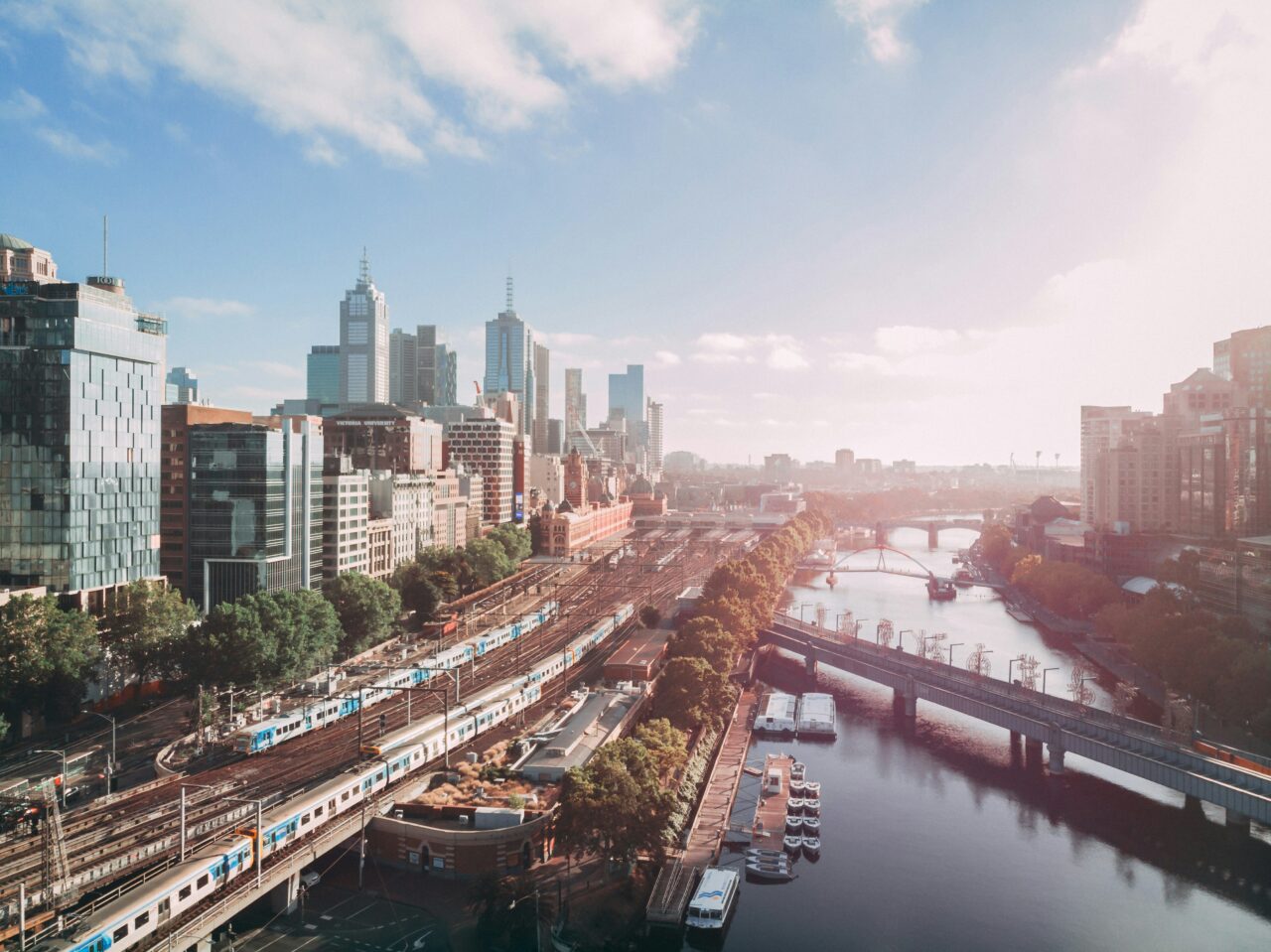
Melbourne is the city that taught me to love a laneway. It has hidden cafés, walls covered in street art and a coffee scene that borders on obsessive. The whole place feels like a well-kept secret, even though everyone seems to know about it. I spent three days here one summer and left with a long list of places I wanted to see again.
Melbourne is the capital of Victoria and one of the two biggest cities in Australia, with more than 5 million people. It often gets compared with Sydney, but the two feel very different. Melbourne is more creative, more relaxed and far more focused on food, art and sport. I think it’s well worth visiting if you like a city with personality. The centre is compact, the trams are free in the middle and the Great Ocean Road is an easy day trip away.
This guide covers the pros and cons of Melbourne, where to stay, and what to book. You’ll also find tips on when to go, how long you need, and getting around, so you can decide whether it suits your kind of trip.
Pros of Visiting Melbourne
1. Laneways and Street Art
The laneways are the reason I fell for Melbourne. On a map they look like service alleys, but they’re packed with cafés, bars and bold street art. Hosier Lane, next to Federation Square, is the most famous. The walls change so often that no two visits look the same. I spent a slow morning wandering AC/DC Lane, Centre Place and Degraves Street, and I kept finding corners I’d missed. Everything is a short walk from the CBD, so it costs nothing to explore.
A guide adds a lot of context here. The street art tour lasts about three hours and costs from around A$85. Your guide explains who painted what and why the murals keep changing. You also visit smaller lanes that most people walk straight past. Go on a weekday morning if you can. The popular spots fill up with photographers by lunchtime, and the light is better early.
2. Coffee Culture
Melbourne takes coffee very seriously. Almost every laneway has a tiny café with a queue of locals, and the baristas can tell you exactly where the beans were roasted. A flat white costs around A$5, and the quality is high even in the smallest places. I started each morning the same way: a flat white, a pastry and a wander. Order a magic if you want to blend in. It’s a small milk coffee made with a double ristretto shot, and it’s a Melbourne original.
For a guided introduction, the laneways foodie walking tour is a great option. It runs for three hours and includes seven tastings. You try Melbourne roasted coffee, dumplings and a few sweet treats, then finish with a drink in a laneway bar. Groups are small (up to 10 people), so you can chat with the guide. Do it on your first day and you’ll have plenty of places to return to later.
3. Food and Markets
Queen Victoria Market is the best place to taste the city. It has been trading since 1878, and hundreds of stalls sell fruit, cheese, deli meats, seafood and street food. I grabbed a hot jam doughnut and a coffee, then spent an hour browsing. The market opens from 6 am on Tuesdays, Thursdays and Fridays, from 6 am on Saturdays and from 9 am on Sundays. It closes at 3 pm on Tuesdays, Thursdays and Fridays and at 4 pm on weekends. It’s closed on Mondays and Wednesdays.
Go hungry. The market food tour takes about two hours and includes tastings of the market’s best produce, from around A$109. Outside the market, each neighbourhood has its own food style. Lygon Street in Carlton is known for Italian food, Lonsdale Street for Greek food and Chinatown for dumplings and noodles. A cheap meal in any of them costs around A$20 to A$30.
4. Art and Museums
Melbourne is Australia’s art capital in my view. The National Gallery of Victoria on St Kilda Road has free general entry and opens from 10 am to 5 pm every day. Its collection runs from European masters to contemporary work, and the stained-glass ceiling in the Great Hall is worth a look on its own. Only special exhibitions need a ticket. I spent a rainy hour inside and ended up staying much longer.
There’s plenty more nearby. Federation Square is home to ACMI, which has a free exhibition on the history of screen culture. The State Library Victoria is free to enter, and its domed La Trobe Reading Room is one of the prettiest rooms in the city. Melbourne Museum sits in Carlton Gardens and suits families well. You can easily fill a day or two with galleries and museums, and most of them cost nothing.
5. Sport and Events
Melbourne lives for sport. The Melbourne Cricket Ground holds around 100,000 people and hosts AFL games, cricket and big events all year. Even if you’re not a sports fan, game day is memorable. The crowd, the pies and the chants all add to the atmosphere. The city also hosts the Australian Open tennis tournament at Melbourne Park every January. The 2027 tournament runs from 11 to 31 January.
If you can’t catch a match, take a tour instead. Seats are huge and the stands are steep, so the scale really sinks in once you’re inside. The sports precinct walk and MCG tour starts at Birrarung Marr and follows the Yarra into the sporting precinct. It finishes with a guided tour inside the MCG, which includes the players’ change rooms, the Long Room and the media centre. It costs from around A$120. The stadium tour doesn’t run on event days, so check the fixtures before you book.
6. Parks and Gardens
Melbourne has beautiful green spaces right next to the centre. The Royal Botanic Gardens Victoria sit beside the Yarra and are free to enter. I walked a slow loop around the lake and ended up lying on the lawn for an hour. The gardens are big enough that you can always find a quiet spot, even in summer.
Two more parks are worth your time. Fitzroy Gardens is a short walk from the CBD and has tree-lined paths and a miniature village. Carlton Gardens surrounds the Royal Exhibition Building, a UNESCO World Heritage site. Locals picnic in all of these parks, so grab food from Queen Victoria Market and join them. The parks are also a good way to rest between big sightseeing days. Pack water, a hat and sunscreen in summer, because shade is patchy on the open lawns. Most paths are flat and easy, so they suit all ages.
7. Free City Trams
Getting around the middle of Melbourne costs nothing. The Free Tram Zone covers the CBD and Docklands, and you can hop on and off without a ticket or a myki card. Melbourne has one of the biggest tram networks in the world, and the old green trams on the City Circle route are a fun way to see the main sights. I used the free zone constantly and saved plenty of money.
Outside the free zone, trams are still cheap. You need a myki card, and the daily cap for full fares is A$11.40, however many trips you take. Transport Victoria has maps and timetables for trams, trains and buses. Check the route number and the stop before you board, because some tram routes leave the free zone and start charging. Signs at the stops make this easy to spot, and the PTV app shows the zone boundaries.
8. St Kilda and Beaches
St Kilda is Melbourne’s seaside suburb, around 6 km from the CBD. It has a long beach, a historic pier and the famous smiling entrance of Luna Park. The pier is lovely at sunset. Little penguins live on the breakwater at the end, and you can watch them come ashore at dusk. Acland Street is lined with old-fashioned cake shops, so save room for dessert! The Sunday market on the Esplanade is worth a browse.
Getting there is easy. Tram route 96 runs from the CBD to St Kilda, and the ride takes around 30 to 40 minutes. Port Phillip Bay is calm and good for paddling and swimming, though the water can be chilly. For a different view, ride the bayside path by bike. The e-bike tour is a relaxed way to see the city and the suburbs. It lasts about four hours and costs from around A$139.
9. Southbank and the Yarra
Southbank is the riverside strip across the Yarra from the CBD. It’s lined with restaurants, bars and buskers, and the evening views over the water are lovely. The Melbourne Skydeck is here too. It’s the highest viewing platform in the Southern Hemisphere, with 360-degree views over the city and out to Port Phillip Bay. You can also step onto The Edge, a glass cube that moves out from the building. Skydeck tickets include the express lift and the viewing deck.
The river itself is worth a visit. A one-hour cruise shows you the skyline from the water and costs from around A$45. The SEA LIFE Melbourne Aquarium is a good option on a wet day, with tickets from around A$39. Walk the promenade at dusk and watch the lights come on across the river. Southbank is also handy for a pre-dinner stroll, and it links to the CBD by pedestrian bridges, so you can loop back on foot without any fuss.
10. Easy Day Trips
Melbourne is a brilliant base for day trips. The Great Ocean Road small-group tour is the classic choice. It takes you along the coast to see the Twelve Apostles and the rainforest, with hotel pickup and park fees included. It’s a long day, with a return around 8:30 pm, and costs from around A$159. Bring a jacket, because the coast gets windy.
Phillip Island is great for wildlife. The Phillip Island tour includes entry to Moonlit Sanctuary and the Penguin Parade, where little penguins waddle up the beach at dusk. It costs from around A$175. Other good options include Puffing Billy steam trains in the Dandenong Ranges, hot springs on the Mornington Peninsula and wine tasting in the Yarra Valley. Most depart from the CBD with hotel pickup or a central meeting point, so you won’t need to organise anything yourself. Book the Great Ocean Road early in busy months, as small-group spots sell out.
Cons of Visiting Melbourne
1. Changeable Weather
Melbourne is famous for its unpredictable weather. It’s common to get four seasons in one day, and the forecast can flip within a few hours. On my trip it was warm and sunny one afternoon, then cool and windy the next morning. A hot northerly wind can bring a heatwave, and a cold change can follow it quickly. That makes packing tricky and can wreck outdoor plans.
Pack layers and check the forecast each morning. A light rain jacket, sunscreen and a hat cover most days. Keep a few indoor options ready for wet hours, such as the National Gallery of Victoria, the State Library or the covered stalls at Queen Victoria Market. The weather rarely stays bad for long. It’s still worth it, because Melbourne has plenty to do whatever the sky is doing.
2. High Costs
Melbourne isn’t cheap. Most CBD hotels cost around A$250 to A$400 a night, and a pub meal usually costs about A$30. A pint of beer is around A$12, and prices rise during big events. The best tours also add up quickly. Day trips such as the Great Ocean Road cost around A$160 or more.
There are plenty of ways to save. Entry to the National Gallery of Victoria is free, and so are the Royal Botanic Gardens, the State Library and the laneways. The Free Tram Zone cuts your transport costs, and markets are cheap places to eat. Hostels and apartment hotels also offer good value. It’s still worth it, because you can see a lot of Melbourne without spending much.
3. Beaches Outside the Centre
Melbourne is a city with beaches, but they aren’t in the middle of it. St Kilda is around 6 km from the CBD, and other bayside beaches are further out. Port Phillip Bay is calm and good for paddling, but it isn’t a surf destination. The water can also feel cold, even in summer. If you want a classic beach holiday, you’ll need to plan for it.
The fix is simple. Take tram route 96 to St Kilda for a half-day, and bring swimmers, a towel and sunscreen. Staying in St Kilda puts you right on the sand. For surf beaches, join a day trip to the Great Ocean Road or the Mornington Peninsula. It’s still worth it, because St Kilda has a lot more than a beach, with the pier, Luna Park and Acland Street cake shops.
4. Busy Event Weekends
Melbourne loves a big event, and that can affect prices and availability. The Australian Open in January, the Grand Prix in March, the AFL Grand Final in September and the Melbourne Cup in November all bring huge crowds. Hotels fill up quickly during these periods, and prices can jump. Restaurants and trams also feel busier.
Check the event calendar before you book. If you want the atmosphere, reserve your hotel early and book tours ahead. If you want a quieter trip, pick dates outside the major events. The MCG tour doesn’t run on event days, so plan around the fixtures. Check dates for the Australian Open, the Grand Prix and the Cup before locking in flights. It’s still worth it, because the city has fun things to do all year, from food festivals to quiet park picnics.
5. A Long Way From Everywhere
Melbourne is a very long way from Europe and North America. A flight from Europe usually takes around 22 to 25 hours with a stop, and jet lag can flatten you for a couple of days. Even within Australia, the distances are big. Sydney is around an hour and a half away by plane.
Plan to stay at least a week so the flight feels worthwhile. A stopover in Singapore, Dubai or Doha helps break up the journey. Expect to wake at odd hours for the first night or two. Keep your first day gentle, with a walk along the Yarra or a coffee in the laneways. Melbourne also pairs well with Sydney, the Great Ocean Road and the Mornington Peninsula. It’s still worth it, because there’s so much to see that a week passes quickly.
Where to Stay
Melbourne CBD: I stayed in the CBD, and it’s the easiest base for a first visit. You’re close to the laneways, Federation Square and Queen Victoria Market, and the Free Tram Zone saves you money on transport. Hotels cost more here, and some streets are quiet late at night. Mad Monkey Melbourne is a budget-friendly hostel on Spencer Street. It has a shared kitchen, a terrace and lockers, and it runs regular social events. Rydges Melbourne is a mid-range hotel on Exhibition Street. It has a heated outdoor pool, a fitness centre and a restaurant. The Hotel Windsor is an upscale 5-star hotel on Spring Street, close to Parliament House. It has a restaurant, a bar and room service.
Southbank: Southbank puts you beside the Yarra, with river views, restaurants and the Skydeck close by. It’s easy to walk into the CBD, and the hotels often have great facilities. It can be busy and touristy in the evening. ibis Styles Melbourne Southbank is a budget-friendly hotel on City Road. It has a restaurant, a bar and soundproofed rooms. Adina Apartment Hotel Melbourne Southbank is a mid-range apartment hotel on City Road. It has an indoor heated pool, a fitness centre and family rooms. The Langham Melbourne is an upscale 5-star hotel on Southgate Avenue. It has an indoor pool, a spa and a sauna.
St Kilda: St Kilda suits beach lovers and has a relaxed, seaside feel. You can walk to the pier, Luna Park and the Acland Street cake shops, and the tram into the CBD takes around 30 to 40 minutes. It’s quieter at night, and you’ll spend time on transport to reach the city sights. Summer House Melbourne is a budget-friendly hostel on Barkly Street. It has a bar, a sun terrace and live music. Novotel St Kilda is a mid-range hotel on Fitzroy Street. It has a restaurant, a bar and a terrace. The Prince is a higher-end hotel on Acland Street. It has a restaurant, a bar and a coffee house.
Fitzroy: Fitzroy is the creative, bohemian pick. Brunswick Street and Gertrude Street are full of independent cafés, bars, vintage shops and live music. It’s a short tram ride from the CBD, and it can be noisy at weekends. Royal Derby Hotel is a pub-style stay on Brunswick Street. It’s adults only and has a restaurant, a bar and a terrace. District Apartments Fitzroy is a mid-range apartment hotel on Argyle Street. It has air conditioning, laundry facilities and family rooms. The StandardX, Melbourne is an upscale 5-star hotel on Rose Street. It has a restaurant, a bar and a terrace.
South Yarra: South Yarra is a stylish suburb with boutique shops, upmarket restaurants and the Royal Botanic Gardens nearby. Chapel Street is the main strip for shopping and dining. It’s a little further from the CBD sights, and prices can be high. South Yarra Central Apartment Hotel is a budget-friendly apartment hotel on Chapel Street. It has air conditioning, laundry facilities and family rooms. Ovolo Melbourne South Yarra is a mid-range 4-star hotel on Toorak Road. It has a restaurant, a bar and a fitness centre. The Lyall is an upscale 5-star hotel on Murphy Street. It has a restaurant, a bar and a terrace.
Best Things to Do
These are the tours and tickets I’d book for a trip to Melbourne.
- Great Ocean Road Small-Group Tour: A full-day coastal tour with hotel pickup, national park fees and tea and coffee included. Groups are limited to 24 people, and the day ends around 8:30 pm.
- Phillip Island Penguin Parade: A small-group day trip with entry to the Penguin Parade and Moonlit Sanctuary included. You return to Melbourne between 9 pm and midnight, and photography isn’t allowed at the Parade.
- Puffing Billy Steam Train: A half-day trip to the Dandenong Ranges with a one-way ride on a heritage steam train. You sit in open-sided carriages and explore Emerald Lake Park before returning around 1:15 pm.
- Mornington Peninsula Wine and Hot Springs: A small-group tour (maximum 15) with the Arthurs Seat lookout, a wine tasting and grazing lunch, and three hours at Peninsula Hot Springs. You’re back in the city around 6:30 pm.
- Laneways Foodie Walking Tour: A three-hour walk through the laneways with seven tastings, including coffee, dumplings and sweet treats. It finishes at a laneway bar.
- Electric Bike Tour: A four-hour guided ride around the city on mostly off-road bike paths and through parks. The route includes a lunch stop at a café in Fitzroy, and groups are limited to 10 people.
- Melbourne Skydeck: Take the express lift to the highest viewing platform in the Southern Hemisphere. You can step out onto The Terrace and use free viewfinders to spot city landmarks.
- Sports Precinct Walk and MCG Tour: A guided walk along the Yarra through Melbourne’s sporting history, finishing with a behind-the-scenes tour of the MCG. Groups are limited to 16 people.
- Melbourne Zoo Entry: A general entry ticket to the zoo, which you can explore at your own pace. Allow anywhere from two hours to a full day.
- Yarra River Cruise: A one-hour sightseeing cruise along the river. It’s an easy way to see the skyline from the water.
- Hot Air Balloon Flight: A balloon flight over the city, with an optional breakfast. The whole experience takes around four hours, and it’s a splurge worth saving for.
Best Time to Visit
Summer (December to February): I visited in summer, and it suits Melbourne well. The days are long, the parks fill with picnics and the Australian Open takes over Melbourne Park in January. Some days climb above 35°C, so plan outdoor sights for the morning and save museums for the afternoon. Hotel prices are at their highest during the tennis.
Spring (September to November): Spring is lovely, with mild days and flowers in the gardens. The AFL Grand Final takes place in late September, and the Melbourne Cup in early November. The weather swings a lot, so bring a jacket and an umbrella. It’s a great time for the Royal Botanic Gardens.
Autumn (March to May): Autumn is my top pick for a first visit. Days are warm, evenings are cooler and the trees in Fitzroy Gardens turn gold. Moomba, the Melbourne Food and Wine Festival and the Melbourne International Comedy Festival all fall in the autumn months. It’s also a good time to book day trips along the Great Ocean Road.
Winter (June to August): Winter is cool, with daytime highs around 14°C. Hotels cost less, the crowds thin out and the AFL season is in full swing. It’s a great time for gallery visits, cosy bars and the Mornington Peninsula hot springs. The water is too cold for swimming, so this is more of a city trip.
How Long to Spend
1-2 Days: With a short stay, stick to the centre. Start with a coffee in the laneways, then walk to Federation Square and the National Gallery of Victoria. Spend the afternoon at Queen Victoria Market and finish with the Skydeck at sunset. On day two, ride tram route 96 to St Kilda for the pier, Luna Park and Acland Street cakes.
3-4 Days: Three to four days is ideal for a first visit. I spent three days in Melbourne and stuck mostly to the city. I explored the laneways and markets, visited the gardens and galleries and spent an evening in Fitzroy. With a fourth day, add the Great Ocean Road or the Phillip Island Penguin Parade.
5-7 Days: With a week, you can see Melbourne properly. Add the Great Ocean Road, Phillip Island and a Mornington Peninsula day. Fit in a ride on Puffing Billy and a trip to the MCG. Leave a couple of slow days for cafés, parks and neighbourhoods like South Yarra and Fitzroy.
Getting Around
On foot: The CBD is laid out in a simple grid, so walking is easy. The laneways, Federation Square, the NGV and the river are all close together. The Free Tram Zone covers the CBD and Docklands, so hop on when your feet get tired. Carry a water bottle and a hat in summer.
By bike and scooter: Lime has e-bikes and e-scooters in Melbourne, and the bike paths along the Yarra are great for riding. Always wear a helmet, and check local parking and scooter rules in the app. For a guided option, the electric bike tour runs for about four hours and costs from around A$139.
Trams, trains and buses: Transport Victoria runs the trams, trains and buses, and you pay with a myki card. The full-fare daily cap is A$11.40, and trams in the Free Tram Zone cost nothing. Trams are the best way to reach St Kilda, Fitzroy and South Yarra. Use the PTV app for live times and route planning.
Taxi and ride-hailing: Uber, DiDi and taxis are all easy to find. A short ride around the CBD usually costs A$15 to A$25. They’re handy late at night, when trams run less often.
To and from the airport: SkyBus runs every 10 minutes between the airport and the city. You can also book an express bus transfer from around A$29. For door-to-door service, a private arrival transfer costs from around A$130. Line up your private departure transfer before you leave, and allow extra time on the day.
Final Thoughts: Is Melbourne Worth Visiting?
Yes, Melbourne is worth visiting, and it’s one of my favourite cities in Australia. It has hidden laneways, brilliant coffee, great food and free galleries. It also has beautiful parks, passionate sports fans and some of the best day trips in the country. Few cities pack so much into such a compact centre.
It isn’t perfect. The weather changes fast, costs are high and the beaches are outside the centre. Big events push up hotel prices, and the flight from Europe is very long. A little planning solves most of these problems, and the free attractions help keep costs down.
My advice is to stay in the CBD or Southbank and give yourself at least four days. Visit in autumn if you can. Spend your mornings in the laneways, your afternoons in galleries and parks and your evenings in Fitzroy or St Kilda. Add a day on the Great Ocean Road, and you’ll see why I’d happily go back.