Is Perth Worth Visiting? Honest Pros and Cons (2026)
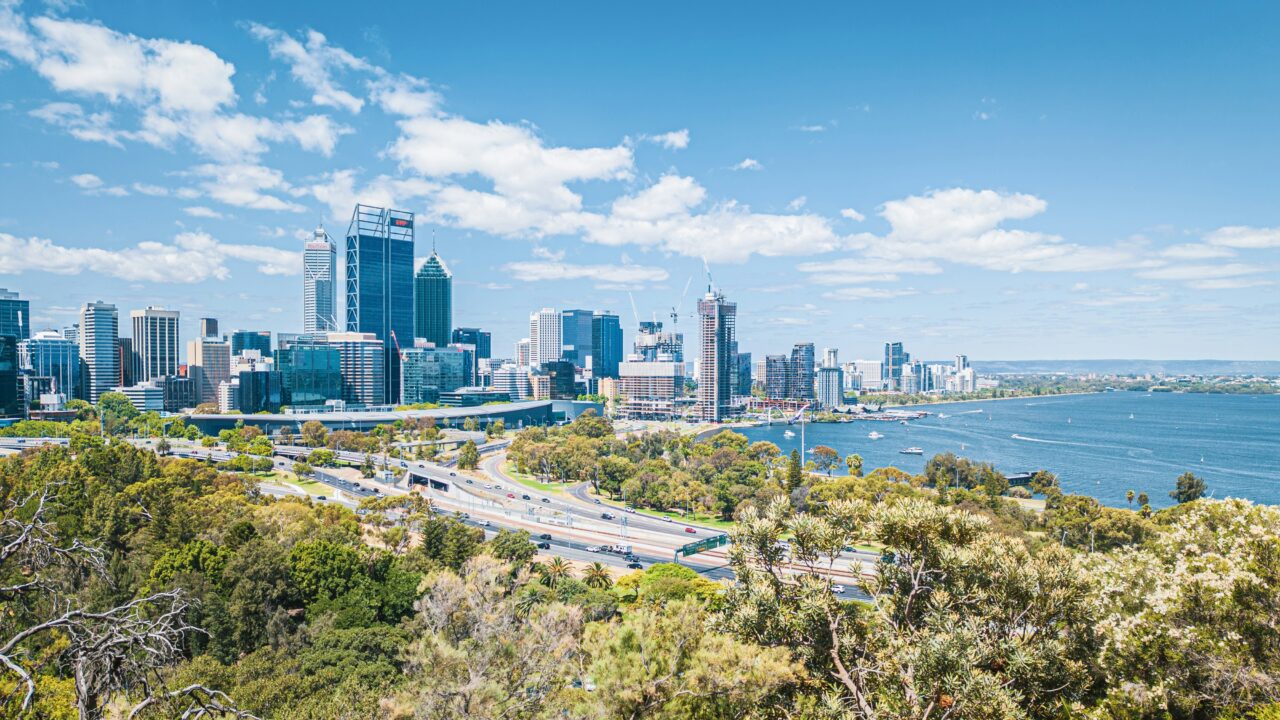
Perth is a long way from anywhere, and that’s exactly why it feels so relaxed. The city sits on the Indian Ocean, with white-sand beaches on one side and the Swan River on the other. I spent three days here one winter and left wishing I’d booked longer. It’s a place that moves at its own pace.
Perth is the capital of Western Australia and home to more than 2 million people. It’s the biggest city on the west coast of Australia by far. It has a compact centre, a huge inner-city park and a port town (Fremantle) with serious history. It also has quokkas, which is a bonus. I think it’s well worth visiting if you want sunshine, space and outdoor activities without the crowds of the east coast.
This guide covers the pros and cons of Perth, where to stay, and what to book. You’ll also find tips on when to go, how long you need, and getting around, so you can decide whether it suits your kind of trip.
Pros of Visiting Perth
1. Kings Park and Botanic Garden
Kings Park is the best free thing to do in Perth. It covers 400 hectares of bushland, lawns and lookouts above the city, and entry costs nothing. The WA Botanic Garden inside has more than 3,000 native plant species. The Federation Walkway takes you through the treetops on a raised path. I spent a slow morning here and still didn’t see everything. Pack water and wear comfy shoes, because the paths are long and winding.
The views over the Swan River and the city skyline are the real reward. You can walk up from the CBD or take the free CAT bus. In September, the annual Kings Park Festival fills the gardens with wildflowers. If you’d like a guide after dark, the Perth City Lights tour includes Kings Park at night. It runs for about two and a half hours and costs from around A$55.
2. Rottnest Island and Quokkas
Rottnest Island is the highlight of most Perth trips. Cars are banned, so everyone cycles or walks. The big drawcard is the quokka, a small marsupial that looks like it’s always smiling. Look out for the Wadjemup Lighthouse too. It was built in 1896 and stands about 38 metres tall. Ferries leave from Fremantle (about 25 minutes), Hillarys (about 45 minutes) and Perth’s Barrack Street Jetty (up to 90 minutes).
The island’s admission fee is added to your ferry fare, so there’s nothing extra to pay on arrival. Hire a bike on arrival, because the island is bigger than it looks. Pedal & Flipper, the main hire shop, has over 1,890 bikes. Please don’t touch or feed the quokkas. The ferry and bus tour is a good option if you’d rather not cycle. It costs from around A$147 and takes most of the day. Short on time? Perth Zoo also has quokkas!
3. Fremantle
Fremantle is a historic port town about 30 minutes from the city by train. The streets are lined with old limestone buildings, pubs and cafés. Fremantle Prison is the star. It’s Western Australia’s only World Heritage listed building, and it offers several tours, including Behind Bars, Torchlight and Tunnels. Tours run through the day from 10 am to 5 pm, so allow at least half a day. The old cell blocks are atmospheric, and the guides tell great stories about the convicts who built the place.
Save time for the markets and the waterfront too. Fremantle Markets are great for souvenirs, snacks and people watching. For some local context, try the Convicts, Culture and Street Art tour. It lasts two hours and costs from around A$65. Fremantle is also the departure point for the fastest Rottnest ferries, so you can easily combine both in a trip. The cappuccino strip on South Terrace is a good place to refuel.
4. Beaches and Sunsets
Perth has some of the best city beaches in Australia. Cottesloe, Scarborough and City Beach all have wide stretches of white sand and clear water. Because Perth faces the Indian Ocean, you can watch the sun set over the water. That’s rare on this side of the country. I walked along the sand at Cottesloe in a jacket and still loved every minute.
If you want a marine experience, AQWA at Hillarys Boat Harbour is a great option. It’s open daily from 9 am to 4 pm and has more than 45 exhibits, including a turtle rescue centre. You can also take a glass-bottom boat ride over its biggest tank. Pick up fish and chips afterwards, grab a spot on the grass and wait for the sky to turn orange. Winter swells can be strong, so swim between the flags and check conditions before you get in the water.
5. Swan Valley Wineries
The Swan Valley is only about 25 minutes from the city, and it’s packed with wineries, breweries, chocolate makers and restaurants. Sandalford, Sittella and Mandoon Estate are some of the well-known names. The Visitor Centre sits in the old Guildford Courthouse and is open daily from 9 am to 4 pm. Drop in for a map before you start.
Drinking and driving is a bad mix, so I’d book a tour. The Swan Valley food and wine day trip takes six to seven hours and costs from around A$169. You’ll taste wine and local produce without worrying about getting back. Go hungry. Lunch in the valley is part of the fun, and you can easily spend an afternoon between cellar doors. Many places also serve platters, so you don’t need to plan a separate lunch. Ask the driver for their favourite stop, as the guides know which cellar doors are quiet.
6. Elizabeth Quay and the Swan River
Elizabeth Quay is the city’s waterfront. It has restaurants, bars and a footbridge, and it’s a short walk from the CBD shops. I wandered here in the evening and watched the lights come on over the water. Nearby, Barrack Square is home to the Swan Bells. The Bell Tower is open seven days from 10 am to 4 pm, with last entry at 3:45 pm.
The river is the best way to see the city’s shape. The Swan River scenic cruise lasts around two hours and 45 minutes. It costs from around A$69. Walking along the foreshore is free, and the paths are flat and easy. The Bell Tower is also an easy add-on if you’ve got an hour to spare. The Swan Bells are rung by hand, and watching the ringers is a nice change from the usual sights. Come back after dark, when the waterfront lights reflect on the river.
7. Free Art and Culture
Perth has a surprisingly good arts scene. The Art Gallery of Western Australia sits in the Perth Cultural Centre and is free to enter (it asks for a voluntary donation). It’s open daily from 10 am to 5 pm, except Good Friday and Christmas Day. The gallery shows art from across Australia and beyond, and it’s rarely crowded. It’s an easy stop between lunch and a walk.
The Cultural Centre also has the WA Museum Boola Bardip, which covers natural history, local stories and Aboriginal culture. These two spots are perfect for a rainy day, and I found plenty to fill a few hours. You can see both in a morning, then grab lunch in nearby Northbridge. Northbridge has plenty of casual cafés, bars and restaurants within a short walk of the Cultural Centre. Entry to both is cheap or free, which makes it one of the best-value mornings in the city.
8. Free Public Transport
Getting around central Perth costs nothing if you stay in the right area. The Free Transit Zone covers the city centre, and you can ride buses and trains for free if you start and finish inside it. The free CAT buses also loop around the centre. Look for the Free Transit Zone logo at bus stops to check the boundary.
Outside the zone, Transperth is cheap. Fares were cut at the start of 2026, and a short two-section trip costs around A$2.40. Tap on and off with a SmartRider or a contactless card. Your fares cap at A$7 per day. Best of all, travel is free on Sundays for everyone using a SmartRider or contactless card, on all buses, trains and ferries. That makes Sunday a great day for Fremantle or the beaches. Always tap off when you leave the Free Transit Zone, or you may be charged a default fare.
9. Festivals and Events
Perth has a packed summer calendar. Fringe World runs from 20 January to 14 February 2027. It fills the city with comedy, music, circus and theatre, and Northbridge turns into a giant festival hub. The Perth Festival follows from 5 to 28 February 2027. Its Main Stage and the free Casa Musica venue are based at the East Perth Power Station.
If you want a lively trip, plan around these dates. Book accommodation early, because hotels fill up quickly. Many events are cheap or free, and the long summer evenings suit outdoor shows. Spring has its own highlights too. The Kings Park Festival in September celebrates the state’s wildflowers. It’s a more relaxed alternative if you don’t like crowds. Check the festival programmes a few months out, because popular shows sell out. Even without a ticket, the street atmosphere around Northbridge is worth experiencing for free.
10. Epic Day Trips
Perth is a great base for day trips. The Pinnacles Desert in Nambung National Park is the classic choice. Thousands of limestone pillars rise out of yellow sand, and they look best at sunset. The Pinnacles sunset and stargazing tour takes about 9.5 hours and costs from around A$220. It’s a long day, but the night sky is worth it.
Wine lovers should consider Margaret River. The Margaret River tour includes caves, wineries and the Cape Leeuwin Lighthouse. It lasts about 12.5 hours and costs from around A$269. Both trips start early and finish late, so pack snacks and a jacket. Wave Rock is another option if you prefer something inland. Most tours pick you up from the CBD, so you don’t need to organise your own transport. Check the weather before you book, as rain can affect visibility at the Pinnacles. Bring a camera, a warm layer and plenty of water for the long drives.
Cons of Visiting Perth
1. A Long Way From Everywhere
Perth is one of the most remote major cities in the world. It’s about five hours by plane from Sydney, and the nearest big city is thousands of kilometres away. A direct flight from Europe takes around 17 hours. That’s a big commitment, and jet lag can hit hard for the first couple of days. It’s easy to feel the distance when you arrive.
My advice is to stay long enough to make the journey worthwhile. A week is ideal, and ten days lets you add Margaret River. Keep your first day light. A walk through Kings Park or a coffee at Elizabeth Quay is plenty. It’s still worth it, because the remoteness is part of Perth’s appeal. The city feels calm, spacious and far from the usual tourist trail.
2. Wet Winters and Hot Summers
Perth’s weather has two extremes. Summer is long, hot and dry, with temperatures often above 30°C. Winter is mild but wet, and July is the coldest month, with temperatures averaging between 8°C and 19°C. I got a few grey, drizzly days on my trip, and the wind off the ocean was cold. That’s not ideal if your plans are all outdoors.
Pack for the season. A light rain jacket and a warm layer cover most winter days. In summer, bring sunscreen, a hat and a water bottle. Keep a few indoor options ready, such as the Art Gallery of Western Australia and the WA Museum Boola Bardip. It’s still worth it, because even on wet days, the sun often breaks through and the greenery looks fantastic.
3. Attractions Are Spread Out
Perth’s best sights aren’t close together. Fremantle is about 30 minutes from the CBD by train. The beaches, the Swan Valley and Hillarys are all in different directions. Rottnest needs a ferry on top of that. You can’t see everything on foot, and trying to squeeze too much into one day gets tiring. Public transport helps, but it takes some planning.
The fix is to group your days by area. Do the CBD, Kings Park and the Cultural Centre on one day. Save Fremantle and Rottnest for another. Use the Free Transit Zone in the centre and Transperth trains for longer trips. Guided tours also take the stress out of the Swan Valley and day trips. It’s still worth it, because each area feels different, and there’s always something new to see.
4. Costs Add Up
Perth isn’t cheap. A decent CBD hotel usually costs around A$160 to A$360 a night, depending on the standard. A pub meal is often around A$30, and tours and day trips quickly add up. I think Perth’s strong mining economy keeps prices high, and you notice it at restaurants and bars. Ferries, wine tours and park fees also add up.
There are plenty of ways to save. Kings Park, the Art Gallery and the beaches are all free. The Free Transit Zone and free Sunday public transport help keep transport costs down. Self-catering apartments also give you a kitchen. Book popular tours early, and look for midweek deals on accommodation. It’s still worth it, because the best things in Perth are outdoors and cost very little.
5. A Quieter Pace
Perth has a more relaxed feel than some of Australia’s bigger cities. On quiet evenings, the CBD can feel empty, and some venues close earlier than you might expect. If you want a big nightlife scene, you may find it low-key. I enjoyed the calm, but it won’t suit everyone. If you like late nights, pick your dates and area carefully.
Northbridge is your best bet for a night out. It has bars, restaurants and live music within walking distance. During Fringe World, the whole city comes alive, so plan around those dates if you want energy. Fremantle also has a good pub scene, and it’s easy to get back by train. It’s still worth it, because the slower pace gives you more time for beaches, parks and long lunches.
Where to Stay
Perth CBD: I stayed in the CBD, and it’s the easiest base for a first trip. I could walk to Kings Park, Elizabeth Quay and the Cultural Centre, and the Free Transit Zone made short hops easy. Hotels are pricier, and the centre can feel quiet at night. Pensione Hotel Perth is a budget-friendly stay on Pier Street. It has a coffee house, a concierge and a tour desk, so it’s handy if you want help booking trips. Novotel Perth Murray Street is a mid-range pick with an outdoor pool, a sauna and a fitness centre. It’s a good all-rounder for couples and families. Hyde Perth is an upscale 5-star hotel with an outdoor pool, a restaurant, a bar and a terrace. It’s close to the waterfront and a great splurge.
Northbridge: Northbridge is Perth’s entertainment district, packed with bars, restaurants and live music. It’s a short walk from the Cultural Centre and the CBD. It can get loud on weekends, so check your room location. Attika Hotel is a budget-friendly apart-hotel on Newcastle Street. It has family rooms, a concierge and parking. Staying here puts you near the Cultural Centre. Alex Hotel is a mid-range stay on James Street with a restaurant, a bar and a terrace. It also has a shared kitchen and a sun terrace, which suits longer stays. DoubleTree by Hilton Perth Northbridge is an upscale pick with a rooftop pool, a restaurant, a bar and a fitness centre. Expect polished service.
East Perth: East Perth sits along the river on the eastern edge of the centre. It’s quieter than the CBD and good value, and you’ll find plenty of apartments here. It’s a short bus or train ride to the main sights. ibis Styles East Perth is a budget-friendly hotel with a restaurant, a bar and a fitness centre. It also has a snack bar and a shared lounge. East Perth Suites Hotel is a mid-range aparthotel on Royal Street with an infinity pool, a fitness centre and a BBQ area. The suites are great for families. Pan Pacific Perth is an upscale 5-star hotel with a heated outdoor pool, a steam room, a restaurant and a bar. It has a polished, high-end feel.
Fremantle: Fremantle suits history lovers and foodies. You can walk to the prison, the markets and the waterfront, and it’s close to the Rottnest ferries. It’s about 30 minutes from the CBD, so you’ll spend time on trains. The Local Hotel is a budget-friendly pub-style stay on South Terrace with free parking, a restaurant and a bar. It’s in South Fremantle, so you’ll walk or take a short ride to the centre. Esplanade Hotel Fremantle by Rydges is a mid-range hotel with a heated outdoor pool, a restaurant and a bar. It’s a short walk from the Fremantle waterfront. Garde and Warders Hotel is an upscale 5-star stay with a sauna, a restaurant and massage services. It suits a special trip.
Scarborough: Scarborough is Perth’s main beach suburb, with a long surf beach and a lively esplanade. It’s best if you want a seaside holiday. It’s around 20 minutes from the CBD by car, but public transport takes longer. Indian Ocean Hotel is a budget-friendly pick with a pool, a restaurant, a bar and a hot tub. It also has free parking and a games room. Quest Scarborough is a mid-range aparthotel with an outdoor pool, BBQ facilities and a terrace. The apartments have laundry and kitchens, so it’s good for families. Rendezvous Hotel Perth Scarborough is an upscale beachfront hotel with a spa, a restaurant and a bar. Staying here means the beach is right outside your door.
Best Things to Do
These are the tours and tickets I’d book for a trip to Perth.
- Rottnest Island Ferry and Bus Tour: A full-day trip to see quokkas, beaches and lighthouses, with the ferry included. Allow around eight hours, and bring a rain jacket in winter.
- Pinnacles Sunset and Stargazing Tour: A long day trip to the limestone pillars of Nambung National Park. You stay for sunset and stargazing, and the trip lasts about 9.5 hours. It’s a big day, so wear warm layers for the evening.
- Swan Valley Food and Wine Day Trip: A six to seven hour tour of wineries and local producers. It’s a relaxed way to taste the valley without driving, and a good pick if you love food.
- Margaret River Caves, Wine and Lighthouse Tour: A 12.5-hour day trip covering caves, cellar doors and Cape Leeuwin Lighthouse. It’s a big day, so pack snacks.
- Wave Rock, York and Aboriginal Cultural Tour: A 12.5-hour inland tour that combines the famous granite wave with a historic country town and cultural experiences. It’s a long day, but a great change from the coast.
- Fremantle Convicts, Culture and Street Art Tour: A two-hour walk through Fremantle’s convict history and colourful street art. It’s a good intro to the port town before you explore on your own.
- Perth City Lights Tour: A small-group evening tour that includes Kings Park at night. It runs for about two and a half hours, so it’s a nice way to end a day.
- Swan River Scenic Cruise: A relaxed cruise on the river. It takes around two hours and 45 minutes, and it’s an easy rest day activity.
- Hot Air Balloon Flight: A sunrise flight over the Avon Valley with breakfast included. The whole experience takes around four hours, and it’s a special way to start a day.
- Perth Bell Tower Chiming Experience: A 45-minute visit to the Swan Bells tower, with views over the river and a look at how the bells ring. It’s short, so it fits easily between other sights.
Best Time to Visit
Winter (June to August): I visited in winter, and it was quieter than I expected. July is the coldest month, with temperatures averaging between 8°C and 19°C. Rain is more frequent, so plan indoor stops like the Art Gallery of Western Australia and the WA Museum Boola Bardip. The greenery looks lush, and hotels are cheaper. Hot air ballooning is a popular winter activity too.
Spring (September to November): Spring is my top pick. Temperatures average between 12°C and 23°C, and the wildflowers are at their best. The Kings Park Festival takes place in September. The Avon Valley is great for native orchids, and Perth Hills has wildflower trails. Expect a mix of sunny days and showers.
Summer (December to February): Summer is long, hot and dry, with temperatures often above 30°C. January is usually the hottest month. It’s the best time for beaches, Rottnest Island and outdoor events. Fringe World and the Perth Festival both take place in this season. Hotels cost more, so book early.
Autumn (March to May): Autumn is mild and settled, with temperatures ranging from about 14°C to 26°C. Rainfall starts to increase. It’s a good season for outdoor festivals and events. The beaches are still warm enough, and the crowds are smaller than in summer.
How Long to Spend
1-2 Days: Stick to the highlights. Start with a morning in Kings Park, then walk down to Elizabeth Quay and the Bell Tower. Spend the afternoon at the Art Gallery of Western Australia and the Cultural Centre. On day two, take the train to Fremantle for the prison and the markets.
3-4 Days: Three to four days is ideal for a first visit. I spent three days in Perth and mostly stayed around the CBD, Kings Park and Fremantle. With a bit more time, add Rottnest Island or the Swan Valley. A fourth day gives you space for a relaxed beach afternoon at Cottesloe or Scarborough.
5-7 Days: With a week, you can see the region properly. Add a day on Rottnest, a day in the Swan Valley and a long day trip to the Pinnacles or Margaret River. Leave a slow day for the beach, Hillarys and a sunset by the sea.
Getting Around
On foot: The CBD is compact and flat, so walking is easy. You can reach Elizabeth Quay, the Cultural Centre, Northbridge and the edge of Kings Park on foot. The Free Transit Zone and the free CAT buses fill in the gaps. Wear comfy shoes and carry a rain jacket in winter.
By bike and scooter: Perth has good riverside paths, and cycling is a pleasant way to see the foreshore. Bike-share and e-scooter services have run in parts of the city as trials, and operators change, so check the app stores for what’s available when you visit. Always wear a helmet when you ride.
Trains, buses and ferries: Transperth runs the trains, buses and ferries. You can pay with a SmartRider or a contactless card. Fares were cut in January 2026, and a short two-section trip costs around A$2.40. Daily fares cap at A$7. Everything is free on Sundays for SmartRider and contactless users. In the Free Transit Zone, you ride for free if your trip starts and ends inside it.
Taxi and ride-hailing: Uber, DiDi and taxis are all easy to find. They’re handy late at night, when public transport runs less often, and for places the trains don’t reach. Shared rides keep costs down if you’re travelling in a group.
To and from the airport: The Airport Line train runs from Perth Underground in the city to the airport, with no surcharge. A free shuttle (route 292) links Terminals 3 and 4 with Redcliffe Station. For door-to-door service, a private arrival transfer costs from around A$122. Book your departure transfer before you leave, and allow extra time on the day.
Final Thoughts: Is Perth Worth Visiting?
Yes, Perth is worth visiting, especially if you like the outdoors. It has a huge inner-city park, beautiful beaches, a historic port town and an island full of quokkas. Add the Swan Valley wineries, free galleries and some of the best day trips in the country, and there’s plenty to fill a week.
It isn’t perfect. The flight is long, the weather swings between hot and wet, and the main sights are spread out. Costs can add up, and the evenings are quieter than in bigger cities. A bit of planning solves most of these problems, and the free attractions help keep your budget in check.
My advice is to stay in the CBD or Fremantle and give yourself at least four days. Visit in spring if you can. Spend your mornings in Kings Park, your afternoons by the sea and your evenings in Northbridge or on the waterfront. Add a day on Rottnest, and you’ll see why I’d happily go back.