
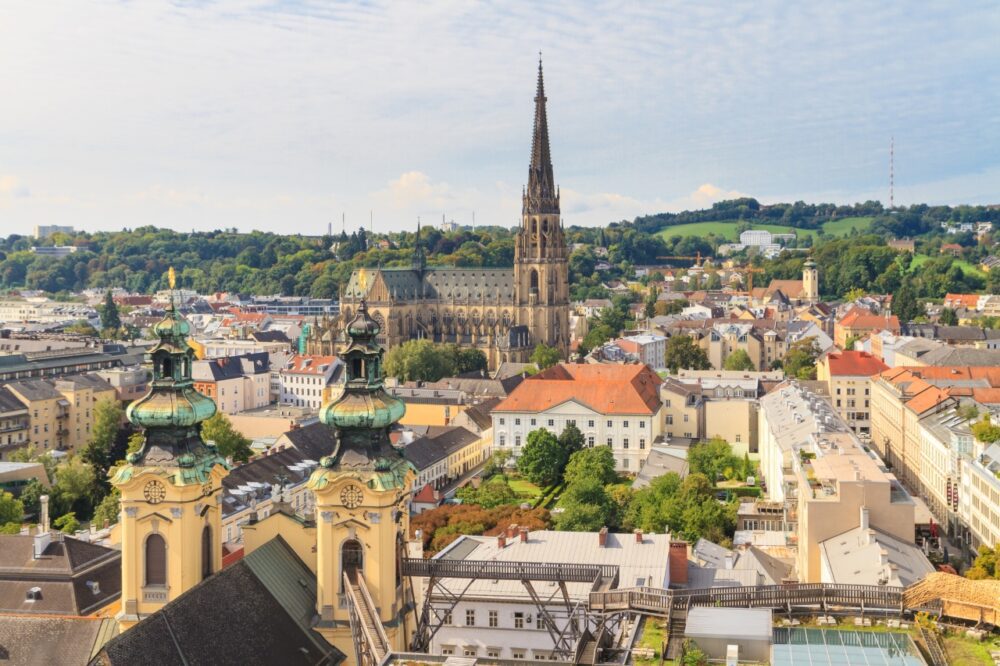
Is Linz worth visiting? Yes, I think it is. Linz is not usually the first city people add to their Austria itinerary, and that’s exactly why I enjoyed it. When I visited, I found a city that felt more local and less touristy than some of Austria’s better-known destinations. It had an interesting mix of history, culture, riverside views, and modern attractions that kept me exploring longer than I had planned.
Linz is the third-largest city in Austria and sits on the banks of the Danube River between Vienna and Salzburg. Once known mainly as an industrial city, Linz has transformed itself into a hub for art, technology, and culture. It combines historic streets with modern museums and creative spaces, giving visitors something a little different from the typical Austrian city experience.
In this guide, I’ll cover the top reasons why Linz is worth visiting and share some useful travel tips and advice to help you plan your trip. If you’re looking for a destination in Austria that many travellers overlook, keep reading to discover the many reasons why Linz is worth visiting.
Table of Contents
Top Attractions in Linz
- Linz: Harbor Cruise
- Linz Private Walking Tour
- Linz: Private Old Town Courtyard Tour
- Family Tour of Linz’s Old Town, Pöstlingberg and Grottenbahn
- Linz: Private Guided Cycling Tour
- Private day trip from Linz to Cesky Krumlov and back
- Literature in Linz: Adalbert Stifter Institute Private Tour
- Linz City: private photoshoot at Linz landmarks
Top Reasons You Should Visit Linz
1. A Unique Blend of History and Modern Culture
Linz surprised me more than almost any city I visited in Austria. Before arriving, I expected an industrial city with little to offer tourists. Instead, I found a place that balances old architecture with modern art, technology, and culture. Linz sits along the Danube River and has grown into one of Austria’s most creative cities. In 2009, it was named a European Capital of Culture, and you can still see the impact of that today.
Walking around the center, I noticed how comfortable Linz seems with mixing old and new. Historic churches and elegant buildings stand alongside modern museums and futuristic structures. I liked that the city does not try to compete with Vienna or Salzburg. It has developed its own identity, and that makes it feel more authentic. It was refreshing to visit an Austrian city that was not built around royal palaces or famous composers.
I found myself enjoying Linz more as the days went on. It is not a city that overwhelms visitors with famous landmarks, but it rewards people who spend time exploring. The combination of history, creativity, and innovation gave me a different perspective on Austria and made Linz feel more memorable than I expected.
2. A Relaxed Atmosphere with Few Tourists
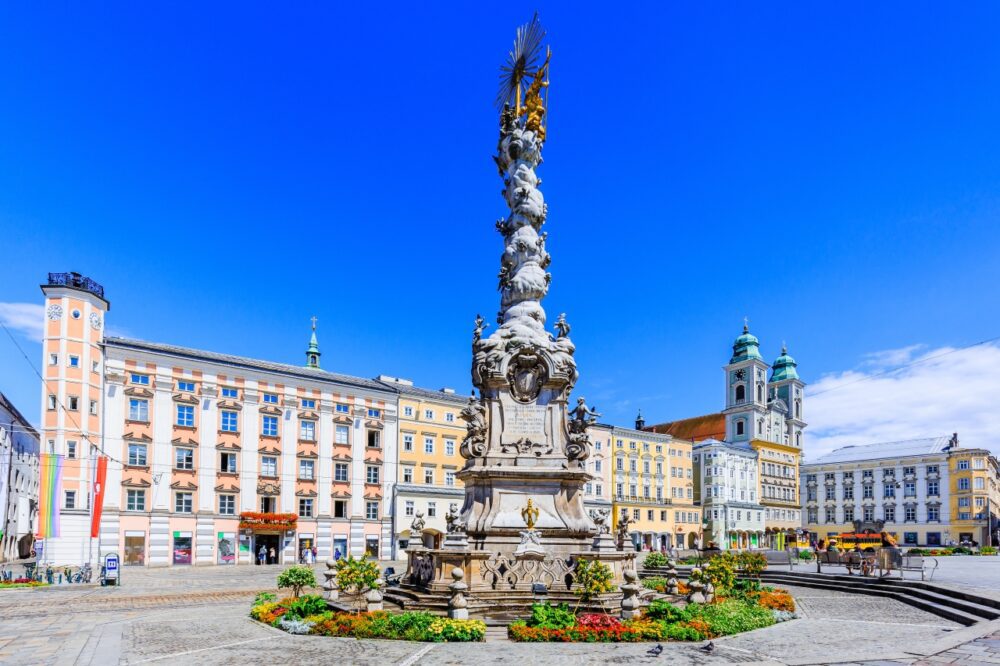
One of the best things about Linz is that it receives far fewer visitors than cities such as Vienna, Salzburg, and Innsbruck. Even during summer, the streets rarely felt crowded, and I did not have to queue for attractions or fight for a table at cafés. It was nice to experience an Austrian city where daily life seemed to continue normally despite the presence of tourists.
I appreciated the slower pace almost immediately. Instead of rushing between sights, I spent more time enjoying coffee by the river, wandering through side streets, and watching local life unfold. The city has a large student population, which gives it energy, but it never feels chaotic. There is a sense that people here genuinely enjoy living in Linz.
For travelers who prefer destinations that feel less commercialized, Linz is a great choice. It offers many of the advantages of larger cities, including museums, restaurants, and cultural events, but without the crowds. I found that I connected more with the city because I was not constantly surrounded by tour groups.
3. A Beautiful Location Along the Danube River
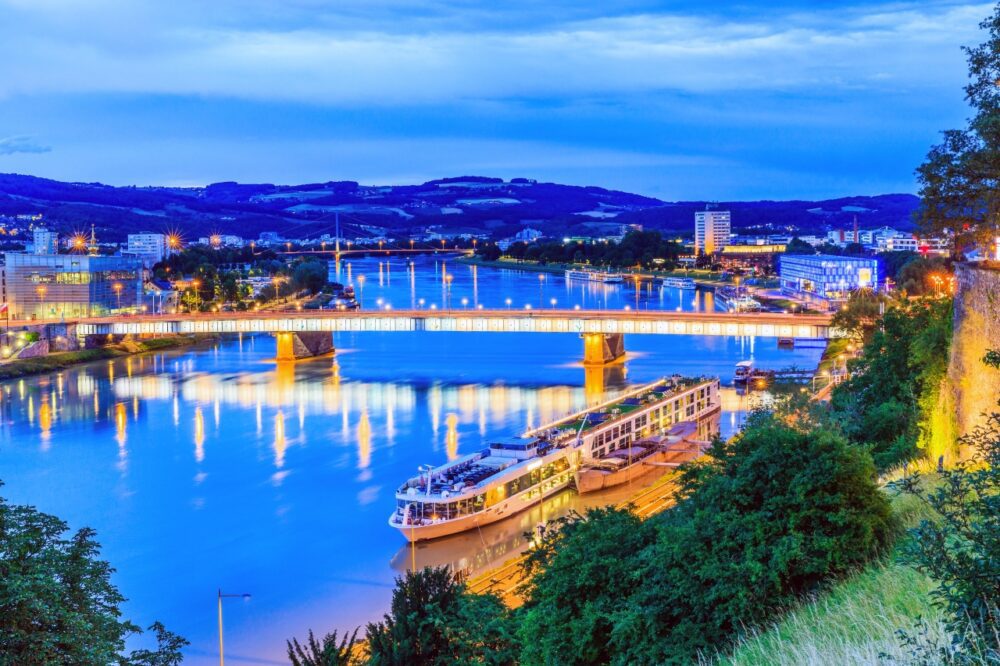
The Danube River plays a major role in shaping Linz’s atmosphere. It divides the city and provides plenty of space for walking, cycling, and relaxing. Many European cities are built around rivers, but I thought Linz made particularly good use of its waterfront areas.
I enjoyed spending time along the river in the evenings. People gathered on benches, cyclists rode past, and couples sat watching boats move slowly along the water. The paths were clean, well maintained, and surprisingly peaceful. It felt like an important meeting place for locals rather than simply a tourist attraction.
One of my favorite experiences was watching the sunset from the riverbank. The modern buildings reflected in the water, and church towers stood out against the sky. It was a simple moment, but it reminded me that some of the best travel memories come from slowing down and appreciating your surroundings.
4. An Excellent Destination for Museum Lovers
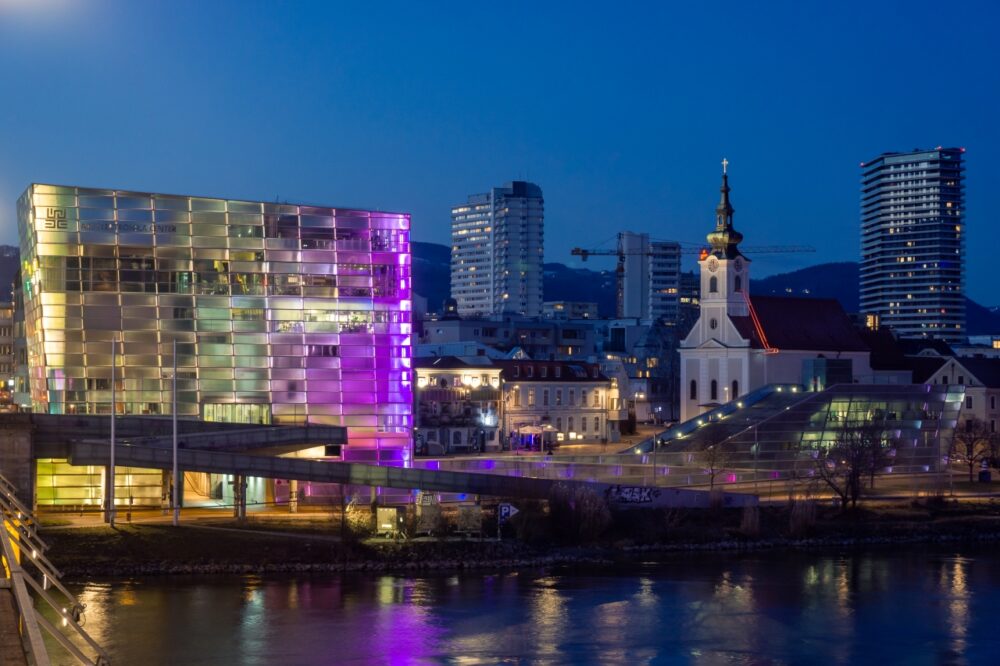
Linz has developed a strong reputation for museums and cultural attractions. The city is home to several institutions that focus on art, science, and technology. The most famous is the Ars Electronica Center, which explores topics such as artificial intelligence, robotics, and digital innovation.
I visited the Ars Electronica Center expecting something similar to a traditional museum, but it felt much more interactive. Visitors can experiment with exhibits, learn about future technologies, and even see demonstrations involving robots. I found it interesting because it offered something completely different from the imperial palaces and art galleries that dominate tourism in much of Austria.
The Lentos Art Museum was another pleasant surprise. It contains works by Austrian and international artists and sits directly beside the Danube. Even if you are not particularly interested in modern art, the building itself is worth seeing. I appreciated having museums in Linz that focused on the future rather than only preserving the past.
5. A Charming and Walkable Old Town
Although Linz is known for innovation, its historic center still has plenty of charm. The old town contains colorful buildings, narrow streets, and attractive squares that invite visitors to slow down and explore. The main square, Hauptplatz, is one of the largest enclosed squares in Austria and has been the heart of the city for centuries.
I spent quite a bit of time wandering through the old town without following any particular route. Small cafés, local shops, and historic churches appeared around almost every corner. Compared to Salzburg’s old town, Linz felt more lived-in and less polished, which I actually enjoyed. It seemed like a place designed for residents rather than visitors.
One thing I particularly liked was how compact everything felt. Most attractions were within easy walking distance, and I rarely needed public transport. Exploring Linz on foot allowed me to notice details I might otherwise have missed, such as hidden courtyards and decorative building facades.
6. Plenty of Green Spaces and Outdoor Areas
Linz may have an industrial past, but it also has plenty of parks and outdoor spaces. Green areas are scattered throughout the city, and the nearby hills provide opportunities for short hikes and panoramic views. This balance between urban life and nature gives Linz a relaxed atmosphere.
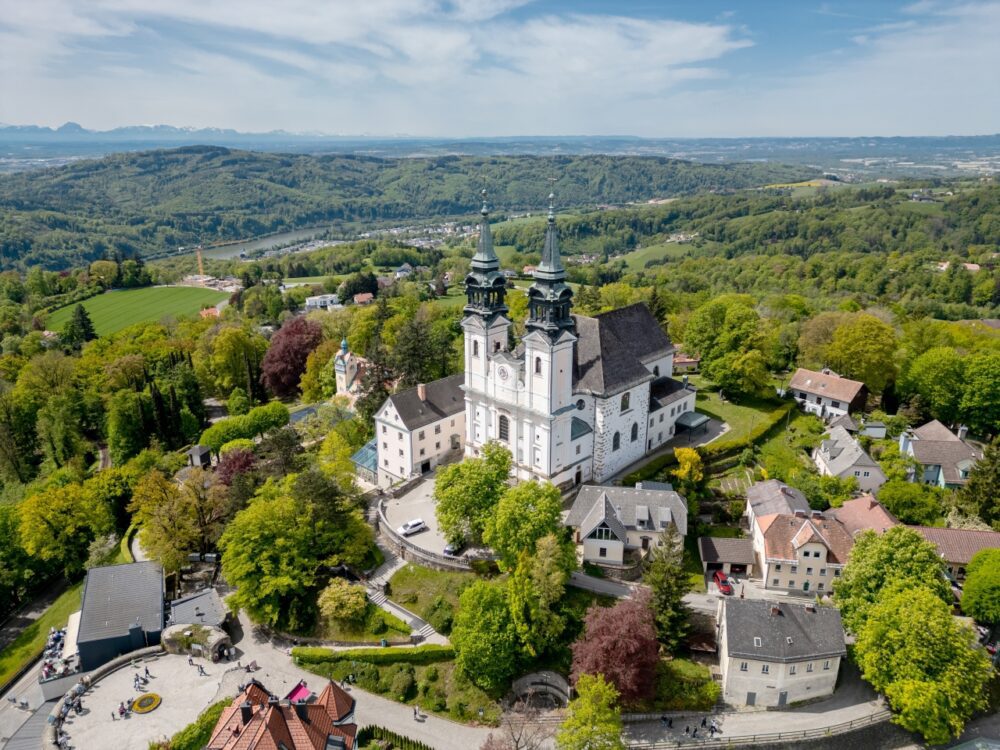
One place I really enjoyed visiting was Pöstlingberg, a hill overlooking the city. A historic tram climbs to the summit, where visitors can enjoy views across Linz and the surrounding countryside. I spent over an hour there taking photos and simply admiring the scenery. It was surprising how quickly the busy streets below seemed to disappear.
The Danube paths were another highlight for me. Whether I wanted to go for a walk, sit by the water, or have a picnic, there always seemed to be a suitable place nearby. I think these green spaces make Linz more pleasant than many people expect.
7. A Strong Food and Café Scene
Food was another pleasant surprise during my visit to Linz. Austrian classics such as schnitzel, goulash, and apple strudel are widely available, but there are also plenty of modern restaurants and international options. The city’s student population seems to have encouraged a diverse dining scene.
I particularly enjoyed spending mornings in local cafés. Unlike Vienna, where coffee houses often feel formal and historic, cafés in Linz seemed more casual and contemporary. They were popular meeting spots for students, workers, and families. Sitting with a coffee while watching locals go about their day became one of my favorite routines.
Linz is also famous for Linzer Torte, which many people consider to be the oldest cake recipe in the world. Made with pastry, nuts, and fruit jam, it is sold in bakeries throughout the city. I tried several slices during my stay and found it much lighter than I expected. Sampling the city’s signature dessert added another enjoyable layer to the trip.
8. A Vibrant Calendar of Festivals and Events
Linz hosts a surprising number of festivals throughout the year. Music events, art exhibitions, film screenings, and cultural celebrations regularly take place across the city. The best-known event is Ars Electronica Festival, which attracts artists, scientists, and technology experts from around the world.
Although I was not there during a major festival, I could tell that Linz has a strong cultural scene. Posters advertising concerts and exhibitions were everywhere, and many public spaces seemed designed for events and performances. It gave the city a creative energy that I had not expected.
I think festivals help make Linz an interesting destination throughout the year. Even if you have already visited the main attractions, there is often something new happening. That sense of constant activity helps prevent the city from feeling sleepy or predictable.
9. Easy Access to the Austrian Countryside
Linz is well positioned for exploring other parts of Upper Austria. Rolling hills, lakes, and small villages are all within easy reach, making it simple to combine a city break with countryside excursions. Public transport connections are good, and driving times are relatively short.
I took a short trip outside the city and was surprised by how quickly the urban environment gave way to farmland and forests. The scenery was peaceful, and it felt like a different world compared to the modern buildings along the Danube. Travelers who enjoy mixing culture with nature will probably appreciate this aspect of Linz.
Places such as the Salzkammergut lake region can also be visited as day trips. Having so many options nearby made Linz feel like a practical base rather than just a destination in its own right.
10. An Affordable Alternative to Austria’s Famous Cities
One of the biggest advantages of visiting Linz is that it is often cheaper than Vienna, Salzburg, or Innsbruck. Accommodation prices tend to be lower, restaurant meals are more affordable, and many attractions cost less than similar sites elsewhere in Austria.
I noticed the difference almost immediately. Hotels that would have been quite expensive in Salzburg seemed reasonably priced in Linz, and eating out rarely felt like a major expense. That allowed me to stay longer and enjoy the city without worrying too much about my budget.
For travelers who want to experience Austrian culture without spending a fortune, Linz makes a lot of sense. It may not have the worldwide reputation of Vienna or Salzburg, but it offers enough history, culture, and local character to justify several days of exploration. In some ways, I think the lower profile actually works in its favor because it allows visitors to experience a side of Austria that many people overlook.
Where to Stay in Linz
- ARCOTEL Nike Linz – A 4-star hotel directly on the Danube riverbank with views of Pöstlingberg Mountain, a 10-minute walk from the historic centre.
- Hotel Am Domplatz – Adult Only – A stylish 4-star boutique hotel with a rooftop spa, set right beside the Mariendom (New Cathedral) in the heart of the city.
- Austria Classic Hotel Wolfinger – A charming 3-star hotel in a 15th-century building directly on Linz’s main square (Hauptplatz), in the heart of the Old Town.
- Motel One Linz-Hauptplatz – A stylish, affordable 3-star hotel right on Hauptplatz, a short walk from the Ars Electronica Center and the Danube.
- Hotel Lokomotive – A budget-friendly, family-run hotel since 1906 right by Linz’s Main Train Station, with easy tram access to the city centre.
Travel Tips for Visiting Linz
When to Visit Linz
I think the best times to visit Linz are from May to June and September to early October. During these months, the weather is pleasant, and it’s comfortable to explore the city on foot. Summer is a great choice if you enjoy outdoor events, river cruises, and sitting at cafes along the Danube. Winter can be cold, but the Christmas markets create a festive atmosphere and make the city feel very welcoming. I visited during late spring and found it ideal. The weather was comfortable, and the city felt lively without being overcrowded.
How to Get to Linz
Most visitors arrive through Linz Airport, also known as Blue Danube Airport, which is located around 12 kilometres from the city centre. The airport has connections to several European destinations, although many international visitors choose to fly into Vienna Airport and then take a train to Linz. High-speed Railjet trains connect Linz with Vienna, Salzburg, Innsbruck, Munich, and other major cities. From Linz Airport, buses and taxis provide easy access to the city centre. Personally, I think arriving by train is the most convenient option because Linz sits on one of Austria’s main rail routes, and the station is located close to the centre.
Getting Around Linz
Linz is a very easy city to navigate. The centre is compact enough to explore on foot, and most major attractions are within walking distance of each other. The city also has an efficient network of trams and buses operated by LINZ AG. Tickets can be purchased at machines, online, or through the LINZMobil app. Cycling is also popular, especially along the Danube River. Personally, I found walking to be the best way to explore the historic centre, while the trams were useful for reaching attractions further from the main square.
How Long to Spend in Linz
I think two days is the perfect amount of time for most visitors. That gives you enough time to explore the Old Town, visit the Ars Electronica Center, ride the Pöstlingberg Railway, and enjoy the Danube waterfront. With three days, you can add a day trip to Mauthausen Memorial or St. Florian Abbey. If you’re travelling between Vienna and Salzburg, Linz also works well as a stopover. Personally, I would recommend two to three days because it gives you enough time to appreciate the city without feeling rushed.
Conclusion
So, is Linz worth visiting? Absolutely. From its riverside location and historic old town to its museums, cultural attractions, and modern creative scene, there are plenty of reasons to spend time here. Linz offers a different side of Austria that feels authentic and less crowded than some of the country’s most famous destinations. If you enjoy discovering places that fly under the radar while still offering plenty to see and do, Linz is well worth adding to your travel plans.