
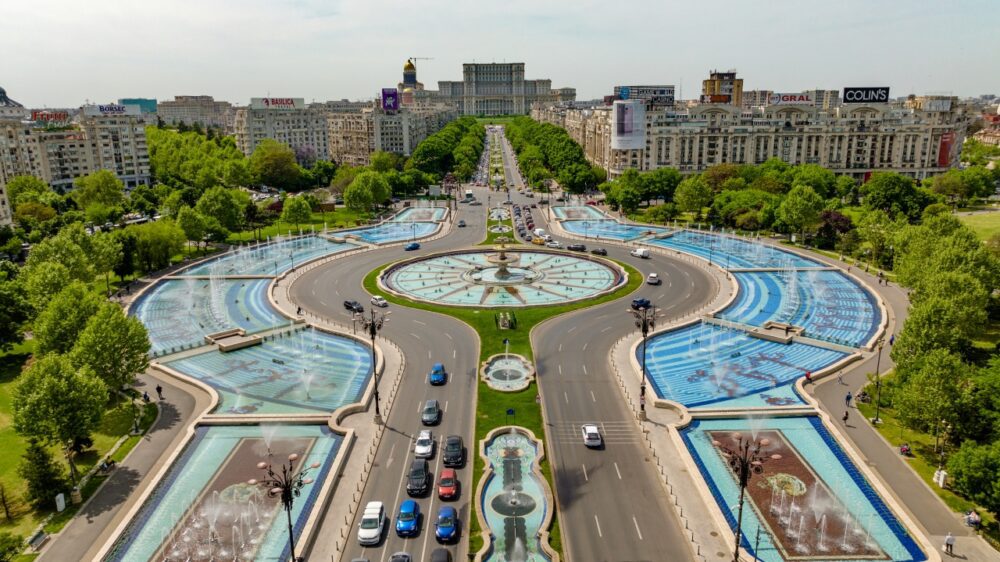
Is Bucharest worth visiting? Yes, absolutely. Bucharest was one of the most surprising cities I visited in Romania. Before arriving, I wasn’t sure what to expect, but I quickly discovered a city full of history, character, and energy. I enjoyed exploring grand boulevards, relaxing in large parks, and wandering through the charming streets of the Old Town. The mix of old and new gave the city a unique personality that kept me interested throughout my visit.
Bucharest is the capital of Romania and the country’s largest city. Often called the “Little Paris of the East,” it is known for its impressive architecture, fascinating history, lively nightlife, and growing food scene. The city is home to major landmarks such as the Palace of the Parliament, one of the largest buildings in the world, along with museums, parks, and cultural attractions.
In this guide, I’ll cover the top reasons why Bucharest is worth visiting and share some useful travel tips and advice to help you plan your trip. Whether you’re interested in history, culture, food, or exploring an underrated European capital, keep reading to discover the many reasons why Bucharest is worth visiting.
Table of Contents
Top Reasons You Should Visit Bucharest
1. A Blend of Architectural Styles
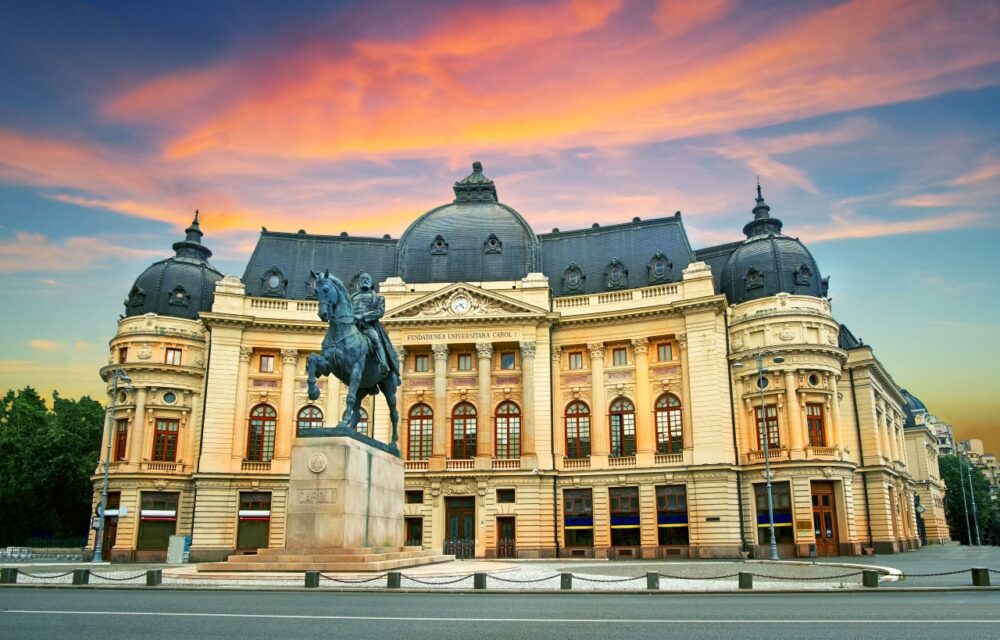
Bucharest is a city of contrasts, where elegant Belle Époque mansions, imposing Communist-era structures, and sleek modern buildings coexist. This eclectic mix gives the city a unique charm and tells the story of its complex history.
I loved walking through Calea Victoriei, where stunning neoclassical buildings sit beside contemporary hotels and glassy office towers. Highlights include the Romanian Athenaeum, Palace of the Parliament, and charming historic neighbourhoods like Cotroceni. Bucharest’s diverse architecture makes it a photographer’s dream and an endlessly fascinating destination.
2. The Palace of the Parliament
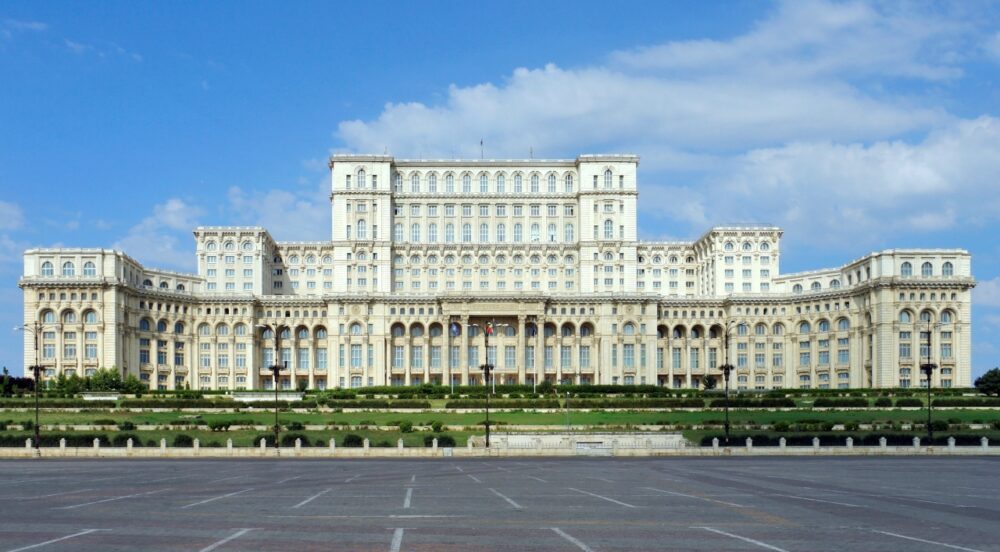
The Palace of the Parliament, a colossal structure and the second-largest administrative building in the world, is one of Bucharest’s most famous landmarks. Built during the Communist era, it represents both architectural ambition and political excess.
Touring this vast building was an unforgettable experience. The ornate halls, marble staircases, and sheer size left me in awe. Learning about its history during the tour added a layer of intrigue. Whether you’re interested in architecture, history, or politics, this is a must-see attraction.
3. Vibrant Nightlife Scene
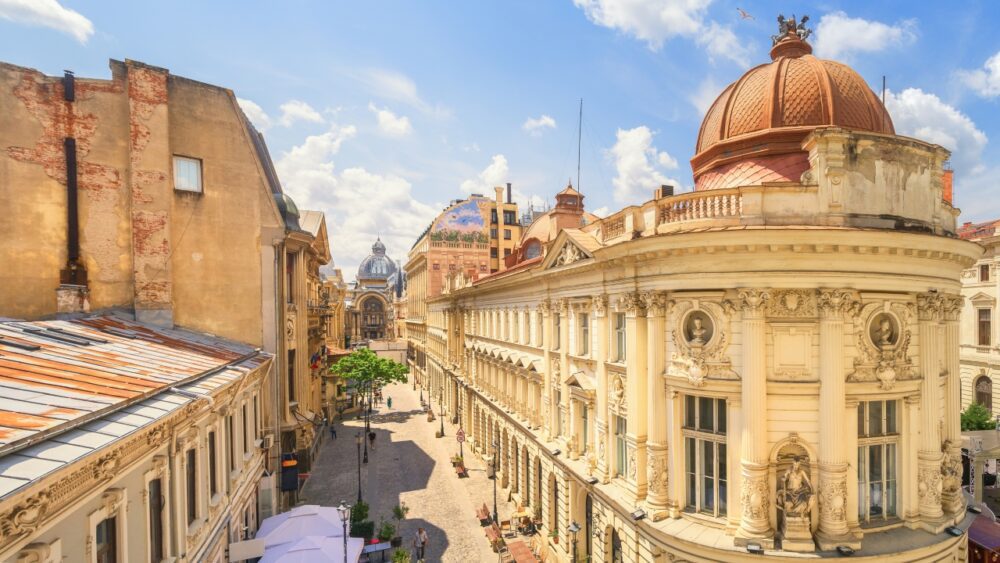
Bucharest has one of the most energetic nightlife scenes in Eastern Europe. The Old Town (Lipscani) is the heart of the action, filled with trendy bars, clubs, and live music venues. Whether you want to dance the night away or sip cocktails in a chic lounge, Bucharest delivers.
I spent an evening exploring Lipscani and was impressed by the variety of options, from intimate jazz bars to high-energy nightclubs. The atmosphere is friendly and inclusive, making it easy for visitors to join the fun. For night owls, Bucharest offers endless possibilities.
4. Affordability
Compared to many European capitals, Bucharest is incredibly affordable. Accommodation, dining, and transport come at a fraction of the cost in cities like Paris or London, making it a great destination for budget-conscious travellers.
I enjoyed a delicious three-course meal for under €15 at a traditional Romanian restaurant, and public transport tickets were just a few euros. Bucharest’s affordability means you can experience high-quality food, attractions, and entertainment without overspending.
5. Green Spaces and Parks
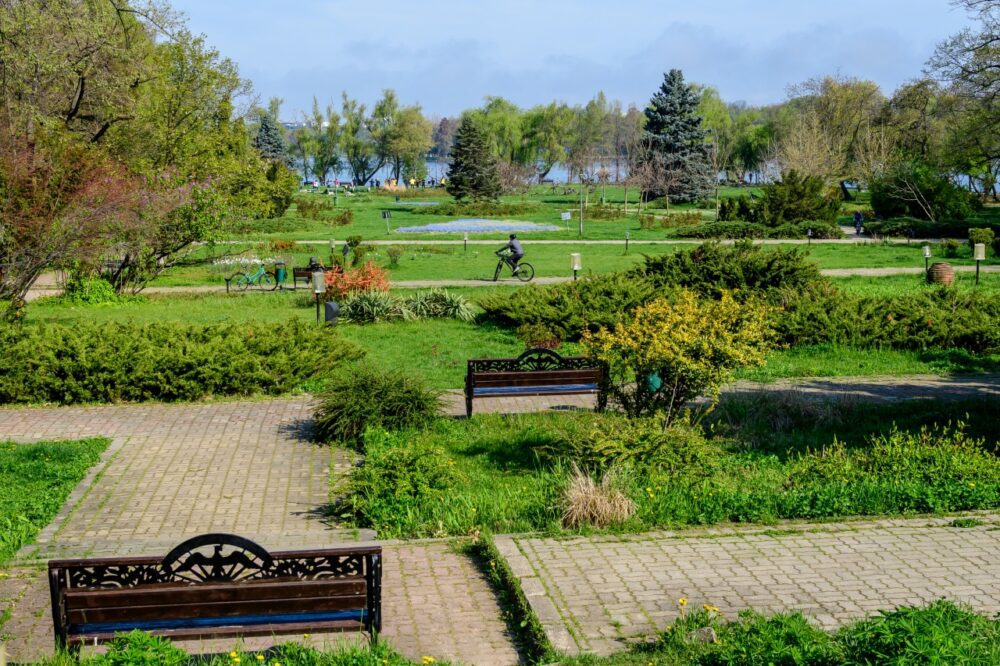
Despite its urban energy, Bucharest is surprisingly green, with numerous parks and gardens offering a peaceful escape. Herastrau Park, the city’s largest, features a lake, walking trails, and open spaces for picnics. Carol Park, with its grand mausoleum, is another highlight.
I spent a relaxing afternoon in Herastrau Park, enjoying a boat ride and taking in the serene surroundings. The abundance of green spaces makes Bucharest ideal for balancing city exploration with moments of tranquillity.
6. Thriving Café Culture
Bucharest’s café scene is diverse and vibrant, with options ranging from hip third-wave coffee spots to historic cafés with old-world charm. Many are housed in beautifully restored buildings, offering a cosy atmosphere for relaxation or work.
I stopped at Cărturești Carusel, a café-bookstore hybrid, and loved sipping coffee while browsing books. Bucharest’s café culture adds a laid-back dimension to the city, making it easy to unwind between sightseeing.
7. The Romanian Athenaeum
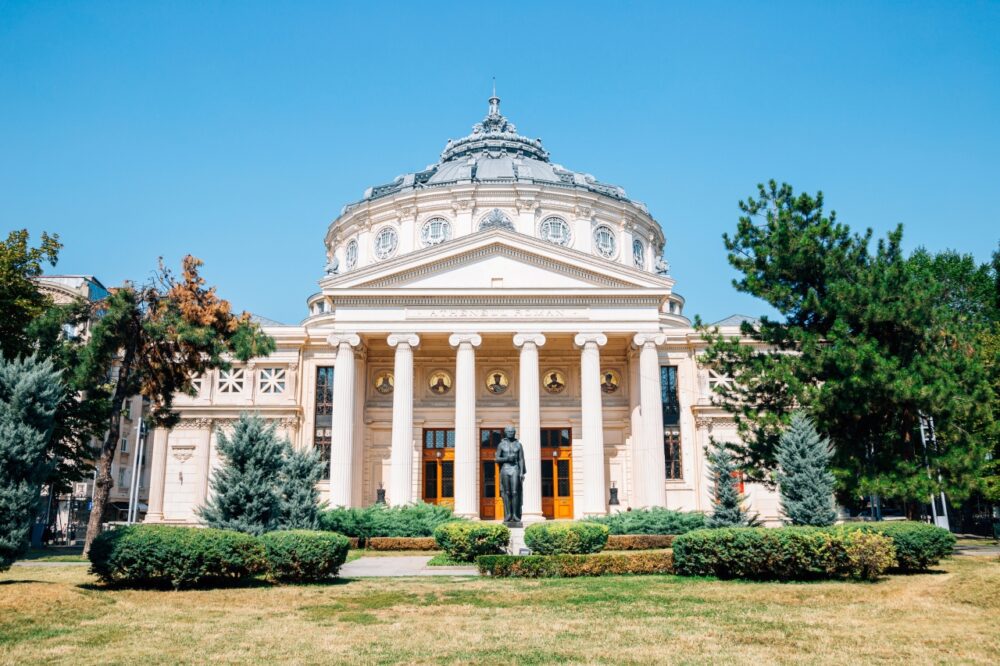
The Romanian Athenaeum, a stunning neoclassical concert hall, is both an architectural gem and a cultural icon. It’s the home of the George Enescu Philharmonic Orchestra and hosts numerous concerts and events throughout the year.
Attending a concert here was one of my trip’s highlights. The opulent interior, with its domed ceiling and frescoed walls, creates an unforgettable setting for live music. Even if you don’t attend a performance, a guided tour is worth it to admire the building’s beauty.
8. Delicious Romanian Cuisine
Bucharest is a food lover’s paradise, offering a mix of traditional Romanian dishes and international options. Specialties like sarmale (stuffed cabbage rolls), mici (grilled meat rolls), and papanași (fried doughnuts with sour cream and jam) showcase the country’s culinary heritage.
Dining at Caru’ cu Bere, a historic restaurant in the Old Town, was a highlight of my visit. The hearty portions, vibrant flavours, and welcoming atmosphere made it a memorable meal. Romanian cuisine is both comforting and unique, and Bucharest is the perfect place to explore it.
9. Unique Museums
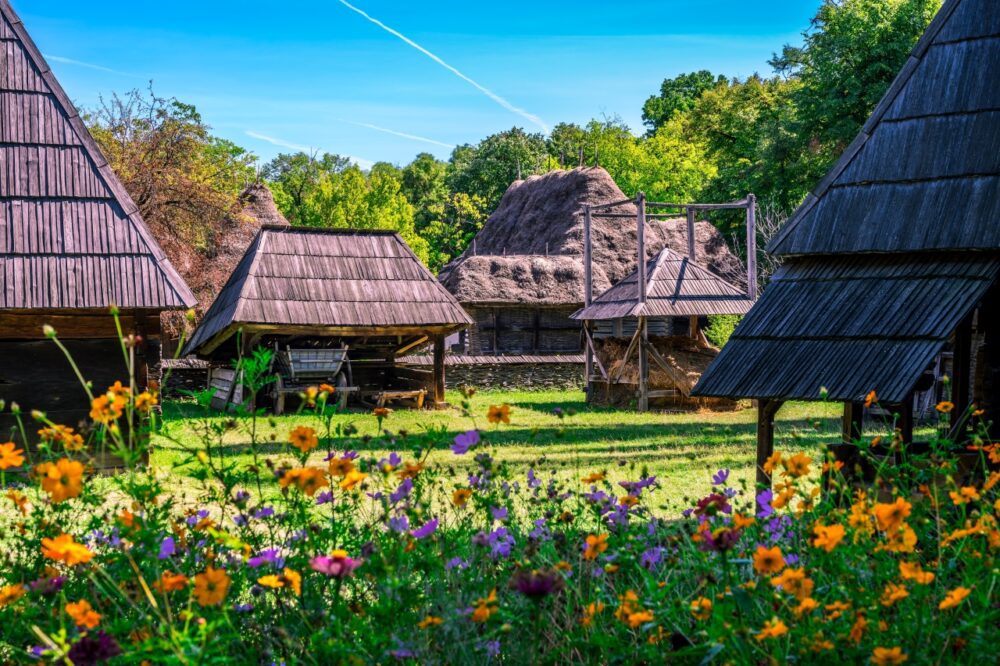
Bucharest is home to a wide array of museums that cater to diverse interests. The National Museum of Art of Romania, the Village Museum, and the Museum of the Romanian Peasant are among the top cultural institutions.
I particularly enjoyed the Village Museum, an open-air exhibit featuring traditional houses from different regions of Romania. Wandering through its grounds felt like stepping into the country’s rural past. The variety of museums ensures that there’s something for everyone, from art lovers to history buffs.
10. A Gateway to Romania’s Countryside
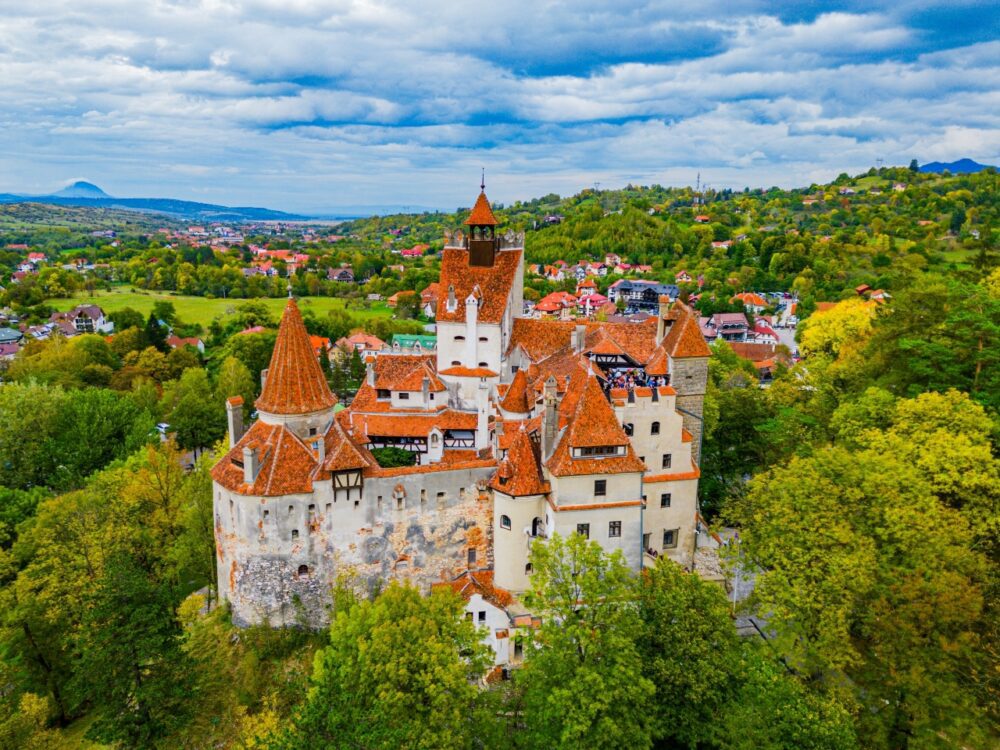
Bucharest’s location makes it an excellent starting point for exploring Romania’s scenic countryside and historic landmarks. Day trips to Bran Castle (often associated with Dracula), Peles Castle, and the Transfăgărășan Highway are popular options.
I took a day trip to Bran Castle and loved the journey through Romania’s picturesque landscapes. The accessibility of these attractions makes Bucharest an ideal base for a well-rounded Romanian adventure.
Travel Tips for Visiting Bucharest
What to Do in Bucharest
Bucharest surprised me more than I expected. It has grand buildings, lively streets, interesting history, and some great day trips nearby. I found it much more enjoyable than its reputation suggests.
- Take a Day Trip to Transylvania and Bran Castle – This was my favourite experience because you get to see Bran Castle, beautiful mountain scenery, and several historic towns in one day.
- Visit the Palace of Parliament with a Guided Tour – The scale of this building is hard to believe until you see it in person, and I think it’s one of the most interesting landmarks in Romania.
- Join a Communism Walking Tour – I enjoyed learning how Romania changed during and after the communist era, and it gave me a much better understanding of the city.
- Take a Therme București Spa Day Trip – After a few days of sightseeing, relaxing in one of Europe’s largest wellness centres felt like the perfect break.
- Explore Bucharest’s Old Town on a Guided Walking Tour – This is a great way to discover hidden streets, local stories, and historic buildings.
- Join a Food and Wine Tour – I found Romanian food surprisingly good, and this was an easy way to try local dishes and drinks.
When to Visit Bucharest
I think spring and autumn are the best times to visit Bucharest. Between April and June or September and October, the weather is pleasant and ideal for walking around the city. Summer can be very hot, although the outdoor cafes and parks are at their best. Winter brings Christmas markets and a festive atmosphere, but temperatures can drop below freezing. Personally, I would visit in May or September when the weather is comfortable and sightseeing is more enjoyable.
How to Get to Bucharest
Most visitors arrive through Henri Coandă International Airport, which is located about 20 kilometres north of the city centre. Many European airlines offer direct flights to Bucharest. From the airport, you can take the train, airport bus, taxi, Uber, or Bolt into the city. Bucharest is also connected by train to other Romanian cities and neighbouring countries. In my opinion, the airport train is one of the easiest and most affordable ways to reach the centre.
Where to Stay in Bucharest
- The Marmorosch Bucharest, Autograph Collection – A luxury hotel in a restored historic building right beside the Old Town.
- InterContinental Athénée Palace Bucharest – One of the city’s most famous hotels with an excellent location near Revolution Square.
- Hilton Garden Inn Bucharest Old Town – A great mid-range choice if you want to stay close to restaurants and nightlife.
- Europa Royale Bucharest – Located in the heart of the Old Town, making it easy to explore on foot.
- Peakture Hotel Bucharest – A comfortable modern hotel with good transport links and reasonable prices.
- Hotel Cismigiu – A good-value option overlooking Cismigiu Gardens and within walking distance of major attractions.
Getting Around Bucharest
Bucharest has a good public transport system that includes metro lines, buses, trams, and trolleybuses. The metro is usually the fastest way to travel around the city, especially during busy periods. Uber and Bolt are widely available and often inexpensive compared to many Western European cities. Several transport apps can be used to buy tickets and plan journeys. Personally, I used the metro most often because it was fast, cheap, and easy to understand.
How Long to Spend in Bucharest
I think three days is the ideal amount of time for Bucharest. That gives you enough time to see the main attractions, explore the Old Town, visit the Palace of Parliament, and enjoy the local food scene. If you want to take a day trip to Transylvania or spend time at Therme București, I would add another day or two. Personally, I would stay four days because the city works well as a base for exploring more of Romania.
Conclusion
So, is Bucharest worth visiting? Without a doubt. From its historic landmarks and vibrant Old Town to its parks, museums, and lively atmosphere, there are plenty of reasons to spend time here. Bucharest offers an interesting mix of history, culture, and modern city life that makes it one of the most rewarding destinations in Romania. If you’re planning a trip to Romania, Bucharest is a city that deserves a place on your itinerary.