
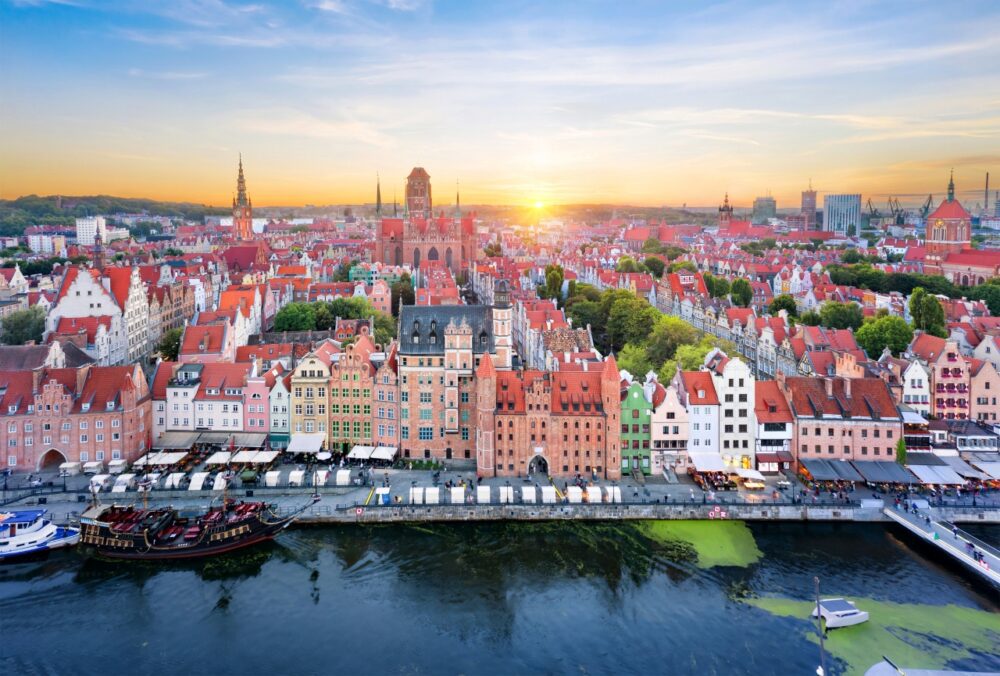
I spent nine days in Gdańsk over two separate trips, once in the shoulder season of late April and once during the busy stretch of July. I came for the amber shops and the old shipyards. I stayed for the food, the beaches, and the fact that almost nobody I knew back home had been there. If you’re weighing up a trip to the Polish Baltic coast, you’ve probably typed “is Gdansk worth visiting” into a search bar and found a mix of generic top-ten lists. This isn’t one of those.
Gdansk sits on the northern edge of Poland, right where the Motlawa River meets the Baltic Sea. It’s the anchor of the “Tricity,” a stretch of coast that also includes Gdynia and the beach resort town of Sopot. Most first-time visitors expect a quiet, sleepy port. What they get is a city with a working shipyard, a rebuilt medieval Old Town, sandy beaches a short tram ride away, and a history that shaped modern Europe more than most travelers realize.
I’ll be honest about what worked and what didn’t during my time there. This guide covers the real pros and cons, a practical list of things to do, where I’d recommend staying, and how to get around without wasting half your trip figuring out the tram system. By the end, you should have a clear answer to whether Gdansk deserves a spot on your itinerary.
Table of Contents
Pros – Reasons Gdansk is Worth Visiting
1. The Old Town Looks Like Nowhere Else in Poland
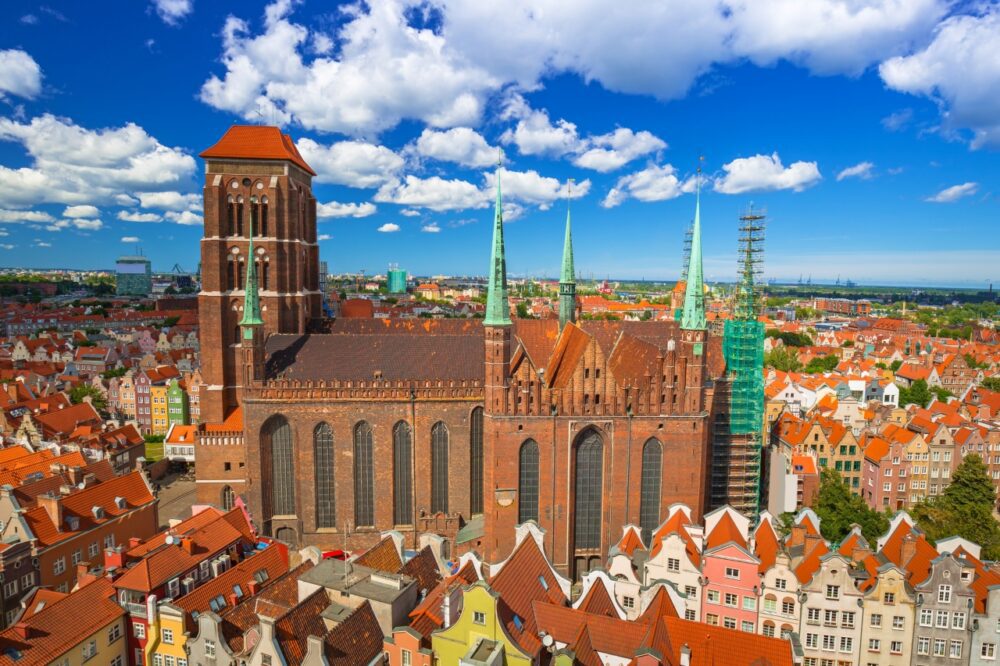
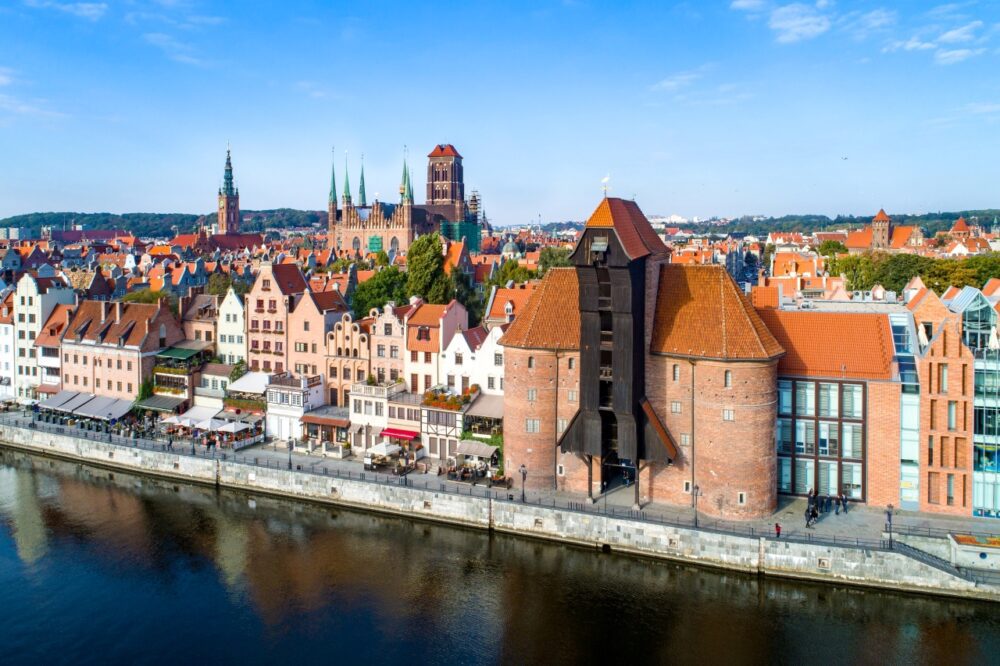
Warsaw and Krakow get most of the attention in Poland, but neither looks like Gdansk. The Old Town was flattened during World War II and rebuilt from old paintings and photographs, and the result is a row of tall, narrow, colorful merchant houses along the Long Market that feels closer to Amsterdam or Bruges than to central Europe. I walked this street at least once a day during both trips and never got bored of it. St. Mary’s Church towers over the rooftops, and the Neptune Fountain marks the spot where locals have met up for centuries. The whole district is compact enough to explore on foot in an afternoon, which makes it easy to fit in even on a short visit.
2. It’s a Genuinely Important History Lesson
Gdansk isn’t just pretty. It’s where the first shots of World War II were fired at Westerplatte, and decades later it’s where the Solidarity trade union movement began, eventually helping to bring down communism across Eastern Europe. I visited the European Solidarity Centre, built right next to the old Lenin Shipyard gates, and it’s one of the more moving museums I’ve walked through in Europe. The Museum of the Second World War is equally well done, with a scale and depth that rivals anything I’ve seen in Berlin or London. If you care about twentieth-century history, Gdansk delivers more than its reputation suggests.
3. The Beaches Are Closer Than You’d Think
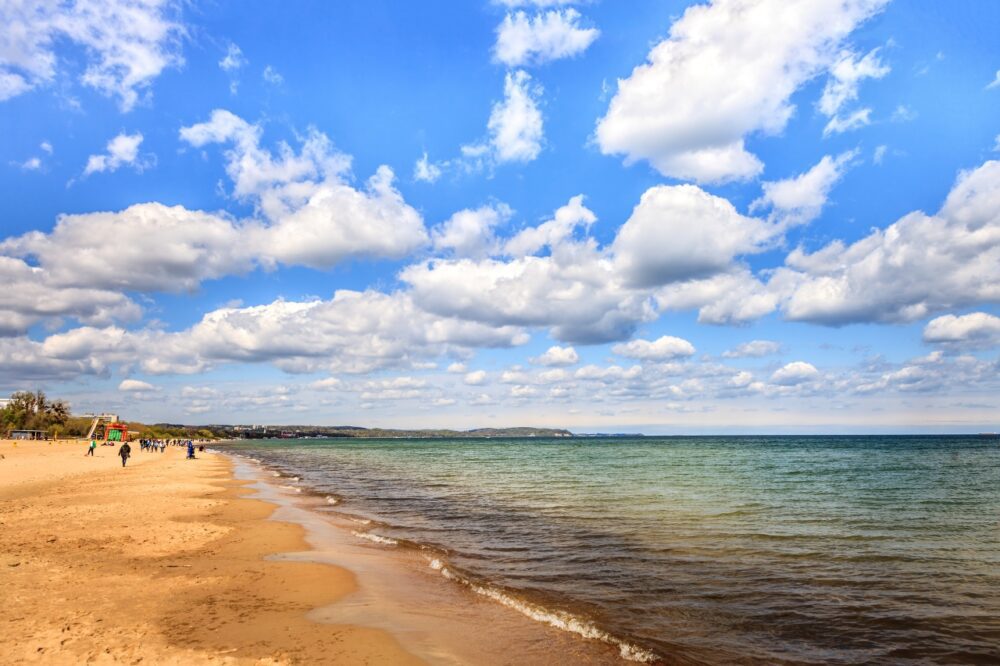
Most people don’t associate Poland with beach holidays, but Gdansk has sandy Baltic beaches within a 20-minute tram ride of the Old Town. I spent an afternoon at Jelitkowo Beach and another in Sopot, home to the longest wooden pier in Europe. The water is cold even in July, but the sand is soft and the beaches are far less crowded than anything on the Mediterranean. For a city break that also lets you get some sea air, this is a genuine advantage over Krakow or Warsaw.
4. The Food Scene Punches Above Its Weight
I ate better in Gdansk than I expected to. Pierogi and Polish soups are everywhere, but the city’s port history also means fresh Baltic fish, smoked eel, and herring prepared a dozen different ways. I had one of the best meals of my entire Poland trip at a small milk bar near the Old Town, paying under $6 for a filling plate of local comfort food. At the other end, there are modern restaurants doing inventive things with local seafood at prices well below what you’d pay in Western Europe.
5. Amber Shopping That’s Actually Authentic
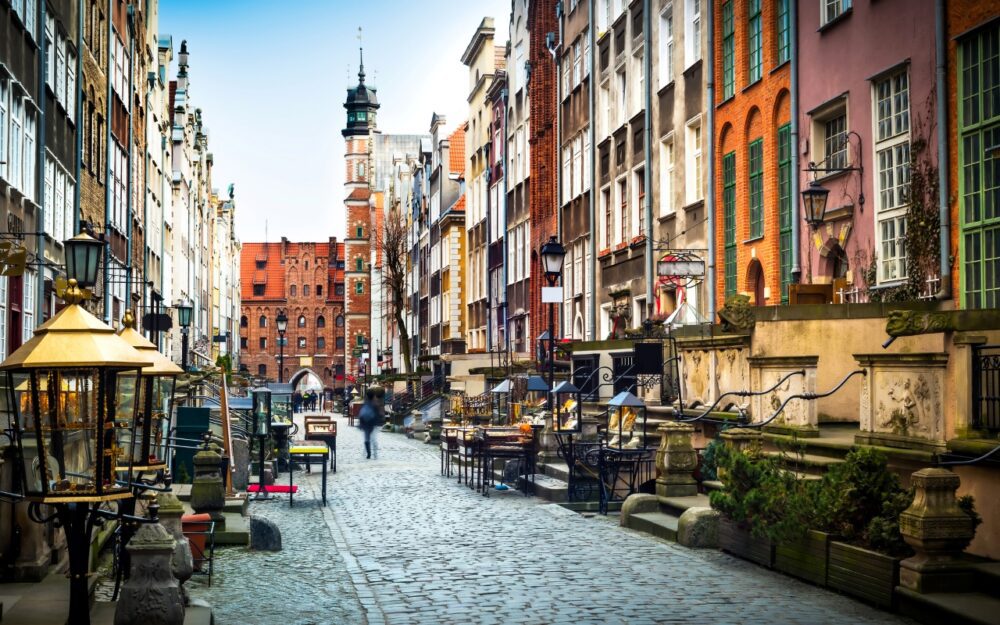
The Baltic coast produces most of the world’s amber, and Gdansk is its unofficial capital. Mariacka Street is lined with amber workshops and jewelry stores, and there’s an amber museum housed in a former medieval prison tower if you want the history behind the stone. I’m generally skeptical of souvenir shopping streets, but this one felt different because the amber genuinely comes from the region, rather than being imported and marked up for tourists.
6. Day Trips Add Serious Value
Gdansk works well as a base for exploring the wider region. Malbork Castle, the largest brick castle in the world, is about 40 minutes away by train and worth a full day on its own. Sopot and Gdynia are both a short SKM train ride away, each with a completely different character. I used Gdansk as my home base for five days and never ran out of places to explore within an hour’s travel.
7. It’s Still Affordable
Compared to Western European coastal cities, Gdansk remains reasonably priced. Hotel rooms, restaurant meals, and museum tickets all cost noticeably less than what I’d pay in a comparable city in Germany or the Netherlands. That affordability, combined with the quality of what’s on offer, is a big part of why I think more people should be asking whether Gdansk is worth visiting instead of automatically booking Krakow or Warsaw.
Cons – Things to Consider Before Visiting Gdansk
1. The Weather Can Work Against You
The Baltic coast has a mind of its own. I had grey skies and cold wind for three days straight during my April trip, and even in July the weather changed from sunny to overcast within hours. If you’re planning a beach-focused trip, build in flexibility and don’t expect Mediterranean warmth. Pack layers no matter what month you’re visiting.
2. Language Can Be a Minor Hurdle Outside Tourist Areas
English is widely spoken in the Old Town, hotels, and most restaurants aimed at visitors. Once I wandered into quieter residential neighborhoods or smaller local eateries, that dropped off quickly. It’s rarely a serious problem, since translation apps and pointing at a menu usually get the job done, but it’s worth knowing before you arrive if you’re used to cities where English is a given.
3. Peak Season Crowds and Cruise Ship Days
Gdansk gets busy in July and August, and cruise ships regularly dock nearby, sending large tour groups through the Long Market at the same time. I hit one of these days by accident and found the main square uncomfortably packed for a couple of hours in the late morning. If you want a quieter experience, aim for May, June, or September, or simply plan your Old Town visits for early morning or evening.
Things to Do in Gdansk
- Walk the Long Market (Dlugi Targ) – The heart of the Old Town, lined with merchant houses, cafes, and street performers. It’s the best place to get your bearings.
- Visit St. Mary’s Church – One of the largest brick churches in the world. Climb the tower for a rooftop view over the entire Old Town.
- Tour the European Solidarity Centre – A powerful, well-curated museum covering the fall of communism, built next to the historic shipyard gates.
- Explore the Museum of the Second World War – A large, modern museum that puts Gdansk’s role in starting the war into sharp context.
- Wander Mariacka Street – The amber shopping street, lined with carved doorways and small workshops rather than chain stores.
- Take a boat trip on the Motlawa River – A relaxed way to see the waterfront and the medieval Crane, one of the city’s oldest landmarks.
- Spend an afternoon in Sopot – Walk the wooden pier, sit on the beach, and browse the boutique shops along Monte Cassino Street.
- Day trip to Malbork Castle – The largest brick castle on earth, reachable by a short train ride and worth the full journey.
- Visit Westerplatte – The site where World War II began, now a quiet memorial park worth an hour of reflection.
- Eat at a milk bar (bar mleczny) – Cheap, filling, old-school Polish canteens that locals still use daily. A genuine slice of everyday life.
Where to Stay in Gdansk
- Old Town (Glowne Miasto) – The obvious choice if it’s your first visit. Everything is walkable, and you’re steps from the Long Market, St. Mary’s Church, and the riverfront. It’s also the most expensive and the busiest option, especially in summer.
- Wrzeszcz – A residential district a short tram ride from the center, popular with locals and increasingly with longer-stay visitors. Prices are lower, and it gives a more authentic feel of daily life in Gdansk.
- Oliwa – Quiet, green, and home to Oliwa Park and its striking cathedral. A good pick if you want a slower pace and don’t mind a slightly longer commute into town.
- Sopot – Staying in Sopot instead of Gdansk itself works well if beaches are your priority. You get direct beach access and a resort atmosphere, with Gdansk’s Old Town a 20-minute train ride away.
- Gdynia – The most modern of the Tricity’s three hubs, with a working port, modern architecture, and fewer tourists. Best for travelers who’ve already seen Gdansk’s Old Town on a previous trip.
Getting Around Gdansk
Trams are the backbone of getting around Gdansk, and I relied on them for most of my trips into and out of the Old Town. They’re frequent, cheap, and cover nearly every neighborhood worth visiting. Buy tickets from the machine on board or through the local transit app before you sit down, since inspectors do check.
For trips further out, like to Sopot or Gdynia, the SKM commuter train is the better option. It runs along the coast and connects the whole Tricity area in under 30 minutes end to end. I used it constantly and found it faster and less crowded than the trams for longer distances.
Within the Old Town itself, walking is genuinely the best way to get around. The core historic area is small enough to cross in about 15 minutes, and most of the major sights sit within a few blocks of each other. I only used bikes once, on a rented city bike along the riverfront, and while it was a pleasant way to see the waterfront, I wouldn’t call it necessary for a standard visit. Taxis and ride-share apps are widely available and reasonably priced if you’re out late or traveling with luggage.
Conclusion
So, is Gdansk worth visiting? Based on what I saw over two trips, yes, and it deserves more attention than it usually gets on a first-time Poland itinerary. The Old Town is genuinely beautiful, the history is significant rather than just decorative, the food is excellent value, and the coastal location gives you beaches and day trips that Warsaw and Krakow simply can’t offer.
The downsides are real but manageable. The weather is unpredictable, English thins out once you leave the tourist core, and peak summer weeks bring crowds and cruise ship traffic. None of that outweighed what the city offered me, and I’d go back without hesitation. If you’re building a Poland itinerary and wondering whether Gdansk is worth visiting or just a detour, my honest answer is to make room for it. Two or three days is enough to hit the highlights, but I’d budget four or five if you want to add Sopot, Malbork, or a slower pace without feeling rushed.