
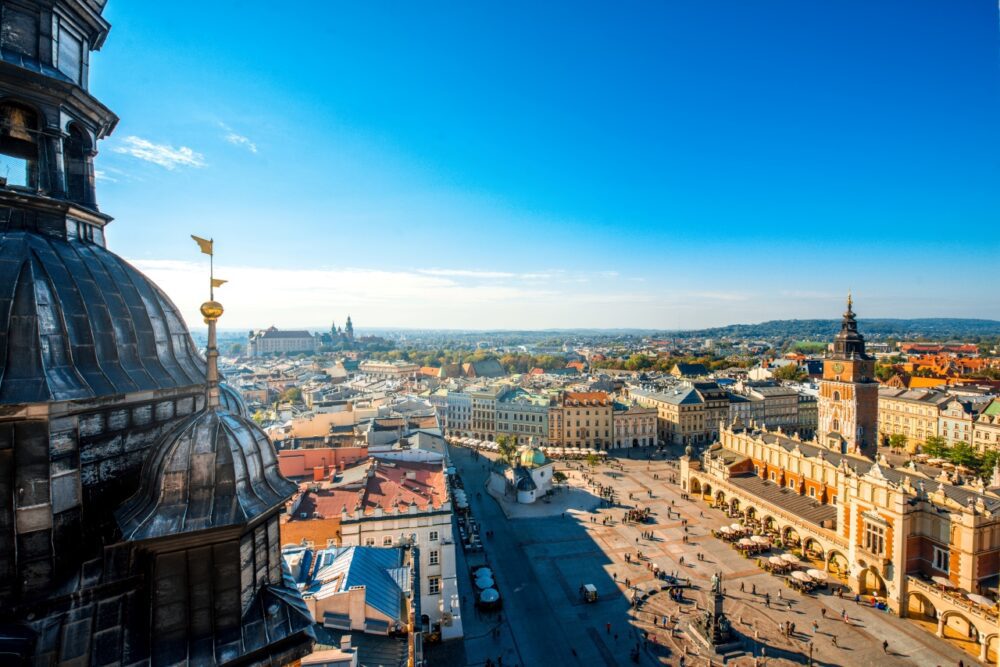
I’ve been to Krakow three times now, once as a quick weekend trip, once for a full week based in the Old Town, and once passing through on a longer route across southern Poland. Each visit changed my opinion of the city a little. The first time I came for Auschwitz and the salt mine. By the third visit, I was skipping the big sights entirely and just wandering the side streets of Kazimierz looking for good coffee. That’s usually a sign a city has more depth than the highlight reel suggests.
Krakow was Poland’s royal capital for over 500 years, and it shows. Unlike Warsaw, which was rebuilt almost from scratch after being flattened in World War II, Krakow’s Old Town survived largely intact. You’re walking on the same cobblestones Polish kings did. That history, combined with a huge student population that keeps the city lively rather than museum-like, makes Krakow one of the more searched destinations in Central Europe. If you’ve typed “is Krakow worth visiting” into Google, you’ve probably found a wall of top-ten listicles. This is a more honest take, based on actually spending time there across multiple trips.
I’ll walk through what genuinely makes Krakow worth the trip, what I’d flag as a downside before you book, a real list of things to do, where to base yourself, and how to move around the city without wasting time. By the end you’ll have enough to decide if Krakow fits your Poland itinerary, and how long to give it.
Table of Contents
Pros – Reasons Krakow is Worth Visiting
1. The Main Market Square Is the Real Deal
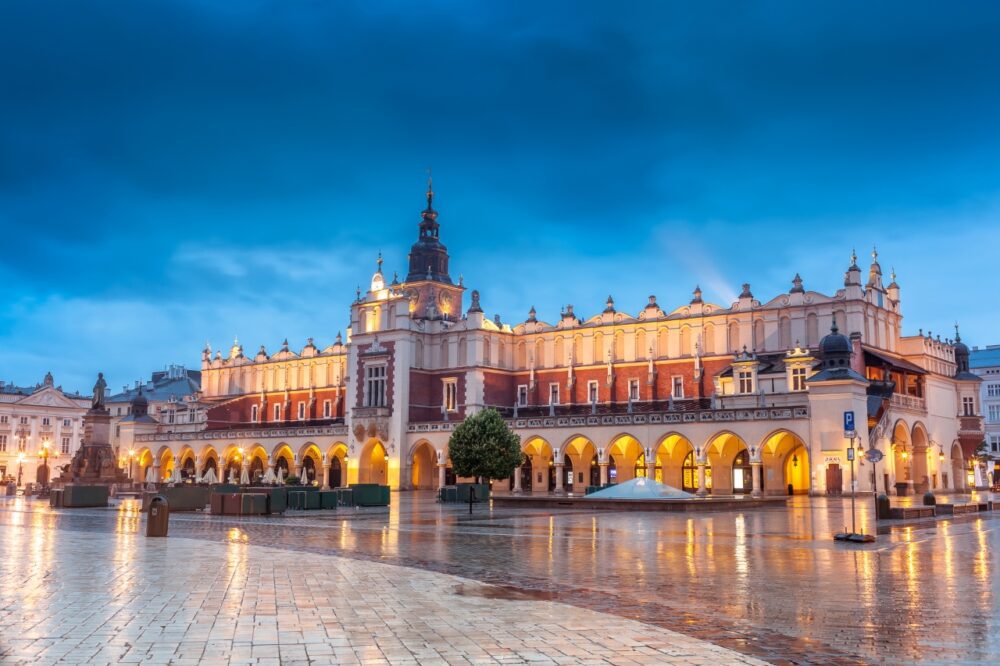
Rynek Glowny is the largest medieval market square in Europe, and it doesn’t feel like a recreation the way some old towns do. I’ve sat at a cafe table here on three separate trips, at different times of year, and it never gets old. The Cloth Hall sits in the middle, St. Mary’s Basilica anchors one corner, and every hour a trumpeter plays a short, deliberately unfinished tune from the tower, a tradition tied to a medieval warning call. It’s touristy, sure, but it earns it.
2. Wawel Castle and Cathedral Are Worth the Hype
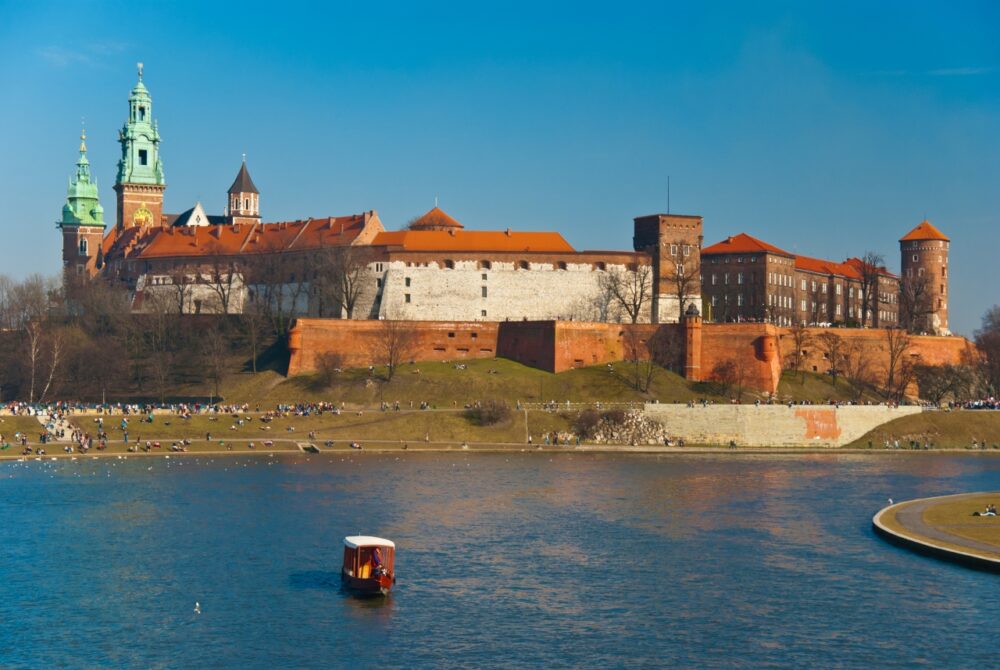
Wawel Hill was the seat of Polish kings for centuries, and the castle and cathedral complex up top is genuinely impressive rather than just a photo stop. I did the full tour on my second visit, including the state rooms and the cathedral crypts where Polish monarchs and national heroes are buried. The views over the Vistula River from the hill alone are worth the walk up.
3. The History Here Is Heavy, But It Matters
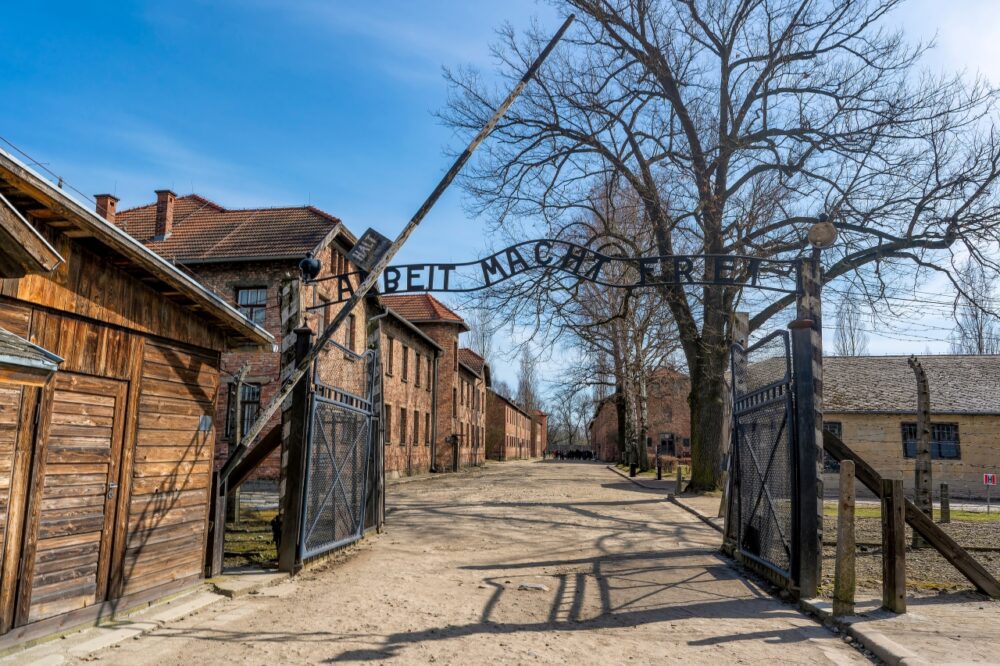
Krakow sits close to Auschwitz-Birkenau, and most visitors build a day trip around it. I’ve done that tour once, and it’s difficult but important, and I’d recommend it to almost anyone visiting the region. Closer to the center, the former Jewish quarter of Kazimierz and the Oskar Schindler Factory museum in Podgorze tell a fuller story of the war years without requiring you to leave the city. Krakow doesn’t shy away from its history, and that honesty is part of what makes it worth visiting.
4. Kazimierz Has the Best Atmosphere in the City
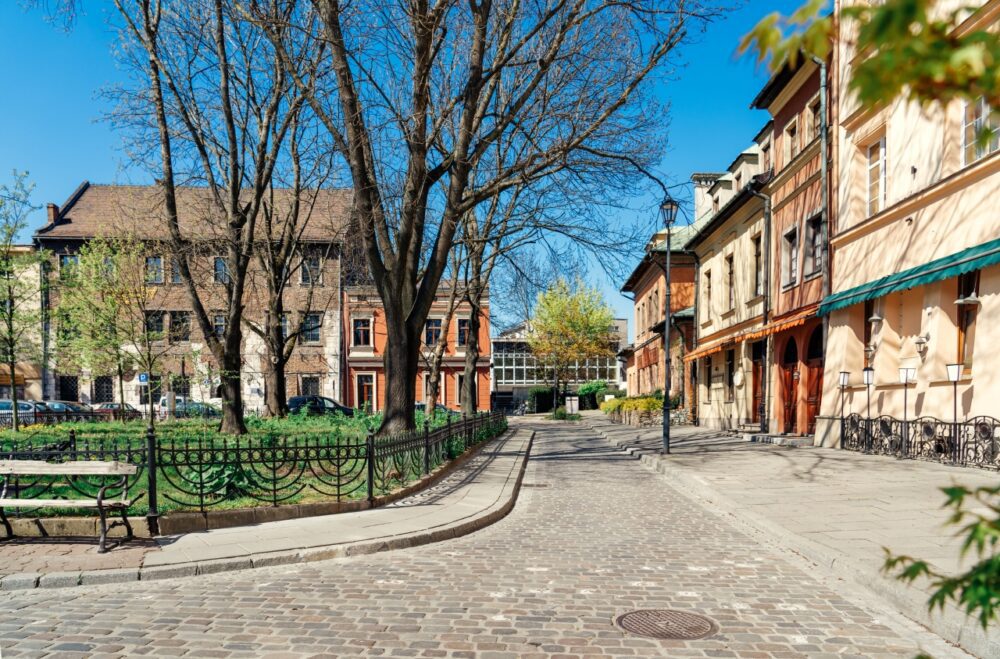
If I had to pick one neighborhood to recommend, it’s Kazimierz. This was the historic Jewish district, and today it mixes preserved synagogues and cemeteries with some of the best bars, coffee shops, and street food in Krakow. I spent an entire afternoon on my last trip just moving between courtyards and small galleries here, and it felt far less staged than the main square.
5. The Wieliczka Salt Mine Sounds Odd and Delivers
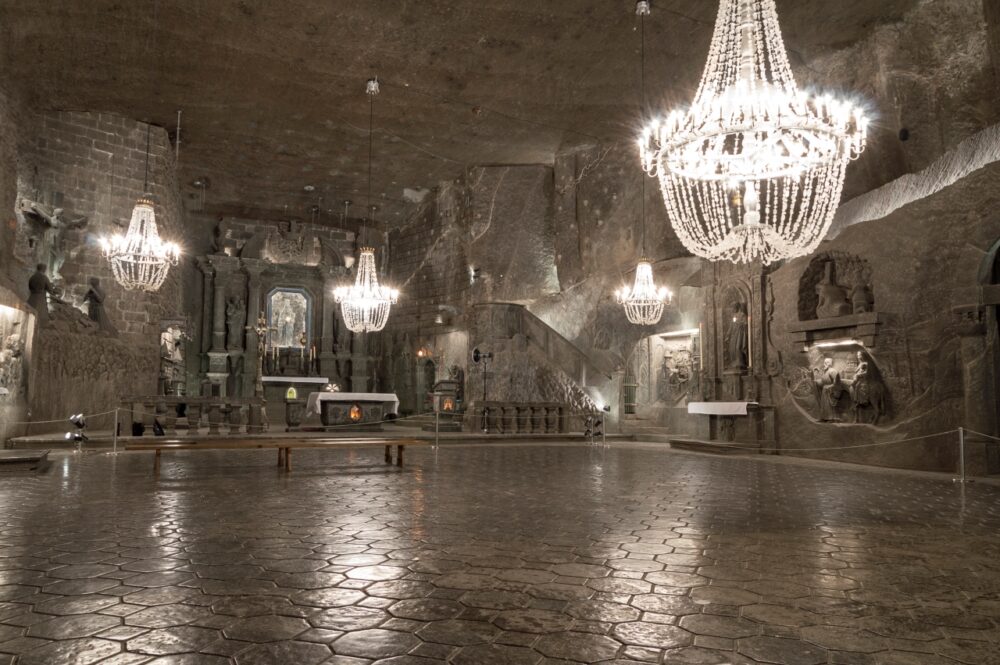
I was skeptical about a salt mine tour before I did it, and it turned out to be one of the more memorable things I’ve done in Poland. You descend over 100 meters underground into a network of chambers, chapels, and even an underground lake, all carved from salt by miners over centuries. It’s a UNESCO World Heritage Site for good reason, and it’s an easy half-day trip from the city center.
6. It’s One of the More Affordable Cities in the EU
Krakow remains noticeably cheaper than Western European capitals. On my last trip, a sit-down dinner with drinks for two came in well under what I’d pay for a similar meal in Vienna or Munich, and hotel rates in the Old Town were reasonable even in peak summer. That value is a real factor in why Krakow keeps showing up on best-value-in-Europe lists.
7. It’s a Genuinely Good Base for Day Trips
Beyond Auschwitz and Wieliczka, Krakow puts you within reach of the Tatra Mountains and the resort town of Zakopane, roughly two hours south by bus or car. I used Krakow as a base for a mountain day trip on my third visit and found it easy to organize without a tour operator. Few cities in Poland offer this range of day-trip options without needing to change your base.
Cons – Things to Consider Before Visiting Krakow
1. Overtourism Is a Real Issue in the Old Town
Krakow’s popularity has a downside. During peak summer weekends, the Main Square and the streets leading to it get genuinely crowded, and I’ve had to weave through large tour groups just to cross from one side to the other. If you’re visiting in July or August, expect lines at Wawel Castle and busy restaurants around the square. Visiting in shoulder season, or simply exploring early in the morning, makes a noticeable difference.
2. The Bachelor Party Reputation Is Real in Places
Krakow has become a popular stag and hen party destination, largely because of cheap beer and a lively nightlife scene. I’ve walked through the square on a Saturday night and passed several loud groups doing pub crawls. It doesn’t ruin the city, and it’s mostly confined to specific nightlife strips, but it’s worth knowing if you’re hoping for a purely quiet, romantic, or family-focused trip on a weekend visit.
3. Auschwitz Requires Emotional Preparation
This isn’t a con about the city itself, but it’s something to plan around. A visit to Auschwitz-Birkenau is heavy, and it affects the rest of your day. I’d recommend not scheduling anything demanding immediately afterward, and booking tickets well in advance since they sell out, particularly in summer. Go into it prepared, and give yourself space afterward.
Things to Do in Krakow
- Explore Rynek Glowny (Main Market Square) – The obvious starting point, and still worth building your first day around. The Cloth Hall and surrounding cafes make it easy to spend hours here.
- Tour Wawel Castle and Cathedral – The historic seat of Polish royalty, with state rooms, royal crypts, and sweeping river views from the hill.
- Visit Auschwitz-Birkenau – A difficult but important half-day trip about 90 minutes from the city. Book a guided tour well ahead of time.
- Descend into the Wieliczka Salt Mine – An underground network of carved chambers and chapels, roughly 30 minutes outside the city center.
- Wander Kazimierz – The former Jewish quarter, now full of synagogues, bars, and some of the best food in the city.
- Tour the Oskar Schindler Factory Museum – A well-done exhibit on Krakow under Nazi occupation, set in Schindler’s original enamel factory.
- Climb St. Mary’s Basilica tower – Fewer visitors make it up here compared to the church floor, and the view over the square is worth the climb.
- Take a Vistula River cruise – A relaxed way to see the castle and riverside from the water, especially good in the evening.
- Walk or cycle Planty Park – The green ring that replaced Krakow’s old city walls, ideal for a slower morning away from the crowds.
- Try a Krakow food tour or visit a milk bar – Pierogi, obwarzanek pretzels, and other Polish staples are cheap and everywhere. A guided food tour is a good way to get context on what you’re eating.
Where to Stay in Krakow
- Old Town (Stare Miasto) – The most convenient option, walking distance to the square, Wawel, and most major sights. It’s also the busiest and most expensive part of the city, especially on weekends.
- Kazimierz – My personal favorite for a return visit. Slightly cheaper than the Old Town, with better nightlife and food, and still an easy 15-minute walk to the square.
- Podgorze – Quieter and more local, across the river from Kazimierz. A good choice if you want lower prices and don’t mind a short tram ride into the center.
- Kleparz – A residential area just north of the Old Town, close to the main train station. Convenient if you’re arriving by rail or planning day trips.
- Near the airport (Balice) – Only worth considering for a very early flight out. It’s a 30-40 minute drive from the center, so it’s not practical as a base for exploring the city itself.
Getting Around Krakow
Krakow’s Old Town is compact enough that I’ve done entire trips almost exclusively on foot. Most of the major sights, the square, Wawel, and the edge of Kazimierz, sit within a 20-minute walk of each other, and Planty Park gives you a pleasant green route instead of cutting through traffic.
For anything further out, like Kazimierz proper, Podgorze, or the train station, trams are fast, frequent, and cheap. I bought a short-term transit pass on my last trip and used it constantly rather than dealing with individual tickets. Buses fill in the gaps where trams don’t reach, though I used them far less often since the tram network covers most tourist routes well.
For day trips to Auschwitz, Wieliczka, or Zakopane, I’d recommend a guided tour with transport included, or the regional bus and minibus network, which is reliable but requires a bit more planning. Renting a car isn’t necessary for the city itself and can be more of a hassle than a help given Old Town parking restrictions, but it’s worth considering if you want flexibility for the Tatra Mountains.
Conclusion
So, is Krakow worth visiting? After three trips, my answer is a clear yes, with a few conditions. The Old Town and Wawel Castle live up to their reputation, Kazimierz might be the best neighborhood in the city, and the day-trip options to Auschwitz, Wieliczka, and the mountains give Krakow a range that few other Central European cities can match at this price point.
The downsides are worth planning around rather than avoiding entirely. Peak summer crowds, a loud stag-party nightlife scene in parts of the center, and the emotional weight of an Auschwitz visit are all real factors, but none of them are reasons to skip the city. If you’re deciding whether Krakow is worth visiting as part of a Poland trip, I’d say build in at least three full days, more if you want to add the mountains, and go in with realistic expectations about the crowds if you’re traveling in summer. It’s one of the few cities I’ve been glad to return to more than once.