
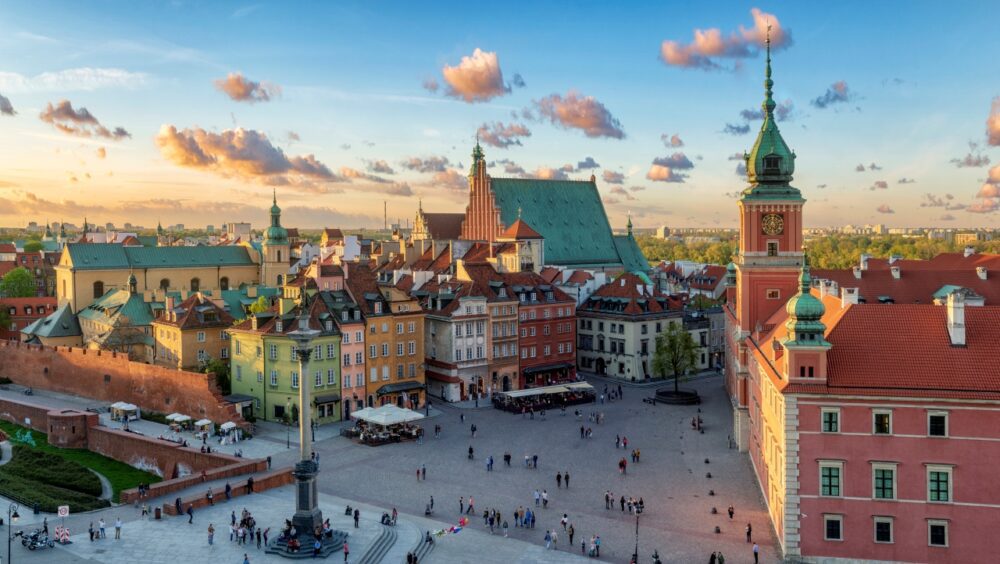
I’ll be upfront about something: I almost skipped Warsaw the first time I went to Poland. Everyone told me to spend my time in Krakow and treat Warsaw as a boring stopover on the way to the airport. I gave it three days anyway, mostly out of stubbornness, and it ended up being one of the trips that reshaped how I think about a city’s “worth.” I’ve been back twice since, once for a work trip that let me explore in the evenings, and once for a proper week-long visit that finally did the city justice.
Warsaw isn’t pretty in the postcard sense that Krakow or Gdansk are. Over 85% of the city was destroyed during World War II, deliberately razed after the Warsaw Uprising in 1944, and what stands today is a mix of a painstakingly rebuilt Old Town, blocky Soviet-era architecture, and a genuinely modern skyline of glass towers. That combination throws a lot of first-time visitors off. It threw me off too, until I understood what I was actually looking at: a city that chose to rebuild itself brick by brick rather than disappear, and that keeps building on top of that decision today.
If you’ve searched “is Warsaw worth visiting” and found mostly lukewarm comparisons to Krakow, I want to offer a different take. This guide covers what genuinely worked for me across three visits, what I’d flag before you book, a real list of things to do, where to stay, and how to move around a city that’s bigger and more spread out than most people expect from Poland.
Table of Contents
Pros – Reasons Warsaw is Worth Visiting
1. The Old Town’s Rebuild Is a Story in Itself
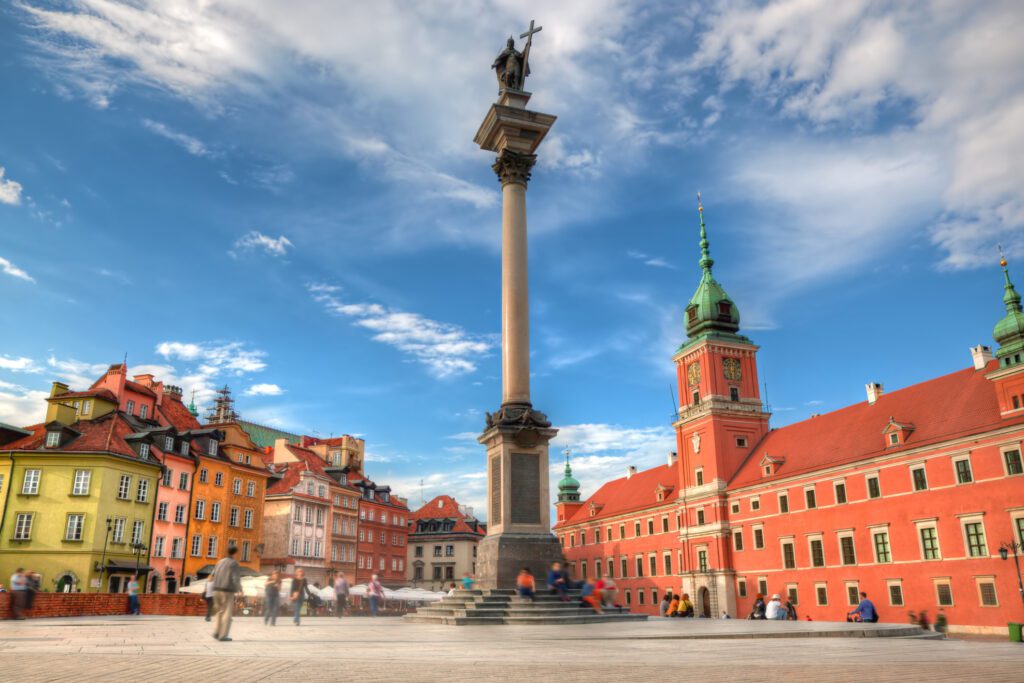
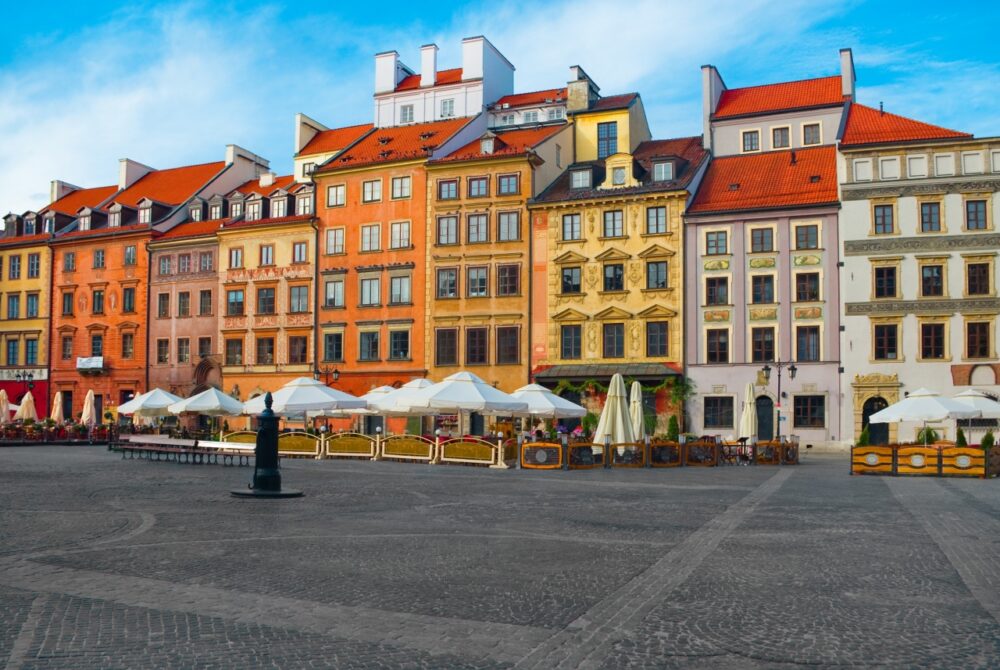
Warsaw’s Old Town looks medieval, but almost none of it is. It was rebuilt after the war using old paintings, photographs, and architectural drawings, right down to the brickwork, and UNESCO recognized it specifically for the quality and ambition of that reconstruction. I’ve walked Castle Square and the Old Town Market Place on every trip, and knowing the backstory changes how you see it. It’s not just an old European square. It’s a deliberate act of cultural defiance, rebuilt within a couple of decades of the city being flattened.
2. The History Is Some of the Most Important in Europe
Warsaw sits at the center of some of the twentieth century’s heaviest history. The POLIN Museum of the History of Polish Jews is one of the best-designed museums I’ve visited anywhere, covering a thousand years of Jewish life in Poland, not just the war years. The Warsaw Rising Museum, covering the 1944 uprising against German occupation, is intense and immersive in a way that stayed with me for days after I visited. If you care about understanding modern Europe, Warsaw teaches you more per hour than almost anywhere else on the continent.
3. The Palace of Culture and Science Gives You a Different Kind of View
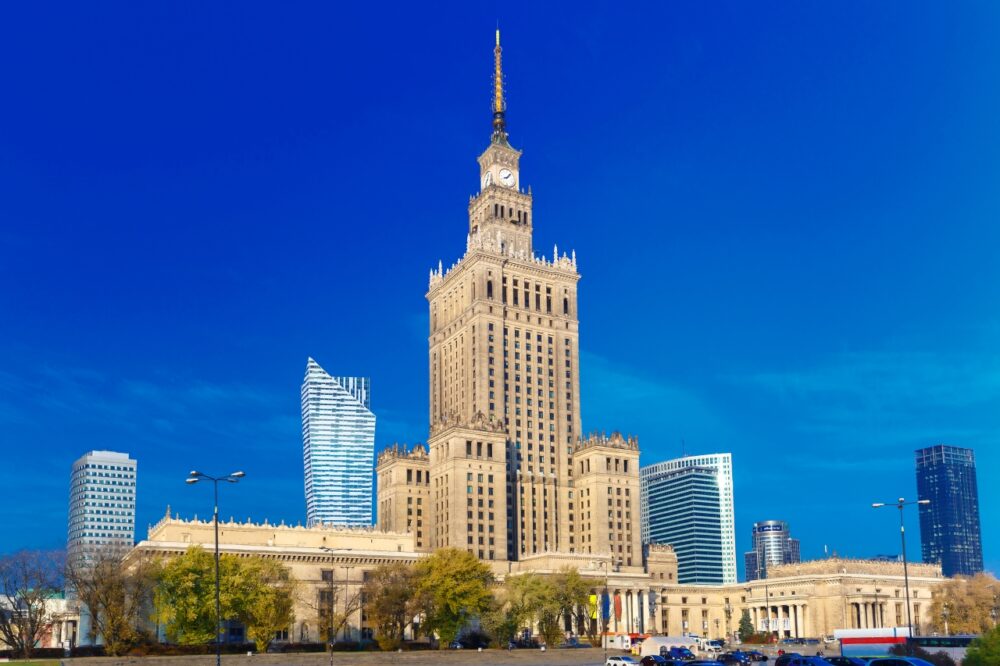
Love it or hate it stylistically, the Palace of Culture and Science dominates the skyline and its 30th-floor observation deck gives you the best view in the city, looking out over both the rebuilt Old Town and the modern business district. I went up on a clear evening on my second trip and could see the entire layout of the city at once, old and new sitting side by side. It’s a useful way to physically understand what Warsaw actually is before you start exploring it on foot.
4. Nowy Swiat and Krakowskie Przedmiescie Are Made for Walking
This connected stretch of street running from the Old Town down toward the city center is where I do my first and last walk on every Warsaw trip. It’s lined with cafes, restaurants, and grand architecture, and on summer weekends parts of it close to traffic entirely. I’ve spent entire afternoons here just moving between coffee stops, and it’s one of the more pleasant extended walks I’ve done in any European capital.
5. The Food Scene Is Better Than Its Reputation
Warsaw doesn’t get talked about as a food city the way some other European capitals do, but I’ve eaten consistently well here across three trips. Traditional spots serve excellent pierogi, bigos, and zurek, and I’ve also had genuinely inventive modern Polish food at a fraction of what a similar meal costs in Berlin or Vienna. Milk bars, the old Communist-era cafeterias, are still around and still cheap, and they’re one of my favorite ways to eat lunch on a budget while getting a taste of everyday Polish life.
6. It’s a Green City With More Space to Breathe
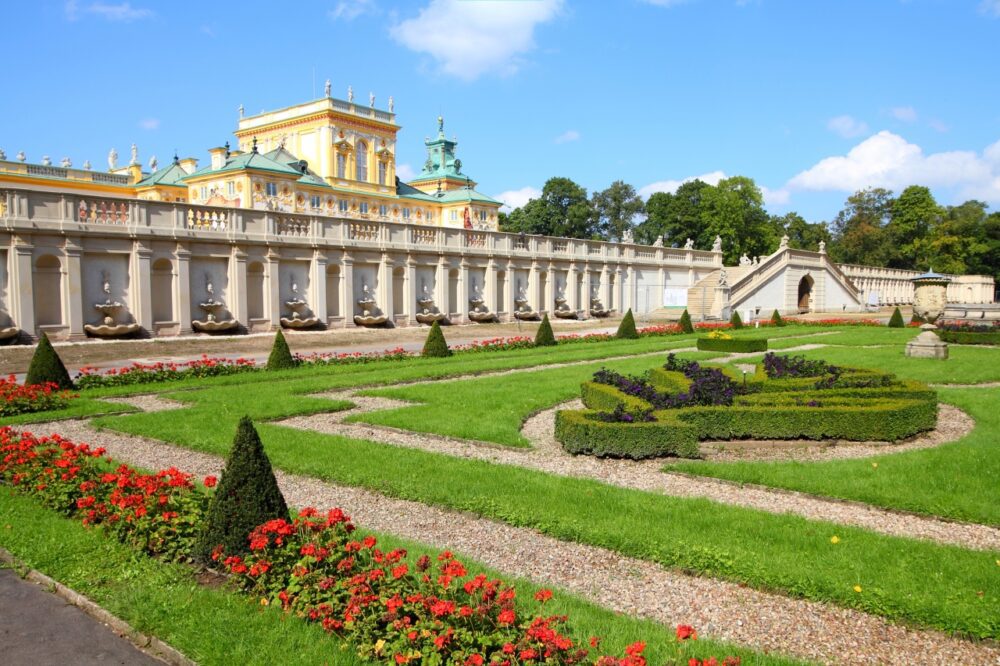
Warsaw calls itself the Green City, and it earns that label. Lazienki Park, with its palace, peacocks, and open-air Chopin monument, is a genuine escape from the city center, and Wilanow Palace and its gardens sit a short ride further out. I spent a slow Sunday morning in Lazienki Park on my last trip and it was one of the more relaxing mornings I’ve had in any capital city, something I didn’t expect going in.
7. It’s More Affordable and Less Crowded Than You’d Expect for a Capital
Compared to Krakow’s Old Town in peak summer, Warsaw feels noticeably less packed with tourists, even though it’s the capital and a larger city overall. Hotel rates, restaurant meals, and museum tickets all stayed reasonable across my visits, closer to Wroclaw’s prices than to what you’d pay in a comparable Western European capital. For a city with this much to offer, that value is a real point in its favor.
Cons – Things to Consider Before Visiting Warsaw
1. It Doesn’t Give You an Easy, Instant “Wow”
Warsaw doesn’t hand you the same immediate visual payoff that Krakow’s intact Old Town or Gdansk’s waterfront does. The city is spread out, and the mix of rebuilt historic areas, Soviet-era blocks, and modern towers takes a bit of context to appreciate. I noticed this most on my first visit, when I expected postcard views around every corner and instead had to actively learn the city’s story before it clicked. Go in expecting depth over instant charm.
2. The City Is Bigger and More Spread Out Than Krakow or Gdansk
Warsaw’s major sights aren’t all clustered within a compact old town the way they are in Krakow. The Old Town, the Palace of Culture, Lazienki Park, and Praga district are each a meaningful distance apart, and you’ll need public transport to see a proper cross-section of the city. On my first trip I underestimated this and spent more time than planned just getting between neighborhoods.
3. Some of the History Is Genuinely Heavy
Between the Warsaw Rising Museum, the POLIN Museum, and the sites connected to the former Warsaw Ghetto, a serious history-focused day in Warsaw can be emotionally demanding. I’d recommend spacing these out across your trip rather than stacking them back to back, something I learned the hard way on my second visit when I tried to fit two major history museums into one afternoon and left drained rather than informed.
Things to Do in Warsaw
- Walk the Old Town Market Place and Castle Square – The reconstructed heart of the city, and worth knowing the rebuild story before you go, since it changes how you see it.
- Visit the POLIN Museum of the History of Polish Jews – One of the best-curated museums I’ve been to anywhere, covering a thousand years of history, not just the war.
- Tour the Warsaw Rising Museum – An intense, immersive look at the 1944 uprising against German occupation. Give yourself at least two hours.
- Go up the Palace of Culture and Science observation deck – The best single view of the city, useful early in your trip to get your bearings.
- Stroll Nowy Swiat and Krakowskie Przedmiescie – A long, café-lined street perfect for a slow afternoon, especially on a car-free summer weekend.
- Spend a morning in Lazienki Park – Peacocks, a palace on the water, and an open-air Chopin monument. A genuine break from city pace.
- Cross the river to Praga district – Warsaw’s grittier, more local neighborhood, with street art, the Neon Museum, and a different vibe from the center.
- Visit Wilanow Palace and gardens – A Baroque royal residence a short ride from downtown, less crowded than the Old Town sights.
- Eat at a milk bar (bar mleczny) – Cheap, hearty, Communist-era cafeterias that locals still use daily. Prasowy is a well-known and easy option for first-timers.
- Take a Vistula River walk or cruise – A relaxed way to see the city from the water, especially in the evening when the skyline lights up.
Where to Stay in Warsaw
- Old Town / Srodmiescie Polnocne – The most convenient base for first-time visitors, close to the historic sights and river. It’s also the priciest and busiest part of the city.
- City Center (Srodmiescie) – Close to the Palace of Culture, main shopping streets, and good transport links. A practical choice if you want to be near both the business district and the historic core.
- Praga – Grittier, more local, and noticeably cheaper. A good pick if you want an authentic feel and don’t mind a short tram ride into the center.
- Mokotow – A quieter, more residential district south of the center, popular with longer-stay visitors and well connected by metro.
- Near Chopin Airport – Only worth it for a very early departure. It’s a fair distance from the main sights, so it’s not a practical base for exploring the city.
Getting Around Warsaw
Warsaw is bigger than Krakow or Wroclaw, so I’ve relied on public transport far more here than in either of those cities. The metro is small, just two lines, but fast and useful for cutting across the city quickly, especially between the center and Praga. I used it constantly on my last trip once I understood the two routes.
Trams cover far more ground than the metro and are how I got around most often day to day. They’re frequent, reliable, and a good way to see the city while you travel rather than disappearing underground. Buses fill in the remaining gaps and work well for reaching Wilanow Palace and other spots further from the center. I bought a short-term transit card each trip and found it easy to use across metro, tram, and bus without needing separate tickets.
Within the Old Town and along Nowy Swiat, walking is still the best option, and the riverside paths make for a genuinely pleasant stroll. I also tried the city’s bike-share system on one trip and found it a good option for covering ground between Lazienki Park and the center on a nice day, though I wouldn’t rely on it as your main way of getting around given how spread out the city is overall.
Conclusion
So, is Warsaw worth visiting? After three trips, including one I only took because I was too stubborn to skip it, my answer is yes, though it asks a bit more patience than Krakow or Gdansk. The rebuilt Old Town, the depth of the POLIN and Warsaw Rising museums, the view from the Palace of Culture, and the genuine calm of Lazienki Park all add up to a capital that rewards a few days of real attention rather than a rushed layover.
The downsides are worth planning around. Warsaw doesn’t hand you instant charm, it’s more spread out than other Polish cities, and some of the history here is heavy enough that you shouldn’t try to cram it all into one day. None of that changes my overall view. If you’re deciding whether Warsaw is worth visiting as part of a Poland trip, I’d say give it at least three full days, treat the history museums with some breathing room between them, and go in expecting a capital that has to be understood rather than just photographed. It’s the Polish city that surprised me the most, and I think it deserves a lot more credit than it usually gets.