Is Utrecht Worth Visiting? Honest Pros and Cons (2026)
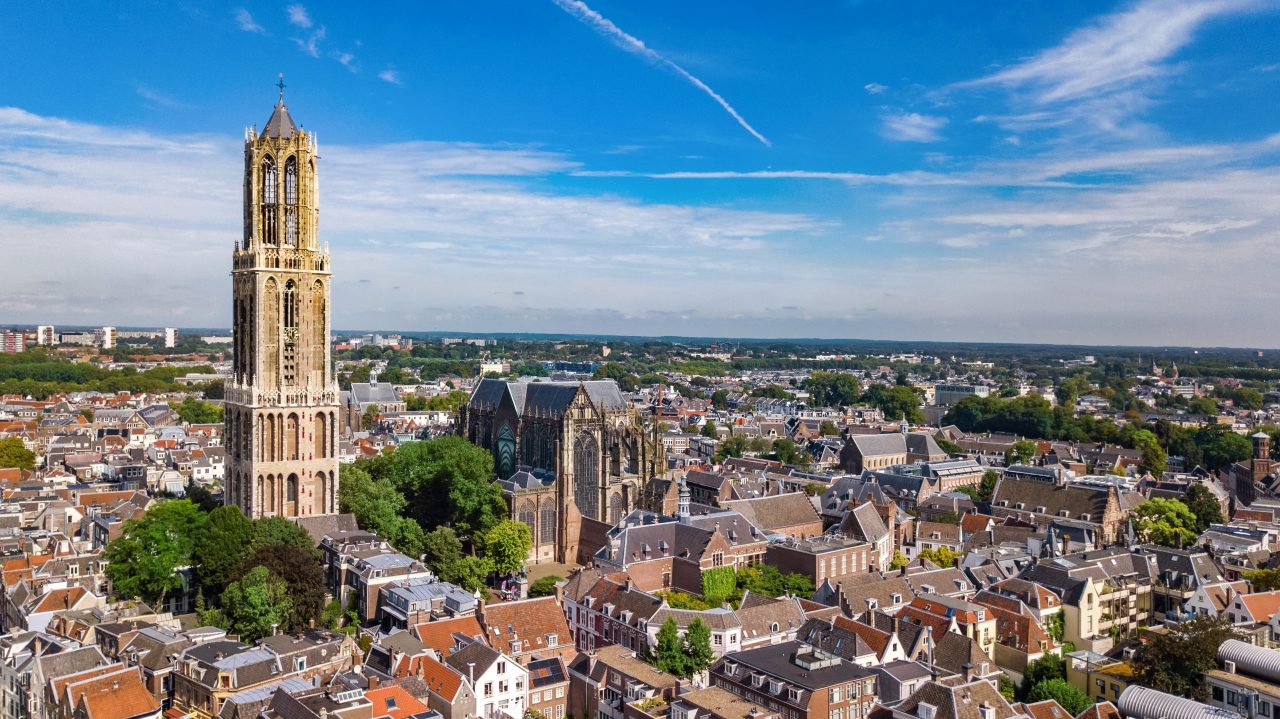
Utrecht looks a lot like Amsterdam at first glance. You get canals, gabled houses and bikes everywhere. Then you step down to the Oudegracht and the difference hits you. The canal sits well below street level, and old wharf cellars line the water, where locals now eat, drink and catch up over coffee.
I visited Utrecht one winter and found it easy to love. It’s the fourth-largest city in the Netherlands, with a medieval centre, a huge student crowd and the tallest church tower in the country. I climbed that tower, rode a boat along the canals and spent a lot of time wandering between cafes. It felt relaxed from the moment I stepped off the train.
This guide covers the pros and cons of Utrecht, where to stay, and what to book. You’ll also find tips on when to go, how long you need, and getting around, so you can decide whether it suits your kind of trip.
Pros of Visiting Utrecht
1. The Dom Tower
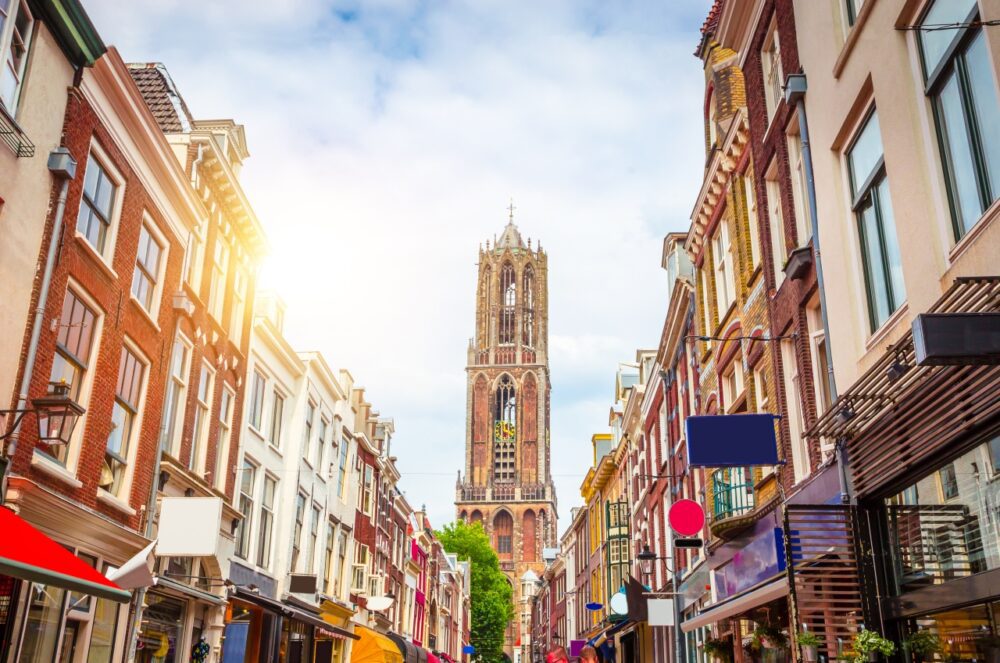
The Dom Tower is the symbol of Utrecht, and it’s hard to miss. It stands 112 metres tall, which makes it the highest church tower in the Netherlands. You can see it from almost every street in the centre, so it works as a handy landmark when you’re lost. I loved how it kept popping up behind rooftops and over canals. The church it once belonged to is gone, so the tower stands alone on the square.
The climb is worth doing. It’s 465 steps up a narrow stone staircase, and you go with a guide who explains the tower’s history. The stair tour costs €13.50, and you leave your bag in the free lockers first. The view from the top covers the whole old town and the flat countryside beyond. If you want underground history as well, the Under & Up tour combines the DOMunder excavations with the climb. Book ahead for weekends, since tours have set start times.
2. The Oudegracht Canal and Wharf Cellars
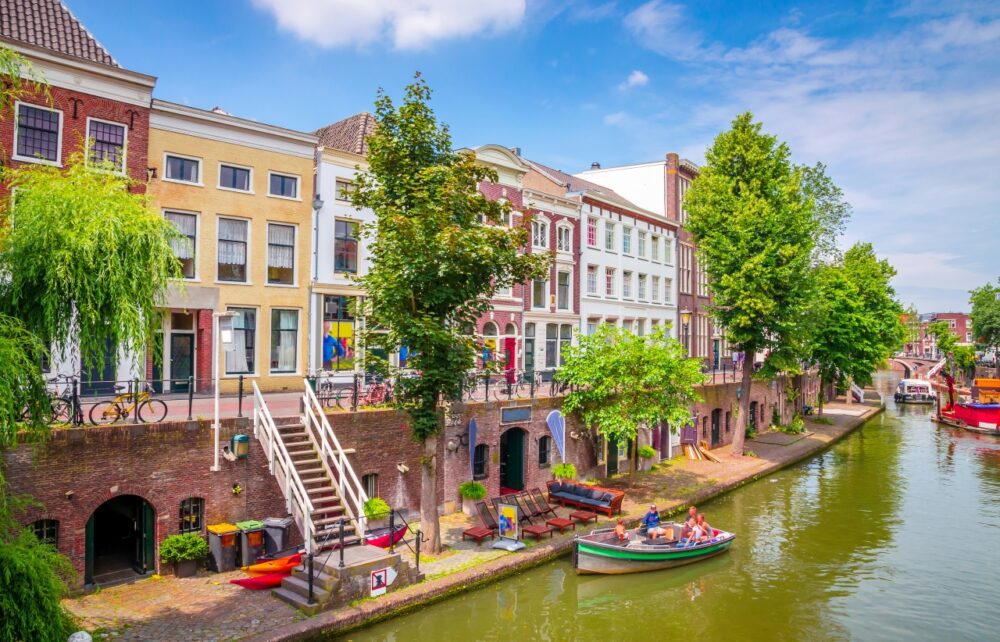
The Oudegracht is the heart of Utrecht, and it’s different from any other canal I’ve seen in the Netherlands. The water runs about four metres below the street. Two levels of walkways run alongside it. The upper one is the normal street, while the lower one is a series of wharf cellars right at the water’s edge!
Those cellars used to store goods from boats. Today they hold restaurants, bars, and terraces, so you can eat lunch just above the water. I stopped for coffee at one and watched the boats glide past. To see it all properly, take the Utrecht City Canal Cruise. It lasts around an hour and passes the Dom Tower, canal houses and old wharves. The boat gives you a different angle on the city, and the audio guide covers the history without feeling like homework. Sit on the side facing the cellars so you can see into the old arches.
3. A Compact Centre You Can Walk
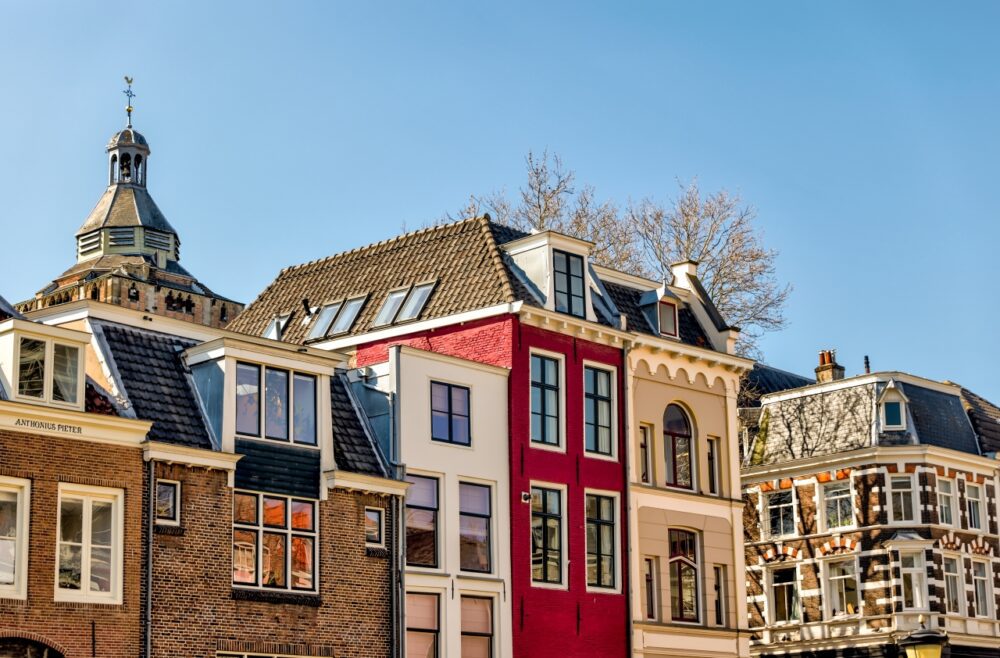
Utrecht’s old centre is small. You can walk from the station to the Dom Tower in about 15 minutes, and almost everything worth seeing sits within that area. I never needed a tram or a taxi in the centre. That makes it a great option if you hate planning complicated days.
Most of the walk runs through Hoog Catharijne, a big shopping centre attached to the station, and out onto the canal at the other end. After that, the streets get older and prettier. Nieuwegracht, a quieter canal near the Dom, is one of my favourite stretches for a slow stroll. You’ll also notice the bikes. Utrecht’s station has the largest bicycle parking facility in the world, with space for around 12,500 bikes. Seeing it is a fun sight in itself. The shops, cafes and squares along the route also give you plenty of excuses to stop, so even a short walk can fill a whole afternoon.
4. The Rietveld Schröder House
The Rietveld Schröder House is one of the most interesting buildings in the Netherlands. Gerrit Rietveld designed it in 1924 for Truus Schröder, and it’s now a UNESCO World Heritage site. It looks like a Mondrian painting turned into a house, with clean lines, flat planes and bold primary colours. Nothing else on the street looks remotely like it.
Inside is even better. Sliding walls let the upstairs change from one big room into several small ones. Visits are short and run on a timed ticket, so book ahead. The Rietveld Schröder House ticket lasts around 40 minutes and has an optional audio guide. I’d say it’s worth it even if you don’t care about design. It’s small, quick to see and unlike anything else in the city. It also pairs well with a visit to the Centraal Museum, which holds the biggest Rietveld collection in the world. Together they give you a proper look at Dutch design in a single morning.
5. The Centraal Museum and Miffy
Miffy comes from Utrecht. Dick Bruna, the artist who created the little white rabbit, was born here, and the city is proud of her. You’ll spot Miffy-shaped traffic lights near the centre. It’s a cute touch that makes the city feel playful!
The Centraal Museum is where you can see the full story. It’s the oldest urban museum in the Netherlands, and it has the biggest Rietveld collection in the world, a 1,000-year-old ship in the basement and Dick Bruna’s studio. It’s open Tuesday to Sunday from 11:00 to 17:00, so plan around the Monday closure. I found it a nice mix of art, design and local history. It’s also a good rainy-day pick, since you can easily spend a couple of hours inside. The museum also hosts changing exhibitions, so there’s often something new to see, and the garden is a quiet spot to sit between rooms. Miffy fans can visit the dedicated Miffy museum across the road.
6. Museum Speelklok
Museum Speelklok is one of the most unusual museums I’ve visited anywhere. It’s all about mechanical musical instruments, from tiny music boxes to huge street organs. The collection starts with pocket-sized pieces and ends with machines that fill a whole room with sound. You can hear many of them in action during the visit, which is the best part.
The Museum Speelklok is open Tuesday to Sunday from 10:00 to 17:00, and it sits at Steenweg 6, a short walk from the Dom Tower. I’d book a Museum Speelklok ticket in advance if you’re visiting on a weekend. It works for adults as well as kids. The cheerful atmosphere and the moving parts make it much more fun than a standard museum. Allow an hour or two for the full visit, and plan a coffee stop afterwards in the nearby streets, where the lanes feel old and quiet compared with the main shopping area.
7. The Dutch Railway Museum
The Spoorwegmuseum is the Dutch Railway Museum, and it sits inside the old Maliebaan station. You walk through real locomotives, carriages and a full station, then try interactive exhibits that explain how trains shaped the country. It’s a hit with kids, but I think train fans of any age will have a great time too.
Tickets cost €19.50, and you need to reserve a free time slot online, even if you already have a ticket. The museum is open Tuesday to Sunday from 10:00 to 17:00, and it also opens on Mondays during Dutch school holidays. From Utrecht Centraal, take the hourly train to Utrecht Maliebaan station, or ride one of several buses to the Stadsschouwburg stop and walk the rest. It’s an easy half-day outing from the centre, and a good indoor option when the weather turns. Families with young kids will find plenty to keep them busy.
8. Cafes, Food and a Student Buzz
Utrecht has a huge university, and you can feel it. The cafes fill up early, the terraces stay busy and the streets have a youthful, easygoing energy. I never struggled to find somewhere good to eat. Lunch on a canal terrace became a daily habit, and warming up with hot chocolate afterwards felt like part of the routine!
Expect Dutch classics like stroopwafels, pancakes, and bitterballen, plus plenty of modern bakeries and international restaurants. The wharf cellars are the best place to eat, since you sit right beside the water. For a different take on the food scene, the Food Tour by Bike takes you to six vegan spots around town in about four hours. You can add a city bike to the booking. It’s a fun way to see areas outside the main tourist loop. Lunch spots in the centre also offer good value, which helps when hotel prices feel high.
9. An Easy, Central Base
Utrecht sits almost in the middle of the Netherlands, and that makes it one of the easiest cities to reach. Almost every major route passes through Utrecht Centraal, the country’s busiest rail hub. From there, trains run to Amsterdam in around 30 minutes, and Schiphol Airport is about the same distance away.
That makes the city a very useful base. You can pair it with a trip to Amsterdam, Rotterdam or The Hague without changing hotels. Hotels in the centre aren’t cheap, but the location saves you from long transfers. If you’re short on time, Utrecht gives you canals, culture and good food in one small, well-connected package. Most journeys also start and end at the same station, which keeps luggage and logistics simple. Trains also run late into the evening, so a day out never leaves you stuck. For a first trip to the Netherlands, that kind of ease matters.
10. Day Trips
Utrecht works well for day trips. Kasteel de Haar is the biggest and most elaborate castle in the Netherlands. It sits just outside the city, and it has towers, ramparts, lavish rooms and large gardens. It looks like something from a historic, and the gardens are worth a slow walk after the tour.
Other easy options include Amersfoort, a pretty walled town, and the Utrechtse Heuvelrug, a forested area that suits hiking and cycling. The Dutch Water Defence Lines, Slot Zeist and the Kromme Rijn canoe route are also close by. Amsterdam is only half an hour away by train. I’d keep one day free for a castle or a countryside outing. It adds variety to a stay, and everything is within easy reach of the station. A ticket booked in advance for the castle saves time at the gate, and trains and buses from the city make the journey simple.
Cons of Visiting Utrecht
1. Winter Weather and Short Days
Dutch winters are cold, grey, and damp, and Utrecht is no exception. The sun sets early, and wind off the canals can cut through a coat quickly. Some days I only had a few hours of proper daylight, which made it harder to fit in outdoor sights like the Dom Tower climb!
The answer is to plan your days around the light. Do the climb and the canal walk in the morning, then save museums and cafes for the afternoon. The Oudegracht looks beautiful in the evening glow too, and indoor options like the Centraal Museum and Museum Speelklok keep you busy when the weather turns. Pack a waterproof jacket, a warm layer and comfortable shoes. It’s still worth it, because the city feels cosy rather than gloomy, and the cafes make cold days easy to enjoy.
2. Cyclists Everywhere
Bikes rule Utrecht. They come from every direction, they move quickly and they rarely slow down for tourists. The cycle lanes look a lot like pavements in places. On my first day I stepped into a bike lane without noticing and got a loud ding from a cyclist.
The solution is simple. Look both ways at every crossing, even if the road looks quiet. Stay out of the red-coloured bike paths, and watch for bikes at corners and bridges. After a few hours you’ll get used to the flow. If you want to join in, hire a bike for a day and cycle the canals. Take it slowly at first. It’s still worth the effort, because the city feels far more pleasant once you learn the rhythm. You’ll soon feel part of the flow.
3. Monday Closures
Many of Utrecht’s best museums close on Mondays. The Centraal Museum and Museum Speelklok both open Tuesday to Sunday, and the Railway Museum is usually shut on Mondays outside school holidays. If your trip lands on a Monday, your list of indoor options shrinks quickly.
The answer is to plan your days around those closures. Do the outdoor sights on Monday, since the Dom Tower stays open all year, and keep the museums for the rest of the week. The canal cruise, a walking tour or a wander through the wharf cellars all work on any day. I’d also book tickets in advance, because time slots fill up. It’s a small hassle, and the city still has plenty to see on a Monday. The cafes, shops and wharf cellars are all open, so you won’t run out of things to do.
4. Pricey Hotels in the Centre
Hotels in the historic centre can be expensive, especially at weekends and in summer. Rooms near the Oudegracht and the Dom Tower book out early, and prices climb quickly. For a small city, that can come as a shock, especially if you’re comparing it with a larger destination!
You can save money without giving up the location. Stay near the station or in Wittevrouwen, a quieter area just north of the old centre. Budget picks like the Bunk Hotel sit close to the station. Booking early helps too, particularly for weekends and school holidays. Even so, the central location is worth paying a little extra for, because you save time and walk everywhere. If you’re travelling in a group, a shared room can bring the cost per person down a lot.
5. Fewer Big-Name Sights
Utrecht doesn’t have a blockbuster attraction like the Rijksmuseum or the Anne Frank House. Its appeal comes from the overall atmosphere, the canals and a handful of smaller museums. If you want a long list of famous landmarks, you may feel something is missing.
I see that as part of the charm. The city rewards slow wandering over ticking boxes. A great way to get the best out of it is to take a guided walking tour, which runs for two hours and covers the canals and Dom Square. After that, spend your free time in cafes and museums. Pairing Utrecht with Amsterdam also balances the two. It’s still worth visiting, because the quieter pace is exactly what makes it special, and you leave feeling relaxed rather than rushed.
Where to Stay
Domplein and Oudegracht: This is the heart of the old town, and it’s where I stayed. Everything is on your doorstep: the Dom Tower, the canal and the best cafes. I could walk out of the door and be on the water in a minute, which made short winter days far easier to use. The downside is the price. For luxury, the five-star Grand Hotel Karel V sits on Geertebolwerk, with a spa, an indoor pool, a garden and a restaurant. The four-star The Hunfeld is on Mariaplaats, with air conditioning, a coffee house and a 24-hour front desk. On a tighter budget, B&B Utrecht Domkwartier is a three-star on Donkere Gaard with family rooms and a restaurant.
Station and Hoog Catharijne: This area is perfect if you’re arriving by train or heading out on day trips. Utrecht Centraal and the shopping centre are right there, and the Dom Tower is a short walk away. It’s busier and less charming than the old town, but it’s very convenient. The four-star Crowne Plaza Utrecht on Catharijne Esplanade has soundproof rooms, a bar, a restaurant and a fitness centre. The four-star Inntel Hotels Utrecht Centre on Smakkelaarshoek has an indoor pool, a sauna and a spa. For something cheaper, the three-star Bunk Hotel on Catharijnekade has a bar, a restaurant and live music.
Janskerkhof and Neude: This area sits just north of the Dom and feels a little calmer. You have cafes and squares close by, plus quick access to the canal. It suits travellers who want character without the busiest streets. The three-star NH Centre Utrecht Hotel on Janskerkhof offers a 24-hour front desk and a tour desk. The Brass Hotel on Janskerkhof has air conditioning and family rooms. The four-star Mother Goose Hotel on Ganzenmarkt has air conditioning, a 24-hour front desk and breakfast in the room!
Wittevrouwen: This leafy neighbourhood sits just beyond the old centre, along the Wittevrouwensingel canal. It’s quiet at night, and you’re still within walking distance of the Dom Tower. It’s a great pick if you prefer a calmer base. The B&B de singel on Wittevrouwensingel has a terrace, a lift and a coffee house on site. The City Center Lodge on the same canal has air conditioning, soundproof rooms and a shared lounge. The four-star Eye Hotel on Wijde Begijnestraat has air conditioning, a lift and a 24-hour front desk.
Best Things to Do
- Utrecht City Canal Cruise: A one-hour or 90-minute boat ride along the Oudegracht, with departures from the city centre or Hoog Catharijne. You pass the Dom Tower, canal houses and wharf cellars, and an audio guide covers the history in eight languages.
- Utrecht Under & Up: DOMunder & Dom Tower: A 75-minute guided visit that takes you five metres below Domplein, then up the Dom Tower to a height of 70 metres. It covers 2,000 years of the city’s history.
- Utrecht Local Walking Tour: A two-hour small-group walk with a local guide, starting at Stationsplein. It covers Catharijnesingel, Nieuwegracht and Domplein, and it includes a typical Dutch snack.
- Food Tour by Bike: A four-hour guided cycle to six local spots serving vegan bites. You can add a city bike to your booking if you don’t have one.
- Rietveld Schröderhuis UNESCO Entry Ticket: A 40-minute visit to Gerrit Rietveld’s 1924 De Stijl landmark, with an optional audio guide.
- Centraal Museum Entrance Ticket: Entry to the oldest urban museum in the Netherlands, with the largest Rietveld collection in the world, a 1,000-year-old ship and Dick Bruna’s studio.
- Museum Speelklok Entry Ticket: A ticket for the museum of mechanical musical instruments, where you can hear music boxes and street organs from past and present.
- De Haar Castle and Gardens Entry Ticket: A day trip to the largest castle in the Netherlands, with an opulent interior, historic towers and landscaped gardens.
- Utrecht Scenic Canal Canoe Trip: A paddle through the historic canals and the city centre, with nearby parks and green spaces to explore at your own pace.
- Guided Christmas Market Walking Tour: A 2.5-hour small-group walk along the historic canals, with a stop at the Christmas market and stories about the city’s history and culture.
Best Time to Visit
Winter – I visited in winter, and I’d happily go back. The days are short and cold, but the city has a cosy feel, with lit-up canals and warm cafes. Crowds are small, and the Dom Tower and museums stay open. The Sinterklaas arrival in mid-November brings boats along the Oudegracht, and December adds Christmas lights and a market. Pack layers and a waterproof coat.
Spring – Spring is a beautiful time to see Utrecht. Flowers fill the parks and canalside gardens, and the terraces start to fill up again. Temperatures are mild, although showers are common. It’s also the best time to combine the city with a day out to Keukenhof or Kasteel de Haar. Easter and school holidays can get busy, so book museums early.
Summer – Summer is a very different trip. The wharf cellars and terraces are packed, and the long evenings give you hours of extra daylight. You can hire a canoe, cycle to the castle or eat outside every day. It’s also the most expensive and busiest season, so book hotels well ahead. Late August brings the Festival Oude Muziek, a big early-music festival.
Autumn – Autumn brings crisp air, golden leaves and smaller crowds. The Nederlands Film Festival takes over the city in late September, and the weather is still pleasant for walking. Hotel rates ease off after the summer rush. It’s a smart choice if you want good conditions without the peak-season prices!
How Long to Spend
1-2 Days – Two days is enough to see the main sights, and that’s what I spent. Climb the Dom Tower, cruise the canals and eat in the wharf cellars on day one. On day two, visit the Centraal Museum or the Rietveld Schröder House. It’s a full but relaxed itinerary, and you won’t feel rushed.
3-4 Days – Three or four days lets you slow down. You can add Museum Speelklok, the Railway Museum and a walking tour or food tour. There’s also time for a day trip to Kasteel de Haar. This is the ideal length if you want to see the city without a strict schedule.
5-7 Days – A week is more than Utrecht needs on its own, but it works well as a base. Add trips to Amsterdam, Amersfoort, The Hague or Rotterdam, then return each evening. You’ll also have time to hike in the Utrechtse Heuvelrug or paddle the Kromme Rijn. You could also add a separate stay in Haarlem on a longer Netherlands trip, rather than filling every day here with outings.
Getting Around
On foot: Walking is the best way to see the old town. The Dom Tower, the Oudegracht and most museums are within 15 minutes of each other. The Railway Museum is a little further out, but still walkable.
Bike hire: Utrecht is built for cycling, with wide lanes and flat streets. Hire a bike near the station and cycle the canals or head out to the countryside. Park in marked areas, and lock it every time.
Metro, trams and buses: Utrecht has no metro. Buses cover the city, and a sneltram (a fast tram) runs south from the station toward Nieuwegein and IJsselstein. You can pay with a contactless bank card or phone through OVpay, or use the U-OV app for e-tickets. In the centre you rarely need either one!
Taxis: Taxis wait at the station, and ride-hailing apps like Uber work well. They’re handy late at night or when it’s cold, but they cost more than public transport.
To and from the airport: The easiest way is the direct NS train between Schiphol Airport and Utrecht Centraal, which takes around half an hour. Taxis are also available at the airport if you have heavy bags. Line up your journey back the day before, and allow extra time to get to the airport, since trains can be busy in the morning.
Final Thoughts: Is Utrecht Worth Visiting?
Utrecht is one of my favourite surprises in the Netherlands. It has everything people love about Dutch cities, from canals and old houses to great food and museums. It just does it at a slower, friendlier pace.
It isn’t perfect. Winter days are short, bikes can catch you off guard and some museums close on Mondays. Hotels in the centre can be pricey too. With a bit of planning, none of that gets in the way, and you can enjoy a very relaxed few days.
If you want canals, culture and a local feel without the crowds of Amsterdam, Utrecht is a great choice. Climb the Dom Tower, eat by the water and spend a morning at the Rietveld Schröder House. Then you’ll see why I’d go back.