
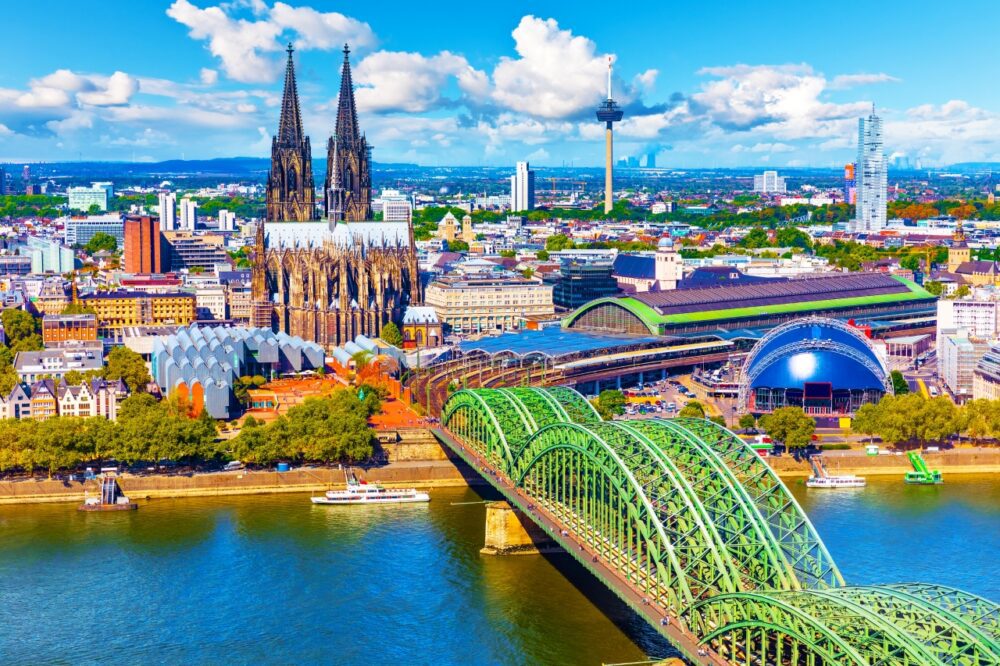
I visited Cologne on a short trip last year, and it wasn’t originally the main destination, more a stop I added almost as an afterthought. That turned out to be a mistake in planning, because Cologne deserved more time than I gave it. The city is dominated, almost literally, by its cathedral, which you can see from nearly anywhere in the center, but there’s a lot more going on beyond that one landmark.
What I didn’t expect was how lived-in Cologne feels compared to some other German cities. It’s not trying to be a polished showcase city. It has a strong local identity built around its cathedral, its river, and its own beer, Kölsch, which locals take seriously enough that it comes with its own set of unwritten rules. Even on a short visit, I got the sense that Cologne has a distinct personality that doesn’t really overlap with Berlin, Munich, or Hamburg.
So, is Cologne worth visiting? Based on my trip there, the answer is yes, particularly if you want a city that combines a genuinely impressive landmark with an easygoing, sociable atmosphere. In this post, I’ll cover the real pros and cons from my visit, along with practical advice on what to do, where to stay, and how to get around.
Table of Contents
Pros – Reasons Cologne is Worth Visiting
1. The Cathedral is One of the Most Impressive Sights in Germany
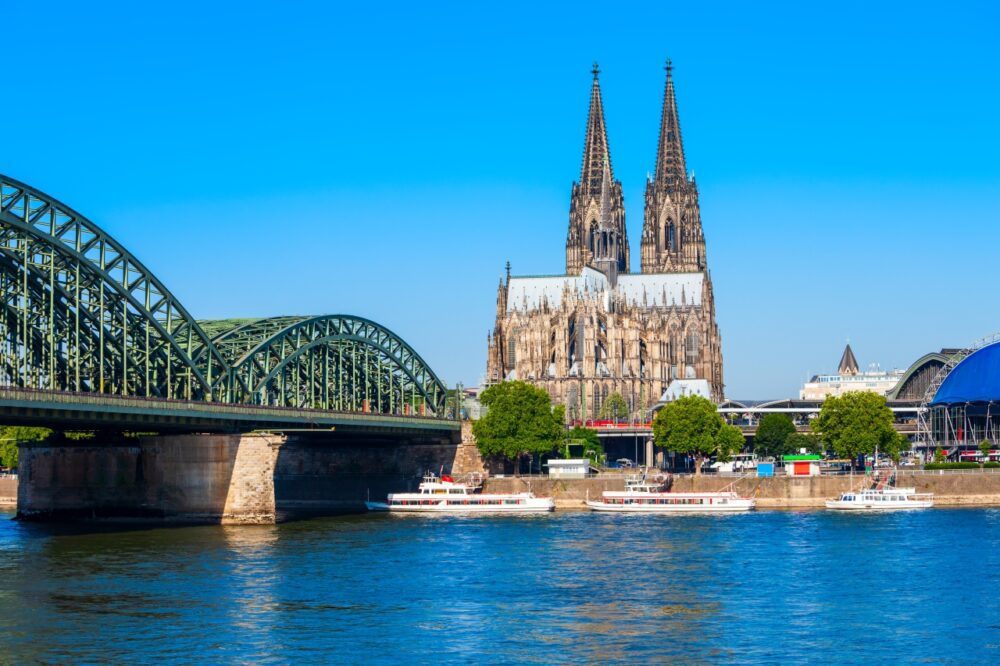
Cologne Cathedral (Kölner Dom) is genuinely one of the most striking buildings I’ve seen in Europe. It’s massive, took over 600 years to complete, and dominates the city’s skyline from almost every angle. I climbed the tower during my visit, and while the 533 steps were a proper workout, the view over the city and the Rhine at the top made it worthwhile. Even if you’re not usually drawn to churches or cathedrals, this one is worth the visit on scale alone.
2. The Old Town is Compact and Easy to Explore
Cologne’s Altstadt sits right along the Rhine and is small enough to explore on foot in a day, which made it easy for me to cover a lot of ground even on a short trip. Narrow streets, colorful old buildings, and a lively riverside promenade give the area a relaxed, walkable charm. I appreciated not needing to plan out complicated transport routes just to see the main sights.
3. The Kölsch Beer Culture is a Genuine Local Experience
Cologne’s local beer, Kölsch, comes with its own drinking culture that’s specific to the city. It’s served in small glasses, refilled continuously until you put a coaster on top to signal you’re done, and traditionally poured by waiters called Köbes who keep a running tally. I sat in a traditional Brauhaus during my trip and found the whole ritual, small glasses arriving in quick succession, to be a fun, distinctly local experience that felt different from beer culture I’d encountered in Munich or Berlin.

4. The Museum Ludwig and Riverside Museums are Excellent
Cologne has a strong museum scene, and the Museum Ludwig, right next to the cathedral, has one of the best modern art collections I’ve come across in a German city, including a notable Picasso collection. The Chocolate Museum, sitting on the Rhine, is also more engaging than the name might suggest, walking you through the whole chocolate-making process with samples along the way. Both gave me a good midday break from walking around the old town.
5. The City Has a Genuinely Friendly, Sociable Vibe
Compared to the more reserved atmosphere I’ve heard associated with some other German cities, Cologne felt notably warm and sociable. Locals in the Brauhaus I visited struck up conversation without much prompting, and the general atmosphere around the old town in the evening felt lively rather than closed off. For a first solo-ish trip to Germany, that made a real difference in how welcoming the city felt.
6. The Rhine Adds a Nice Scenic Element
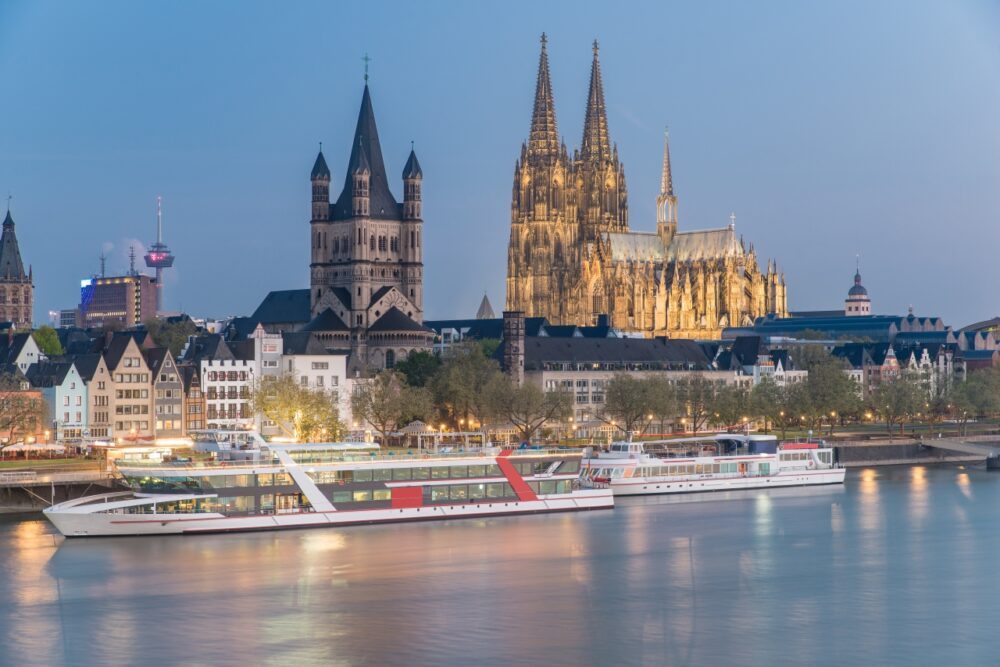
Cologne sits right along the Rhine, and the riverside area adds a pleasant scenic backbone to the city that a lot of other German cities don’t have in the same way. I took a short river cruise during my visit, and seeing the cathedral and old town skyline from the water gave me a completely different perspective than walking through the streets alone.
7. It’s an Easy, Central Base for Exploring the Region
Cologne’s location makes it a convenient base if you’re planning to explore more of western Germany. It’s well connected by train to cities like Düsseldorf, Bonn, and Frankfurt, and I found the transport links out of the city just as efficient as the ones within it. If you’re combining Cologne with other stops, it slots into a wider itinerary easily.
Cons – Things to Consider Before Visiting Cologne
1. One Landmark Dominates, and the Rest Can Feel Secondary
The cathedral is so dominant, both visually and in terms of tourist attention, that everything else in Cologne can feel like it’s playing catch-up. On my trip, I noticed a lot of visitors seemed to treat the cathedral as basically the whole reason for visiting, then moved on quickly. If you only give the city a day, you risk missing out on the museums, the old town, and the local beer culture that round out the experience.
2. The City Isn’t as Visually Cohesive as Some Others
Cologne was heavily bombed during World War II, and the postwar rebuilding wasn’t always kind to the city’s overall aesthetic. Walking around, I noticed a mix of historic buildings, reconstructed old town sections, and fairly plain modern architecture sitting close together, which gives the city a patchier look compared to somewhere like Munich’s more uniformly preserved old town. It doesn’t ruin the visit, but it’s worth knowing so you’re not expecting a fairy-tale old town at every turn.
3. It Can Get Very Busy During Carnival and Major Events
Cologne takes Carnival (Karneval) seriously, and if your visit overlaps with it, expect large crowds, higher accommodation prices, and a very different city atmosphere than a normal visit. I didn’t experience this myself, but based on what locals told me during my trip, it’s worth checking the calendar before booking if you want a calmer, more typical visit to the city.
Things to Do in Cologne
- Climb Cologne Cathedral’s tower – 533 steps, but the view over the Rhine and the old town at the top makes it one of the best things I did in the city.
- Explore inside the cathedral itself – Free to enter, and the scale and detail inside match the impressive exterior. Worth slowing down for rather than rushing through.
- Visit the Museum Ludwig – A strong modern art collection right next to the cathedral, including a well-regarded Picasso collection. Good for a couple of hours indoors.
- Tour the Chocolate Museum – More engaging than it sounds, with a walkthrough of the chocolate-making process and samples along the way. A nice change of pace from historic sightseeing.
- Take a Rhine river cruise – A short cruise gives you a completely different view of the cathedral and old town skyline than you get walking around at street level.
- Sit in a traditional Brauhaus and try Kölsch – A genuinely local experience, with small beers served continuously until you signal you’re finished. I’d recommend doing this at least once, ideally with locals nearby to explain the etiquette.
- Wander the Altstadt along the Rhine promenade – A relaxed walk past colorful old buildings and riverside bars, good for an evening stroll after a day of sightseeing.
- Visit the Roman-Germanic Museum area – Cologne has Roman roots, and the archaeological remains and artifacts nearby give a different layer of history than the cathedral alone.
- Browse the shops and cafes around Schildergasse – One of Germany’s busiest shopping streets, useful if you want a break from historic sightseeing and a bit of everyday city life.
- Take a day trip to Bonn – Germany’s former capital is a short train ride away and makes a good half-day addition if you have extra time in the region.
Where to Stay in Cologne
- Altstadt (Old Town) – The most central option, walkable to the cathedral, river, and most major sights. Good for a short visit where you want everything within easy reach.
- Belgisches Viertel (Belgian Quarter) – A trendier area with good cafes, bars, and independent shops, popular with a younger, more local crowd. A short tram ride from the old town.
- Ehrenfeld – A more up-and-coming, slightly edgier neighborhood with a growing food and nightlife scene, good if you want a more local feel and don’t mind being a bit further from the main sights.
- Deutz – Located just across the Rhine from the old town, offering good views back toward the cathedral and often better value accommodation than staying directly in the center.
Getting Around Cologne
Cologne’s public transport system, run by the KVB, combines trams (Stadtbahn), buses, and connections into the wider regional train network, and I found it straightforward to use even without much German. The tram network in particular covers the city well and is useful for reaching areas like Ehrenfeld or the Belgian Quarter that sit a bit outside the compact old town.
For the old town and cathedral area itself, walking is really the best option, since most of the major sights sit within a small, easily covered radius. I didn’t need public transport at all on the day I focused purely on the cathedral, museums, and riverside area. Once I wanted to explore neighborhoods further out, the tram system took over and worked reliably, with frequent services and clear signage. If you’re planning to move around the wider city or take day trips to nearby towns like Bonn, a day ticket covering both the city transport and regional trains is worth buying, since it saves you the hassle of separate tickets for each leg.
Conclusion
So, is Cologne worth visiting? Based on my trip, I’d say yes, and honestly, it deserved more time than the short visit I originally planned. The cathedral alone justifies a stop, but the old town, the museums, and the local Kölsch culture round out a genuinely enjoyable city trip that goes beyond just one landmark.
The cons are worth bearing in mind, particularly the patchier postwar architecture and the way the cathedral can overshadow everything else if you only give the city a single rushed day. But taken as a whole, Cologne struck me as a friendly, easygoing city that’s well worth building into a Germany itinerary, whether as a standalone trip or combined with nearby cities like Bonn or Düsseldorf. I’d go back and give it the extra day I should have planned the first time.
Related Posts
- Is Berlin Worth Visiting? Pros, Cons and Travel Tips (2026)
- Is Cologne Worth Visiting? Pros, Cons and Travel Tips (2026)
- Is Frankfurt Worth Visiting? Pros, Cons and Travel Tips (2026)
- Is Hamburg Worth Visiting? Pros, Cons and Travel Tips (2026)
- Is Munich Worth Visiting? Pros, Cons and Travel Tips (2026)