
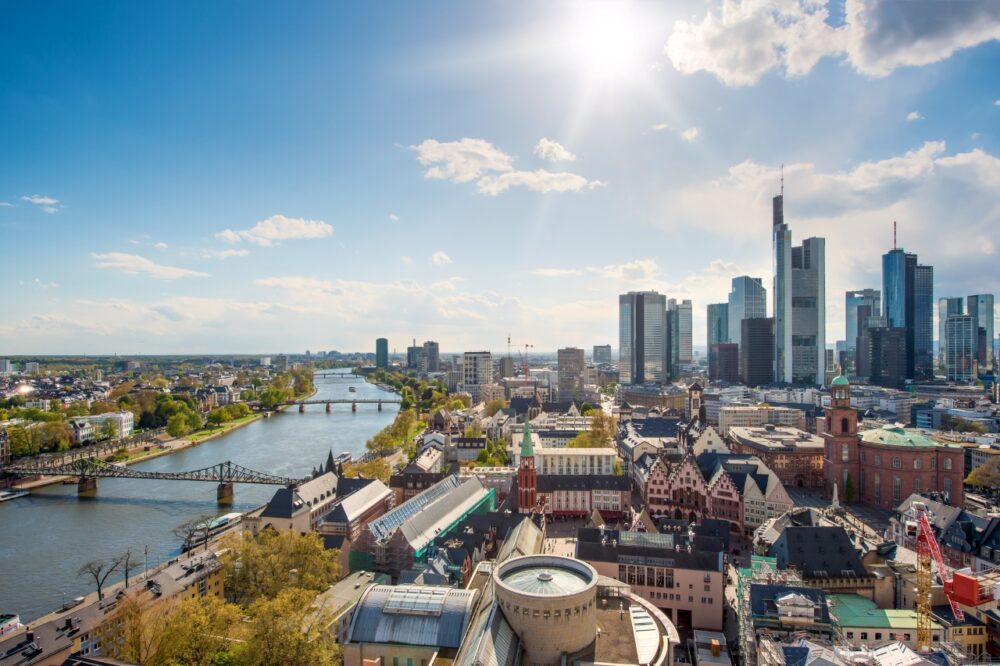
I visited Frankfurt on a trip that started, like a lot of people’s trips there, as a layover city I decided to actually stop in rather than just pass through. Frankfurt has a reputation as Germany’s financial capital and not much else, a business stopover rather than a destination. After spending a few days there, I think that reputation undersells the city, though it’s not entirely unfair either.
What surprised me most was the contrast within the city itself. Frankfurt has the only real skyline in Germany, all glass towers and skyscrapers that wouldn’t look out of place in a city twice its size, and yet a short walk away sits a rebuilt medieval old town with half-timbered houses and cobbled squares. That mix of a modern financial hub and a much older German town squeezed into one place gave the city more character than I expected going in.
So, is Frankfurt worth visiting? Based on my trip, I’d say yes, particularly if you’re passing through the region anyway or want a city that combines a bit of everything: skyline views, old town charm, and some genuinely good museums, without needing a huge amount of time to see the highlights. In this post, I’ll go through the real pros and cons from my visit, along with practical tips on what to do, where to stay, and how to get around.
Table of Contents
Pros – Reasons Frankfurt is Worth Visiting
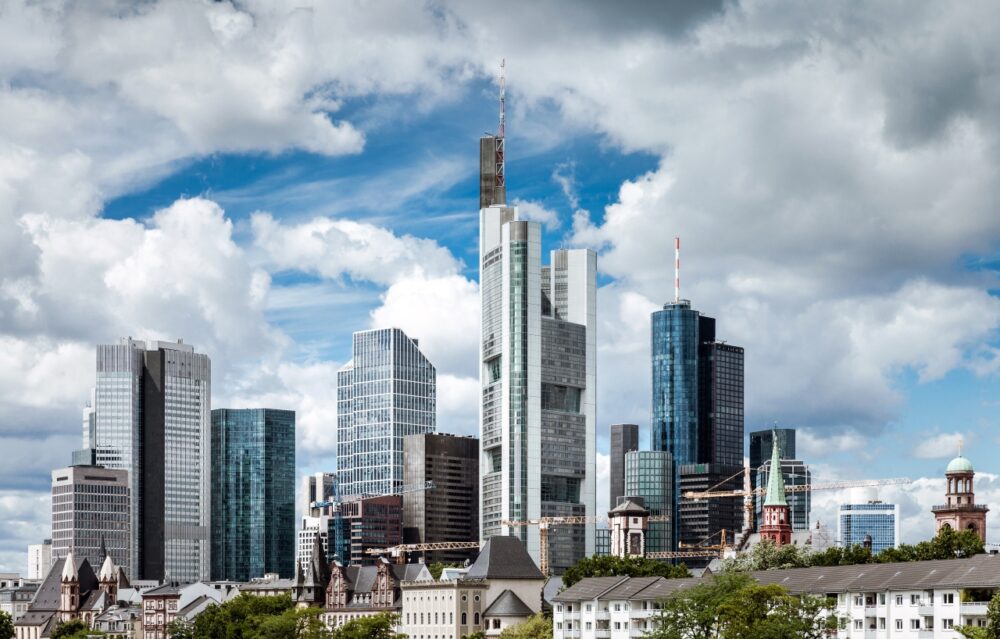
1. The Skyline is Unlike Anywhere Else in Germany
Frankfurt is the only German city with a genuine skyscraper skyline, and it gives the city a completely different visual identity from anywhere else I’ve been in the country. I went up the Main Tower during my trip, and the observation deck gave me a clear view over the whole skyline plus the Main River below. Seeing Germany’s financial district laid out like that, with the older parts of the city visible in the distance, was a genuinely striking contrast.
2. The Rebuilt Old Town Has Real Charm
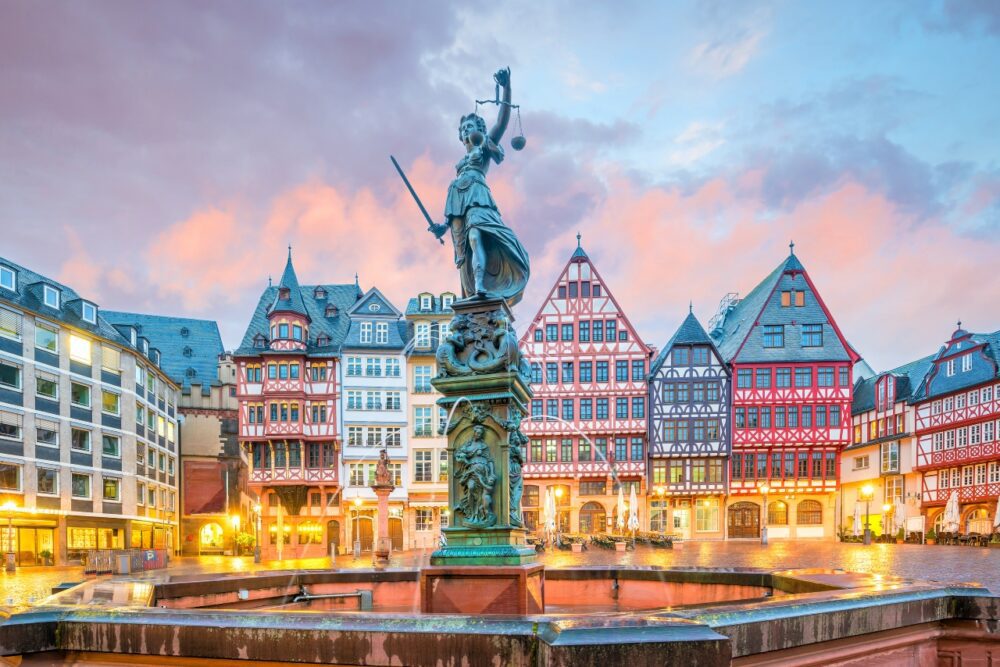
Römerberg, Frankfurt’s old town square, was almost completely destroyed during World War II and has since been carefully reconstructed to resemble its original medieval appearance. Walking through it, with the half-timbered buildings and the old Römer town hall, I found it easy to forget I was standing in the same city as the skyscrapers just a few streets away. It’s smaller than old towns in cities like Cologne or Munich, but it packs a lot of character into a compact space.
3. The Museum Embankment (Museumsufer) is a Genuine Highlight
Frankfurt has one of the best concentrations of museums I’ve come across in a German city, mostly lined up along the south bank of the Main River. I spent a full day working through a handful of them, including the Städel Museum, which has an impressive fine art collection spanning several centuries. If museums are part of how you like to spend a city trip, Frankfurt offers more depth than its business-city reputation suggests.
4. It’s One of the Best Connected Cities in Europe
Frankfurt Airport is one of the busiest in Europe, and the city’s train connections are just as strong, with fast links to cities across Germany and neighboring countries. I found this incredibly convenient both arriving and leaving, and it makes Frankfurt a genuinely practical base if you’re planning to see multiple German or European cities on one trip.
5. The Apfelwein Culture Gives It a Local Identity
Frankfurt has its own local drink, Apfelwein (a type of hard apple cider), and its own dedicated tavern culture built around it, mostly concentrated in the Sachsenhausen district. I sat in one of these taverns during my trip and found the atmosphere, long shared tables, traditional food, and locals clearly regulars, gave the city a distinct identity that had nothing to do with banking or finance.
6. The Riverside Area Along the Main is Genuinely Pleasant
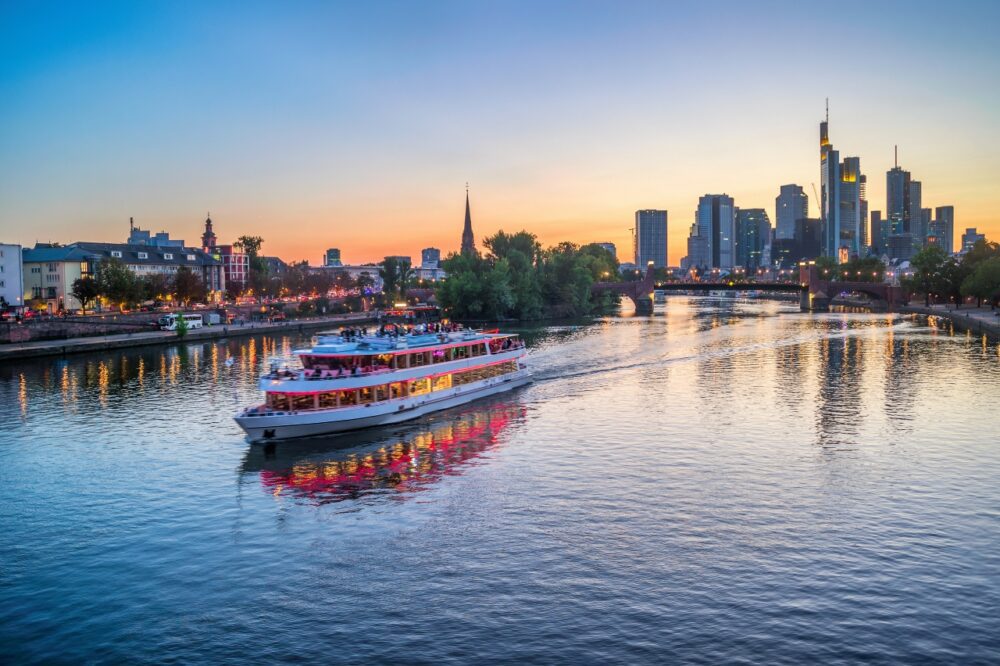
The Main River runs right through the city center, and the paths along both banks make for an easy, scenic walk. I spent an evening walking from the old town along the river with the skyline lit up on one side, and it was one of the more enjoyable, low-effort things I did on the whole trip. It’s a good way to see a lot of the city without much planning required.
7. It’s an Efficient City for a Short Trip
Frankfurt’s main sights are compact enough that I covered most of the highlights in a few days without feeling rushed. For travelers who don’t have a huge amount of time but still want a proper city experience, that efficiency is a real advantage. I left feeling like I’d actually seen the city, rather than just skimmed the surface.
Cons – Things to Consider Before Visiting Frankfurt
1. It Can Feel Like a Business City First
Frankfurt’s identity as a financial and business hub is hard to escape, especially around the skyscraper district on weekdays. I noticed the area near the banks felt fairly quiet and corporate outside of business hours, which gave parts of the city a slightly sterile feel compared to the old town or Sachsenhausen. It’s worth knowing this going in so you’re not expecting a city that feels lively everywhere, all the time.
2. The Old Town is Smaller Than You Might Expect
Coming from cities like Cologne or Munich with more extensive old towns, I found Frankfurt’s reconstructed Römerberg area smaller and more contained than I’d anticipated. It’s charming, but you can walk through the core of it in under an hour, so if the old town is your main draw, temper your expectations on how much time you’ll spend there.
3. Some Areas Around the Station Feel Rougher
The area immediately around the Hauptbahnhof (main train station) has a noticeably rougher edge than the rest of the city center, something I noticed within the first hour of arriving. It’s generally fine to walk through during the day, but it’s worth being aware of, particularly if you’re choosing accommodation and want to avoid that specific pocket of the city.
Things to Do in Frankfurt
- Go up the Main Tower observation deck – One of the few skyscrapers in Frankfurt with public access to its viewing platform. The views over the skyline and river are worth the ticket price.
- Explore Römerberg and the old town – Frankfurt’s reconstructed medieval square, small but charming, and a good contrast to the modern skyline nearby.
- Visit the Städel Museum – A strong fine art collection spanning several centuries, and one of the best museums I visited on the Museumsufer.
- Walk the Museumsufer (Museum Embankment) – Even without going inside every museum, walking along the riverbank where they’re clustered is a pleasant way to spend an afternoon.
- Sit in an Apfelwein tavern in Sachsenhausen – A genuinely local experience, with communal tables and traditional food. I’d recommend going with an open mind about the drink itself, since it’s an acquired taste.
- Walk along the Main River at sunset – A relaxed, scenic walk with good skyline views once the buildings light up in the evening.
- Visit the Goethe House – The birthplace of Germany’s most famous writer, restored to give a sense of upper-class life in 18th-century Frankfurt. A quieter, less crowded stop than some other sights.
- Browse the Kleinmarkthalle – A covered market in the city center with food stalls and local produce, good for lunch or just browsing between sightseeing stops.
- Take a day trip to Heidelberg – A short train ride away, and one of the more classically picturesque German towns, useful if you have extra time and want a contrast to Frankfurt’s modern feel.
- Walk through the Palmengarten – A large botanical garden that offers a quiet, green escape from the city center, good for a slower-paced afternoon.
Where to Stay in Frankfurt
- Innenstadt (City Center) – Central and walkable to the old town, skyline, and Museumsufer, though it can feel corporate and quiet outside business hours.
- Sachsenhausen – My preferred area from my visit, with good access to the Apfelwein taverns, museums along the river, and a livelier evening atmosphere than the city center.
- Westend – A quieter, more residential and upscale area close to the Palmengarten, good if you want a calmer base while still being a short walk or tram ride from the center.
- Bornheim – A more local, less touristy neighborhood with good cafes and restaurants, a bit further out but well connected by public transport.
Avoid staying directly around the Hauptbahnhof unless the price or convenience strongly outweighs the rougher atmosphere in that immediate area.
Getting Around Frankfurt
Frankfurt’s public transport system, run by the RMV, combines U-Bahn (underground), S-Bahn (regional rail), trams, and buses, and I found it easy to navigate even without prior experience using German transit systems. The network is well integrated, with a single ticket type covering multiple modes of transport depending on your route.
For the city center, old town, and riverside area, walking covers most of what you’ll want to see, since these sights sit reasonably close together. Once I wanted to reach Sachsenhausen or areas further from the center, the U-Bahn and trams took over and worked reliably, with frequent services throughout the day. Frankfurt Airport also has a direct train connection into the city center, which made both my arrival and departure straightforward without needing a taxi. If you’re staying more than a couple of days and plan to move around a lot, a day ticket is worth buying, since it works out cheaper than paying for individual rides across multiple trips.
Conclusion
So, is Frankfurt worth visiting? Based on my trip, I’d say yes, particularly if you’re already passing through the region or want a city that combines a distinctive skyline, a charming (if compact) old town, and a strong museum scene without requiring a huge amount of time. It’s not the kind of city that will completely reshape your idea of Germany, but it delivered more variety and character than its business-hub reputation suggested it would.
The cons are worth keeping in mind, particularly the corporate feel around the business district and the smaller-than-expected old town, but neither of those stopped me from enjoying the trip overall. Frankfurt worked well as both a standalone stop and a practical base for exploring nearby towns like Heidelberg, and I’d happily build it into a future Germany itinerary rather than just passing through the airport next time.
Related Posts
- Is Berlin Worth Visiting? Pros, Cons and Travel Tips (2026)
- Is Cologne Worth Visiting? Pros, Cons and Travel Tips (2026)
- Is Frankfurt Worth Visiting? Pros, Cons and Travel Tips (2026)
- Is Hamburg Worth Visiting? Pros, Cons and Travel Tips (2026)
- Is Munich Worth Visiting? Pros, Cons and Travel Tips (2026)