
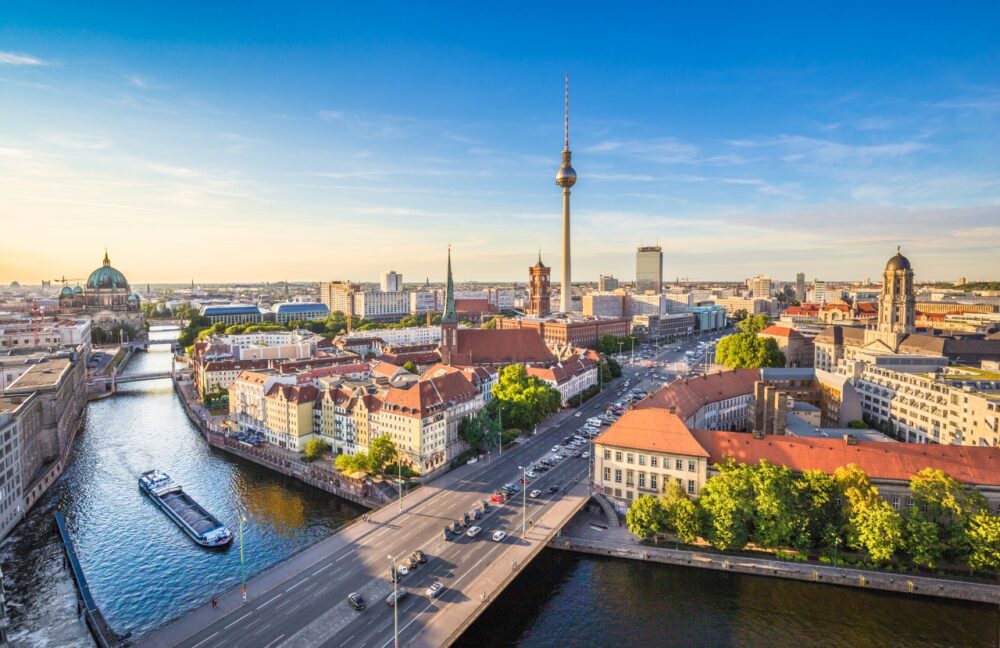
I’ve been to Berlin twice now, and both trips left me with a different opinion of the city. The first time, I flew in for a long weekend and left thinking Berlin was interesting but a bit cold. The second time, I stayed longer, wandered more, and came away completely won over. That’s Berlin in a nutshell. It doesn’t hand you its charm on a plate. You have to go looking for it.
If you’re asking “is Berlin worth visiting,” the short answer from someone who’s actually walked its streets, ridden its trains at midnight, and stood in the rain at the Brandenburg Gate is: yes, but it depends on what you want from a trip. Berlin isn’t a postcard city. It’s not Paris or Prague, all cobblestones and photogenic squares. It’s rougher around the edges, more layered, and honestly more rewarding if you’re willing to dig past the surface.
In this post, I’ll walk you through the real pros and cons of visiting Berlin, based on my own two trips, plus practical tips on what to do, where to stay, and how to get around. No fluff, no recycled listicle advice. Just what I’d tell a friend before they booked a flight.
Table of Contents
Pros – Reasons Berlin is Worth Visiting
1. The History is Everywhere, Not Just in Museums
Most cities keep their history behind glass. Berlin wears it in the open. You can walk along a painted stretch of the old Wall, cross into what used to be East Berlin without a checkpoint, and pass bullet holes still visible on some building facades from World War II. When I stood at the Topography of Terror site, built right on top of the former Gestapo headquarters, it hit differently than any museum exhibit I’d seen before. Berlin doesn’t sanitize its past. It puts it right on the street where you’re walking, which makes the history feel real instead of academic.
2. The Food Scene is Genuinely Diverse
Berlin’s food goes way beyond currywurst and pretzels, though you should absolutely eat both at least once. Thanks to waves of immigration, the city has one of the best Turkish food scenes outside Turkey, especially around Kreuzberg. I had a döner there that ruined every other döner I’ve eaten since. Add in a strong Vietnamese food scene, a growing number of vegan restaurants, and classic German beer halls, and you’ve got a city where you can eat something different every night and never get bored.
3. It’s Cheaper Than Most Western European Capitals
Compared to London, Paris, or Amsterdam, Berlin is noticeably easier on the wallet. Public transport is affordable, a lot of the best sights (memorials, parks, walking tours of street art) are free, and you can still find solid meals for under 15 euros if you skip the tourist traps near major landmarks. On both my trips, I spent less per day in Berlin than I have in most other major European cities, without feeling like I was cutting corners.
4. The Green Space is Better Than You’d Expect
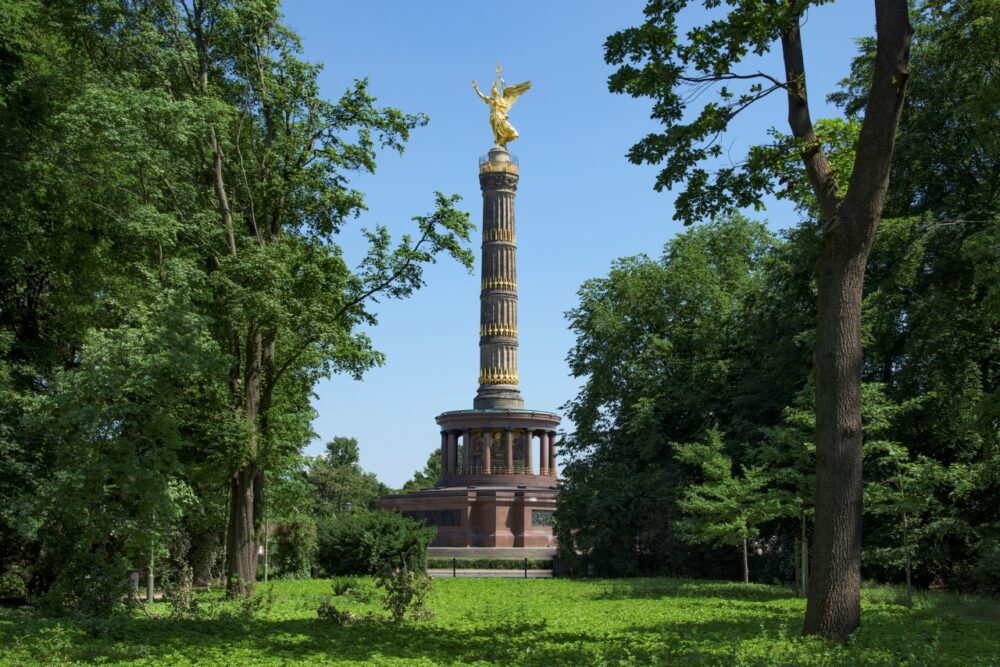
Berlin surprised me with how much green space it has for a city its size. Tiergarten sits right in the middle of the city and is genuinely huge, big enough to spend a whole afternoon wandering. Tempelhofer Feld, a former airport turned public park, is one of the strangest and most enjoyable urban spaces I’ve been to. You can walk, cycle, or skate down old runways while locals fly kites and have picnics on the grass beside you.
5. The Nightlife Reputation is Earned
Berlin’s club scene has a legendary reputation, and having experienced a small slice of it, I can say it lives up to the hype, at least for people who are into that scene. Beyond the famous clubs, there’s also a huge range of low-key bars, beer gardens, and late-night food spots. What struck me most is how normal it is for nightlife here to run well past sunrise. If you like a city that doesn’t sleep, Berlin delivers.
6. The Art and Street Culture is World Class
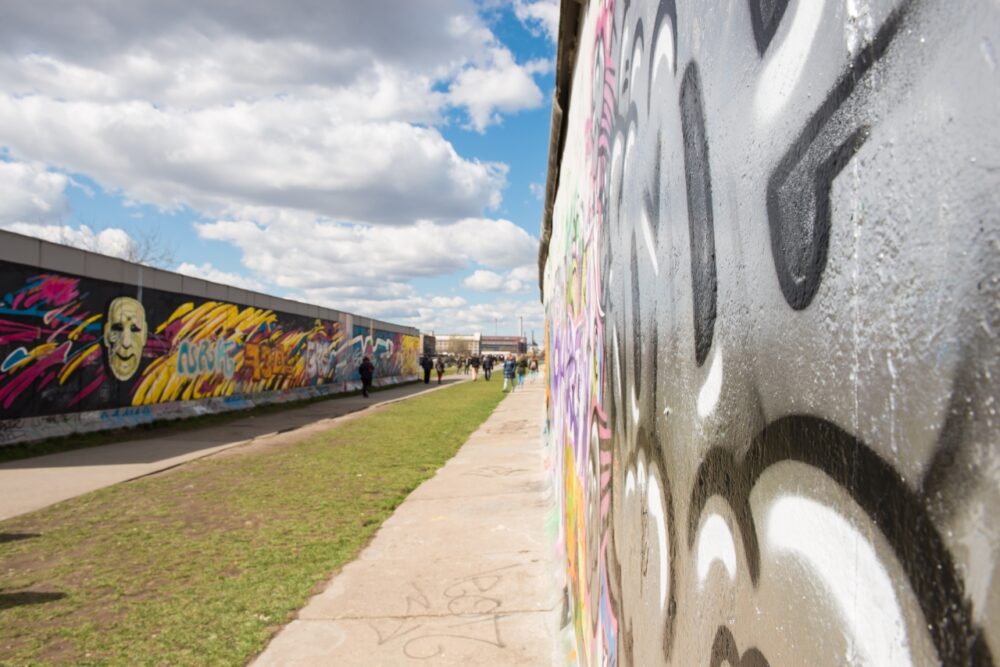
Street art isn’t an afterthought in Berlin, it’s part of the city’s identity. The East Side Gallery, a preserved stretch of the Berlin Wall covered in murals, is worth the visit on its own. Beyond that, neighborhoods like Kreuzberg and Friedrichshain are basically open-air galleries. Add in world-class institutions like the Pergamon Museum and the Neue Nationalgalerie, and you’ve got a city that satisfies both street art fans and traditional gallery lovers.
7. It’s Easy to Get To and Explore From
Berlin’s central location in Europe makes it a great base. Flights and trains connect it easily to other major cities like Prague, Amsterdam, and Warsaw, so if you’re doing a longer European trip, it slots in well. Within the city itself, the public transport network is extensive enough that you rarely need more than 30 minutes to get anywhere central, which I appreciated on both trips when trying to pack a lot into a short stay.
Cons – Things to Consider Before Visiting Berlin
1. The Weather Can Work Against You
Berlin’s weather is nothing to write home about. Winters are grey, cold, and get dark early, which can put a damper on sightseeing. My first trip was in February, and the short daylight hours meant I had to plan my days carefully to fit everything in before it got dark by mid-afternoon. If you’re visiting outside of the May to September window, pack for grey skies and bring layers.
2. Berlin Can Feel Impersonal at First
Compared to some other European cities, Berliners have a reputation for being reserved, and in my experience that reputation is fair. Service in restaurants and shops can feel brusque rather than warm, especially compared to what you might expect in Southern Europe. This isn’t rudeness so much as a cultural style, but it can catch first-time visitors off guard and make the city feel a bit cold on arrival. It took me a day or two on each trip to adjust my expectations.
3. The City is Spread Out
Berlin is big. Much bigger than its skyline suggests, since it doesn’t have the dense high-rise center that other capitals do. This means the main sights aren’t clustered together, and you’ll need to rely on public transport rather than just walking between attractions. On my first trip, I underestimated this and ended up cutting a few things from my list simply because the travel time between them added up faster than I expected.
Things to Do in Berlin
- Walk the East Side Gallery – The longest surviving stretch of the Berlin Wall, covered in murals. It’s free, outdoors, and gives you a real sense of scale for how the city was once divided.
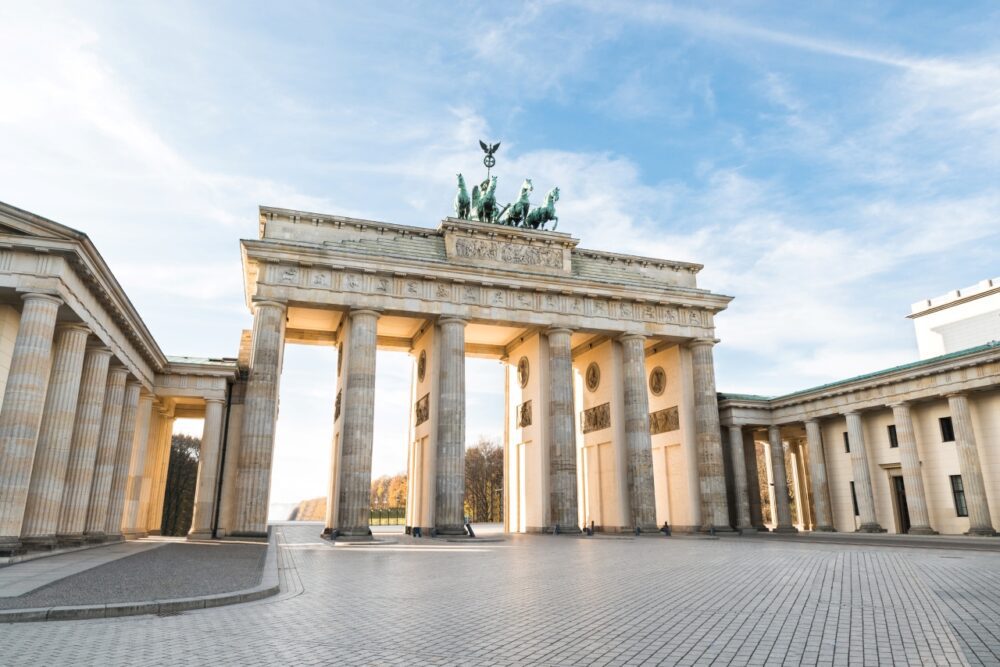
- Visit the Brandenburg Gate – It’s touristy, but standing here still carries weight once you know the history of what happened on either side of it.
- Explore the Topography of Terror – A sobering, free open-air and indoor exhibit on the site of former Nazi secret police headquarters. One of the most impactful things I did on either trip.
- Spend an afternoon at Tempelhofer Feld – Rent a bike or just walk the old runways. It’s a completely different way to experience a city park.
- Tour the Reichstag Dome – Free to visit (book ahead), and the glass dome gives you a great view over the city while explaining Germany’s political history.
- Wander Museum Island – Home to five major museums in one compact area. You don’t need to see them all, but the Pergamon Museum alone is worth the entry fee.
- Eat your way through Kreuzberg – This is where I had the best food of both trips. Turkish, Vietnamese, and modern German spots sit side by side.
- Check out the Berlin Wall Memorial on Bernauer Strasse – More in-depth than the East Side Gallery, with preserved sections showing the death strip and watchtowers.
- Visit a flea market on a Sunday – Mauerpark Flea Market is chaotic but fun, with everything from vintage clothes to old East German memorabilia.
- Take a walking tour of Berlin’s street art – Several free (tip-based) tours run through Kreuzberg and Friedrichshain and go into the history and meaning behind the murals, which added a lot of context I wouldn’t have picked up walking around alone.
Where to Stay in Berlin
- Mitte – Central and convenient, with most major landmarks within walking distance. Good for a first visit if you want to see the classic sights without relying too much on transport. It can feel more touristy and pricier than other areas.
- Kreuzberg – My personal favorite for food and nightlife. It has a gritty, creative energy and is packed with great restaurants and bars. Slightly further from the main sights, but well connected by U-Bahn.
- Prenzlauer Berg – A quieter, more residential feel with tree-lined streets, cafes, and a village-like atmosphere. Good if you want a break from the more intense parts of the city while still being close to the center.
- Friedrichshain – Similar energy to Kreuzberg but a bit edgier, with a strong nightlife and street art scene. Good for younger travelers or anyone prioritizing bars and clubs over sightseeing convenience.
- Charlottenburg – A more upscale, established area in former West Berlin. Good option if you prefer a calmer base with nice shopping and dining, though it’s further from some of the East Berlin history sights.
Getting Around Berlin
Berlin’s public transport system is one of the best I’ve used in Europe, and honestly, it’s one of the main reasons the city works so well for visitors. The U-Bahn (underground) and S-Bahn (overground rail) cover the city extensively and run frequently, so you’re rarely waiting long. Trams are useful too, especially in the eastern parts of the city where the U-Bahn coverage is lighter. Buses fill in the gaps and are handy late at night when trains run less often.
For short trips or exploring a single neighborhood, walking is fine, but given how spread out Berlin is, you’ll want to lean on public transport for anything across the city. I also used rental bikes on my second trip and found it a genuinely great way to see more ground quickly, especially around Tempelhofer Feld and along the river. Berlin is flat and has decent bike lanes, so cycling here feels safer than in a lot of other big cities. A multi-day transport pass is worth buying if you’re planning to move around a lot, since it works out cheaper than single tickets and covers buses, trams, and trains under one ticket.
Conclusion
So, is Berlin worth visiting? Based on two trips and a lot of walking, cycling, and eating my way around the city, I’d say yes, with the caveat that it suits certain travelers more than others. If you want a picture-perfect, cozy European city break, Berlin might leave you a little cold, especially on a short first visit in winter. But if you want a city with real depth, a complicated and honestly told history, great food, and a creative energy that doesn’t feel manufactured for tourists, Berlin delivers in a way few other cities do.
The pros, for me, outweigh the cons by a good margin. The history, the food, the affordability, and the green space make it one of the more rewarding cities I’ve visited in Europe. The cons are real but manageable: pack for the weather, give the city a day or two to warm up to you, and plan your transport routes with the spread-out layout in mind. If you go in with the right expectations, Berlin is absolutely worth visiting, and I’d go back again without hesitation.
Related Posts
- Is Berlin Worth Visiting? Pros, Cons and Travel Tips (2026)
- Is Cologne Worth Visiting? Pros, Cons and Travel Tips (2026)
- Is Frankfurt Worth Visiting? Pros, Cons and Travel Tips (2026)
- Is Hamburg Worth Visiting? Pros, Cons and Travel Tips (2026)
- Is Munich Worth Visiting? Pros, Cons and Travel Tips (2026)