
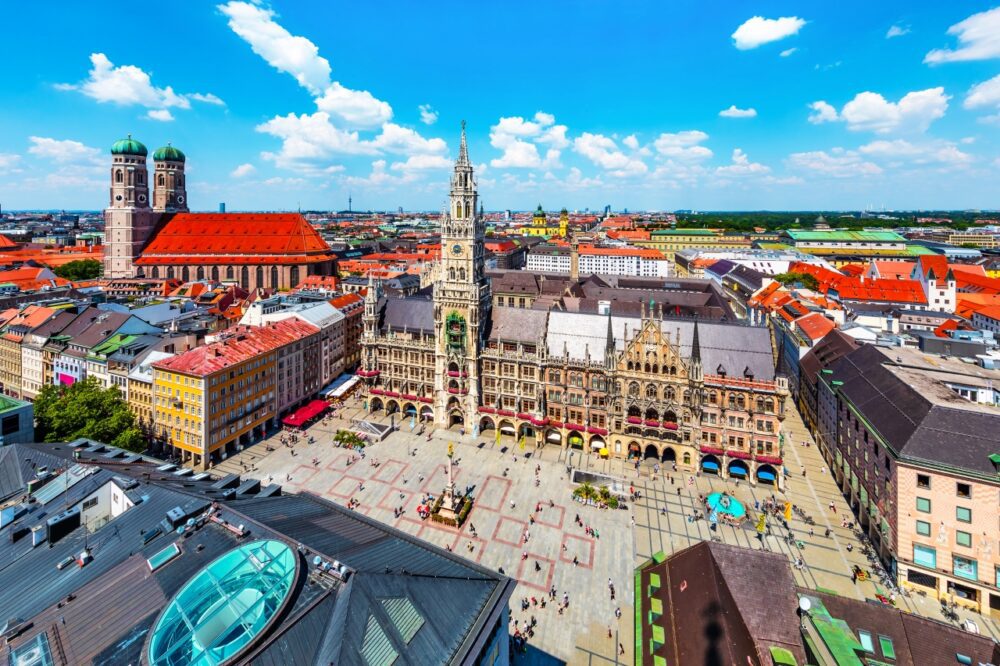
I’ve been to Munich twice, once in the summer and once during the colder months, and the two trips gave me a pretty complete picture of the city in different moods. Munich has a reputation built almost entirely around Oktoberfest and beer halls, and while that reputation is earned, it’s also only a small slice of what the city actually offers. There’s a lot more going on here than lederhosen and beer steins.
What surprised me most on my first trip was how close Munich feels to the Alps without actually being in the mountains. The city has a polished, orderly feel that’s very different from Berlin’s rougher edges, but it’s balanced out by genuinely beautiful old town architecture, huge green spaces, and an easy day-trip distance to some of the best scenery in Germany. My second trip, taken with more time to explore beyond the obvious sights, only reinforced that Munich rewards visitors who go a bit deeper than the tourist center.
So, is Munich worth visiting? Having spent time there across two separate trips, my answer is a solid yes, particularly for travelers who want a mix of city sightseeing and easy access to the outdoors. Below, I’ll go through the real pros and cons based on my own visits, along with practical tips on what to do, where to stay, and how to get around.
Table of Contents
Pros – Reasons Munich is Worth Visiting
1. The Old Town is Genuinely Beautiful
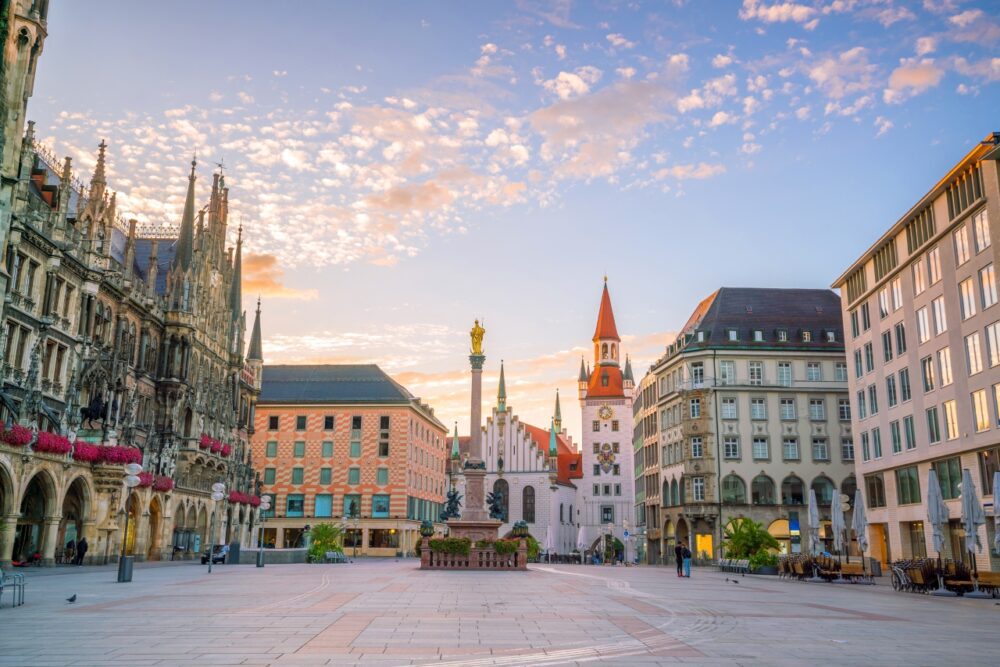
Munich’s Altstadt is one of the more visually striking old towns I’ve walked through in Germany. Marienplatz, the central square, is anchored by the Neues Rathaus with its ornate Gothic facade and the famous Glockenspiel, which puts on a small mechanical show at set times each day. On both trips, I found myself drawn back to this area more than once, just to walk around and take it in again, especially in the early morning before the crowds arrived.
2. The Beer Garden Culture is More Than a Gimmick
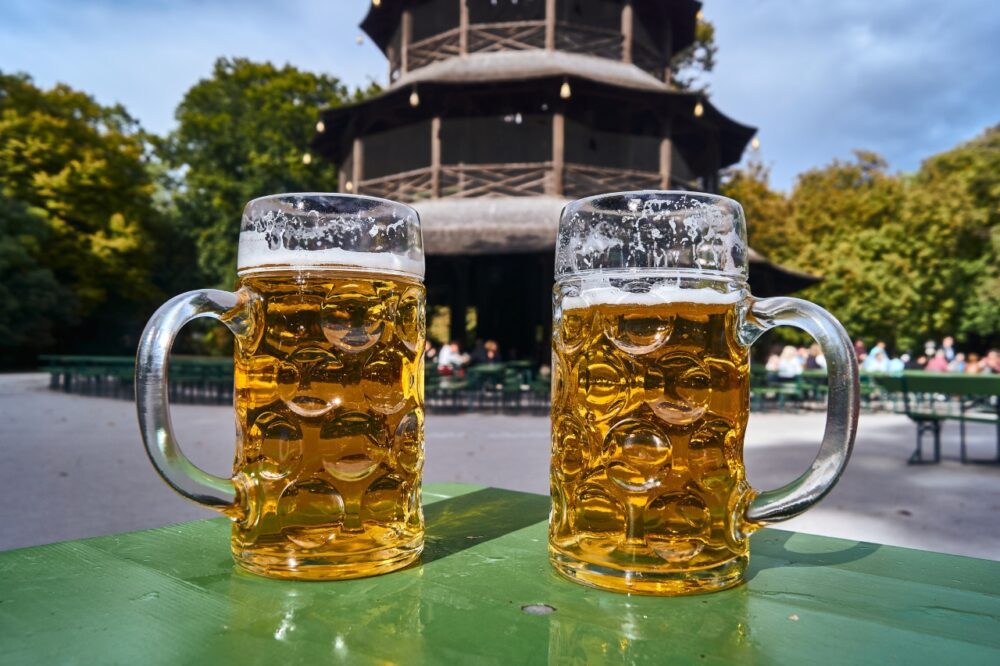
Munich’s beer gardens aren’t just a tourist activity, they’re a genuine part of local life. The Englischer Garten alone has several beer gardens scattered through it, and I spent a few relaxed afternoons on both trips sitting under the chestnut trees with a beer and a pretzel, watching locals do exactly the same thing. It’s a slower, more social way to spend an afternoon than most city sightseeing, and it gave me a much better sense of how Munich residents actually live.
3. The Access to the Alps is Hard to Beat
One of the biggest advantages Munich has over other German cities is how close it sits to genuinely stunning mountain scenery. On my second trip, I took a day trip out to the Bavarian Alps, and within about an hour and a half I went from a city street to full alpine views. Few other major European cities offer that kind of contrast so easily, and it makes Munich a strong base if you want city time and mountain time in the same trip.
4. The Museums are Excellent and Varied
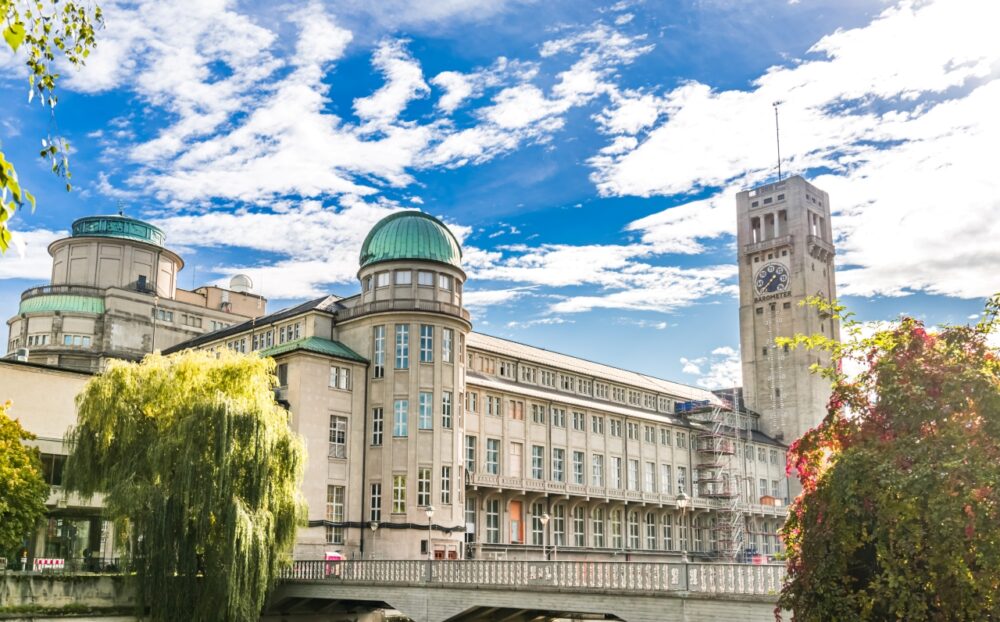
Munich has a strong museum scene that goes well beyond what most visitors expect. The Deutsches Museum, one of the largest science and technology museums in the world, kept me occupied for the better part of a day on my first trip. The Alte and Neue Pinakothek cover centuries of art, and I found the collections genuinely engaging rather than just another box to tick. If museums are part of how you like to spend a trip, Munich delivers more depth than its beer-focused reputation suggests.
5. The City is Clean, Safe, and Easy to Navigate
Compared to some other major European cities, Munich felt noticeably easy to get around and low-stress to navigate, even on my first trip when I didn’t know the city at all. Streets are clean, signage is clear, and the city has a well-organized feel that took some of the usual first-day travel stress out of the equation. For travelers who want a smoother, less chaotic city experience, that matters more than it might sound.
6. Oktoberfest is Worth Experiencing at Least Once
I visited during Oktoberfest on my second trip, and while it’s crowded and expensive by Munich’s usual standards, the atmosphere is something else. Massive tents, live oompah bands, and a genuinely festive crowd energy make it worth experiencing at least once, even if you’re not a big beer drinker. Just know what you’re walking into: it’s not a quiet, relaxed visit, it’s a full-on event.
7. The Surrounding Bavarian Towns Make Great Day Trips
Munich works well as a base for exploring Bavaria more broadly. On my trips, I made it out to Dachau (for its sobering historical significance) and to smaller towns with the kind of postcard Bavarian architecture people picture when they imagine Germany. Having a solid public transport network connecting the city to these day-trip options adds a lot of value if you’re staying more than a couple of days.
Cons – Things to Consider Before Visiting Munich
1. It Can Get Expensive, Especially During Oktoberfest
Munich isn’t a cheap city by German standards, and prices spike significantly during Oktoberfest, both for accommodation and for food and drink within the festival itself. On my second trip, I noticed hotel prices had jumped considerably compared to my first visit, simply because of the timing. If budget is a concern, visiting outside the Oktoberfest period will save you a meaningful amount of money.
2. The City Can Feel a Bit Formal or Reserved
Munich has a more buttoned-up, orderly feel compared to cities like Berlin or Hamburg. On my first trip, I found the city a little slower to warm up to, with a more reserved atmosphere in everyday interactions. This isn’t a bad thing, but if you’re expecting the grittier, more freewheeling energy of Berlin, Munich’s polish and formality might take some adjusting to.
3. Oktoberfest Crowds Aren’t for Everyone
While I listed Oktoberfest as a pro, it’s also worth flagging as a genuine downside depending on what you want from your trip. The crowds are intense, queues for popular tents can be long, and the whole city shifts its focus and pricing around the event for its duration. If you’re looking for a calmer, more typical Munich experience, it’s worth avoiding the Oktoberfest period entirely.
Things to Do in Munich
- Watch the Glockenspiel at Marienplatz – A short mechanical show on the Neues Rathaus that plays out scenes from Munich’s history. It’s touristy but only takes a few minutes and is worth timing your walk around.
- Spend an afternoon in the Englischer Garten – One of the largest urban parks in the world, with beer gardens, a surfing wave on the Eisbach river, and plenty of space to just relax.
- Visit the Deutsches Museum – A huge science and technology museum that easily fills half a day or more. Good for both adults and kids, and genuinely well curated.
- Explore the Residenz – The former royal palace of the Bavarian monarchs, with elaborate rooms and a good treasury exhibit. Less crowded than some other Munich attractions, which I appreciated on my visit.
- Take a day trip to Neuschwanstein Castle – The fairytale castle that inspired Disney’s design. It’s a bit of a trek, but worth it for the scenery alone, even if the castle itself feels rushed once inside.
- Walk through Viktualienmarkt – A daily food market in the city center, good for grabbing lunch or just browsing local produce, cheese, and Bavarian specialties.
- Visit the Dachau Memorial Site – A sobering but important visit to the site of the former concentration camp, easily reached by train from central Munich.
- Tour the BMW Museum and BMW Welt – Even if you’re not a car enthusiast, the museum does a good job covering the company’s history and Munich’s industrial identity.
- Experience a beer hall like the Hofbräuhaus – Yes, it’s touristy, but it’s touristy for a reason. Worth doing once for the atmosphere, live music, and classic Bavarian food.
- Take a day trip into the Bavarian Alps – Whether it’s a specific town like Garmisch-Partenkirchen or just a scenic train ride, getting out to the mountains is one of the best things you can do from Munich as a base.
Where to Stay in Munich
- Altstadt (Old Town) – Central and walkable to most major sights like Marienplatz and the Residenz. Good for a first visit, though it can be pricier and busier, especially near the main square.
- Maxvorstadt – Home to most of Munich’s major museums, with a slightly quieter, more academic feel due to its proximity to the university. A good base if museums are a priority.
- Schwabing – A relaxed, slightly bohemian neighborhood close to the Englischer Garten, with good cafes and a more local feel than the old town. I stayed in this area on my second trip and liked the balance of convenience and calm.
- Glockenbachviertel – A trendy, up-and-coming area with good nightlife and restaurants, popular with a younger crowd, and well connected to the center.
- Near the Hauptbahnhof (Main Station) – Practical if you’re taking day trips or arriving by train, though the immediate area around the station is less charming than other parts of the city.
Getting Around Munich
Munich’s public transport network, run by the MVV, is one of the more efficient systems I’ve used in Germany. The U-Bahn (underground) and S-Bahn (overground rail) cover the city and surrounding areas extensively, and trams and buses fill in the gaps well. On both trips, I found trains ran frequently and reliably enough that I never had to build in much buffer time for delays.
For getting around the old town and city center, walking is usually the easiest option, since most of the major sights sit within a compact, pedestrian-friendly area. Once you want to reach places like the Englischer Garten’s far end, the BMW Museum, or day-trip departure points, the U-Bahn and S-Bahn become the better choice. I also rented a bike on my second trip and found Munich’s cycling infrastructure genuinely good, with dedicated lanes making it a safe and efficient way to cover more ground, particularly through the Englischer Garten. If you’re planning multiple day trips or heavy transport use, a day or multi-day ticket on the MVV network works out considerably cheaper than paying for individual rides.
Conclusion
So, is Munich worth visiting? Based on two trips in different seasons, I’d say yes, and it’s a city that rewards more than just a quick weekend stop. The old town is genuinely beautiful, the beer garden culture is a real slice of local life rather than a tourist gimmick, and the easy access to the Alps gives Munich an edge that a lot of other city breaks simply don’t have.
The cons are worth keeping in mind, particularly around cost and crowds during Oktoberfest, and the city’s more reserved atmosphere might not suit everyone’s taste. But taken as a whole, Munich earned a return visit from me, and I’d recommend it to anyone who wants a well-organized, easy-to-navigate German city that also opens the door to some of the best scenery the country has to offer.
Related Posts
- Is Berlin Worth Visiting? Pros, Cons and Travel Tips (2026)
- Is Cologne Worth Visiting? Pros, Cons and Travel Tips (2026)
- Is Frankfurt Worth Visiting? Pros, Cons and Travel Tips (2026)
- Is Hamburg Worth Visiting? Pros, Cons and Travel Tips (2026)
- Is Munich Worth Visiting? Pros, Cons and Travel Tips (2026)