
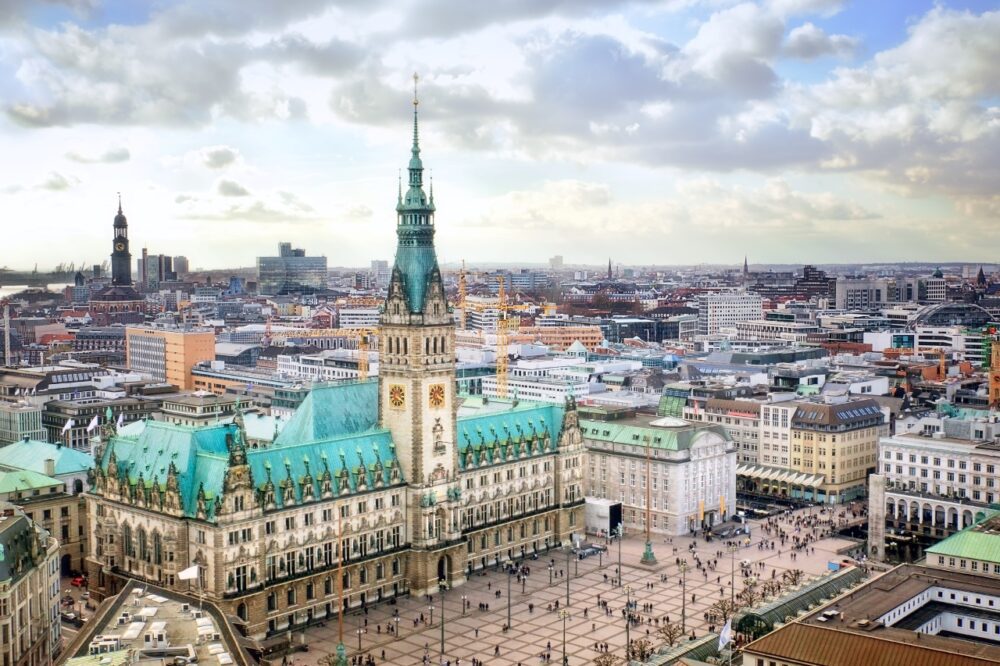
Is Hamburg worth visiting? Absolutely! When I first explored Hamburg, I was amazed by its unique character. This port city offers something refreshingly different from the usual German destinations. With its vast harbour, buzzing nightlife, and a mix of historic and modern architecture, Hamburg feels like a city that’s constantly in motion. Watching the sun set over the Elbe River and wandering through the Speicherstadt, the world’s largest warehouse district, I knew Hamburg was a place I’d want to visit again.
Located in northern Germany, Hamburg is the country’s second-largest city and a vital hub of trade and culture. Known for its maritime history, vibrant music scene, and stunning waterfront, it’s a destination that blends industrial grit with cosmopolitan style. Whether you’re exploring the futuristic Elbphilharmonie, strolling along the lively Reeperbahn, or cruising through its intricate canals, Hamburg offers an experience that’s both exciting and laid-back. But is Hamburg worth visiting for you?
In this blog post, we’ll uncover the top 10 reasons why Hamburg should be on your travel list, from its cultural highlights to its thriving food scene. Plus, we’ll share travel tips to help you plan the perfect visit. Keep reading to discover why Hamburg is one of Germany’s most fascinating cities.
Table of Contents
Pros – Reasons You Should Visit Hamburg
1. A Beautiful Port City with a Unique Maritime Atmosphere
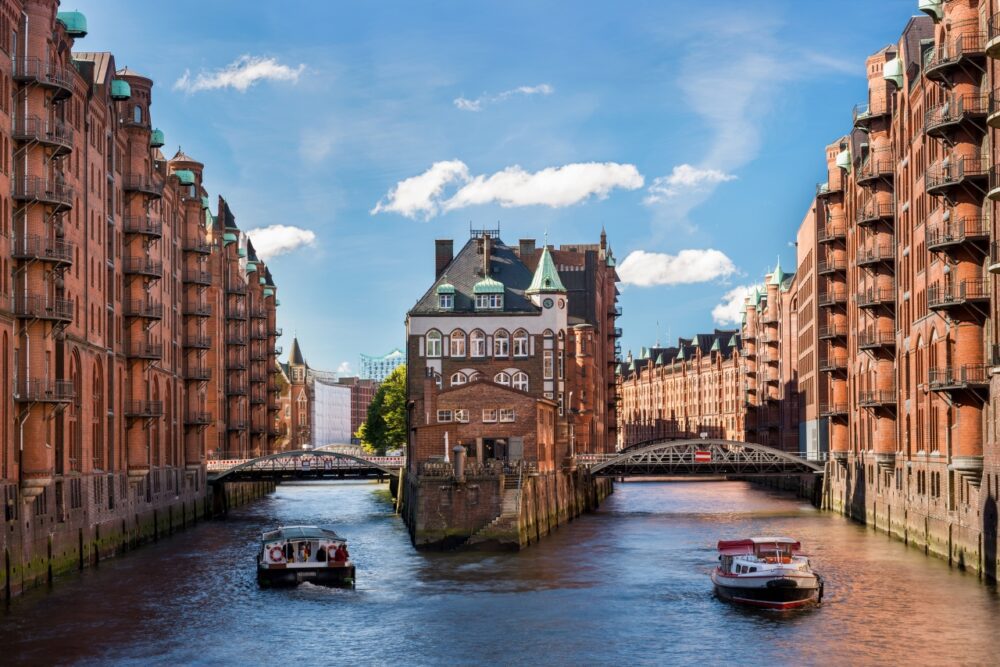
Hamburg is Germany’s largest port city, giving it a completely different feel from places like Berlin or Munich. The city is built around water, with canals, bridges, and historic warehouses that make it feel like a mix between Venice and Amsterdam. The Elbe River and the harbor are the heart of the city, creating a maritime atmosphere that is both industrial and scenic.
I took a boat tour through the harbor and Speicherstadt, the city’s historic warehouse district, and it was one of the best ways to see Hamburg. The red-brick buildings rising from the water, the smell of the sea in the air, and the massive container ships passing by all added to the city’s unique charm. Whether you explore it by foot or by boat, Hamburg’s connection to the water is everywhere.
2. The Stunning Elbphilharmonie and Modern Architecture
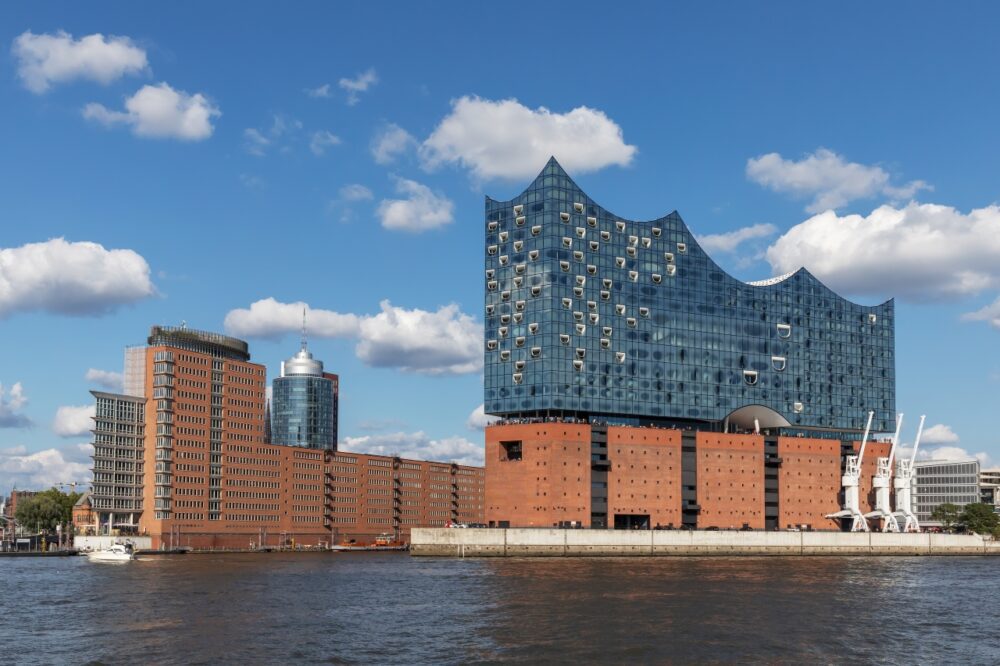
Hamburg is home to one of the most impressive concert halls in the world, the Elbphilharmonie. This striking glass building, which sits on top of an old warehouse, has a wave-like design that reflects the water and sky, making it one of the city’s most recognizable landmarks. Even if you’re not attending a concert, you can visit the observation deck for incredible views of the harbor.
I went up to the Elbphilharmonie Plaza at sunset, and the view was breathtaking. The golden light over the river, the ships moving through the port, and the city skyline in the background made it a perfect moment. Hamburg’s mix of historic and ultra-modern architecture makes it a fascinating place for anyone who loves great design.
3. A World-Class Music and Nightlife Scene
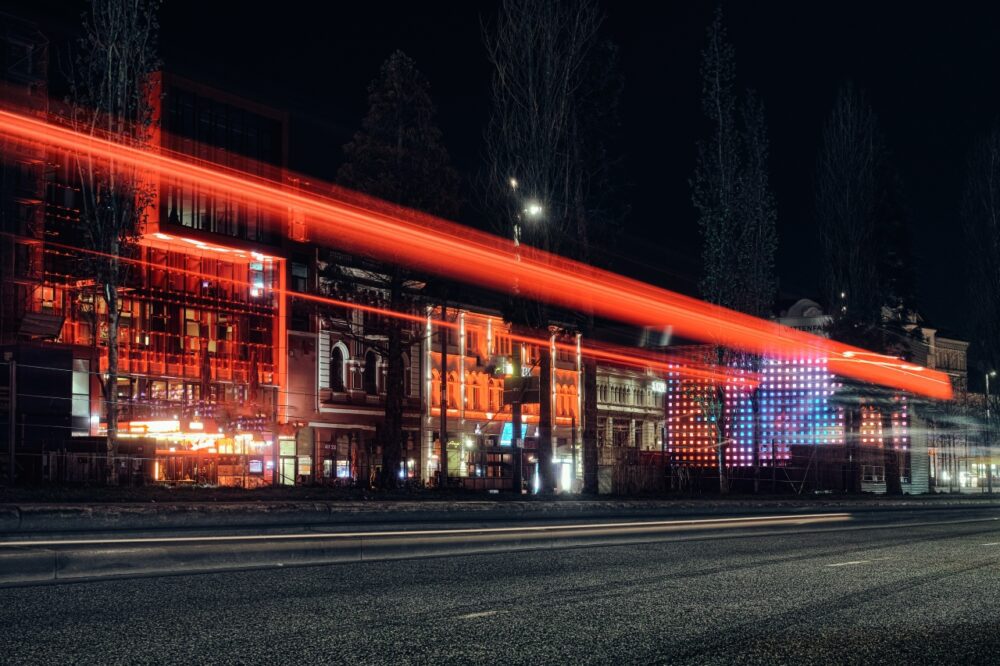
Hamburg has a deep musical history, famously being the city where The Beatles honed their skills before becoming global superstars. Today, the city still has an incredible music scene, from small underground clubs to large concert venues. The Reeperbahn, Hamburg’s most famous nightlife street, is filled with bars, live music venues, and clubs that stay open until the early morning.
I went to a small club on the Reeperbahn where a local rock band was playing, and the atmosphere was electric. Later, I visited the famous Molotow music club, which has hosted countless up-and-coming artists. Whether you’re into rock, jazz, techno, or classical music, Hamburg offers something for every music lover.
4. The Historic Speicherstadt is Like a Fairytale
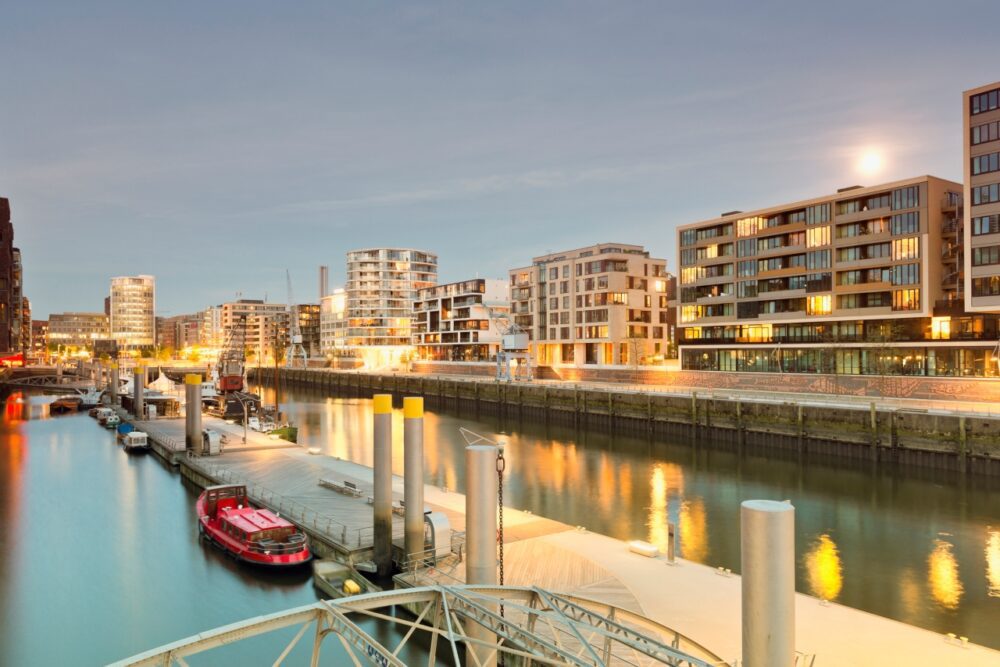
Hamburg’s Speicherstadt is the largest warehouse district in the world, built on wooden foundations and crisscrossed by canals. The red-brick buildings, iron bridges, and Gothic-style details make it feel like something out of a fairytale, especially when lit up at night.
Walking through Speicherstadt at dusk was one of my favorite moments in Hamburg. The golden lights reflecting on the water, the quiet atmosphere, and the historic charm made it feel almost magical. It’s a place where you can feel the city’s history while still being surrounded by modern developments like HafenCity.
5. An Incredible Coffee Culture and Cozy Cafés
Hamburg has a long history with coffee, being one of the main European ports for coffee imports. This has created a strong coffee culture, with specialty cafés, local roasters, and cozy coffee houses found throughout the city.
I stopped at a small café near the harbor and had one of the best cups of coffee I’ve ever tasted, made from locally roasted beans. The café culture in Hamburg is perfect for sitting down, relaxing, and people-watching while enjoying a warm drink. If you love coffee, Hamburg is a fantastic place to explore.
6. A City of Parks, Lakes, and Green Spaces
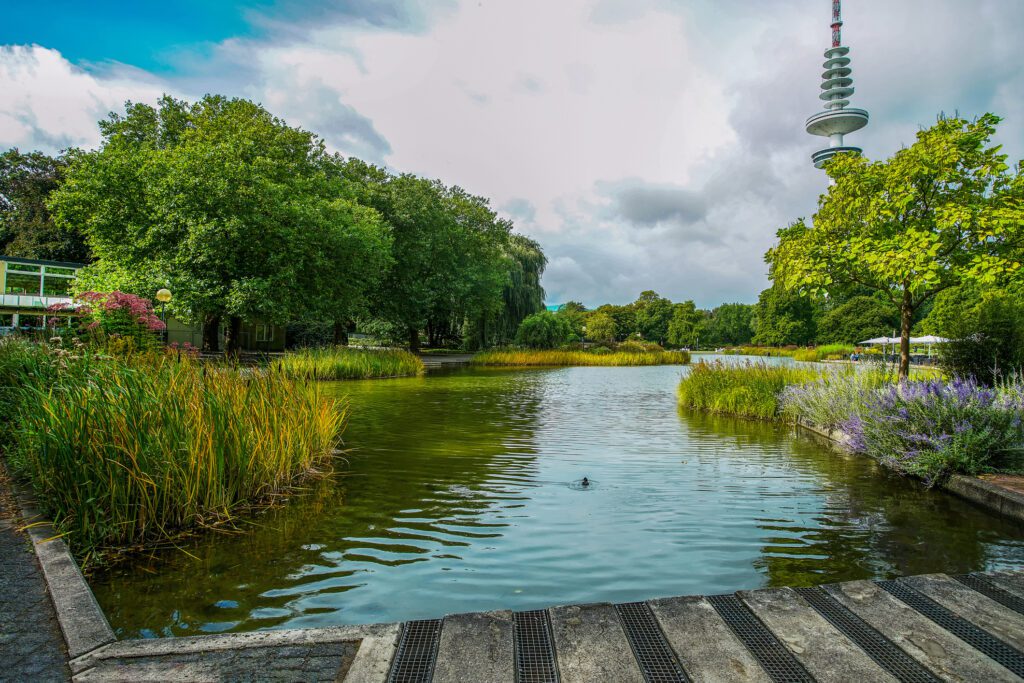
Despite being an industrial port city, Hamburg is also one of the greenest cities in Germany, with plenty of parks, lakes, and outdoor spaces. The Alster Lakes in the city center provide a peaceful escape, perfect for walking, biking, or even kayaking.
I rented a bike and rode around the Outer Alster Lake, passing people jogging, sailing, and picnicking by the water. The city’s parks, like Planten un Blomen, are also beautifully maintained, with botanical gardens and even a Japanese garden. Hamburg has a perfect balance of urban energy and natural beauty.
7. A Food Scene That Goes Beyond German Cuisine
Hamburg’s food scene is incredibly diverse, reflecting its international influences as a major port city. While you can find great traditional German dishes, the city is also known for its fresh seafood, international restaurants, and trendy food markets.
I tried Fischbrötchen, a traditional Hamburg fish sandwich, at a small stand near the harbor, and it was simple but delicious. The city also has amazing Portuguese bakeries, Turkish restaurants, and trendy street food markets like the St. Pauli Nachtmarkt. Hamburg is a great place to try a mix of local and global flavors.
8. The Unique and Colorful Sternschanze Neighborhood
Sternschanze is one of Hamburg’s coolest and most alternative neighborhoods, known for its graffiti-covered buildings, independent shops, and artsy cafés. It has a young, creative energy that feels completely different from the city’s business districts.
I wandered through Sternschanze and found hidden bookstores, vintage clothing shops, and small cafés filled with locals. The area has a relaxed, welcoming vibe that makes it a great place to explore away from the more touristy spots. If you love discovering unique neighborhoods, Sternschanze is a must-visit.
9. A Rich Maritime History and Fascinating Museums
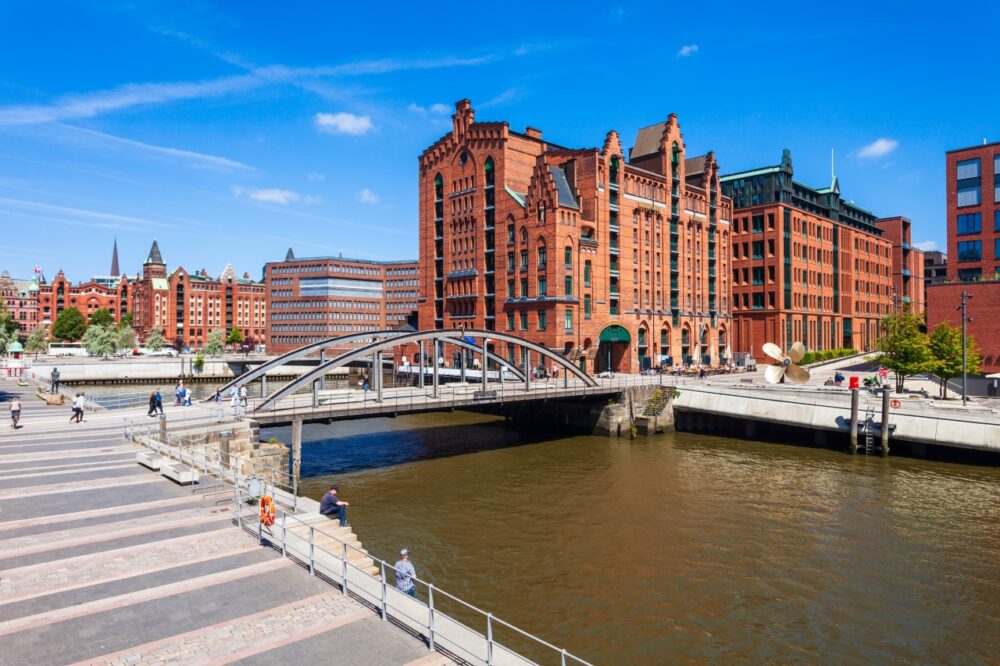
Hamburg’s history as a major trading port is celebrated in its many maritime museums and historic ships. The International Maritime Museum, housed in a former warehouse, has thousands of ship models, maps, and naval artifacts that tell the story of Hamburg’s seafaring past.
I visited the museum and was amazed at how detailed and interactive the exhibits were. Later, I explored the Cap San Diego, a massive cargo ship that you can walk through to get a sense of what life at sea was like. For anyone interested in history or ships, Hamburg offers some truly unique experiences.
10. A Laid-Back and Friendly Atmosphere
Hamburg has a reputation for being one of Germany’s most welcoming and laid-back cities. Unlike the fast-paced energy of Berlin or the traditional feel of Munich, Hamburg has a relaxed but cosmopolitan vibe, making it an easy place to feel comfortable.
I found people in Hamburg to be friendly and helpful, whether I was asking for directions or chatting with a bartender about the best local beers. The city doesn’t feel overly touristy, and it’s easy to blend in and enjoy everyday life like a local. Whether you’re visiting for a few days or staying longer, Hamburg has a way of making you feel at home.
Cons – Things to Consider When Visiting Hamburg
1. The Weather is Often Cold, Rainy, and Unpredictable
Hamburg’s maritime climate means the city experiences a lot of gray skies, rain, and chilly temperatures, even in months when you’d expect better weather. Summers are mild but can still be cloudy, while autumn and winter bring long stretches of drizzle, wind, and cold temperatures that make outdoor sightseeing less enjoyable.
I visited in early spring, expecting a mix of cool and sunny days, but instead, I was met with nearly constant light rain and a damp chill that made it feel colder than it actually was. Even when the forecast predicted a dry day, sudden showers seemed to appear out of nowhere. Locals told me that Hamburg’s weather is unpredictable year-round, so bringing a raincoat or umbrella is always a good idea, no matter when you visit.
2. The City is Expensive Compared to Other German Destinations
While Hamburg isn’t as expensive as London or Paris, it is still one of the priciest cities in Germany. Accommodation, dining, and entertainment costs can add up quickly, especially in popular areas like the HafenCity district or near the Elbphilharmonie. Compared to cities like Leipzig or Dresden, you’ll find that Hamburg requires a larger budget.
I noticed this particularly when booking a hotel—mid-range options were significantly more expensive than in Berlin, and even small boutique hotels were priced at a premium. Dining out was also not as budget-friendly as I had hoped, especially in trendy neighborhoods where restaurants cater to an international crowd. If you’re planning a visit, booking accommodations well in advance and exploring budget-friendly dining options can help keep costs under control.
3. The City is Large and Can Feel Spread Out
Hamburg is Germany’s second-largest city by population, and its layout reflects that. Unlike compact cities where you can easily walk from one attraction to another, Hamburg’s major sights are spread out across different districts, requiring public transport or long walks between them.
I underestimated the distances between places when planning my itinerary. One day, I tried walking from the Speicherstadt to the Alster Lakes, thinking it would be a short journey, but it took much longer than expected. While the public transport system is excellent, first-time visitors should plan ahead to avoid spending too much time getting from one place to another. Having a good map or transit app is essential for navigating the city efficiently.
4. The Reeperbahn is Not for Everyone
Hamburg’s Reeperbahn is one of the most famous nightlife districts in Europe, known for its clubs, bars, and neon-lit entertainment venues. While it’s a historic part of the city with a strong music legacy (The Beatles played here before they became famous), it’s also Hamburg’s red-light district, which can be off-putting for some visitors.
I walked through the Reeperbahn on a weekend night, and while the energy was exciting, some areas felt a little too rowdy. There were groups of loud partygoers, aggressive club promoters, and certain streets that felt a bit seedy. If you’re not into nightlife or prefer a quieter atmosphere, you might want to visit during the day when it’s less chaotic or avoid the area altogether.
5. The Harbor and Industrial Areas Can Feel Less Charming
While Hamburg’s port is an essential part of its identity, some parts of the city—especially near the industrial docks—can feel gray and unpolished. Unlike cities that have fully transformed their waterfronts into scenic attractions, Hamburg still has working shipyards and cargo terminals that don’t have the same visual appeal as other parts of the city.
I took a walk along the Elbe River outside of the main tourist areas and found that some stretches were more industrial than picturesque. While the harbor is fascinating in its own way, visitors expecting a fully gentrified waterfront lined with cafés and parks might be surprised to find areas that feel more functional than scenic. Sticking to places like the Speicherstadt or HafenCity will give you a better experience if you’re looking for a more polished version of Hamburg’s waterfront.
When to Visit Hamburg
The best times to visit Hamburg are spring (April to June) and early autumn (September to October), when the weather is mild, and the city’s parks and canals are particularly beautiful. During these months, outdoor activities like strolling along the Alster lakes or exploring the Speicherstadt warehouses are enjoyable without the summer crowds. Summer (July and August) is lively, with warm temperatures and festivals like the Alstervergnügen and Hafengeburtstag, Hamburg’s harbour birthday celebration. Winters can be cold and rainy, but December offers festive charm with Hamburg’s Christmas markets, including the famous one in front of the Rathaus.
How to Get to Hamburg
Hamburg Airport (HAM), located about 8 kilometres north of the city, is the main airport, with connections to major airlines like Lufthansa, easyJet, and Ryanair. The S-Bahn line S1 links the airport to Hamburg’s main train station in about 25 minutes, offering a convenient and affordable option for travellers. Hamburg is also well connected by high-speed ICE trains, with direct routes to cities like Berlin, Munich, and Copenhagen. For budget-conscious travellers, buses like FlixBus connect Hamburg to nearby German and European cities.
Where to Stay in Hamburg
Hamburg offers a variety of neighbourhoods to suit different styles and budgets:
- Luxury: Neustadt – Close to Hamburg’s shopping streets and cultural attractions, Neustadt is ideal for luxury travellers. Stay at Fairmont Hotel Vier Jahreszeiten or The Westin Hamburg in the iconic Elbphilharmonie building for world-class comfort and stunning views.
- Mid-range: St. Georg – Near the main train station and Alster lakes, St. Georg is a vibrant and diverse area with excellent transport connections. Options like Hotel Atlantic Hamburg and Boutique 020 Hamburg offer stylish stays at reasonable prices.
- Budget: St. Pauli – Known for its nightlife and quirky charm, St. Pauli has affordable options like Pyjama Park Hotel and Superbude St. Pauli, perfect for travellers seeking a budget-friendly yet lively experience.
Getting Around Hamburg
Hamburg’s public transport system, operated by the HVV, is efficient and easy to use, with U-Bahn (subway), S-Bahn (regional trains), buses, and ferries connecting all parts of the city. A single ticket or day pass provides unlimited travel across all modes of transport, making it a cost-effective option for visitors. Hamburg is also bike-friendly, with the Stadtrad bike-sharing scheme offering an affordable way to explore the city’s parks, waterfronts, and neighbourhoods. For a unique perspective, hop on a ferry along the Elbe River—ferries are part of the public transport system and offer a budget-friendly alternative to private harbour tours.
How Long to Spend in Hamburg
Three to four days is ideal for exploring Hamburg’s highlights, including the Elbphilharmonie, Miniatur Wunderland, Speicherstadt, and Reeperbahn. With four days, you’ll have time to take a boat tour of the harbour, stroll around the Alster lakes, and enjoy Hamburg’s vibrant food scene. An extra day allows for a side trip to nearby destinations like Blankenese, a charming riverside district, or the scenic Lüneburg Heath. Hamburg’s combination of maritime history, modern culture, and lively neighbourhoods makes it an exciting and rewarding destination for travellers.
Conclusion
So, is Hamburg worth visiting? Absolutely! With its iconic harbour, striking architecture, and lively cultural scene, Hamburg has something for everyone. Highlights like the Speicherstadt, Elbphilharmonie, and the bustling nightlife of St. Pauli make it a must-see destination. While it might not have the medieval charm of southern Germany, its maritime energy and cosmopolitan vibe more than make up for it. If you’re ready to explore a city that’s dynamic, diverse, and full of surprises, start planning your trip to Hamburg today!