
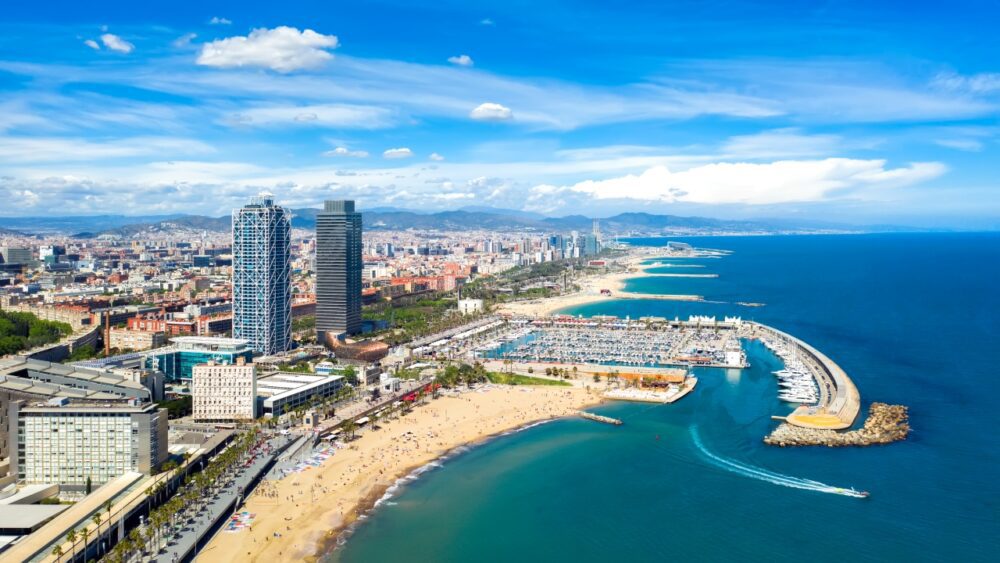
I’ve been to Barcelona three times now, once as a quick weekend stop, once for a full week, and once as a base for a longer trip around Catalonia. Each visit changed my opinion of the city a little, and by the third trip I felt like I finally understood how to actually enjoy it rather than just survive the crowds.
Barcelona has a reputation problem. It’s one of the most photographed cities in Europe, thanks to Gaudí, and also one of the most complained-about, thanks to overtourism, pickpockets, and Las Ramblas turning into a crowded corridor of tourist traps. Both of those things are true at once, and that’s really the honest answer to “is Barcelona worth visiting”: yes, but you need to know how to approach it, or you’ll end up seeing the worst version of the city instead of the best one.
This post isn’t a rehash of the usual top-ten lists. It’s based on three actual trips, plenty of wrong turns, a couple of overpriced meals I regret, and enough repeat visits to know which neighborhoods are worth your time and which ones to skip. I’ll walk through the real pros, the real cons, and the practical details you need for a 2026 trip.
Table of Contents
Pros – Reasons Barcelona is Worth Visiting
1. Gaudí’s architecture is unlike anything else in Europe
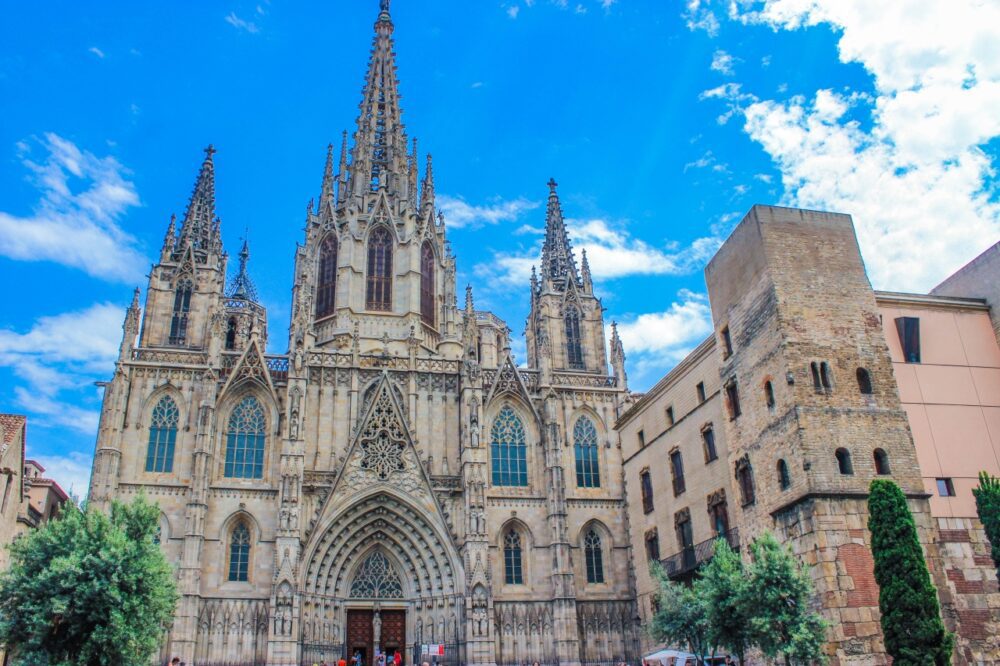
Nothing prepares you for standing in front of the Sagrada Família for the first time. I’ve seen it on my first and third trips, once from the outside only and once with a ticket inside, and the interior is honestly more impressive than the facade. The way light passes through the stained glass and turns the whole nave different colors depending on the time of day is something photos don’t capture well.
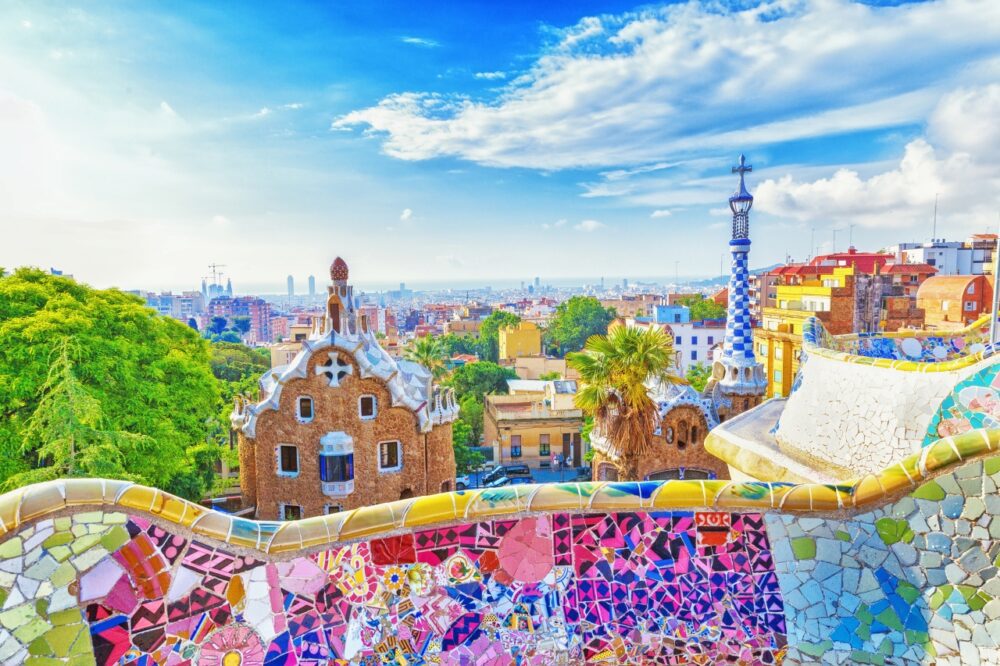
Beyond the Sagrada Família, Park Güell and Casa Batlló show a completely different side of Gaudí’s style. If architecture interests you at all, Barcelona offers a concentration of one architect’s vision that you won’t find anywhere else in the world.
2. The food goes far beyond tapas and paella
Most visitors expect tapas and sangria, and you’ll find plenty of that, but Barcelona’s food scene is much deeper. Catalan cuisine has its own identity, with dishes like pan con tomate, calçots in season, and seafood that’s noticeably fresher than what I’ve had elsewhere in Spain thanks to the city’s coastal location.
On my second trip, I spent an afternoon at La Boqueria market, and it remains one of my favorite food experiences in Europe, provided you go early before the tour groups arrive. By 11am it’s shoulder to shoulder with visitors and prices creep up. Go at 8am when it opens and it’s a completely different, more local experience.
3. The beach and the city exist together
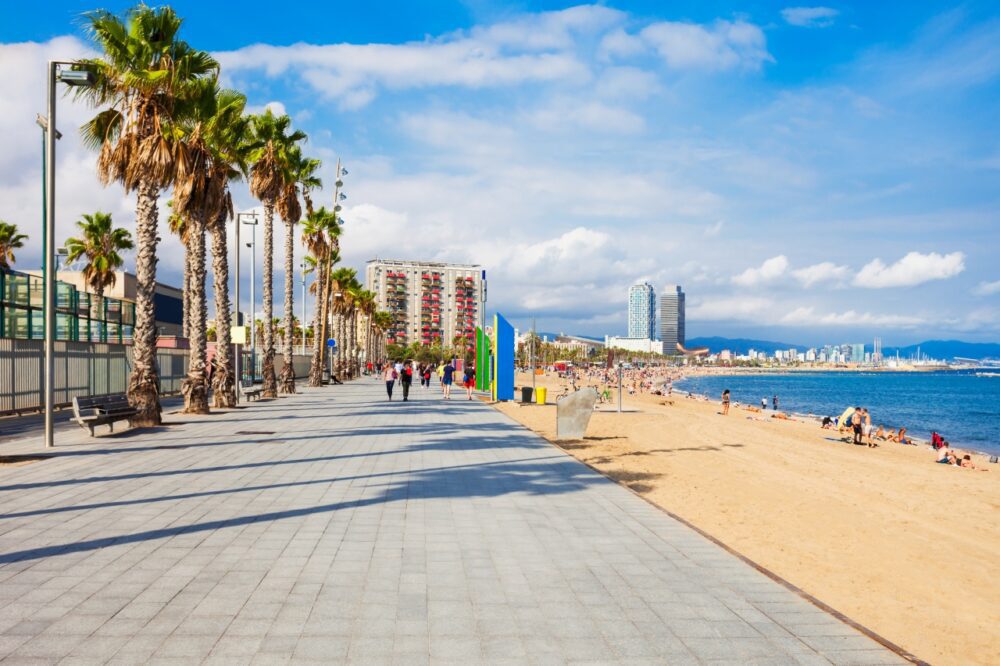
This is something Barcelona has that very few major European capitals can claim: a proper beach, a 20-minute walk or metro ride from the historic center. On my week-long trip, I spent a morning wandering the Gothic Quarter and an afternoon on Barceloneta beach on the same day, something you simply can’t do in Madrid, Paris, or Rome.
It changes the pace of a trip. You don’t have to choose between a city break and a beach holiday. Barcelona gives you both, and that alone answers a lot of the “is Barcelona worth visiting” hesitation for people trying to fit multiple types of trips into one.
4. Neighborhood variety that rewards repeat visits
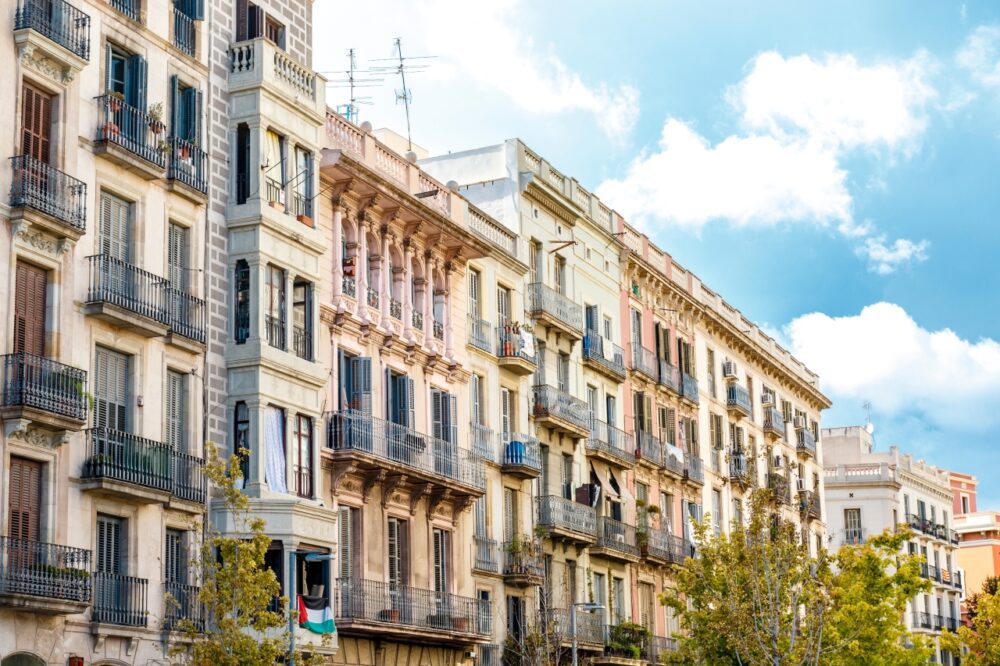
By my third trip, I’d stopped spending much time in the Gothic Quarter and Las Ramblas, and instead spent most of my time in Gràcia and El Born. Gràcia in particular felt like a different city: small squares, local bars, far fewer tourists, and a genuine neighborhood feel that the historic center has largely lost.
This is one of the clearest lessons from visiting multiple times. Barcelona rewards people who go beyond the obvious center, and the neighborhoods each have a distinct character rather than blending into one generic “old town.”
5. Excellent public transport and walkability
Barcelona’s metro is fast, frequent, and easy to navigate even without much Spanish. Combined with a city center that’s largely flat and walkable, getting around is rarely a hassle. I never once needed a taxi on any of my three trips, which isn’t something I can say about most major cities I’ve visited.
The city is also laid out on a grid in the Eixample district, which makes orientation simple even for first-time visitors. That’s a small thing, but it removes a lot of the stress that can come with a new city.
6. A genuinely strong nightlife and social scene
Barcelona doesn’t slow down early. Dinner runs late, and the bar and club scene, especially in El Raval and around Poble Sec, is lively without feeling entirely built for tourists the way some resort towns are. On my second trip, I found a small bar in El Born through a local recommendation that never appeared in any guidebook, and it turned into one of the best nights of the whole trip.
If nightlife matters to your travel style, Barcelona holds up well against any major European city, and it has more range than people expect, from quiet wine bars to full clubs.
7. Easy access to day trips along the coast and countryside
Barcelona is a strong base for exploring beyond the city itself. Montserrat, the mountain monastery about an hour away, was a highlight of my third trip and gives a completely different perspective than the city streets. The Costa Brava coastline and towns like Sitges are also easy train or bus rides away.
Having done both a city-only trip and a trip that mixed in day excursions, I’d recommend the latter if you have more than four or five days. It breaks up the intensity of the city and shows a different, quieter side of Catalonia.
Cons – Things to Consider Before Visiting Barcelona
1. Pickpocketing is a real, ongoing problem
I have to be direct about this because it’s the single most common complaint I hear from other travelers, and I’ve seen it happen firsthand. On my first trip, a friend traveling with me had a phone taken from an open bag pocket on the metro, and it happened in seconds. Las Ramblas, the metro, and crowded tourist spots are the highest-risk areas.
This isn’t a reason to avoid Barcelona, but it is a reason to be genuinely careful. Use a bag you can zip and keep in front of you, avoid back pockets for your phone or wallet, and stay alert in crowds. It’s a manageable risk, not a dealbreaker, but pretending it doesn’t exist would be dishonest.
2. Overtourism has changed parts of the city
Barcelona has become a case study in overtourism, and you feel it most in the Gothic Quarter and along Las Ramblas, where the density of visitors can make it hard to enjoy the actual architecture and atmosphere. Some restaurants in these areas have adjusted their menus and prices for tourists rather than locals, and the quality drops accordingly.
By my third trip, I’d learned to treat the most famous areas as things to see briefly and move on from, rather than places to linger. The city’s real charm is a short walk away from these spots, but a first-time visitor who doesn’t know that might come away with an inflated sense of how crowded and impersonal the whole city is.
3. Peak season crowds and heat can overwhelm a first visit
July and August bring both the worst heat and the largest crowds, a combination that can make a first trip exhausting rather than enjoyable. My week-long trip was in August, and by day four I was actively avoiding the most popular sights during midday hours just to manage the heat and the lines.
If your dates are flexible, May, June, or September offer a much more comfortable balance of good weather and manageable crowds. This is one of the biggest factors in whether people come away loving or feeling lukewarm about the city.
Things to Do in Barcelona
- Tour the Sagrada Família – Book timed tickets in advance. The interior light show alone makes this the top must-do in the city.
- Wander Park Güell – Buy tickets ahead for the monumental zone; the mosaic terrace views over the city are worth the climb.
- Visit La Boqueria market early – Go before 9am to see it as locals do, before the tour groups and inflated prices arrive.
- Explore the Gothic Quarter – Best done early morning or evening, when the narrow medieval streets aren’t packed with crowds.
- Spend an afternoon at Barceloneta beach – A rare chance to combine a city trip with genuine beach time, something few capitals offer.
- Walk through Gràcia – My favorite neighborhood by my third trip. Local bars, quiet squares, and a real neighborhood feel.
- See Casa Batlló and Casa Milà – Two more Gaudí buildings along Passeig de Gràcia, both worth seeing even if you only go inside one.
- Day trip to Montserrat – A dramatic mountain monastery an hour from the city, and a completely different experience from urban Barcelona.
- Catch a match at Camp Nou or the new stadium – Whether or not you follow football, the atmosphere is worth experiencing if the timing lines up.
- Have dinner in El Born – Quieter than the Gothic Quarter but just as historic, with some of the best small-plate restaurants I found across all three trips.
Where to Stay in Barcelona
- Eixample – Central, well-connected by metro, and home to Gaudí’s Casa Batlló and Casa Milà. A solid all-around choice for first-time visitors.
- Gràcia – My top pick on a repeat trip. Local, relaxed, full of good bars and cafés, a short metro ride from the main sights.
- El Born – Historic and walkable, close to the Gothic Quarter but with better restaurants and a bit more breathing room.
- Barceloneta – Best if beach access matters most to you. Lively, close to the water, though it can be noisy in summer.
- Gothic Quarter – Atmospheric and central, but often the most crowded and touristy area to actually stay overnight.
- Poble Sec – Quieter, close to Montjuïc, and good value, with easy access to some of the city’s better nightlife.
Getting Around Barcelona
Barcelona’s metro is the backbone of getting around, and it’s genuinely one of the better systems I’ve used in Europe. It’s fast, the trains run frequently, and most major sights sit within a short walk of a station. A multi-trip travel card is worth buying the moment you land if you’re staying more than a couple of days, since it covers the metro, buses, and trams under one ticket.
Walking works well for the historic center and Eixample, since both are flat and compact, and it’s often faster than the metro for short hops once you factor in getting to and from stations. For getting to the beach or covering longer distances, the metro or the tram is the better option.
I also tried the city’s bike-share and scooter rental options on my third trip, and they’re a good middle ground for medium distances, especially along the waterfront, though summer heat and heavy pedestrian traffic in the center make biking less practical there. Taxis and ride-hailing apps are reliable and reasonably priced for late nights or when you’re carrying luggage, and they’re a sensible backup once public transport slows down after midnight.
Conclusion
So, is Barcelona worth visiting in 2026? After three trips, my answer is yes, but with more caveats than I’d give most cities. The architecture, the food, the beach, and the neighborhood variety genuinely set it apart from anywhere else in Europe, and no single city I’ve visited combines a beach and a major cultural capital quite the same way.
At the same time, the cons here are real, not just token complaints. Pickpocketing, overtourism in the center, and peak-season crowds can genuinely sour a trip if you’re not prepared for them. My advice, based on watching my own experience improve with each visit, is simple: stay alert with your belongings, get out of the Gothic Quarter and Las Ramblas as much as you can, and travel outside of July and August if possible. Do that, and Barcelona delivers one of the best city trips in Europe. Skip that advice, and you might come away agreeing with the complaints instead of the praise.
Related Posts
- Is Barcelona Worth Visiting? Pros, Cons and Travel Tips (2026)
- Is Ibiza Worth Visiting? Pros, Cons and Travel Tips (2026)
- Is Madrid Worth Visiting? Pros, Cons and Travel Tips (2026)
- Is Mallorca Worth Visiting? Pros, Cons and Travel Tips (2026)
- Is Seville Worth Visiting? Pros, Cons and Travel Tips (2026)
- Is Valencia Worth Visiting? Pros, Cons and Travel Tips (2026)