Is Ibiza Worth Visiting? Honest Pros and Cons (2026)
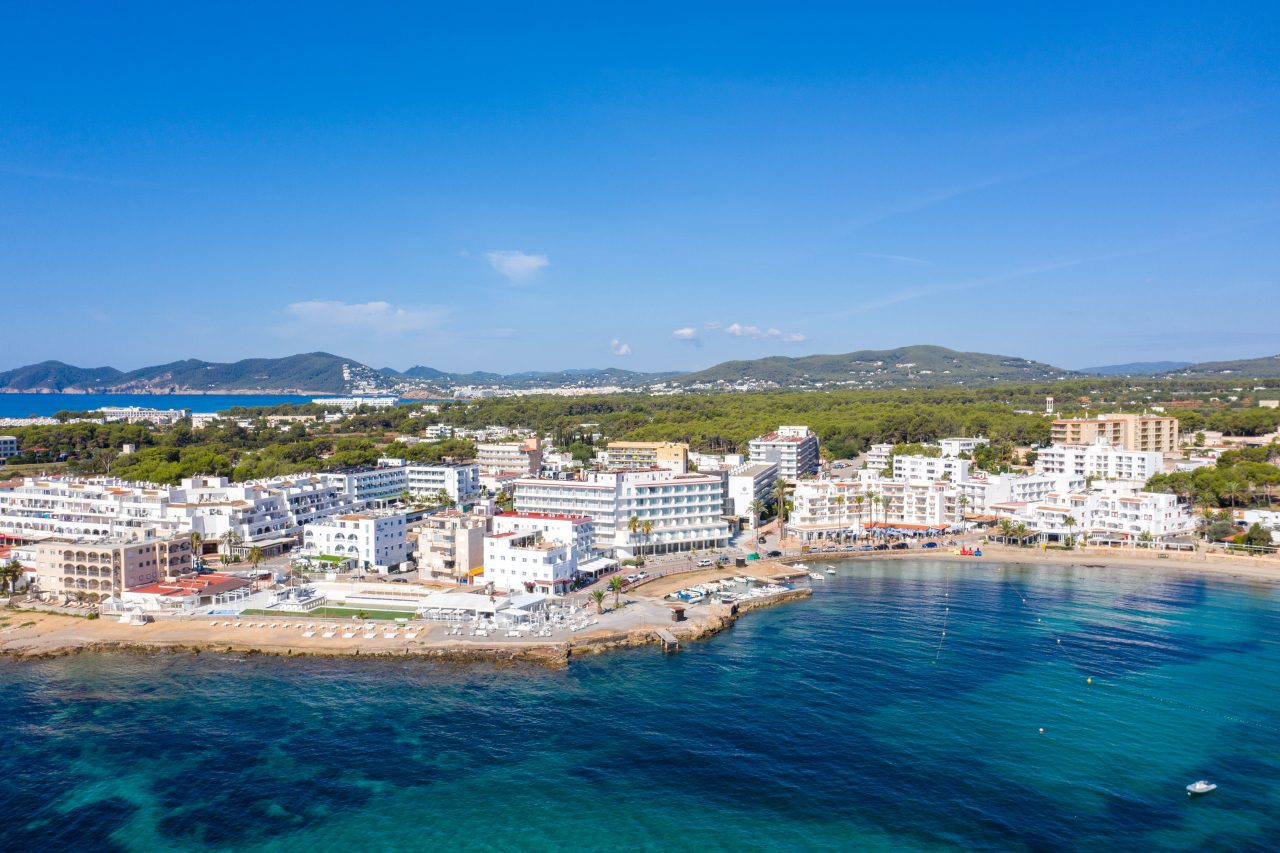
I flew to Ibiza fully expecting wristbands, thumping bass and drunk groups in matching T-shirts. Within a day, I was eating grilled fish above a quiet cove and watching the sun melt into the sea with a crowd of strangers. It wasn’t the trip I had pictured, and I liked it far more.
Ibiza is one of Spain‘s Balearic Islands, and it has a lot more going on than its party reputation suggests. It has a UNESCO-listed walled old town, dozens of clear-water coves, pine-covered hills and sleepy villages inland. I spent four days here one spring, and I split my time between the beaches, the old town and the sunsets. Ibiza is absolutely worth visiting, whether you want clubs, beaches or a slow holiday in the sun.
This guide covers the pros and cons of Ibiza, where to stay, and what to book. You’ll also find tips on when to go, how long you need, and getting around, so you can decide whether it suits your kind of trip.
In a Rush? Here Are Our Favourite Hotels in Ibiza Spain
⭐️⭐️⭐️ Cubanito Ibiza – Click here for rates & availability
⭐️⭐️ Eurostars Puerto de Ibiza – Click here for rates & availability
Pros of Visiting Ibiza
1. Stunning Beaches
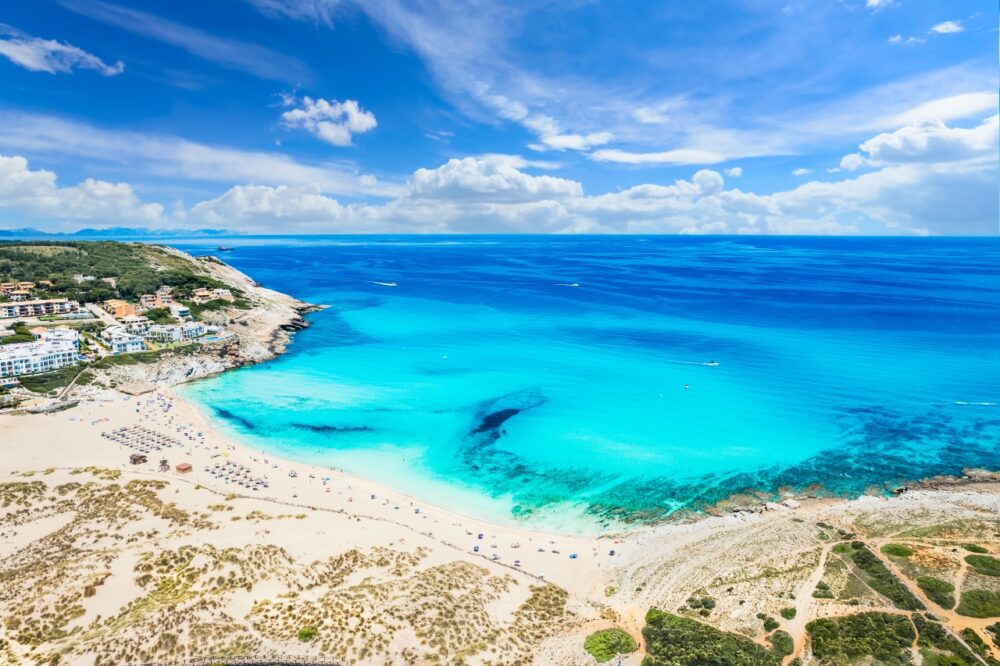
Ibiza has some of the best beaches in the Mediterranean. Cala Comte has turquoise water and soft white sand, and Cala Bassa is wide, shallow and easy for families. Cala Salada is a small cove tucked between pine-covered cliffs, with a couple of simple beach bars. I swam at all three, and the water was so clear I could see my feet on the bottom.
The beaches near San Antonio are the easiest to reach, and many of them are only a short bus or taxi ride away. Go early, because the popular ones fill up from late morning. Some beaches, like Cala Comte, are sunset favourites too. For a different view, a sunset boat trip to Cala Salada and Cala Gració takes you to two coves that are harder to reach by road. Bring water shoes, since a few of the coves are rocky.
2. Dalt Vila and Ibiza Town

Dalt Vila is the walled old town above Ibiza’s harbour, and it’s the cultural highlight of the island. The Renaissance walls date from the 16th century, and they run for about 2 km around the hilltop. Dalt Vila is part of Ibiza’s UNESCO World Heritage listing, and you can see why when you reach the top. The streets are steep, narrow, and cobbled, so wear proper shoes!
It takes about 10 minutes to walk up from the port to the main gate, the Portal de ses Taules. At the summit, the Cathedral of Santa María has a terrace with wide views over the harbour. Allow two to three hours for a visit. Most of the streets and ramparts are free to walk. A guided walking tour of the old town brings the history to life and shows you where the best viewpoints are. Visit early or late to avoid the midday heat.
3. Sunsets in San Antonio
San Antonio is famous for its sunsets, and they live up to the hype. The sun drops behind a small island at the end of the bay, and the whole waterfront turns orange and pink. I walked down to the seafront every evening, and there was always a crowd. People gather on the rocks with drinks, and some even clap when the sun disappears.
Café del Mar has been serving sunsets since 1980, and it’s the most famous spot on the strip. Tables near the water fill up early, so arrive an hour before sunset. Drinks cost a bit more than elsewhere, but the atmosphere makes up for it. If you want to be on the water, a sunset boat trip with snorkelling, kayaking and drinks is a fun alternative. Both options are easy from the town centre, and the sunset is free if you just grab a spot on the rocks.
4. World-Class Nightlife
Ibiza has the best nightlife in Europe, and even if you’re not a big clubber, it’s worth trying once. The superclubs draw top DJs from around the world. Hï Ibiza and Ushuaïa are the biggest names, and Pacha and Amnesia are the classics in and near Ibiza Town. Ushuaïa is an open-air day party, so you can dance in the sunshine.
Tickets sell out for the biggest nights, so buy ahead. Clubs usually get going after midnight, so take a nap in the afternoon. Drinks inside are expensive, so many people have a few beforehand. Check the line-up before you pay, because the music styles vary a lot from night to night. I went out for one big night, and I’d happily go again. If you want help, a nightlife tour with pre-club drinks takes the stress out of the planning. Prefer variety? A party passport lets you pick any three clubs or pool parties.
5. Es Vedrà and Cala d’Hort
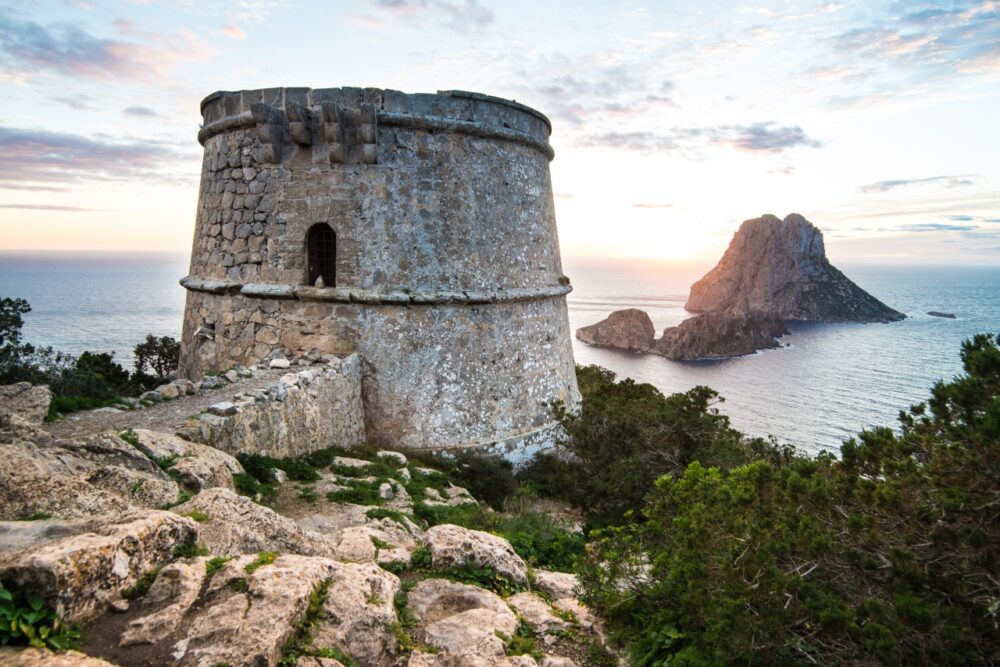
Es Vedrà is the most dramatic sight on the island. It’s a huge rock that rises about 400 metres out of the sea off the southwest coast. Locals tell stories about it. Some say it’s a magnetic point, and others say sirens once lured sailors here. Whatever you believe, it looks magical at sunset!
The best viewpoint on land is Cala d’Hort, a small beach with a couple of seafood restaurants and a clear view of the rock. I arrived an hour before sunset and had a quiet drink on the sand. The road is narrow and busy in the evening, so go early. For a closer look, an Es Vedrà boat tour with a swimming stop takes you right up to the cliffs. The water around the rock is beautiful for a dip. Little coves along this coast also have steps cut into the rock, which makes swimming easy.
6. Clear Water and Snorkelling
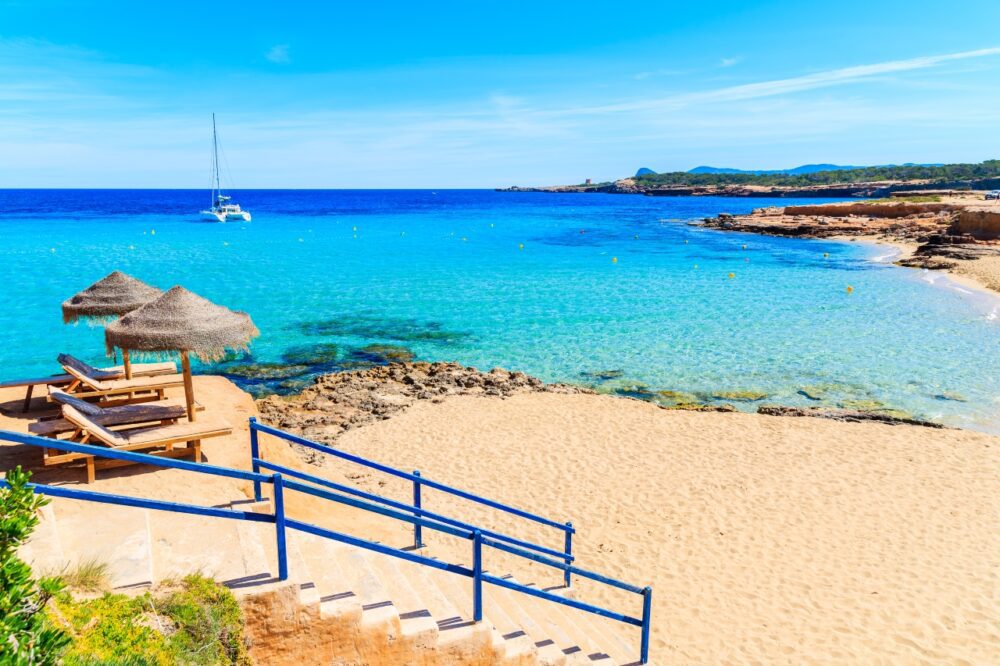
The water around Ibiza is some of the clearest in Spain. Thick meadows of Posidonia seagrass filter the sea, and they’re a big reason Ibiza has UNESCO status. The seagrass keeps the water clean and gives fish a place to hide. I put on a mask at a rocky cove near San Antonio, and I saw schools of small fish within minutes.
Snorkelling is easy from many of the coves. Cala Salada, Cala Bassa and Cala Comte all have good spots. Bring your own mask if you can, since hire prices add up. If you want a guide, a snorkelling and cave boat trip at sunset visits sea caves that you can’t reach on foot. The water is cooler than you might expect early in the year, so a thin wetsuit can help. The calm bays near San Antonio are the easiest place to start if you’re a beginner.
7. Hippy Markets
Ibiza’s hippy markets are a beautiful reminder of the island’s relaxed past. The first hippies arrived in the 1960s, and they started selling handmade jewellery, clothes and leather goods. Today, the markets mix handmade crafts with food stalls, live music and a laid-back crowd. Las Dalias, near Sant Carles, and Punta Arabí in Es Canar are the two best known.
I found the markets great for souvenirs that aren’t cheap tourist junk. Bring cash, because many stalls don’t take cards, and bargain politely. Go early to beat the crowds and the heat. Each market runs on set days, so plan around them. Expect live drummers, fresh juices and plenty of vegetarian food. Allow a couple of hours to wander, since the stalls are spread out and shaded in places. If you don’t want to work out the buses, a full-day excursion with a hippy market visit combines the market with other sights on the island.
8. Local Food and Drink
Ibizan food is more rustic than most people expect. Try bullit de peix, a fish stew served with rice and aioli, and sofrit pagès, a hearty mix of meats and potatoes in a spiced broth. Flaó is the local cheesecake, flavoured with mint, and anise. It’s light, sweet and a perfect end to a meal!
Locals also drink hierbas ibicencas, a herbal liqueur that’s often served after dinner. I had a small glass at a village restaurant, and it tasted like sweet, spiced pine. The seafood is excellent, and fresh fish is easy to find in the harbour towns. Most restaurants serve lunch from about 1:00 pm and dinner after 8:30 pm. Set lunch menus are the best value, and they often include a drink. A guided food tour in Ibiza Town is a great way to sample the local dishes. It also helps you work out what to order later in the week.
9. Quiet North Coast and Villages
The north of Ibiza feels like a different island. The villages are small and whitewashed, the hills are covered in pine and almond trees, and the roads wind past farmland. Sant Joan, Santa Eularia and Portinatx are pleasant bases, and Cala Benirràs is a beautiful cove known for its relaxed atmosphere. Even in busy months, the north stays much calmer than San Antonio.
This is where Ibiza surprised me the most. I spent one afternoon winding through the hills and stopped at a village café for lunch, and I barely saw another tourist. The scenery is the real star. A jeep safari to viewpoints and beaches is an easy way to see the countryside if you don’t want to organise your own transport. Bring a camera, because the views over the coast are stunning. The northern coves are great for a quiet swim, and there are fewer bars and sunbeds.
10. Day Trip to Formentera
Formentera is the smallest of the inhabited Balearic Islands, and it’s an easy day trip from Ibiza. It has flat, quiet roads, long white beaches and shallow turquoise water. Ses Illetes is the star, with powder-white sand and water that looks Caribbean. The ferry from Ibiza Town to La Savina takes about 30 minutes.
I’d go early in the day to give yourself plenty of time. Once you arrive, hire a bike, or scooter, because the island is small and flat. Many people find it quieter and more beautiful than Ibiza. Baleària runs regular ferries, and you can also book a round-trip ferry ticket to Formentera in advance. Bring sunscreen and a hat, since there’s little shade on the beaches. The beach restaurants serve fresh fish and simple rice dishes, and you can eat with your feet in the sand. Check the return ferry times when you arrive, so you don’t get stranded.
Cons of Visiting Ibiza
1. High Prices
Ibiza is expensive, especially in popular spots. A beer at a beach bar can easily cost €6 or more, and a cocktail often costs €15 or more. Sunbeds at beach clubs can cost €30 to €100 or more for the day, depending on the venue. Top club tickets regularly cost €70 or more, and drinks inside are pricey. Hotels also rise sharply in busy months!
You can keep costs down with a few simple habits. Eat at local restaurants away from the beach, where a lunch menu often costs €15 to €20. Buy drinks from supermarkets, and bring your own towels for the beach. Free beaches have plenty of space, and sunsets cost nothing. I found that picking one or two splurges and saving on the rest kept my trip affordable. The island is still great value if you avoid the tourist traps.
2. Summer Crowds
Ibiza gets extremely busy in July and August. The popular beaches fill up by mid-morning, restaurants need reservations, and the roads can be gridlocked. San Antonio’s West End is packed with big groups from June to September. If you hate crowds, peak summer might not be for you.
It’s easy to sort. Visit outside the peak weeks if you can, and book restaurants and boat trips well ahead. Get to the beaches early, or head for quieter coves in the north. A boat trip to Es Vedrà takes you away from the crowds for a few hours. I found that the island is much calmer outside the busiest months, and it’s still just as beautiful. Early mornings are peaceful almost everywhere, even in the busiest months.
3. Limited Public Transport
Ibiza’s public transport is limited. Buses connect the main towns, but they run less often outside the busy months. Many of the best beaches and viewpoints aren’t on a bus route at all. Late at night, buses are rare, and the Discobus night service covers mainly the clubs.
I managed fine on buses and taxis by planning each day carefully. Buses worked well between San Antonio and Ibiza Town, and taxis covered the rest. Taxis can be costly, and a trip across the island can easily reach €30 to €45. Pick a base near a bus stop and group your sightseeing by area. Organised tours are a great way to reach remote spots. A jeep safari covers a lot of ground in one day. It saves you the stress of working out transport yourself.
4. Party Noise in San Antonio
San Antonio is the island’s biggest party town, and it can get loud. The West End is packed with bars and clubs, and the music can run until early morning. If you want a peaceful stay, the wrong hotel can ruin your sleep. Groups of partygoers are common on summer nights!
I was lucky with my hotel, but I know people who weren’t. Choose a place away from the West End, or ask for a room at the back or on an upper floor. Many hotels in the quieter parts of town, or on the edge, are far calmer. The sunsets and harbour stay beautiful even if you’re not partying. If you want peace, look at Santa Eularia or the north coast instead. Earplugs are a cheap fix, and I’d pack a pair.
5. Seasonal Closures
Ibiza is a seasonal island, and many places close outside summer. Beach clubs, boat operators and some restaurants shut for the winter, and a few stay closed into the early weeks of the season. The clubs open in stages, so a visit before May can mean few big parties. Some hotels also close, so your choice of rooms can be limited.
Check opening dates before you book, especially for boat trips and beach clubs. Most of the main sights, like Dalt Vila, stay open all year. I found plenty to do, and the quieter atmosphere was a bonus. If the clubs are a priority, check each venue’s opening-party dates. Ibiza is still a great option outside summer for walks, food, and sightseeing, as long as you adjust your expectations.
Where to Stay
San Antonio: I stayed here, and I’d go back. It’s lively, close to the sunset spots and well connected by bus to Ibiza Town. The West End can be noisy at night, so choose carefully. Hostal Cervantes is a budget-friendly guest house on Calle del Mar with an outdoor pool, a terrace and a fitness centre. Hotel Tarba is a mid-range stay on Calle Ramon y Cajal with a pool, a restaurant and a garden. Cubanito Ibiza is an upscale adults-only 4-star on the Cala Gració road with an outdoor pool, a restaurant and free parking.
Ibiza Town: This is the best base for sightseeing, dining, and nightlife. Dalt Vila, the harbour and the best restaurants are close, and the airport is only a short drive away. It’s busy and pricier than other areas. Suncoast Ibiza Hotel is a budget-friendly adults-only 2-star in Figueretas with soundproof rooms and a terrace. Hotel Vibra Vila is a mid-range 3-star on Calle Galicia with a rooftop pool and a sun terrace. Eurostars Puerto de Ibiza is an upscale 4-star with a rooftop pool, a spa and soundproof rooms.
Playa d’en Bossa: This long beach is next to Ushuaïa and Hï Ibiza, so it’s ideal for clubbers. It has a wide sandy beach and lots of hotels, but it’s noisy and very busy in summer. It’s also a short ride from Ibiza Town. Club Can Bossa is a budget-friendly 3-star with an outdoor pool, a restaurant and family rooms. Hotel Vibra Algarb is a mid-range beachfront 4-star with a restaurant, a garden and free parking. The Unexpected Ibiza Hotel is an upscale adults-only 5-star on the beach with an outdoor pool and Ushuaïa entry included!
Santa Eularia: Santa Eularia is a calm, family-friendly town on the east coast with a pretty promenade and a small marina. It suits travellers who want quiet evenings and good restaurants. You’ll need buses or taxis to reach the south and the clubs. azuLine Hotel Mediterráneo is a budget-friendly 2-star with a pool, a restaurant and a pool bar. Grupotel Santa Eulària & Spa is a mid-range adults-only 4-star with a spa and indoor and outdoor pools. Hotel Riomar Ibiza is an upscale beachfront 4-star at Els Pins with a private beach area and an airport shuttle.
Portinatx: Portinatx sits on the north coast around a pretty bay, and it’s the best option for peace and quiet. The beaches are calm and the nights are silent. It’s far from the nightlife, so you’ll need transport. Apartamentos del Rey is a budget-friendly beachfront apartment complex with a saltwater infinity pool and a pool bar. Grupotel Ibiza Beach Resort is a mid-range adults-only 4-star on the beachfront with a spa and a sauna. Six Senses Ibiza is an upscale 5-star resort with a spa, a kids’ club and a beachfront setting.
Best Things to Do
These are the tours and tickets I’d book for a trip to Ibiza.
- Old Town Guided Walking Tour: A two-hour guided walk through Dalt Vila, with stories about the walls, the cathedral and the old streets.
- Sunset Boat Trip with Snorkelling, Kayaking and Drinks: A three-hour boat trip along the coast, with time to swim, snorkel and kayak before the sun goes down.
- Es Vedrà Boat Tour: A boat tour to the famous rock off the southwest coast, with a swimming stop in the clear water.
- Round-Trip Ferry to Formentera: A return ferry ticket for a day on Formentera’s white-sand beaches.
- Jeep Safari: A jeep tour that takes in viewpoints, beaches and countryside across the island.
- Hippy Market Day Trip: A full-day excursion that includes a visit to one of Ibiza’s famous hippy markets.
- Ibiza Town Food Tour: A guided tasting tour of authentic local dishes in Ibiza Town.
- Snorkelling and Cave Boat Trip: A speed boat trip to sea caves and a sunset beach, with snorkelling stops along the way.
- Nightlife Tour with Pre-Club Drinks: A guided night out with a rooftop stop and drinks before you head to the clubs.
- Party Passport: A pass that lets you choose any three clubs or pool parties.
Best Time to Visit
Spring – I visited in spring, and I loved it. The weather is warm without being hot, usually around 18°C to 24°C in April and May. The beaches are quiet, the hills are green and wildflowers cover the countryside. The sea is still cool, so swimming is mostly for the brave. Some beach clubs and boat operators haven’t opened yet, and the big clubs start their seasons in May. Mid-May also brings a medieval fair to Ibiza Town.
Summer – Summer is the party season, and it’s hot, busy, and expensive. Temperatures usually reach 28°C to 32°C in July and August, and the sea is warm enough for long swims. All the clubs, beach bars and boat trips are open. Book everything well ahead, and expect crowds on the beaches and roads. It’s perfect for clubbing, but it’s tough if you want peace!
Autumn – Autumn is one of the best times to go. September still feels like summer, with warm seas and fewer crowds. The big clubs hold their closing parties around the end of September or early October. Prices drop, and the island relaxes. Later in autumn, some places begin to close for the year, so check opening times.
Winter – Winter is quiet, with mild days of about 10°C to 16°C and some rain. Many beach clubs, hotels and restaurants close. It’s the cheapest time to visit, and it suits walking, photography and slow days in the villages. The almond trees blossom in late winter, and the countryside looks beautiful. Don’t expect nightlife, though.
How Long to Spend
1-2 Days: With a short stay, focus on Ibiza Town and one beach. Spend a morning walking through Dalt Vila, then head to a beach for the afternoon. Finish with a sunset and dinner in San Antonio or along the harbour. It’s a quick tour, but you’ll get a good taste of the island.
3-4 Days: This is the ideal length, and I spent four days. You can add a boat trip to Es Vedrà or a snorkelling cruise. Spend a day on the beaches near San Antonio, and give another to Dalt Vila and Ibiza Town. A fourth day leaves time for the north coast or a market. It’s a good balance of beaches, culture, and relaxation.
5-7 Days: With a week, you can see almost everything. Take a day trip to Formentera, explore the hippy markets, and spend a day in the north. Add a night out at one of the superclubs, and book a jeep safari or food tour. You’ll also have time for lazy beach days, which is what Ibiza does best. If you want to see more of Spain, give Barcelona, Madrid, Seville and Valencia their own city stays, or plan a separate island leg in Mallorca.
Getting Around
On foot: Ibiza Town and San Antonio are both easy to explore on foot. The harbour, Dalt Vila and the main restaurants in Ibiza Town are all close together. In San Antonio, the seafront and the sunset strip are a short walk apart. The island as a whole isn’t walkable, though, so you’ll need other transport for beaches and villages!
Buses: Ibiza Bus is the island’s bus network, and it’s run by ALSA. Regular buses link Ibiza Town with San Antonio, Santa Eularia and other towns, and the Discobus night service runs to the clubs. Fares are cheap, and you can pay the driver. Services are less frequent outside the busy months, and many beaches aren’t on a route. Check timetables before you set out.
Bike hire: Ibiza has no public bikeshare scheme, but you can hire bikes, e-bikes and scooters from shops in the main towns. Scooters usually cost around €25 to €50 per day, and you’ll often need a deposit. The island is hilly and the roads can be busy, so only ride if you’re confident. On Formentera, a hired bike is the best way to explore.
Taxis and ride-hailing: Taxis are metered and easy to find at ranks in Ibiza Town and San Antonio. Uber and Free Now also work on the island. A taxi from Ibiza Town to San Antonio usually costs around €20 to €30. They’re handy late at night, when buses are scarce.
To and from the airport: There’s no direct bus from the airport to San Antonio. The L10 runs from the airport to Ibiza Town, where you change for a San Antonio bus. The whole trip takes about 45 to 60 minutes. A taxi from the airport to San Antonio costs around €30 to €45. A private airport transfer to San Antonio is simpler, especially if you land late or have luggage. Line up your journey back the day before, since early flights leave when taxis are scarce.
Final Thoughts: Is Ibiza Worth Visiting?
Yes, Ibiza is worth visiting. It has beautiful beaches, one of Europe’s best old towns, unforgettable sunsets and a food scene that surprised me. The island works for almost everyone, from partygoers to couples to families. I came home with sandy shoes and a long list of places I want to see again.
It isn’t perfect. Prices are high, summer is crowded and public transport is limited. San Antonio can be loud, and many places close outside the main season. Those problems are easy to manage if you plan ahead. Pick your base carefully, book the popular tours early and look beyond the clubs!
If you want sun, sea and a bit of everything, Ibiza is a great choice. Four days gave me a solid taste, but a week lets you slow down and explore Formentera and the north coast. It’s the kind of island I’d happily return to.