
I’ve been to Mallorca twice, once on a fairly standard resort-based trip along the east coast, and once years later on a trip built around the Tramuntana mountains and the smaller inland towns. Like Ibiza, Mallorca has a reputation that only tells half the story, and having seen both sides of it myself, I think a lot of people write it off, or book it, for the wrong reasons.
Mallorca is the largest of Spain’s Balearic Islands, and for a lot of northern Europeans it’s shorthand for package holidays, all-inclusive resorts, and stretches of coastline like Magaluf that lean heavily into the party crowd. That version of the island is real, and my first trip touched parts of it. But the second trip showed me an island with dramatic mountains, genuinely excellent hiking, and towns that felt more like rural Italy than a beach resort. Both of these are Mallorca, and knowing which one you’re booking matters more here than on almost any other Spanish destination I’ve covered.
This post is based on those two trips, so I can speak to both the resort side and the quieter, more rural side of the island. I’ll go through the real pros, the real cons, and the practical planning details for a 2026 trip, whether you’re after sun loungers or hiking trails.
Table of Contents
Pros – Reasons Mallorca is Worth Visiting
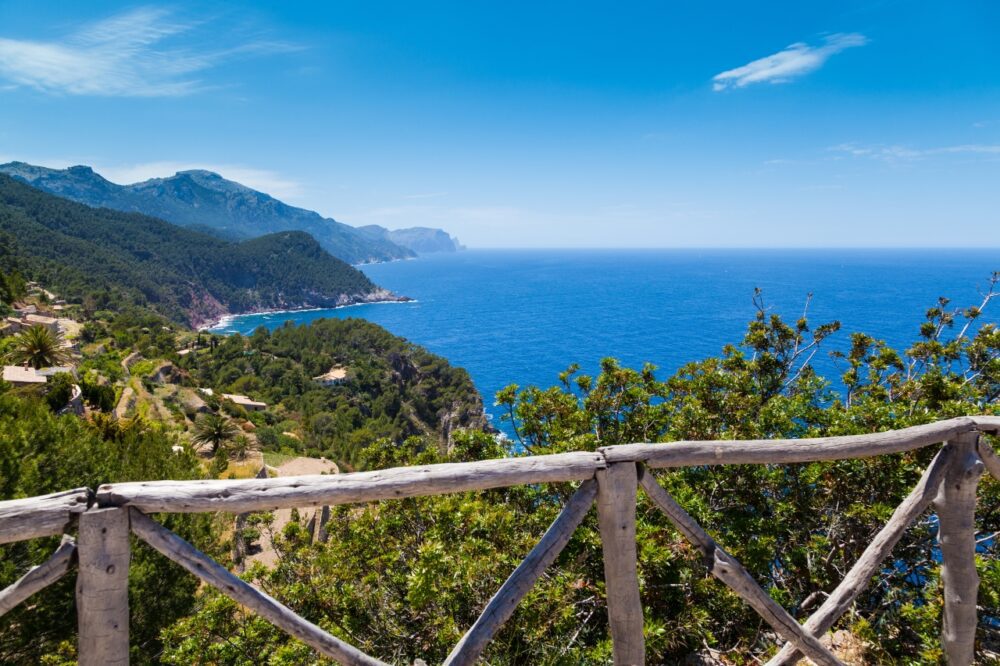
1. The Tramuntana mountains are a genuine surprise for most first-time visitors
Almost nobody pictures mountains when they think of Mallorca, and that’s exactly why the Serra de Tramuntana caught me off guard on my second trip. This UNESCO World Heritage mountain range runs along the island’s northwest coast, and it has proper hiking trails, dramatic cliffs, and terraced landscapes that wouldn’t look out of place in parts of Italy or Greece.
I did a half-day hike near Deià with a local guide, and the views back down over the coastline were some of the best I’ve seen anywhere in the Mediterranean. If your image of Mallorca is entirely beaches and resorts, this range alone is worth changing your itinerary for.
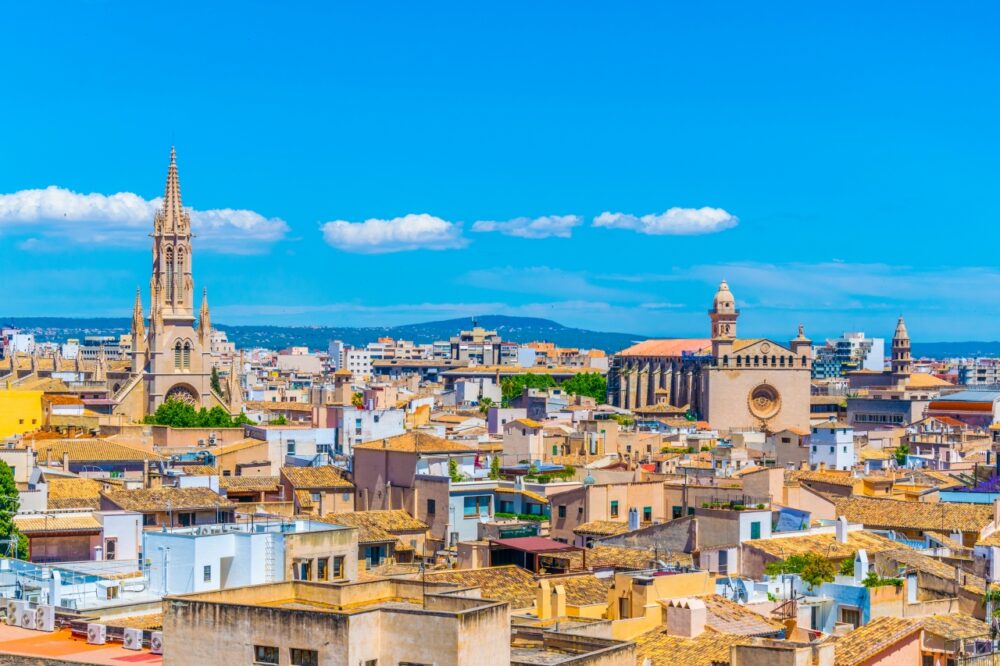
2. The old town of Palma has real architectural weight
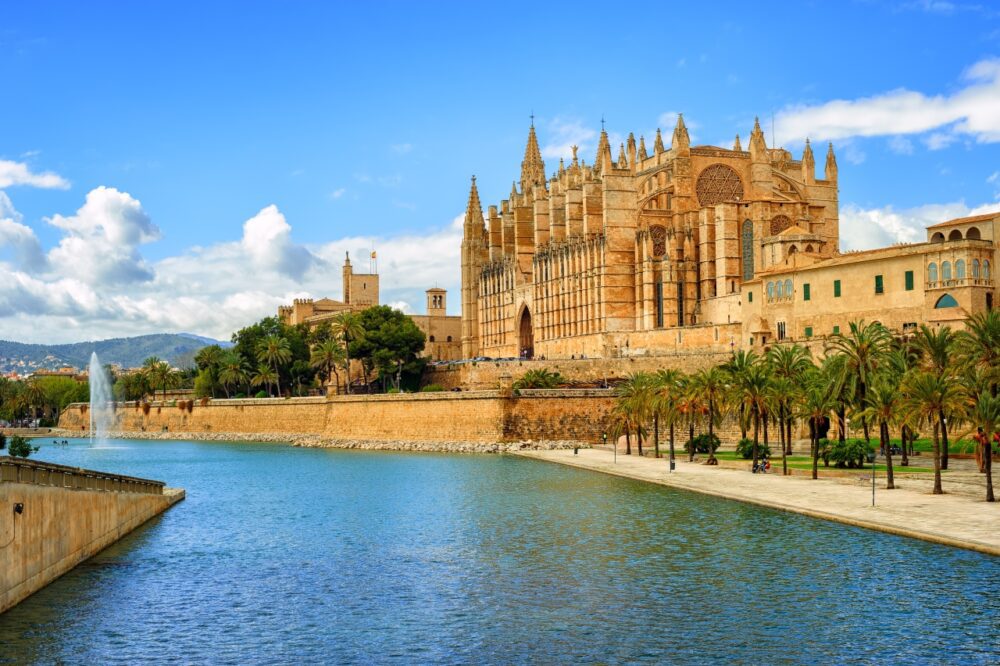
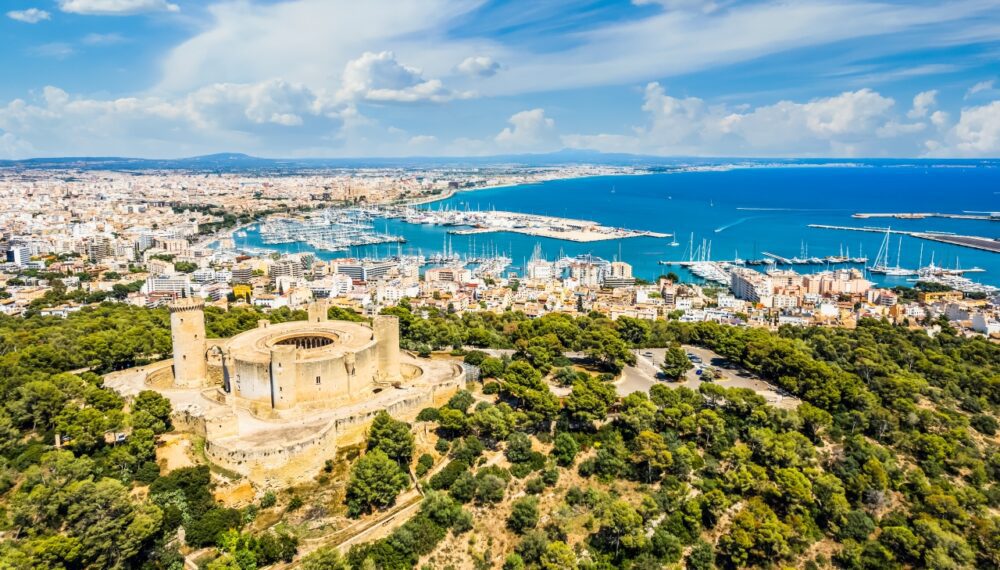
Palma’s cathedral, La Seu, sits right on the waterfront and is one of the more striking Gothic cathedrals I’ve come across, especially the way light passes through its enormous rose window. I visited on both trips and found something new to notice each time, particularly the contrast between the cathedral and the Arab baths tucked away nearby, a reminder of the island’s Moorish history.
The old town streets around the cathedral are genuinely worth wandering without a fixed plan. Unlike some resort islands where the “old town” is really just shops built to look historic, Palma’s core is the real thing.
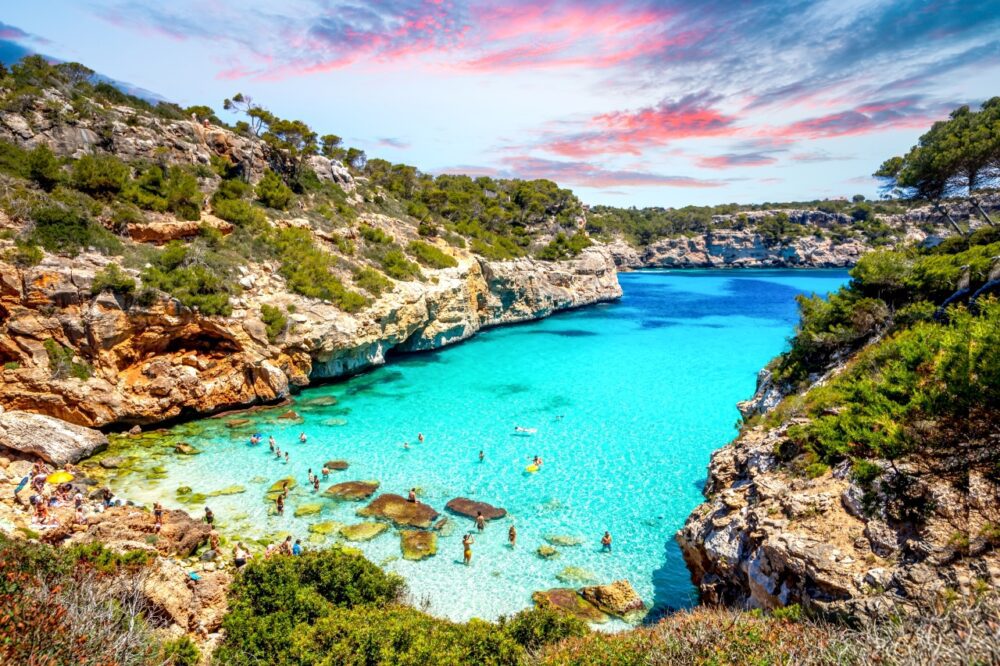
3. The east and southeast coves rival the best beaches I’ve seen in Spain
My first trip stuck mostly to the east coast, and the calas, small coves cut into rocky coastline, backed up the island’s reputation. Cala Mondragó and Cala Varques stood out in particular, with clear water and a setting that felt far removed from the bigger resort beaches nearby.
The trick, which I only partly figured out on that first trip, is getting to these coves early. By late morning, the smaller ones fill up fast, especially in peak summer, since parking is limited and word has clearly gotten around.
4. Food quality is more consistent here than I expected
I went into my first trip with fairly low expectations for the food, assuming it would lean heavily toward resort-style buffets and international menus built for package tourists. I was wrong. Even in more touristy areas, I found solid, fresh seafood, and the local specialty ensaimada, a coiled, powdered-sugar pastry, became something I actively sought out each morning.
My second trip, spent more in inland towns like Sóller, had noticeably better food overall, with restaurants using produce from the surrounding valley, known for its orange groves. The gap between “resort food” and “real Mallorcan food” is bigger than people expect, and it’s worth the effort to find the latter.
5. It’s genuinely easy to get to from most of Europe
Mallorca has one of the busiest airports in Spain during summer, with direct flights from a huge number of European cities. On both of my trips, flight time was under three hours from home, and the ease of getting there is a real practical advantage over destinations that require connections.
This accessibility is part of why the island became such a popular package-holiday destination in the first place, but it’s also just genuinely convenient if you’re looking for a short-haul trip that still feels like a proper change of scenery.
6. The vintage train from Palma to Sóller is one of the best short trips I’ve taken in Spain
This isn’t something I expected to be a highlight, but the wooden vintage train that runs from Palma up into the mountains to Sóller, in operation since 1912, was genuinely one of my favorite parts of the second trip. It winds through tunnels and past orange groves, with views that a road trip simply doesn’t offer in the same way.
Sóller itself, once you arrive, is a charming small town with a tram running down to the port, and the whole day trip, train up, wander the town, tram to the port, lunch by the water, was one of the best-organized days of either visit.
7. It suits a wider range of travel styles than its reputation suggests
Having now done both the resort trip and the mountain-and-village trip, what struck me most is how differently you can use this island depending on what you want. My first trip was relaxed and beach-focused, easy, low-effort, plenty of sun loungers. My second was active, with hiking, small towns, and a rental car covering a lot of ground.
Very few destinations let you choose between those two experiences this easily within the same island. That flexibility, more than any single sight, is probably the strongest overall reason Mallorca is worth visiting.
Cons – Things to Consider Before Visiting Mallorca
1. Certain areas lean heavily into a party crowd that isn’t for everyone
Magaluf and parts of the S’Arenal strip near Palma have a well-earned reputation for a rowdy, alcohol-heavy tourist scene, and I passed through Magaluf briefly on my first trip out of curiosity. It’s genuinely not representative of the rest of the island, but if you book accommodation there without knowing that, you might come away with a skewed impression of what Mallorca actually offers.
This is easy to avoid with basic research before booking, but it catches enough first-time visitors off guard that it’s worth stating plainly.
2. Peak summer brings serious crowds to the best-known spots
My first trip was in August, and the more famous beaches and coves were genuinely difficult to enjoy by mid-morning, with parking lots full and coves crowded shoulder to shoulder. My second trip, in a shoulder season month, was a completely different experience, with the same locations feeling calm and unhurried.
If your dates are flexible, I’d steer away from peak August specifically. Late spring or September gives you strong weather without the worst of the crowds, and it’s when I’d genuinely recommend going back myself.
3. Renting a car is close to essential if you want to see beyond the resorts
My first trip, without a car, kept me fairly limited to the resort area and organized excursions. My second trip, with a rental car, opened up the mountains, the smaller coves, and the inland towns in a way that simply wasn’t possible before. Public transport exists but doesn’t reach a lot of the island’s best spots, particularly in the Tramuntana range and along the more remote coastline.
If a resort-only trip is genuinely what you want, this isn’t an issue. But if you want to see the fuller picture of the island the way my second trip did, budget for a rental car and be prepared for some narrow, winding mountain roads.
Things to Do in Mallorca
- Hike part of the Tramuntana mountains – Even a half-day hike near Deià or Valldemossa shows a side of the island most visitors never see.
- Visit Palma Cathedral (La Seu) – Go inside to see the rose window’s light effect, best in the late morning depending on the season.
- Ride the vintage train from Palma to Sóller – A genuinely scenic trip through the mountains, and one of my top experiences from either visit.
- Explore the port of Sóller by tram – A short, charming ride down from the town to the harbor, worth a relaxed lunch by the water.
- Swim at Cala Mondragó – One of the better-preserved coves on the island, ideally visited early to beat the crowds.
- Wander Palma’s old town – The streets around the cathedral and the Arab baths reward slow, unplanned exploring.
- Visit Valldemossa – A postcard mountain village once home to composer Frédéric Chopin, with excellent views and a strong café scene.
- Try ensaimada from a local bakery – A simple thing, but the coiled pastry is genuinely worth seeking out over the more generic resort versions.
- Explore the Coves del Drach – A network of underground caves with an underground lake, including a short classical music boat performance.
- Drive the coastal road near Sa Calobra – One of the more dramatic drives I’ve done in Spain, winding down to a beach only reachable by road, boat, or a long hike.
Where to Stay in Mallorca
- Palma – The best base for culture, food, and easy access to both the east coast and the mountains, and where I’d recommend most first-time visitors stay.
- Sóller / Port de Sóller – Ideal if the mountains and a slower pace matter more to you than resort amenities; genuinely one of my favorite areas on the island.
- East coast (around Portocristo or Cala d’Or) – Closer to the well-known coves, good for a beach-focused trip, though busier in peak season.
- Deià / Valldemossa – Small, upscale mountain villages, better suited to a quieter, more scenic stay than a typical beach holiday.
- Alcúdia – In the north, more family-friendly, with a good old town and calmer beaches than the southern resort strips.
- Magaluf / S’Arenal – Worth naming honestly: this is the area for a loud, party-focused resort trip. Fine if that’s genuinely what you want, best avoided otherwise.
Getting Around Mallorca
A rental car made the biggest single difference between my two trips. On my first, without one, I relied on resort transfers and organized day trips, which worked fine for a beach-focused stay but limited how much of the island I actually saw. On my second, a rental car let me reach the Tramuntana mountains, smaller coves, and inland towns that public transport simply doesn’t serve well.
That said, Palma itself has a decent local bus network and a small metro line, both fine for getting around the city without a car. The train line up to Sóller, mentioned earlier, is both a genuine mode of transport and an attraction in its own right, and it’s a good option if you want to see the mountains without driving yourself.
Buses do connect many of the island’s towns, and they’re a reasonable budget option if you’re staying in one area and taking occasional day trips, though schedules can be infrequent outside peak season. For beach hopping along the coast in summer, some areas also run seasonal boat taxis between coves, which I used once on my first trip and found to be a relaxing alternative to driving.
Conclusion
So, is Mallorca worth visiting in 2026? Having now seen both the resort side and the mountain-and-village side of the island, my answer is yes, more confidently than I expected before that second trip. The Tramuntana mountains, the Sóller train, and the quieter inland towns gave me a completely different appreciation for an island I’d previously filed away as a straightforward beach destination.
The cons are worth weighing honestly: certain areas lean hard into a party scene that isn’t for everyone, peak summer brings real crowds to the best-known spots, and seeing the fuller version of the island really does require a rental car. None of that changed my overall view. If you’re deciding whether Mallorca is worth visiting, my advice is to look past the Magaluf reputation, plan a rental car into your trip if you can, and consider building in time for the mountains alongside the beaches. Do that, and I think you’ll find, as I did on my second visit, that there’s a lot more to this island than the postcards suggest.
Related Posts
- Is Barcelona Worth Visiting? Pros, Cons and Travel Tips (2026)
- Is Ibiza Worth Visiting? Pros, Cons and Travel Tips (2026)
- Is Madrid Worth Visiting? Pros, Cons and Travel Tips (2026)
- Is Mallorca Worth Visiting? Pros, Cons and Travel Tips (2026)
- Is Seville Worth Visiting? Pros, Cons and Travel Tips (2026)
- Is Valencia Worth Visiting? Pros, Cons and Travel Tips (2026)