

I’ve now been to Madrid twice, once for a long weekend and once for a full week, and both trips left me thinking about when I could go back. That’s usually a good sign. But “is Madrid worth visiting” isn’t a question with a one-word answer. It depends on what you want from a trip, how you like to travel, and what you’re comparing it to.
Spain’s capital doesn’t have the postcard fame of Barcelona or the ancient weight of Rome. It’s not on the coast, it doesn’t have a single landmark that everyone recognizes, and a lot of first-time visitors to Spain skip it entirely in favor of Barcelona, Seville, or the Costa del Sol. I get why. On paper, Madrid can look like the “boring” option. In person, it’s one of the most livable, walkable, and genuinely enjoyable cities I’ve spent time in.
This isn’t a copy-paste list pulled from a dozen other blogs. Everything below comes from actually walking these streets, eating at these restaurants, getting lost on the metro, and figuring out the hard way what works and what doesn’t. I’ll give you the real pros, the real cons, and the practical details you need to plan a trip in 2026.
Table of Contents
Pros – Reasons Madrid is Worth Visiting
1. World-class art without the crowds of Paris or London
Madrid’s “Golden Triangle of Art” — the Prado, the Reina Sofía, and the Thyssen-Bornemisza — sits within a 10-minute walk of each other. The Prado alone holds one of the best collections of European painting anywhere, with room after room of Velázquez, Goya, and Bosch. I spent close to four hours there on my second visit and still didn’t see everything.
What struck me most was how manageable it felt. I’ve stood in the crush of people around the Mona Lisa in Paris. At the Prado, I stood in front of Las Meninas with maybe a dozen other people around me, close enough to see the brushwork. If you care about art at all, this alone answers “is Madrid worth visiting” with a yes.
2. The food scene is deep, not just tapas bars
Most people think tapas when they think of Spanish food, and Madrid does that well. But the city also has a serious fine-dining scene, a huge network of neighborhood markets, and some of the best-value menús del día (fixed lunch menus) I’ve found anywhere in Europe. On my last trip, I paid around 13 euros for a three-course lunch with wine included, at a spot with zero tourists and a menu that changed daily.
Mercado de San Miguel gets all the attention online, and it’s fun for a first visit, but it’s pricier and touristy. I’d point you toward Mercado de San Antón or the smaller neighborhood markets in Chamberí instead, where locals actually shop and eat.
3. Walkability that most European capitals can’t match
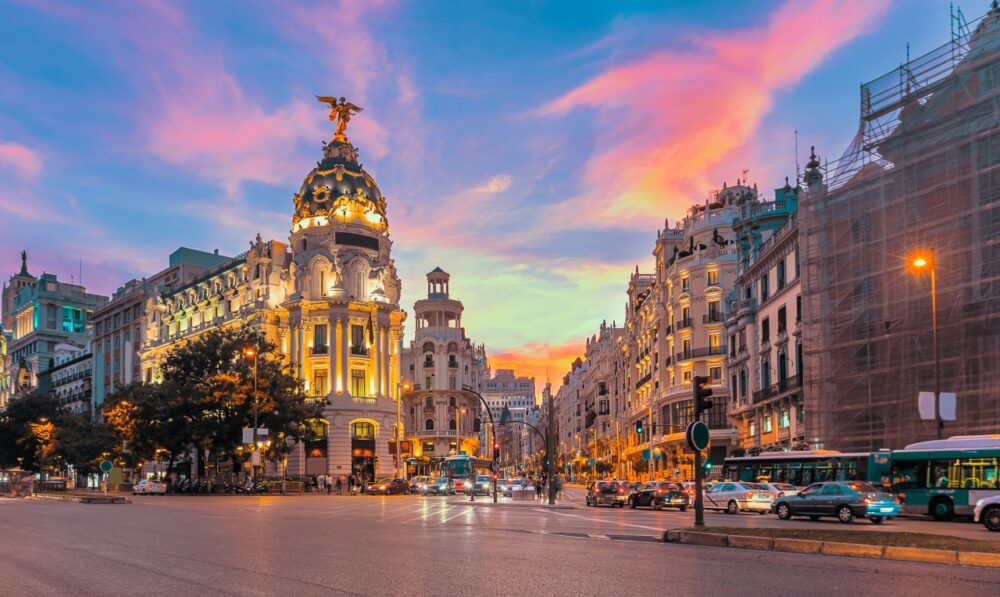
Madrid’s city center is flat and compact. I walked from Sol to Retiro Park, then over to Gran Vía, then back to my hotel near Malasaña, all in one afternoon, without ever feeling like I needed transport. Compare that to London or even Barcelona, where distances between major sights stretch out more and hills or sprawl slow you down.
This matters more than people expect. A walkable city means you see more, spend less on transport, and actually get a feel for how the place fits together instead of hopping between subway stops.
4. Retiro Park is one of the best city parks in Europe
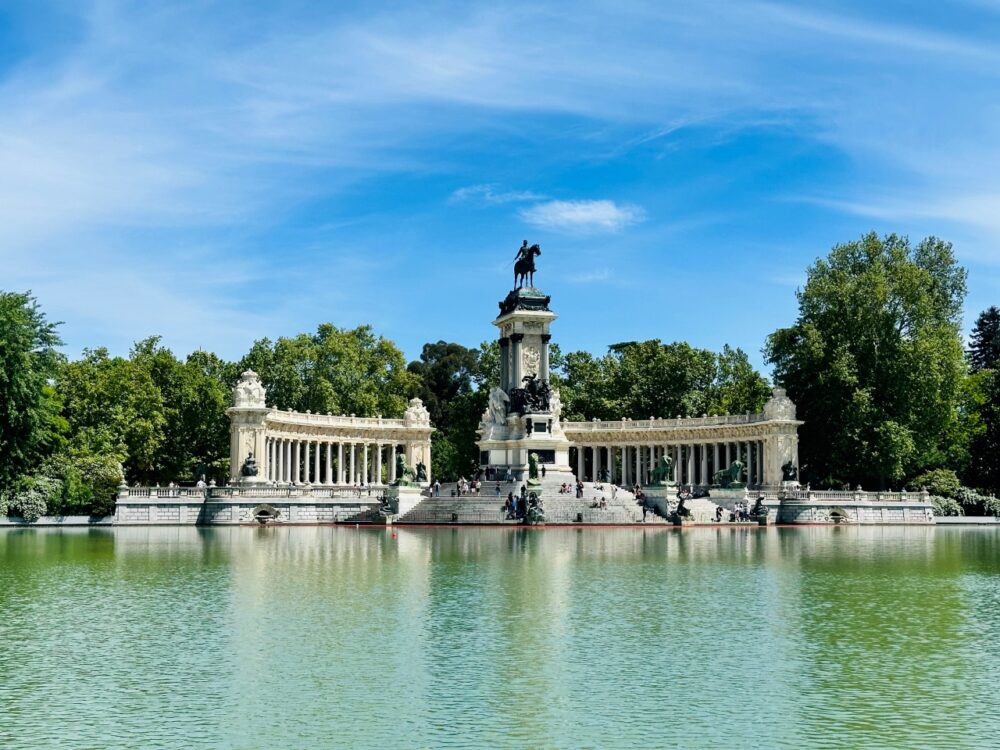
I’ll be honest, I didn’t expect much from Retiro before my first visit. I’ve seen a lot of city parks. But this one earns the hype. There’s a lake where you can rent rowboats, the Crystal Palace (a 19th-century glass structure that often hosts free art installations), wide tree-lined paths, and enough space that it never feels crowded even on a Sunday afternoon.
On my first trip, I ended up spending an entire morning there just walking and people-watching, and it became one of my favorite memories of the whole trip. If you want a break from museums and streets, this is where you go.
5. Nightlife that starts late and doesn’t feel forced
Madrid genuinely doesn’t sleep early. Dinner starts around 9 or 10pm for locals, and bars stay busy well past midnight on weekends. What I appreciated was that this isn’t a manufactured party-city vibe aimed at tourists, the way parts of Barcelona or Ibiza can feel. It’s just how the city lives.
Neighborhoods like Malasaña and La Latina are packed with small bars, and the custom of getting a free tapa with your drink is still alive in a lot of places. It’s a low-key, unpretentious kind of nightlife, and it suits people who want a good night out without a club scene.
6. Easy day trips to Toledo, Segovia, and beyond
Madrid sits in the middle of Spain, which makes it a strong base for day trips. Toledo is about 30 minutes away by high-speed train and feels like stepping into a medieval city, with its cathedral and winding streets. Segovia, home to a Roman aqueduct still standing after two thousand years, is under an hour away.
I did Toledo as a half-day trip and Segovia as a full day, and both were easy to arrange without a tour group. This flexibility is a real advantage if you want more than just the capital on a Spain trip.
7. It’s genuinely affordable for a capital city
Compared to London, Paris, or Amsterdam, Madrid is noticeably cheaper. Hotels, food, museum tickets, and transport all cost less, and you don’t feel like you’re constantly being upsold or nickel-and-dimed. Many of the top museums, including the Prado, offer free entry during specific evening hours, which I used on both trips to save money without missing anything.
For travelers trying to stretch a Europe budget further, this is a genuine reason Madrid is worth visiting over some of its more expensive neighbors.
Cons – Things to Consider Before Visiting Madrid
1. Summer heat is brutal
I made the mistake of visiting in late July on my first trip, and the heat was rough. Temperatures regularly hit the high 30s Celsius (upper 90s Fahrenheit), and the city center has limited shade in a lot of areas. Locals deal with it by adjusting their schedules, eating late, resting in the afternoon, and staying out until the early morning when it cools down.
If you’re used to a more temperate climate, this can wear you down fast. My second trip, in May, was far more comfortable, and I’d recommend spring or early autumn over midsummer if your dates are flexible.
2. It lacks one single “must-see” landmark
This is a genuine con, not just a nitpick. Madrid doesn’t have an Eiffel Tower, a Colosseum, or a Sagrada Família, one iconic thing that everyone recognizes and plans a trip around. Its strength is the sum of its parts: the museums, the food, the parks, the neighborhoods, rather than one showstopping sight.
For some travelers, especially those on a first and only trip to Europe, that can feel underwhelming. If you want a single, unmissable photo-op landmark, Madrid isn’t going to deliver that in the way Paris or Rome will.
3. Some areas feel repetitive after a few days
The city center, especially around Sol and Gran Vía, can start to feel similar after a few days: souvenir shops, chain restaurants, and crowds that are more tourist than local. I noticed this most on my second trip, when I had more days to fill.
The fix is easy once you know it: get out to the neighborhoods. Chamberí, La Latina, and Lavapiés all have their own character and far fewer tourists, but you have to make the effort to go find them. A visitor who sticks only to the center for a week might come away thinking Madrid is less interesting than it is.
Things to Do in Madrid
- Visit the Prado Museum – The single best reason to visit Madrid if you care about art at all. Give yourself at least three hours.
- Explore Retiro Park – Rent a rowboat, see the Crystal Palace, and just walk. One of the best green spaces I’ve found in any capital city.
- Wander La Latina on a Sunday – Combine it with the El Rastro flea market and a long tapas crawl afterward. This was one of my favorite afternoons in the city.
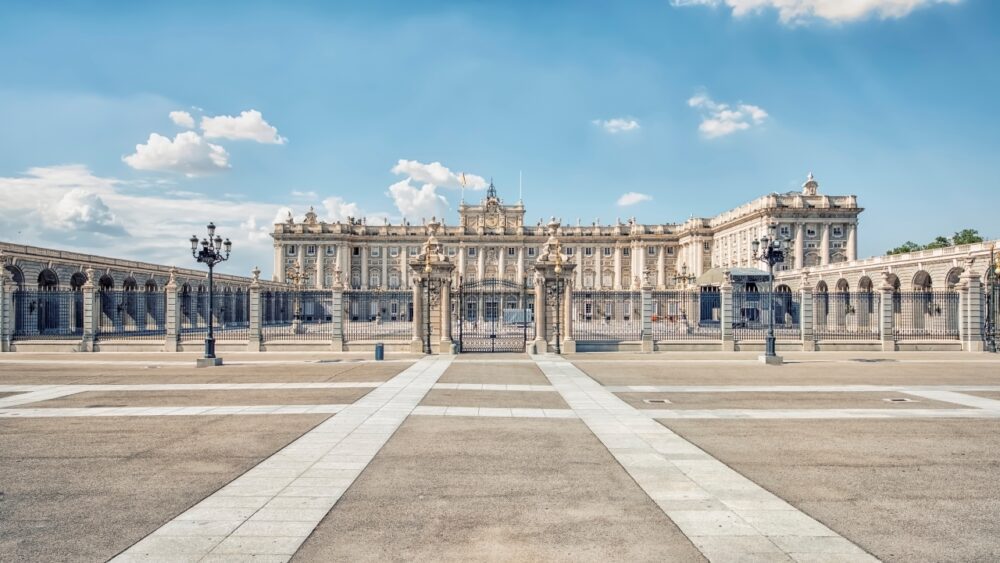
- See the Royal Palace – It’s the largest functioning royal palace in Western Europe by usable floor area, and the state rooms are worth the entry fee.
- Walk through Gran Vía at night – The Art Deco buildings light up beautifully after dark, and it’s one of the best free things to do in the city.
- Eat at a neighborhood market – Skip San Miguel and try San Antón or a local market in Chamberí for a more authentic, less touristy experience.
- Day trip to Toledo – A half-day is enough to see the cathedral and wander the old town. Easy to reach by train from Atocha station.
- Catch a flamenco show – Skip the tourist-trap venues near Sol and look for smaller tablaos in Lavapiés for a more genuine performance.
- Visit the Reina Sofía for Guernica – Picasso’s Guernica alone justifies the visit, and the rest of the modern art collection is excellent too.
- Watch a football match if the timing works out – Whether you’re a fan of Real Madrid, Atlético, or just football in general, the atmosphere at either stadium is something else. Book well ahead.
Where to Stay in Madrid
- Sol / Centro – The most central option, walkable to almost everything. Good for a first-time short trip, but can be noisy and touristy.
- Malasaña – My personal favorite. Trendy, full of good bars and cafés, and still an easy walk to the center. Great if you want nightlife without staying in the busiest tourist zone.
- La Latina – Charming, older streets, close to Sunday’s El Rastro market, and full of tapas bars. Slightly quieter at night than Malasaña.
- Salamanca – Upscale, safe, and polished, with high-end shopping. Good if comfort and a quieter atmosphere matter more to you than nightlife.
- Chamberí – Where I’d recommend staying on a return trip. Residential, local, fewer tourists, but still a short metro ride from everything major.
- Retiro/Atocha area – Convenient if you’re arriving by train, and close to the museums and the park, with a slightly more relaxed feel than Sol.
Getting Around Madrid
Madrid’s metro is one of the most extensive and efficient systems I’ve used in Europe, and it’s how I got around most of the time on both trips. It’s clean, frequent, and covers the whole city, so you’re rarely more than a short walk from a station. A multi-day travel pass is worth buying if you’re staying more than a couple of days, since it covers metro, buses, and local trains.
Buses fill in the gaps where the metro doesn’t reach, and they’re handy for shorter hops or for seeing the city above ground rather than underground. For anything within the center, though, walking is often just as fast once you factor in getting to and from stations, and it’s the best way to actually experience the city rather than just move through it.
Madrid also has a city bike-share system and dockless e-scooters, which I tried on my second trip. They’re convenient for covering medium distances quickly, though summer heat makes biking less appealing in July and August. Taxis and ride-hailing apps are affordable and easy to use if you’re out late or carrying luggage, and they’re a reasonable backup when public transport has stopped running for the night.
Conclusion
So, is Madrid worth visiting in 2026? Based on two trips and a decent amount of time spent actually living in the city rather than rushing through a checklist, my answer is yes, especially if you’re the kind of traveler who values depth over a single iconic photo. The art, the food, the parks, and the neighborhoods add up to a city that rewards time rather than one that peaks on day one.
That said, it’s worth being honest about the cons. If you’re chasing one unmissable landmark, or you’re set on visiting in the middle of summer, Madrid might not hit the way you expect. But if you go in with the right expectations, plan around the heat, and get beyond the main tourist center into neighborhoods like Malasaña, La Latina, or Chamberí, I think you’ll find what I found: a capital city that’s easy to enjoy, easy to get around, and easy to want to come back to.
Related Posts
- Is Barcelona Worth Visiting? Pros, Cons and Travel Tips (2026)
- Is Ibiza Worth Visiting? Pros, Cons and Travel Tips (2026)
- Is Madrid Worth Visiting? Pros, Cons and Travel Tips (2026)
- Is Mallorca Worth Visiting? Pros, Cons and Travel Tips (2026)
- Is Seville Worth Visiting? Pros, Cons and Travel Tips (2026)
- Is Valencia Worth Visiting? Pros, Cons and Travel Tips (2026)