
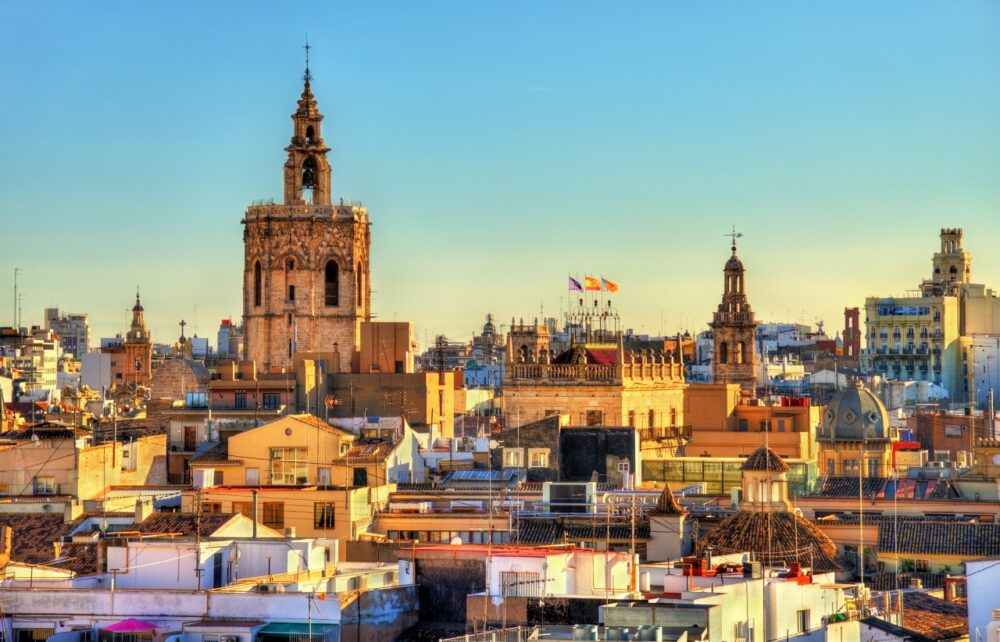
I went to Valencia for the first time on a five-day trip, and it wasn’t a city I’d planned much around. It was more of an add-on to a longer Spain itinerary, squeezed in between Madrid and the coast. By the second day, I was annoyed at myself for not giving it more time. Valencia has a habit of doing that to people: it sits quietly in Barcelona and Madrid’s shadow, and then it quietly outperforms your expectations once you’re actually there.
Spain’s third-largest city doesn’t get the same hype as its bigger siblings, and that’s part of what makes it interesting. There’s no overwhelming crowd of tourists, no sense that every street has been optimized for Instagram, and no feeling of fighting through queues just to see something you came for. It’s also the birthplace of paella, which means the food alone is worth the trip for a lot of travelers.
This post is based on that one real trip, five days of walking, eating, getting slightly lost, and figuring out what’s actually worth your time versus what’s overrated. I won’t pretend to have the depth of someone who’s visited five times, but I’ll give you an honest, first-hand account of whether Valencia is worth visiting, along with the practical details for planning a 2026 trip.
Table of Contents
Pros – Reasons Valencia is Worth Visiting
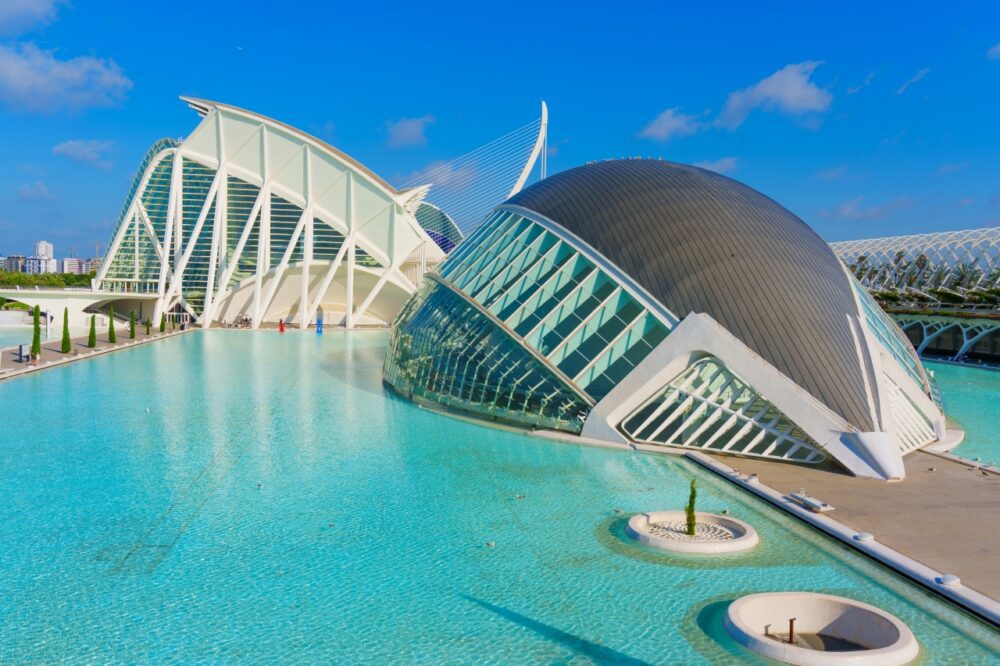
1. The City of Arts and Sciences is genuinely impressive in person
Photos of this place don’t do it justice. The City of Arts and Sciences is a stretch of futuristic white architecture, home to an opera house, a science museum, an aquarium, and a planetarium, all built along a dried-up riverbed that runs through the city. I walked through it at sunset on my second evening, and the way the buildings reflect in the surrounding pools is one of the more striking urban scenes I’ve come across in Europe.
It’s easy to treat it as a quick photo stop, but I’d recommend budgeting real time here, especially if you want to go into the aquarium (Europe’s largest) or the science museum. It’s not just a backdrop; it’s a proper half-day or more.
2. This is where paella actually comes from
Valencia is the birthplace of paella, and eating it here is a different experience than anywhere else I’ve had it in Spain. The original version uses rabbit and chicken rather than seafood, cooked in a wide shallow pan over an open flame, and the rice at the bottom develops a crisp, slightly caramelized layer called the socarrat that’s considered the best part by locals.
I ate paella twice on my trip, once at a touristy spot near the center that was fine but forgettable, and once at a family-run restaurant a local recommended slightly outside downtown, which was genuinely one of the best meals of my trip. The lesson: seek out places that specialize in paella and are willing to wait the 20-plus minutes it takes to cook properly. If a restaurant serves it in five minutes, that’s a red flag.
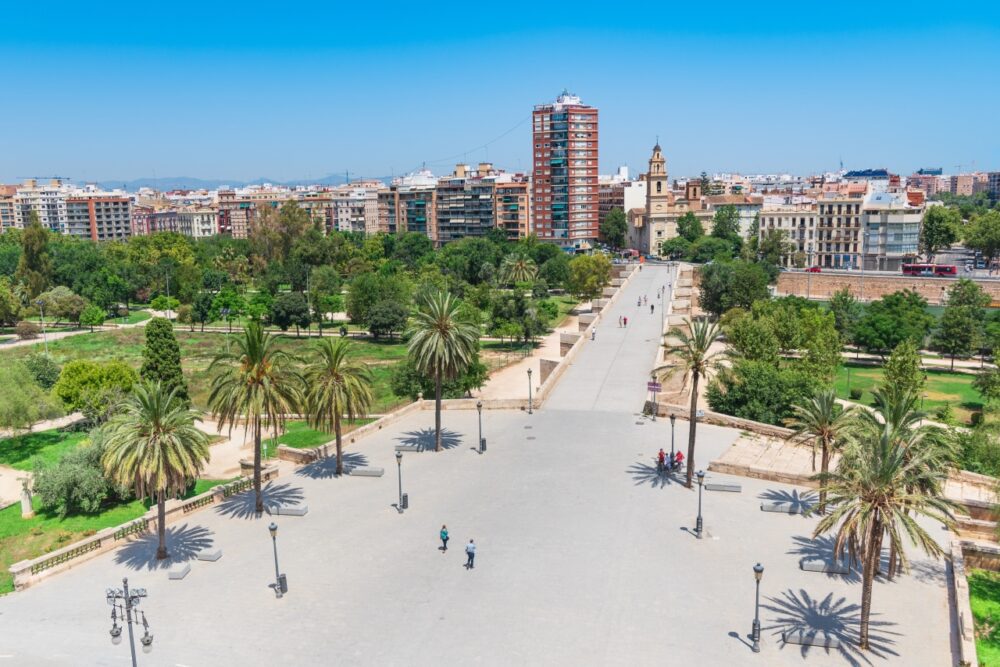
3. A huge, walkable park runs straight through the city
The Turia Gardens, built in that same dried-up riverbed I mentioned earlier, stretch for about nine kilometers through the city, connecting the old town to the City of Arts and Sciences. I walked a good portion of it and saw joggers, cyclists, families, and couples all using the space, and it never felt crowded despite clearly being well used.
Having a green corridor like this running through a major city is rare, and it changes how the whole place feels. You can walk from one side of Valencia to the other almost entirely through parkland, which isn’t something I’ve experienced in many other European cities.
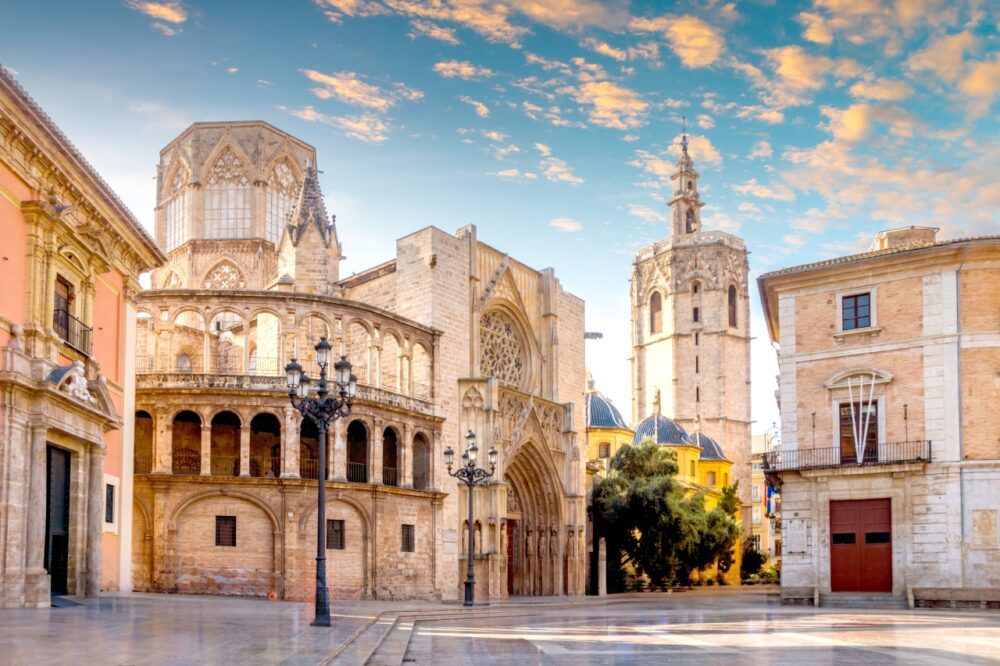
4. The old town has real character without the overtourism
Valencia’s historic center, particularly around the Central Market and the Cathedral, has genuine medieval and Gothic architecture, but without the wall-to-wall crowds you get in similar quarters in Barcelona or Seville. I could actually stop and look at buildings without getting jostled by tour groups, and I never felt like I was competing with fifty other people for the same photo.
The Central Market itself, a large Art Nouveau building full of fresh produce, seafood, and jamón stalls, was one of my favorite stops. It’s a working market, not a tourist attraction dressed up as one, though it’s clearly on the radar of visitors too.
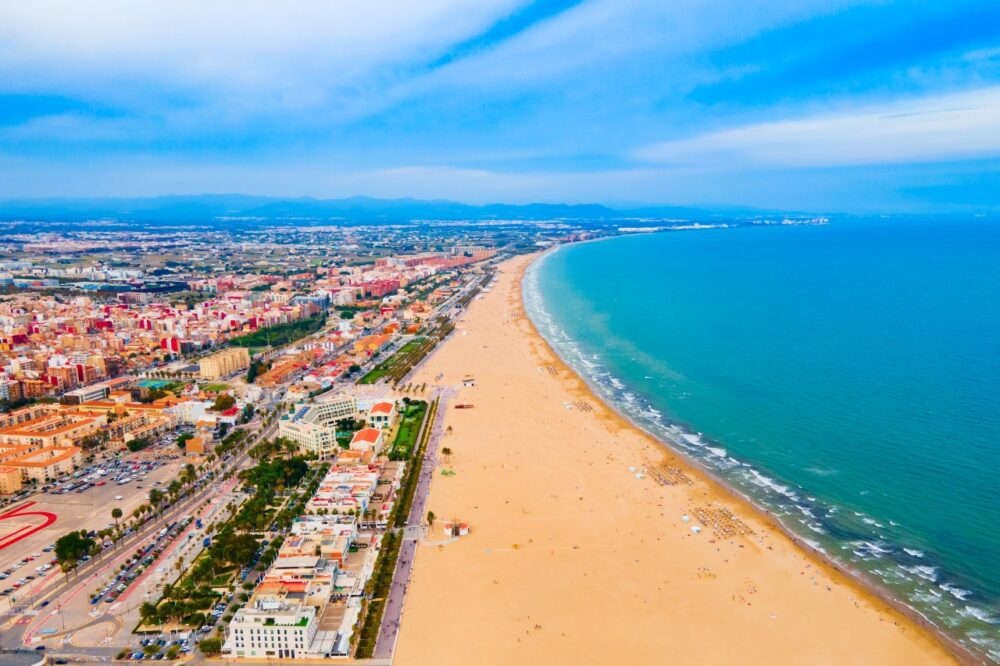
5. The beach is close, clean, and uncrowded compared to other Spanish coastal cities
Playa de la Malvarneixa is a wide, sandy beach about a 20-minute tram ride from the city center. I went for a few hours on my last afternoon and was surprised by how much space there was, even on a warm day. It didn’t have the packed, elbow-to-elbow feeling I’ve heard about on beaches in Barcelona during peak season.
Having a proper beach this close and this uncrowded, combined with a major city just a short ride away, is a real point in Valencia’s favor if you want a mix of culture and coastline without needing to travel far between the two.
6. It’s noticeably cheaper than Barcelona or Madrid
Prices for food, accommodation, and museum tickets in Valencia came in lower than what I paid on previous trips to Spain’s bigger cities. A sit-down dinner with wine regularly cost less than a similar meal would have in Barcelona, and my hotel, a clean, well-located three-star, was a fraction of what comparable options run in Madrid during peak season.
For travelers trying to get more out of a Spain trip without stretching the budget, this is one of the clearest, most practical reasons Valencia is worth visiting over its more famous neighbors.
7. Fallas and other festivals show a different, livelier side of the city
I didn’t visit during Fallas, Valencia’s massive mid-March festival involving huge sculptures, fireworks, and citywide celebration, but I heard enough from locals and saw enough leftover evidence (photos in restaurants, locals talking about it) to know it’s a serious deal. Even outside of festival season, the city has a strong local events calendar, and there’s a sense of civic pride here that felt different from the more tourist-driven energy of Barcelona.
If your travel dates can line up with Fallas, from what I gathered from people who live there, it’s considered one of the best festivals in Spain, and it would completely change the character of a Valencia trip.
Cons – Things to Consider Before Visiting Valencia
1. Fewer direct international flights than Madrid or Barcelona
Valencia’s airport is smaller, and depending on where you’re flying from, you may need a connection through Madrid or Barcelona rather than flying direct. On my trip, this meant an extra layover that added a few hours to my total travel time compared to flying straight into a bigger hub.
This isn’t a dealbreaker, but it’s worth checking flight options early, since it can affect both cost and convenience depending on your starting point.
2. It has less to do than Madrid or Barcelona if you’re staying a long time
Valencia is a genuinely great three-to-five day destination, which is roughly how long I stayed, but I could see it feeling thin if you tried to stretch it much beyond that without adding day trips. The city doesn’t have the sheer density of museums, neighborhoods, and sights that Madrid or Barcelona offer for longer stays.
The fix is easy: pair it with a day trip to somewhere like Xàtiva or the Albufera Natural Park, which I didn’t have time for but heard good things about from other travelers. On its own, though, Valencia suits a shorter, focused trip better than an extended one.
3. Public information and signage lean heavily on Spanish and Valencian
Compared to Madrid and Barcelona, I noticed less English signage and fewer English-speaking staff, particularly outside the main tourist areas. I managed fine with basic Spanish, but travelers with none at all might find ordering food or asking for directions slightly more challenging than in Spain’s bigger, more internationally-oriented cities.
It’s a minor issue rather than a major obstacle, and having a translation app handy solves most of it, but it’s worth knowing going in so it doesn’t catch you off guard.
Things to Do in Valencia
- Explore the City of Arts and Sciences – Go at sunset if you can. The reflections in the water make it one of the best photo opportunities in the city, and the aquarium is worth the extra time.
- Eat paella where it was invented – Seek out a restaurant willing to cook it properly, which takes time. Avoid places offering it in under ten minutes.
- Walk or cycle the Turia Gardens – Rent a bike for an hour or two and cover more ground than walking allows; it’s flat, shaded in parts, and genuinely relaxing.
- Visit the Central Market – Go in the morning when it’s busiest with locals doing their actual shopping, for the most authentic experience.
- See Valencia Cathedral – Said to hold the Holy Grail according to local tradition. Worth the modest entry fee, and climb the Miguelete tower for city views.
- Spend an afternoon at Playa de la Malvarrosa – A clean, spacious beach that’s easy to reach by tram and rarely feels overcrowded.
- Wander the Barrio del Carmen – The old town’s most atmospheric neighborhood, full of street art, small bars, and narrow medieval streets.
- Visit the Bioparc – An immersive zoo designed around African ecosystems, a great option if you’re traveling with kids.
- Day trip to Albufera Natural Park – A wetland area south of the city known for its rice paddies and boat trips, and the origin of much of the region’s rice production.
- Try horchata at a local shop – A Valencian specialty drink made from tiger nuts, best paired with fartons (a local pastry) at a traditional horchatería.
Where to Stay in Valencia
- Ciutat Vella (Old Town) – Central and walkable, close to the Cathedral and Central Market. Good for a first, short trip where you want everything nearby.
- El Carmen – Part of the old town but with more character and nightlife, full of bars and street art. A good pick if evenings matter to you.
- Ruzafa – Trendy and increasingly popular with a younger crowd, known for good cafés and a more local, less touristy feel than the old town.
- El Pla del Remei – Quieter and more residential, close enough to the center to walk, good if you want a break from noise at night.
- Near the City of Arts and Sciences – Convenient if that’s your priority, though slightly removed from the old town’s day-to-day energy.
- Near the beach – Worth considering if you want easy, repeated beach access, though it’s a tram ride from most of the historic sights.
Getting Around Valencia
Valencia is compact enough that walking covers most of the old town and central areas without much trouble. On my trip, I walked more than I used any transport, and the flat terrain made it easy even in warmer weather. That said, the city is spread out enough that getting to the beach or the City of Arts and Sciences comfortably usually calls for some form of transport.
The metro and tram network is straightforward and covers the areas walking doesn’t, including a direct line out to the beach that I used more than once. It’s less extensive than Madrid or Barcelona’s systems, simply because the city is smaller, but it’s reliable and easy to figure out even without much Spanish.
Valencia is also one of the most bike-friendly cities I’ve visited in Spain, with dedicated bike lanes running through much of the center and along the Turia Gardens. I rented a bike for an afternoon and it was, by a good margin, the most enjoyable way I found to see the city, especially for covering the length of the park in one go. Buses fill in a few remaining gaps, and taxis or ride-hailing apps are easy to use and reasonably priced if you’re out late or need to get somewhere quickly.
Conclusion
So, is Valencia worth visiting in 2026? Based on my one trip there, I’d say yes, and somewhat more emphatically than I expected going in. The combination of striking modern architecture, food you genuinely can’t get done better anywhere else, a huge accessible park, and a real, uncrowded beach makes for a well-rounded few days that never felt like it was competing for space with tourist crowds the way parts of Barcelona did on my visits there.
The cons here are real but minor: fewer flight options, less to fill an extended stay, and a bit more of a language gap than Spain’s bigger cities. None of them changed my overall impression. If you’re weighing Valencia against Madrid or Barcelona for a first Spain trip, or considering it as an addition to a longer itinerary the way I did, I’d say don’t treat it as an afterthought. Give it three to five focused days, and I think you’ll come away, like I did, wondering why it doesn’t get talked about more.
Related Posts
- Is Barcelona Worth Visiting? Pros, Cons and Travel Tips (2026)
- Is Ibiza Worth Visiting? Pros, Cons and Travel Tips (2026)
- Is Madrid Worth Visiting? Pros, Cons and Travel Tips (2026)
- Is Mallorca Worth Visiting? Pros, Cons and Travel Tips (2026)
- Is Seville Worth Visiting? Pros, Cons and Travel Tips (2026)
- Is Valencia Worth Visiting? Pros, Cons and Travel Tips (2026)