Is Cologne Worth Visiting? Honest Pros and Cons (2026)

The first Kölsch I ordered in Cologne arrived in a tiny glass, and a second one landed on my table before I’d finished the first. That’s how the city works. Cologne is friendly, a little cheeky and a lot more relaxed than its giant cathedral suggests. I spent four days there one summer, and I filled them with beer halls, chocolate, street art and long walks beside the Rhine.
Cologne is the largest city on the Rhine and the fourth largest in Germany, with around a million people. The Romans founded it in 50 AD, and you can still find their traces under the streets. Today it’s a mix of Gothic spires, postwar buildings, creative neighbourhoods and traditional brewery halls. Cologne is worth visiting if you like big history, good beer and a city that doesn’t take itself too seriously.
This guide covers the pros and cons of Cologne, where to stay, and what to book. You’ll also find tips on when to go, how long you need, and getting around, so you can decide whether it suits your kind of trip.
In a Rush? Here Are Our Favourite Hotels in Cologne Germany
⭐️⭐️⭐️ Steigenberger Hotel Köln – Click here for rates & availability
⭐️⭐️ Wasserturm Hotel Cologne, Curio Collection by Hilton – Click here for rates & availability
⭐️ 25hours Hotel The Circle – Click here for rates & availability
Pros of Visiting Cologne
1. Cologne Cathedral
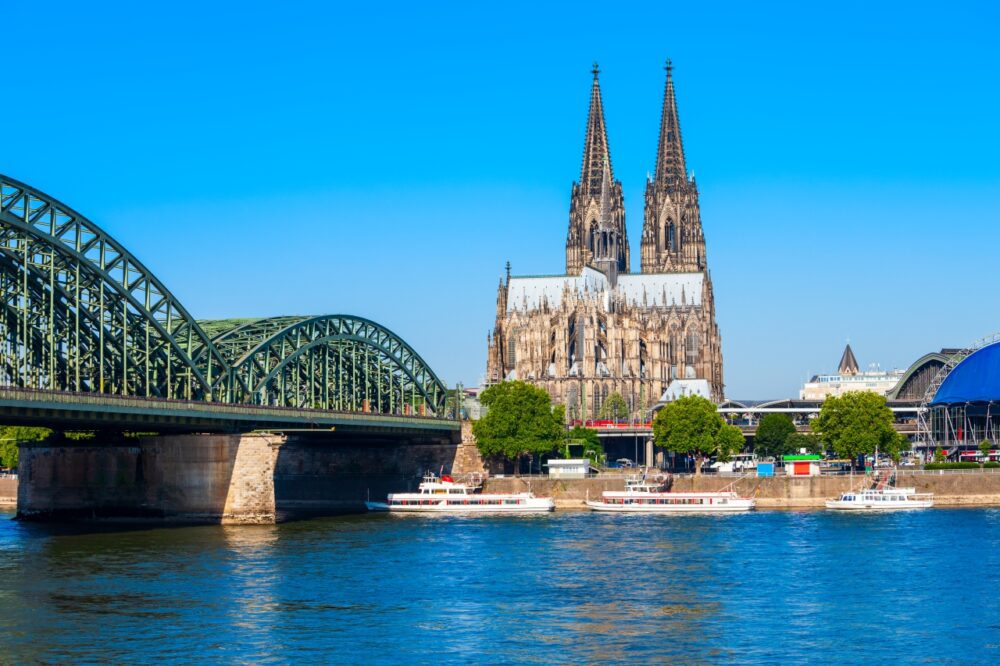
The Cologne Cathedral is the reason most people come, and it earns the hype. Building began in 1248 and finished in 1880, and the twin spires reach 157 metres. It’s a UNESCO World Heritage Site, and it stands right beside the main station, so it’s the first thing you see when you step off the train. Inside, the Shrine of the Three Kings sits behind the altar. The Treasury below the sacristy holds objects from the 4th to the 20th century.
You can also climb the South Tower. It’s 533 steps with no lift, and the viewing platform sits about 100 metres up. The cathedral is no longer free for tourist visits, and since 1 July 2026 you need a ticket to go inside. A guided cathedral and Old Town tour with a Kölsch covers the outside and finishes in a traditional brewery. Allow a couple of hours to see the cathedral properly.
2. Old Town and Rhine Promenade

Cologne’s Old Town is small enough to cover on foot. Narrow lanes, colourful gabled houses and church towers sit between the cathedral and the river, and the Old Town Hall is a short walk away. Squares like Alter Markt and Heumarkt fill with terraces in good weather. Much of the area was rebuilt after the war, but the streets still feel lively, and you’re never far from a cold beer. Give it a relaxed half day, and stop whenever a terrace looks inviting!
The promenade along the Rhine is the best place to slow down. Locals sit on the steps with a drink, and the views across the water are beautiful at dusk. If you want some history with your wander, the Old Town highlights walking tour links the cathedral, the Hohenzollern Bridge and the Old Town Hall in two hours. It also stops at a Roman villa with mosaics.
3. Rhine Cruises and Hohenzollern Bridge
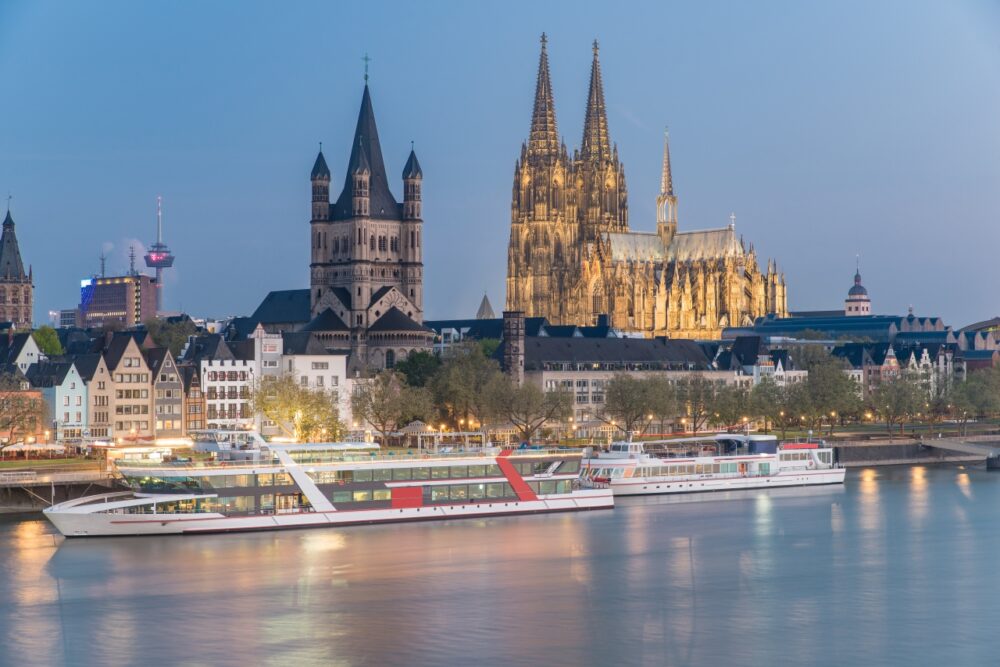
The Hohenzollern Bridge is the classic shot. Trains rumble across it, and the railings are covered with thousands of padlocks left by couples. Walk across to the Deutz side, and you get the classic view of the cathedral rising behind the river. It’s a flat, easy stroll, and it only takes about ten minutes each way. Go when the light softens, because the views are the whole point.
Next, see the city from the water. The Rhine River cruise lasts 1.5 hours and passes the cathedral, the Old Town and the five Rhine bridges. You’ll also spot the L-shaped crane houses of Rheinauhafen, and the route continues south to Rodenkirchen. An optional audio guide explains the sights as you go. Pick a time when the weather looks settled. It’s a relaxed way to spend a warm evening, and the Cologne tourist board lists more river options.
4. Kölsch and Brauhaus Culture
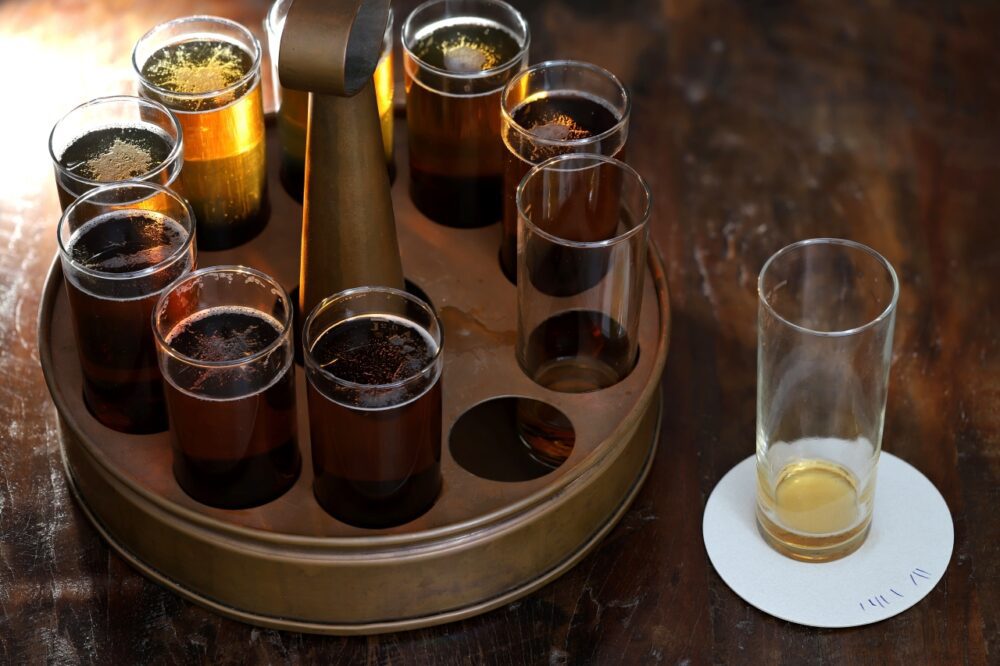
Kölsch is Cologne’s pale, light beer, and it’s brewed only in the city and its surroundings. It comes in slim 0.2-litre glasses, and the waiters, known as Köbes, keep swapping your empty glass for a full one. You stop the flow by placing a beer mat on top of the glass. It sounds odd, but it makes for a sociable night. Traditional dishes like the Halve Hahn, a rye roll with cheese, soak it all up. The Kölschbar in the Belgian Quarter is a rustic spot to try it.
If you want a guide, the Kölsch brewery tour lasts two hours and includes three tastings. It visits the 700-year-old Brauhaus Sion and shares the city’s odd legends. You’ll meet travellers from all over the world, so it’s a great first-night plan. Evenings are the best time, when the halls fill with locals and the noise rises.
5. The Belgian Quarter
The Belgian Quarter is the part of Cologne I liked most, and I stayed close by. It was built in the 19th century as a planned expansion outside the old city, and the streets are named after Belgian and Dutch towns. Wilhelminian and Art Nouveau buildings line the wide roads. You’ll find independent boutiques, galleries, record shops and concept stores, plus cafés and restaurants for every budget. Aachener Straße and Venloer Straße have the most!
It’s also a fun place to spend an evening. Stadtgarten has a beer garden, and the corner kiosks sell cold drinks until late. The Belgian Quarter kiosk tour takes two hours. You stroll past boutiques and artists’ studios with a Kölsch in your hand, and the guide explains the area’s remarkable number of kiosks. Evenings here feel relaxed rather than rowdy, and locals fill the pavement tables from late afternoon. Wander without a plan.
6. Ehrenfeld and Street Art
Ehrenfeld is a short hop west of the Belgian Quarter, and it’s the city’s street art capital. Murals cover whole walls, and the district feels multicultural, creative and a bit scruffy in a good way. It’s a great place to see Cologne beyond the cathedral. The tourist board’s guide to the top street art districts shows where to look. Bring a camera, and wander without a plan. Allow a couple of hours on foot, and take your time at the larger murals.
If you want some context, the Ehrenfeld street art bike tour rolls through the Belgian Quarter and Ehrenfeld in three hours. You’ll see works by international artists, away from the historic centre. The ride is easy and the pace is relaxed. It’s one of the better ways to cover two neighbourhoods in a single morning. Ehrenfeld also has good cafés and bars, so you can eat and drink here afterwards.
7. The Chocolate Museum
The Chocolate Museum sits beside the Rhine, and it’s easy to spend a couple of hours there. It’s open daily from 10 am to 6 pm. You follow the cocoa bean from a tropical house, 10 metres high, through to a working glass chocolate factory. Displays cover 5,000 years of chocolate history, from the first drinks to modern pralines. A 3-metre chocolate fountain is the favourite stop for most people. Yes, you get a taste. Plan on two hours, or longer if you like to read every panel.
The Chocolate Museum entrance ticket includes fast-track entry, which helps in busy periods. A ride on the Ferris wheel in front of the museum gives you views over the river and the city’s skyline. It’s a good rainy-day plan, and it works well with kids. Tickets are easy to book online, which saves time at the door, and the museum shop is hard to leave empty-handed.
8. Carnival and Christmas Markets

Cologne does festivals properly. Carnival is the big one. The season starts on 11 November at 11:11 am, and the street celebrations begin on the Thursday before Ash Wednesday and build to the Rosenmontag parade. Locals wear costumes, bars overflow and strangers share drinks. Many call it the fifth season. The Carnival pages on the tourist board’s site explain the traditions. If crowds and costumes aren’t your thing, visit at another time!
The Christmas markets are another highlight. Several markets spread across the city, and the one at the cathedral is the best known. They open in late November and run until just before Christmas. Mulled wine in a mug is part of the fun. The Christmas markets and Kölsch tour visits three of them and two traditional beer halls. It lasts three hours. Book early, because both events pull in big crowds, and hotels fill up fast.
9. Roman Cologne
Cologne was a Roman city long before the cathedral, and the past shows up in unexpected places. The Romans founded it in 50 AD, and they left behind cellars, roads, and mosaics. The Roman-Germanic Museum beside the cathedral is built around the Dionysus mosaic, a Roman floor found on the site, and the Old Town tour also passes remains of a tomb and palace. It’s a quiet contrast to the beer halls above ground. These sites are easy to miss, so a guide makes a big difference.
To go deeper, the underground tour with the baptistery and crypt takes 1.5 hours. You descend beneath the streets to ancient Roman cellars and early Christian sites. It’s a fresh way to see the city, and it suits history fans. It’s also cool and dry underground, which is handy on a hot or rainy day. Bring a layer, even in summer.
10. Easy Day Trips
Cologne is a handy base for day trips. Trains fan out across the Rhineland, and many sights take less than an hour to reach. Near Bruhl, Schloss Augustusburg offers Renaissance-era wall paintings, a historic altar and several museums, all within the castle grounds. Bruhl’s castles are a UNESCO World Heritage Site, and it’s a short train ride from Cologne. Dusseldorf and Bonn are also under an hour away by train, so both make easy half-day trips. Check train times the evening before, and pack a light bag.
For something bigger, the Mosel Valley tour is a full-day small-group trip from Cologne. It visits Koblenz and Cochem, includes a cruise on the Moselle and finishes with a local wine tasting. Pick-up is available. Both trips let you see more of western Germany without changing hotels. The Mosel trip is long, so it suits a day when you’ve already seen the main sights.
Cons of Visiting Cologne
1. A Plain Postwar Look
Cologne isn’t pretty in the way Munich or Heidelberg are. The city was heavily bombed in the Second World War, and much of it was rebuilt quickly with plain, boxy buildings. Away from the cathedral and the Old Town, many streets look functional rather than charming. If you’ve pictured half-timbered houses on every corner, you might feel let down. Some streets feel busy and grey, with traffic noise that wears you down after a few hours!
The answer is to pick your areas. The Old Town, the Belgian Quarter and the Rhine promenade have the most character. A guided walking tour helps you spot the history that’s left. Treat Cologne as a lively, friendly city rather than a polished old-town one, and it’s still worth it.
2. A Busy Station Area
The streets around the main station are crowded and a bit grubby. The cathedral draws huge numbers of people, and big crowds are where pickpockets work. It’s the first impression many travellers get, and it’s not the city’s best one. Late at night, the area can also feel rough around the edges.
A few habits help. Keep your phone and wallet in a zipped pocket, and don’t leave bags unattended at café tables. Once you’re a few minutes away, the feel changes completely. The Belgian Quarter and the Old Town are much calmer, and most people never have any trouble. Most problems are petty, such as phone theft in crowds. Use a cross-body bag and keep it in front of you in busy spots. Stay alert, and you’ll be fine.
3. Cathedral Crowds and Entry Fees
The cathedral is Cologne’s biggest draw, so it’s often packed. The square outside fills with tour groups, and the tower climb has limited space at the top. The cathedral is also no longer free for tourist visits, and since 1 July 2026 you need a ticket to go inside. That catches some people off guard. Plan the tower for first thing.
Go early in the morning or later in the day, when the crowds thin out. Tower hours run from 9 am to 6 pm from March to October, and last entry is 30 minutes before closing. The tower is closed on some holidays, including Christmas Eve and Christmas Day. If you only want a peek, the North Transept, entered from the station side, is free for prayer outside service times.
4. Changeable Weather
Cologne’s weather can be moody. Summers are warm, but a sunny afternoon can turn into a heavy shower fast. Autumn and winter are grey and damp, and the days get short. Summer highs sit in the mid-20s °C, but cooler spells happen, so don’t count on a hot week. Winter lows hover around freezing, and the damp makes it feel colder. If you’ve planned a trip around river walks and beer gardens, rain can flatten things!
Pack a light rain jacket in every season, and keep a few indoor plans ready. The Chocolate Museum, the beer halls and the Roman cellars all work well in a downpour. A Kölsch brewery tour is another good wet-day plan. Save the outdoor sights for the dry spells, and Cologne is still a great trip.
5. Costs Add Up
Cologne isn’t the cheapest German city. Hotels get expensive during trade fairs, Carnival and the Christmas markets, and rooms near the cathedral carry a premium. Attractions, tours and drinks add up too, especially if you plan to do a lot in a few days. Eating out adds up too, so look for a lunch special in a beer hall. A cathedral ticket, a tower climb and a couple of tours push the daily total up fast.
Book early, and avoid peak event dates if you’re watching your budget. The KölnCard covers unlimited public transport for 24 or 48 hours. It also gives up to 50% off at various attractions. If you plan to visit several sights, it can pay for itself quickly. Compare the discounts against your list before you buy.
Where to Stay
Belgian Quarter and Neustadt-Nord: I stayed near the Belgian Quarter, and I’d happily do it again. It’s trendy and walkable, with cafés, bars and boutiques on nearly every street. The Old Town and the cathedral are a short walk or tram ride away. It gets lively at night, so ask for a quiet room. Hotel Innception is a budget-friendly 3-star with soundproof rooms and a minimarket on site. Ruby Ella Hotel Cologne is a mid-range 4-star with air conditioning and a bar, and Steigenberger Hotel Köln is an upscale 4-star with a restaurant, a fitness centre and a terrace.
Altstadt-Nord and the Cathedral Area: This is the most central base for first-timers. The cathedral, the Rhine promenade and the main station are all close, and the beer halls are on your doorstep. It’s busy, and it can be noisy late at night. Hotel Monte Christo is a budget option with a bar and a concierge service. Stadthotel am Römerturm is a mid-range 4-star with a terrace and a restaurant, and 25hours Hotel The Circle is a stylish 4-star with a sauna and a sun terrace.
Altstadt-Süd and Neumarkt: This area sits just south of the main sights and feels a little calmer. You’ll find the shops of Schildergasse nearby, plus good tram links in every direction. It works well for a mix of sightseeing and shopping. Motel One Köln-Altstadt is a budget-friendly 3-star with air conditioning and a bar. Hopper Hotel St. Josef is a mid-range 4-star with a garden, a sauna and a spa lounge, and Wasserturm Hotel Cologne, Curio Collection by Hilton is an upscale 4-star with a garden and massage treatments!
Severinsviertel and Rheinauhafen: This is a relaxed, local-feeling district south of the Old Town. It’s close to the Chocolate Museum and the harbour, and Severinstraße has plenty of small cafés. It’s quieter at night than the centre. Mercure Hotel Severinshof Köln City is a mid-range 4-star with a sauna and a restaurant. Hotel Lyskirchen Köln is a mid-range 4-star with an indoor pool and a fitness centre. art’otel cologne is an upscale 4-star on the Holzmarkt with a sauna and a sun terrace.
Best Things to Do
Cologne is best explored on foot and by water, with a Kölsch never far away. These are the experiences I’d put on a shortlist.
- Chocolate Museum ticket: Entry to a museum that covers 5,000 years of cocoa and chocolate history. You see chocolate made from the bean to the praline, visit a glass chocolate factory and stop at the 3-metre chocolate fountain. Fast-track entry is included.
- Old Town highlights walking tour: A two-hour guided walk through the historic centre. You visit the cathedral, the Hohenzollern Bridge and the Old Town Hall, and you stop at a Roman villa with mosaics, a tomb and palace remains.
- Rhine River cruise: A 1.5-hour boat trip that passes the cathedral, the Old Town and five Rhine bridges. You see the crane houses of Rheinauhafen from the water, and an optional audio guide is available.
- Kölsch brewery tour: A two-hour tour with three Kölsch tastings. You visit the 700-year-old Brauhaus Sion and hear Cologne’s humorous and bizarre legends.
- Ehrenfeld street art bike tour: A three-hour ride through the Belgian Quarter and Ehrenfeld. You see works by international artists and explore away from the historic centre.
- Belgian Quarter kiosk tour: A two-hour stroll through a trendy district of boutiques and artists’ studios. You enjoy a Kölsch along the way and learn why the area has so many kiosks.
- Underground tour with baptistery and crypt: A 1.5-hour guided walk beneath the streets. You visit ancient Roman cellars and early Christian sites.
- Ferris wheel in front of the Chocolate Museum: A short spin with wonderful views of the sights of Cologne. It pairs well with a museum visit.
- Cologne Zoo and Aquarium ticket: Entry to a zoo with more than 10,000 animals from 850 species. It includes one of the largest elephant parks in Europe, plus access to the aquarium.
- Schloss Augustusburg ticket: Entry to a Renaissance-era castle with fast-track access. You see unique wall paintings and a historic altar, and the grounds hold several museums.
- Mosel Valley day trip: A ten-hour small-group trip from Cologne to Koblenz and Cochem. It includes a Moselle river cruise and local wine tasting, and pick-up is available.
Best Time to Visit
Summer (June to August): I visited in summer, and Cologne felt relaxed and social. Days are long, and the Rhine promenade and beer gardens fill up in the evenings. It’s warm, with highs often in the mid-20s °C, though a heavy shower can roll in fast. It’s also the busiest season, so book hotels early. A Rhine cruise is perfect on a warm evening.
Spring (March to May): Spring is fresh and fairly mild, though it can still be showery. Temperatures climb from the single digits in March to the high teens by May. The Rhine promenade turns green, and the crowds are smaller than in summer. The cathedral tower is open from 9 am to 6 pm from March. Pack layers and a rain jacket.
Autumn (September to November): September is often mild and bright, and it’s a good month for the beer gardens. By November, it turns grey, and cool. The Carnival season opens on 11 November at 11:11 am, so the city gets very lively. The tower closes earlier from November, at 4 pm!
Winter (December to February): Winter is cold and damp, with short days. In return, the Christmas markets glow around the Old Town and the cathedral. The peak of Carnival falls in late winter, with parades and costumes everywhere. Hotels fill up fast, so book ahead. Pack a warm coat, gloves and waterproof shoes.
How Long to Spend
1-2 Days: With one or two days, you can cover the headline sights. Spend the first day on the cathedral, the Old Town and the Rhine promenade. Use the second for the Chocolate Museum, a Rhine cruise and a Kölsch evening in a beer hall. It’s rushed, but it works.
3-4 Days: Three or four days is the sweet spot, and I spent four. You have time for the Belgian Quarter, Ehrenfeld street art, the Roman sites and a proper brewery tour. Add the zoo or a museum on a wet afternoon, and leave one evening for a slow dinner in the Old Town.
5-7 Days: With a week, you can slow down and add day trips. Visit Schloss Augustusburg, take the Mosel Valley tour or explore more of the Rhineland by train. Dusseldorf and Bonn are close, and Belgium and the Netherlands are within easy reach. You can also add more neighbourhoods, like the Severinsviertel. On a longer Germany trip, give Berlin, Frankfurt and Hamburg their own stops rather than packing them into your time here.
Getting Around
On foot: The centre is very walkable. You can stroll from the cathedral through the Old Town to the Rhine promenade in minutes, and the Hohenzollern Bridge is an easy walk. The Belgian Quarter is about 20 to 30 minutes from the cathedral on foot. Wear comfy shoes, because the cobbles add up.
Bike hire: Cologne has plenty of bike lanes, and KVB-Rad is the city’s bike-share system. You unlock a bike with the app and return it to a station. The paths along the Rhine are beautiful for cycling!
U-Bahn, trams and buses: KVB runs the trams, the U-Bahn and the buses. Tickets are available through the KVB app, and the KVB site has an English summary. The KölnCard gives unlimited public transport for 24 or 48 hours, plus up to 50% off at various attractions. If you’re staying longer, the Deutschlandticket costs €63 a month.
Taxis and ride-hailing: Taxis are handy late at night or when you have luggage. Uber works in Cologne, and you can see the price before you book. Use an official taxi rank rather than a driver who approaches you.
To and from the airport: Cologne Bonn Airport has its own railway station near both terminals, and S-Bahn, regional trains and buses run around the clock to Cologne. If you’d prefer a driver, the CGN airport private transfer takes about 40 minutes to the city centre in an air-conditioned vehicle, with help with your luggage. For the way back, line up the same type of transfer for your departure, or take the train.
Final Thoughts: Is Cologne Worth Visiting?
Yes, and it’s a city I’d happily go back to. Cologne gives you a world-famous cathedral, great beer, a creative Belgian Quarter and a Rhine promenade made for long walks. The city is friendly and easy to enjoy, and there’s always another beer hall around the corner. Four days were just right for me.
It has downsides. Much of the city looks plain, the station area is busy, the cathedral draws crowds and the weather changes fast. Prices can also climb during fairs and festivals. Each of these has a simple fix, so none of them should put you off.
For a first trip, book three to four days and stay in the Belgian Quarter or near the Old Town. Climb the cathedral tower, take a Rhine cruise, spend an afternoon at the Chocolate Museum and finish with a Kölsch in a traditional brewery. Add a day trip if you can. Cologne rewards anyone who likes history, beer and good company!