
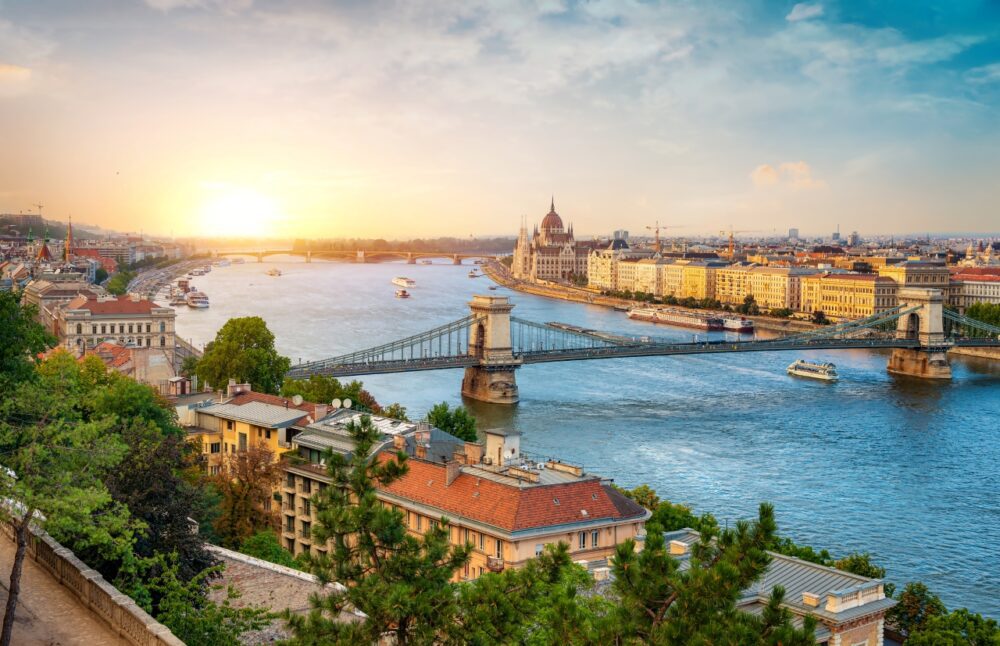
Is Budapest worth visiting? Yes, absolutely. Budapest is one of those cities that impressed me from the moment I arrived. Seeing the Parliament building lit up along the Danube River was one of the highlights of my trip, and that was just the beginning. I enjoyed exploring the historic streets, relaxing in the famous thermal baths, and taking in the views from Buda Castle. It felt like a city that offered far more than I expected.
Budapest is the capital of Hungary and one of the most popular destinations in Central Europe. The city is divided by the Danube River into Buda and Pest, each with its own character and attractions. Known for its stunning architecture, thermal baths, rich history, and vibrant food scene, Budapest offers a great mix of culture, sightseeing, and local experiences.
In this guide, I’ll cover the top reasons why Budapest is worth visiting and share some useful travel tips and advice to help you plan your trip. Whether you’re interested in history, architecture, food, or nightlife, keep reading to discover the many reasons why Budapest is worth visiting.
Table of Contents
Top Reasons You Should Visit Budapest
1. Iconic Thermal Baths
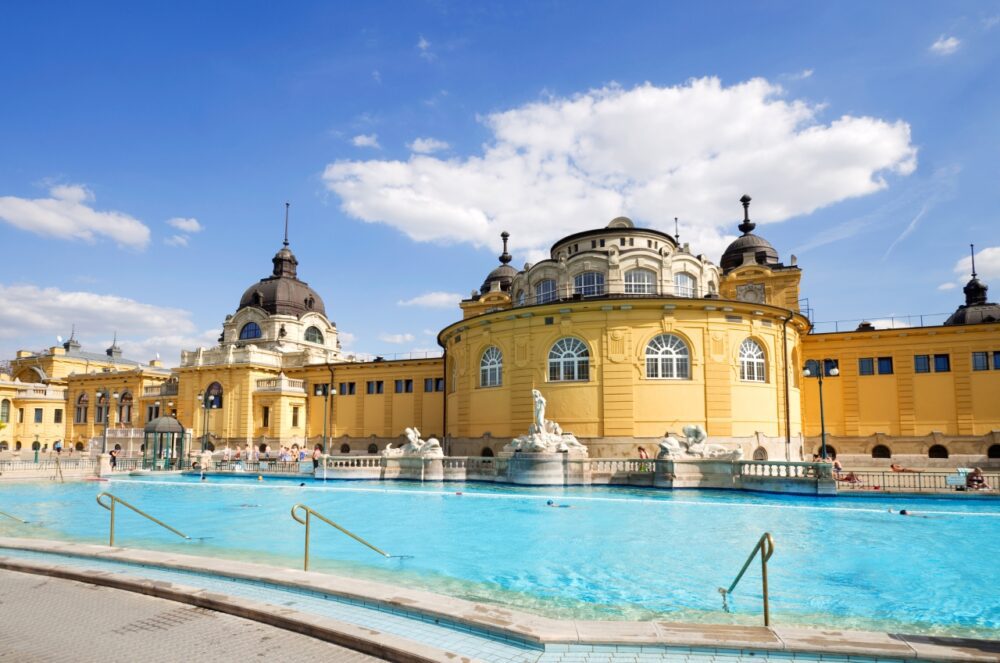
Budapest is often called the “City of Spas” for a reason. With dozens of thermal baths fed by natural hot springs, the city offers a unique experience that combines relaxation and history. The grand Széchenyi Thermal Bath is one of the most famous, with outdoor pools surrounded by elegant yellow architecture.
I spent a blissful afternoon at Széchenyi, soaking in the warm waters while locals played chess on floating boards. The atmosphere was lively yet peaceful, and it was a perfect escape after a long day of sightseeing. If you’re after a more intimate setting, try the Gellért Baths, known for their stunning Art Nouveau design.
2. Stunning Architecture
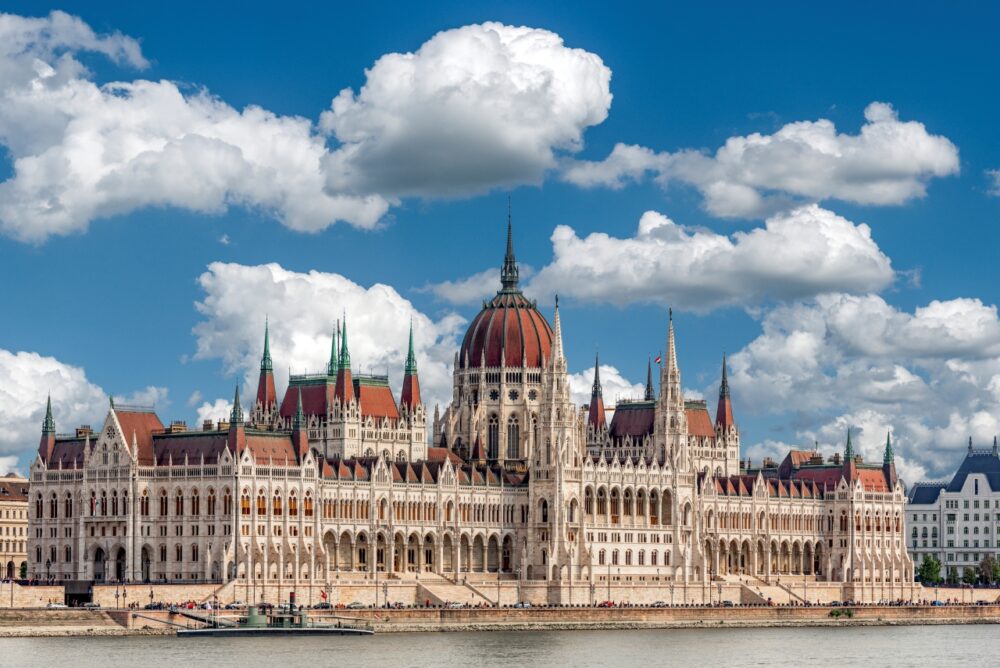
Budapest’s architecture is a feast for the eyes, blending Gothic, Baroque, and Art Nouveau styles. The Hungarian Parliament Building is a masterpiece, its intricate spires and riverside location making it one of the most photographed landmarks in the city.
I took a boat ride along the Danube at sunset, and seeing the Parliament illuminated was unforgettable. Don’t miss exploring Buda Castle and Fisherman’s Bastion for equally impressive views and designs. Even wandering the streets reveals architectural gems, from grand facades to hidden courtyards.
3. Affordable Luxury
Compared to other European capitals, Budapest is incredibly budget-friendly. You can enjoy high-quality dining, accommodation, and experiences without breaking the bank. From boutique hotels to gourmet meals, the city offers great value.
I stayed in a charming apartment near the Danube for a fraction of what it would cost in Paris or London. Dining out was equally affordable—I had a delicious three-course Hungarian meal at Café Kör for less than €20. Budapest proves that luxury doesn’t always come with a hefty price tag.
4. Vibrant Ruin Bars
Budapest is home to a unique nightlife scene, and its ruin bars are the stars of the show. These quirky venues are housed in abandoned buildings, decorated with mismatched furniture, graffiti, and vintage finds. Szimpla Kert, the original ruin bar, is a must-visit.
I spent an evening at Szimpla Kert, wandering through its maze of eclectic rooms and sipping on local craft beer. The energy was infectious, with live music in one corner and art installations in another. If you’re into nightlife with a creative twist, Budapest’s ruin bars won’t disappoint.
5. Panoramic Views
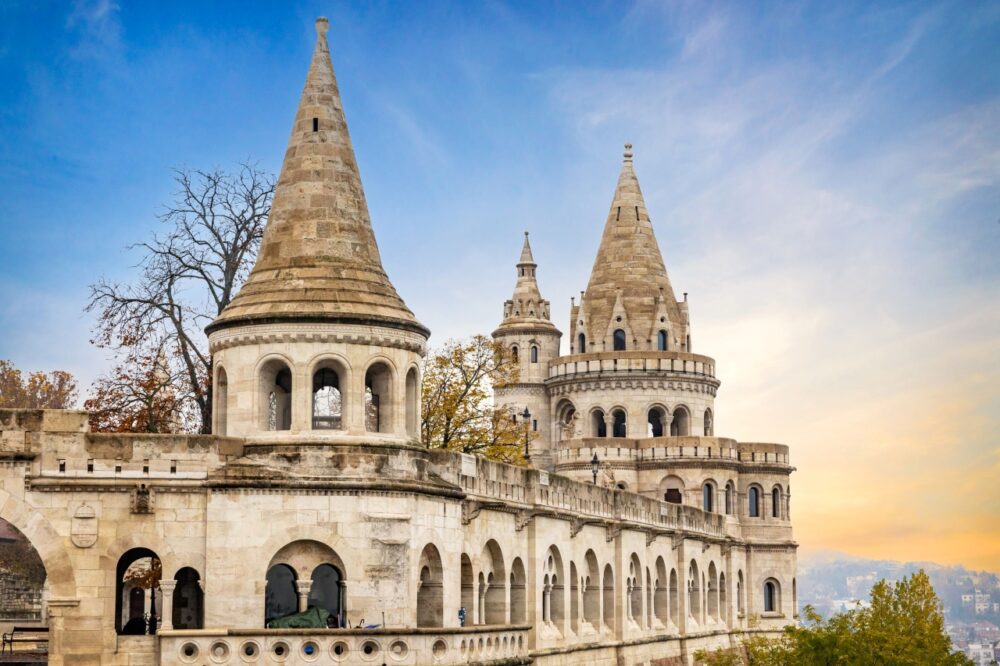
With its hills and riverbanks, Budapest offers plenty of spots for breathtaking views. The top of Gellért Hill provides a stunning panorama of the city, while Fisherman’s Bastion is perfect for admiring the Parliament and the Danube.
I climbed Gellért Hill early in the morning, and the view was worth every step. Watching the city wake up from above was a serene experience. For a more leisurely option, take the Budapest Eye Ferris Wheel in Erzsébet Square for fantastic views without the hike.
6. Rich History
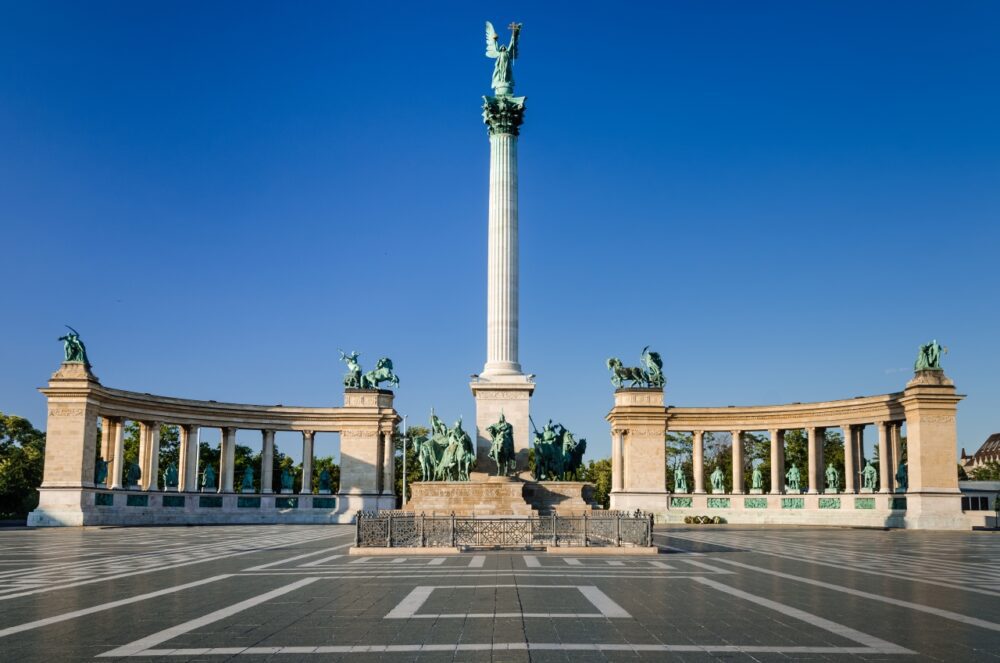
Budapest’s history is woven into its streets, from Roman ruins to the scars of World War II and Soviet rule. The House of Terror Museum offers a moving exploration of the city’s turbulent 20th century, while Heroes’ Square celebrates Hungary’s long heritage.
Walking along Andrássy Avenue, I felt the weight of the city’s past, particularly at the memorials along the Danube, like the Shoes on the Danube Bank. It’s a powerful reminder of Budapest’s resilience and its journey through history.
7. Delicious Hungarian Cuisine
Budapest is a foodie’s paradise, with hearty dishes like goulash, chicken paprikash, and langos (fried dough topped with cheese and sour cream). The city’s markets, such as Great Market Hall, are fantastic places to sample local flavours.
I tried goulash at Hungarikum Bisztró, and it was the perfect blend of rich spices and tender meat. The market stalls were equally tempting—I couldn’t resist the chimney cakes, a sweet treat that pairs wonderfully with a strong Hungarian coffee.
8. Relaxed River Cruises
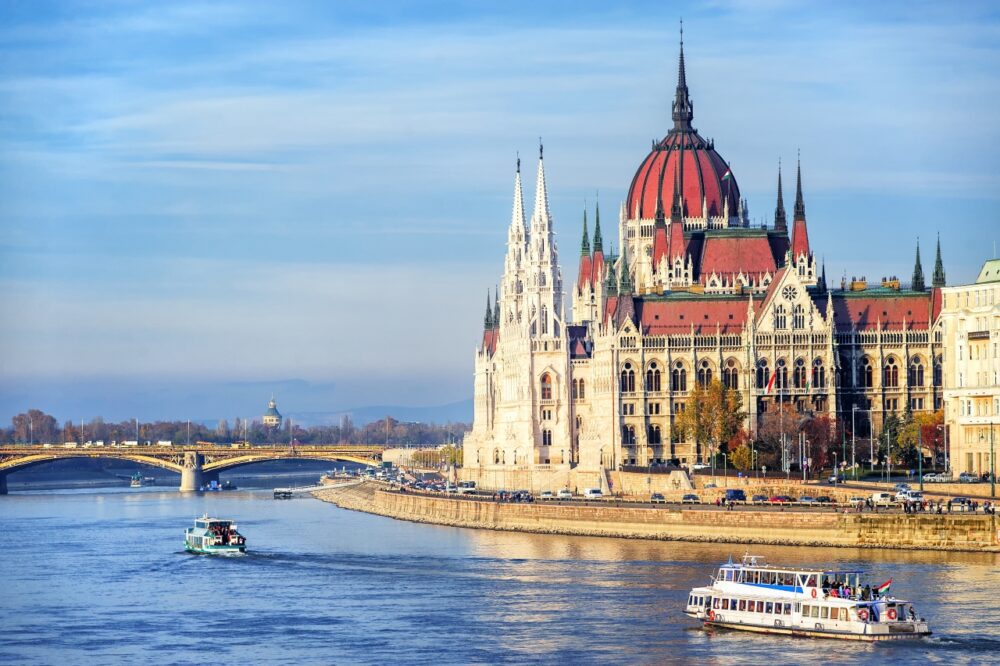
The Danube River is the heart of Budapest, and a river cruise is one of the best ways to experience the city. From budget-friendly ferries to elegant dinner cruises, there’s an option for every traveller.
I opted for a sunset cruise, and it was magical watching the city light up as the boat passed under iconic bridges like Chain Bridge and Liberty Bridge. It’s a relaxing way to see the city’s landmarks from a different perspective.
9. Artistic and Cultural Scene
Budapest boasts a thriving cultural scene, with grand opera houses, concert halls, and a dynamic arts community. The Hungarian State Opera House is a jewel, and the city regularly hosts festivals celebrating music, theatre, and dance.
I attended a performance at the Opera House, and the opulent interior was as impressive as the show itself. For something more contemporary, check out Müpa Budapest, a modern cultural centre that hosts world-class events.
10. Friendly and Welcoming Locals
Despite being a major city, Budapest retains a welcoming, down-to-earth vibe. Locals are often happy to share tips, recommend restaurants, or chat about their city. English is widely spoken, making it easy for visitors to navigate.
During my trip, I struck up a conversation with a market vendor who offered me free samples of paprika and shared cooking tips for Hungarian dishes. This kind of friendliness adds a personal touch to any visit.
Travel Tips for Visiting Budapest
What to Do in Budapest
Budapest quickly became one of my favourite cities in Europe. It has grand architecture, relaxing thermal baths, great food, and a beautiful setting along the Danube River. What I liked most was that it feels both elegant and affordable at the same time. These are the experiences I enjoyed most.
- Take a Danube River Evening Cruise – This was my favourite experience because Budapest looks incredible after dark when the Parliament Building and bridges are illuminated.
- Visit Széchenyi Thermal Bath – Relaxing in one of the city’s famous thermal baths is a classic Budapest experience and something I would happily do again.
- Join a Budapest Castle District Walking Tour – I loved learning about the city’s history while exploring some of its most beautiful streets and viewpoints.
- Take a Day Trip to the Danube Bend – This excursion offers charming riverside towns and some fantastic scenery outside the city.
- Visit the Hungarian Parliament Building with a Guided Tour – The interior is just as impressive as the exterior, and I think it’s one of the best buildings in Europe.
- Join a Hungarian Food Tour – This was a great way to try local dishes and discover restaurants I never would have found on my own.
When to Visit Budapest
I think the best times to visit Budapest are April to June and September to October. The weather is usually comfortable, making it ideal for walking around the city and enjoying outdoor cafes. Summer is lively and packed with events, but it can get quite hot. Winter brings festive Christmas markets and a cosy atmosphere, especially around the thermal baths. I visited in late spring and thought it was the perfect time. The temperatures were pleasant, and the city felt busy without being overcrowded.
How to Get to Budapest
Most visitors arrive through Budapest Ferenc Liszt International Airport, which is located about 16 kilometres southeast of the city centre. Airlines such as Ryanair, Wizz Air, Lufthansa, British Airways, easyJet, KLM, and Air France operate regular flights here. Airport buses connect directly to the city centre, while taxis and ride-sharing services are also available. Budapest is also well connected by train to cities such as Vienna, Prague, and Bratislava. Personally, I think the airport bus is the most convenient option because it’s affordable, frequent, and easy to use.
Where to Stay in Budapest
- Four Seasons Hotel Gresham Palace Budapest – Located beside the Chain Bridge, this luxury hotel offers one of the best locations and views in the city.
- Aria Hotel Budapest – Situated near St. Stephen’s Basilica, this boutique luxury hotel is known for its rooftop views and excellent service.
- Hotel Moments Budapest – Located on Andrássy Avenue, this stylish hotel offers a fantastic central location and great value.
- Prestige Hotel Budapest – Situated close to the Danube and Parliament Building, this hotel combines comfort with easy sightseeing access.
- D8 Hotel – Located near the Chain Bridge, this modern hotel is a great mid-range option for travellers wanting a central base.
- Maverick City Lodge – One of the best budget-friendly places to stay in Budapest, this hostel offers modern facilities and a great location in the Jewish Quarter.
Getting Around Budapest
Budapest has one of the best public transport systems in Central Europe. The city has metro lines, trams, buses, and suburban rail services that make getting around very easy. Tickets and travel passes can be purchased through the BudapestGO app, which also helps with route planning. Many of the main attractions are located within walking distance of each other. Personally, I found a mix of walking and using the tram network to be the best way to explore the city. The trams running along the Danube offer some fantastic views.
How Long to Spend in Budapest
I think three to four days is the perfect amount of time for Budapest. Two days gives you enough time to visit the major landmarks, enjoy a river cruise, and relax in a thermal bath. With three or four days, you can explore different neighbourhoods, take a food tour, and add a day trip outside the city. If you enjoy history, architecture, and food, you could easily stay even longer. Personally, I would recommend four days because Budapest has a lot more depth than many people expect.
Conclusion
So, is Budapest worth visiting? Without a doubt. From its beautiful riverside views and historic landmarks to its thermal baths, cultural attractions, and excellent food scene, there are plenty of reasons to spend time here. Budapest offers a unique blend of history, beauty, and value that makes it one of the most rewarding destinations in Hungary. If you’re planning a trip to Hungary, Budapest is a city that deserves a place at the top of your itinerary.