Is Frankfurt Worth Visiting? Honest Pros and Cons (2026)

I stepped out of Frankfurt Hauptbahnhof expecting glass towers and suits, and nothing else. Ten minutes later, I was sitting in front of a timber-framed house with a glass of hot apple wine. That’s Frankfurt in a nutshell. It’s a city of surprises, and it’s far more fun than its banker reputation suggests. I spent four days there one autumn, and I split my time between museums, riverside walks, tavern dinners and a lot of skyline gazing.
Frankfurt is the fifth-largest city in Germany and the financial heart of continental Europe. It’s home to the European Central Bank and the Frankfurt Stock Exchange, and locals nickname the skyline “Mainhattan”. Yet the Old Town, the museums along the Main and the cider taverns of Sachsenhausen give it real character. Frankfurt is worth visiting if you like a city that mixes old and new, with great food and easy travel connections.
It isn’t perfect, though. So I’ve covered the best reasons to go next to the drawbacks worth planning around. After that, you’ll find the areas I’d stay in, the best tours, the right season, how many days to allow and the simplest ways to get around.
Pros of Visiting Frankfurt
1. The Skyline and Main Tower
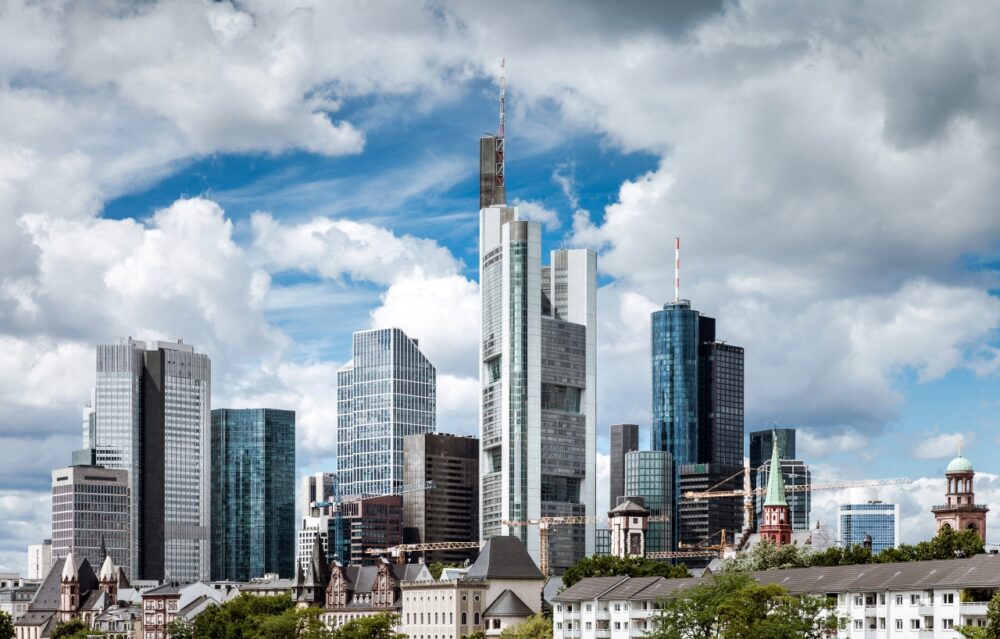
Frankfurt has Germany’s most striking skyline, and it’s a thrill to see. Glass towers rise above the river, and the whole view changes between daylight and dusk. The Main Tower is the best place to take it in. Its public platform sits about 200 metres up. It’s open from 10 am to 9 pm Sunday to Thursday and until 11 pm on Fridays and Saturdays. Last ascent is 45 minutes before the platform closes. Check the weather before you go up, because clear skies make all the difference.
Go near sunset if you can. The city lights switch on, and the view across the Main is lovely. For a different angle, take the Main river cruise. It runs 50 to 100 minutes and has commentary. You see the financial district skyline, historic Sachsenhausen and riverside museums from the water. Both options work well in any season, and the skyline is the one sight you can’t skip.
2. Römerberg and the Old Town
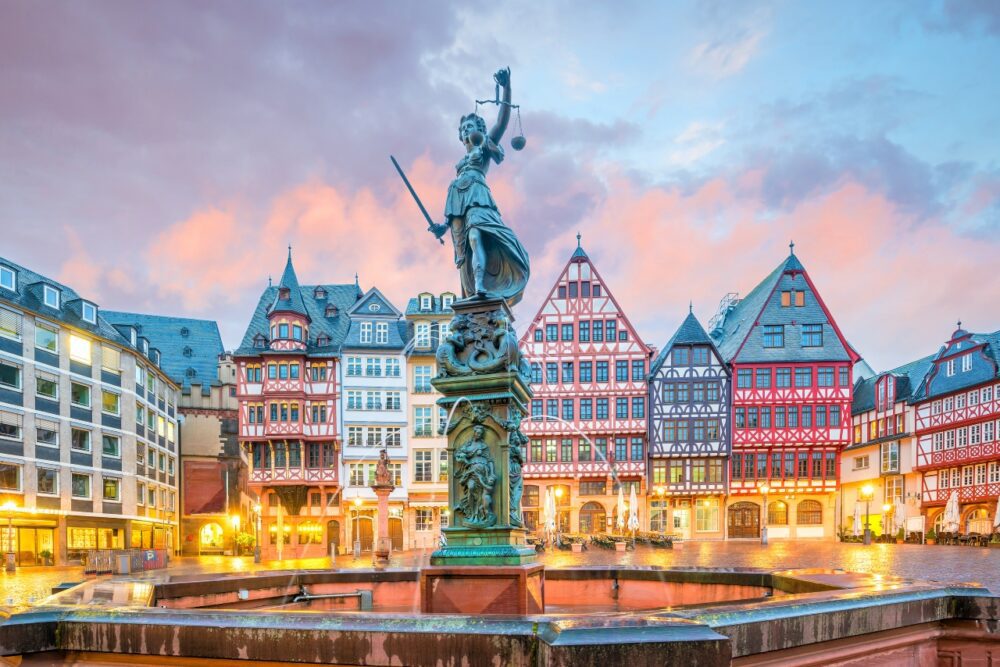
The Römerberg is the postcard heart of Frankfurt. This square is framed by gabled, timber-framed houses and the stepped facade of the Römer, the city hall since 1405. Most of the Old Town was destroyed in the Second World War, and the Neue Altstadt behind it has been rebuilt in recent years. It’s a pretty place to wander, with small lanes, courtyards and the Hühnermarkt square. Give yourself an hour or two to wander without a plan, and stop for coffee in one of the small squares. The area is busiest at midday, so come early.
Nearby are the Kaiserdom, where German emperors were once crowned, and St Paul’s Church. If you’d like some history, the English-language Old Town tour lasts 1.5 hours. It covers the Römer, the cathedral, St Paul’s Church and the museum embankment. For a longer walk, Frankfurt on Foot runs a three-hour English tour every day at 10 am.
3. Museumsufer and the Städel
Frankfurt has an outstanding row of museums along the south bank of the Main. It’s known as the Museumsufer, and it’s one of the best cultural stretches in Germany. The Städel Museum is the star. It shows more than 700 years of art, from the early 14th century to today, with a particular strength in Renaissance, Baroque and early modern work. It’s open Tuesday to Sunday, closed on Mondays, and stays open late on Thursdays until 9 pm. Tuesday afternoons from 3 pm are cheaper. Allow at least two hours for the Städel if you enjoy art, and pair it with a riverside walk afterwards.
If you like smaller museums, Frankfurt has plenty. The Museum of Communication shows telegraphs, phones and radios, plus temporary exhibits. The Struwwelpeter Museum is a quirky stop about Heinrich Hoffmann and his famous children’s stories. Both are good wet-weather plans, and neither takes long. They’re a calm way to spend an afternoon.
4. Apple Wine and Sachsenhausen
You can’t visit Frankfurt without trying Apfelwein, or Ebbelwoi in the local dialect. This tart apple wine is served in ribbed glasses and in blue-grey stoneware jugs called Bembel. It’s an acquired taste, but I enjoyed it, especially when it’s served hot in the cold months. The best place to drink it is Sachsenhausen, the old district south of the river, where traditional taverns fill the lanes. Benches are shared, and the atmosphere is friendly. Order a Handkäse or a plate of Frankfurter sausages to go with it. Start with a small glass, and share a jug if you’re with friends. Locals take their cider seriously, so ask your server for a recommendation.
A tour makes the first visit easier. The Frankfurt cider tour lasts 2.5 hours. It runs between the Kaiserdom, the Römer and Sachsenhausen, with stories and Ebbelwoi tastings. If you’d rather ride, the guided bike tour covers the sights and explains the cider taverns.
5. Local Food and Kleinmarkthalle
Frankfurt’s food is hearty and a little quirky. Look for Grüne Soße, a cold green herb sauce served with boiled eggs and potatoes. Handkäse mit Musik is a sour-milk cheese marinated in onions and vinegar. Then there’s the Frankfurter sausage, which is simple and good. Most of it pairs well with a glass of Ebbelwoi, and the tavern portions are big. Don’t expect delicate dishes. The market hall is busiest at lunchtime, so go mid-morning for a calmer browse. Bring cash for small stalls, just in case, and come hungry.
The Kleinmarkthalle is the best food stop in the centre, with stalls selling cheese, sausages, fruit and fresh bread. A short food tour with a market visit lasts two hours. It tastes regional specialities and finishes with a skyline view from the Iron Footbridge. For a bigger meal, the small-group food tour with apple wine tasting lasts 4.5 hours and tastes Hessian specialities.
6. Palmengarten and Green Space
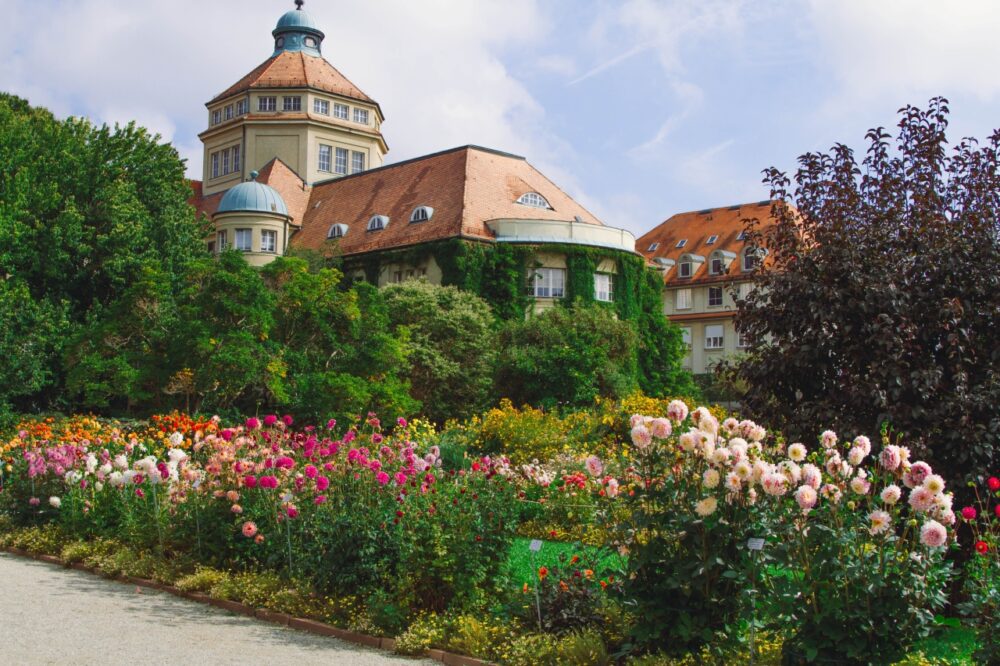
Frankfurt is greener than you’d expect. The Palmengarten is a botanical garden that has run for 150 years, with plants from all over the world, old trees, meadows and water. It’s a calm place for a long stroll after a busy morning of sightseeing. The garden is in the Westend, a short ride from the centre, and it works well in any season. Bring a book and a coffee, and give yourself at least two hours. The Westend around it has handsome villas and quiet cafés.
The riverbanks are lovely too. Parks and meadows run along both sides of the Main, and locals use them for jogging, picnics and sunset drinks. The lawns fill as soon as the sun comes out. If you’d like a guide, the Segway green tour lasts 2.5 hours. It rides through green areas, and it stops at Höchst and Schlossplatz. It’s a handy way to see the city’s softer side.
7. The Main Promenade and Eiserner Steg
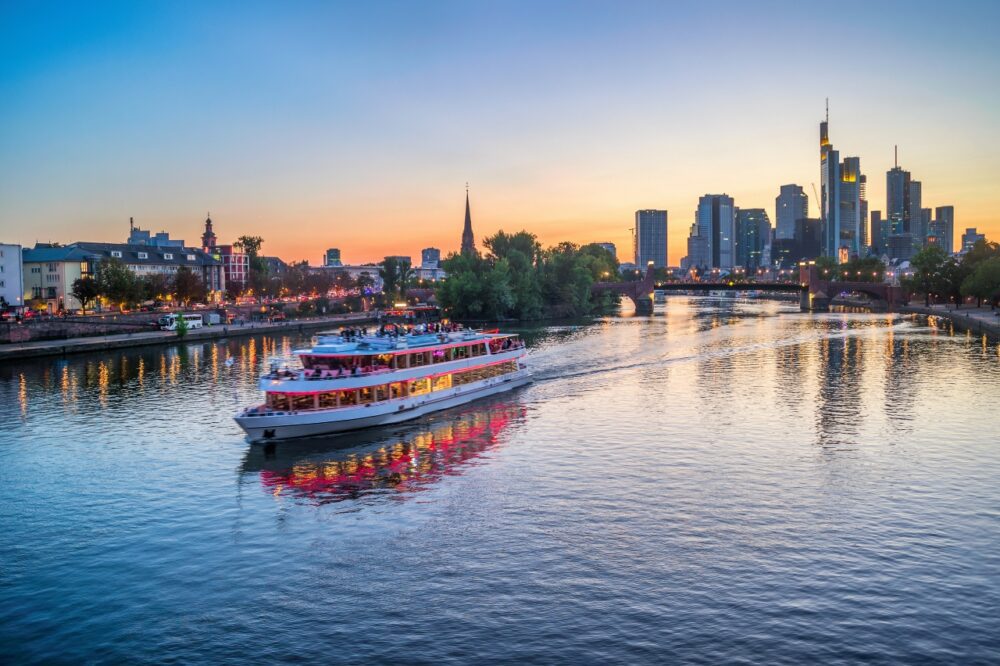
The river is the best free attraction in Frankfurt. A wide promenade runs along both banks, with benches, lawns and views of the skyline. The Eiserner Steg is a pedestrian bridge in green iron. It links the Old Town and Sachsenhausen, and it’s the best spot for a photo. Buskers and street food stalls gather here in good weather. It’s a great place to slow down. Evenings are the best time, when the towers glow and the water turns gold.
Cycling along the river is easy and flat. A full-day bike or e-bike rental lasts 24 hours, and you can add a helmet or phone holder. The staff fit the bike to your height and suggest routes. It’s a handy way to cover more ground than you can on foot. Pack a picnic from the Kleinmarkthalle, and make an afternoon of it. Wear layers, as the wind off the river can feel sharp.
8. The Christmas Market
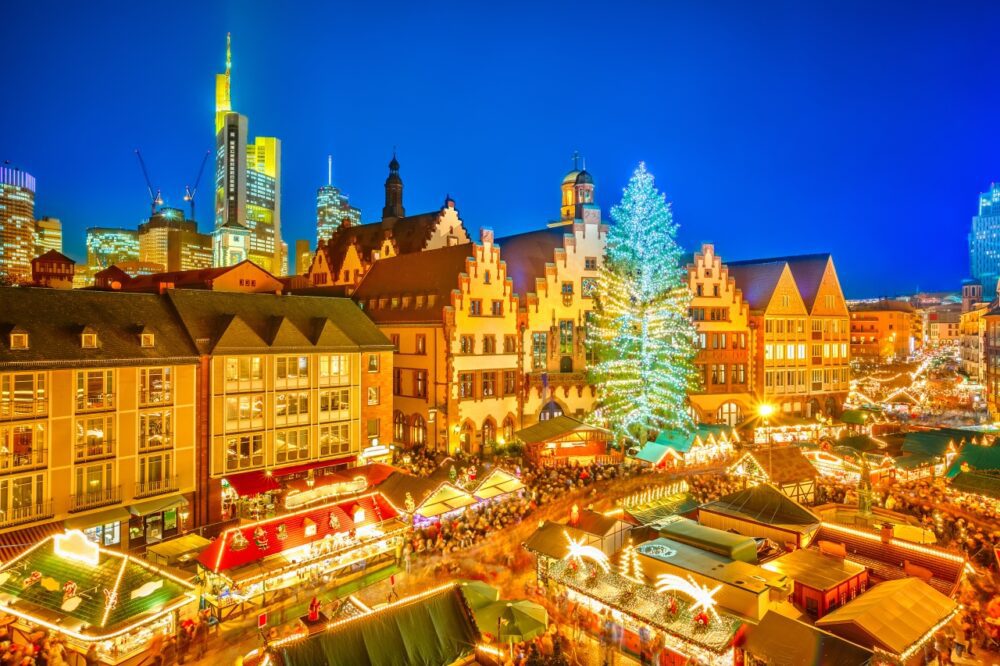
Frankfurt’s Christmas market is one of the oldest and best in Germany. In 2026, it runs from 23 November to 22 December. It begins at Roßmarkt, and the stalls stretch along Zeil to the Römerberg and the Mainkai. You’ll also find stalls at Hauptwache. The giant tree at the Römerberg, set against the Old Town, is the highlight. A new children’s market opens on the Mainkai this year. Go in the late afternoon, when the lights come on.
Try Glühwein, roasted almonds and Bethmännchen, a small marzipan treat that originated in Frankfurt. Hot apple wine is another local choice. If you’d like a guide, the Christmas market and Old Town tour lasts 60 minutes, but it runs in German. Wrap up warm, and go on a weekday afternoon if you can, because evenings are busiest. Dress for the cold, since you’ll be outside for a long time. Bring cash for the smaller stalls.
9. Finance, History and the Bahnhofsviertel
Frankfurt’s money story is surprisingly interesting. The city has been a trading centre for centuries, and today it’s home to the European Central Bank and a major stock exchange. You can wander past the Euro sculpture at Willy-Brandt-Platz and the Old Opera House. The contrast between the glassy towers and the half-timbered Old Town is the best part. It also shows how Frankfurt really works.
Next to the station sits the Bahnhofsviertel, a gritty, creative district of bars, restaurants and international food. It’s a mixed area, so go with a plan, and stick to the main streets after dark. Bars and restaurants here are a fun contrast to the polished centre. The financial district and station district tour lasts three hours. It covers both sides of the city, and it ends at the Euro sculpture. It’s the quickest way to see Frankfurt’s contrasts. Keep an eye on your belongings near the station, as in any big station area.
10. Great Day Trips

Frankfurt’s location makes it a superb hub. It sits at the centre of Germany, and trains fan out in every direction. Mainz, Wiesbaden and Darmstadt are all under an hour away. Heidelberg and the Rhine Valley are easy day trips too. If you’d rather not plan the logistics, a guided tour does the work for you. Most come with a guide. Heidelberg is the classic pick, with its castle above the Neckar. Rothenburg is a longer day, but its medieval walls are worth it.
The Heidelberg day trip lasts 5.5 hours. It visits the castle and the old city, and you see the world’s largest wooden wine barrels in the castle cellars. For scenery, the Rhine Valley day trip lasts eight hours. It includes a river cruise, medieval castles and a wine tasting in the UNESCO World Heritage valley. Wear comfy shoes, because every town on these routes has cobbles.
Cons of Visiting Frankfurt
1. A Gritty Station District
The streets around Hauptbahnhof are not pretty. The Bahnhofsviertel is the city’s rough corner, and you’ll see drug use and homelessness on some blocks around Kaiserstraße. It’s the first thing many visitors see, and it can come as a shock. Late at night, it feels edgier than most of Germany. Hotels here are handy for trains, but light sleepers should ask for a courtyard room. Take a taxi back if you’ve been out late.
Most trouble is petty, so keep your phone and wallet secure. Walk with purpose, and avoid the side streets after dark. By day, the area is fine, and the bars and restaurants are worth a visit. A guided financial and station district tour is a safe way to see it. Pick your hotel carefully, and the issue shrinks fast.
2. A Corporate Feel
Frankfurt is a business city first. Weekday streets fill with people in suits, and the financial district can feel cold and empty in the evening. If you want a laid-back holiday town, it might not hit the mark. The skyline is impressive, but it’s not exactly cosy. Many offices empty out by 6 pm, so the evening buzz is thin outside the main squares. Sachsenhausen’s taverns are your best bet for a lively night.
The fix is to spend your time in the right places. The Old Town, Sachsenhausen and the Museumsufer all have warmth. The riverbanks are lovely at sunset. A relaxed food tour with a market visit shows the friendly side quickly. Treat the towers as a backdrop rather than the main event, and the city feels much warmer.
3. Trade Fair Hotel Prices
Frankfurt hosts some of the world’s biggest trade fairs, including the Book Fair in October. When one is on, hotel prices jump, and good rooms can sell out weeks ahead. Even in quiet weeks, rooms in the centre cost more than in many German cities.
Check the fair calendar before you book. Midweek can be pricier than weekends because business travellers fill the hotels. Attractions add up too. The Frankfurt Card gives free public transport and discounts at museums, tours and restaurants for one or two days. It can soften the bill if you plan to see several sights. Rooms outside the centre, like the Westend, can be better value. Book early for a better choice of rooms, and look for free cancellation in case plans change.
4. A Rebuilt Old Town
Frankfurt’s Old Town isn’t medieval. Most of it was destroyed in 1944, and the Römerberg and the Neue Altstadt are reconstructions. If you want a historic old city like Rothenburg or Heidelberg, this may feel a bit staged. Outside the Römer, much of the centre is modern concrete. Medieval charm exists, but it’s small and tightly packed. Don’t expect a huge old quarter. Come for the atmosphere, not for authenticity.
I found it pretty anyway, and the stories behind the rebuilding make it interesting. Locals debate it, which shows how much the Old Town matters to them. A guided walk helps you understand what you’re seeing. The English Old Town tour explains the reconstruction and the city’s history. For the real thing, take a day trip to Rothenburg, a medieval town on the Romantic Road.
5. Quiet Sundays
German Sundays are quiet, and Frankfurt is no exception. Most shops close, and the business district feels empty. Many small restaurants shut too. If you arrive on a Sunday without a plan, it can feel flat.
The fix is to plan around it. Museums stay open on Sundays, and the riverbanks fill with locals. The Städel is open on Sundays, and it makes a great anchor. Take a walk along the Main, or visit the Palmengarten. Buy groceries on Saturday, and keep your Sunday for culture and a long tavern lunch. Check opening hours the day before, as small restaurants may close on Sunday evenings too. If you arrive on a Sunday, head straight to the river and the museums. Trains still run normally, so travel days are not affected.
Where to Stay
City Centre and Old Town: I stayed in the City Centre, and it was the easiest base for four days. The Römerberg, the Zeil shopping street, the Kleinmarkthalle and the river are all within walking distance. Hauptwache and Konstablerwache stations connect to everything else. It’s busy during the day and quiet at night. City Hotel Frankfurt Central is a budget-friendly 3-star with soundproof rooms and a minimarket on site. mainhaus Stadthotel Frankfurt is a mid-range 4-star with a restaurant and a sun terrace. Flemings Selection Hotel Frankfurt-City is an upscale 4-star with a garden, a terrace and a restaurant.
Bahnhofsviertel and Gallus: This area sits beside Hauptbahnhof, so it’s ideal for train travel and the airport. It has great international food and plenty of hotels. It’s also the grittiest part of the city, so choose carefully and expect some noise. ibis Frankfurt Centrum is a budget 3-star with air conditioning and a bar. Scandic Frankfurt Museumsufer is a mid-range 4-star with a fitness centre and a terrace, and The Pure, Frankfurt is an upscale 4-star design hotel with a sauna, a garden and massage treatments.
Sachsenhausen: This district is south of the river, and it’s the best area for apple wine taverns and a local feel. The Museumsufer is on your doorstep, and the Eiserner Steg takes you to the Old Town in minutes. It can be noisy at night around the tavern lanes. Maingau Hotel is a budget-friendly 3-star with a tour desk and a shared lounge. Star Apart Hotel Sachsenhausen is a mid-range 4-star aparthotel with a sauna and a restaurant, and Main Plaza Suite Tower is an upscale 4-star with an indoor pool and a spa.
Westend and Bockenheim: This is a leafy, upmarket area west of the centre, close to the Palmengarten and the trade fair grounds. It’s calmer than the centre, with grand villas and quiet streets. It’s less handy for nightlife, but the U-Bahn links you to the centre quickly. Premier Inn Frankfurt Westend is a budget-friendly 3-star with air conditioning and a restaurant. Hotel Beethoven is a mid-range 4-star with soundproof rooms and a coffee house on site, and SAKS Urban Design Hotel Frankfurt is an upscale 4-star with a spa, a sauna and a garden.
Best Things to Do
Frankfurt is best explored on foot, by bike and by river. These are the experiences I’d put on a shortlist.
- Main river cruise: A cruise of 50 to 100 minutes with commentary and an optional audio guide. You see the financial district skyline, historic Sachsenhausen and the riverside museums, and you can sail upstream or downstream.
- Frankfurt on Foot walking tour: A three-hour, easy walking tour in English that runs 365 days a year. It starts at 10 am on Braubachstrasse, and it’s a good first-day orientation.
- Old Town tour: A guided 1.5-hour walk through the Römer, the Imperial Cathedral, St Paul’s Church and the Museum Embankment.
- Frankfurt cider tour: A 2.5-hour tour between the Kaiserdom, the Römer and Sachsenhausen. You hear Frankfurt stories and taste selected Ebbelwoi.
- Food tour with local market visit: A two-hour tour that visits a local market and tastes regional specialities. It ends with a panoramic skyline view from the Iron Footbridge.
- Guided bike tour: A 2.5-hour ride to the famous sights, with insider tips on the city. You learn about the cider taverns and explore Sachsenhausen.
- Green Segway tour: A guided ride of 2.5 hours through Frankfurt’s green areas. It includes Niedwald, Höchst and Schlossplatz.
- Museum of Communication: Entry with fast-track access. You travel through the history of communication, from telegraphs to phones and radios, and see temporary exhibits.
- Struwwelpeter Museum: An entry ticket with an optional audio guide. Colourful exhibitions, games and familiar characters tell the story of Heinrich Hoffmann.
- EXPERIMINTA ScienceCenter: A hands-on science museum for physics, maths, technology and engineering. It suits families and curious adults.
- Heidelberg day trip: A 5.5-hour guided trip to Heidelberg Castle and the old city. You see the world’s largest wooden wine barrels in the castle cellars.
- Rhine Valley day trip: An eight-hour tour of the UNESCO Upper Middle Rhine Valley. It includes a boat ride, lunch on the riverbank and a wine growing lesson.
Best Time to Visit
Autumn (September to November): I visited in autumn, and Frankfurt felt calm and crisp. The days were mild enough for long riverside walks, and the museums were quiet. September and early October are often the best weather. The October Book Fair pushes hotel prices up, so check the dates. By November, it turns cold and grey. The Christmas market opens in late November. A cider tour is perfect on a cool evening.
Winter (December to February): Winter is cold and damp, with short days. In return, the Christmas market fills the Römerberg and Zeil with lights, and hot apple wine tastes better. The market runs from 23 November to 22 December in 2026. Museums are quiet in January and February, so it’s a good time for the Städel. Pack a warm coat, gloves and waterproof shoes.
Spring (March to May): Spring is fresh and fairly mild, though showers are common. Temperatures climb from the single digits in March to the high teens by May. The Palmengarten and the riverbanks come alive with blossom, and the crowds are smaller than in summer. Trade fairs can still push up hotel prices, so book early.
Summer (June to August): Summer is warm and lively, with highs often in the mid-20s °C and the occasional hot spell. The riverbanks fill with picnics and sunset drinks, and the Museumsuferfest is one of the city’s big festivals. Cruises and the Main Tower are at their best in clear weather. Some locals leave town in August, so a few small places close.
How Long to Spend
1-2 Days: With one or two days, you can cover the headline sights. Spend the first day on the Römerberg, the Old Town, the Kleinmarkthalle and a Main river cruise. Use the second for the Städel, the Eiserner Steg and an evening of apple wine in Sachsenhausen. The Main Tower works well at sunset.
3-4 Days: Three or four days is the sweet spot, and I spent four. You have time for the Museumsufer, the Palmengarten, a bike ride along the river and a food tour. Add the Heidelberg day trip or a visit to Mainz or Wiesbaden. Leave one evening for a slow tavern dinner.
5-7 Days: With a week, you can slow down and use Frankfurt as a hub. Take the Rhine Valley tour, visit Rothenburg or head to Darmstadt. Add the smaller museums, the Höchst district and a second market visit. You can also pair Frankfurt with Cologne, Heidelberg or Munich.
Getting Around
On foot: The centre is compact and very walkable. You can stroll from the Hauptbahnhof through the Bahnhofsviertel and along Zeil to the Römerberg in about 25 minutes, and the Eiserner Steg takes you across to Sachsenhausen. I walked most of my four days. Wear comfy shoes, because the cobbles around the Old Town add up.
Bike hire: Frankfurt is flat, and the riverbanks have good cycle paths. nextbike runs the city’s bike-share, and you scan a QR code in the app to unlock a bike. If you’d like a proper bike, the full-day rental gives you a bicycle or e-bike for 24 hours.
S-Bahn, U-Bahn, trams and buses: RMV runs the S-Bahn, U-Bahn, trams and buses, and the RMVgo app sells tickets. You can also use the ticket machines. Single tickets, day tickets and group day tickets are all available. The Frankfurt Card gives free public transport and discounts for one or two days. The RheinMainCard covers the whole RMV area for two days, which suits day trips. The Deutschlandticket costs €63 a month if you’re staying longer.
Taxis and ride-hailing: Taxis and Uber both work in Frankfurt. They’re handy late at night or when you have luggage. Use an official taxi rank rather than a driver who approaches you.
To and from the airport: Frankfurt Airport is one of Europe’s busiest, and it has its own railway stations. The S-Bahn runs to Hauptbahnhof in about 15 minutes, and regional and long-distance trains also stop at the airport. If you’d prefer a driver, the FRA airport private transfer runs about an hour in an air-conditioned vehicle, with help with your luggage. For the way back, line up the same type of transfer for your departure, or take the train.
So, is Frankfurt Worth Visiting?
Yes, and it surprised me. Frankfurt gives you a real skyline, a pretty Old Town, a great row of museums and a cider tavern scene that feels properly local. The food is hearty, the river is lovely and the city is easy to enjoy. Four days were just right for me.
It has downsides. The station district is gritty, the city can feel corporate and the Old Town is a rebuild. Trade fairs also push up hotel prices, and Sundays are quiet. Each of these has a simple fix, so none of them should put you off.
For a first trip, book three to four days and stay in the City Centre or Sachsenhausen. Go up the Main Tower, take a river cruise, spend an afternoon at the Städel and finish with apple wine in a tavern. Add a day trip to Heidelberg or the Rhine Valley if you can. Frankfurt rewards anyone who likes a city with contrasts.