
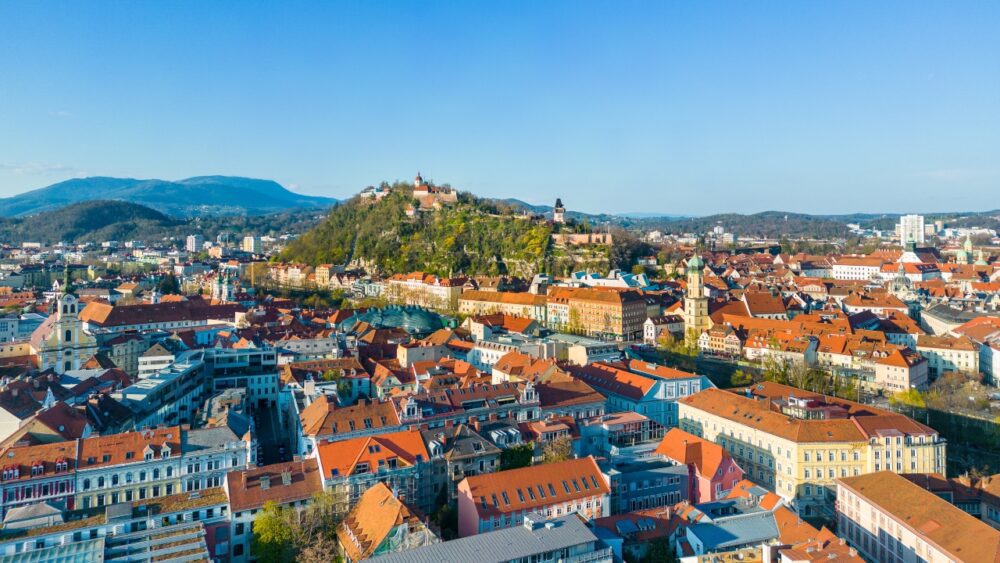
Is Graz worth visiting? Yes, it is. I think Graz is one of the most underrated cities in Austria. When I first visited, I expected a pleasant city with a nice old town, but I was surprised by how much there was to see and do. From historic streets and hilltop views to modern architecture and great food, Graz felt like a city that many travellers overlook but shouldn’t.
Graz is Austria’s second-largest city and is located in the southeast of the country. It is known for its UNESCO-listed Old Town, vibrant student population, and mix of historic and modern attractions. Unlike some of Austria’s more famous destinations, Graz often feels less crowded, giving visitors a chance to experience local life at a slower pace.
In this guide, I’ll cover the top reasons why Graz is worth visiting and share some useful travel tips and advice to help you plan your trip. If you’re looking for a destination in Austria that combines history, culture, and a more authentic atmosphere, keep reading to discover the many reasons why Graz is worth visiting.
Table of Contents
Top Attractions in Graz
- The Magic of Graz: Private Walking Tour with Hotel Pick-Up
- Graz: Schlossberg Private Guided Tour
- Graz: Skip the Line Landeszeughaus Private Guided Tour
- Graz: Funicular Ride & Schlossberg Picnic Experience
- Graz: Smashbox – Rage Room Experience
- Graz: Wooden souvenir workshop, your unforgettable memory of Graz!
- Adventurous rafting tour on the Salza – pure whitewater action!
- Schilcherland E-Bike Tour with Exclusive Wine Tasting
Top Reasons You Should Visit Graz
1. A Beautiful UNESCO-Listed Old Town
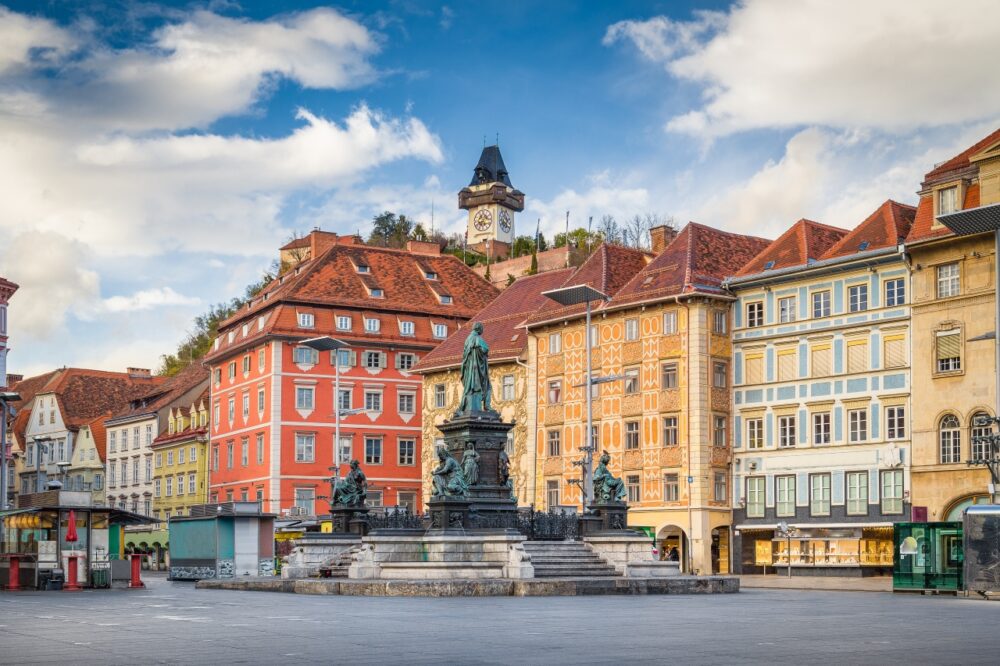
Graz has one of the best-preserved historic centers in Central Europe. The old town was added to UNESCO’s World Heritage List in 1999 thanks to its collection of Gothic, Renaissance, and Baroque buildings. Unlike some historic cities that feel frozen in time, Graz has managed to keep its old-world charm while remaining a lively place where people live, work, and study.
I really enjoyed walking through the old town because it felt authentic rather than overly touristy. The streets are lined with colorful buildings, small shops, outdoor cafés, and hidden courtyards. I found myself constantly looking up because there always seemed to be another decorated façade, church tower, or ornate doorway to admire. It reminded me a little of Salzburg, but with far fewer visitors and a much more local atmosphere.
One thing I liked about Graz was how easy it was to explore on foot. The old town is compact enough that you can wander around for hours without getting tired. I often left my map in my pocket and simply followed interesting streets. That led me to quiet squares and cozy cafés that I probably would have missed otherwise.
2. A Fascinating Mix of Old and Modern Architecture
One of the things that makes Graz stand out from other Austrian cities is the contrast between historic buildings and modern design. While much of the city center looks centuries old, there are also bold contemporary structures that give Graz a different character. It feels like a city that respects its history but is not afraid to try something new.
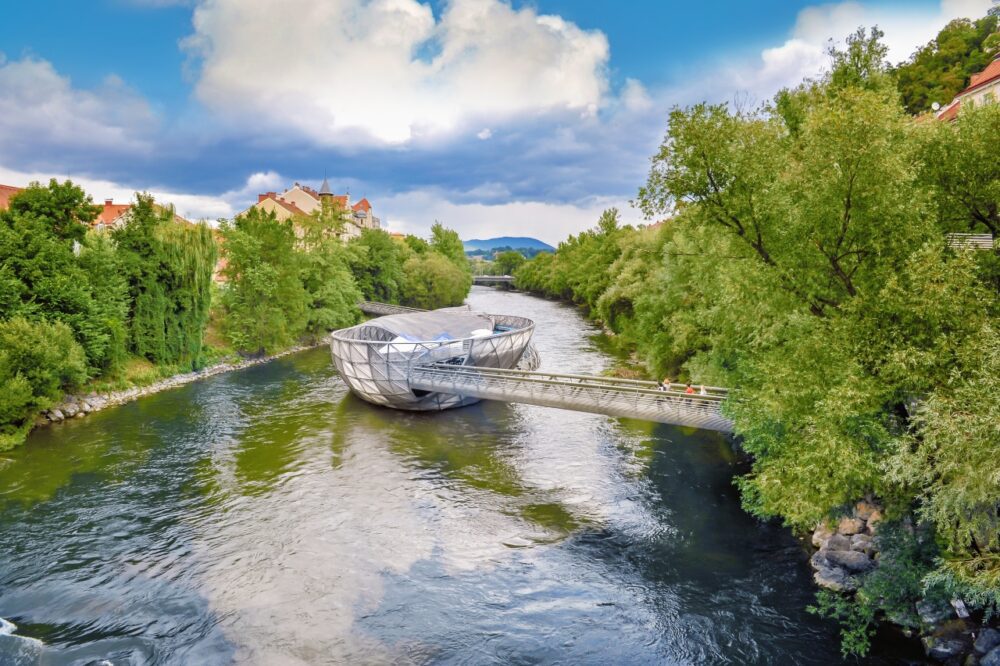
The best example is the Kunsthaus Graz, often nicknamed the “Friendly Alien.” Its unusual blue shape looks completely different from the surrounding Baroque buildings. At first, I wasn’t sure if I liked it, but after spending a few days in Graz, I began to appreciate how well the old and new coexist. Another modern highlight is Murinsel, an artificial island built in the middle of the Mur River.
I enjoyed seeing these modern landmarks because they made Graz feel less predictable. Many European cities focus entirely on preserving the past, but Graz seems comfortable embracing change. I think this combination appeals to travelers who enjoy history but also like visiting places that feel creative and forward-thinking.
3. A Relaxed Atmosphere with Fewer Tourists
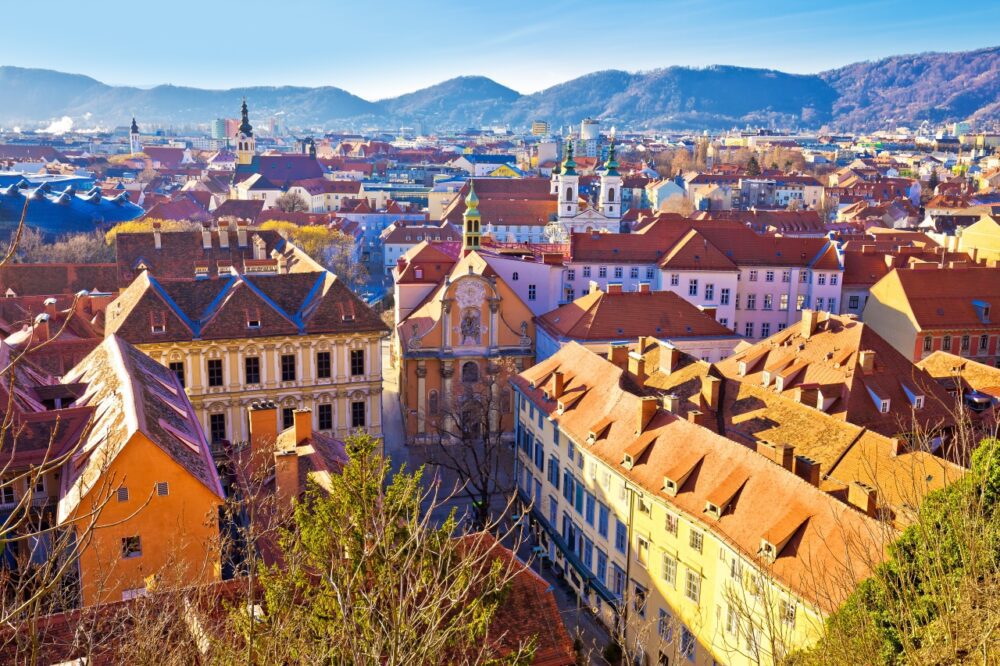
Compared to Vienna and Salzburg, Graz receives far fewer international visitors. That was one of the things I appreciated most about the city. Even in the middle of summer, I rarely encountered large tour groups or crowded streets. It felt more like a place people genuinely live in rather than a destination designed around tourism.
I found myself slowing down and enjoying simple things more than usual. Instead of rushing between attractions, I spent time sitting in cafés, browsing local markets, and watching students cycle through the streets. Graz has a large university population, which gives the city a youthful and energetic atmosphere without making it feel noisy or chaotic.
For travelers who enjoy discovering places before they become widely known, Graz is an excellent choice. It offers many of the things people love about Austria, including historic buildings, good food, and beautiful scenery, but without the crowds that often come with more famous destinations.
4. Schlossberg and Its Amazing Views
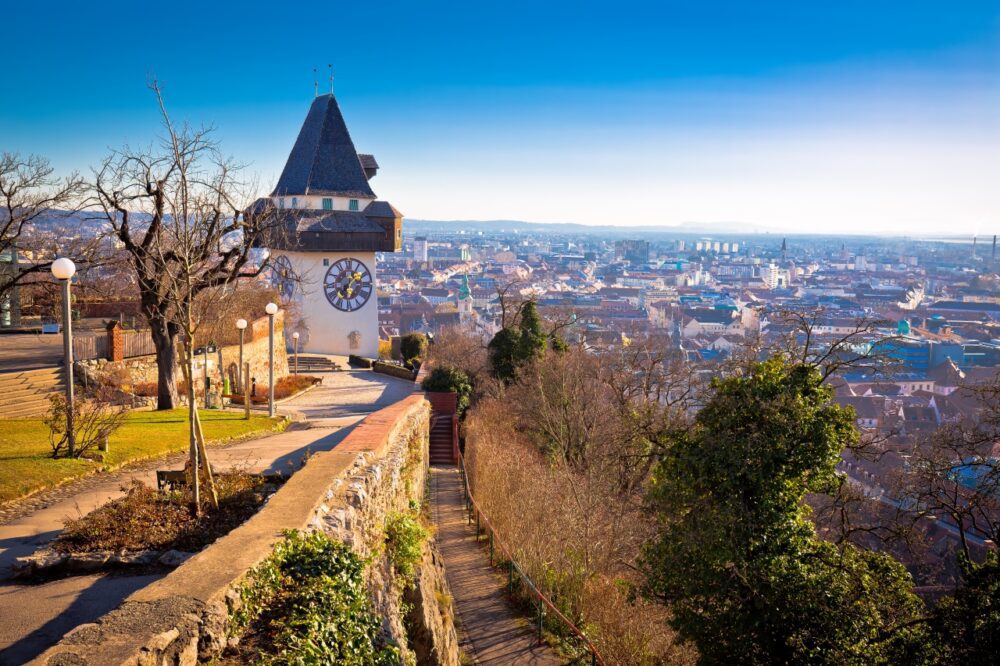
Schlossberg is a hill that rises above the old town and is one of Graz’s most famous landmarks. A fortress once stood here, but most of it was destroyed during the Napoleonic Wars. What remains today is the city’s iconic clock tower, which has become a symbol of Graz.
I decided to climb the stairs to the top rather than use the funicular, and while it was a bit tiring, the views made it worthwhile. Looking down over the red rooftops, church spires, and surrounding hills was one of the highlights of my visit. I spent quite a while simply sitting on a bench and enjoying the scenery.
There are also cafés, gardens, and walking paths at the top, which makes Schlossberg feel more like a park than a historic site. In the evening, many locals come here to relax after work. It felt less like a tourist attraction and more like a place where residents spend their free time.
5. A Strong Food and Wine Culture
Graz was named a UNESCO City of Gastronomy in 2008, and food lovers will quickly understand why. The surrounding region of Styria is known for producing fresh vegetables, pumpkin seed oil, apples, and wine. Many restaurants focus on seasonal ingredients and traditional recipes.
I was surprised by how good the food was. I tried fried chicken prepared in the Styrian style, pumpkin soup, and several desserts during my stay. The pumpkin seed oil was something I had never tasted before visiting Graz, and I ended up enjoying its nutty flavor more than I expected. It appeared in salads, soups, and even desserts.
The farmers’ markets were another highlight for me. The market at Kaiser-Josef-Platz was filled with stalls selling local cheese, fruit, bread, and wine. Walking around with a coffee and sampling regional products felt like a good way to experience everyday life in Graz. It gave me a better understanding of how proud locals are of their food traditions.
6. Plenty of Green Spaces and Riverside Walks
Graz feels greener than many other European cities. Parks, gardens, and tree-lined streets are scattered throughout the center, making it easy to escape the busy shopping areas. The Mur River also adds another layer to the city and creates pleasant walking routes.
I enjoyed strolling along the river in the evenings. Cyclists, joggers, and families were all making use of the paths, and there was a nice sense of community. Crossing Murinsel was also interesting because it offers a different perspective of the city. Sitting inside the café on the island while watching the river flow beneath was a surprisingly relaxing experience.
City Park was another place I liked spending time. It felt peaceful despite being close to the center, and there were plenty of benches where I could take a break from sightseeing. Graz seems to encourage people to spend time outdoors, and I think that contributes to its laid-back atmosphere.
7. Interesting Museums and Cultural Attractions
Although Graz is smaller than Vienna, it still has plenty to offer people interested in culture. Museums cover everything from art and history to weapons and photography. One of the most unusual attractions is the Styrian Armoury, which contains thousands of historic weapons and suits of armor.
I visited the armoury without knowing much about it beforehand and ended up finding it fascinating. Walking through room after room filled with helmets, swords, and muskets felt almost like stepping into a movie set. It gave me a better appreciation of the region’s military history and showed a side of Austria that I had not previously thought about.
The city also hosts music festivals, art exhibitions, and cultural events throughout the year. Because Graz has several universities, there always seems to be something happening. I got the impression that culture here is not just aimed at visitors but is an important part of everyday life.
8. A Lively Student Population
Graz is home to more than 60,000 students, making it Austria’s second-largest university city after Vienna. This large student population gives the city a youthful and energetic feel. There are plenty of inexpensive restaurants, bars, and coffee shops, and many stay busy well into the evening.
I noticed this atmosphere almost immediately. Even during weekdays, outdoor seating areas were full of students chatting, studying, or meeting friends. It made Graz feel more dynamic than I expected. At the same time, the city never seemed rowdy or overwhelming.
I think the student influence also helps keep prices relatively reasonable. Accommodation, food, and drinks felt cheaper than in Vienna, which was a pleasant surprise. For travelers looking for a destination that combines history with a younger vibe, Graz works really well.
9. Easy Access to Vineyards and Rolling Countryside
The countryside surrounding Graz is one of the most underrated parts of Austria. Southern Styria is known for its vineyards, rolling hills, and small villages. It looks very different from the dramatic mountain scenery found around Innsbruck or Salzburg.
I took a short drive outside the city and was surprised by how quickly the landscape changed. Vineyards covered the hillsides, and winding roads passed through quiet farming communities. It felt more like northern Italy than the Austria I had imagined before visiting.
Wine lovers will especially appreciate this area because many wineries welcome visitors for tastings. Sitting outside with a glass of local white wine while looking over the vineyards was one of my favorite experiences near Graz. It showed me that Austria has much more to offer than just mountains and ski resorts.
10. Excellent Day Trip Opportunities
Graz is a good base for exploring other parts of southeastern Austria. Within an hour or two, visitors can reach castles, caves, thermal spas, and wine regions. This makes it easy to add some variety to your itinerary without constantly changing hotels.
One popular destination is Riegersburg Castle, which sits dramatically on top of a volcanic hill. The Lurgrotte caves and the spa town of Bad Radkersburg are also within easy reach. If you enjoy road trips, the South Styrian Wine Road offers beautiful scenery and plenty of places to stop for food and wine.
I always appreciate cities that allow me to mix urban sightseeing with countryside escapes, and Graz does this particularly well. One day I could be exploring churches and museums, and the next I could be drinking wine among the vineyards. That flexibility made my time in Graz more enjoyable and is one of the reasons I would happily return.
Where to Stay in Graz
- Grand Hôtel Wiesler – An Art Nouveau riverside hotel right on the Mur, steps from Kunsthaus Graz and the Murinsel, blending historic character with a modern edge.
- Schlossberghotel – A 4-star art-filled hotel at the foot of the Schlossberg hill, with a rooftop pool overlooking the city, a 3-minute walk from the Main Square.
- Parkhotel Graz – Traditional Luxury – A historic 4-star superior hotel dating to 1574, set beside the Stadtpark with an indoor pool and spa, close to the Opera House and Cathedral.
- Motel One Graz – A stylish, affordable 3-star hotel a few minutes’ walk from the Opera House and Old Town, praised for its central location and design.
- a&o Graz Hauptbahnhof – A budget-friendly hostel/hotel hybrid right by Graz Main Train Station, with private rooms and dorms, ideal for backpackers and easy transit.
Travel Tips for Visiting Graz
When to Visit Graz
I think the best times to visit Graz are May, June, September, and early October. During these months, the weather is pleasant, and it’s comfortable to spend long days exploring the city on foot. Summer is lively, with outdoor dining, festivals, and plenty of events taking place around the old town. Winter can be cold, but the Christmas markets add a festive atmosphere that makes the city feel very welcoming. I visited in late spring and thought it was the perfect time. The weather was mild, the parks were green, and the city felt relaxed without being crowded.
How to Get to Graz
Most visitors arrive through Graz Airport, which is located about 10 kilometres south of the city centre. Airlines such as Austrian Airlines, Lufthansa, and several seasonal carriers operate flights here. From the airport, trains and buses connect directly to the city centre in around 15 to 20 minutes. Graz is also very well connected by rail, with regular services from Vienna, Salzburg, Innsbruck, Ljubljana, and other European cities. Personally, I think arriving by train is the most convenient option if you’re already travelling around Austria. The station is close to the centre, and Austrian trains are generally comfortable and reliable.
Getting Around Graz
Graz is one of the easiest cities in Austria to get around. The historic centre is compact, and most attractions can be reached on foot. The city also has an excellent network of trams and buses operated by Holding Graz. Tickets can be purchased through machines, online, or using the GrazMobil app. Cycling is also popular, with dedicated bike paths throughout the city. Personally, I spent most of my time walking because the old town is so compact, but the tram system is excellent if you want to travel further out.
How Long to Spend in Graz
I think two to three days is the perfect amount of time for Graz. Two days gives you enough time to explore the Old Town, visit Schlossberg, enjoy the local food scene, and see the main museums. With three days, you can add a wine tour, visit the Lipizzaner stud farm, or take a day trip into the Styrian countryside. If you enjoy food and wine travel, you could easily stay longer. Personally, I would recommend three days because it allows you to enjoy both the city and the beautiful region that surrounds it.
Conclusion
So, is Graz worth visiting? Absolutely. From its beautiful Old Town and historic landmarks to its lively food scene and unique blend of old and new architecture, there are plenty of reasons to visit. Graz offers a different side of Austria that many travellers never get to experience. If you want to explore a city that combines culture, history, and local charm without the crowds of some bigger destinations, Graz is well worth adding to your travel plans.