
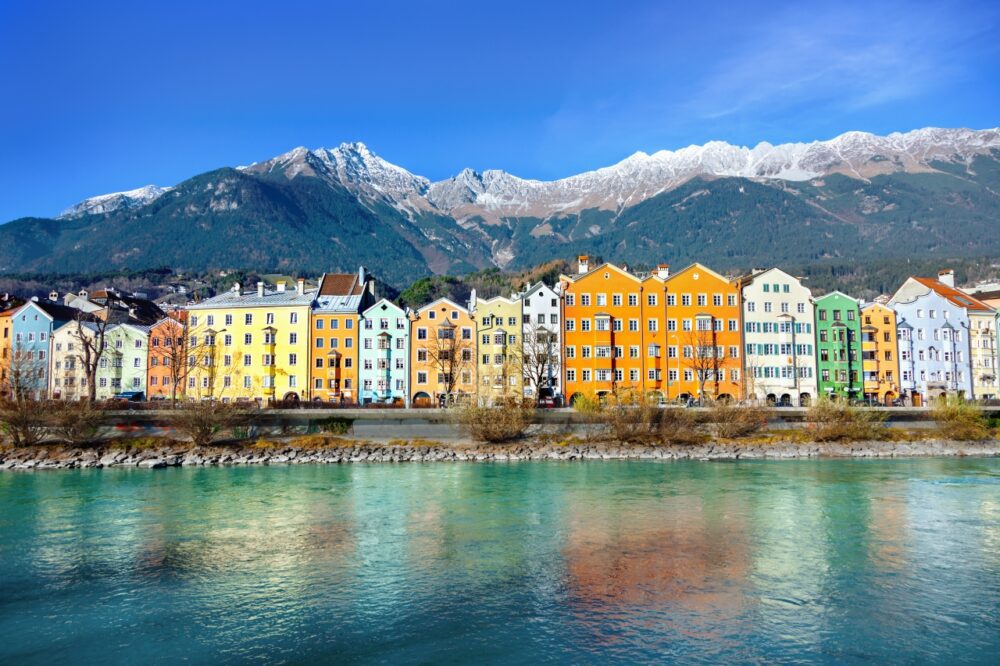
Is Innsbruck worth visiting? Yes, it definitely is. I wasn’t sure what to expect before my first trip, but Innsbruck quickly became one of my favourite cities in Austria. What stood out most was how easy it was to go from exploring historic streets in the city centre to looking up at mountains that seemed to rise straight from the edge of town. It offers a mix of city life and outdoor adventure that is hard to find elsewhere.
Innsbruck is the capital of the Tyrol region in Austria and is best known for its stunning Alpine setting. Surrounded by mountains, the city is a popular destination for skiing, hiking, and sightseeing. It also has a charming old town, historic landmarks, and plenty of local culture to discover.
In this guide, I’ll cover the top reasons why Innsbruck is worth visiting and share some practical travel tips and advice to help you plan your trip. Whether you’re interested in mountain scenery, history, or outdoor activities, you’ll soon see the many reasons why Innsbruck is worth visiting.
Table of Contents
Top Attractions in Innsbruck
- Top of Innsbruck: Roundtrip Cable Car Ticket
- Innsbruck Swarovski Crystal Worlds Ticket and Transfer
- Innsbruck: City Card Including Public Transport
- Neustift im Stubaital: Tandem Paragliding Flight
- Tyrolean Evenings Family Gundolf in Innsbruck
- Imster Schlucht: White-Water Rafting in the Tyrolean Alps
- Innsbruck: Tickets for Schloss Ambras
- Innsbruck – “Welcome Tour” by Per Pedes. Guided City Tour
- Ötztal: Beginners Canyoning Experience
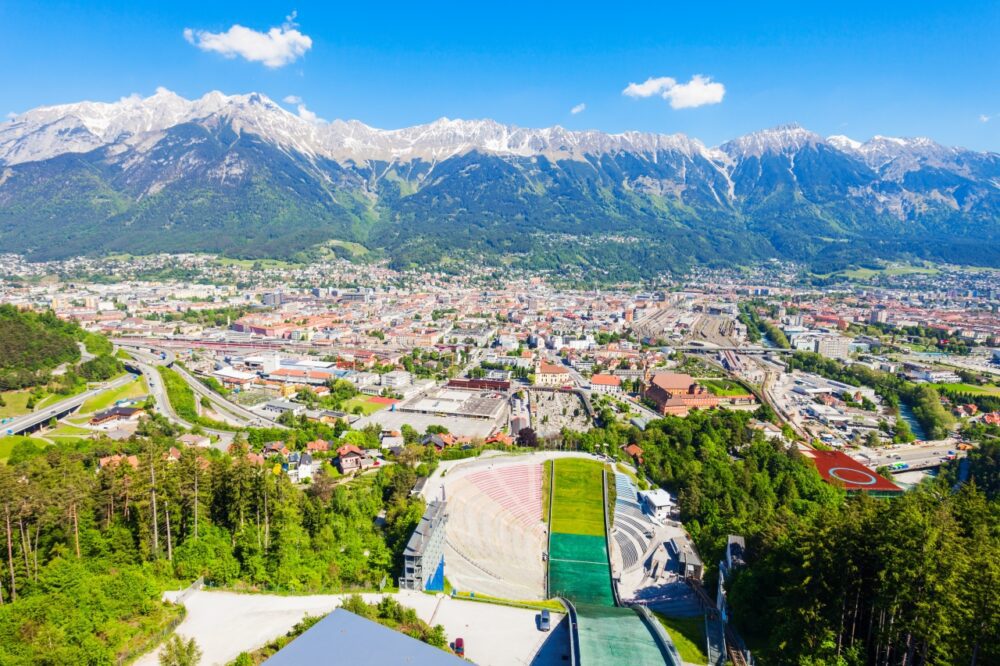
- Innsbruck: Bergisel Olympia Ski Jump Arena Ticket
Top Reasons You Should Visit Innsbruck
1. Incredible Alpine Scenery in Every Direction
One of the first things I noticed when arriving in Innsbruck was how dramatic the setting is. The city sits in the Inn Valley and is surrounded by the Alps on all sides. No matter where you stand, you are likely to see mountains in the distance. It gives Innsbruck a completely different feel from most European cities. Instead of skylines filled with skyscrapers, you have snow-capped peaks rising above colorful buildings and church towers.
I found myself stopping constantly to take photos because the scenery seemed to improve with every street I walked down. Even simple things like having breakfast at a café or crossing a bridge over the river came with mountain views. On clear days, the landscape almost looks unreal. I have visited several Alpine towns, but Innsbruck stood out because it combines a proper city atmosphere with some of the best mountain scenery in Austria.
What I liked most was that you do not need to leave the city to enjoy the views. Whether you are walking through the old town, relaxing in a park, or sitting outside a restaurant, the mountains are always there. They give Innsbruck a peaceful atmosphere and make it feel much smaller and more intimate than it actually is.
2. Easy Access to Outdoor Activities
Innsbruck is one of the best cities in Europe for people who enjoy being outdoors. It hosted the Winter Olympics twice, in 1964 and 1976, and remains a major center for skiing, snowboarding, hiking, and mountain biking. Several ski resorts are located within thirty minutes of the city center, making it possible to combine sightseeing with outdoor adventures.
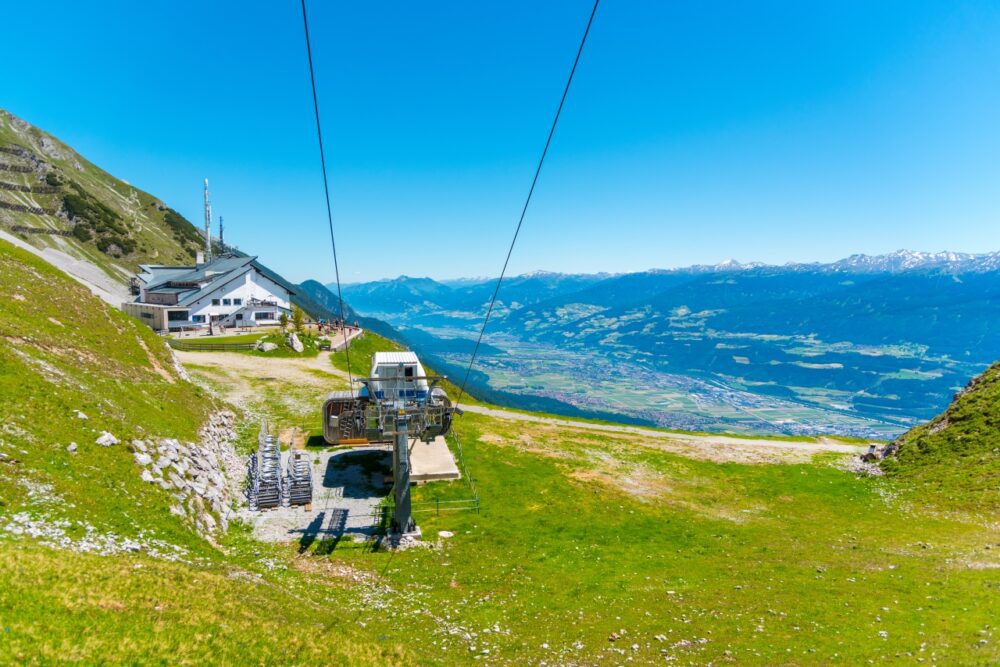
I visited during the warmer months, but I could still see cable cars carrying hikers and cyclists up into the mountains. The best part was how easy everything was. Instead of spending hours driving to a national park, you can simply hop on a bus or cable car and find yourself high in the Alps within minutes. I spent one afternoon hiking near Nordkette and was amazed by how quickly the city disappeared below me.
Even if you are not particularly active, there are plenty of gentle walks and scenic viewpoints to enjoy. I noticed families, older travelers, and casual walkers all making use of the trails. Innsbruck seems to cater to everyone, whether you want a challenging hike or simply a peaceful stroll surrounded by mountain scenery.
3. A Charming Historic Old Town
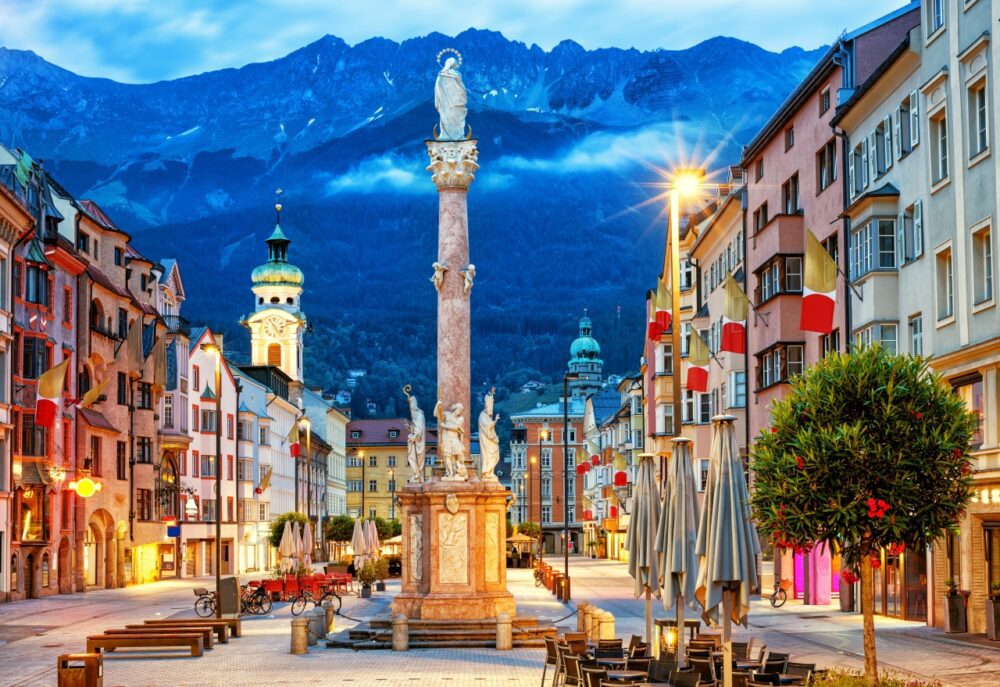
Although Innsbruck is famous for its mountains, the old town is worth visiting in its own right. The historic center dates back hundreds of years and is filled with colorful buildings, narrow streets, and attractive squares. It feels lively without being overwhelming, and most of the major attractions are within walking distance of each other.
I enjoyed wandering around the old town without any real destination in mind. The buildings are painted in bright shades of yellow, pink, and green, which gives the area a cheerful appearance. Street musicians often perform in the squares, and cafés spill out onto the pavements during the warmer months. Compared to larger Austrian cities, Innsbruck felt much more relaxed.
One of my favorite moments was walking through the old town early in the morning before the crowds arrived. The streets were quiet, shop owners were opening their doors, and the mountains seemed even more impressive in the soft morning light. It reminded me that some of the best travel experiences come from simply slowing down and enjoying your surroundings.
4. A Fascinating Imperial History
Innsbruck may not be as famous as Vienna for its imperial connections, but it still played an important role in Austrian history. The city was once a favored residence of Emperor Maximilian I, who ruled during the late fifteenth and early sixteenth centuries. Many historic buildings and monuments in Innsbruck date back to this period.
The most famous landmark linked to Maximilian is the Golden Roof. Built in 1500, it features more than 2,600 gilded copper tiles and was designed so the emperor could watch festivals and tournaments taking place below. I expected it to be larger, but I still enjoyed seeing such an iconic symbol of the city. It is one of those places that appears in almost every postcard and travel brochure.
I also visited the Hofkirche, which contains the emperor’s elaborate tomb surrounded by bronze statues. The church was much more impressive than I expected and felt surprisingly peaceful inside. Learning about Innsbruck’s imperial past helped me appreciate the city beyond its natural beauty and outdoor activities.
5. Some of Austria’s Best Mountain Views
Many cities have observation decks or towers, but few can compete with the views available in Innsbruck. The Nordkette cable car system takes visitors from the city center to over 2,200 meters above sea level in less than half an hour. It is one of the easiest ways I have ever reached high mountain scenery.
I decided to take the cable car partly because I wanted to see if the views were really as good as people claimed. They were even better. Looking down at Innsbruck with the valley stretching into the distance was unforgettable. On one side were rugged mountain peaks, while on the other side the city looked tiny beneath us.
Even people who do not enjoy hiking should consider making the trip. There are restaurants, viewing platforms, and short walking paths near the top. I spent over two hours simply sitting and admiring the landscape. It was one of those experiences that made me realize how unique Innsbruck really is.
6. Excellent Skiing and Winter Sports
Winter is one of the most popular times to visit Innsbruck, and it is easy to understand why. The city is surrounded by several ski resorts, including Patscherkofel, Axamer Lizum, and Stubai Glacier. Some areas have slopes suitable for beginners, while others attract experienced skiers looking for more challenging terrain.
Although I am not much of a skier, I could see why Innsbruck appeals to winter sports enthusiasts. Unlike many ski destinations, you do not have to stay in an isolated mountain village. Instead, you can enjoy museums, restaurants, and nightlife in the city before heading to the slopes the next day.
I also liked the atmosphere during winter. Christmas markets appear throughout the city, mountain peaks are covered in snow, and cafés become cozy places to warm up with hot chocolate. Even non-skiers can enjoy visiting Innsbruck during the colder months because there is still plenty to do.
7. Traditional Tyrolean Food and Drink
Innsbruck is a great place to sample food from the Tyrol region. Traditional dishes are hearty and filling, which makes sense considering the area’s cold winters and mountain lifestyle. Many restaurants focus on local ingredients and recipes that have been passed down through generations.
I tried Tiroler Gröstl, a dish made with potatoes, onions, beef, and a fried egg on top. It was simple but very satisfying after spending several hours walking around the city. I also enjoyed trying cheese dumplings and apple strudel, which appeared on many menus.
One thing I noticed was that Innsbruck felt less touristy than some other Austrian cities when it came to dining. Many restaurants seemed to cater to locals as much as visitors. I found myself eating alongside families, students, and workers rather than large tour groups, which made the experience feel more authentic.
8. A Relaxed and Manageable Size
One reason I liked Innsbruck so much was because it never felt overwhelming. Some cities require careful planning, public transport passes, and long days of sightseeing. Innsbruck is much easier to navigate. Most attractions are close together, and it is possible to see a lot in just a few days.
I rarely used buses or trams because walking was usually faster. I could leave my hotel, explore the old town, visit museums, stop for lunch, and still have time to head up into the mountains. That convenience made the trip feel much more relaxing.
The slower pace also allowed me to enjoy the little things. I spent time sitting beside the river, browsing local shops, and watching people go about their daily lives. Innsbruck felt more like a place where people actually live rather than a city built solely for tourists.
9. Interesting Museums and Cultural Attractions
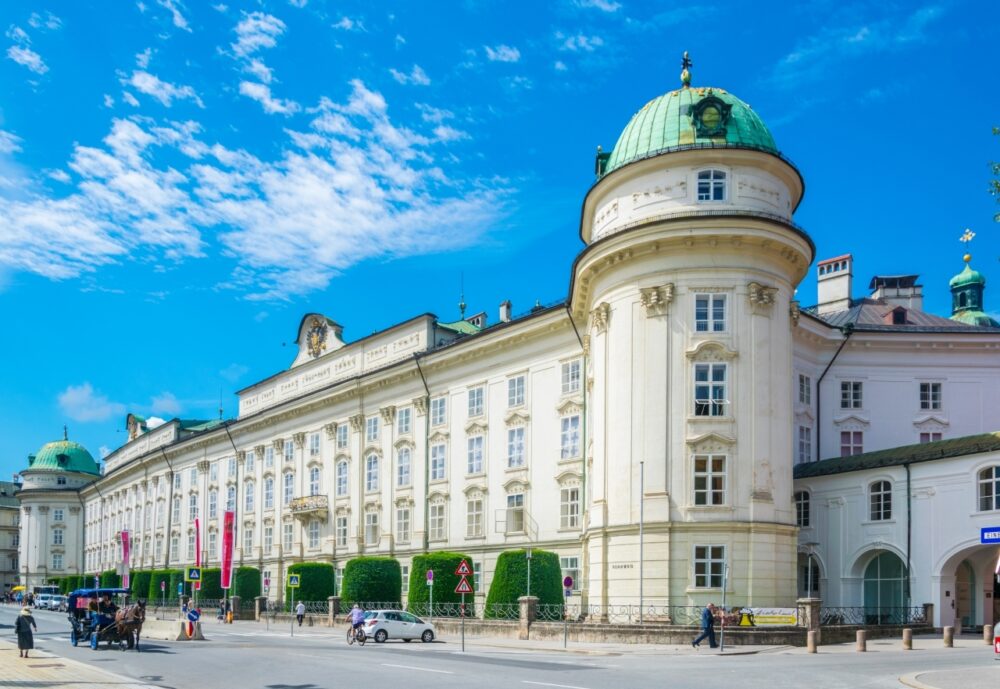
Although nature is the main attraction, Innsbruck also has several museums worth visiting. The Tyrolean State Museum provides an introduction to local history, while the Imperial Palace offers a glimpse into the lives of Austrian rulers. There are also museums dedicated to sports, art, and Alpine culture.
I visited the Imperial Palace on a rainy afternoon and ended up staying much longer than planned. The rooms were decorated with paintings, chandeliers, and furniture from previous centuries. It was interesting to learn how members of the Habsburg family spent time in Innsbruck.
I appreciated having indoor attractions available in case the weather changed. Mountain destinations can sometimes feel limited when conditions are poor, but Innsbruck offers enough cultural activities to keep visitors busy for several days.
10. Great Day Trip Opportunities Around Tyrol
Innsbruck is an excellent base for exploring other parts of western Austria. Several charming towns, lakes, and mountain villages are less than an hour away by train or car. This gives visitors plenty of opportunities to see more of the region without changing hotels.
One of the most popular day trips is to the town of Hall in Tirol, which has a lovely medieval center and far fewer tourists than Innsbruck. The Swarovski Crystal Worlds museum is another popular option and can be reached in about twenty minutes. Visitors can also explore places like Seefeld, Achensee, or the Stubai Valley.
I always enjoy destinations that offer some flexibility, and Innsbruck certainly does that. You can spend one day sightseeing, another hiking in the mountains, and the next exploring a lakeside village. That variety kept my trip interesting and is one of the main reasons I would happily return to Innsbruck in the future.
Where to Stay in Innsbruck
- Hotel Innsbruck (Das Innsbruck) – A 4-star riverside hotel on the historic Inn Bridge with the city’s largest spa, moments from the Golden Roof and Hofburg Palace.
- STAGE 12 Hotel by Penz – A stylish 4-star hotel directly on Maria-Theresien-Straße with a sauna and steam bath, close to the Tyrolean State Museum and Imperial Palace.
- Altstadthotel Weisses Kreuz – A quirky, design-led 4-star hotel in a 1465 building right opposite the Golden Roof, with a rooftop bar overlooking the Old Town.
- Motel One Innsbruck – A budget-friendly, design-focused 3-star hotel directly across from the Main Train Station, with a popular 13th-floor rooftop bar with mountain views.
- Hostel Marmota – A quiet, mountain-view budget hostel in the Amras district, a short tram ride from the centre and 500m from Ambras Castle.
Travel Tips for Visiting Innsbruck
When to Visit Innsbruck
I think Innsbruck is one of the few cities that works equally well in both summer and winter. Summer is perfect if you enjoy hiking, mountain views, and outdoor cafes. The weather is warm without being too hot, and the surrounding trails are easy to access. Winter attracts skiers and snowboarders from across Europe, and the snow-covered mountains create a completely different atmosphere. December is also a great time to visit because the Christmas markets add a festive feel to the city. Personally, I would choose June or September for hiking and sightseeing, while December and January are ideal if you want a winter experience.
How to Get to Innsbruck
The city is served by Innsbruck Airport, which has direct flights to several European destinations. Many visitors also fly into Munich Airport and then take the train to Innsbruck, which takes around two hours. Innsbruck sits on one of Austria’s main rail routes, with direct train connections to Vienna, Salzburg, Munich, Zurich, and other major cities. From Innsbruck Airport, buses connect the airport with the city centre in around 20 minutes. Personally, I think arriving by train is the easiest option. The scenery along the route is beautiful, and the train station is located right in the centre of the city.
Getting Around Innsbruck
Innsbruck is a very easy city to get around. The Old Town is compact enough to explore on foot, and many of the main attractions are within walking distance of each other. For longer journeys, the city has an efficient network of buses and trams operated by IVB. You can buy tickets at machines, online, or through the IVB app. If you plan to use public transport often, day passes can save money. Bike rentals are also popular during the warmer months. Personally, I spent most of my time walking because the city centre is small, but the trams and buses are useful for reaching places like Ambras Castle and the Bergisel Ski Jump.
How Long to Spend in Innsbruck
I think two to three days is the ideal amount of time for Innsbruck. Two days gives you enough time to explore the Old Town, ride the Nordkette Cable Car, and visit a few key attractions. With three days, you can add a day trip, spend more time hiking, or visit nearby alpine villages. If you’re visiting during ski season, you could easily stay for four or five days and use Innsbruck as a base for exploring the surrounding mountains. Personally, I would recommend three days because it gives you enough time to enjoy both the city and the scenery that makes Innsbruck so special.
Conclusion
So, is Innsbruck worth visiting? Absolutely. From its mountain views and outdoor activities to its historic old town and cultural attractions, there are plenty of reasons to spend time here. Innsbruck offers a unique combination of nature and city life that makes it stand out from many other destinations in Austria. If you’re planning a trip to Austria and want a destination that combines history, adventure, and incredible scenery, Innsbruck is well worth adding to your itinerary.