
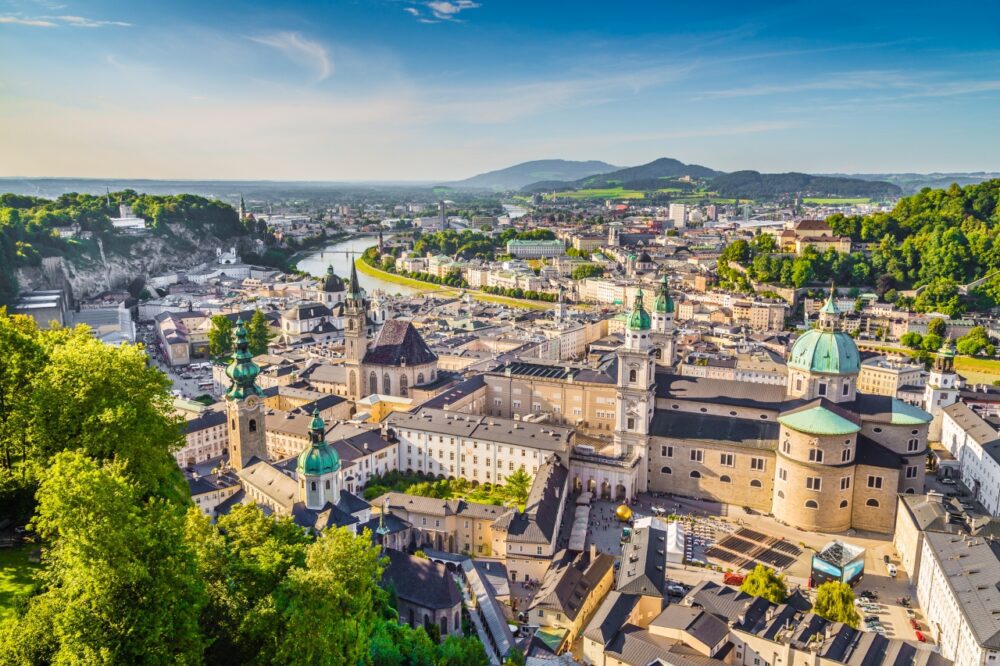
Is Salzburg worth visiting? Yes, it absolutely is. The first time I visited Salzburg, I was surprised by how much the city packed into such a small area. I spent my days wandering through the old town, visiting historic sites, and enjoying views of the surrounding mountains. It felt different from many other European cities because it combines history, culture, and nature so well.
Salzburg is one of the most popular destinations in Austria and is best known as the birthplace of Mozart and the setting for The Sound of Music. The city sits on the banks of the Salzach River and is surrounded by the Alps, giving it a unique setting.
In this guide, I’ll cover the top reasons why Salzburg is worth visiting and share some useful travel tips and advice to help you plan your trip. Whether you’re interested in history, music, architecture, or mountain scenery, you’ll soon discover the many reasons why Salzburg is worth visiting.
Table of Contents
Top Attractions in Salzburg
- Salzburg 2.5-Hour Walking Tour: Mozart, Old Town & More
- Salzburg: Boat Ride on the Salzach River
- Salzburg: Hohensalzburg Fortress Admission Ticket
- From Salzburg: Half-Day Tour to Hallstatt
- Salzburg: Original Sound of Music Tour
- Salzburg: Mozart Concert at Mirabell Palace
- Salzburg: White Water Rafting on the Salzach River
- Explore The Salzburg Salt Mine with a ticket from Salzburg
Top Reasons You Should Visit Salzburg
1. Salzburg’s Beautiful Baroque Old Town
Salzburg has one of the prettiest old towns I have visited in Europe. The historic center is a UNESCO World Heritage Site and has managed to keep much of its original character. Walking through the narrow streets feels like stepping into another era. Pastel-colored buildings line the cobbled lanes, church domes rise above the rooftops, and small squares seem to appear around every corner. Despite attracting plenty of visitors, the old town still feels like a real place where people live and work rather than an open-air museum.
I enjoyed simply wandering around without looking at a map. Some of my favorite moments came from getting lost and stumbling upon hidden courtyards, small bakeries, and quiet side streets. Getreidegasse, Salzburg’s most famous shopping street, is lined with traditional wrought-iron signs and historic buildings. It can get busy during the middle of the day, but visiting early in the morning or later in the evening gives the area a completely different feel. I found Salzburg much more relaxing than larger cities like Vienna because everything is within walking distance and there is no pressure to rush from one attraction to another.
The old town is also very compact, which makes sightseeing easy. Within a few minutes, you can walk from a palace to a church and then to a riverside viewpoint. I appreciated not having to rely heavily on public transport. Salzburg is the kind of city where you can put away your phone, explore at your own pace, and still come across something interesting every few minutes.
2. A Rich Musical Heritage
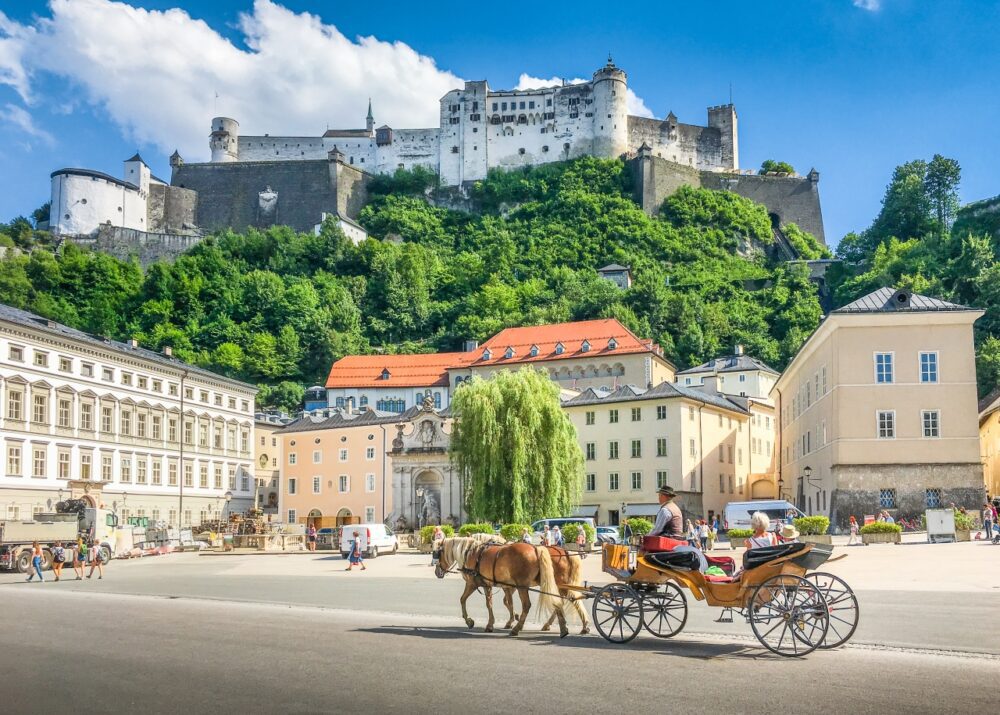
Salzburg is best known as the birthplace of Mozart, and music is a huge part of the city’s identity. Wolfgang Amadeus Mozart was born here in 1756, and his childhood home still stands in the old town. Throughout Salzburg, you will see statues, museums, souvenir shops, and concert posters dedicated to the famous composer. Even visitors who know little about classical music will quickly notice how important Mozart remains to the city.
I am not a huge classical music fan, but I still found Salzburg’s musical history fascinating. I visited Mozart’s birthplace and learned more about his early life and family. It was interesting to see the rooms where he spent his childhood and the instruments he used. In the evenings, concerts take place in churches, palaces, and concert halls across the city. I attended a small performance in a historic venue and was surprised by how much I enjoyed it. The setting made the experience feel special, and listening to Mozart’s music in his hometown added another layer to the visit.
Music lovers may also want to plan their trip around the Salzburg Festival, which takes place every summer. It attracts performers and visitors from around the world and is considered one of the leading classical music festivals in Europe. Even outside festival season, music is always present in Salzburg, giving the city a lively but sophisticated atmosphere.
3. Stunning Mountain Scenery
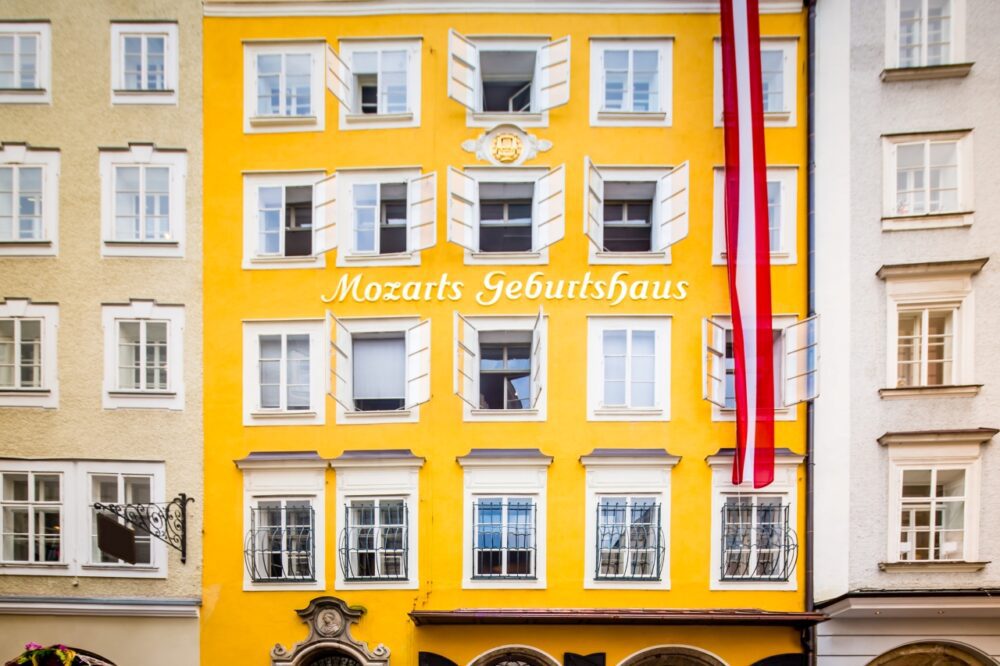
One of the things that surprised me most about Salzburg was its setting. The city sits close to the Alps, and mountains are visible from many parts of the center. This gives Salzburg a completely different feel from many other European cities. Instead of endless rows of buildings, you often have green hills and mountain peaks in the background.
I loved how easy it was to enjoy the scenery without leaving the city. One of my favorite viewpoints was from the top of Hohensalzburg Fortress. Looking out over the rooftops, church domes, and distant mountains was easily one of the highlights of my trip. Even walking along the river offered some great views. I found myself stopping regularly to take photos because almost every angle seemed picture-perfect.
For people who enjoy hiking or outdoor activities, Salzburg is an excellent base. Several mountain areas can be reached in less than an hour, making day trips simple. You can spend the morning exploring the old town and the afternoon hiking in the Alps. I think this combination of culture and nature is one of Salzburg’s biggest strengths.
4. Hohensalzburg Fortress Dominates the Skyline
Few European cities have a castle as impressive as Hohensalzburg Fortress. Built in 1077, it is one of the largest fully preserved medieval castles in Europe. Sitting high above the city, it can be seen from almost everywhere in Salzburg and quickly becomes one of the city’s most recognizable landmarks.
I decided to walk up the hill rather than take the funicular, and although it was a bit steep, I thought it was worth the effort. The climb only takes about twenty minutes and provides plenty of opportunities to admire the views along the way. Once inside, there are museums, historic rooms, towers, and viewpoints to explore. I spent longer there than I expected because there was so much to see.
What I liked most was that the fortress never felt overly commercialized. It still retains a sense of history, and some parts feel surprisingly untouched. Standing on the walls and looking down over Salzburg gave me a better appreciation of the city’s layout and its strategic importance during medieval times.
5. Famous Filming Locations from The Sound of Music
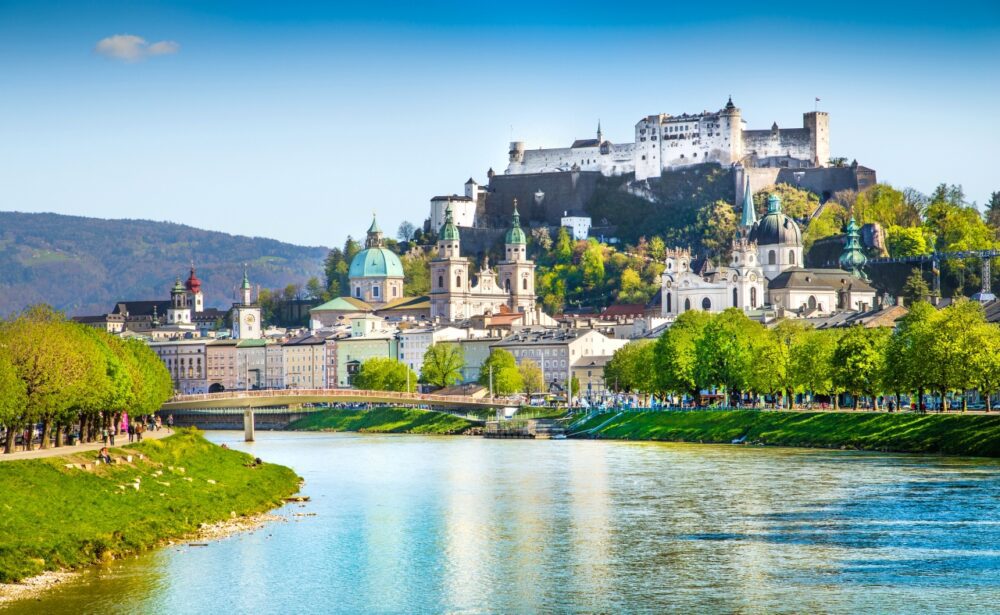
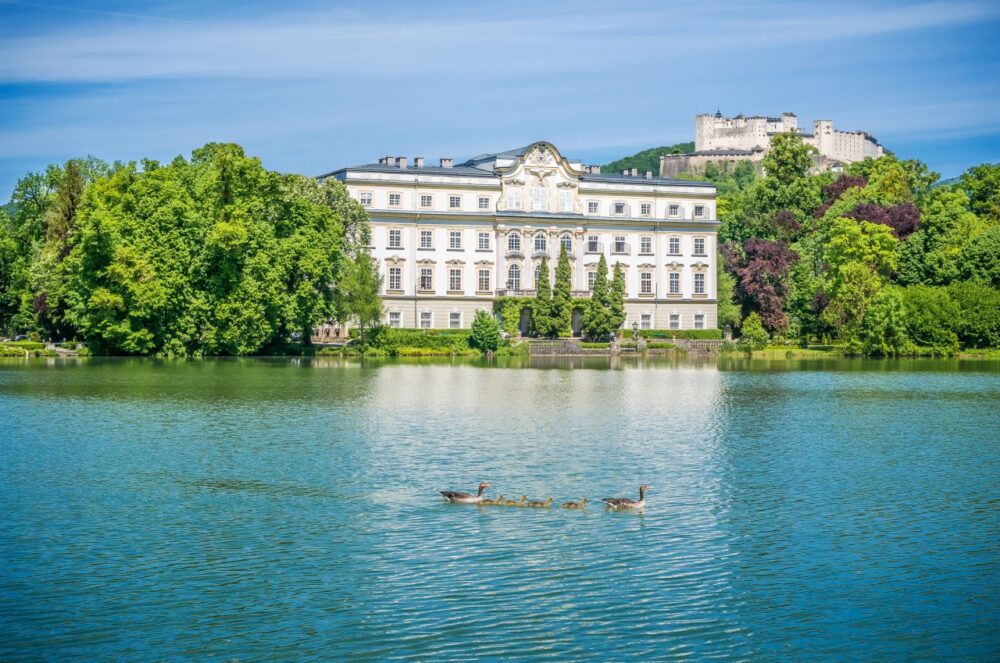
Even people who have never been to Salzburg often recognize parts of the city because of The Sound of Music. Although the movie was not especially popular in Austria, it remains one of Salzburg’s biggest draws for international visitors. Several scenes were filmed in and around the city, including Mirabell Gardens, Leopoldskron Palace, and nearby lakes and villages.
I had watched the movie years before visiting, so I was not expecting to be particularly interested in the filming locations. However, I ended up enjoying them more than I thought I would. Mirabell Gardens were especially beautiful, and it was fun recognizing the places where famous scenes were filmed. There are also guided tours that take visitors to filming locations outside the city.
Even if you are not a fan of the movie, many of these locations are worth visiting simply because they are attractive places in their own right. The gardens are free to enter, the palaces are impressive, and the surrounding countryside is stunning. It is one of those experiences where movie fans get an added bonus, but everyone else can still appreciate the scenery.
6. Easy Access to Austria’s Lake District
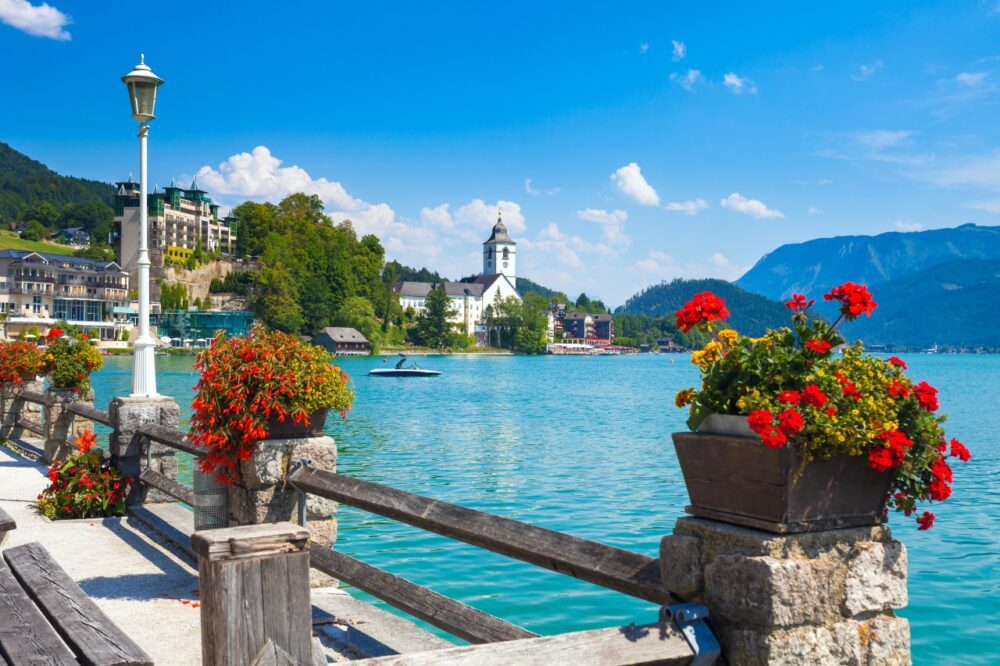
Salzburg is perfectly located for exploring Austria’s famous lake region. Places like Wolfgangsee, Mondsee, and Fuschlsee are all within easy reach by car or bus. These lakes are known for their clear water, mountain views, and charming villages.
I took a day trip to Wolfgangsee and thought it was one of the best experiences of my trip. The lake was incredibly clear, and the small towns along the shore felt peaceful and welcoming. People were swimming, taking boat trips, and relaxing at outdoor cafés. It was a nice contrast to sightseeing in the city.
One thing I appreciated about Salzburg was how simple it was to arrange these day trips. Public transport connections are good, and organized tours are widely available. If you enjoy combining city breaks with nature, Salzburg gives you plenty of opportunities to do both.
7. Plenty of Traditional Austrian Food
Salzburg is a great place to try traditional Austrian dishes. Restaurants throughout the city serve local specialties alongside desserts and pastries that have been enjoyed for generations. The food tends to be hearty, filling, and ideal after a day of sightseeing.
I tried schnitzel, goulash soup, and apple strudel during my visit, and all of them were excellent. The portions were generous, and meals often felt quite affordable compared to restaurants in some other European tourist destinations. One dessert I particularly enjoyed was Salzburger Nockerl, a sweet soufflé that is shaped to resemble the nearby mountains.
I also liked visiting local bakeries for breakfast. Picking up a pastry and coffee before heading out for the day became a nice routine. Eating traditional food helped make the trip feel more authentic and gave me a better understanding of local culture.
8. A Relaxed and Walkable Atmosphere
One of the reasons I enjoyed Salzburg so much was because it felt calm and manageable. Some European cities can be exhausting to visit because they are crowded, noisy, and spread out. Salzburg is different. Most of the main attractions are close together, and you can comfortably see a lot of the city on foot.
I rarely needed public transport during my stay. I could walk from my hotel to the old town, visit museums, climb up to the fortress, and stop for coffee along the way. This made the city feel much less stressful than larger capitals. I never felt rushed or overwhelmed, which allowed me to enjoy the experience more.
Even in peak season, Salzburg still seems to maintain a slower pace of life. Locals sit at outdoor cafés, people stroll along the river, and street musicians often perform in the squares. It is the kind of destination where slowing down feels natural.
9. Beautiful Gardens and Riverside Walks
Salzburg has plenty of green spaces that make it easy to take a break from sightseeing. Mirabell Gardens are probably the most famous, with neatly trimmed flower beds, fountains, and statues set against a backdrop of churches and mountains. They are free to visit and remain one of the city’s most photographed spots.
I visited the gardens several times because they were conveniently located and always seemed to have a pleasant atmosphere. Early in the morning, they were quiet and peaceful, while later in the day they became busier with visitors taking photos. I enjoyed sitting on a bench for a while and simply watching people pass by.
The paths along the Salzach River were another highlight for me. Walking beside the water offered some lovely views of the old town and fortress. In the evenings, the riverside became a popular place for locals to jog, cycle, or meet friends. It added another layer to Salzburg that made it feel more like a lived-in city rather than just a tourist destination.
10. Excellent Day Trip Opportunities
Salzburg is one of the best cities in Austria for day trips. Within a short drive or train ride, you can reach lakes, mountains, caves, castles, and picturesque villages. This makes it easy to fill several days without ever running out of things to do.
One of the most popular excursions is to Hallstatt, which can be reached in around ninety minutes. Other options include the Eagle’s Nest in Germany, the Ice Caves at Werfen, and the salt mines near Hallein. I liked having so many choices because it meant I could tailor my trip depending on the weather and my mood.
For me, Salzburg worked particularly well because it offered more than just city sightseeing. You can spend one day exploring churches and museums, the next relaxing by a lake, and another hiking in the mountains. That variety kept the trip interesting and is a big reason why I would happily visit Salzburg again.
Where to Stay in Salzburg
- Hotel Schloss Mönchstein – A 5-star superior castle hotel perched on the Mönchsberg with an infinity pool, a Michelin-starred restaurant, and sweeping views over the Old Town.
- Hotel Goldener Hirsch, A Luxury Collection Hotel, Salzburg – A historic 15th-century luxury hotel directly on the Getreidegasse, opposite the Festival Hall and steps from Mozart’s Birthplace.
- Radisson Blu Hotel Altstadt – A 5-star hotel in a 1377 building right on the Salzach River, with rooms overlooking the water or the Old Town.
- Small Luxury Hotel Goldgasse – A boutique 4-star hotel in a 14th-century building on a quiet pedestrian lane, each room themed around the Salzburg Festival.
- Hotel Schloss Leopoldskron – A unique palace hotel beside the lake where The Sound of Music was filmed, about 2km from the Old Town with mountain views.
- Boutiquehotel Amadeus – A cosy, individually furnished 4-star hotel on a quiet pedestrian street in the historic centre, near Mozart’s Residence.
- Hotel Elefant – A 13th-century hotel right next to the Getreidegasse, moments from Mozart’s Birthplace and the heart of the Old Town.
- Cocoon Salzburg – A stylish, nature-themed mid-range hotel two minutes from Salzburg’s Central Station, an easy walk to Mirabell Gardens.
- YoHo – International Youth Hostel – A lively, well-rated budget hostel between the train station and Old Town, famous for its nightly Sound of Music screenings.
Travel Tips for Visiting Salzburg
When to Visit Salzburg
I think Salzburg is at its best during late spring and early autumn. From May to June, the weather is pleasant, the gardens are in bloom, and the city feels lively without being too crowded. September is another great choice because you still get mild temperatures and clear views of the surrounding mountains. Summer is popular and has the longest days, which is perfect if you want to spend time outdoors or take day trips to the lakes. Winter has its own charm too. The Christmas markets make the city feel magical, and the nearby mountains often have snow. If I had to pick one time to visit, I’d choose late May or September when the weather is comfortable and the crowds are more manageable.
How to Get to Salzburg
The easiest way to reach Salzburg is through Salzburg Airport, which has flights from several European cities. If you’re coming from further away, many travellers fly into Munich Airport and then take the train to Salzburg, which usually takes around 1.5 to 2 hours. Salzburg also sits on one of Central Europe’s main rail routes, with direct trains from Vienna, Munich, Innsbruck, and Zurich. Once you arrive at Salzburg Airport, buses connect the airport with the city centre in about 20 minutes. Personally, I think the train is the most convenient option. Austrian and German trains are comfortable, the scenery is great, and you arrive right in the middle of the city.
Getting Around Salzburg
Salzburg is one of the easiest cities in Austria to explore. The historic centre is compact, and you can walk to many of the main attractions. For longer distances, the city has a good network of buses that connect the Old Town, train station, airport, and surrounding neighbourhoods. You can buy tickets at machines, through the Salzburg Verkehr app, or directly on some buses. Bike rentals are also popular, especially during the warmer months, and there are cycle paths throughout the city. Personally, I walked almost everywhere when I visited and only used buses for longer trips. For most visitors, a combination of walking and public transport is all you’ll need.
How Long to Spend in Salzburg
I think two to three days is the ideal amount of time for Salzburg. Two days gives you enough time to explore the Old Town, visit the fortress, see Mozart-related sights, and enjoy a few cafes without rushing. If you stay for three days, you can add a day trip to Hallstatt, Eagle’s Nest, or the lake district. You could even spend four or five days here if you enjoy hiking or want to explore more of the surrounding Alps. Personally, I’d recommend three days because it gives you time to enjoy both the city and the beautiful scenery around it.
Conclusion
So, is Salzburg worth visiting? Without a doubt. From its charming old town and impressive fortress to its connection with Mozart and its stunning Alpine backdrop, there are plenty of reasons to visit. Salzburg offers a great mix of culture, history, and natural beauty, making it one of the most rewarding destinations in Austria. If you’re planning a trip to Austria, Salzburg is a city that deserves a place on your itinerary.