Is Wrocław Worth Visiting? Honest Pros and Cons (2026)
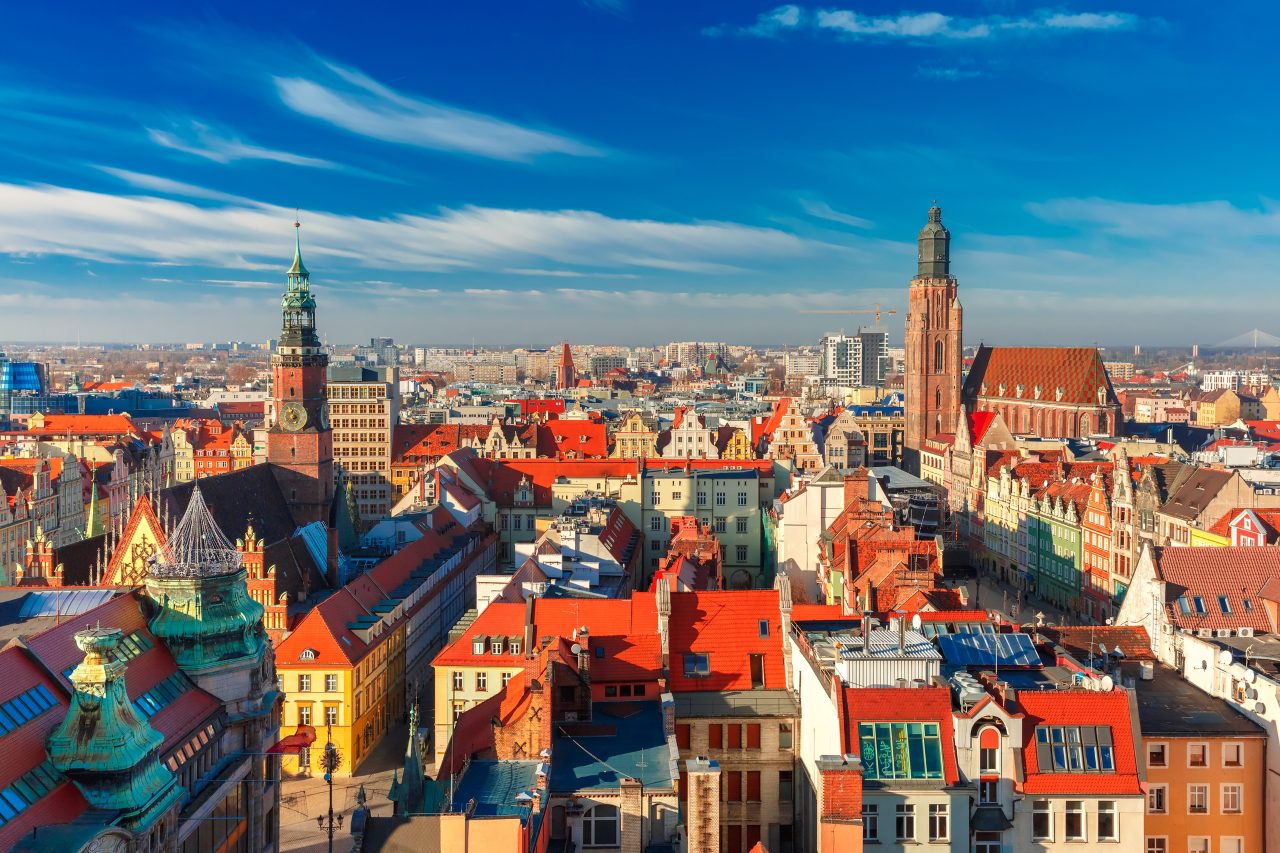
You can’t walk far in Wrocław without meeting a dwarf. Hundreds of tiny bronze figures hide on pavements, walls and lamp posts across the Old Town, and hunting for them becomes addictive within an hour. It’s a silly detail, but it sums up the city well. Wrocław is playful, creative and full of surprises.
I visited Wrocław one spring and spent three days exploring. It’s the fourth-largest city in Poland and the historic capital of Lower Silesia. Before 1945 it was the German city of Breslau, and it still has the layered history to prove it. The Oder River splits into channels here, so islands, bridges and riverside paths shape almost every walk. The city also held the title of European Capital of Culture in 2016.
Wrocław is worth visiting, and it’s one of my favourite city breaks in Poland. It’s walkable, affordable and packed with things to see, from a giant medieval market square to a UNESCO-listed hall. It does get busy at weekends, and some top sights need timed tickets. Everything you need to plan is below, including the best parts of the city, the downsides, where to stay, which tours to book, when to go and how to get around.
Pros of Visiting Wrocław
1. The Market Square and Old Town Hall
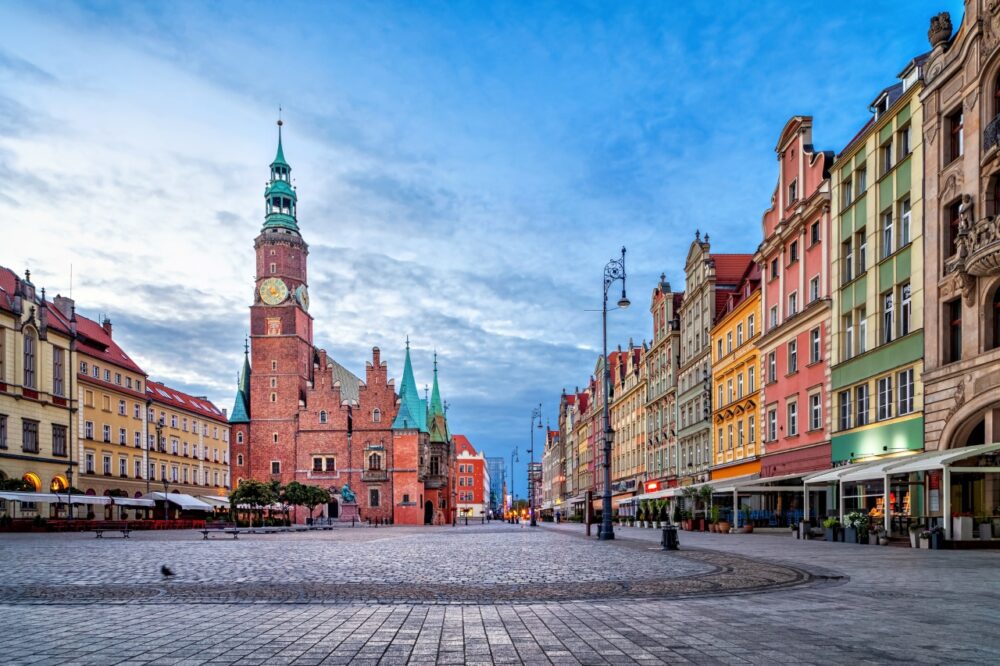
The Rynek is the heart of Wrocław, and it’s one of the largest market squares in Poland. Colourful burgher houses line all four sides, painted in shades of pink, yellow and blue. In the middle stands the Old Town Hall, a beautiful mix of Gothic and Renaissance styles. Inside, the Museum of Wrocław runs a branch devoted to bourgeois art. Most branches open Wednesday to Saturday from 11:00 am to 5:00 pm and Sunday from 10:00 am to 6:00 pm.
I grabbed a coffee on a terrace and watched the square fill up, then wandered into nearby Salt Square, where a flower market runs daily. Look for the two little houses joined by an arch near St. Elizabeth’s Church, known as Hansel and Gretel. To learn the stories behind the buildings, join the Old Town and Ostrów Tumski walking tour. It lasts 2.5 hours and is a great first activity.
2. Wrocław’s Dwarfs
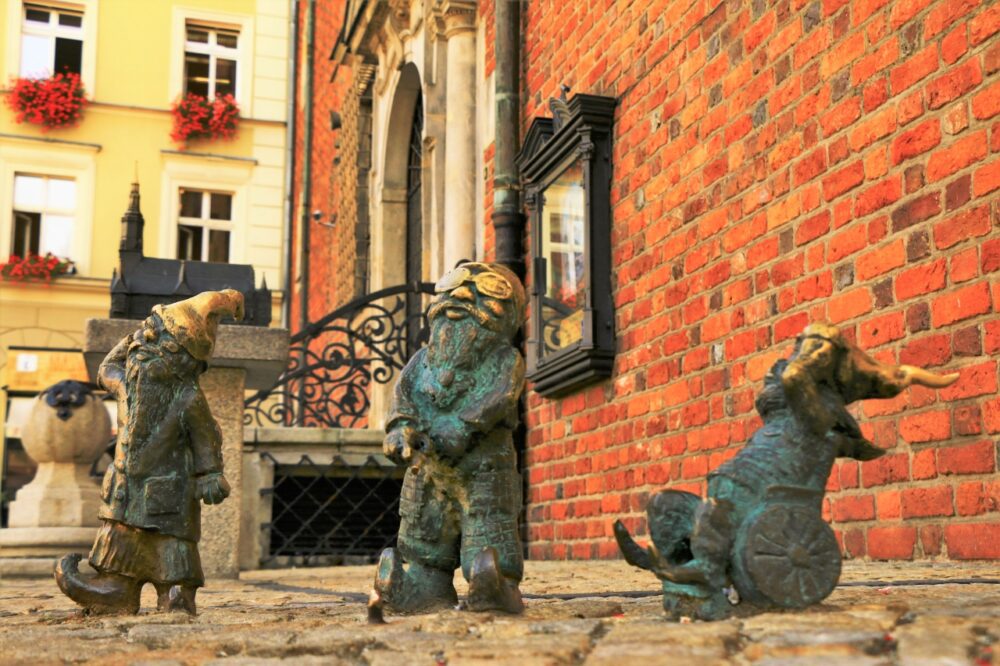
The dwarfs are Wrocław’s most famous quirk. The first one appeared on Świdnicka Street in 2001, as a tribute to the Orange Alternative, an anti-communist protest movement that painted dwarfs on walls in the 1980s. Today there are hundreds of bronze figures, and each one has a job. You’ll find a dwarf with a camera, a dwarf at an ATM and a dwarf hanging off a lamp post. Wrocław even hosts an annual Dwarf Festival every September.
I picked up a dwarf map and ticked them off as I walked. It turned a normal stroll into a treasure hunt, and it’s brilliant for kids and adults alike. You’ll spot most of the Old Town ones on foot. If you’d rather cover more ground, the dwarfs tour by electric car lasts one to two hours and includes an audio guide. A private option is also available.
3. Ostrów Tumski
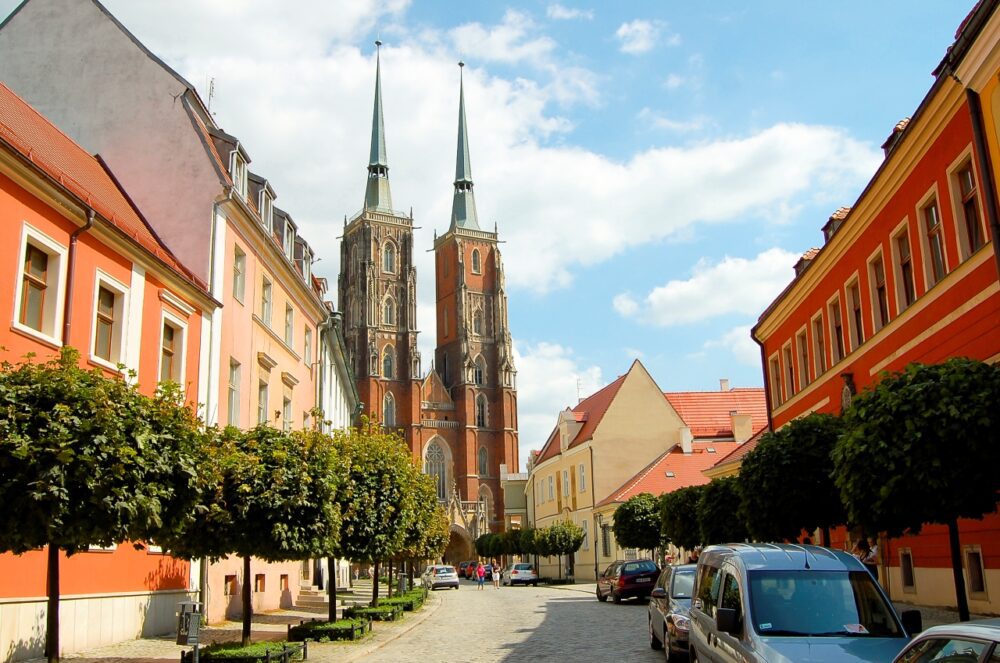
Ostrów Tumski, or Cathedral Island, is the oldest part of Wrocław. It sits on an island in the Oder, a short walk east of the Market Square. The Gothic Cathedral of St John the Baptist dominates the skyline, and the Collegiate Church of the Holy Cross and St Bartholomew stands nearby. The Archdiocese Museum holds the Book of Henryków, a famous medieval manuscript. Narrow cobbled lanes and old brick houses make the whole island feel like a step back in time.
Come at dusk. Ostrów Tumski is the only place in the city where a lamplighter still lights the gas lamps by hand. I arrived just before sunset and watched him work his way along the street. It was one of my favourite moments of the trip. You can cross the Tumski Bridge on your way back, which is covered in padlocks left by couples. It makes a fitting end to the evening.
4. Racławice Panorama
The Racławice Panorama is one of the most unusual attractions in Poland. It’s a giant painting, 15 metres high and 114 metres long, that wraps around the viewer. It shows the Battle of Racławice from 1794, a key moment in the Kościuszko Uprising. Painter Jan Styka created it in the 1890s, and it opened in Lviv in 1894. It has been in Wrocław since the 1980s. Lighting, sound and a darkened entry path make you feel as if you’re standing on the battlefield.
The viewing session lasts 30 minutes, and tickets cost 50 zł (£10). Your ticket also gives free entry to the permanent exhibitions at three other museum sites within three months. From April to October, it opens daily from 8:30 am to 7:00 pm. For a guided option, the Panorama and city highlights tour lasts three hours and includes skip-the-line entry. Book ahead in peak season, because slots fill up.
5. Centennial Hall and the Japanese Garden
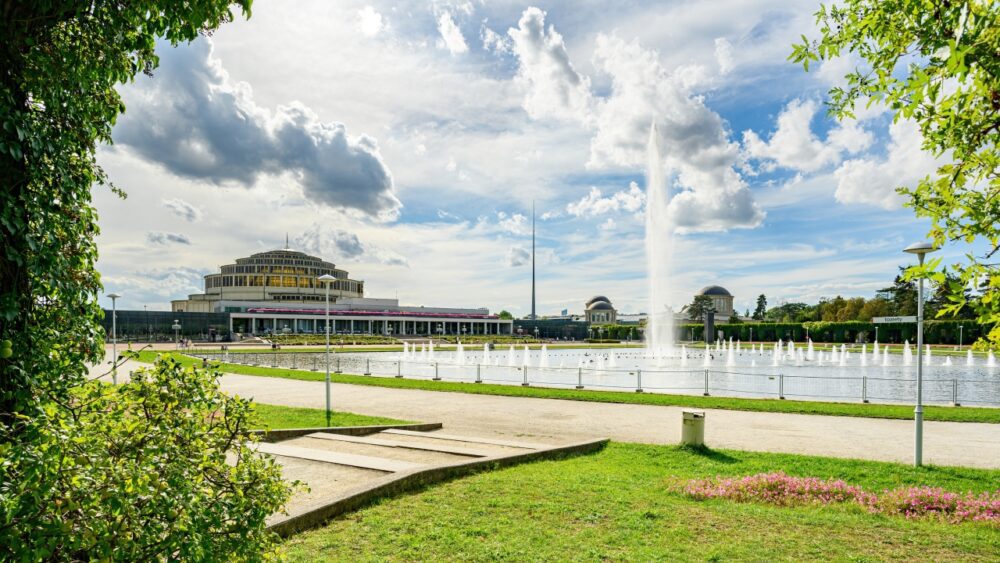
Centennial Hall is Wrocław’s UNESCO-listed masterpiece. Max Berg designed the huge concrete dome, and workers finished it in 1913. At the time, it was one of the largest buildings of its kind in the world. UNESCO added it to the World Heritage List in 2006. Beside it, the Four Domes Pavilion holds a collection of Polish contemporary art, and the Pergola surrounds one of the largest multimedia fountains in Europe.
Right next door, Szczytnicki Park is full of tree-lined paths. The Japanese Garden here dates from 1913, and its planting changes with the seasons. I spent a relaxed afternoon walking between the hall, the fountain and the garden. It’s a few kilometres east of the Old Town, so take a tram. Come back after dark if you can, because the Pergola fountain looks even better when it’s lit up. Pack a picnic and make an afternoon of it.
6. The Oder River and 100 Bridges
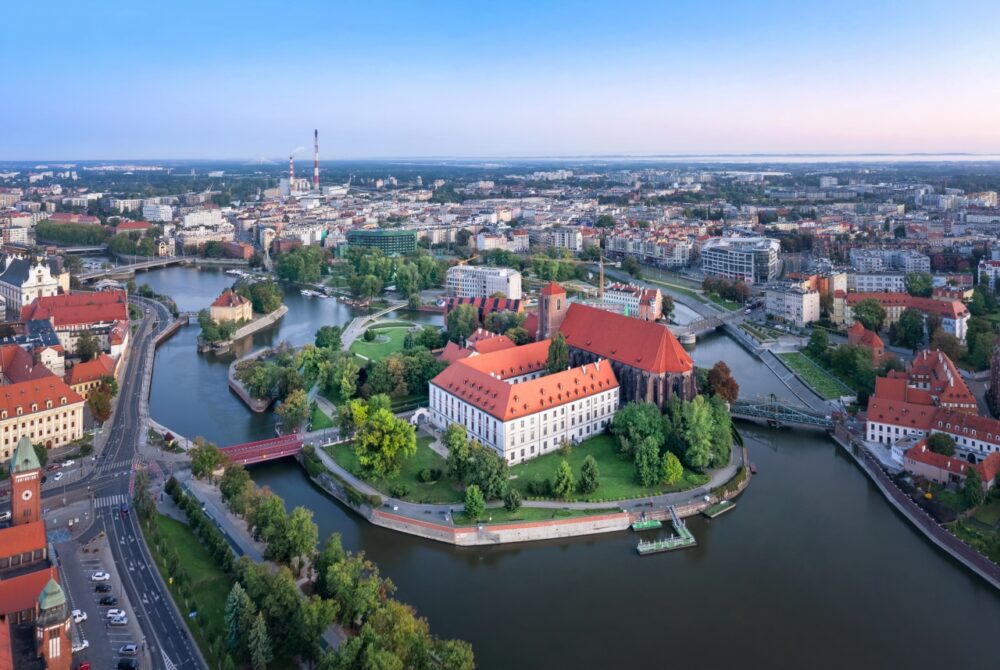
Water shapes everything in Wrocław. The Oder splits into channels, creating a dozen islands that are linked by more than 100 bridges. Riverside paths run along both banks, and they’re perfect for an easy walk. Sand Island and the Tumski Bridge area are particularly pretty, with old mills, student bars and views back to the cathedral towers. Walk the Oder paths in the late afternoon, when the light turns golden and the water looks calm. Locals jog, cycle and sit along the banks.
The best way to see it all is from the water. The Oder river cruise lasts about 50 minutes and includes a live guide. Boats have a covered lower deck and an open upper deck, which helps if the weather turns. I did a short cruise on my second afternoon, and it gave me a whole new view of the Old Town. Boarding is at the Dunikowski Boulevard, and you should arrive ten minutes early.
7. Polish Food and Craft Beer
Wrocław is a great food city, and it’s cheap. Start with pierogi, then try żurek (sour rye soup), often served in a bread bowl, and zapiekanka, a toasted baguette topped with mushrooms and cheese. Milk bars (bar mleczny) serve old-school set meals for 20 to 30 zł (£4 to £6). Craft beer is big here too, and a pint of local beer usually costs 12 to 18 zł (£2.40 to £3.60). Try the cellar bars around the Rynek. Leave room for dessert, because Polish bakeries sell fresh doughnuts and cheesecake for just a few złoty.
Prices climb on the square itself, so walk a few streets away for better value. To learn what to order, join the food and vodka culture tour. It lasts two hours and includes a meal. If you’d rather cook, the pierogi cooking class teaches you to make dumplings from scratch, with a feast at the end.
8. Hydropolis and Afrykarium
Wrocław is a great city for families. Hydropolis is a water knowledge centre with seven themed zones, more than 70 interactive displays and a children’s area. It opens Monday to Friday from 9:00 am to 6:00 pm and until 7:00 pm at weekends. Tickets cost 45 zł (£9) on weekdays and 47 zł (£9.40) at weekends. Tickets can sell out, so book online first.
For animals, head to the Wrocław Zoo and its Afrykarium. The Afrykarium is an oceanarium devoted to Africa’s waters and the largest of its kind in Poland. The zoo opens at 9:00 am, and the Afrykarium stays open until 7:00 pm. Both are a tram ride from the centre, so plan a half day. They make an easy rainy-day plan, and kids love them. Pack snacks and a rain jacket, and you can fill a full day between the two. Older kids enjoy the hands-on exhibits too.
9. Student Nightlife and Live Music
Wrocław has a young, creative energy. Tens of thousands of students live here, and that shows after dark. Cellar bars fill the Old Town, and courtyard bars at Pasaż Niepolda stay busy late. Beer gardens spill onto the Rynek on warm evenings. The city also hosts good festivals, including Jazz on the Oder in April, Beer Geek Madness in April and Jazztopad in November.
For something calmer, book a piano concert by candle glow. It lasts 50 minutes and takes place in a 13th-century Gothic church. The programme features Chopin, Bach, Beethoven, Liszt, Schumann and Rachmaninoff. I went on my second night, and it was a gentle way to finish the day. The candlelight and the acoustics make the music feel intimate. Friday and Saturday nights are the liveliest, so arrive early if you want a table. Many bars serve food until late, which helps after a long day of sightseeing.
10. Day Trips from Wrocław
Wrocław is a good base for day trips across Lower Silesia. The most popular is Książ Castle, one of the largest castles in Poland, with tunnels built by the Nazis under its foundations. The Książ Castle and Church of Peace tour lasts eight hours. It includes a guided castle visit, the underground tunnels, the Palm House and a UNESCO-listed wooden church in Świdnica. Transport and entry fees are included.
You can also head to the Giant Mountains for hiking, or cross into Czechia for the Adršpach rock formations. For a heavier day, the full-day Auschwitz-Birkenau tour lasts ten hours and includes hotel pickup and minibus transport. Choose one big trip and save the rest of your time for the city. Wrocław has plenty to fill a long weekend. Trains also run to nearby towns such as Oleśnica and Świdnica, so you can go without a tour if you prefer. Tours simply save you the logistics.
Cons of Visiting Wrocław
1. A Crowded Market Square
The Rynek is lovely, but everyone knows it. At weekends and during festivals, the square fills with tour groups, stag parties and street performers. Terrace tables are hard to find from lunchtime onwards, and the noise carries well into the night. On my first evening, I walked around twice before I found a free seat. Popular spots near the Old Town Hall can feel packed.
Beat the crowds with timing. Walk the square early in the morning, when the light is soft and the streets are quiet, and save your lunch for a side street. Ostrów Tumski and the riverside paths are much calmer. A guided walking tour also helps you skip to the quieter highlights. With a little planning, Wrocław still feels relaxed. Weekday mornings are especially peaceful.
2. Tourist Prices on the Rynek
Restaurants on the square charge more for average food. A coffee or a beer costs noticeably more than it does a few streets away, and menus come in several languages with photos. Some places add a service charge, and the portions don’t always match the price. I paid too much for an unremarkable lunch at a terrace table and learned my lesson. Skip any place with photo menus out front, because they usually signal a tourist trap.
Walk five minutes in any direction and the prices drop. Side streets near the university and the milk bars give much better value. Check your bill for service charges before you tip. A food tour also removes the guesswork, because your guide picks the best places. Eat smart and Wrocław is still very affordable.
3. Sights Spread Across the City
The Old Town is compact, but many of Wrocław’s best attractions are further out. Centennial Hall, the Japanese Garden, the zoo and Hydropolis all lie a tram ride away. The Racławice Panorama is a short walk, but the others need planning. If you try to fit everything into one day, you spend a lot of time in transit.
Group your sights by area. Do the Old Town and Ostrów Tumski on one day, then dedicate a second day to Centennial Hall, the Japanese Garden and the Pergola. Trams are cheap and frequent, so the longer hops are easy. Buy a day ticket if you plan several hops. For a faster overview, the Wrocław eBike tour covers the highlights in 3.5 hours and includes a coffee stop. It’s a relaxed way to see more.
4. Timed Tickets and Closures
Some of the best sights run on timed entry or limited hours. The Racławice Panorama runs timed viewing sessions, so you can’t just wander in whenever you like. Opening hours also shift between summer and winter, and some sites close on public holidays. Always check the official website the day before you go. Hydropolis tickets can sell out, especially on weekends. Many museums close on Mondays or Tuesdays. I arrived at one attraction on the wrong day and had to rearrange my plans.
Check opening days before you go, and book popular sights ahead. The Panorama and city highlights tour includes skip-the-line entry, which takes the stress out of timing. Keep one flexible afternoon for a river cruise or a café. A little flexibility goes a long way, and Wrocław is still a great option.
5. Cold, Grey Winters
Wrocław has a continental climate, and winters are cold and grey. Temperatures often hover around freezing, daylight is short and smog can build up in the coldest weeks. Outdoor sights like the Japanese Garden and the Oder paths lose much of their charm. The Christmas market is lovely, but queues and cold hands come with it.
Pack warm layers, and plan your days around indoor sights. The Racławice Panorama, Hydropolis and the Afrykarium all keep you warm. In the evening, the candlelit piano concert is a cosy escape. Visit between April and October and you avoid most of the cold. Spring and autumn are much better for sightseeing, and summer is best for the riverside. If you must come in winter, pick a hotel with a spa to warm up afterwards. Even in winter, the city has plenty of charm.
Where to Stay
Old Town: I stayed in the Old Town for all three days, and I’d do it again. The Rynek, the Racławice Panorama and the riverside paths are all a short walk away, and the streets are quiet before the tour groups arrive. It’s also the busiest and priciest area, and some bars stay noisy late. PURO Wrocław Stare Miasto is a 3-star hotel on Włodkowica street with a restaurant, bar and garden terrace. Wyndham Wrocław Old Town is a 4-star on Świętego Mikołaja street with a spa, sauna and fitness centre. B&B Hotel Wrocław Old Town sits right on the Rynek and offers simple, air-conditioned rooms with a 24-hour front desk.
Ostrów Tumski and Sand Island: The riverside area around Cathedral Island is the quietest and prettiest place to stay. Gas lamps glow at dusk, and the Old Town is a ten-minute walk away. Restaurant choice is more limited, though. The Bridge Wrocław – MGallery is a 5-star hotel on Cathedral Square with a spa, restaurant and garden. Hotel im. Jana Pawła II is a 4-star on Świętego Idziego street with a restaurant, bar and sauna. Great Polonia Wrocław Tumski is a budget-friendly 3-star on Sand Island with a 24-hour front desk.
Plac Grunwaldzki and Nadodrze: North and east of the Old Town, this area is more local and less touristy. It has riverside views, university buildings and easy tram links. It’s less atmospheric than the centre, and some streets feel plain. HP Park Plaza is a 4-star on Drobnera street with a spa, sauna and restaurant. Hotel Villa Art Novis is a 3-star on Poniatowskiego street with air conditioning and room service. Dom na Kurkowej 32 is a budget-friendly apartment on the edge of Nadodrze.
Near the Main Station: The area around Wrocław Główny is the most practical base for trains and day trips. It’s modern rather than pretty, but the Old Town is a 15-minute walk. Scandic Wrocław is a 4-star on Piłsudskiego street with a restaurant, sauna and fitness centre. Mövenpick Grand Hotel Wroclaw is a 4-star nearby with a hammam, sauna and restaurant. Starter III is a budget-friendly aparthotel on Dyrekcyjna street with private parking.
Best Things to Do
These are the tours and tickets I’d book for a trip to Wrocław.
- Old Town and Ostrów Tumski Walking Tour: A 2.5-hour English-language guided walk through the Old Town and Cathedral Island. It’s a great way to learn the city’s story on your first day.
- Food and Vodka Culture Tour: A two-hour guided tour that includes a meal and a taste of Polish vodka culture, with skip-the-line access.
- Pierogi Cooking Class: A 2.5-hour hands-on class for a small group of up to five. You make the dough and fillings, shape the dumplings and finish with a pierogi feast.
- Panorama Racławicka and City Highlights Private Tour: A three-hour private tour with skip-the-line entry. You see the famous panorama painting and the main sights of the city.
- Dwarfs Tour by Electric Car: A one- to two-hour live tour with an audio guide. You hunt for Wrocław’s bronze dwarfs, and a private option is available.
- Oder River Cruise: A 50-minute sailing past historic bridges and riverside landmarks. A live guide commentates, and the boat has covered and open-air decks.
- Wrocław University Tour: A 45-minute visit with admission and an optional audio guide. Skip-the-line entry is included.
- Piano Concert by Candle Glow: A 50-minute candlelit recital in a 13th-century Gothic church. The programme includes Chopin, Bach, Beethoven, Liszt, Schumann and Rachmaninoff.
- Wrocław Highlights eBike Tour: A 3.5-hour small-group ride with a coffee or tea stop. Electric bikes make the distances easy.
- Książ Castle and Church of Peace Tour: An eight-hour day trip with an English-speaking guide. You visit the castle, the Nazi tunnels, the Palm House and the Church of Peace in Świdnica.
- Auschwitz-Birkenau Guided Tour: A ten-hour full-day tour with hotel pickup, minibus transport, a guide and entrance fees.
- Stalag Luft III Great Escape Tour: A 6.5-hour small-group trip to the site of the famous Second World War prisoner-of-war escape, with skip-the-line access.
Best Time to Visit
Spring: I visited in spring, and it was a lovely time. Terraces on the Rynek reopen, the parks turn green and the days get longer. April brings Jazz on the Oder and Beer Geek Madness, and the 3-May festival adds more events. The Racławice Panorama switches to its longer summer hours on 1 April. Evenings can still be cool, so pack a jacket. Crowds are lighter than in summer.
Summer: Summer is the busiest and brightest season. Long days suit the Oder paths, boat cruises and beer gardens. The Pergola fountain and the Japanese Garden are at their best. Temperatures can get hot, and hotel prices rise, so book early. The Rynek is lively until late.
Autumn: September is warm and often dry, and the parks glow with colour in October. The Dwarf Festival takes place in September, which makes it a fun time for families. Crowds thin out and prices drop. Jazztopad fills the concert halls in November.
Winter: Winter is cold and grey, but the Christmas market in December brings lights and mulled wine to the Rynek. Days are short, so plan museums and the Panorama for the daylight hours. Smog can build up in the coldest weeks, but the festive atmosphere makes up for it if you dress warmly.
How Long to Spend
1-2 Days: You can see the essentials in two days. Spend the first on the Market Square, Old Town Hall, Salt Square and Ostrów Tumski, with the lamplighter at dusk. Use the second for the Racławice Panorama and a river cruise. It’s a fast pace, and a guided walking tour helps you cover a lot quickly.
3-4 Days: Three days is what I spent, and it’s the sweet spot. On day one, I explored the Old Town and hunted for dwarfs. On day two, I visited the Panorama and took a river cruise. On day three, I took the tram out to Centennial Hall and the Japanese Garden. A fourth day lets you add a trip to Książ Castle or a visit to Hydropolis and the Afrykarium.
5-7 Days: With a week, you can slow down and add the extras. Fit in Książ Castle, the Church of Peace in Świdnica, the Giant Mountains and Auschwitz-Birkenau. Wrocław is also a good base for exploring Lower Silesia. I’d keep one lazy day for a food tour, a piano concert and a long walk along the Oder.
Getting Around
On foot: The Old Town is compact, and you can walk from the Market Square to Ostrów Tumski in about 15 minutes. The Racławice Panorama is a short walk from the Rynek too. Wear comfortable shoes, because the cobbles are uneven.
Trams and buses: Wrocław has a dense network of trams and buses, and MPK tickets are cheap. A 60-minute ticket costs 4.40 zł (£0.90), and a 24-hour ticket costs 11 zł (£2.20). Buy them from machines at stops or on board, and validate them as soon as you step on. Trams run frequently and reach Centennial Hall, the zoo and Hydropolis easily.
Bikes: The city is flat, and cycling is popular along the river. Wrocław City Bike is the local bike-share system. You register in the app, and the first 20 minutes of every ride are free. Rides from 21 to 60 minutes cost 3 zł (£0.60). A 10 zł (£2) initial fee applies. You can return the bike to any station.
Taxis and ride-hailing: Uber and Bolt both work well and are cheap. They’re handy late at night or when it rains. The centre is compact, so you rarely need one during the day.
To and from the airport: Wrocław Copernicus Airport is about 10 kilometres from the centre. A city bus connects it with the Main Station in around half an hour, and you can use standard MPK tickets. A taxi or Bolt ride is quicker. For the journey back, take the same route in reverse. If you’d rather have a driver waiting, book a private airport transfer to your hotel.
So, is Wrocław Worth Visiting?
Wrocław is a city that wins you over quickly. In three days, you can stand in one of Poland’s biggest market squares, watch a lamplighter on Cathedral Island, step into a giant painted battle and hunt for dwarfs on every corner. It’s creative, colourful and surprisingly affordable. It also feels more relaxed than many bigger cities.
It isn’t perfect. The Rynek gets crowded, the square’s restaurants are overpriced and some sights sit outside the centre. The best attractions use timed tickets, and winters are cold. But all of that is easy to manage with early starts, smart bookings and a tram pass.
If you like history, quirky details and a walkable city with a river running through it, Wrocław is a brilliant choice for a long weekend. If you want big beaches or mountain scenery in the city itself, look elsewhere. For me, it earned a place among my favourite cities in Poland, and I’d go back in a heartbeat.