
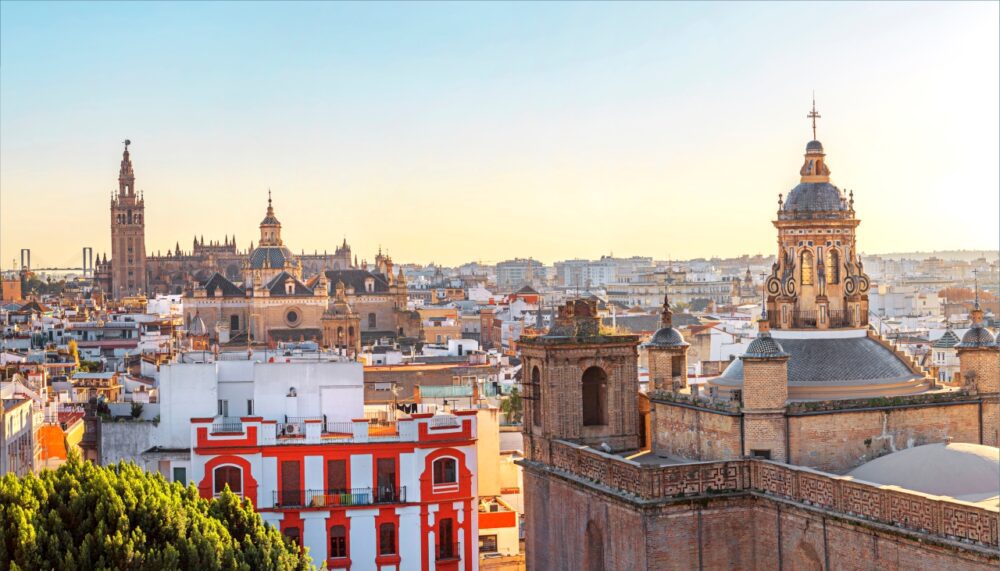
I visited Seville once, for four days in the middle of a longer Andalusia trip, and it’s stuck with me more than most cities I’ve only been to a single time. There’s a warmth to the place, both the climate and the general atmosphere, that’s hard to fully explain until you’re standing in one of its plazas at sunset with the smell of orange blossom in the air and someone practicing flamenco steps nearby.
Seville is the capital of Andalusia and, depending on who you ask, either Spain’s most underrated major city or one of its most obvious highlights. It doesn’t get quite the same global name recognition as Barcelona or Madrid, but anyone who’s actually been tends to talk about it with a specific kind of enthusiasm. Having now experienced it myself, I understand why. It has the historic weight of a former imperial capital, real Moorish architecture you can walk through rather than just look at, and a pace of life that feels distinctly different from Spain’s bigger, busier cities.
This post comes from that one trip: four days of walking, sweating (more on that later), eating far too much jamón, and trying to see as much as I reasonably could without rushing through it. I won’t claim the depth of a five-time visitor, but I’ll give you a straightforward, honest take on whether Seville is worth visiting, backed by what I actually experienced, along with the practical details for planning a trip in 2026.
Table of Contents
Pros – Reasons Seville is Worth Visiting
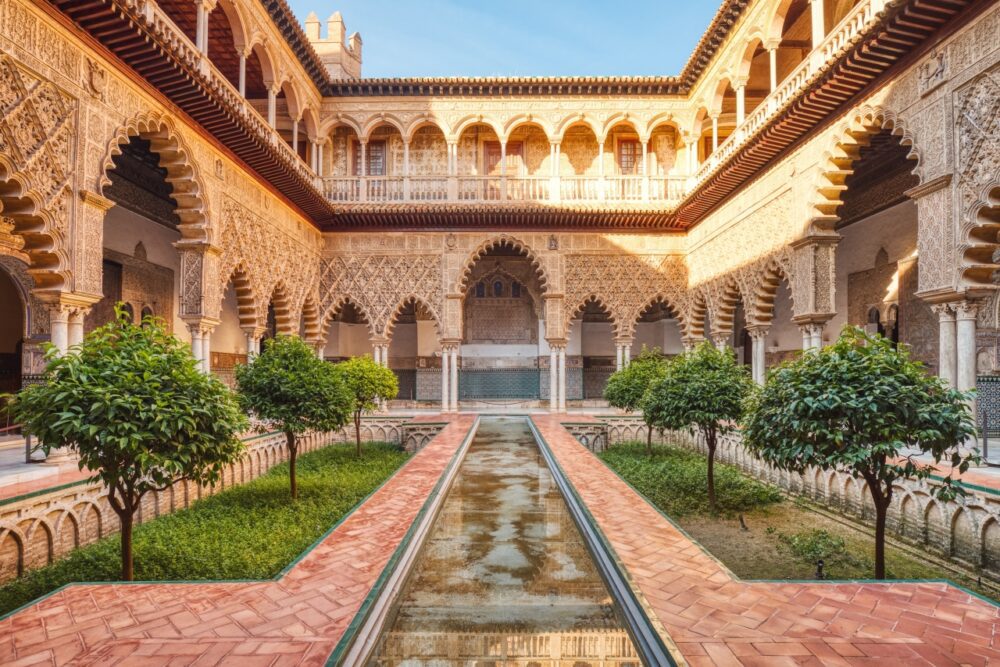
1. The Alcázar is one of the most beautiful buildings I’ve ever walked through
I’ve seen a fair number of palaces and historic buildings across Europe, and the Real Alcázar of Seville is genuinely near the top. It’s a working royal palace still used by the Spanish royal family today, built largely by Muslim architects for Christian kings, which gives it an unusual and stunning mix of Mudéjar, Gothic, and Renaissance styles all in one complex.
I spent close to three hours there and could have stayed longer. The gardens alone, sprawling, shaded, and full of fountains, are worth a visit on their own. If you’ve seen the show Game of Thrones, parts of it were filmed here, which adds a bit of extra recognition for some visitors, but honestly the building doesn’t need the association to justify a visit.
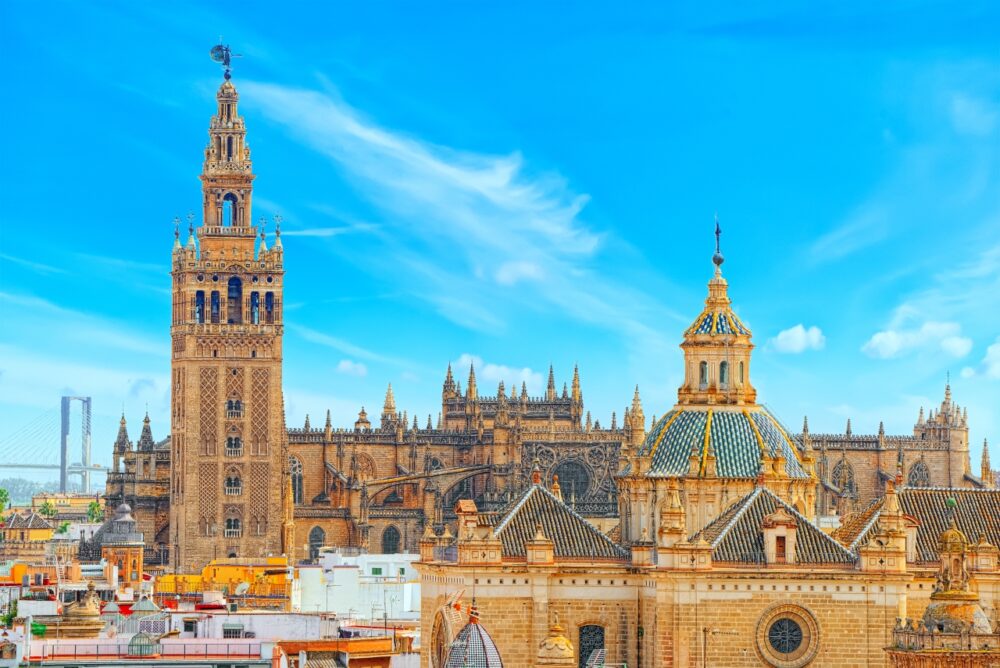
2. Seville Cathedral and La Giralda tower deliver real scale and history
Seville Cathedral is the largest Gothic cathedral in the world, and it’s also the resting place of Christopher Columbus, or at least what’s believed to be some of his remains. Climbing La Giralda, the bell tower, was one of the highlights of my trip, made easier by the fact that it’s a series of ramps rather than stairs, originally built so guards could ride horses to the top.
The view from up there, looking out over the terracotta rooftops of the old town, is one of the clearest ways to understand the scale of the city. I’d recommend going either early morning or a couple of hours before sunset, both for the light and to avoid the worst of the heat on the climb.
3. Flamenco here feels like the real thing, not a tourist show
Flamenco has roots in Andalusia, and Seville specifically, and you can feel that difference compared to more staged, tourist-oriented performances I’ve seen elsewhere in Spain. I went to a small, intimate venue in the Triana neighborhood, recommended by my hotel rather than found through a tourist board pamphlet, and the intensity of the performance was something else entirely.
If flamenco interests you at all, Seville is arguably the best place in the country to see it done properly. Skip the venues with laminated menus and tour bus parking right outside, and look instead for the smaller tablaos tucked into neighborhood streets.
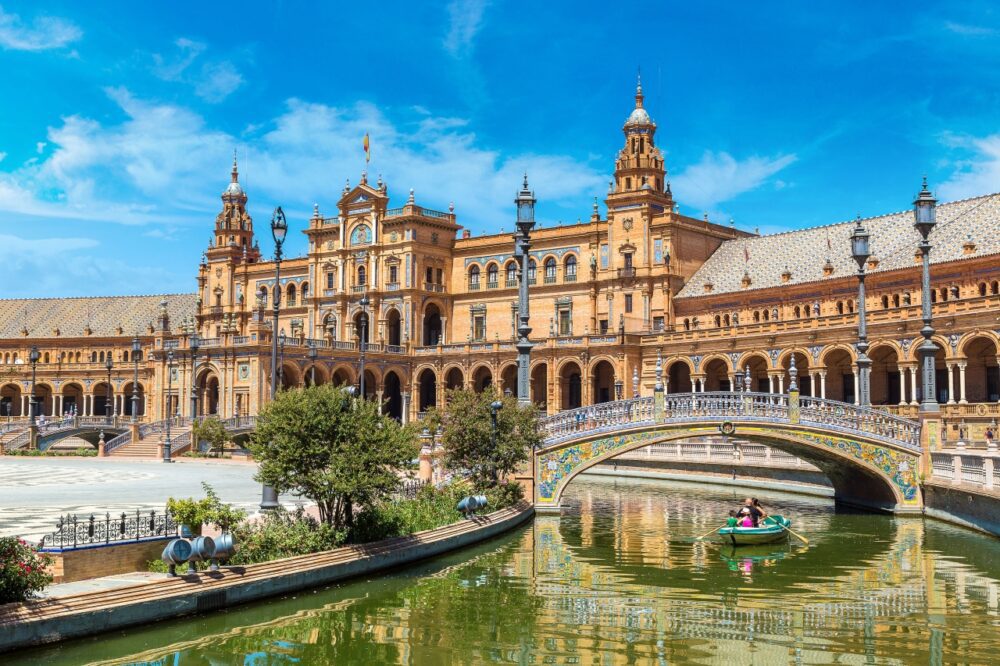
4. Plaza de España is a genuine architectural showpiece, not just a photo stop
I went in expecting a nice square and left genuinely impressed. Plaza de España is a massive semicircular building complex built for a 1929 exhibition, complete with a moat you can row a small boat across, ceramic tile alcoves representing each Spanish province, and bridges modeled after the four historic kingdoms of Spain.
I went both during the day and again after sunset, and honestly preferred the evening visit, when the crowds had thinned and the lighting made the tilework look even better. It’s free to visit, which makes it one of the best value stops in the entire city.
5. The old town is dense with history and genuinely walkable
Santa Cruz, the old Jewish quarter, is a maze of narrow whitewashed streets, small plazas, and orange trees, and it’s compact enough to explore almost entirely on foot. I spent a full afternoon wandering without any real plan and kept stumbling onto small churches, quiet courtyards, and tapas bars that weren’t in any guide I’d read beforehand.
Unlike some historic centers that feel overly polished or entirely given over to souvenir shops, Santa Cruz still has a lived-in feel, with laundry hanging from balconies and locals going about their day alongside the visitors.
6. Tapas culture here is as good as anywhere in Spain
Seville is often credited as one of the birthplaces of tapas culture, and eating my way through the city backed that up. The custom of moving from bar to bar, having a small plate and a drink at each, is alive and well here, and it’s a genuinely social, unhurried way to eat dinner.
My best meal of the whole trip was at a small, standing-room-only bar near the Cathedral that a local recommended, where I had grilled prawns and a glass of local sherry for less than I’d have paid for a starter in a sit-down restaurant back home. Prices here also felt noticeably lower than what I’d have expected in Barcelona or Madrid for a similar quality of food.
7. It has a distinct character that feels different from the rest of Spain
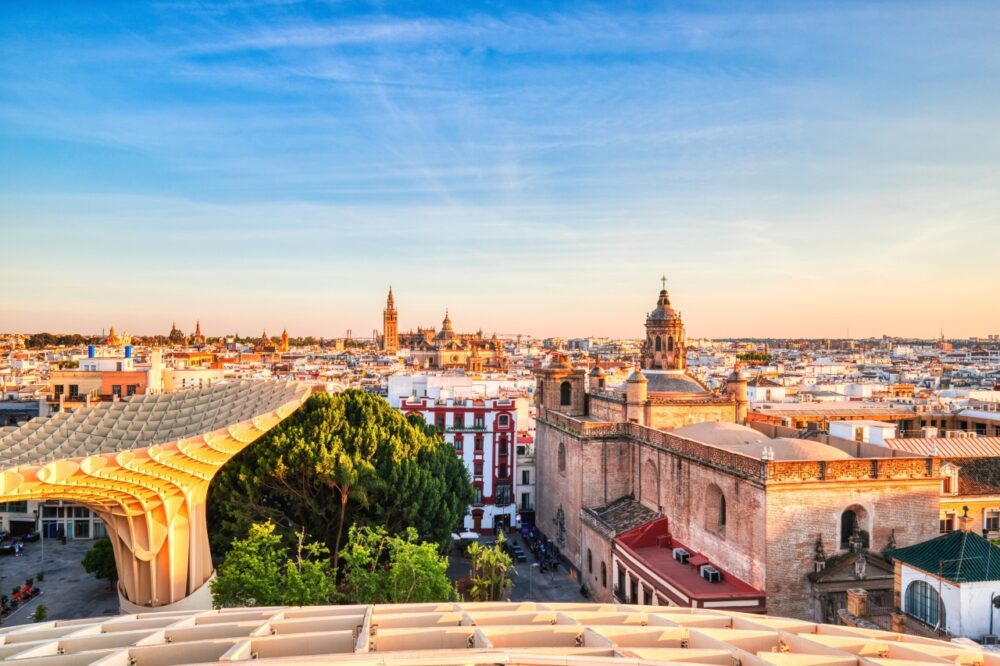
Andalusian culture has its own identity, shaped heavily by centuries of Moorish influence, and Seville wears that more visibly than the Spanish cities I’d visited before. The architecture, the food, the pace of life, and even the accent all feel distinct. It didn’t feel like a smaller version of Madrid or Barcelona; it felt like its own thing entirely.
For anyone trying to get a fuller picture of Spain rather than just its two most famous cities, this is one of the strongest reasons Seville is worth visiting in its own right.
Cons – Things to Consider Before Visiting Seville
1. The summer heat is genuinely extreme, not just uncomfortable
I need to be blunt about this because it shaped a huge part of my trip. Seville regularly hits temperatures in the low-to-mid 40s Celsius (over 100°F) during peak summer, and it’s some of the most intense heat I’ve experienced in any city I’ve traveled to. I wasn’t there in the absolute peak of summer, and it was still enough to force me indoors during the early afternoon most days.
Locals deal with this by shifting their schedules entirely, with long midday breaks and life picking back up in the evening. If you’re visiting between June and August, plan around the heat rather than fighting it, and consider whether spring or autumn might suit you better.
2. It’s smaller than Madrid or Barcelona, and that limits longer stays
Four days was close to the right amount of time for me, and I could see the city feeling thin if you tried to stretch a visit much beyond five or six days without adding day trips. Seville doesn’t have the sheer volume of neighborhoods, museums, and sights that Spain’s two biggest cities offer.
The fix, which I didn’t have time for myself, is pairing a Seville stay with day trips to nearby towns like Córdoba or Ronda, both reachable by train or bus in under two hours. On its own, Seville suits a focused three-to-five day trip better than an extended one.
3. Some major sights require booking well ahead, or you’ll miss them
I made the mistake of not booking Alcázar tickets far enough in advance, and ended up having to adjust my schedule around the only available slot, which happened to be during the hottest part of the day. Both the Alcázar and Cathedral can sell out, especially in peak season, and walk-up queues can eat hours out of a short trip.
If you’re working with a tight itinerary, book your major sights as soon as your dates are confirmed. This is a small planning detail, but it made a real difference to how the rest of my trip flowed.
Things to Do in Seville
- Tour the Real Alcázar – Book well in advance. Budget at least two to three hours, and don’t rush the gardens.
- Climb La Giralda at Seville Cathedral – Go early morning or late afternoon for the best light and manageable heat on the climb.
- See a flamenco show in Triana – Skip the large tourist venues and look for a smaller, neighborhood tablao for a more genuine performance.
- Visit Plaza de España, ideally twice – Once during the day for the tilework detail, once at sunset when it’s quieter and better lit.
- Wander the Santa Cruz quarter – Best explored without a fixed plan; some of my favorite finds were completely unplanned detours.
- Do a proper tapas crawl – Pick a neighborhood like Santa Cruz or Triana and move between three or four small bars rather than one sit-down restaurant.
- Cross into Triana across the river – A less touristy neighborhood known for ceramics, flamenco roots, and a strong local food scene.
- Visit the Metropol Parasol – A modern wooden structure in the old town with rooftop walkways and good city views, a nice contrast to the historic sights.
- Take a horse-drawn carriage or river cruise – A touristy option, but a genuinely relaxing way to see the city from a different angle after a lot of walking.
- Day trip to Córdoba – Home to the Mezquita, a stunning former mosque-cathedral, reachable by fast train in under an hour if you have an extra day.
Where to Stay in Seville
- Santa Cruz – The most atmospheric and central option, walkable to the Cathedral and Alcázar, though it can get busy and slightly pricier.
- Triana – Across the river, more local, known for ceramics and flamenco culture, and a good pick if you want a quieter evening base.
- Alameda de Hércules – A trendier, more local neighborhood with a strong bar and café scene, popular with younger travelers.
- El Arenal – Close to the river and bullring, well-connected and central without being quite as busy as Santa Cruz.
- Nervión – More modern and residential, further from the historic core but generally better value for money.
Getting Around Seville
Seville’s old town is compact and largely flat, which makes walking the best way to see the majority of the major sights. On my trip, I covered most of the city on foot and only used other transport a handful of times, mainly to cross the river or get back to my hotel after a long day in the heat.
The city has a single metro line and a tram running through parts of the center, both useful for specific routes but not as extensive as what you’d find in Madrid or Barcelona, simply because Seville doesn’t need as large a network. Buses fill in most of the remaining gaps and are cheap and reasonably frequent.
What genuinely stood out to me was Seville’s bike infrastructure. The city has an extensive network of dedicated bike lanes, largely separated from car traffic, and a public bike-share system called Sevici. I rented a bike for one afternoon and it was, without question, the most enjoyable way I found to get around, particularly along the river. The heat makes biking less appealing in the middle of the day during summer, but in the morning or evening it’s an excellent option. Taxis and ride-hailing apps are affordable and easy to use as a backup, especially late at night or after a long day of walking in the heat.
Conclusion
So, is Seville worth visiting in 2026? Based on my one trip there, my answer is a clear yes, and it’s a city I’d genuinely like to return to for longer. The Alcázar, the Cathedral, the flamenco, and the sheer density of history packed into a walkable old town make it one of the more rewarding short trips I’ve taken in Spain, and the food and prices held up better than I expected compared to Madrid or Barcelona.
The cons are real, but manageable with a bit of planning. The heat demands respect, especially in summer, the city suits a shorter trip better than an extended one, and the major sights need to be booked ahead rather than left to chance. None of that changed my overall impression. If you’re deciding between Spain’s bigger, more famous cities and a place like Seville, I’d say don’t underestimate it. Give it three to five days, plan around the heat, and I think you’ll come away, like I did, glad it wasn’t left off the itinerary.
Related Posts
- Is Barcelona Worth Visiting? Pros, Cons and Travel Tips (2026)
- Is Ibiza Worth Visiting? Pros, Cons and Travel Tips (2026)
- Is Madrid Worth Visiting? Pros, Cons and Travel Tips (2026)
- Is Mallorca Worth Visiting? Pros, Cons and Travel Tips (2026)
- Is Seville Worth Visiting? Pros, Cons and Travel Tips (2026)
- Is Valencia Worth Visiting? Pros, Cons and Travel Tips (2026)