
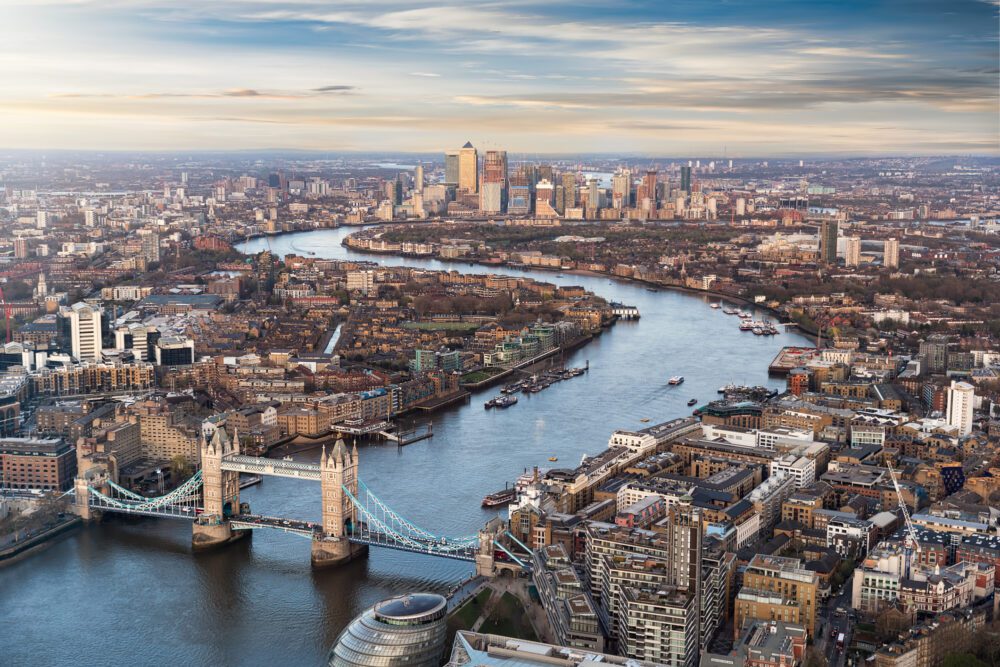
I’ve lived in London for eight years now, and people still ask me the same question before they book a trip: is London worth visiting, or is it just an overpriced, overcrowded city that photographs better than it feels? It’s a fair question. London gets a lot of hype, and hype usually comes with a catch.
Here’s my honest take. I’ve walked most of this city on foot, queued for buses in the rain, gotten lost on the Underground more times than I’d like to admit, and paid far too much for a pint in Covent Garden. I’ve also had quiet mornings by the canal in Hackney and evenings on the river that made all the hassle worth it. So when I say London is worth visiting, I’m not repeating a tourist board slogan. I’m speaking from years of actually living here.
This guide breaks down the real pros and cons, based on lived experience rather than a highlight reel. By the end, you’ll have a clear answer to whether London is worth visiting for your specific trip, plus practical tips on what to do, where to stay, and how to get around without wasting half your holiday standing at the wrong bus stop.
Table of Contents
Pros – Reasons London is Worth Visiting
1. World-Class Museums That Are Actually Free
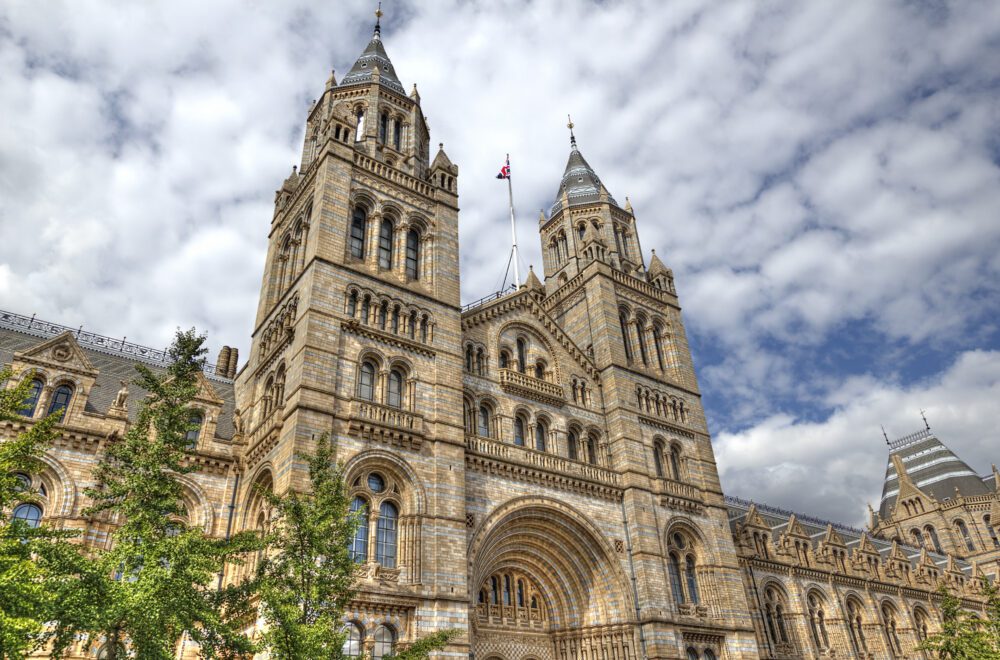
Most of London’s major museums don’t charge an entry fee. The British Museum, the Natural History Museum, the Science Museum, and the Tate Modern all let you walk in without paying a penny. I’ve spent entire rainy Sundays in the Natural History Museum and never felt like I was wasting money, because I wasn’t.
This matters more than people realise when they’re planning a budget. A family of four visiting Paris or New York can easily spend hundreds on museum tickets alone. In London, you can fill five or six days with world-class exhibitions and only pay for special temporary shows. It’s one of the clearest reasons London is worth visiting if you care about culture but not about draining your travel fund.
2. History You Can Actually Touch
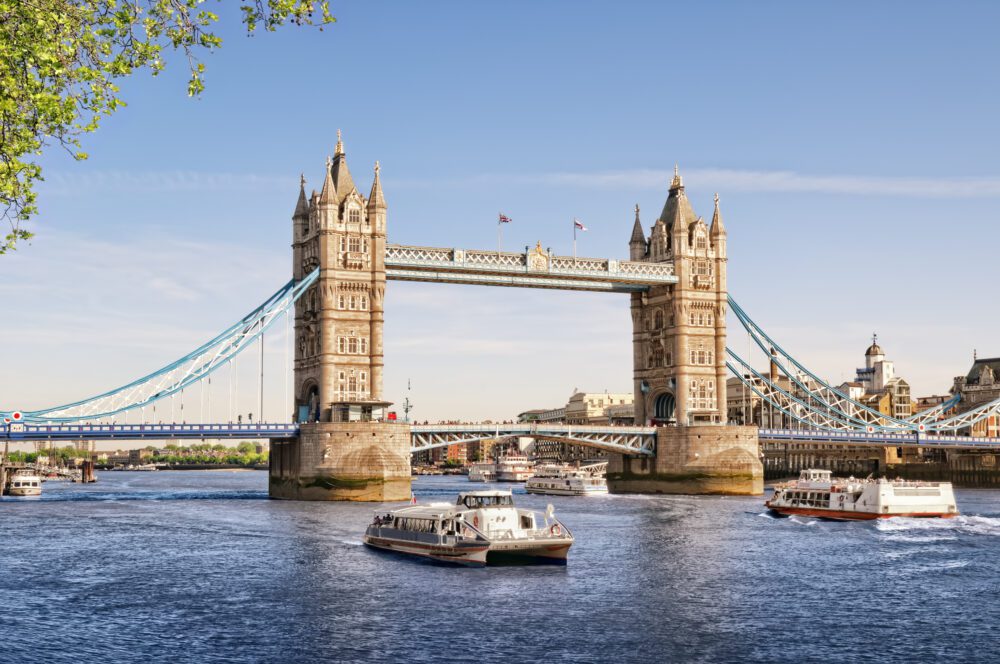
London isn’t a city that puts its history behind glass. You can walk across Tower Bridge, stand inside a Roman wall fragment near the Barbican, or sit in a pub that’s been serving drinks since the 1600s. I still get a small thrill walking past the Tower of London on my way to meet friends, because I know what happened inside those walls centuries ago.
This layering of history is hard to find elsewhere. Rome has ancient ruins, but London has ancient ruins sitting next to Victorian architecture sitting next to glass skyscrapers, often on the same street. You don’t need a history degree to appreciate it. You just need to look up occasionally instead of staring at your phone.
3. The Best Public Transport Network in the UK
Whatever complaints Londoners have about delays or price rises, the Underground, buses, and Overground network still connect almost every corner of the city. I don’t own a car and haven’t needed one in eight years. You can get from Zone 1 to most tourist spots within 30 to 45 minutes.
For visitors, this means you’re not wasting your trip in taxis or rental cars. A single contactless card gets you on the Tube, buses, and most trains. Compare that to cities where public transport is patchy or unreliable, and you start to see why London consistently ranks well for ease of getting around, even with its flaws.
4. Food From Every Corner of the World
I’ve eaten better Vietnamese food in Shoreditch than I did in some parts of Southeast Asia. London’s food scene reflects its population, and that population comes from almost every country on earth. Borough Market alone has taught me more about global cuisine than years of reading about it ever did.
You can eat a different country’s cuisine every night for a month and still not run out of new places to try. This isn’t marketing spin. It’s a direct result of London being one of the most diverse cities on the planet, and it’s a genuine reason why London is worth visiting if food is a priority on your trip.
5. Green Spaces in the Middle of the City
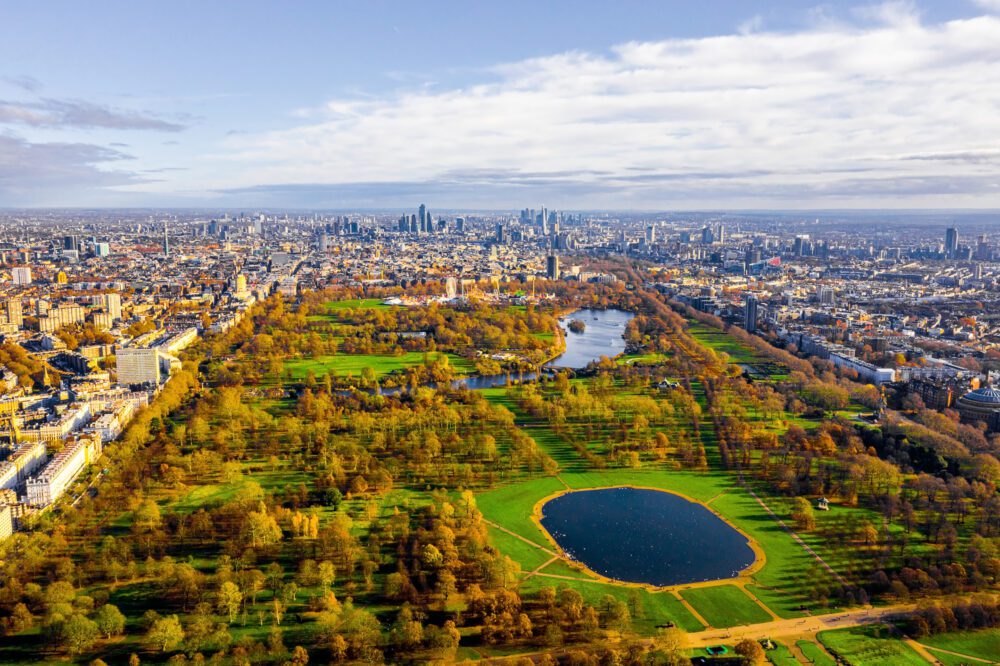
People picture London as grey and concrete, but it has more green space than most capital cities. Hyde Park, Regent’s Park, and Hampstead Heath give you real breathing room. I go for a run in Victoria Park most weekends, and it never feels like I’m still in a city of nine million people.
These parks aren’t just for locals. Regent’s Park has one of the best rose gardens I’ve seen, and Hampstead Heath gives you a genuine view over the entire skyline without paying for an observation deck. If you need a break from the noise, London gives you somewhere to escape without leaving the city limits.
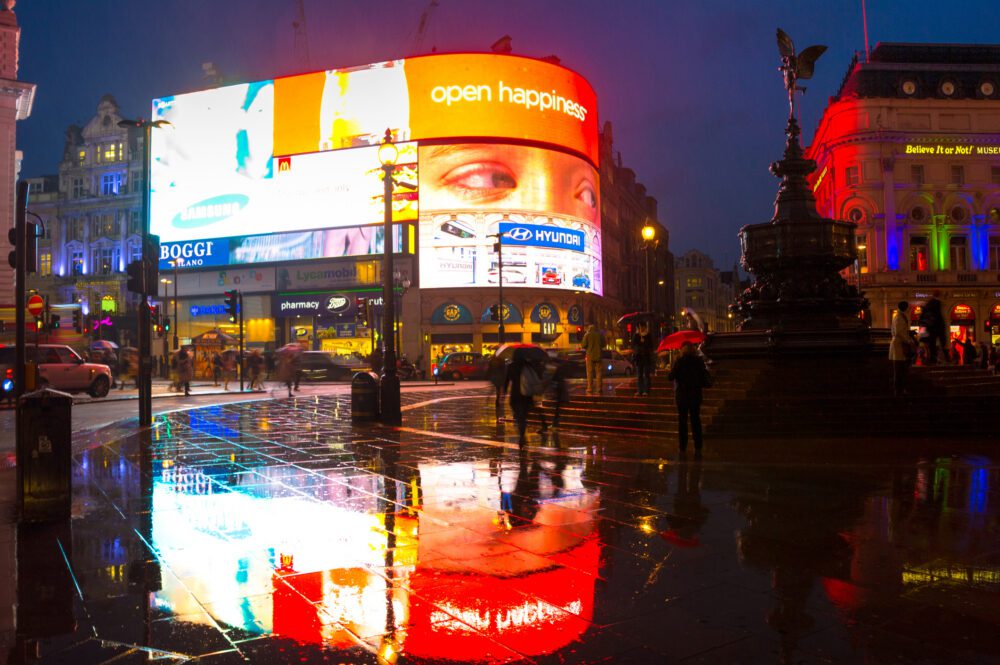
6. Theatre and Live Entertainment for Every Budget
The West End gets the attention, and it deserves some of it, but London’s theatre scene runs much deeper. I’ve seen brilliant, low-cost productions in small venues in Camden and Islington that rivalled anything on a big stage. Same-day tickets and lottery seats make even the famous shows accessible if you know where to look.
This isn’t unique to theatre either. Live music, comedy nights, and spoken word events happen across the city most nights of the week. You don’t need a big budget to have a proper cultural night out, which again answers the question of whether London is worth visiting for people worried about cost.
7. It’s a Genuine Gateway to the Rest of Europe and the UK
Living here, I’ve used London as a base to reach Paris in under three hours by train, or the Cotswolds in under two hours by car. Heathrow, Gatwick, and the other airports connect to almost anywhere, and St Pancras puts the Eurostar right in the city centre.
For visitors on a longer trip, this means London doesn’t have to be the whole holiday. It can be the start of it. I’ve had friends visit for a week and split it between London and a quick side trip to Bath or Edinburgh, and it works logistically better than almost any other UK city.
Cons – Things to Consider Before Visiting London
1. It’s Genuinely Expensive
I won’t sugarcoat this one. Rent, food, and transport in London cost more than most of the UK, and that extends to visitors too. A basic meal out, a pint, or a hotel room in a central location will cost noticeably more than in Manchester or Birmingham, let alone smaller European capitals.
If you’re on a tight budget, this is the biggest factor to plan around. I’ve learned to eat lunch at markets instead of sit-down restaurants and to use my Oyster card wisely to keep transport costs down. It’s manageable, but you need to budget properly rather than assume London prices will match what you’re used to elsewhere.
2. The Weather Can Ruin Outdoor Plans
London’s weather is unpredictable most of the year, and grey skies are more common than sunshine. I’ve had picnics in Greenwich Park rained out with no warning, even in what was supposed to be a sunny forecast. If your whole itinerary depends on clear skies, you’re setting yourself up for disappointment.
My advice after years here is to always have an indoor backup plan. Museums, markets, and covered attractions like Borough Market or the Southbank Centre save a trip when the weather turns. Pack a proper waterproof jacket rather than relying on an umbrella, because London wind will destroy most umbrellas within a week.
3. Tourist Areas Get Genuinely Crowded
Central London, particularly around Oxford Street, Camden, and the main attractions, gets crowded almost every day of the year, not just during peak season. I avoid Oxford Street on weekends entirely because the pavements simply can’t handle the foot traffic.
If crowds stress you out, this is worth planning around. Visiting popular sites early in the morning, or exploring less central neighbourhoods like Greenwich, Peckham, or Walthamstow, gives you a calmer version of the city. London rewards people who venture slightly off the obvious tourist path.
Things to Do in London
- Walk across Tower Bridge and visit the Tower of London – the history here spans nearly a thousand years, and seeing the Crown Jewels in person is worth the entry fee.
- Explore Borough Market – one of the best food markets in Europe, and a good way to sample multiple cuisines in one visit without booking a restaurant.
- Spend an afternoon in the British Museum – free entry and one of the most significant collections of world history anywhere.
- Ride the London Eye at sunset – touristy, yes, but the skyline views are genuinely worth it if you time it right.
- Wander through Camden Market – a mix of food stalls, independent fashion, and a bit of grit that gives you a different side of London.
- Catch a West End show or same-day lottery ticket – theatre here is world-class, and lottery tickets make it affordable.
- Walk along the Southbank from Westminster to Tower Bridge – street performers, book stalls, and river views make this one of the best free walks in the city.
- Visit Greenwich for the Royal Observatory and Cutty Sark – standing on the Prime Meridian line is a small but memorable moment.
- Explore Notting Hill and Portobello Road Market – colourful houses and a relaxed market atmosphere away from the busiest tourist zones.
- Spend a morning in Hampstead Heath – the view over the city from Parliament Hill rivals any paid viewpoint in London.
Where to Stay in London
- South Kensington – close to the major museums and a quieter, more residential feel while still being central.
- Covent Garden – ideal if you want to be near theatres, restaurants, and shopping, though expect higher prices and crowds.
- Shoreditch – the best choice for food, nightlife, and a younger, more creative atmosphere, with good transport links into the centre.
- Greenwich – a good option if you want a calmer base with easy river transport into central London and lower average prices.
- Marylebone – a smart, walkable area near Regent’s Park with a good mix of restaurants and easy access to the West End.
Getting Around London
The London Underground is the fastest way to cover long distances across the city, and most visitors will rely on it daily. It’s not glamorous, and it does get delayed, but it runs frequently and covers almost every area you’d want to visit. Buses are slower but let you actually see the city as you move, which I still prefer for shorter journeys through central areas.
For anyone visiting for more than a few days, walking is genuinely underrated. Central London is more compact than people expect, and many major attractions sit within a 20-minute walk of each other. I’d also recommend the Santander bike hire scheme for confident cyclists, since it’s cheap and avoids Tube congestion entirely, though London traffic isn’t for nervous riders. Whichever combination you use, get a contactless card or Oyster card on day one. It will save you time and money over buying individual tickets.
Conclusion
So, is London worth visiting? Based on eight years of living here, my answer is yes, with a clear understanding of what you’re signing up for. The history, the free museums, the food scene, and the ease of getting around make it one of the most rewarding cities in Europe to explore properly, not just tick off a list.
The cons are real, though. The cost adds up fast, the weather won’t always cooperate, and the main tourist areas get crowded enough to test anyone’s patience. None of that cancels out what the city offers, but it does mean you need to plan with your eyes open rather than expecting a postcard experience the whole trip.
If you go in with a realistic budget, a backup plan for bad weather, and a willingness to explore beyond Oxford Street and Camden, London delivers far more than it costs you in hassle. That’s the honest verdict after eight years of calling this city home.