Is Berlin Worth Visiting? Honest Pros and Cons (2026)

Berlin is the only city I know where a stretch of concrete wall has become one of the best open-air art galleries in Europe. I saw it on my first morning, and the rest of the trip kept up. I spent three days there one summer, and I filled them with museums, memorials, street food and long evenings by the river.
Berlin is the capital of Germany, and it’s a city that has been rebuilt, divided and reunited within living memory. That history shapes everything. You’ll find grand landmarks, powerful memorials, world-class museums and a creative scene that still feels a little rough around the edges. Berlin is worth visiting if you love history, art and nightlife, and you don’t need every street to look polished.
This guide covers the pros and cons of Berlin, where to stay, and what to book. You’ll also find tips on when to go, how long you need, and getting around, so you can decide whether it suits your kind of trip.
In a Rush? Here Are Our Favourite Hotels in Berlin Germany
⭐️⭐️⭐️ Eurostars Berlin – Click here for rates & availability
⭐️⭐️ InterContinental Berlin – Click here for rates & availability
⭐️ The Posthouse Berlin Potsdamer Platz – Click here for rates & availability
Pros of Visiting Berlin
1. Brandenburg Gate and Unter den Linden
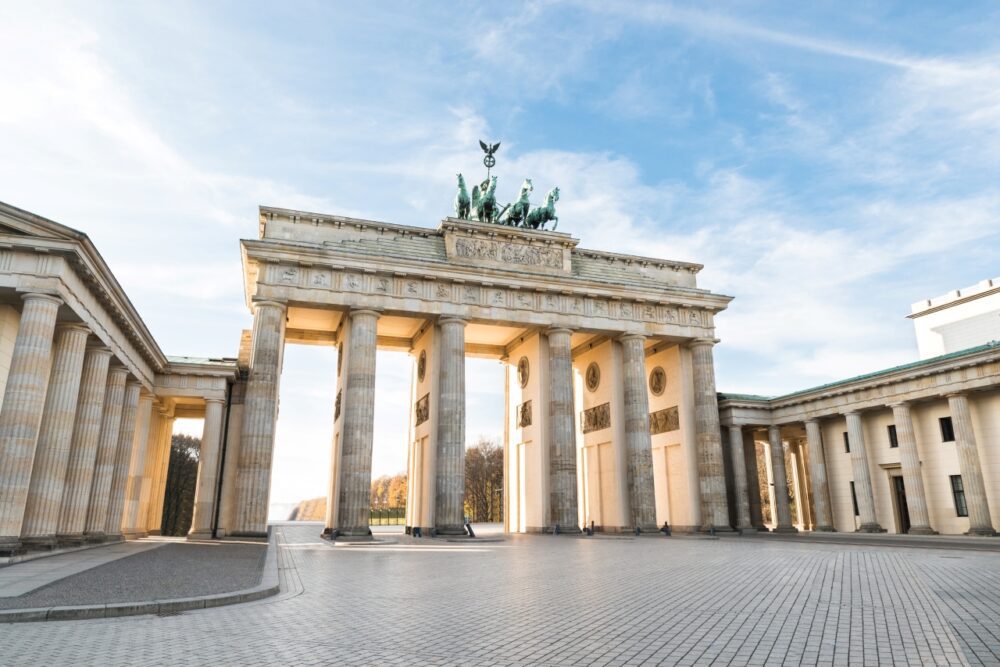
The Brandenburg Gate is the symbol of Berlin, and it’s even better in person. It was built between 1788 and 1791 and stands 26 metres high on Pariser Platz. The Quadriga statue on top is a chariot pulled by four horses. Napoleon’s army took it to Paris in 1806, and it came back in 1814. I walked past it at different times of day, and it looks best in the evening, when it’s lit up.
From the gate, the grand boulevard of Unter den Linden runs east towards Museum Island. Along the way, you’ll pass Bebelplatz, the opera house and Humboldt University. A walking tour of the main sights connects the gate with Checkpoint Charlie, Museum Island and Bebelplatz, and it explains the history behind each stop. If you want to go alone, the Tiergarten park starts right behind the gate, and it’s a beautiful place for a break.
2. The Reichstag Dome
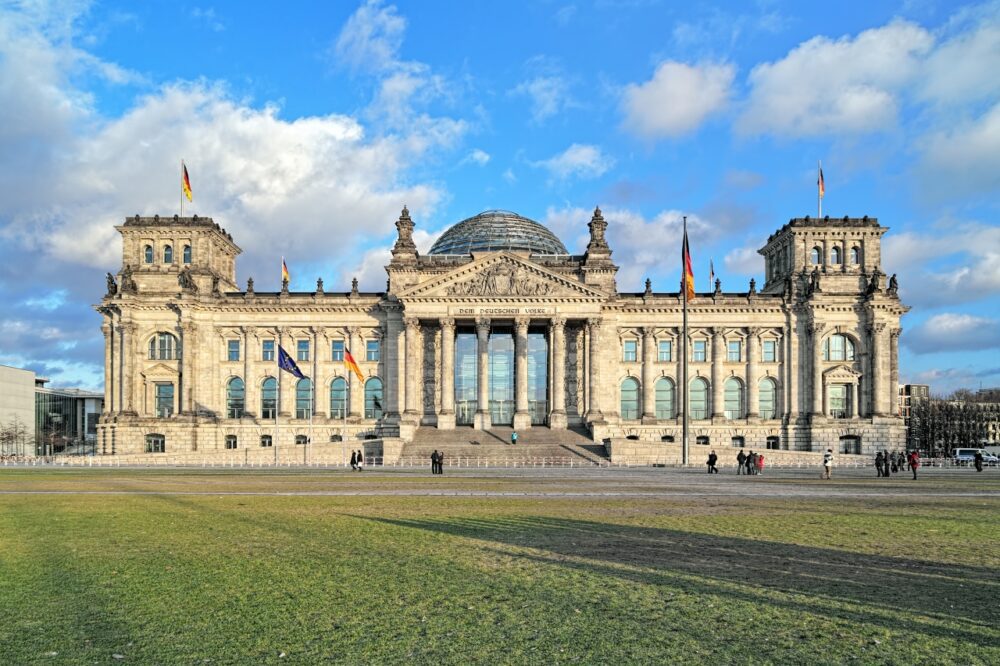
The Reichstag is the home of the German parliament, and the glass dome on its roof is one of the best free views in Berlin. Norman Foster designed the dome, and a spiral ramp winds up inside it. As you climb, you look out over the Brandenburg Gate, the Tiergarten and the government district. Visits to the Reichstag dome are free, but you must register in advance. Bring a photo ID, because staff check it at the entrance!
Book a slot as early as you can, because the best times fill up. I’d also suggest a guided option if you want the story behind the building. The Reichstag and government district tour lasts about 2.5 hours. It runs in German and English, and the booking includes your registration for the rooftop visit. The dome closes on a few days each year, but the roof terrace usually stays open.
3. The Berlin Wall and East Side Gallery
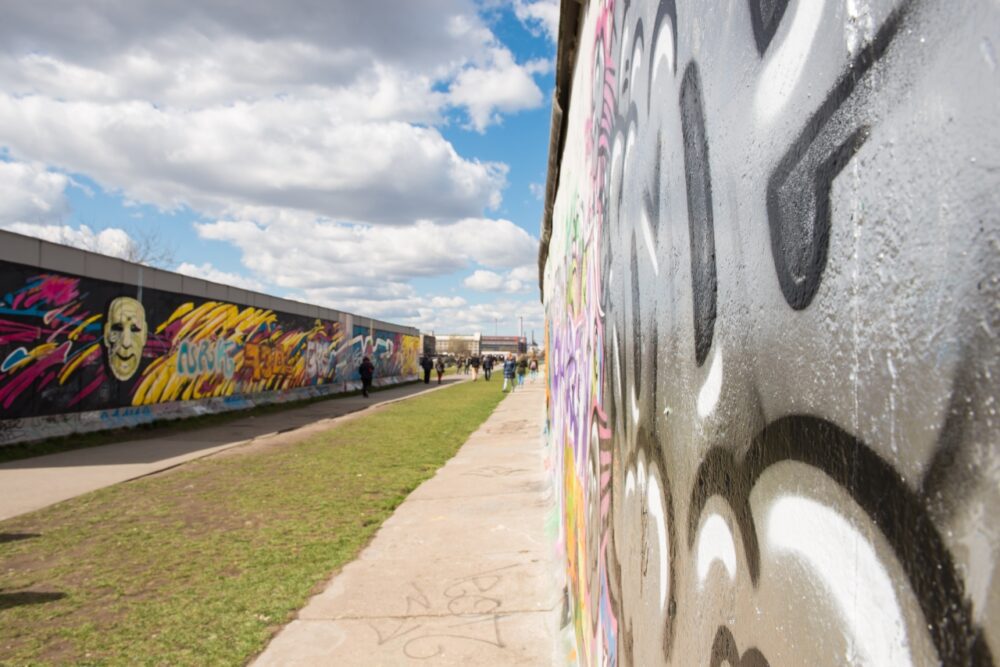
The Berlin Wall divided the city for 28 years, and you can still trace it today. The East Side Gallery is the longest surviving section. It runs for about 1.3 km along the Spree, and more than 100 murals cover it. The most famous mural, the Fraternal Kiss, shows two leaders locking lips. The murals were restored in 2009, so the colours still look sharp. It’s free to walk, and it’s busiest by late morning, so go early.
For the full story, visit the Berlin Wall Memorial on Bernauer Straße. Entry is free, and the memorial includes an indoor exhibition, an outdoor exhibition and a preserved stretch of the border strip. A Berlin Wall and East Side Gallery walking tour covers the gallery, the Oberbaumbrücke and Kreuzberg in two hours. It starts at a bakery near the gallery, and I’d book it for the context alone.
4. Museum Island
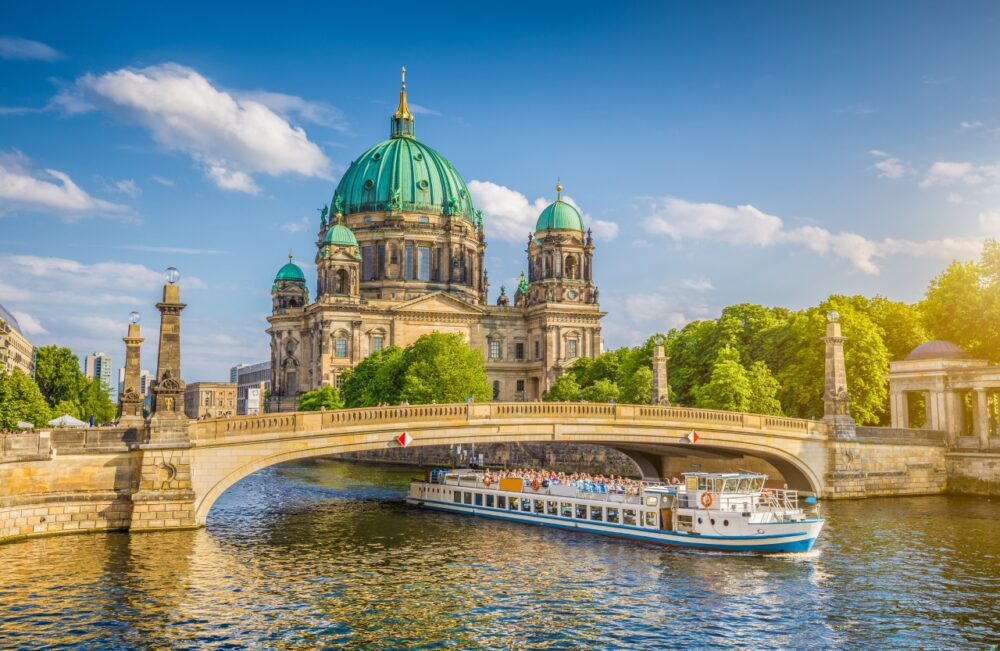
Museum Island sits in the middle of the Spree and is a UNESCO World Heritage Site. Five museums share it, and each has a different focus. The Neues Museum holds the famous bust of Nefertiti, the Altes Museum shows Greek and Roman art, and the Bode Museum has medieval and Renaissance sculpture. The Alte Nationalgalerie covers 19th-century painting. You can’t see everything in one visit, so choose two.
The Pergamon Museum is closed for renovation and reopens on 4 June 2027, so plan around that. In the meantime, the Museum Island ticket is the easiest option. It’s valid for one day across the island’s museums, with fast-track entry at several of them. The Neues Museum is open daily from 10 am to 6 pm, with late opening until 8 pm on Thursdays. Check each museum’s opening days before you pick your day. I’d start with the Neues Museum, since the Nefertiti bust is the highlight.
5. Holocaust Memorial and History Sites
Berlin doesn’t hide its past, and the memorials are some of the most moving places I’ve visited. The Memorial to the Murdered Jews of Europe has 2,711 concrete stelae of different heights, and you walk between them on uneven ground. It’s open 24 hours a day and free. The underground information centre is open Tuesday to Sunday from 10 am to 6 pm, and everyone passes through a security gate. Allow about an hour to walk through the field and visit the centre!
Close by, the Topography of Terror is an exhibition on the site of the former Gestapo headquarters, and entry is free. For a deeper visit, the Sachsenhausen memorial tour takes you by train to Oranienburg, followed by a guided tour of the camp. The whole trip takes 5.5 to 6 hours. It’s a heavy day, so leave your evening free. Keep your voice low at every site, because these are places of remembrance.
6. Street Art and Creative Culture
Berlin is a city of murals. Whole building sides are covered in paintings, and every neighbourhood has its own style. Kreuzberg and Friedrichshain have the biggest pieces, and the courtyards of Mitte hide smaller ones. I spent a good hour just wandering and looking up. The art scene goes beyond walls too (with small galleries) record shops and vintage stores on almost every street. The old RAW railway works in Friedrichshain is full of murals, bars and climbing walls.
If you want the stories behind the paintings, a street art walking tour is a great option. The three-hour tour covers murals in both East and West Berlin, and a local guide explains the artists and the messages. You meet in front of a burger restaurant near the start. On Sundays, Mauerpark hosts a flea market and a famous open-air karaoke, which is a fun way to end the weekend.
7. Nightlife and Live Music
Berlin has one of the best nightlife scenes in the world. Techno clubs, jazz bars, rooftop terraces and tiny pubs all sit side by side, and many places stay open very late. Clubs often run from Friday night until Monday morning. Berghain is the most famous club, in a former power station near Ostbahnhof. The door policy is strict and unpredictable, so don’t make it your only plan. Locals rarely head out before 10 pm, so don’t be surprised if things only get busy late.
I kept things simple. I spent one long evening in a bar near Boxhagener Platz in Friedrichshain, and it was a great way to meet the neighbourhood. A half-litre of beer in a bar usually costs €4 to €6, which is good value for a capital. If clubbing isn’t for you, many places host live music, from small jazz cellars to open-air concerts in the parks.
8. Currywurst, Kebabs and Street Food
Berlin is a street food city. Currywurst is the local classic, a sliced sausage covered in curry ketchup and served with chips. It usually costs €4 to €6. The doner kebab was popular here long before it spread across Europe, and a good one costs about €6 to €8. Add a Berliner doughnut from a bakery, and you’ve covered the basics. Berlin also has excellent Vietnamese and Turkish restaurants, so you can eat well on a small budget!
For something more relaxed, head to Markthalle Neun in Kreuzberg. The market hall is open Monday to Saturday, and Street Food Thursday runs from 5 pm to 10 pm. If you want a guide, the Berlin food tour lasts about three hours. It covers doner kebab, pastry, currywurst, beer garden food and a surprise dish, and it winds through courtyards and street art in the city centre.
9. Spree Cruises and the TV Tower
The Spree winds through the heart of Berlin, and a boat is a relaxed way to see it. The one-hour Spree cruise leaves every 30 minutes from the landing stage in front of the DDR Museum. A live guide speaks English and German as you pass the Nikolaiviertel, Museum Island, the Reichstag, the Tiergarten and Berlin Cathedral. I’d pick a sunny afternoon, and sit on the open deck for the best views.
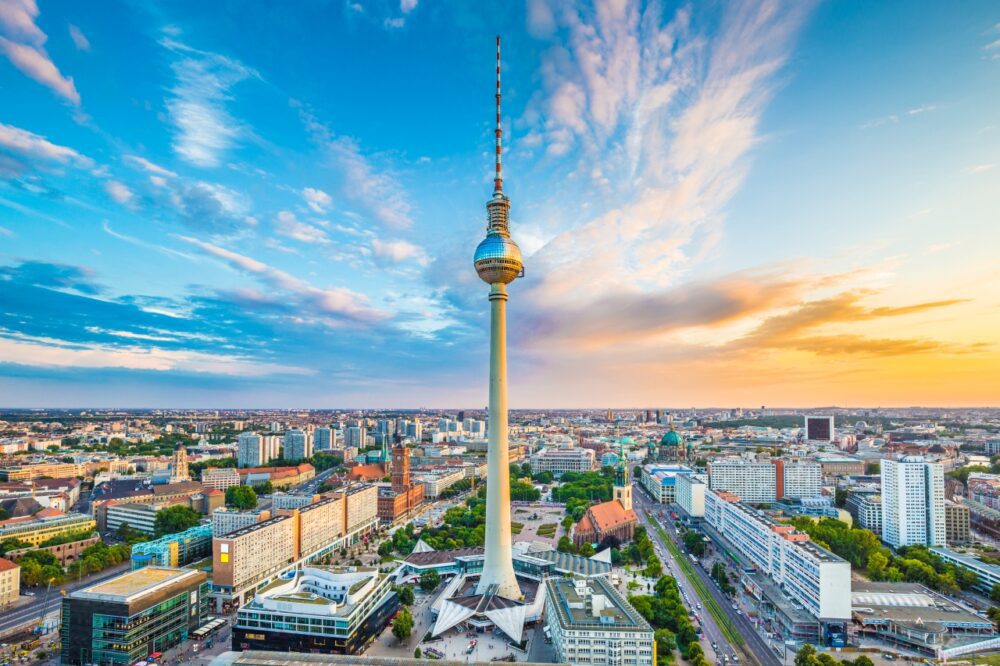
For the best view of the city, go up the Berlin TV Tower at Alexanderplatz. It stands 368 metres tall and has been a landmark of East Berlin since 1969. The observation deck is open daily from 9 am to 11 pm, and standard tickets start at €20. If you want a table with a view, the TV Tower Sphere restaurant ticket gives you fast-track entry and a seat in the revolving restaurant at 207 metres.
10. Day Trips to Potsdam and Sanssouci
Potsdam is the easiest escape from Berlin, and it’s a good reason to add a day. The city is full of palaces and parks, and the highlight is Sanssouci Palace, the summer retreat of Frederick the Great. The name means “without a care” in French. It’s open Tuesday to Sunday and closed on Mondays. Entry uses fixed time slots, so book ahead. A single ticket costs €14, and Berlin’s public transport reaches Potsdam in under an hour.
If you want a guide, the Potsdam and Sanssouci Palace tour is a half-day trip with entry included. The Berlin WelcomeCard also covers public transport to Potsdam, which is handy if you want to go alone. The park around the palace is huge, so allow at least half a day to see the terraces, the Chinese House and the New Palace. Sachsenhausen is another popular day trip, and Dresden, Leipzig and Hamburg are all reachable by train.
Cons of Visiting Berlin
1. Gritty Streets and Rough Edges
Berlin isn’t pretty in the way Vienna or Prague is. Many streets are covered in graffiti, and you’ll see litter, dull concrete blocks and grubby train stations. Alexanderplatz and the area around Kottbusser Tor can feel rough, especially after dark. If you expect cobbled lanes and old-world squares, parts of Berlin will disappoint you!
The grit is part of the character, though, and you can avoid the worst of it. Stay in a leafy area such as Prenzlauer Berg or Charlottenburg if you want calm. Skip Görlitzer Park at night, and keep your phone away from the platform edge on busy stations. Most of the best sights sit in clean, central areas. Once you see Berlin as a creative, working city, the rough edges become part of the charm, and it’s still worth it.
2. Sprawling Layout
Berlin is huge, and its sights don’t sit in one tidy cluster. Charlottenburg Palace is in the west, the East Side Gallery is in the east, and Sachsenhausen and Potsdam are outside the city. A quick plan on a map can look easy, but the distances add up. On my trip, I underestimated how much time I’d spend on trains.
The answer is to group your days by area. Spend one day around Mitte and Museum Island, another in Kreuzberg and Friedrichshain, and a third on a day trip. The U-Bahn and S-Bahn make the journeys simple. If you plan to ride a lot, the Berlin WelcomeCard includes public transport in zones A, B and C and discounts at partner attractions. A little planning keeps Berlin well worth it.
3. Cash and Sunday Closures
Germany still loves cash. Many bars, small cafés, market stalls and even some restaurants only take cash, and a card machine isn’t guaranteed. On Sundays, most shops and supermarkets close, and even Markthalle Neun is shut. It surprised me, because most other capitals feel more flexible.
Carry €50 to €100 in cash, and use bank ATMs rather than standalone machines in tourist areas. Stock up on food and water on Saturday. Many Berliners rely on the corner shops called Spätis, which stay open late and often on Sundays. Museums, flea markets, cafés and most restaurants also open on Sundays, so you won’t be stuck. Hotels, big stores and museums usually take cards without any problem. A bit of planning solves it, and Berlin is still worth it.
4. Pickpockets and Scams
Pickpockets work the busy places, such as Alexanderplatz, the Brandenburg Gate, Museum Island and crowded S-Bahn carriages. Watch for street games with moving cups or cards, which are set up to take your money, and for people with clipboards who ask for a signature and then a donation. Thieves often work in pairs, with one person distracting you while the other takes your bag. A stolen phone is the biggest risk!
Keep your valuables in a zipped bag, and never leave your phone on a café table. Say a firm “no, thank you” to petitions and street games, and keep walking. I never had a problem, and most of Berlin feels relaxed and safe, even late at night. With basic care, this shouldn’t put you off, and Berlin is still worth visiting.
5. Cold, Grey Winters
Berlin winters are long and grey. Temperatures often hover around freezing, the wind is sharp, and the sun sets before 4 pm in late December. Gloomy days can make the outdoor sights, such as the East Side Gallery and Tiergarten, much less appealing.
Berlin has plenty to do indoors. Museum Island, the DDR Museum and the Reichstag dome all work in bad weather, and a clear day is the best time for the views from the TV Tower. Daylight is short, so start your sightseeing early and save the museums for the afternoon. Christmas markets add warmth from late November. Pack a proper coat, gloves and waterproof shoes. Many cafés and bars are cosy, and winter has fewer crowds, so Berlin is still worth it.
Where to Stay
Mitte: I stayed in Mitte for three days, and it’s the best base for a first visit. The Brandenburg Gate, Museum Island, Hackescher Markt and Alexanderplatz are all close, and the U-Bahn and S-Bahn make every other area easy to reach. The streets around Hackescher Markt are lively in the evening, but prices are higher and Alexanderplatz gets crowded. Motel One Berlin-Alexanderplatz is a budget-friendly 3-star with soundproof rooms and a bar. Classik Hotel Hackescher Markt is an adults-only mid-range 3-star with a terrace, and Eurostars Berlin is an upscale 5-star on Friedrichstraße with an indoor pool and a sauna.
Charlottenburg and City West: This part of town feels calmer and more upscale. Kurfürstendamm is the main shopping street, Charlottenburg Palace is close and Zoologischer Garten station links you to the rest of Berlin. It suits shoppers, families and anyone who prefers a quiet evening, but nightlife is limited and Mitte is 20 to 30 minutes away. aletto Hotel Kudamm is a budget-friendly 3-star with a garden and family rooms. Leonardo Hotel Berlin KU’DAMM is a mid-range 4-star on Kurfürstendamm with a spa and a sauna, and InterContinental Berlin is an upscale 5-star near the Tiergarten with an indoor pool.
Kreuzberg and Potsdamer Platz: South of the centre, this area mixes old and new. Potsdamer Platz has modern towers, shopping and a station with fast connections, and Checkpoint Charlie and the Topography of Terror are within walking distance. Kreuzberg’s bars and food stalls are a short ride away. It’s less charming than Mitte, and Potsdamer Platz feels empty in the evening. ibis budget Berlin Potsdamer Platz is a budget 2-star with air conditioning and a 24-hour front desk. NH Berlin Potsdamer Platz is a mid-range 4-star with a terrace and a bar, and The Posthouse Berlin Potsdamer Platz is an upscale 4-star with a sauna and a restaurant!
Prenzlauer Berg: Prenzlauer Berg is a leafy neighbourhood of cafés, brunch spots, boutiques, and playgrounds, with Mauerpark and Kollwitzplatz close by. The streets are calm and safe, which makes it the best choice for families and for anyone who wants a local feel. The downside is the distance from the main sights, since you’ll need the tram or the U-Bahn for most of them, and it’s quiet at night. Pension Prenzlberg is a budget-friendly 3-star with a garden and family rooms. Holiday Inn Berlin City Centre East Prenzlauer Berg is a mid-range 4-star with a fitness centre and a bar, and Victor’s Residenz-Hotel Berlin Mitte is an upscale 4-star beside a park, with a restaurant and a garden.
Friedrichshain: Friedrichshain is the place for nightlife and street art. The East Side Gallery, Oberbaumbrücke and Boxhagener Platz are all close, and prices are lower than in Mitte, so it suits younger travellers. It can be noisy at weekends and some streets feel rough after midnight, so pick a hotel away from the busiest party streets. a&o Berlin Friedrichshain is a budget 2-star with a bar, a garden and a shared kitchen. MEININGER Hotel Berlin East Side Gallery is a mid-range 3-star with a terrace and a games room, and nhow Berlin is an upscale 4-star beside the Spree with a restaurant, a sauna and a hammam.
Best Things to Do
Berlin has too much to do in one trip. These are the experiences I’d put on a shortlist.
- Reichstag and government district tour: A 2.5-hour guided walk through the parliament district, with live guides in German and English. The booking includes your registration for the free rooftop and dome visit, and you meet beside the U-Bahn exit near the Bundestag.
- Berlin Wall and East Side Gallery walking tour: A two-hour tour that starts at a bakery near the gallery. It covers the East Side Gallery, the Oberbaumbrücke and Kreuzberg, and the guide explains the Cold War stories behind the Wall.
- Museum Island ticket: A one-day ticket covering the Altes Museum, the Neues Museum, the Bode Museum, the Alte Nationalgalerie and the Panorama. It includes fast-track entry at several museums, and the Neues Museum is home to Nefertiti.
- Spree cruise: A one-hour sightseeing cruise with departures every 30 minutes from in front of the DDR Museum. A live guide speaks English and German as you pass Museum Island, the Reichstag and Berlin Cathedral.
- TV Tower Sphere restaurant ticket: A two-hour visit with fast-track entry and a table in the revolving restaurant at 207 metres. Food and drinks are paid for on site, and you can see the Brandenburg Gate and the Reichstag from your seat.
- Street art walking tour: A three-hour tour with a live English-speaking guide. It covers murals in both East and West Berlin, and you hear about the artists and the social messages behind the work.
- Berlin food tour: A three-hour tour with a mix of doner kebab, pastry, currywurst, beer garden food and a surprise dish. It includes a tap beer or a glass of Riesling, and you meet at Friedrichsbrücke.
- Sachsenhausen memorial tour: A 5.5 to 6-hour trip by train to Oranienburg. A licensed English-speaking guide leads a three-hour tour of the memorial, and you meet outside Friedrichstraße station.
- Potsdam and Sanssouci Palace tour: A four-hour half-day trip from Berlin with entry to Sanssouci Palace included. You explore the gardens and the architecture of Frederick the Great’s summer retreat.
- DDR Museum tickets: An interactive museum on everyday life in East Germany. You open drawers in a furnished flat, and you can sit in a Trabant.
Best Time to Visit
Summer (June to August): My trip was in summer, and Berlin was at its best. Days are long, with daylight until after 9 pm, and highs sit around 24°C. Beer gardens, riverbanks and rooftop bars fill up, and you can eat outside every night. Christopher Street Day, the big Pride parade, takes place in July. It’s also the busiest season, and hotel prices climb, so book early. A Spree cruise is perfect on a warm evening.
Spring (March to May): Spring is mild and pleasant, with temperatures rising from around 8°C in March to the high teens by May. Parks turn green, terraces reopen and the crowds are smaller than in summer. Weather can change quickly, so pack layers. It’s a beautiful time for a day trip to Potsdam, when the gardens of Sanssouci come alive!
Autumn (September to November): Early autumn is one of the best times to go. September is warm and dry, and the leaves turn gold in the Tiergarten. The Berlin Marathon takes place in late September, and the Festival of Lights lights up the landmarks in October. By November, it turns cold, grey, and wet.
Winter (December to February): Winter is cold, with temperatures close to freezing and a sun that sets early. In return, the Christmas markets are magical, especially at Gendarmenmarkt. Museums are quiet, and the Berlinale film festival takes over in February. Pack a warm coat, and plan indoor stops such as the Museum Island museums.
How Long to Spend
1-2 Days: With one or two days, you can cover the icons. See the Brandenburg Gate, the Reichstag dome, the Holocaust Memorial and the East Side Gallery. Add a Spree cruise or a visit to the TV Tower if you have time. A guided walking tour makes it easier to fit everything in.
3-4 Days: This is the ideal length, and it’s what I did, with three days. You have time for Museum Island, the Berlin Wall Memorial, Kreuzberg’s food scene and an evening in Friedrichshain. With a fourth day, you can add Potsdam or Sachsenhausen. Leave an evening for a long dinner or a drink by the river.
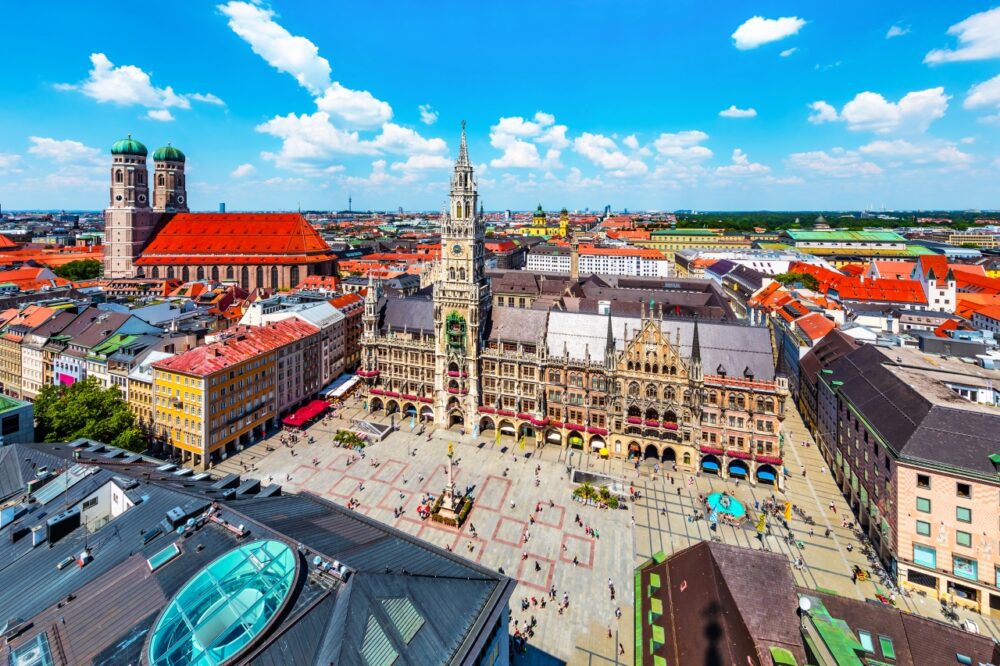
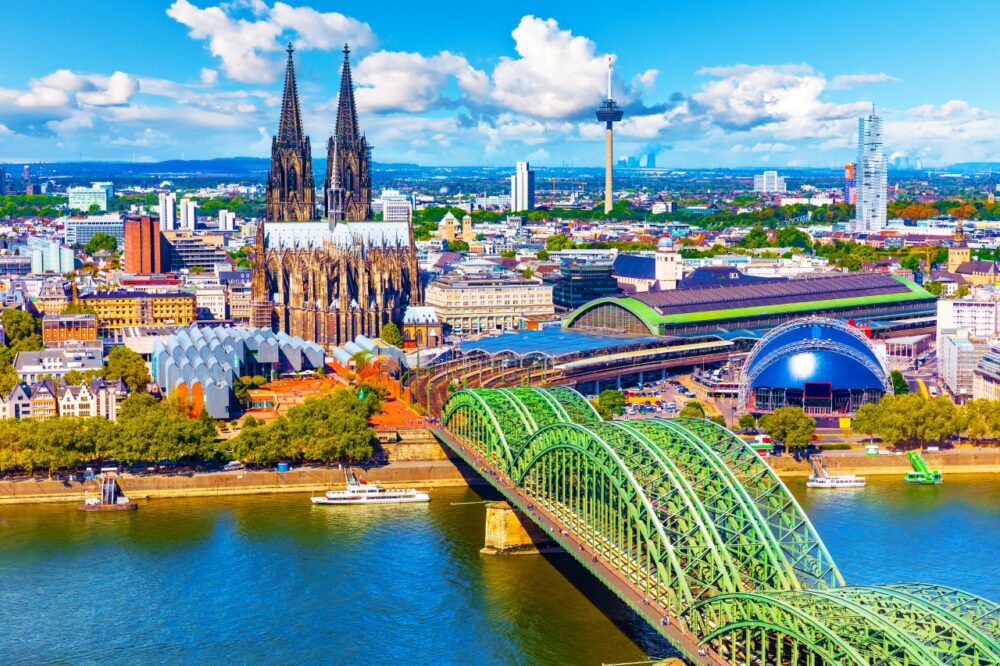
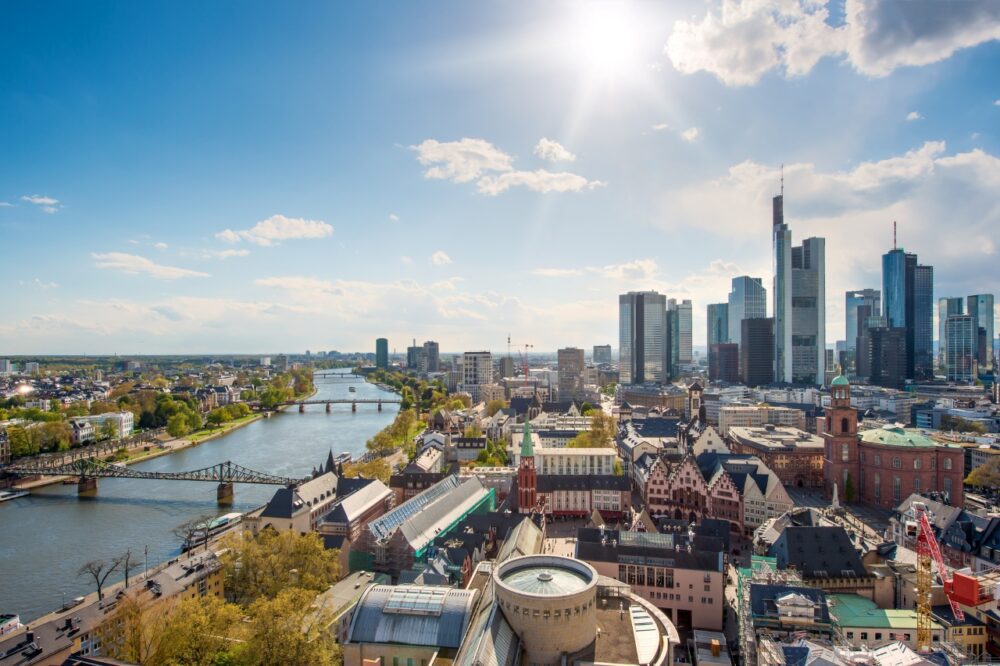
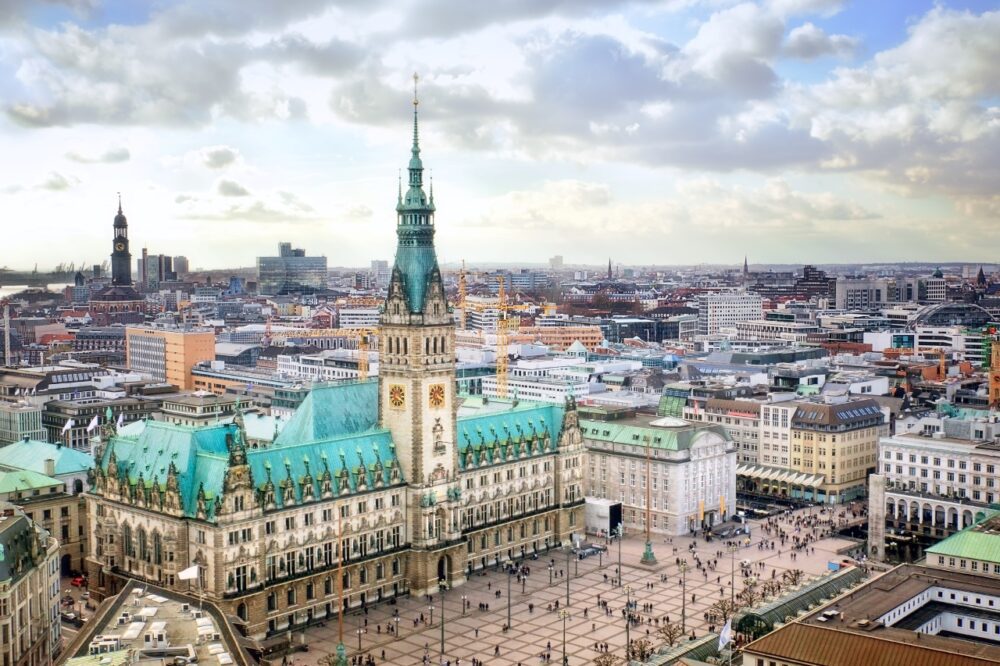
5-7 Days: With a week, you can slow down and see more of Germany. Add both Potsdam and Sachsenhausen, spend a day at Tempelhofer Feld and explore the neighbourhoods in more detail. If you want to go further, Dresden, Leipzig, Hamburg, Munich, Cologne and Frankfurt are all reachable by high-speed train, and the Spreewald is a quiet escape into nature.
Getting Around
On foot: Central Berlin is walkable once you’re in the right area. You can stroll from the Brandenburg Gate to the Reichstag, Museum Island and Alexanderplatz in a single day. I walked a lot, and I’d recommend good shoes. The distances between districts are long, so use public transport to jump between them!
Bike hire: Berlin is flat and has plenty of bike lanes, so cycling is a good option. nextbike runs a bike-share system in the city. You register in the app and scan a QR code to unlock a bike, and prices start from €1.50 for the first 15 minutes. E-scooters are also common, but they can’t go on pavements.
U-Bahn, S-Bahn, trams and buses: BVG runs the U-Bahn, trams, buses, and ferries, and the S-Bahn covers the wider area. A single ticket starts at €4 and lasts two hours, and a short-trip ticket starts at €2.80. A 24-hour ticket starts at €11.20, and the Deutschlandticket costs €63 a month. If you want to see a lot, the Berlin WelcomeCard covers public transport in zones A, B and C, including the airport and Potsdam, and gives discounts on attractions. Validate paper tickets before you ride.
Taxis and ride-hailing: Uber, FREE NOW and Bolt all work in Berlin. Taxis are useful late at night or when you have luggage, and you can see the price before you book. Use an official taxi rank rather than a driver who approaches you, and check the meter.
To and from the airport: Berlin Brandenburg Airport (BER) is about 18 km south-east of the centre. The Airport Express train (FEX) reaches Berlin Hauptbahnhof in about 30 minutes, and the S-Bahn and regional trains are slower. BER sits in fare zone C, so you need an ABC ticket. If you’d prefer a driver, a private BER transfer includes a meet-and-greet in the arrivals hall and 60 minutes of free waiting time. A Brandenburg Airport transfer is another private option for up to three passengers. For the way back, line up the same type of transfer for your departure, or take the train.
Final Thoughts: Is Berlin Worth Visiting?
Yes, and it’s one of my favourite capitals in Europe. Berlin gives you the Brandenburg Gate, the Reichstag dome, the East Side Gallery and Museum Island in a city that’s easy to enjoy. The history is powerful, the food is cheap and the nightlife is famous for good reason. I could have filled a week without repeating myself.
It isn’t perfect. Some streets are gritty, the city is spread out, cash is still king and shops close on Sundays. Pickpockets work the busy spots, and winters are cold and grey. Each of these has a simple workaround, so none of them should put you off!
If you’re planning a first trip, book three or four days and stay in Mitte, Friedrichshain or Prenzlauer Berg. Register for the Reichstag dome early, walk the East Side Gallery, pick two museums on Museum Island and eat a currywurst on the street. Add a day in Potsdam if you can. Berlin rewards curious travellers, and I’d happily go back.