
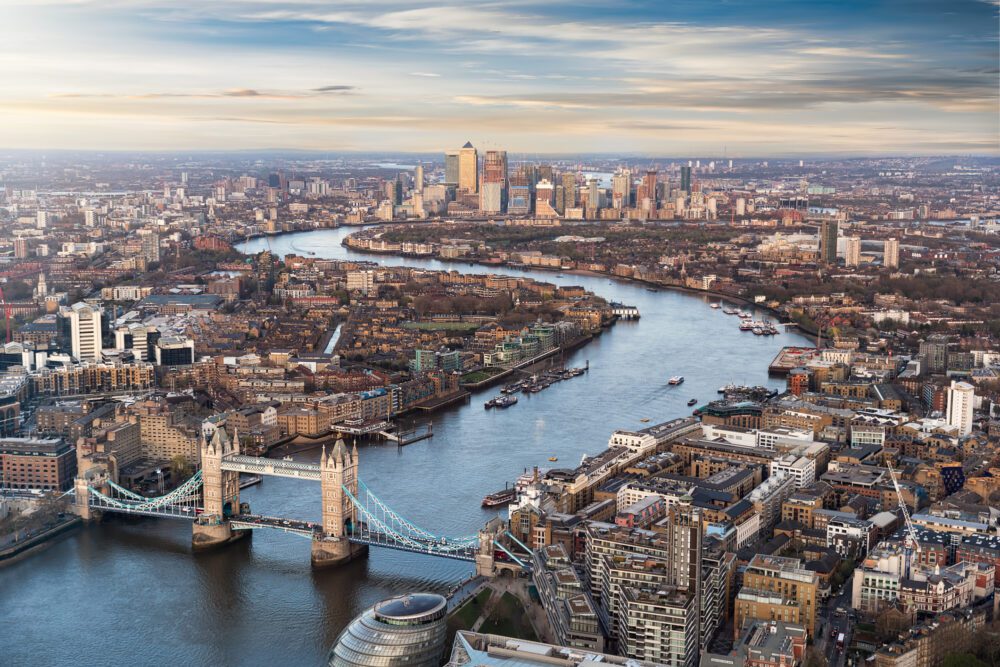
I moved to London in 2018, and I still remember standing on Westminster Bridge on my first proper day off, watching Big Ben and thinking I’d somehow wandered onto a film set. Eight years later, the postcard moments haven’t worn off, but I’ve also spent enough time navigating the Tube at rush hour and queuing for brunch in Shoreditch to know the city’s less glamorous side too. So when people ask me whether London is worth visiting, I don’t give them the tourist board answer. I give them the real one.
The short answer is yes, London is absolutely worth visiting, and it’s one of the few cities in the world that genuinely earns its reputation. Few places pack this much history, culture, food, and sheer variety into one metropolitan area. You could spend a month here and still not scratch the surface of what’s on offer, which is both the appeal and, honestly, the challenge of visiting.
That said, London isn’t a city that suits everyone or every budget, and it has its fair share of frustrations. In this guide, I’ll walk you through the genuine pros and cons of visiting London, when to go, what to do, where to stay, and how long you actually need. This is written from years of living here, not a weekend guidebook skim, so I’ll be straight with you about the parts that are worth your time and the parts that aren’t.
Table of Contents
Pros – Reasons London is Worth Visiting
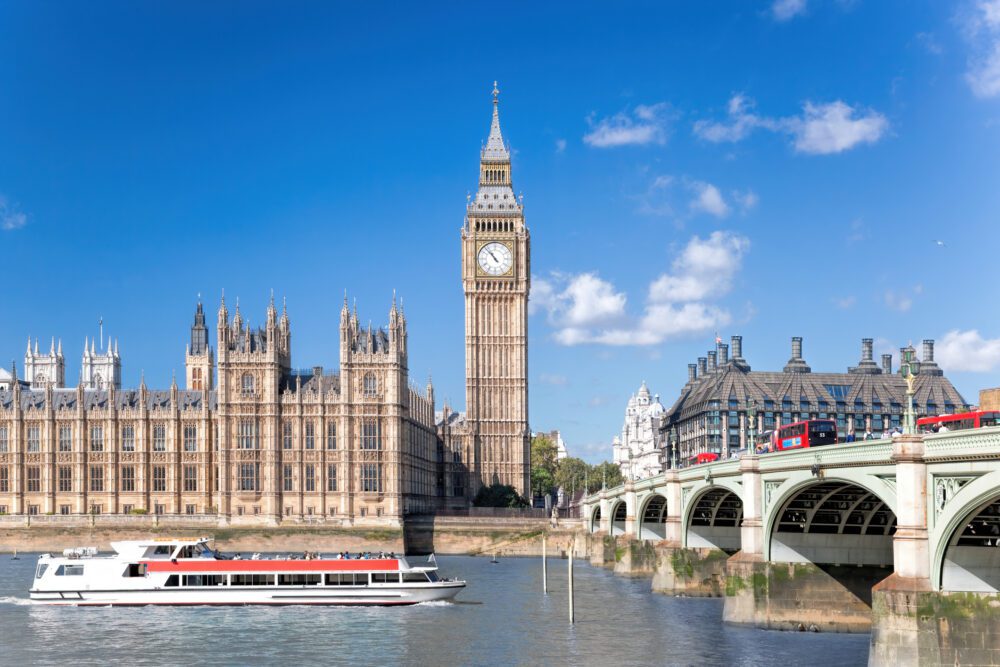
1. World-Class Museums, and Most Are Completely Free
London has some of the best museums on the planet, and the fact that most of them are completely free still catches visitors off guard. The British Museum, the National Portrait Gallery, and the Natural History Museum (home to those famous dinosaur skeletons) don’t charge general admission, which means you can wander in for an hour or spend a whole day without worrying about ticket prices eating into your budget.
I still visit the British Museum a few times a year, and I notice something new every time. The scale of it is hard to describe until you’re standing in the Great Court looking up at the glass roof. If museums are your thing, London genuinely rivals Paris and New York, and you won’t pay a cent to see most of the highlights.
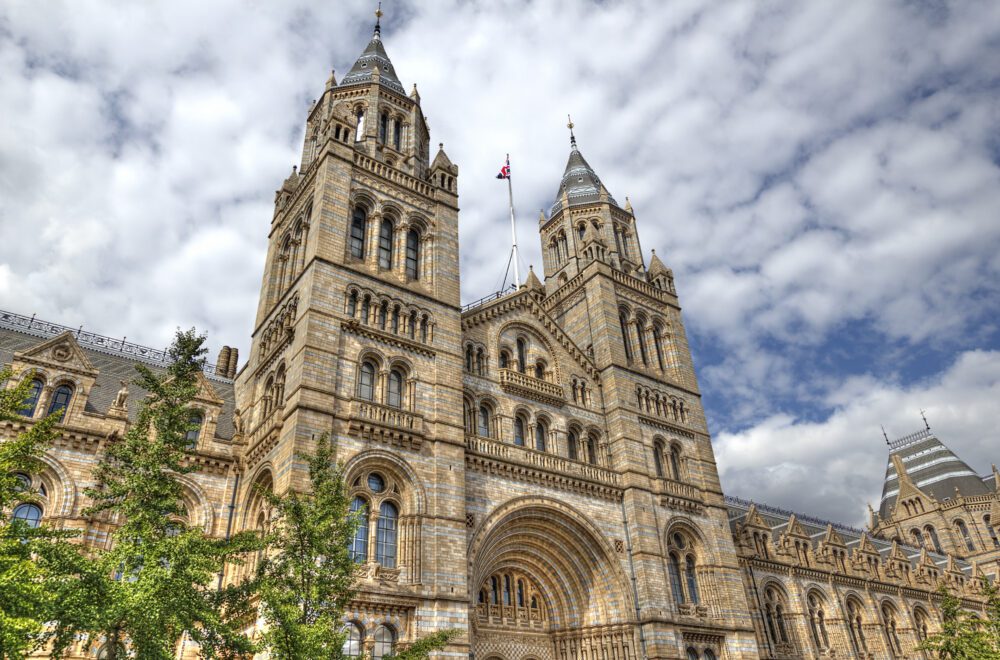
2. Centuries of History Around Every Corner
Few cities let you walk from a Roman-era wall to a medieval abbey to a Victorian railway station within the same afternoon. The Tower of London has stood since the 11th century and has seen everything from royal executions to the Crown Jewels being kept under guard there today. Westminster Abbey has hosted coronations for nearly a thousand years.
What strikes most visitors is how lived-in this history feels. It’s not roped off behind glass; people still worship at these churches, work in these buildings, and walk these streets every day. That layering of past and present is part of what makes London feel different from cities that treat history as a museum piece rather than something ongoing.
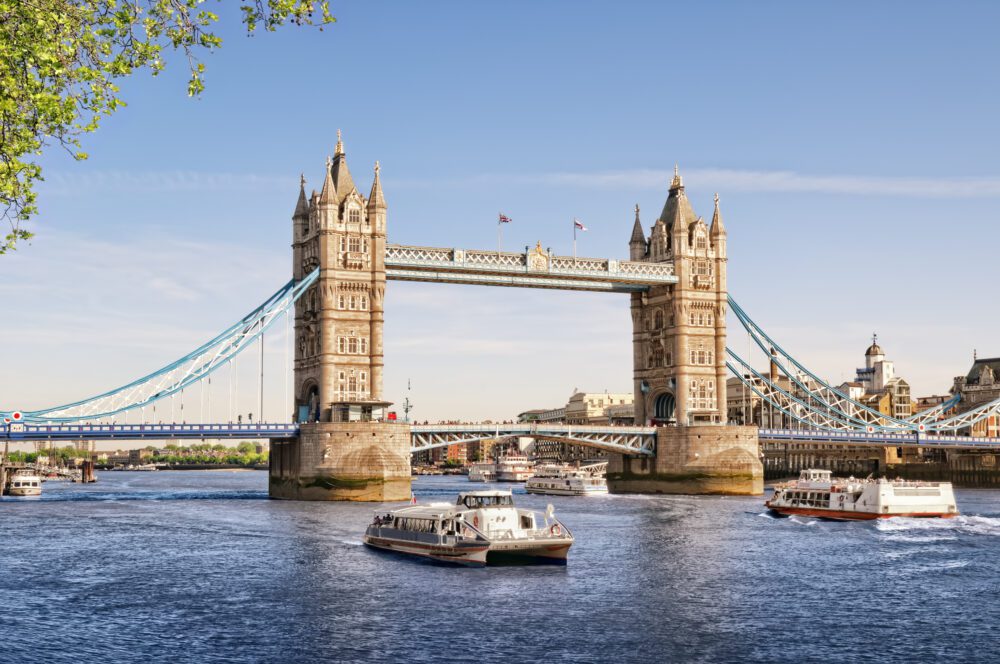
3. Iconic Sights You’ll Recognise Immediately
Big Ben, the London Eye, Tower Bridge, Buckingham Palace: London’s list of instantly recognisable landmarks is genuinely stacked. Even if you’ve never been, you’ve seen these places in films, on postcards, or on the news, and there’s a real thrill in seeing them in person for the first time.
I’ll admit that some of these sights are more impressive from a distance than up close (the London Eye queue can test your patience), but the buzz of actually standing in front of Big Ben or crossing Tower Bridge on foot doesn’t fade. Budget a full day just for landmark-hopping around Westminster and the South Bank, and you’ll tick off most of the big names in one go.
4. An Incredible Food Scene Beyond the Stereotypes
British food has a reputation problem, but London’s food scene has moved well past bangers and mash. This is one of the most diverse cities on earth, and that diversity shows up on every menu. You can eat outstanding Bangladeshi curry in Brick Lane, dim sum in Chinatown, and Nigerian jollof rice in Peckham, often within the same week.
That’s not to say you should skip the classics. A proper plate of fish and chips by the seaside-style stalls near the South Bank, or a Sunday roast at a traditional pub, are still worth doing for the experience. Borough Market is my go-to recommendation for food lovers; it’s a working market with stalls from all over the world, and it’s one of my favourite places to bring visitors because it shows off just how varied London’s food culture really is.
5. Green Spaces That Feel Like an Escape
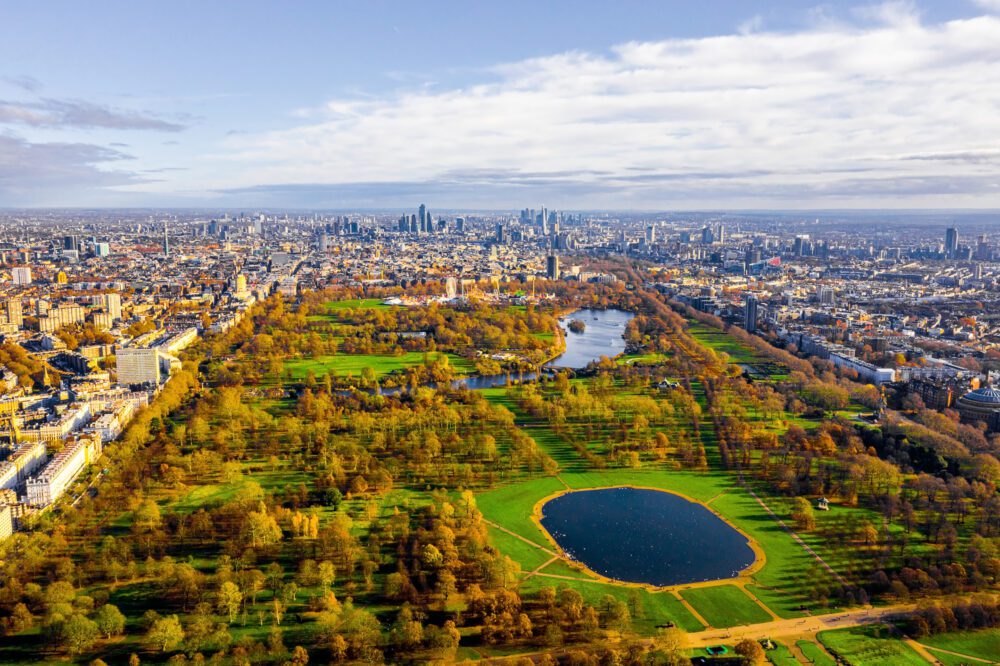
For such a huge, built-up city, London has an impressive amount of green space. Hyde Park, Regent’s Park, and St James’s Park all sit close to central London, and on a sunny day they fill up with picnickers, joggers, and people just lying in the grass avoiding their inboxes.
Kew Gardens, a little further out, is worth the trip on its own if you’re into plants, glasshouses, or just quiet walks. I regularly escape to one of these parks when the city starts to feel overwhelming, and I think it’s one of the most underrated things about London. Most visitors expect concrete and traffic and are surprised by how much genuine breathing room the city has.
6. A World-Class Theatre and Music Scene
The West End is right up there with Broadway for musical theatre, and honestly, ticket prices are often more reasonable if you know where to look. I’ve seen everything from big-budget musicals to small fringe productions, and the quality across the board tends to be excellent. Shakespeare fans can also catch a performance at the Globe Theatre, which recreates the original open-air setting his plays were written for.
Beyond theatre, London’s live music venues cover every genre imaginable, from intimate pub gigs to arena shows. If you time your trip around a festival or a touring artist, you’ll find no shortage of options. This is a city that takes its culture seriously, and the venue selection reflects that.
7. Genuinely World-Class Public Transport
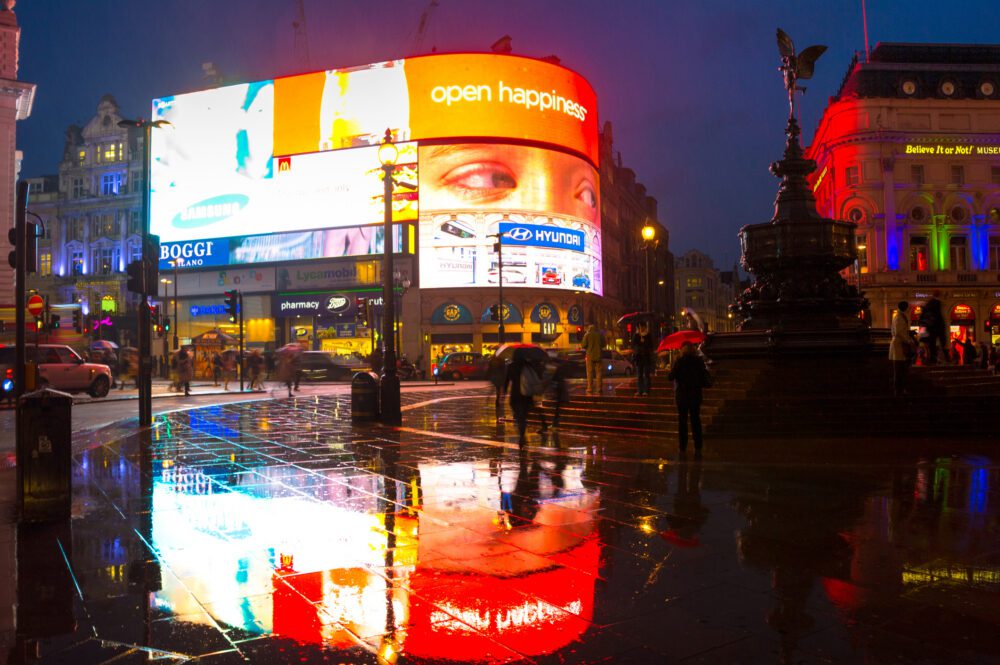
Once you get your head around it, London’s public transport system is one of the best in the world. The London Underground (the Tube) connects nearly every part of the city, and it’s fast once you’re used to the network. Buses, the Overground, and the DLR fill in the gaps, so you’re rarely more than a short walk from a station.
Getting an Oyster card or using contactless payment makes this even easier, since fares are automatically capped for the day. I still remember how intimidating the Tube map looked on my first visit, but within a couple of days most people get comfortable enough to navigate the city like a local. Good transport links mean you can stay in one area and still reach the whole city easily.
8. Fantastic and Varied Shopping
London’s shopping scene has something for every budget and every taste. Oxford Street is the obvious starting point for big-name retailers, but the real character comes from the markets and neighbourhood shops. Camden Market is chaotic in the best way, full of independent stalls, vintage clothing, and street food. Portobello Road in Notting Hill is famous for antiques and is worth a wander even if you’re not buying anything.
If you want something a bit more upmarket, areas like Covent Garden mix boutique shops with street performers and a genuinely nice atmosphere for an afternoon stroll. I’d say London’s shopping is less about finding one perfect item and more about the experience of browsing, and that’s part of the appeal for a lot of visitors.
9. Royal Tradition, Live and in Person
Few things say “London” quite like the Changing of the Guard ceremony outside Buckingham Palace. It’s touristy, sure, but there’s a reason it draws crowds every time it happens. Watching the guards in their red uniforms and bearskin hats march through central London, with the band playing, is a genuinely fun spectacle even if you’re not particularly into the monarchy.
Beyond the ceremony itself, the Royal Parks, Kensington Palace, and various royal residences give you a sense of the tradition that still runs through the city. I’d recommend checking the ceremony schedule before you visit, since it doesn’t happen every day, but it’s worth building your itinerary around if you can.
10. East London’s Creative, Independent Energy
If central London feels a bit polished and tourist-heavy, East London offers a completely different vibe. Areas like Shoreditch and Hackney are full of street art, independent coffee shops, vintage shops, and a creative energy that’s hard to find elsewhere in the city. This is where I’d send anyone who’s already done the big landmarks and wants to see how Londoners actually live and socialise.
The food and nightlife scene out east tends to be more experimental too, with pop-up restaurants and small bars that change regularly. It’s a good reminder that London isn’t just Big Ben and the London Eye. Some of the best experiences happen away from the obvious tourist attractions, in neighbourhoods that feel genuinely lived-in rather than built for visitors.
Cons – Things to Consider Before Visiting London
1. It’s an Expensive City
There’s no getting around it: London is one of the more expensive cities in the world to visit. Accommodation, food, and transport all add up quickly, especially compared to other UK cities or many European capitals. A hotel that would be mid-range pricing elsewhere often comes with a London premium attached.
The good news is there are ways to manage costs. Free museums help enormously, as does self-catering or eating at markets instead of restaurants for some meals. Booking accommodation slightly outside zone 1 and using public transport to get in can also save a significant amount without adding much travel time. It’s a city where a bit of planning genuinely pays off financially.
2. The Weather Can Be Unpredictable and Grey
London’s weather has a reputation for being grey and rainy, and honestly, that reputation is mostly earned. Even in summer, you can get a run of cloudy days, and rain can show up with little warning at any time of year. I always tell visitors to pack a light rain jacket no matter when they’re coming.
That said, it’s rarely extreme. It doesn’t get bitterly cold in winter or unbearably hot in summer, and there are plenty of indoor attractions (museums, galleries, theatres) that make grey days easy to work around. It’s more about managing expectations than avoiding the city altogether. Don’t build a trip entirely around outdoor activities without a backup plan.
3. It’s a Genuinely Huge, Spread-Out City
London is much bigger than most first-time visitors expect. What looks close together on a map can be a 40-minute Tube ride in reality, and trying to cram too many far-apart attractions into one day usually backfires. I’ve seen plenty of visitors exhaust themselves criss-crossing the city because they didn’t plan their days by area.
The way around this is to group your sightseeing geographically rather than by “must-see” priority. Spend a day around Westminster and the South Bank, another around the City and East London, and another around West End and Notting Hill, rather than bouncing between them. It sounds obvious, but it makes a real difference to how much you actually enjoy your time here.
4. Crowds at the Major Attractions
The big sights draw big crowds, especially during summer and school holidays. Places like the Tower of London, the London Eye, and Buckingham Palace during the Changing of the Guard can get genuinely packed, and queues at peak times can eat a chunk of your day.
Booking tickets in advance for anything with timed entry is one of the easiest ways to avoid the worst of it. I’d also recommend visiting popular attractions early in the morning, right when they open, since crowd levels build noticeably as the day goes on. It won’t eliminate the crowds entirely, but it takes the edge off.
5. The Tube Can Be Overwhelming at First
While I mentioned public transport as a pro, I’ll admit the London Underground can be genuinely overwhelming for first-time visitors. The map looks complicated, rush hour is intense, and some interchange stations involve a fair bit of walking underground between platforms. It’s not unusual to see visitors visibly stressed trying to work out which platform they need.
Give yourself a bit of grace on your first day or two and expect a learning curve. Avoiding rush hour (roughly 8-9:30am and 5-6:30pm on weekdays) for your own journeys makes a noticeable difference, both in comfort and in how easy it is to navigate. Once you’ve done it a few times, it genuinely does click.
Best Time to Visit London
If you’re asking about the best time to visit London, I’d point you toward late spring (May to June) or early autumn (September to early October). The weather tends to be milder and more reliable than deep summer, the parks and green spaces are at their best, and you avoid the heaviest crowds and highest accommodation prices that come with the school holiday season in July and August.
Winter has its own appeal too, particularly December, when the city leans into Christmas lights, markets, and a genuinely festive atmosphere, even if the days are short and the weather is cold and damp. Summer is peak tourist season for good reason: long daylight hours and a lively outdoor scene in the parks, but you’ll pay more for accommodation and deal with bigger crowds at every major attraction. There isn’t a bad time to visit London exactly, but if you want the best balance of good weather, manageable crowds, and reasonable prices, aim for the shoulder seasons.
Best Things to Do in London
Here are twelve things I’d genuinely recommend doing, based on years of exploring the city and bringing visitors around it myself. Booking ahead for the popular ones saves you real time in the queue, so I’ve linked a good option for each.
- Tower of London and the Crown Jewels – This is the one attraction I tell every first-time visitor to book in advance, since the walk-up queue for the Crown Jewels can eat an hour of your day. Book the Tower of London and Crown Jewels ticket here.
- British Museum guided tour – The museum itself is free, but a skip-the-line guided tour is worth it if you want context on what you’re looking at rather than wandering aimlessly. See guided British Museum tours here.
- London Eye, hop-on hop-off bus, and Thames cruise combo – This is genuinely the most efficient way to get your bearings on your first day, since it covers the skyline view, a loop past the major landmarks, and a river cruise in one ticket. Check the combo ticket here.
- Borough Market food tour – Rather than wandering the stalls hungry and overwhelmed, a guided tasting tour takes you straight to the best vendors and explains what you’re eating. Browse Borough Market food tours here.
- A West End show – Wicked is still one of the most reliably brilliant nights out in the West End, and booking ahead means you’re not stuck with whatever’s left the day of. Book Wicked tickets here. If you’d rather something moodier, Phantom of the Opera tickets are here.
- Camden Market walking tour – Camden can feel a bit chaotic if you’ve never been, so a short guided walk is a good way to get oriented before you go back and explore the stalls yourself. See Camden walking tours here.
- Royal Parks bike tour through Hyde Park – This is a genuinely fun way to cover Hyde Park, Kensington Gardens, and the surrounding royal landmarks at a relaxed pace, with a guide pointing things out along the way. Check the Royal Parks bike tour here.
- Changing of the Guard and Buckingham Palace tour – A guide makes a real difference here, since they’ll get you to the right spot early and explain what’s actually happening during the ceremony. Book the Changing of the Guard tour here.
- Kew Gardens – Worth the trip out on its own, especially the glasshouses. Booking your entry ticket ahead avoids the queue at the gates on a busy weekend. Book Kew Gardens entry here.
- Natural History Museum – The dinosaur skeletons and the building itself are worth it even if you’re not travelling with kids. Entry is free, so I’d pair it with a South Kensington museum morning and put your budget toward one of the guided experiences above instead.
- ZSL London Zoo – Tucked inside Regent’s Park, this is one of the best half-day outings if you’re travelling with kids, and it’s easy to combine with a walk through the park afterwards. Book London Zoo entry here.
- A Thames cruise to Greenwich – Rather than the Tube, take the river out to Greenwich for the Royal Observatory, the Cutty Sark, and the view back over the city from the park. It’s a relaxed way to spend a half day and see London from the water. Book the Westminster to Greenwich cruise here.
Where to Stay in London
- Westminster and South Bank – You’re within walking distance of Big Ben, the London Eye, and Westminster Abbey, which is great if landmark-hopping is your priority. It’s touristy and prices reflect that, and evenings can feel a little quiet once the office crowd clears out and the attractions close. On a budget, NOX Waterloo is a short walk from the London Eye and well priced for the location. If you’ve got more to spend, Park Plaza Westminster Bridge has some of the best river and Big Ben views you’ll find from a hotel room anywhere in the city.
- Covent Garden and West End – Central, walkable, and close to the theatre district and shopping. It’s lively at night, which some people love and others find noisy, especially if your room faces a busy street. Budget travellers can look toward nearby Bloomsbury, where The Z Hotel Covent Garden offers small but clean rooms at a fraction of the West End price. Those with a bigger budget will find something like The Fielding Hotel, tucked down a quiet side street just off the market itself.
- Notting Hill and Kensington – A quieter, more residential feel with easy access to Hyde Park, Kensington Gardens, and the museums in South Kensington. It’s a bit removed from the East London energy but very pleasant to stay in, and it’s one of the areas I’d point families toward. Budget-conscious visitors can find guesthouses around Earl’s Court, such as Brit Hotels Earls Court; higher-end travellers have plenty of options right around Portobello Road, including the boutique-style Portobello Hotel.
- Shoreditch and East London – The best choice if you want nightlife, independent food, and a more local feel, at the cost of being a Tube or Overground ride from the main landmarks. St Christopher’s Liverpool Street is a well-rated hostel-style option for budget travellers who don’t mind shared spaces, while The Hoxton, Shoreditch leans into the area’s creative reputation if you’re happy to spend a bit more.
- Kings Cross and Camden – Well connected by transport, close to Camden Market, and generally more affordable than central options. It’s a good middle ground between budget and location, though the immediate area around the station itself isn’t the most charming to walk through at night. Arriva Hotel is a reliable budget option a short walk from the station, and The Megaro Hotel offers a stylish, slightly pricier stay a short walk toward Camden itself.
Getting Around London
The London Underground is the fastest way to cover long distances across the city, and once you’ve got an Oyster card or contactless payment set up, it’s genuinely simple to use. Buses are slower but a great way to see the city above ground, and they’re often my preferred option for shorter trips where I’m not in a rush. The DLR and London Overground fill in routes the Tube doesn’t cover well, particularly toward East London and Greenwich.
For shorter distances, walking is often faster than you’d expect, since central London is more compact than it looks on paper once you’re in the right area. Santander Cycles (the city’s bike-share scheme) are a fun, cheap way to get around if you’re comfortable cycling in traffic, and black cabs or Uber are convenient for late nights or when you’re travelling with luggage, though they cost noticeably more than public transport. I’d generally recommend sticking to the Tube and buses for most of your trip and saving taxis for when you genuinely need the convenience.
How Long to Spend in London
If you’ve only got one day, focus on one area: Westminster, the South Bank, and a quick stop at Buckingham Palace covers the essential landmarks without over-scheduling yourself. Two days lets you add in a museum, a wander through Covent Garden, and maybe a West End show in the evening.
Three days is where London really starts to open up. You can add East London or Notting Hill to the mix, slow your pace down, and start eating in neighbourhoods rather than just tourist hotspots. If you’ve got a full week, you’re in a great position to properly explore beyond the centre, take day trips to places like Greenwich or Kew, and experience the city more the way Londoners do. Personally, I’d say three to four days is the sweet spot for a first visit, long enough to cover the highlights and get a genuine feel for the city without rushing, but a week gives you real breathing room if you have it.
So, is London Worth Visiting?
Based on everything above, my answer is a firm yes. The sheer breadth of what’s on offer, world-class museums, centuries of history, incredible food, green spaces, and iconic sights, makes it one of those cities that genuinely lives up to the hype, and I say that as someone who sees it on an ordinary Tuesday rather than just on holiday.
It’s not a perfect city. It’s expensive, the weather is unreliable, and the sheer scale of it can be overwhelming if you don’t plan your days sensibly. But none of those cons are dealbreakers, and each one has a reasonably simple workaround once you know it’s coming. Most visitors who go in with realistic expectations about cost and pace come away loving the place.
If you’re still on the fence, I’d say this: London truly rewards a bit of planning. Book your major attractions ahead, pick accommodation based on the area you’re most excited about, and give yourself enough days to actually settle in rather than sprinting between landmarks. Do that, and I think you’ll find, like I did the first time I stood on Westminster Bridge, that London is absolutely worth checking out for yourself.