Where to Stay in Vienna: Best Areas and Hotels (2026)

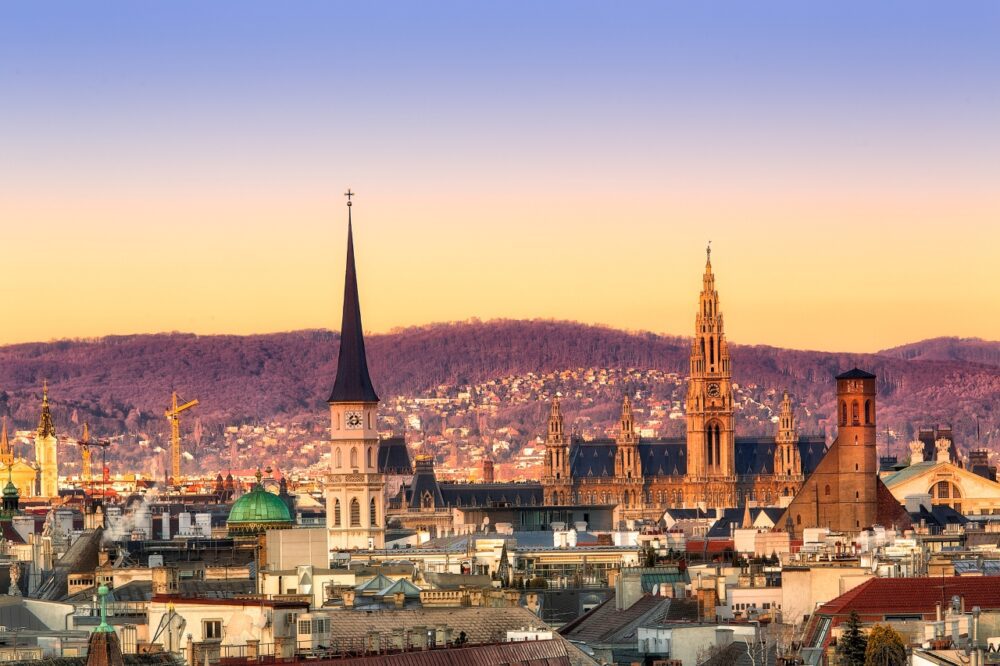
Vienna, the capital of Austria, is a city of grand boulevards, imperial palaces and coffee houses that feel untouched by the last hundred years. It’s also a city where the district you choose changes the whole rhythm of your trip. A hotel a few streets from the wrong metro line can leave you travelling more than sightseeing, and a good one lets you step out of the door straight into the best of the city.
I visited Vienna one summer and spent three days staying in Innere Stadt, the historic first district inside the Ringstraße. It was the right call. I could walk to St. Stephen’s Cathedral over breakfast, wander the Hofburg area in the heat of the afternoon, and be back in my room in minutes when I needed a break from the sun. Vienna is a compact, safe and wonderfully clean capital, and the districts around the centre each offer something different, from the fairground at the Prater to the cafés of the Museum Quarter.
If it’s your first visit, I’d stay in Innere Stadt. If you want somewhere quieter, cheaper or more local, there are four other districts worth considering. Below you’ll find the five districts I’d shortlist, what each is really like to stay in, the pros and cons, and three hotels in each. I’ll finish with a section on getting around, so you know how to move between them.
Best Areas to Stay in Vienna
- Innere Stadt – Best area for first-time visitors and sightseeing
- Leopoldstadt – Best area for families and green space
- Neubau – Best area for museums, shopping and nightlife
- Wieden – Best area for food, markets and cafés
- Landstraße – Best area for palaces and easy airport links
Map of Hotels
Innere Stadt
Innere Stadt is the old heart of Vienna, a ring of streets enclosed by the Ringstraße where almost everything you’ve come to see is within a short walk. This is where I stayed, and it’s the area I’d point most visitors to. St. Stephen’s Cathedral sits at the centre, with its patterned tiled roof rising above Stephansplatz. From there you can stroll down the pedestrianised Graben and Kärntner Straße, past the shops and street performers, to the Vienna State Opera and the Albertina. I did most of my sightseeing on foot, and after three days I barely touched the metro.
The evenings are where Innere Stadt really won me over. In summer the squares fill with café terraces, and the lanes around Schwedenplatz and the Bermuda Triangle are full of wine bars and restaurants. The traditional coffee houses are the other highlight, and a slow breakfast with a slice of cake in one of them is something I’d put on every itinerary. The district is safe, well lit and easy to navigate, and the U1, U3 and U4 metro lines all cross it, so you can reach the Prater, Schönbrunn or the airport buses without much trouble.
The downside is the cost. Hotel prices are the highest in Vienna, and meals near the main sights cost more than they do a few stops away. It also gets busy, with horse-drawn carriages and tour groups crowding Stephansplatz from mid-morning. The side streets stay surprisingly calm, so choose a hotel on a quieter lane if you’re a light sleeper. Even so, on a short trip, the hours you save by sleeping here repay the extra cost.
Pros and Cons of Innere Stadt
| Pros | Cons |
|---|---|
| Walk to the cathedral, the opera and the Hofburg | The most expensive hotels in Vienna |
| Classic coffee houses and restaurants on your doorstep | Crowded around Stephansplatz and Graben |
| Three metro lines meet in the district | Fewer budget places to eat |
| Safe and well lit at night | Smaller rooms in historic buildings |
Best Hotels in Innere Stadt
- Mercure Wien Zentrum – A reliable mid-range hotel on Fleischmarkt, with Schwedenplatz metro two minutes away and St. Stephen’s about five minutes on foot. There’s a restaurant serving Viennese specialities and a breakfast buffet. It’s a practical base for a first visit.
- Aparthotel Adagio Vienna City – Studios and one-bedroom apartments with kitchenettes on Uraniastraße, about 420 metres from Schwedenplatz. There’s a sauna and a fitness room, and breakfast is available for around €20 a day. It’s handy for longer stays or families who want to cook a few meals.
- Hotel Astoria Vienna, Curio Collection by Hilton – A historic hotel from 1912 on Kärntner Straße, two minutes from the Albertina and the State Opera. The buffet breakfast is served in an elegant parlour. It’s a good pick if you want old-world Vienna and a prime location.
Leopoldstadt
Leopoldstadt lies across the Danube Canal from Innere Stadt, and a single metro stop takes you from the cathedral to its edge. It’s a district of two halves. The streets near the canal are lively, with cafés, markets and the Karmelitermarkt, while the Prater at the far end is the green lung of the city. The Prater has an amusement park, long tree-lined avenues and the Giant Ferris Wheel, which has turned slowly above the rooftops since 1897. I crossed over for an afternoon, rode the wheel, then walked back through the park as the light faded, and it was one of the most relaxed parts of my trip.
This is the area I’d recommend to families, and to anyone who likes a bit more space. Rooms are generally larger than those in the centre, and many hotels are modern, with kitchenettes or family layouts. The Prater and the Augarten gardens are right there for morning runs or picnics, and you can reach the centre in 10 to 20 minutes. The U1 and U2 lines both serve the district, so Stephansplatz and Karlsplatz are quick to reach. Nightly rates are noticeably gentler than inside the Ring.
The trade-off is atmosphere. The area around Praterstern station can feel rough late at night, and the streets near the exhibition grounds are quiet after dark. You also won’t have the historic buildings outside your window, so you’ll be taking the metro every day. If you’re travelling with children, or you want greenery and a bit more room for your money, those are small compromises.
Pros and Cons of Leopoldstadt
| Pros | Cons |
|---|---|
| Prater park and the Giant Ferris Wheel nearby | Praterstern area feels rough at night |
| Larger rooms and more family-friendly hotels | Quiet around the exhibition grounds after dark |
| Lower prices than the first district | Not walkable to most main sights |
| U1 and U2 reach the centre in minutes | Fewer historic buildings |
Best Hotels in Leopoldstadt
- SO/ Vienna – A striking design hotel on Praterstraße by Jean Nouvel, with Schwedenplatz metro nearby and the cathedral about ten minutes on foot. It has a 750 m² spa, and the Das LOFT restaurant serves views over the city. Some rooms look out towards the Ferris wheel.
- Zoku Vienna – A loft-style hotel on Perspektivstraße, 200 metres from the Prater. Rooms have kitchenettes, and there are rooftop social spaces and coworking areas. It suits longer stays and remote workers, and it’s about 20 minutes to the centre by metro.
- Motel One Wien-Prater – A budget-friendly option on Ausstellungsstraße, with the Messe-Prater metro station 200 metres away. It sits right beside the Prater and is around ten minutes from the centre. Breakfast is available at an extra charge.
Neubau
Neubau is Vienna’s creative district, the place to go when you’ve seen enough palaces. It’s home to the MuseumsQuartier, one of the largest cultural complexes in Europe, where the courtyard fills with people lounging on the colourful outdoor seating when the weather’s good. A short walk away is Spittelberg, a small quarter of cobbled lanes and Biedermeier houses, full of small restaurants and, in winter, a Christmas market. I stopped here on a hot afternoon, and the mix of art, cafés and shady courtyards made a welcome contrast with the grand streets of the centre.
Neubau is the place to be if you enjoy shopping and nightlife. Mariahilfer Straße, Vienna’s biggest shopping street, runs along the district’s southern edge, and the streets around Neubaugasse are full of independent boutiques, vintage stores and cafés. In the evening you’ll find cocktail bars, wine bars and a younger crowd than in the first district. Hotels here are often more stylish and quirky, and rates tend to undercut Innere Stadt. The U2 and U3 lines run through the district, and you can walk to the State Opera in around 15 minutes.
The downsides are noise and distance. The busy streets around Mariahilfer Straße and the Westbahnhof area are loud, and some of the streets near the station are a bit scruffy. You’ll also be farther from the cathedral and the Hofburg, which means a short metro ride or a longer walk. If you want museums, shops and a lively evening scene more than imperial grandeur, Neubau is a very good choice.
Pros and Cons of Neubau
| Pros | Cons |
|---|---|
| MuseumsQuartier and Spittelberg on your doorstep | Noisy around Mariahilfer Straße |
| Independent shops, cafés and cocktail bars | Scruffy streets near Westbahnhof |
| Stylish, design-led hotels | Not as close to the cathedral and Hofburg |
| Good value compared with the first district | Fewer traditional sights nearby |
Best Hotels in Neubau
- 25hours Hotel beim MuseumsQuartier – A playful, circus-themed hotel on Lerchenfelder Straße, about ten minutes’ walk from the centre. It has a rooftop bar, an Italian restaurant and a spa. Breakfast costs extra, but the atmosphere makes this the most fun place to stay in the district.
- Flemings Hotel Wien-Stadthalle – A comfortable hotel on Neubaugürtel, five minutes from Westbahnhof and Mariahilfer Straße. It has a sauna, a fitness room and a buffet breakfast. It’s a good option for travellers arriving by train.
- Miiro Spittelberg – A boutique stay on Kirchberggasse in the heart of Spittelberg, around 14 minutes’ walk from the State Opera. There’s a fitness room, a bar and a continental buffet breakfast. It’s a quiet, characterful base close to the MuseumsQuartier.
Wieden
Wieden is the district just south of the Ringstraße, and it’s the one for people who plan their days around food. Its anchor is Karlsplatz, where the green-domed Karlskirche rises above a pond and a lawn that fills with sunbathers when the weather’s warm. A few minutes on from there is the Naschmarkt, a long strip of stalls selling olives, spices, pastries and street food, with a flea market on Saturdays. Behind it, the Freihausviertel and Schleifmühlgasse hold a tight cluster of independent cafés, bakeries and small restaurants that many visitors never find.
Wieden works well as a base because it’s both central and cheaper. You can walk to the State Opera and the Ring in about ten minutes, and Karlsplatz is a hub for the U1, U2 and U4 lines as well as several trams. Taubstummengasse and Südtiroler Platz stations on the U1 serve the southern end, and the Hauptbahnhof is only a couple of stops away, which makes it handy if you arrive by train. Hotels range from grand old addresses on Wiedner Hauptstraße to apartment-style places in the quieter side streets. Rates generally sit below those of Innere Stadt for a similar standard of room.
The drawbacks are mostly about atmosphere. Wiedner Hauptstraße is a busy road with plenty of traffic, and the streets towards the Gürtel at the southern edge feel more functional than charming. The Naschmarkt is crowded at weekends, and the sit-down restaurants along it tend to be priced for tourists, so the best meals are often found a street or two back. You’ll also need the metro or a short walk to reach the cathedral and the Hofburg. If good coffee, markets and a local feel matter more than being inside the Ring, Wieden is an excellent choice.
Pros and Cons of Wieden
| Pros | Cons |
|---|---|
| Naschmarkt, Karlsplatz and Karlskirche close by | Wiedner Hauptstraße is busy with traffic |
| Great cafés and bakeries in the Freihausviertel | Southern end near the Gürtel feels functional |
| U1, U2 and U4 plus trams from Karlsplatz | Restaurants on the Naschmarkt can be pricey |
| Cheaper than Innere Stadt | A short walk or ride to the cathedral |
Best Hotels in Wieden
- Radisson Blu Das Triest Hotel – A comfortable four-star on Wiedner Hauptstraße, about five minutes’ walk from Karlsplatz and ten from the Naschmarkt. It has a sauna, a fitness centre, a terrace and a breakfast buffet with local specialities. An airport shuttle is available for an extra charge.
- Hotel Erzherzog Rainer – A traditional hotel on Wiedner Hauptstraße, with Taubstummengasse metro 375 metres away and the Naschmarkt about ten minutes on foot. Rooms include doubles with courtyard views, and the buffet breakfast caters for special diets. It suits couples who like a classic Viennese feel.
- Pakat Suites – Spacious apartments and deluxe doubles on Mommsengasse, with kitchenettes, a gym, a terrace and a garden. The one-bedroom apartments have balconies, and Taubstummengasse metro is about ten minutes away. It’s the best fit for families and longer stays, though the centre is a 20 to 25 minute walk.
Landstraße
Landstraße is the district to choose if you want palaces and gardens without the prices of the first district. It lies just east of the Ringstraße, and its biggest draw is the Belvedere, a pair of baroque palaces with a sweeping garden between them. The Upper Belvedere holds Klimt’s The Kiss, and the view back over the city from the terrace is one of the best in Vienna. I walked up through the garden on a warm morning and it felt like having a private park to yourself. Nearby are the Hundertwasser House, the Stadtpark and some of the city’s quieter embassy streets.
Landstraße is also the most practical area for arrivals and departures. Wien Mitte station, where the City Airport Train buses stop, is in the district, and so is Rennweg, so you can be at your hotel soon after leaving the airport. The U3 and several tram lines connect to Stephansplatz in about five minutes, and the walk from the Belvedere to the Ring takes around ten. If you’re arriving by train, the Hauptbahnhof is just south in neighbouring Favoriten, and a short tram or U-Bahn ride links it to the Belvedere end of the district. The area has a calm, residential feel, with good local restaurants and wine taverns away from the tour groups.
The downside is that the district is large and uneven. The streets around Wien Mitte are busy with traffic and office buildings, and some parts feel a bit characterless in the evening. You’ll also use the metro or trams to reach most of the old town sights. If you’re arriving by air, or you want a base close to the Belvedere with plenty of choice for the price, it’s a smart pick.
Pros and Cons of Landstraße
| Pros | Cons |
|---|---|
| The Belvedere palaces and gardens nearby | Traffic and office blocks around Wien Mitte |
| Easy links to the airport via Wien Mitte | Some streets feel quiet and characterless |
| Quick metro and tram rides to Stephansplatz | Not walkable to all the old town sights |
| Better value than the first district | Spread out, so hotel location matters |
Best Hotels in Landstraße
- Eurostars Embassy – A modern hotel on Landstraßer Hauptstraße, about 600 metres from Kardinal-Nagl-Platz on the U3. St. Stephen’s is around five minutes away by metro. Deluxe doubles have balconies, and a continental buffet is served for breakfast.
- Austria Trend Hotel Savoyen Vienna – A grand hotel on Rennweg with the Belvedere next door and Rennweg station two minutes away. The centre is a ten-minute walk or two tram stops. There’s a spa and fitness area, and the buffet breakfast includes local specialities.
- Imperial Riding School, Autograph Collection – A luxury hotel on Ungargasse in a former imperial riding school, five minutes from the Belvedere. It has an indoor pool, a sauna, a steam room and an Austrian restaurant, as well as a garden. It’s the pick for a treat.
Getting Around
Vienna has one of the best public transport systems in Europe, and one ticket covers the metro (U-Bahn), trams, buses and city trains. From Innere Stadt, Wieden or Landstraße you can walk to a lot of the sights. From Leopoldstadt and Neubau you’ll use the metro or a tram once or twice a day, and it’s quick, clean and punctual.
Metro, trams and buses – The U-Bahn has five lines (U1 to U4 and U6) and starts around 5:00 am and finishes near midnight. The trams around the Ringstraße are a sightseeing trip in themselves, and trams 1 and 2 loop the Ring past the opera, the Parliament and the Rathaus. If you’re packing in lots of sights, the Vienna City Card is worth looking at, as it includes public transport and discounts at many attractions.
Tickets and apps – Since January 2026 a digital single ticket costs €3.00 (£2.60), a 24-hour ticket €9.70 (£8.40) and a 7-day ticket €25.20 (£21.70). The 48-hour and 72-hour tickets have been discontinued, so for a short stay you’ll mostly be choosing between the 24-hour pass and single tickets. Download the WienMobil app to buy and activate tickets on your phone. If you use paper tickets, validate them before your first ride. Inspectors check regularly and fines are steep.
To and from the airport – Vienna’s airport rail line is under works from September 2026 until late 2027, so check before you travel. The City Airport Train now runs as a premium bus to Wien Mitte/Landstraße, taking around 21 minutes, with departures every 12 minutes in the daytime. The S7 train currently stops at St. Marx, where you change to a tram or the U-Bahn. Trains from Wien Hauptbahnhof still run to the airport, which helps if you’re staying near the station. The Vienna Airport Lines bus costs €11 (£9.50) one way and runs to stops including Schwedenplatz, Karlsplatz and Praterstern. If you’d rather be met at arrivals, a private transfer starts at about £24 per person, and a private one-way car for up to three people costs around £68. Whichever you pick, line up the return leg before your last evening.
Night transport – The U-Bahn closes around midnight on most nights, but it runs all night on Fridays, Saturdays and the nights before public holidays, with trains every 15 minutes. Night buses run daily from about 12:30 am to 5:00 am, roughly every 30 minutes, and your normal ticket is valid on them.
Taxis and ride-hailing – Apps such as Bolt and Uber run across Vienna, and they show the fare before you book, which beats flagging down a cab. Taxis are plentiful at ranks near Stephansplatz and the main stations. For the airport, pre-booking is the simplest option.
Summary of Where to Stay in Vienna
For a first trip, I’d stay in Innere Stadt. You can walk to the cathedral, the opera and the Hofburg, the coffee houses are on your doorstep, and you’ll spend your days exploring rather than commuting. It costs more than the other areas, but after three days there I’d happily pay for it again.
The other four areas suit different travellers. Leopoldstadt is the one for families and anyone who likes a park on the doorstep. Neubau is best for museums, shopping and nightlife, and Landstraße gives you the Belvedere and the simplest airport links. Wieden is the pick for food lovers who want the Naschmarkt and Karlsplatz close by.
Summer and the Advent markets in late November and December are the busiest times, so reserve your room well ahead. Wherever you end up, a U-Bahn or tram stop nearby will put the major sights within about a quarter of an hour. With a network this easy, Vienna rewards almost any choice.