Is Copenhagen Worth Visiting? Honest Pros and Cons (2026)

Copenhagen has a reputation for being perfect. Pastel houses, cyclists in long coats, candles in every window and a design shop on every corner. I’ll admit I was suspicious. Cities that look this good online usually come with a catch, and I wanted to find out what it was.
I’ve now been twice, once in the depths of winter and again the following spring, and each trip gave me a different answer. Copenhagen is the capital of Denmark, spread over a cluster of islands and canals on the Øresund strait. It’s compact, clean and easy to navigate. Copenhagen is worth visiting if you enjoy good food, cycling, design and a slower pace, and you don’t mind paying for it. If you’re after bargains or big nightlife, it’s a harder sell.
Below, I’ll cover the biggest reasons to go and the downsides you should plan for. Then you’ll find the best areas to stay, the tours I’d book, the right time of year, how many days to allow and how to get around. By the end, you’ll know whether Copenhagen belongs on your list.
Pros of Visiting Copenhagen
1. Nyhavn and the Harbour
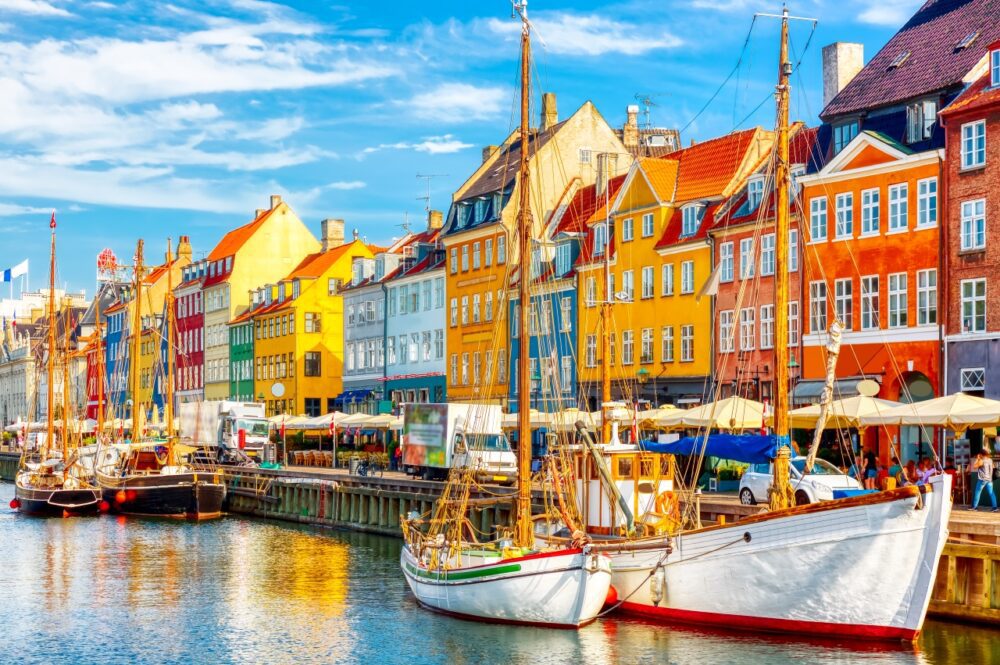
Nyhavn is the postcard view, and for once it lives up to the photos. Brightly painted townhouses line a narrow canal, with old wooden ships moored along the quay. The canal was dug in the 1670s to bring cargo into the city, and Hans Christian Andersen lived at several addresses here. Go early in the morning and you’ll have the quay almost to yourself. By lunchtime, the terraces are packed.
The harbour is the real draw beyond that. The waterfront is lined with promenades, bridges and cafés, and you can walk or cycle for miles without leaving the water’s edge. A canal and harbour tour is the easiest way to see it all in one go, and it gives your feet a rest. Walk back along the opposite bank for the best views of Nyhavn’s colours. If you’re short on time, this is the one spot I’d refuse to skip.
2. Tivoli Gardens
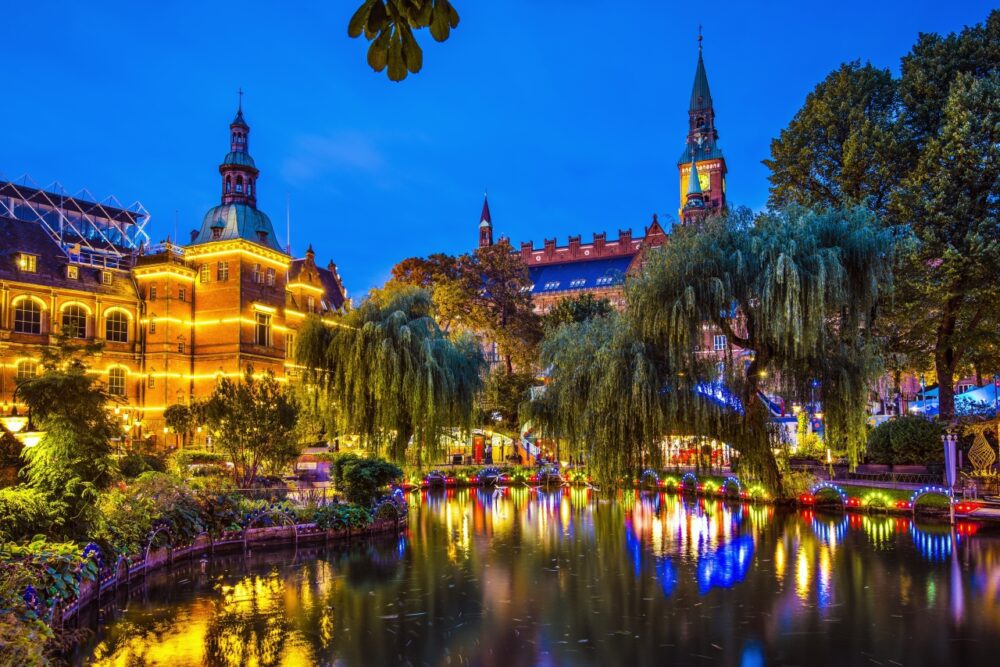
Tivoli Gardens has been in the middle of Copenhagen since 1843, and it’s one of the oldest amusement parks in the world. It’s not just for children. The gardens are beautiful, with lakes, flower beds, a Japan-inspired area called Hikari and more than 60 places to eat. There are over 30 rides, from gentle carousels to the wooden roller coaster that has clattered around since the early 1900s. Concerts and theatre run through the year.
Tivoli changes with the seasons. It dresses up for Halloween from early October to the start of November, and then switches to a full Christmas market with lights strung through the trees. That evening glow is hard to beat. You can buy a Tivoli entry ticket online, or pick the combo with unlimited rides if you plan to stay all day. It sits right opposite the Central Station, so it’s easy to fit in.
3. Cycling Culture
Copenhagen is the best city I’ve visited for cycling. Segregated bike lanes run along almost every main street, traffic lights are timed for bikes, and drivers expect riders everywhere. You’ll see people carrying children, shopping and even furniture on cargo bikes. The elevated Cycle Snake bridge near the harbour is a favourite, and the waterfront routes are flat and easy.
You don’t need to own a bike to join in. Shared bikes are everywhere, and a guided bike tour is a gentle way to learn the rules of the road before you go solo. The city is almost entirely flat, so you won’t arrive anywhere out of breath. Even if you never get on a saddle, the cycling culture shapes the whole city. It’s quieter, calmer and less polluted than most capitals, and the pace of life feels slower because of it. Try it once and you’ll see why locals never give it up.
4. Rosenborg Castle and the King’s Garden
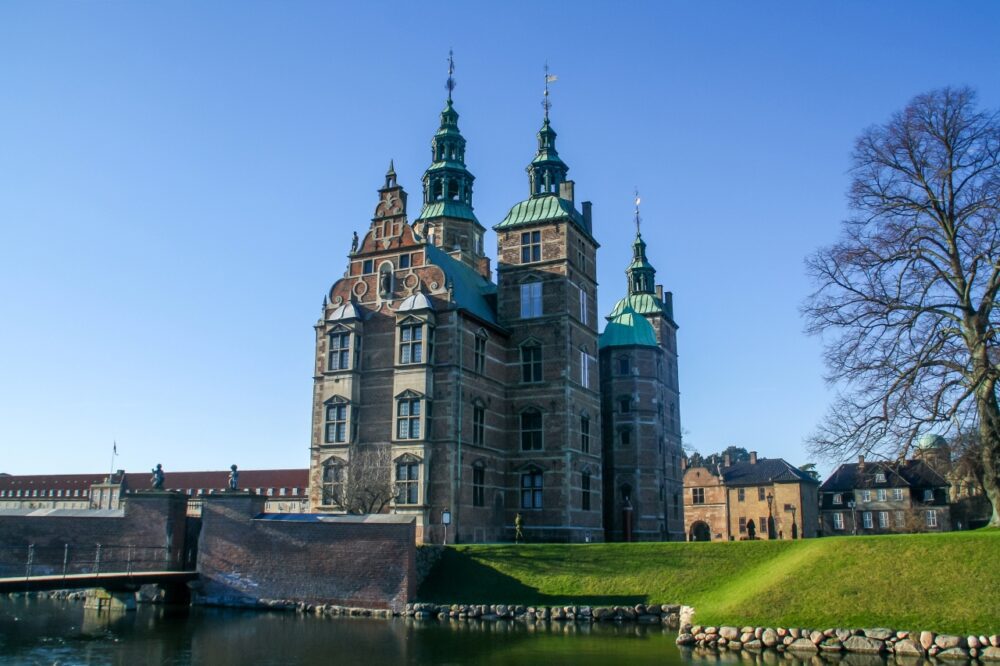
Rosenborg Castle is a small Renaissance palace that Christian IV began in 1606 as a private garden retreat. It’s built from red brick with a moat and turrets, and it feels more like a fairy-tale house than a fortress. Inside, the rooms are packed with royal furniture, tapestries and portraits. The highlight is the Treasury in the basement, where the Danish crown jewels and royal regalia are on display. You can see the emerald, ruby and diamond sets worn by Danish queens.
The castle sits within the King’s Garden, which is the oldest and most visited park in the city. On a dry day, locals picnic on the lawns and walk along the tree-lined paths. The formal flower beds and statues are just as pleasant as the rooms indoors, so plan around two hours inside and out. Buying a Rosenborg Castle entry ticket ahead of time saves you queuing at the door.
5. Christiania
Freetown Christiania is unlike anywhere else in Europe. Residents took over an abandoned military base in 1971 and created their own community with its own rules, and today it’s a car-free neighbourhood of around 1,000 people. The area has handmade houses, murals, workshops, music venues and lakeside paths. In 2011, a foundation was set up so that the residents could buy the land and keep the community going. You can wander in freely through the gate on Prinsessegade.
It’s easy to see the place as a quirky stop, but it’s more interesting than that. Christiania has an organic café, craft stalls and artists’ studios tucked between the trees. Pusher Street is the part with open cannabis stalls, which remain illegal. There’s a firm no-photos rule here, so keep your phone in your pocket. A guided bike tour that includes Christiania is a good way to get the background.
6. Danish Food and Smørrebrød
Danish food is more than pastries. The classic lunch is smørrebrød, an open sandwich of dark rye bread topped with things like pickled herring, roast beef with remoulade or egg and shrimp. It’s simple, filling and surprisingly delicate. Add a small glass of aquavit and you’ve had a proper Danish lunch. Hot dogs from street carts are the cheap, quick alternative, and the city has a thriving modern Nordic restaurant scene as well, if you want to splurge.
Food halls make grazing easy. Torvehallerne is a pair of glass market halls near Nørreport Station with stalls selling smørrebrød, fresh fish, coffee, cheese and chocolates. For a deeper introduction, I’d book a Danish tasting tour. It covers eight tastings and gives you the history behind each dish. Order two or three toppings between you and share, so you taste more without overspending. Come hungry, and don’t expect to finish everything.
7. Pastries, Coffee and Hygge Cafés
The word hygge describes a feeling of cosy, relaxed togetherness, and Copenhagen does it better than anywhere. Candles burn on café tables in the middle of the day, blankets are draped over outdoor chairs and nobody rushes you out. A flat white and a warm pastry in a window seat is one of my favourite things to do here. The best-known treat is the wienerbrød, which the rest of the world calls Danish pastry. It’s flaky, buttery and often filled with custard or topped with icing.
Cinnamon swirls, cardamom buns and rye bread bakeries are all over town, and the coffee scene is excellent. Pick a bakery in a residential street over one on a main square. A pastry tasting tour visits five bakeries in two hours. For the cosy side of things, the hygge and happiness tour is a thoughtful small-group option. Order a second pastry. You won’t regret it.
8. Danish Design and Modern Architecture
Copenhagen takes design seriously, and it shows in everyday life. Chairs, lamps and cutlery you’d see in a museum are used in ordinary cafés and homes. Designmuseum Denmark is housed in a former hospital and tells the story of Danish furniture and craft. The city’s shops are full of clean, simple objects you’ll want to take home.
The modern buildings are just as striking. The Black Diamond is the dark glass extension of the Royal Library, sitting right on the water. The Opera House stands across the harbour, and the Cycle Snake and Bryggebroen footbridges are works of design in their own right. CopenHill, a power plant with a ski slope on its roof, is the sort of idea only Copenhagen would try. If architecture appeals, a guided walk is a good way to see the highlights. It’s a city where even the bus stops look considered.
9. Christianshavn and the Canals
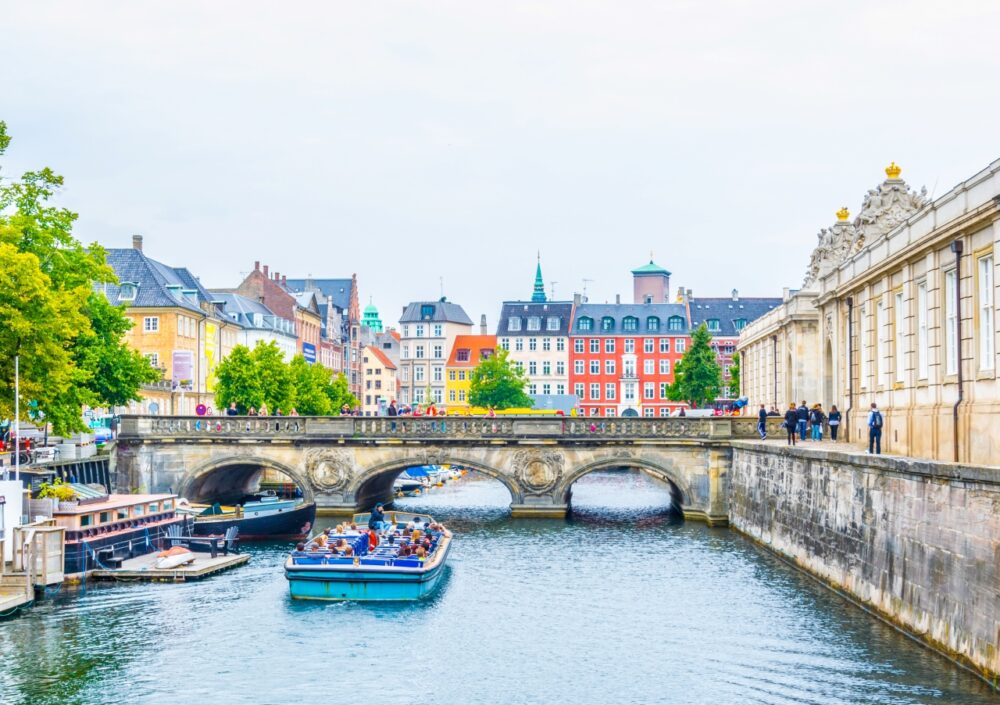
Christianshavn feels like a small Dutch town dropped into Copenhagen. Narrow canals, leaning houseboats and quiet cobbled streets run between old merchants’ houses. It was built in the early 1600s by Christian IV, and the layout still follows his plan. The Church of Our Saviour is the landmark here. Its spire has a spiral staircase on the outside, and climbing it gives you one of the best views over the city’s rooftops.
The streets are lovely for aimless wandering, with waterside cafés, small galleries and independent shops. In the evening, the bars along the canal fill up with locals. Christianshavn is also the easiest area for a canal cruise, because many boats pass right through it. It’s calmer and more local than Nyhavn, and I’d put it ahead of the main tourist strip for atmosphere. Sit on a bench by the water with a coffee and watch the boats drift past.

10. Easy Day Trips Around Zealand
Copenhagen is a great base for day trips, and most of them are easy by train. Kronborg Castle in Helsingør is a UNESCO World Heritage Site, and it’s the setting Shakespeare chose for Hamlet. Kronborg is open daily and sits right on the strait, looking across to Sweden. Frederiksborg Castle in Hillerød is a lakeside Renaissance palace that houses the Museum of National History. Frederiksborg is open every day of the year.
Roskilde is the other classic, and it’s the easiest to fit around a lunch stop. It has a UNESCO-listed cathedral where Danish monarchs are buried, and the Viking Ship Museum shows reconstructed longships. Trains from the Central Station reach all three towns in under an hour. If you’d rather not juggle timetables, the Kronborg, Frederiksborg and Roskilde day trip covers all three in one day. You can also cross the Øresund Bridge to Sweden on a Lund and Malmö tour.
Cons of Visiting Copenhagen
1. Very High Prices
Copenhagen is expensive. Denmark has high taxes and high wages, and you’ll feel it in restaurants, bars and shops. A beer in a central bar usually costs 70 to 90 kr (£8 to £10), and a sit-down dinner with drinks can quickly climb past 500 kr (£57). Even a coffee and a pastry adds up. Hotels are pricey too, especially in the centre and during summer and December.
There are ways to soften the blow. Smørrebrød at a market hall, bakery lunches, supermarket picnics and street hot dogs all keep costs down. Many museums and parks are free or cheap, and walking and cycling cost nothing. Take the Copenhagen Card if you plan to visit a lot of paid sights. Budget travellers will find Copenhagen hard going, so check the maths before you book.
2. Short, Dark Winter Days
If you travel between November and February, expect early darkness. In midwinter, the sun rises after 8 am and sets before 4 pm, which leaves about seven hours of daylight. The sky can stay grey for days at a time, and the temperature hovers around freezing. It’s easy to lose a morning to the weather.
The city copes well, though. Candles, warm cafés, Christmas lights and indoor attractions make the dark feel cosy rather than gloomy. Plan your outdoor walks for the middle of the day, and leave museums, Rosenborg’s Treasury, food halls and Tivoli’s evening lights for later. Pack a proper coat, gloves, a hat and waterproof shoes. If you can’t stand short days, travel from late spring onwards, when the evenings stretch out.
3. The Little Mermaid Is a Letdown
The Little Mermaid statue is on every tourist list, and it’s small. The bronze figure is a little over a metre tall, and it sits on a rock by the water at Langelinie. Crowds gather around it all day, and tour buses pull up in convoy. Getting a photo without strangers in the frame takes patience. Most people spend five minutes there and wonder what the fuss was about.
If you want to see it, treat it as a short stop on a longer walk. The route from the city passes through Kastellet, a star-shaped 17th-century fortress with grassy ramparts, windmills and a peaceful park. The harbourside promenade is lovely, too. Don’t plan an entire morning around the statue, and don’t make a special journey for it. The walk matters more than the destination.
4. Bike Lanes Can Catch You Out
Cycling is a pro, but it’s also a trap if you aren’t paying attention. Bike lanes are busy and fast, and locals ride at speed. Step off a kerb without looking and you’ll cause a collision. Pedestrians are expected to stay off the lanes, and tourists often wander into them while taking photos. Cyclists will ring a bell, and some will shout.
If you ride yourself, learn the basics. Keep to the right, stick out an arm to signal a turn or stop and don’t stop suddenly in the middle of the lane. Watch for cargo bikes, which are wide and heavy. Always lock the bike properly, because theft is common. Wear a helmet, since you’ll be riding with fast traffic. On foot, look both ways at every kerb, even if there’s no road traffic.
5. Changeable, Windy Weather
Copenhagen sits on the coast, and the weather can switch within an hour. Wind blows in off the Øresund, and a sunny morning can turn into a rainy afternoon. Even in summer, a cold wind can make the harbour front feel chilly. An umbrella is often useless in the breeze, so a hooded waterproof jacket is a better choice.
Pack layers, and keep your plans flexible. Move museums and food halls to wet days, and save the harbour walks and bike rides for dry spells. Rain rarely lasts all day, so a short café stop often solves it. The upside is that the city is built for it. Cafés are cosy, public transport is quick and locals simply carry on regardless. With the right clothes, the weather is a minor annoyance rather than a problem.
Where to Stay
Indre By: This is the historic centre, and it’s where I stayed on my first trip. Strøget, Rundetårn, Nyhavn and Rosenborg are all within a 15-minute walk, and the streets around Sankt Peders Stræde are full of bars, bookshops and cafés. Prices are the highest in the city and weekends get noisy, but for a first visit the convenience is hard to beat. Wakeup Copenhagen – Borgergade is a budget-friendly 2-star near Nyhavn with soundproof rooms and a 24-hour front desk. Motel One Copenhagen is a mid-range 4-star by City Hall Square with a bar and coffee house on site, and Boutique Hotel SP34 is an upscale 4-star on Sankt Peders Stræde with a restaurant, bar and concierge.
Nyhavn and the Harbour: This is the waterfront strip running from Nyhavn to Havnegade and out towards the Royal Playhouse, with canal views, harbour promenades and ferry stops close by. Kongens Nytorv Metro Station is a short walk away, so the airport is easy to reach. It suits couples and special occasions, but dining near the canal is pricey and busy, so walk a few streets back for better value. Capsule Hotel Nyhavn63 is an adults-only capsule stay right on Nyhavn and the cheapest bed on the waterfront, with a terrace and shared lounge. Copenhagen Strand is a mid-range 4-star on Havnegade with a bar and a tour desk, and 71 Nyhavn Hotel is an upscale stay in a converted warehouse on the canal with a restaurant and bar.
Vesterbro: I moved here for my second trip because I wanted a livelier base with more local restaurants and a short walk to the station and Tivoli. It was once the red-light district and is now one of the trendiest areas in the city, with Istedgade and the Meatpacking District packed with bars, bakeries and restaurants. Prices are lower than Indre By and the nightlife is better, though the streets around the station can feel gritty late at night. City Hotel Nebo is a budget-friendly 2-star on Istedgade near the station, Scandic Kødbyen is a mid-range pick in the Meatpacking District with a restaurant and bar, and Axel Guldsmeden is an upscale 4-star on Colbjørnsensgade with a spa, sauna and garden.
Nørrebro: This is the most multicultural and youthful part of Copenhagen. Jægersborggade is full of independent shops, specialty coffee and small restaurants, Assistens Cemetery doubles as a local park and Nørrebrogade is lined with cafés and bars. It’s a good pick for a laid-back, local feel, and although it’s further from the main sights, the bus and bike links are excellent. Sleep in Heaven is a budget-friendly, adults-only hostel on Struenseegade with a bar and garden. Hotel Nora Copenhagen is a mid-range 3-star on Nørrebrogade with a terrace, and Boutique Hotel Hans is an upscale 4-star on Aboulevard near the Lakes.
Christianshavn: This canal-side district sits just across the water from the centre. It’s quiet and village-like, with Christiania on its doorstep and the Church of Our Saviour for views, and the Metro and harbour buses make the centre easy to reach. Hotels are scarcer and pricier here, so you’ll find more design-led and upscale options than budget ones. It suits travellers who prefer calm evenings to nightlife. 25hours Hotel Paper Island is a design-led 4-star on Papirøen with a restaurant, bar and sun terrace. NH Collection Copenhagen is an upscale 5-star on Strandgade with a restaurant and fitness centre, and Kanalhuset is a canal-side stay on Overgaden Oven Vandet with a restaurant and bar.
Best Things to Do
Copenhagen’s best experiences are on the water, on two wheels and around the dinner table. Here are the ones I’d put on a shortlist.
- Canal boat tour from Gammel Strand: A one-hour cruise past Nyhavn, the Opera House, the Little Mermaid and Christianshavn. A simple, relaxing way to get your bearings.
- Highlights bike tour with a local guide: A three-hour ride through the main sights on the city’s bike lanes. A good first taste of cycling here.
- Tivoli Gardens entry ticket: Entry to the historic amusement park and gardens. Stay for the evening lights.
- Rosenborg Castle entry ticket: Skip-the-queue entry to the Renaissance castle and the crown jewels.
- Small-group hygge and happiness culture tour: A three-and-a-half-hour walk exploring Danish culture and everyday life. It’s a bestseller for a reason.
- A Taste of Denmark tasting tour: A four-hour walk with eight tastings of Danish classics. Bring a big appetite.
- Best street food tour with a local guide: Three hours sampling street food around the city. A casual, budget-friendly way to eat well.
- Danish pastry tasting tour: A private two-hour tour that visits five bakeries. Ideal for anyone with a sweet tooth.
- Guided bike tour with Christiania visit: A two-and-a-half-hour ride that includes the Freetown. The guide explains the history behind it.
- Politically incorrect beer tasting walking tour: A two-hour evening walk through Vesterbro with Danish craft beer. Fun and chatty.
- Kronborg, Frederiksborg and Roskilde day trip: An 8.5-hour tour of two castles and a cathedral city. The easiest way to see Zealand without a timetable.
- Lund and Malmö two-country tour: A nine-hour trip across the Øresund Bridge to Sweden. A bestseller if you want a second country on the same day.
Best Time to Visit
Winter (December to February): This was my first trip, and the city won me over despite the dark. Temperatures sit close to freezing, and daylight lasts around seven hours in midwinter. Tivoli turns into a Christmas market, candles glow in every window and the cafés feel at their cosiest. Hotels are cheaper outside the Christmas weeks. Pack a warm coat, and plan your outdoor time around midday.
Spring (March to May): I went back in spring, and it was a very different city. Temperatures climb from around 5°C to the mid-teens, and the parks turn green. Cherry trees bloom in April, outdoor tables reappear and locals pour onto the waterfront at the first sunny day. It’s good for cycling, and crowds are still manageable. Expect showers and a brisk wind.
Summer (June to August): Summer is the high season. Highs are around 20°C, with long daylight hours that stretch past 10 pm in June. Harbour baths open for swimming, terraces fill and festivals run through the city. Hotel prices peak, and the main sights are busier. Book accommodation early if you’re travelling in July.
Autumn (September to November): September is mild, with highs around 16°C. By late October, the leaves turn and the days shorten fast. Tivoli’s Halloween season runs from early October to the start of November. Prices drop after the summer rush. Bring a waterproof jacket, because rain is common.
How Long to Spend
1-2 Days: You can cover the essentials with one or two days. See Nyhavn, take a canal tour, walk through the King’s Garden and Rosenborg, and finish with dinner in Vesterbro or Nørrebro. It’s tight, but you’ll get a good taste of the city. Add Tivoli in the evening if you can.
3-4 Days: This is the ideal length. I’ve done two four-day trips, and both felt full without being rushed. You have time for Tivoli, Christiania, Christianshavn, a bike tour, a food tour and a design museum. You can also add a day trip to Kronborg or Roskilde, and leave an afternoon free for cafés.
5-7 Days: With a week, you can slow down and explore beyond the centre. Add a trip to Malmö or Lund, a longer stay in Frederiksborg and Kronborg, and time in neighbourhoods such as Nørrebro and Frederiksberg. You’ll also have room for bad weather days. Copenhagen also works as a starting point for the rest of Denmark. Odense, Hans Christian Andersen’s birthplace, is about 1.5 hours away by train. Aarhus is around 3 hours away, and Aalborg is further north in Jutland. Anything longer than a week is only worthwhile if you plan to explore further in Denmark.
Getting Around
On foot: The historic centre is small, and you can walk between Tivoli, Strøget, Nyhavn and Rosenborg in about 20 minutes. Distances stretch once you add Christianshavn, Vesterbro or Nørrebro, but they’re still manageable. Wear comfortable shoes, and watch for bike lanes.
Bike hire: Cycling is the most fun way to see the city. Donkey Republic has bikes across Copenhagen that you unlock with your phone and drop at a marked point. The lanes are flat and well signed, but ride defensively until you get used to the pace.
Metro, trams and buses: DOT covers the public transport network of metro, trains and buses. The metro runs around the clock, and trains and buses link the rest of the region. Tickets are sold in the DOT app and at station machines. If you plan to see a lot of attractions, the Copenhagen Card Discover includes public transport in the Capital Region, including to and from the airport, as well as entry to more than 80 attractions. Check the maths against your itinerary first.
Taxis: Taxis are metered and reliable, and you can pay by card. They cost a lot, so I rarely used them. Book through an app or find a rank at the station, and expect to pay more at night.
To and from the airport: Copenhagen Airport is the easiest in Europe to get to. The metro runs from Terminal 3 to Nørreport in about 15 minutes, with trains every four to six minutes in the day. Trains from the airport station reach the Central Station in about 15 minutes too. A ticket costs around 30 kr (£3.50). A taxi runs about 250 to 400 kr (£29 to £46). If you’d prefer a driver, a private airport transfer takes about 30 minutes, and an English-speaking transfer service is another option. On the way back, book the same transfer for your departure and leave time for security.
So, is Copenhagen Worth Visiting?
Yes, if you value atmosphere over fireworks. Copenhagen doesn’t have the grand monuments of Paris or Rome, but it has a way of life that sticks with you. The bike lanes, the harbour, the candlelit cafés and the pastries add up to a city that feels easy to live in. After two trips, I still hadn’t run out of things to do.
It isn’t perfect. Prices are high, winter days are short, the Little Mermaid is tiny and the bike lanes demand attention. The weather also changes without warning. Most of this is manageable, though. Plan your meals around markets and bakeries, bring the right coat and keep out of the bike lanes, and the city rewards you.
If I were planning a first trip, I’d book three or four days. Stay in Indre By or Vesterbro, start with a canal tour and spend an evening in Tivoli. Add a bike tour, a smørrebrød lunch and a day trip to Kronborg or Roskilde. Copenhagen is a city you’ll want to see again, and I already know I will.